
In the high-stakes culinary arena of Food Network’s Pitmasters, Episode 4 saw a significant strategic advantage play out for Christie Vanover and Susie Bulloch, collectively known as "The Fierce Ladies of BBQ." Their recent triumph in the "Big Burn 3" challenge, a victory that earned them first place, directly translated into a coveted edge for the subsequent competition. This advantage proved pivotal as they navigated a complex "Rooter to Tooter" challenge, a demanding "nose-to-tail" cooking event that tested their butchery skills and culinary creativity. The team’s ability to leverage their previous win and execute a meticulously planned German-inspired feast not only secured their safety in the competition but also earned them the distinction of the top pig cook for the episode.
The strategic advantage stemmed directly from their win in the "Surf and Turf" challenge. As victors, Vanover and Bulloch were granted the power to dictate team assignments for the upcoming challenge, a critical decision in a competition where alliances and rivalries are as important as culinary prowess. The "Rooter to Tooter" challenge mandated that teams face off against each other, each cooking the same type of animal: pig, lamb, or goat. With a mere thirty seconds to strategize, Vanover and Bulloch meticulously orchestrated pairings designed to neutralize their strongest competitors. They recognized the formidable track records of teams like Esaul and Grecia, who had already secured two "Big Burn" victories, and Connie and John, along with Hector and Ruben, who had previously won "Flash Burn" challenges. Their strategy involved pitting these high-performing teams against one another, with the hope that one would be eliminated.
Crucially, Vanover and Bulloch also strategically selected their own protein. "We also knew that we wanted to cook the pig because it was the protein we were most familiar with," stated Vanover. This familiarity provided a solid foundation for their culinary execution. The team also demonstrated a thoughtful consideration for fellow competitors, particularly Denzel and Reggie, with whom they had formed a camaraderie they dubbed the "cul-de-sac" at their end of the cook station. Wanting to ensure their friends’ continued success without direct competition, they assigned Denzel and Reggie the goat, a protein they believed the duo would excel with. This left Esaul and Grecia paired against Connie and John with the lamb, setting the stage for intense culinary battles across all three proteins.

The "Big Burn: Rooter to Tooter" challenge presented a formidable task: create two distinct nose-to-tail main courses and two complementary sides, with each dish requiring the incorporation of a specific animal part. Success in this head-to-head battle meant safety, while failure placed a team at risk of elimination. Vanover and Bulloch approached the pig with confidence, expertly butchering the animal into its various components, including shoulders, hams, belly, ribs, loin, tenderloin, and head. This initial phase highlighted their proficiency in butchery, a skill honed through years of experience in the competitive barbecue circuit.
However, the demanding nature of the competition began to take its toll. Vanover admitted to experiencing a moment of profound exhaustion: "I hit a wall. I was physically and emotionally exhausted. We had been going non-stop, battling the elements, facing highs and lows and it just hit me like a ton of bricks. After the pig was butchered, my mind was blank as to what we should cook." It was at this critical juncture that the strength of their partnership shone through. Bulloch immediately conceived of a "live fire German feast," an idea that resonated deeply with both competitors due to their shared German heritage and personal experiences with the cuisine. This shared vision provided the creative spark needed to overcome Vanover’s momentary burnout.

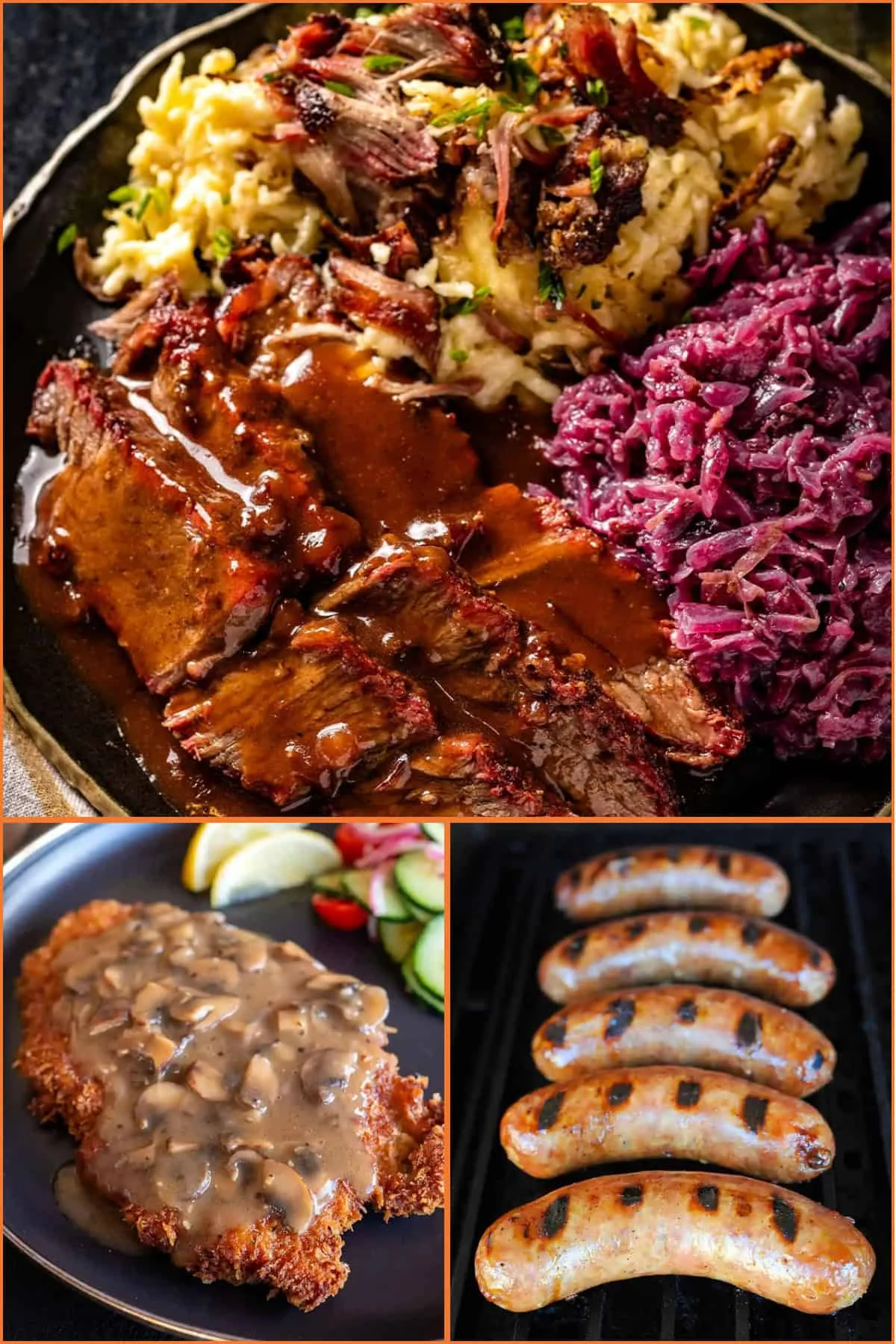
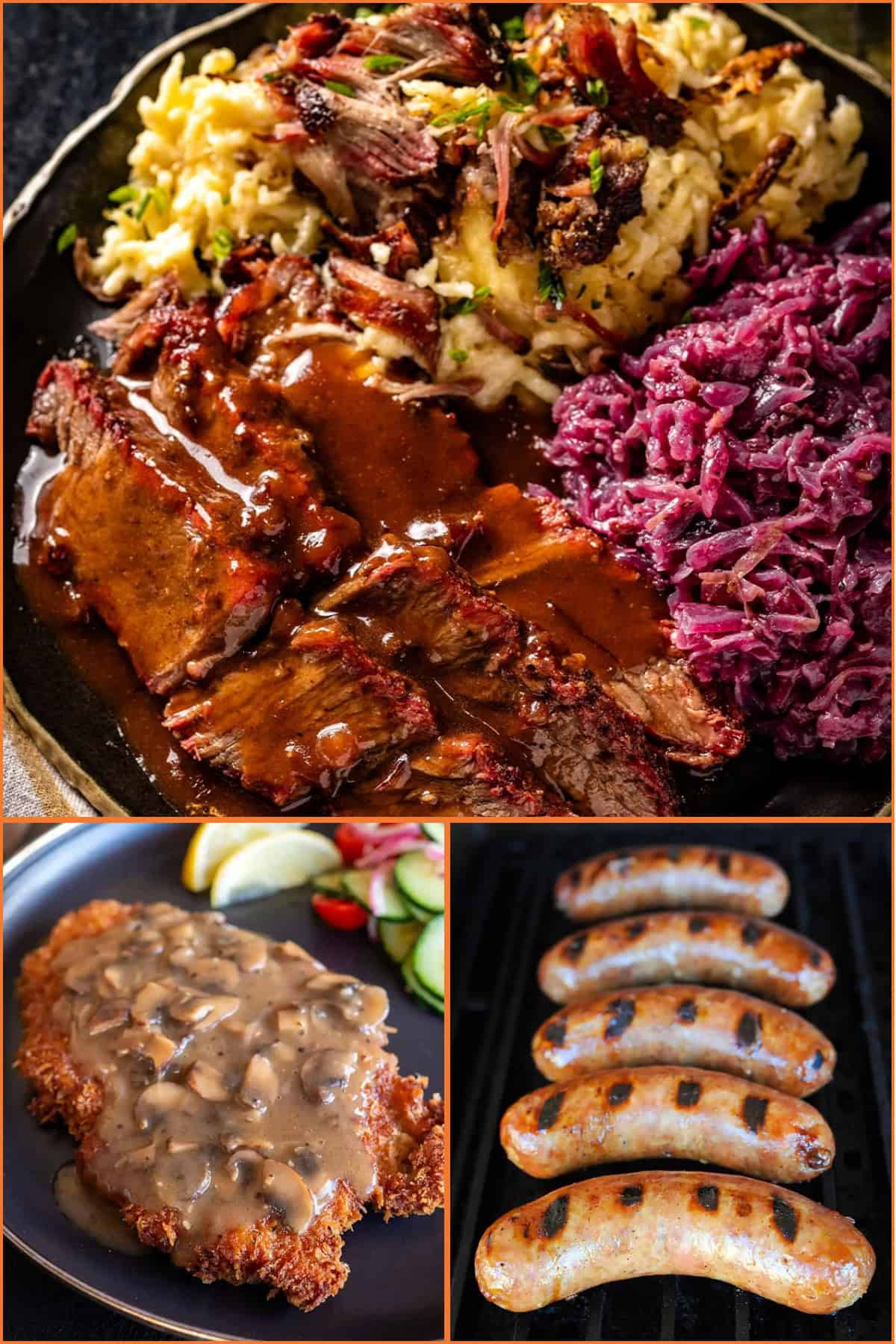
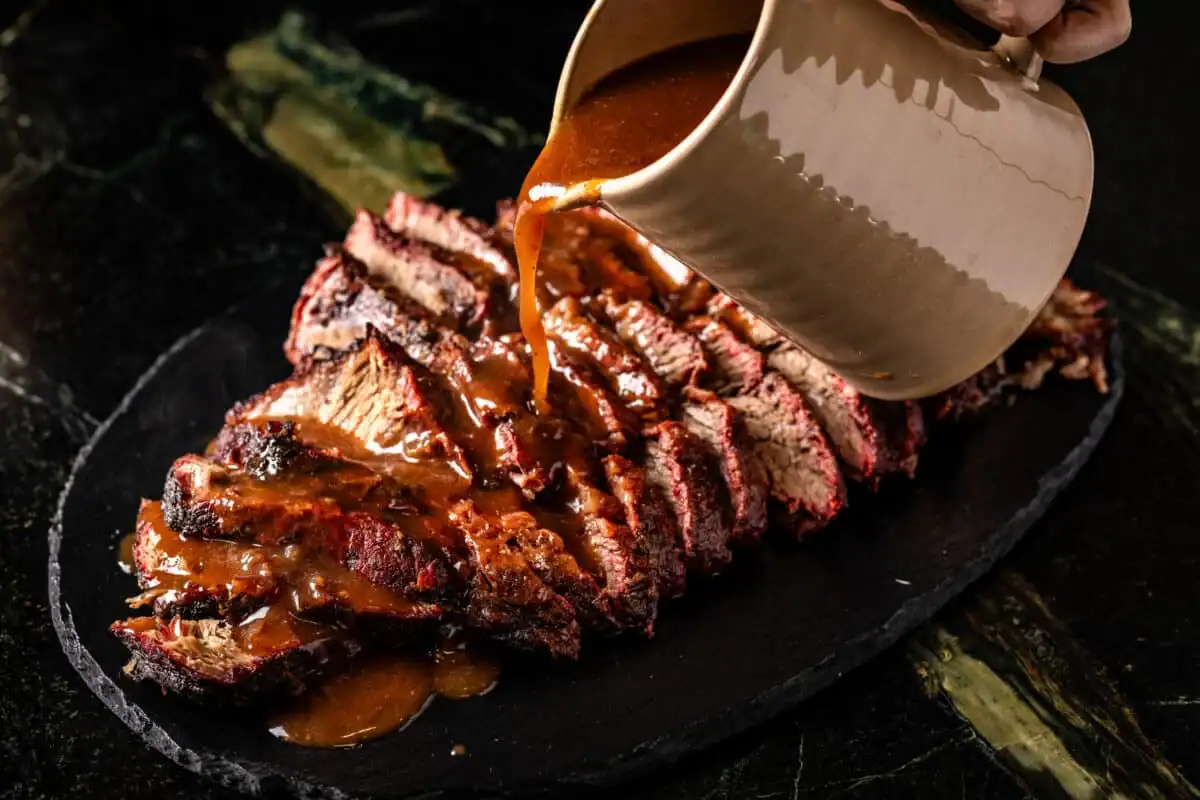
The German theme guided their main course selections. For their first main, Bulloch proposed a classic sauerbraten, utilizing the pork shoulder. This traditional German dish involves marinating meat in a mixture of vinegar, wine, and spices before slow-cooking, resulting in a tender and flavorful outcome. For their second main, Vanover initially considered spiessbraten, a German roast, but deemed the loin too small and prone to drying out on the grill. The mental block of needing to cook proteins exclusively on the grill or smoker began to dissipate as they discussed their German experiences. The breakthrough came with the realization that schnitzel, a personal favorite of Vanover’s, could be adapted for live-fire cooking. While not typically associated with grilling, this innovative approach demonstrated their willingness to push culinary boundaries.
To complement their main dishes, they prepared Käsespätzle with pork cheek and chicharron, and Rotkohl (German red cabbage) with pork belly. The Käsespätzle, a type of German noodle, offered a comforting and savory element, while the crispy pork cheek and chicharron added textural contrast. The Rotkohl, a staple of German cuisine, provided a sweet and tangy counterpoint to the richness of the pork belly. This comprehensive approach ensured a well-rounded and authentic German culinary experience.
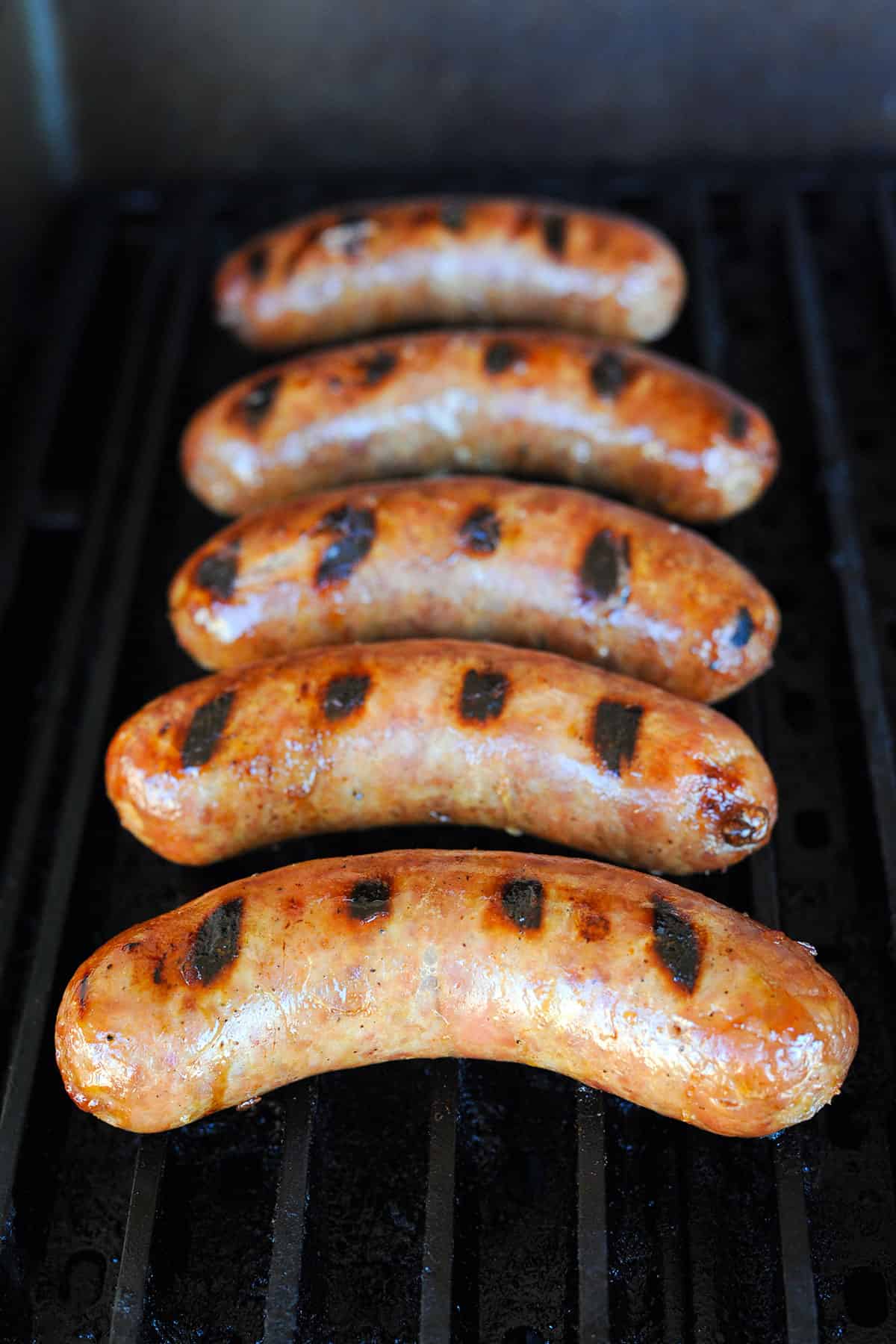
The "Flash Burn" challenge, a rapid-fire segment of the competition, demanded the creation of a cased sausage link using leftover animal trimmings. This segment injected a renewed sense of energy into Vanover, who regularly makes sausage. Their choice for the Flash Burn was bratwurst, a nod to their overarching German theme. The process required meticulous attention to detail, particularly in maintaining the cold temperature of the meat to prevent fat rendering prematurely. In the direct sunlight of the competition arena, this proved to be a significant challenge, necessitating frequent trips to the cooler to keep the mixture chilled.
The team carefully weighed their ingredients, using five pounds of ham trimmed by Bulloch and over 1.5 pounds of pork fat sourced by Vanover. Traditional bratwurst spices, including white pepper and mace, were incorporated to achieve the authentic flavor profile. A critical step involved cooking a small portion of the seasoned meat to verify the seasoning balance before proceeding with casing. The sausages were then grilled over an open fire and finished in a skillet with beer, onions, and cabbage. A final flourish came from Bulloch’s preparation of pickled mustard seeds, a recipe adapted from Iron Chef Michael Symon, further elevating the dish. In a moment of on-the-fly adjustment, they decided to forgo the planned pretzel bun, recognizing that the meat-to-bread ratio was not ideal for the eating experience, a testament to their commitment to delivering a flawless final product.
While they did not win the Flash Burn, the judges’ feedback offered valuable insights. Big Moe noted a desire for slightly more fat but acknowledged the "really good flavor." Ernest Servantes, impressed by the authentic German flavors, humorously declared the dish inspired him to perform the "chicken dance," leading to a spontaneous moment of levity and camaraderie among the competitors. This playful interaction underscored the often-unseen human element of these intense culinary competitions.
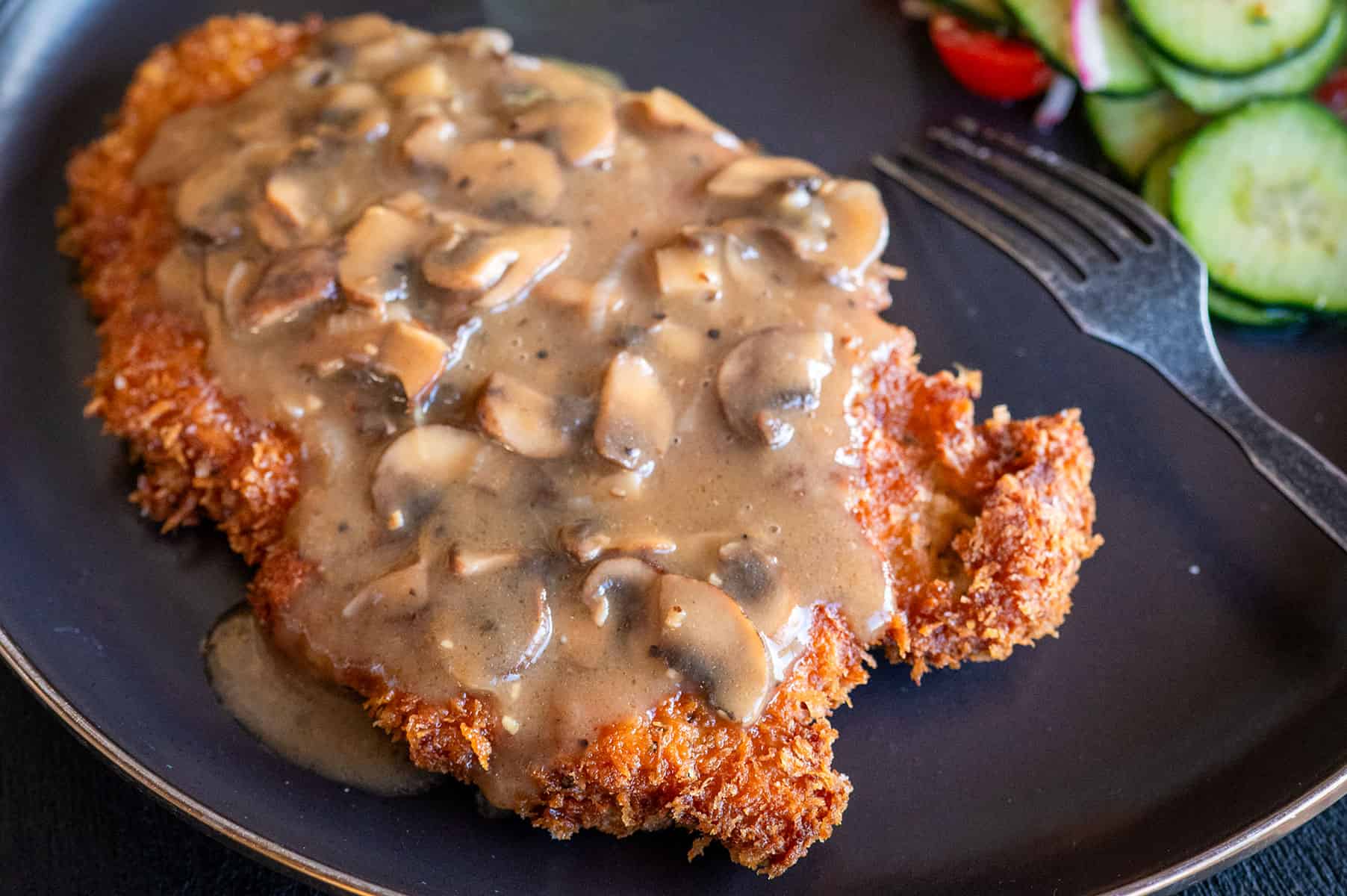
The judging of the "Big Burn" challenge saw Vanover and Bulloch present their meticulously crafted German feast. The Jägerschnitzel, a variation of schnitzel topped with mushroom gravy, was a highlight. To create the rich gravy, they utilized pork ribs to make a stock, truly embodying the "rooter to tooter" ethos by employing every part of the pig. The Käsespätzle was prepared with crispy pork cheek and pork skin, while the Rotkohl offered a vibrant, flavorful accompaniment. Vanover’s struggle with controlling the temperature of oil for frying the schnitzel over live fire, a recurring challenge throughout the competition, was overcome, resulting in perfectly crisp cutlets. The platter was artfully completed with a refreshing cucumber salad and lemon wedges to balance the richness of the dishes, showcasing their impressive presentation skills despite Vanover’s admitted exhaustion.

The head-to-head competition against Matt and Max, who opted for a traditional American BBQ approach, proved to be a stark contrast in culinary philosophies. The judges’ reactions to Vanover and Bulloch’s German offerings were overwhelmingly positive. Judge Jess, a meat scientist, commended their execution, stating, "All I need is a frosty stein full of beer at this point." She further praised their understanding of the pig, describing their breakdown and reconstruction of the animal as akin to a "big jigsaw puzzle." Andrew Zimmern, drawing on his own German heritage, expressed his delight: "This is the food of my people." He lauded the "beautifully handled" food and their ability to "understand the assignment," noting how their culinary prowess made the judges’ decision incredibly difficult.
The culmination of the episode saw all six teams reconvene for the final announcement. The Fierce Ladies of BBQ were declared the winners of the pig challenge, securing their safety and advancing in the competition. This victory not only affirmed their strategic acumen and culinary talent but also demonstrated their resilience and ability to adapt under pressure.
New episodes of Pitmasters air Mondays at 9/8c on Food Network, with episodes also available for streaming the following day on HBO Max. The success of Christie Vanover and Susie Bulloch in Episode 4 sets a compelling narrative for their journey as they continue to compete, showcasing their innovative approach to live-fire cooking and their dedication to mastering diverse culinary traditions. Their German feast, a testament to their skill, teamwork, and strategic foresight, has firmly established them as formidable contenders in the Pitmasters arena.


