The landscape of Mother’s Day consumerism is undergoing a significant transformation as the traditional focus on floral arrangements and jewelry gives way to a heightened demand for wellness-oriented and comfort-centric products. As the second-largest retail holiday in the United States, Mother’s Day serves as a critical barometer for consumer sentiment and retail health. This year, industry analysts observe a distinct trend toward "restorative gifting," a category that emphasizes sleep hygiene, loungewear, and home-based relaxation. Brands such as Purple, a leader in comfort technology, are responding to this shift by integrating high-performance textiles with lifestyle-oriented designs, exemplified by their latest collaborations and promotional strategies.
The Economic Landscape of Mother’s Day Spending
According to data from the National Retail Federation (NRF), annual spending for Mother’s Day consistently exceeds $30 billion in the United States. While jewelry and special outings remain high-grossing categories, the "apparel and accessories" and "home goods" sectors have seen steady year-over-year growth. Market research suggests that the modern consumer is increasingly prioritizing utility and long-term value over ephemeral gifts. This shift is particularly evident in the rise of the "sleep economy," a multi-billion dollar industry that encompasses mattresses, specialized pillows, and high-tech sleepwear.

Retailers are capitalizing on this by offering curated bundles that pair functional items—such as moisture-wicking pajamas or ergonomic pillows—with personalized elements. The integration of discount incentives, such as the limited-time promotional codes offered by major bedding brands, serves to accelerate conversion rates in an increasingly competitive digital marketplace. Analysts note that these promotions are often timed to coincide with the "early bird" shopping window, typically starting three to four weeks before the holiday.
Historical Context and the Evolution of Gifting
The observance of Mother’s Day has evolved significantly since Anna Jarvis organized the first official service in 1908. Originally intended as a day of personal reflection and simple tribute, the holiday was officially recognized by the U.S. government in 1914. However, the rapid commercialization that followed led Jarvis herself to protest the holiday’s focus on material gifts.
In the 21st century, the definition of the "Mother’s Day gift" has expanded to reflect changing societal norms. The contemporary emphasis on "self-care" and "mental wellness" has rebranded traditional domestic items as tools for health. What was once seen as a simple household utility—a set of sheets or a pillow—is now marketed through the lens of sleep science and orthopedic health. This transition reflects a broader cultural movement toward prioritizing maternal health and the recognition of domestic labor, where "rest" is marketed as a luxury commodity.

Product Innovation: The Sleepy Jones and Purple Collaboration
A notable development in the comfort sector is the strategic partnership between Purple and the luxury sleepwear brand Sleepy Jones. This collaboration represents a convergence of aesthetic design and material science. Sleepy Jones, known for its classic tailoring and artistic prints, provides the stylistic framework, while Purple contributes its expertise in textile engineering.
The resulting product line utilizes knit jersey materials designed to mimic the tactile sensation of high-end bedding. This "crossover" apparel—clothing that functions as both sleepwear and loungewear—addresses the growing consumer preference for versatility. Technical specifications of these garments often include high breathability ratings and stretch-recovery properties, ensuring that the products maintain their shape and comfort over extended use. By aligning with fashion-forward brands, comfort technology companies are able to reach a demographic that values both performance and visual appeal.
The Rise of Personalization and the "Maker" Economy
Parallel to the growth of high-tech gifting is the resurgence of the "Do-It-Yourself" (DIY) movement. Industry data indicates that personalized gifts are perceived to have higher sentimental value, leading to a surge in the sales of craft-related technology. The use of electronic cutting machines and heat-transfer vinyl (HTV) has democratized the creation of custom apparel, allowing consumers to add bespoke elements to mass-produced goods.
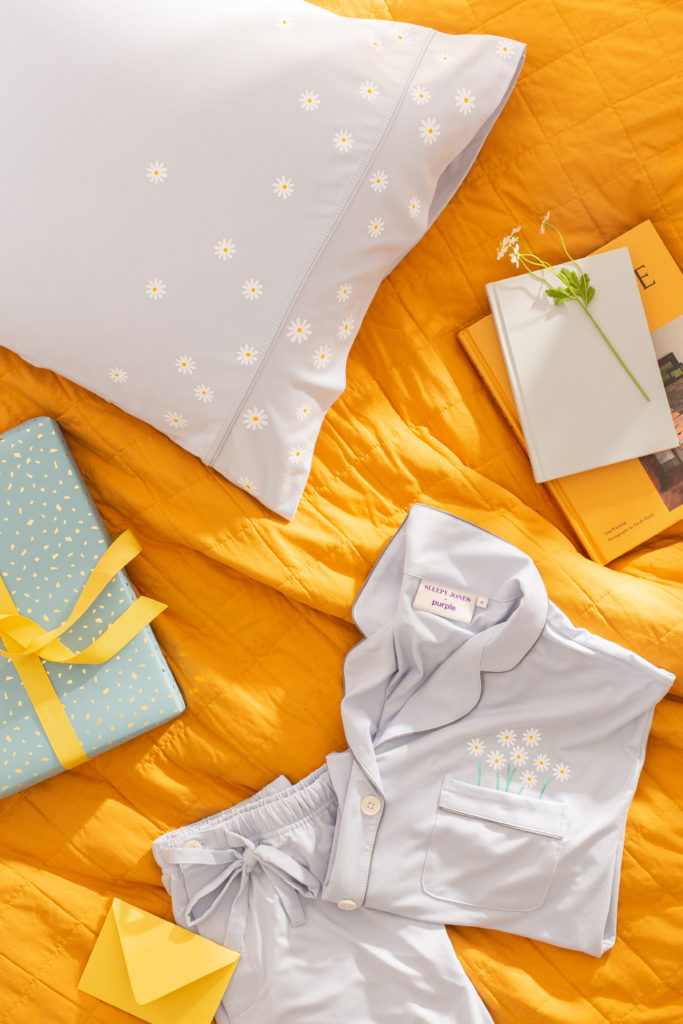
The "Daisy DIY" initiative serves as a primary example of how brands are encouraging consumer engagement through customization. By providing digital templates for floral motifs, companies allow users to transform standard garments into unique commemorative items. This trend toward "semi-custom" gifting—buying a high-quality base product and adding a personal touch—is particularly popular among millennial and Gen Z consumers, who value authenticity and individual expression.
Technical Procedure for Textile Customization
For consumers seeking to personalize comfort-based gifts, the application of heat-transfer vinyl requires a specific technical approach to ensure durability and aesthetic quality. The process involves several key stages:
- Substrate Preparation: The garment or pillowcase must be pre-pressed to remove moisture and wrinkles, creating a flat surface for optimal adhesion.
- Digital Plotting: Using vector-based artwork, a craft cutter precisely carves the design into the vinyl material. For complex designs like the daisy motif, multiple layers of color are often used to create depth.
- Thermal Application: An iron or heat press is applied to the vinyl. The temperature and duration of the heat are critical; overheating can damage the fabric fibers, while underheating results in poor adhesion.
- Layering and Finishing: Multi-color designs require a staggered application process, starting with the base stems and moving toward the foreground elements like the flower centers. A protective barrier, such as parchment paper, is used to prevent direct contact between the heat source and the already-applied vinyl.
This methodical approach to gifting reflects a broader move toward "slow consumerism," where the time invested in creating or selecting a gift is considered part of the value proposition.

Market Analysis: The Impact of Sleep Hygiene on Consumer Choice
The success of brands like Purple is largely attributed to the increasing public awareness of sleep hygiene. Clinical studies linking sleep quality to cognitive function and long-term health have turned the bedroom into a focal point for wellness spending. Products such as the "Harmony" pillow, which utilizes a honeycomb-patterned polymer grid, are engineered to provide neck support and temperature regulation—features that are now high on the priority list for Mother’s Day shoppers.
The shift toward high-performance bedding is also driven by the "home as a sanctuary" trend. As the boundaries between work and home life have blurred, consumers are investing more heavily in products that define and enhance their relaxation spaces. This has led to a diversification of the bedding market, with increased demand for "soft-stretch" sheets and weighted blankets, which are frequently marketed as anxiety-reducing tools.
Broader Implications for the Retail Sector
The trends observed during the Mother’s Day shopping season have significant implications for the retail sector at large. The emphasis on comfort and wellness is not a seasonal anomaly but rather a long-term shift in consumer behavior. Retailers that fail to integrate "well-being" into their product narratives may find it difficult to compete with brands that offer a holistic value proposition.
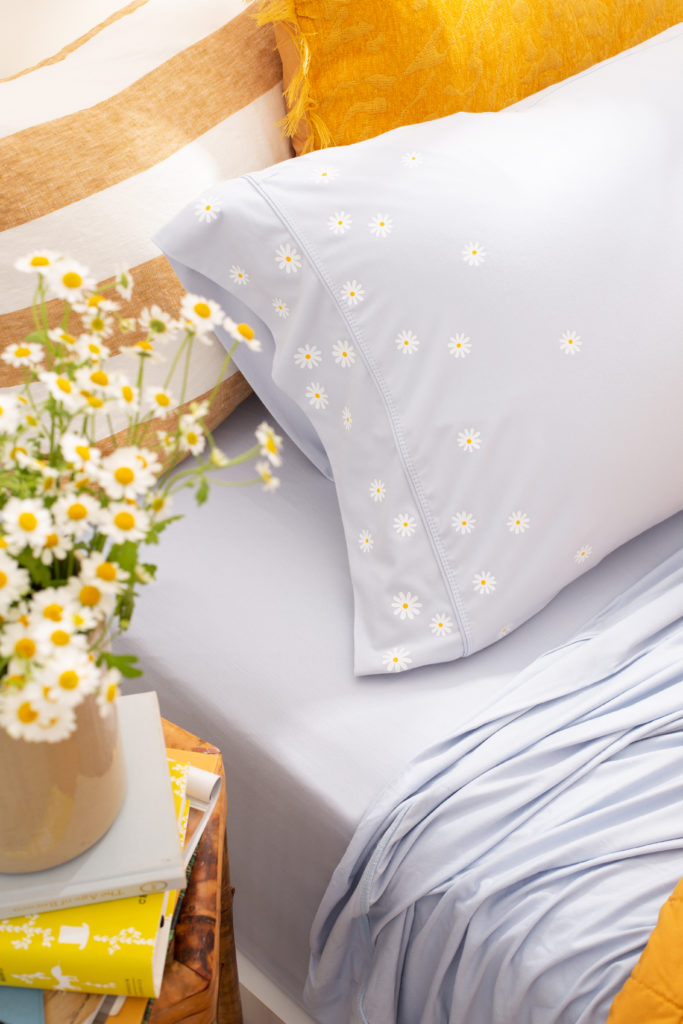
Furthermore, the use of influencer-led content and "lifestyle" blogging has become a primary driver of retail traffic. By embedding product recommendations within relatable narratives about family life and the need for rest, brands are able to bypass traditional advertising fatigue. This strategy is particularly effective for high-ticket items like mattresses and luxury bedding, where consumer trust is a prerequisite for purchase.
Future Outlook and Conclusion
As Mother’s Day approaches, the retail data suggests a strong performance for the comfort and home goods sectors. The combination of technological innovation in textiles, the rise of personalized DIY gifting, and a societal shift toward prioritizing rest has created a robust market for restorative gifts.
Looking forward, industry experts predict that the integration of smart technology into sleep products will be the next frontier. From biometric-tracking pillows to climate-controlled mattresses, the "gift of sleep" is poised to become even more sophisticated. However, the core sentiment remains unchanged: the modern Mother’s Day gift is increasingly defined by its ability to provide tangible, long-term comfort in an increasingly fast-paced world. For brands like Purple and their contemporaries, the challenge will be to continue balancing technical performance with the emotional resonance that the holiday demands.