The world of artisanal baking, particularly sourdough, is a delicate balance of science, artistry, and environmental factors. Even seasoned bakers occasionally encounter challenges, where meticulous planning and effort can yield unexpected results. Such was the recent experience of Austin Durant, the founder of Fermenters Club and author of "Fearless Fermenting," who found his ambitious sourdough loaf failing to proof as anticipated. What began as a potential baking disappointment, however, swiftly transformed into a resourceful culinary success, underscoring the adaptability inherent in the craft of fermentation.
The Intricate Art and Science of Sourdough Baking
Sourdough baking has witnessed a remarkable resurgence in popularity, captivating home bakers with its rustic charm, complex flavors, and the deeply satisfying process of cultivating a living starter. At its core, sourdough relies on a symbiotic culture of wild yeasts and lactic acid bacteria, which ferment carbohydrates in flour to produce gases (carbon dioxide) that leaven the dough, and organic acids that impart its characteristic sour taste and aroma. The process, while rewarding, is notoriously sensitive to variables, making it a constant learning curve for even experienced practitioners.
Central to successful sourdough bread is the proofing stage, often referred to as fermentation. This critical period allows the yeast and bacteria within the starter to consume sugars in the dough, producing gases that create an open, airy crumb structure. Simultaneously, the lactic acid bacteria contribute to flavor development and the strengthening of the gluten network, which is essential for the dough to hold its shape during baking. Factors such as ambient temperature, hydration level of the dough, the activity level of the sourdough starter, and the duration of fermentation all play pivotal roles in determining the final outcome. An ideal environment typically involves a controlled temperature range, often between 70-75°F (21-24°C) for bulk fermentation, to promote optimal microbial activity without over- or under-proofing the dough.
A Baker’s Challenge: The Case of the Over-Proofed Dough
Austin Durant’s recent baking endeavor involved his new "Lazy Loaf Sourdough bread technique," a method presumably designed for efficiency or simplicity, perhaps requiring less hands-on time or fewer intricate steps. The initial stages of mixing and preparing the dough likely proceeded without incident, setting the stage for the crucial overnight proofing. However, external environmental conditions intervened, leading to a deviation from the desired trajectory.
According to Durant’s assessment, the ambient temperature in his home overnight reached approximately 80°F (27°C). This elevated temperature significantly accelerated the fermentation process. Yeast and bacteria thrive in warmth, and while a certain degree of warmth can hasten proofing, excessive heat can lead to rapid over-fermentation. This, coupled with what Durant inferred might have been an extended proofing duration, resulted in the dough becoming over-proofed.
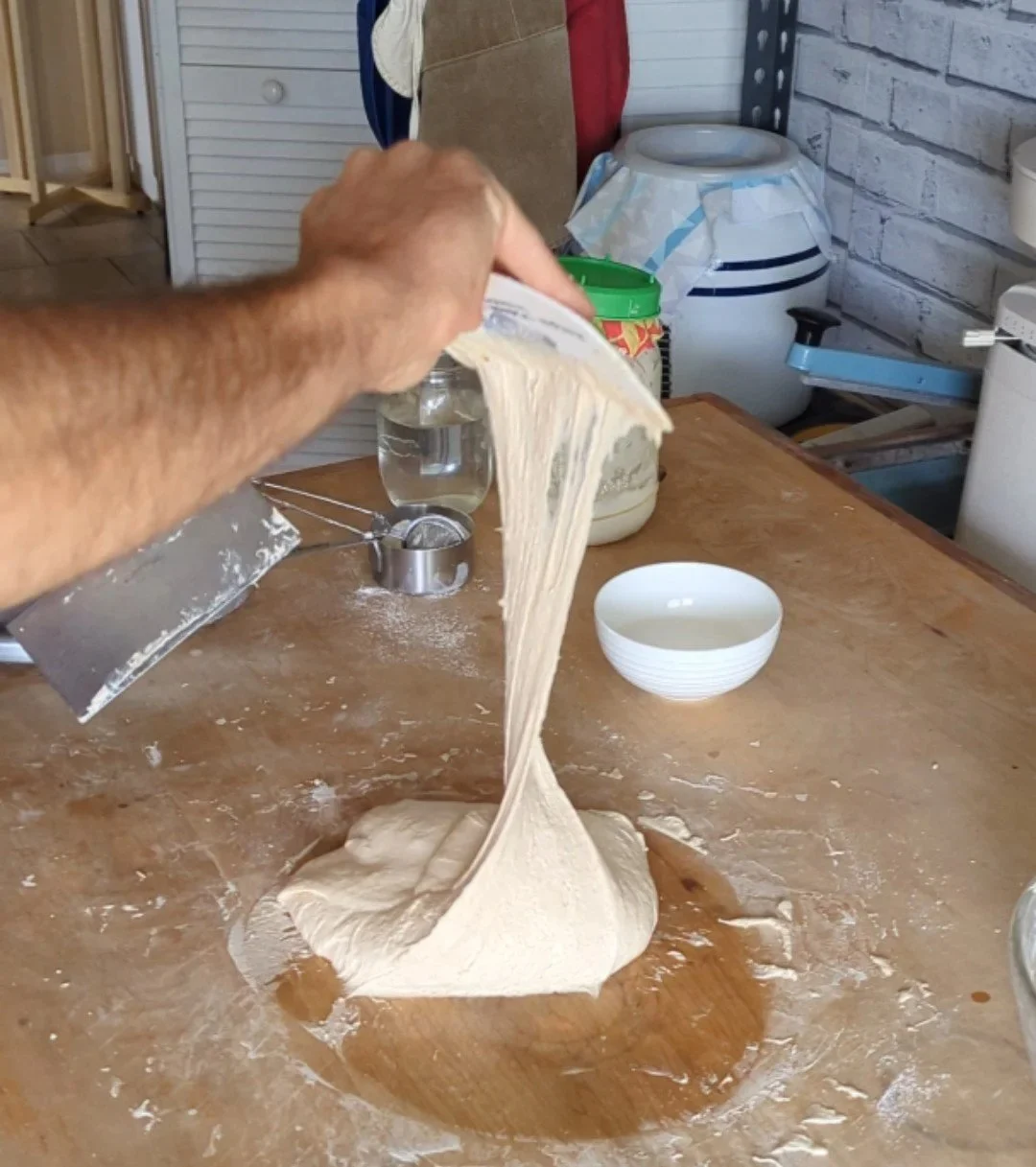
Upon inspection, the dough had failed to achieve the desired rise and structure. Instead of a cohesive, elastic mass capable of being shaped, it presented as a "soupy mess." The visual and tactile cues were unmistakable: the dough lacked the characteristic tension and elasticity required for proper shaping and oven spring. Attempts to incorporate additional flour on the workbench proved futile, as the structural integrity of the gluten network had been compromised beyond recovery for a traditional loaf.
Understanding Proofing Dynamics and Environmental Impact
The scientific principles behind this particular setback are well-documented in baking circles. When dough is subjected to temperatures significantly above the optimal range for extended periods, several processes accelerate, ultimately working against the desired outcome for bread. The wild yeasts in the sourdough starter become hyperactive, consuming sugars at an increased rate and producing carbon dioxide rapidly. While this initially causes the dough to rise, the accelerated activity also means that the yeast exhaust their food supply faster.
More critically, prolonged high temperatures can lead to the degradation of the gluten structure. Gluten, a protein network formed when water interacts with flour, provides the elasticity and strength necessary for the dough to trap gases and hold its shape. Over-proofing, especially in warm conditions, causes the gluten strands to weaken and eventually break down. This breakdown diminishes the dough’s ability to retain the gases produced by fermentation, resulting in a loss of volume and a slack, often sticky, consistency. The dough becomes extensible but lacks the necessary elasticity and tension, rendering it unworkable for shaping into a free-standing loaf or even retaining its form within a proofing basket. This phenomenon is precisely what Austin Durant observed: a dough that was too slack and "soupy" to be shaped into a proper loaf.
Expert bakers often emphasize the importance of monitoring both time and temperature during fermentation. While a warmer environment can sometimes be used intentionally to shorten bulk fermentation, it requires careful observation and precise timing to prevent over-proofing. When temperatures climb to 80°F or higher, as in Durant’s case, the window for optimal proofing narrows considerably, demanding more vigilant oversight than a "lazy loaf" technique might inherently suggest.
The Pivotal Decision: From Loaf to Pancake
Faced with a dough that clearly would not yield a successful loaf, Durant reached a pivotal decision that highlights a core principle of resourceful cooking: adaptation. Rather than discarding the entire batch, he opted for a creative culinary pivot, transforming the unmanageable dough into sourdough pancakes. This decision not only prevented food waste but also demonstrated an innovative approach to problem-solving in the kitchen.
The inability to "wrangle this soupy mess into a proofing basket and then into an oven, hoping it would rise" was a pragmatic acknowledgment of the dough’s state. Attempting to bake such a compromised dough would likely result in a dense, flat, and unappealing loaf – a "brick" rather than a "bread." The alternative, converting it into pancakes, leverages the existing fermentation and flavor profile while sidestepping the need for structural integrity. Pancakes, by their nature, do not require the robust gluten development or precise shaping that bread demands.
The Culinary Alchemy: Crafting Sourdough Pancakes from a "Flop"
The transformation process involved a significant adjustment to a standard sourdough pancake recipe. Given that the original dough was approximately a triple batch of his regular sourdough bread recipe, Durant had a substantial quantity of fermented flour. He adapted his sourdough pancake recipe to accommodate this larger volume, ultimately producing around two dozen pancakes.
A key consideration in this conversion was the omission of baking soda from the pancake recipe. Baking soda (sodium bicarbonate) is a leavening agent that reacts with acidic ingredients (like sourdough) to produce carbon dioxide, providing an additional lift to pancakes. Durant reasoned that since the bread dough already had "a little lift in it" from its initial fermentation, the baking soda might be unnecessary. However, in hindsight, he reflected that "I should have added it anyway." This introspective comment points to the nuances of adapting recipes and the continuous learning process inherent in baking. While the dough had undergone fermentation, the gluten structure was compromised, meaning its gas-holding capacity was diminished. Baking soda would have provided a fresh burst of leavening, potentially yielding fluffier pancakes.
Despite this omission, the resulting pancakes were described as "unabashedly sour, and perhaps a bit flat, but otherwise delicious!" The prominent sourness is a direct result of the extended fermentation in a warm environment, which favors the production of lactic and acetic acids by the sourdough bacteria. While the flatness likely stemmed from the lack of additional leavening, the rich, tangy flavor profile was preserved and even accentuated, turning a potential failure into a distinct culinary experience.
The Broader Context of Sourdough Discard and Food Sustainability
Austin Durant’s quick-thinking decision to repurpose his over-proofed dough into pancakes resonates deeply with the growing movement towards food sustainability and the intelligent utilization of ingredients, especially within the sourdough community. The concept of "sourdough discard" refers to the portion of an active sourdough starter that is removed before feeding to maintain its vitality. Rather than discarding this flavorful and fermented mixture, bakers increasingly integrate it into a myriad of recipes.
Sourdough discard is a versatile ingredient that lends a unique tang and depth of flavor to a wide range of baked goods, from crackers and waffles to muffins, cakes, and even savory dishes. Durant’s situation, where an entire bread dough became a "discard," albeit an unintended one, exemplifies this philosophy of minimizing waste. It highlights that even a significant baking setback can be creatively salvaged, transforming what might have been considered waste into a delicious and functional meal. This practice not only reduces food waste but also encourages culinary experimentation and fosters a deeper appreciation for the full potential of fermented ingredients. It reinforces the idea that in baking, as in life, perceived failures can often be reframed as opportunities for innovation.
Expert Insights and the Philosophy of Fermentation
As the founder of Fermenters Club and a recognized authority in the field of fermentation, Austin Durant’s willingness to share his baking mishap offers valuable lessons to the wider community. His experience serves as a reminder that fermentation, while guided by scientific principles, is also an art form that demands observation, intuition, and adaptability.
Durant’s analysis of the situation – attributing the failure to excessive warmth and potentially extended proofing time – provides concrete, actionable insights for other home bakers. It underscores the critical importance of temperature control, whether through environmental adjustments or by utilizing techniques like cold proofing to slow down fermentation. His reflection on the omitted baking soda also exemplifies the iterative nature of culinary development: even experts learn and refine their understanding with each new experience.
The Fermenters Club, under Durant’s leadership, champions the philosophy of fearless fermenting, encouraging individuals to experiment, learn from their results, and embrace the dynamic nature of microbial processes. Durant’s book, "Fearless Fermenting," further propagates this ethos, empowering individuals to confidently explore the world of fermented foods. His public sharing of this "flop" reinforces the club’s mission by demystifying baking challenges and showcasing resilience in the face of unexpected outcomes. It tells bakers that setbacks are a normal part of the journey, and that creative solutions often lead to equally, if not more, delightful results.
A Delectable Outcome: Serving the Sourdough Pancakes
The ultimate success of this culinary pivot was evident in the final presentation. The two dozen sourdough pancakes, born from a failed bread attempt, were served with an array of thoughtful accompaniments: a side of strawberry sauerkraut, grass-fed butter, and maple syrup. This combination speaks to a holistic and adventurous approach to food.
The strawberry sauerkraut, itself a fermented product, would have offered a bright, tangy, and slightly sweet counterpoint to the sourness of the pancakes, creating a complex flavor profile. The rich, creamy grass-fed butter would have added a luxurious mouthfeel, while the classic sweetness of maple syrup would have balanced the tartness of both the pancakes and the sauerkraut. This thoughtful pairing elevates the dish beyond a simple breakfast item, transforming it into a complete and nuanced culinary experience. The visual representation of these pancakes, accompanied by their colorful condiments, testifies to the successful transformation and the delicious rewards of culinary ingenuity.
Implications for Home Bakers and the Future of Culinary Creativity
Austin Durant’s experience offers several profound implications for the burgeoning community of home bakers and the broader landscape of culinary creativity. Firstly, it normalizes baking failures. In an era often dominated by perfectly curated online content, sharing an imperfect outcome provides a refreshing dose of reality and encourages aspiring bakers not to be deterred by setbacks. It reinforces the idea that mistakes are not endpoints but rather valuable learning opportunities.
Secondly, it champions resourcefulness and adaptability. The ability to pivot from an intended outcome to a viable and delicious alternative is a testament to culinary intelligence and a powerful tool in minimizing food waste. This approach encourages experimentation and fosters a mindset where ingredients are valued and utilized to their fullest potential.
Finally, Durant’s experience, shared through the Fermenters Club platform and an accompanying video, serves as an inspiring educational resource. It provides a practical demonstration of problem-solving, offering both the "what went wrong" and the "how it was fixed" in an engaging format. This fosters a supportive community where knowledge is shared, and continuous learning is celebrated. In an increasingly complex culinary world, the ability to adapt, innovate, and find joy in the unexpected remains a cornerstone of true mastery and sustainable practice.