

The personal care industry is currently undergoing a significant transition as consumers increasingly prioritize sustainability and ingredient transparency over traditional convenience. Central to this shift is the reevaluation of the "everything shower"—a viral social media trend advocating for elaborate, multi-step hygiene routines. While these routines often emphasize self-care, environmental advocates have raised concerns regarding the proliferation of synthetic products, particularly the ubiquitous plastic shower pouf. These mesh sponges, typically manufactured from non-recyclable polyethylene, have become a focal point for zero-waste initiatives. In response, sustainable brands such as Casamera are reintroducing the konjac sponge, an ancient, plant-based tool, as a viable, compostable alternative to synthetic bathroom accessories.
The Environmental and Hygiene Crisis of Synthetic Poufs
To understand the necessity of natural alternatives, one must examine the lifecycle and biological impact of the standard plastic shower pouf. Most mass-market loofahs are made of plastic netting that is designed to be discarded every four to eight weeks. According to environmental data, because these items are made of complex, fused plastic layers, they are virtually impossible to recycle, resulting in millions of tons of plastic entering landfills annually. Furthermore, as these sponges degrade during use, they shed microplastics—particles smaller than five millimeters—which bypass water filtration systems and enter the global aquatic food chain.
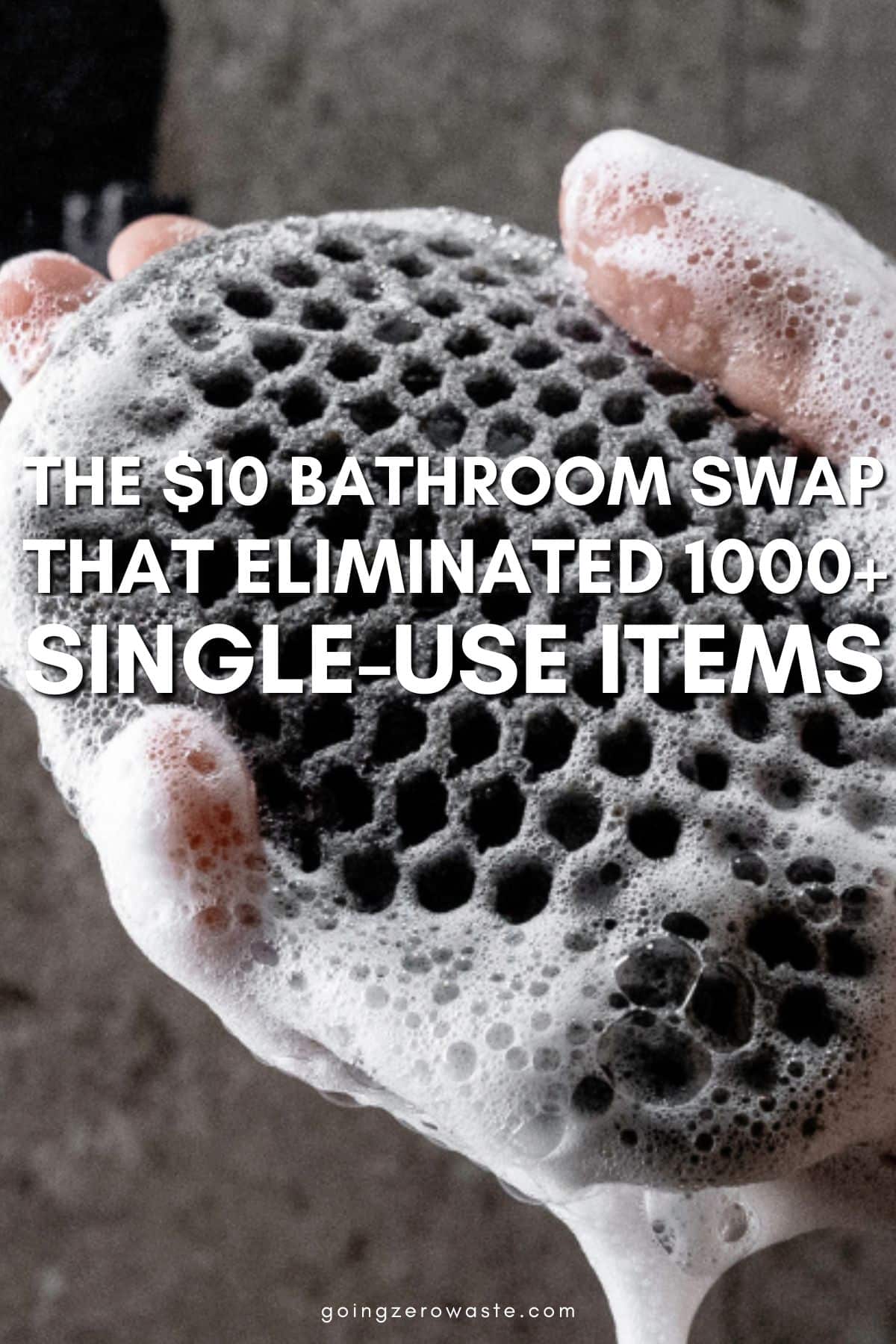
Beyond environmental degradation, dermatologists have long cautioned against the prolonged use of synthetic poufs due to hygiene concerns. The porous, moist environment of a bathroom allows bacteria, including Staphylococcus and Pseudomonas aeruginosa, to thrive within the mesh folds. A study published in the Journal of Clinical Microbiology previously highlighted that these sponges can serve as reservoirs for bacterial growth, which can lead to skin infections or folliculitis when used on sensitive or freshly shaved skin. Unlike natural fibers, synthetic mesh does not possess inherent antimicrobial properties, necessitating frequent replacement and contributing to a cycle of waste.
The Science and Origin of the Konjac Sponge
The konjac sponge offers a departure from synthetic manufacturing through its utilization of the Amorphophallus konjac plant, a perennial tuber native to East and Southeast Asia. Historically, the konjac plant has been used for over 1,500 years in Japan, Korea, and China, primarily as a food source—most notably in shirataki noodles—and as a traditional medicine. The transition of konjac from a dietary staple to a skincare tool began when its gentle exfoliating properties were discovered to be ideal for cleaning the delicate skin of infants.
The manufacturing process of a konjac sponge is rooted in green chemistry. The process begins with the extraction of glucomannan, a water-soluble dietary fiber, from the plant’s root. This fiber is pulverized into a fine powder and mixed with water to create a high-viscosity gel. This mixture is then poured into ergonomic molds and subjected to a steaming process that solidifies the structure while maintaining a porous, honeycomb-like texture.
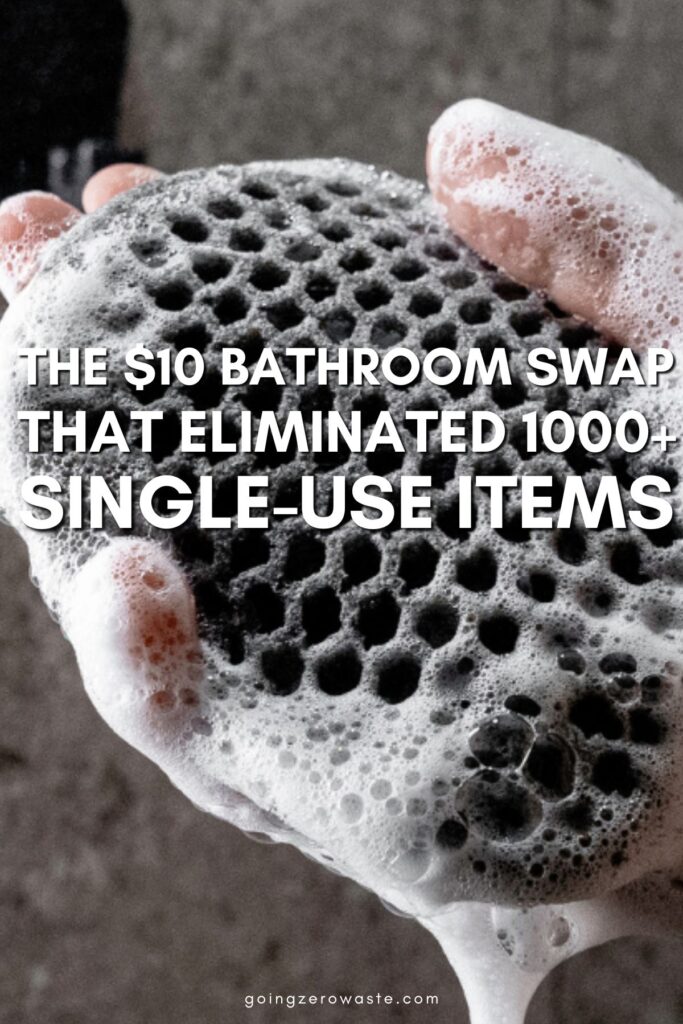
Casamera has refined this process by incorporating functional natural additives into their sponges. Their product line includes infusions such as activated charcoal for oil regulation, matcha for antioxidant delivery, and volcanic mud for deep mineral cleansing. By utilizing natural walnut shells for their exfoliating surfaces, the brand provides a dual-textured tool that addresses both sensitive facial skin and more resilient body skin without the use of synthetic abrasives.
Chronology of the Sustainable Grooming Movement
The rise of the konjac sponge as a mainstream product can be traced through a timeline of shifting consumer behaviors and regulatory changes:
- 2015-2018: The Microbead Ban. Governments in the United States, the United Kingdom, and Canada began banning plastic microbeads in exfoliating products. This created a market vacuum for physical exfoliants, leading consumers toward reusable tools like sponges and cloths.
- 2019: The Rise of Zero-Waste Influencers. Digital platforms saw a surge in "Zero Waste" content, where activists highlighted the environmental cost of "disposable" bathroom items, including plastic razors and mesh poufs.
- 2021-2023: The "Everything Shower" Backlash. While the "everything shower" trend initially promoted high consumption, a counter-movement emerged emphasizing "skinimalism"—the practice of using fewer, higher-quality, biodegradable products.
- 2024-Present: Corporate Accountability. Brands like Casamera have entered the market with a focus on "cradle-to-grave" sustainability, ensuring that products are not only plastic-free but also shipped in compostable packaging with carbon-offset logistics.
Technical Comparison: Konjac Sponges vs. Traditional Alternatives
When evaluated against other common cleansing tools, the konjac sponge demonstrates superior performance metrics in both dermatological safety and environmental impact.

Konjac vs. Synthetic Poufs
Unlike the abrasive nature of polyethylene mesh, konjac fibers are naturally alkaline, which helps balance the skin’s pH levels. When saturated with water, the sponge develops a unique slimy texture (the "konjac film") that allows it to glide over the skin, removing dirt and oil without causing micro-tears in the epidermis. Additionally, Casamera’s designs are inherently antimicrobial and fast-drying, significantly reducing the risk of mold and bacterial accumulation compared to the dense folds of a plastic loofah.
Konjac vs. Single-Use Face Wipes
The environmental impact of single-use face wipes is catastrophic for municipal infrastructure. Many wipes contain plastic fibers and are saturated with preservatives and surfactants that can irritate the skin barrier. When flushed, these wipes contribute to the formation of "fatbergs"—massive, solidified blockages in sewer systems composed of oils, grease, and non-biodegradable waste. In contrast, a konjac sponge is reusable for up to three months and is 100% compostable at the end of its lifecycle, posing zero threat to plumbing or marine ecosystems.
Implementation and Maintenance Protocols
To maximize the efficacy and lifespan of a natural konjac sponge, industry experts recommend a specific maintenance regimen. Because the sponge is a biological product, its structural integrity depends on proper care.

- Hydration: A dry konjac sponge is hard and brittle. It must be submerged in warm water for approximately one to three minutes until it expands and becomes soft.
- Cleansing: Users should apply a small amount of pH-balanced soap or cleanser. The porous structure of the konjac fiber naturally aerates the soap, creating a rich lather with less product than is required by a washcloth.
- Application: Using circular motions, the sponge is moved across the face or body. The dual-sided design of modern versions, such as those from Casamera, allows for a soft cleanse on one side and a deeper exfoliation on the other.
- Post-Use Care: The sponge must be rinsed thoroughly and squeezed gently between the palms to remove excess water. Wringing the sponge can damage the delicate plant fibers.
- Sanitization: To ensure the tool remains hygienic, it is recommended to boil the sponge in water for two minutes once a week. This thermal treatment eliminates any residual bacteria.
- Disposal: Once the sponge begins to lose its texture or starts to break down (typically after 90 days), it can be placed in a backyard compost bin or a green waste receptacle.
Broader Implications for the Global Beauty Market
The adoption of products like the Casamera konjac scrubber is indicative of a broader trend toward "Circular Beauty." This economic model emphasizes the elimination of waste and the continuous use of resources. By moving away from petroleum-based bathroom accessories, the industry reduces its reliance on the oil and gas sector, which is the primary source of plastic production.
Furthermore, the integration of carbon-offsetting programs—such as planting trees for every purchase—sets a new standard for corporate responsibility. Industry analysts suggest that as more consumers demand transparency, brands that fail to provide plastic-free shipping and biodegradable product options will likely see a decline in market share.
The shift toward the konjac sponge is more than a return to traditional methods; it is a sophisticated response to the modern waste crisis. By combining ancient botanical knowledge with contemporary ergonomic design, brands are proving that the transition to a zero-waste lifestyle does not require a sacrifice in the quality of personal hygiene. As municipal governments continue to struggle with plastic waste and sewer blockages, the move toward compostable, plant-based alternatives represents a critical step in protecting both public infrastructure and global ecological health.


