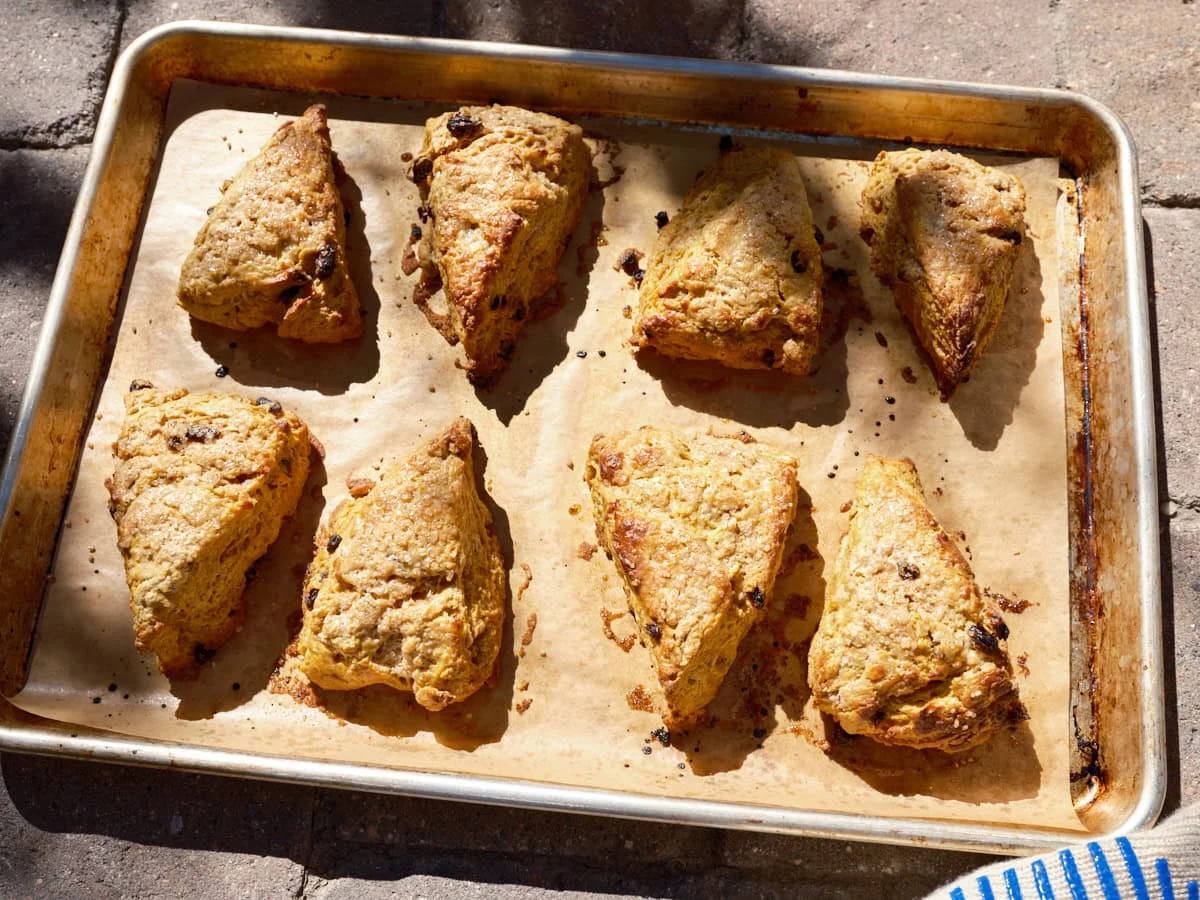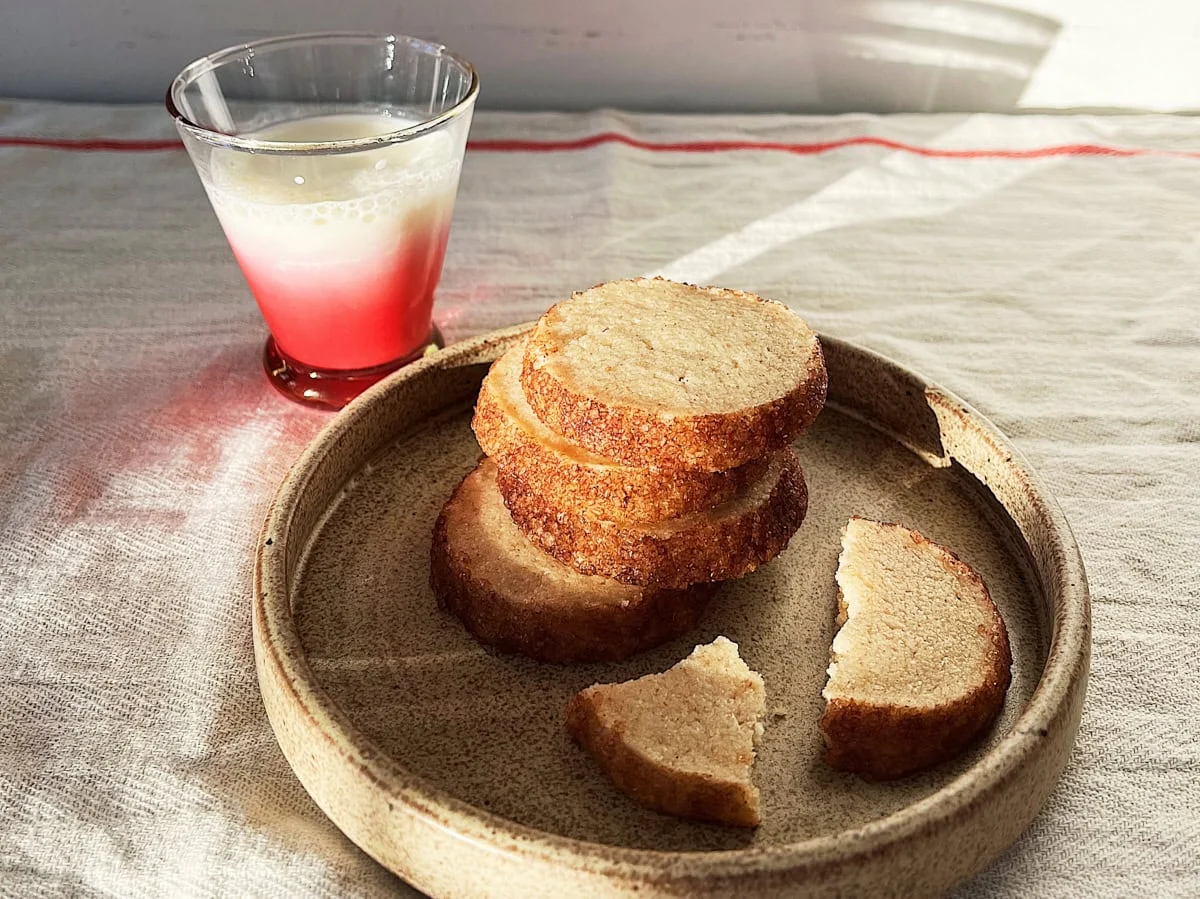
The picturesque Skagit Valley in Washington State recently played host to a pivotal event for the grain and baking communities: the Grain Gathering. Held from July 19-21, this year’s gathering marked its triumphant return after an eight-year hiatus, bringing together a diverse "congregation of the grain-obsessed" under the unifying theme of "Nourishing Communities." Hosted by the esteemed Washington State University (WSU) Breadlab and the Washington State Department of Agriculture (WSDA), the event served as a crucial nexus for breeders, farmers, millers, and bakers—from home enthusiasts to seasoned professionals—to converge, exchange knowledge, and collectively envision a more sustainable and equitable future for bread.
The Revival of a Landmark Event: Connecting the Grain Chain
The Grain Gathering has long been recognized as a unique forum for fostering dialogue and collaboration across the entire grain supply chain. Its return after nearly a decade underscored a growing global appetite for transparency, sustainability, and quality in food production, particularly within the artisanal bread movement. The hiatus had seen significant shifts in consumer awareness regarding food origins and the environmental impact of industrial agriculture. Consequently, the 2026 gathering was met with palpable anticipation, offering a timely opportunity to re-engage stakeholders in a collective effort to bridge the gaps between field and table.
The event’s core philosophy revolved around the idea that the journey from seed to sourdough is a complex, interconnected one, often fragmented by industrial processes. By gathering every "pair of hands in the chain under one tent," the organizers aimed to demystify this process and foster a deeper appreciation for each stage. Participants engaged in a dynamic program of talks, masterclasses, and immersive experiences, including tours of active wheat fields and hands-on baking sessions. This direct engagement allowed for a holistic understanding of grain, from its genetic origins and cultivation practices to its milling properties and eventual transformation into a nourishing loaf.
Innovation on Wheels: Marc Benoit’s Mobile Mill and Bakery
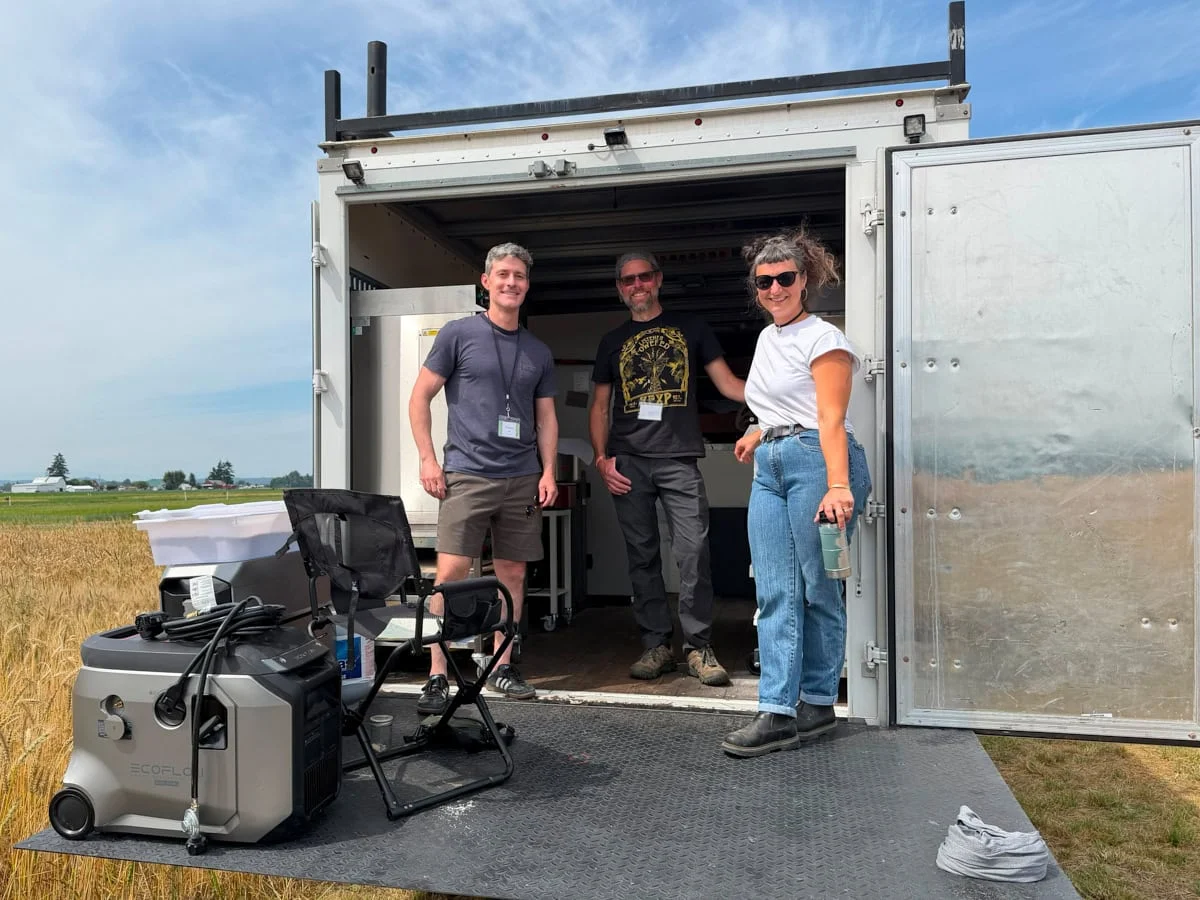
Among the standout innovations showcased at the gathering was Marc Benoit’s pioneering mobile bakery and mill, a self-contained unit capable of transforming raw grain into freshly baked bread on-site. This custom-built truck, operating entirely on solar power generated by rooftop arrays, housed a bread oven, a mill, a mixer, and a workbench. This ingenious setup epitomized the gathering’s ethos by drastically shortening the traditional field-to-loaf chain, offering a tangible model for localized food production.
Benoit, founder of Reds Breads, designed this mobile unit with a clear mission: to ensure that a greater share of the economic value of a loaf of bread returns directly to the farmer who cultivated the grain. In the conventional commodity grain system, grain often loses its identity once it enters large-scale storage and processing facilities, becoming an anonymous input. This anonymity strips farmers of the ability to command premium prices for their specific varieties or sustainable practices. Benoit’s mobile bakery, however, facilitates an unbroken chain of custody, allowing the grain to retain its identity from the farm gate to the finished loaf, with the farmer’s name proudly associated with the product.
During the gathering, Benoit, alongside bakers Baylin Speidel and Thomas Vroom, demonstrated the truck’s capabilities, milling and baking with specific varieties like Moon Family Farms’ Hollis, Chimacum Confluence, and Palouse Heritage Elwha River Spelt. Their output included dozens of sourdough country loaves, large-format focaccia, an array of baguettes, and sesame and roasted vegetable bialys, all baked to perfection in a RackMaster oven that maintained its temperature even after extensive use. This live demonstration provided concrete evidence of the mobile unit’s efficiency and the superior quality of bread produced from freshly milled, identity-preserved grains.
Reimagining the Economics of Bread: Valuing the Farmer’s Labor
A central tenet discussed at the Grain Gathering was the inherent imbalance in the economic valuation of bread. While artisanal sourdough loaves can command prices ranging from $6 to $12 or more, a significant portion of this cost often fails to reach the primary producers—the farmers. The commodity system, designed for mass production and affordability, inadvertently devalues the immense care, attention to soil health, and specialized knowledge that goes into growing quality grain.
The mobile mill and bakery offers a radical solution to this dilemma. By integrating milling and baking functions, the operator effectively consolidates the margins typically claimed by separate millers, distributors, and retailers. This direct integration creates a powerful new revenue stream, especially when such a unit is placed directly in the hands of farmers. Imagine a farmer not only selling their grain but also processing and baking it into bread, thereby capturing a much larger share of the final product’s value. This model aligns with the growing consumer demand for locally sourced, traceable food, where the story of the grain and its grower is part of the product’s appeal.
For home bakers, the implications are equally profound. By choosing to purchase identity-preserved grain directly from farms or small mills, and even milling it fresh at home, they participate in this same movement to compress the supply chain. This conscious choice directly supports farmers committed to quality and sustainable practices, ensuring their efforts are recognized and fairly compensated, and fostering a more resilient local food economy.
Beyond Yield: Breeding for Flavor and Nutrition
Another critical discussion thread throughout the gathering centered on wheat breeding priorities. Historically, conventional wheat breeding programs have predominantly focused on optimizing traits such as yield, uniformity, disease resistance, and ease of harvest. While these factors are crucial for feeding a global population efficiently, they often come at the expense of other vital characteristics: flavor and nutritional density. The ubiquity of bland, mass-produced grocery flour is a direct consequence of this prioritization.
The WSU Breadlab, a world-renowned research facility, stands at the forefront of a paradigm shift in wheat breeding. Their approach explicitly integrates flavor and nutrition into the breeding scorecard, alongside traditional performance metrics. Varieties like Skagit 1109, Salish Blue, and Ruth are not just bred for high yield but are also selected for their unique sensory profiles and robust nutritional content. Crucially, the Breadlab doesn’t stop at genetic selection; they mill and bake candidate varieties to assess their real-world performance in a loaf, ensuring that the theoretical potential translates into tangible quality. This rigorous, holistic approach stands in stark contrast to the anonymous commodity system, allowing consumers to purchase flour with a specific variety name and distinct baking characteristics, directly linking the flavor profile to the farmer and the breeding program.
Experts like Jeffrey Hamelman, whose seminal work has guided countless bakers, and leading figures from Cairnspring Mills (Kevin Morse, Meech Crowley, Jon Feldman) and Chimacum Valley Grainery (Crystie and Keith Kisler) contributed to these discussions, emphasizing the profound impact of grain choice on the final product. The consensus was clear: combining proper fermentation techniques with the use of more whole grains and, fundamentally, the right grains to begin with, is paramount for achieving superior flavor and nutrition.
A Tapestry of Expertise: The Gathering’s Diverse Participants
The Grain Gathering truly embodied its theme of "Nourishing Communities" through its diverse array of participants. Far from being an exclusive industry conference, it welcomed individuals from all segments of the grain world. Home bakers, often referred to as "two-loafers," mingled freely with professional bakers, wheat breeders, farmers, and millers. Conversations flowed effortlessly, delving into technical aspects like "falling numbers" (an indicator of enzymatic activity in flour), intricate mixing techniques, and best practices for establishing and operating community bakeries.
This inclusive environment fostered a unique collaborative spirit. Participants shared insights gleaned from years of experience, whether it was Baylin Speidel’s expertise in baking or Andrew Heyn and Blair Marvin’s (Elmore Mountain Bread) insights into community-focused milling and growing. Marc Benoit, often described as part madman, part renaissance man, garnered immense respect for his visionary mobile bakery. The passionate exchanges underscored a shared commitment to elevating the craft of baking and reforming the grain system. Attendees like Katie Phelan, Brandon Buza, and Cat Cox (Country Bird Bakery) engaged in discussions ranging from wood-fired baking to the art of creating bread that genuinely resonates with communities.
The ability to directly interact with individuals at every stage of the grain chain was a transformative experience for many. For those who primarily operate at the "last link"—the baking stage—meeting the breeders who painstakingly develop new wheat varieties, the farmers who nurture the soil, and the millers who transform the grain into flour, offered an invaluable perspective. Walking through the WSU Breadlab’s wheat fields, witnessing the living genesis of future loaves, deeply moved many, reinforcing their connection to the land and the fundamental ingredients of their craft.
Insights for the Home Baker and Beyond
The enthusiasm generated at the Grain Gathering was infectious, inspiring many to consider an "overhaul" of their baking practices. However, the key takeaway was that meaningful change doesn’t require a complete revolution. It can begin with small, intentional steps. Swapping a conventional flour for an identity-preserved variety like "Ruth," or sourcing grain directly from a farmer and milling it fresh at home, are accessible ways for individuals to contribute to a more sustainable grain system.
This evolution towards more whole grains, named varieties, and freshly milled flour reflects a broader trend driven by both flavor and nutritional considerations. While high-quality sifted flour certainly has its place, the pursuit of superior taste and maximum nutrition increasingly points towards greater engagement with the entire grain chain. The journey of bread, from the genetic blueprint of a wheat kernel to the golden crust of a freshly baked loaf, is one of profound transformation. The Grain Gathering served as a powerful reminder that by valuing every step and every hand involved, we can cultivate a future where bread is not just a staple, but a celebration of flavor, nutrition, and community.
The gathering concluded with a renewed sense of purpose and connection among its participants. The collective vision articulated was clear: to nourish communities not just with delicious bread, but with a transparent, equitable, and sustainable food system. As one participant reflected, the experience truly "nourished" them, affirming that whether one bakes two loaves or a hundred, the shared passion for grain and its potential to build healthier communities is a perfectly reasonable and deeply rewarding pursuit. The legacy of the 2026 Grain Gathering is set to inspire bakers, farmers, and consumers alike to forge deeper connections with their food, one extraordinary loaf at a time.