Cheese consumption exhibits significant global variations, with distinct preferences and dietary habits shaping national averages. Data indicates Australians consume approximately 13.6 kg of cheese per person annually, while Americans devour a higher 16.73 kg each year. Leading these figures, the Danish boast a remarkable annual intake of 28.1 kg per person, underscoring a deep cultural integration of cheese into their diet. This disparity highlights not only diverse palates but also the widespread appeal and versatility of cheese as a fundamental ingredient across various cuisines. For the dedicated cheese enthusiast, or indeed any culinary explorer, there exists a vast landscape of opportunities to integrate this dairy product into an array of dishes, transforming everyday meals into richer, more complex gastronomic experiences.
The Global Appetite for Cheese: A Statistical Overview
The figures cited for Australia, the United States, and Denmark provide a snapshot of varying cheese consumption patterns, yet they represent only a fraction of a much larger global trend. Countries like France, known for its rich cheese-making heritage, consistently report some of the highest per capita consumption rates, often exceeding 26 kg annually. Similarly, Germany and the Netherlands are significant consumers, reflecting the deeply ingrained role of cheese in European diets, where it is a staple in meals from breakfast to dinner and as a standalone snack.
The global cheese market has witnessed sustained growth, driven by increasing disposable incomes, a rising appreciation for diverse culinary experiences, and the perceived nutritional benefits of cheese, such as its high protein and calcium content. While concerns about fat and sodium content are often raised, moderate consumption is widely accepted as part of a balanced diet. The market’s expansion is also fueled by innovation in cheese production, including artisanal varieties and plant-based alternatives, catering to evolving consumer preferences and dietary restrictions. The convenience factor, with cheese being a quick and easy ingredient or snack, further contributes to its pervasive presence in households worldwide.
A Brief History of Cheese in Cuisine
The journey of cheese from an ancient preservation method to a sophisticated culinary staple spans millennia. Believed to have originated around 8,000 BCE with the domestication of milk-producing animals, cheese was initially a practical way to store excess milk. Early forms were likely simple, acidic curds. Over centuries, various cultures developed distinct cheese-making techniques, leading to the incredible diversity we see today. The Romans, for instance, were early connoisseurs, developing complex methods and introducing cheese across their empire.

The Middle Ages saw monasteries become centers of cheese production, refining techniques and contributing to the regional specialisation of cheeses. The Industrial Revolution brought mass production, making cheese more accessible. Today, cheese is celebrated not just for its nutritional value but for its unique flavor profiles, textures, and its remarkable ability to enhance and bind other ingredients. Its "umami" quality, a savory depth, makes it a potent flavor enhancer, capable of elevating simple dishes to gourmet status.
Elevating Everyday Meals: Innovative Cheese Integration
Transforming dishes with cheese often requires more than just a sprinkling on top. It involves understanding how different cheese varieties interact with other ingredients, contributing not only flavor but also texture, moisture, and richness. To embark on this culinary journey, a well-stocked refrigerator with an assortment of cheeses is paramount. Essential varieties for diverse applications include mature cheddar for its sharp, tangy notes; red Leicester for a milder, nutty profile and vibrant color; Parmesan for its salty, umami kick; Gorgonzola for pungent creaminess; ricotta for delicate lightness; mozzarella for its melting properties and mild flavor; and paneer for its firm, non-melting texture in Indian cuisine.
For those eager to experiment, convenience is key. The rise of specialized food delivery services has made it easier than ever to maintain a consistent supply of these diverse cheeses, bypassing the need for frequent grocery runs. Beyond cheese, a robust larder with good-quality meats, a variety of fresh vegetables, and an array of herbs and spices is crucial, often obtainable through similar subscription or delivery models that prioritize fresh, high-quality produce.
The Sunday Roast: A Traditional Dish with a Cheesy Twist
The Sunday roast, a culinary institution originating in the United Kingdom, has been a weekly staple for centuries. Traditionally comprising roasted meat, potatoes, vegetables, and gravy, its comforting familiarity has spread globally, with countries like Argentina, Norway, and Australia adopting their own interpretations. While not conventionally a cheese-centric meal, the Sunday roast offers fertile ground for cheesy innovation.
-
Cauliflower Cheese: This classic accompaniment is perhaps the most common cheesy addition. Typically prepared with a rich béchamel sauce infused with mature cheddar, it adds a creamy, savory dimension to the meal. To elevate this further, one can introduce red Leicester for a vibrant hue and slightly sweeter, nuttier flavor, or create a textural contrast by topping it with a mixture of breadcrumbs and grated Parmesan before baking, providing a crispy, salty crust. The interplay of the tender cauliflower with the rich, molten cheese sauce is a testament to cheese’s ability to transform vegetables.

-
Cheesy Leeks and Bacon: Another delightful cheesy accompaniment involves incorporating leeks and bacon into a creamy cheddar sauce. The sweetness of the leeks, the smokiness of the bacon, and the sharp tang of cheddar combine to create a deeply satisfying side dish that complements the robustness of roasted meats. This method cleverly introduces cheese into an often overlooked vegetable, encouraging broader appeal.
-
Gorgonzola Sprouts: Brussels sprouts, often a contentious vegetable, can be utterly transformed by a pungent Gorgonzola cheese sauce. A simple sauce made with sautéed shallots, flour, milk, and melted Gorgonzola provides a rich, savory, and slightly bitter coating that beautifully balances the earthy notes of the sprouts. This bold flavor pairing demonstrates how a strong cheese can redefine the perception of certain vegetables.
The Enduring Allure of Classic Lasagna
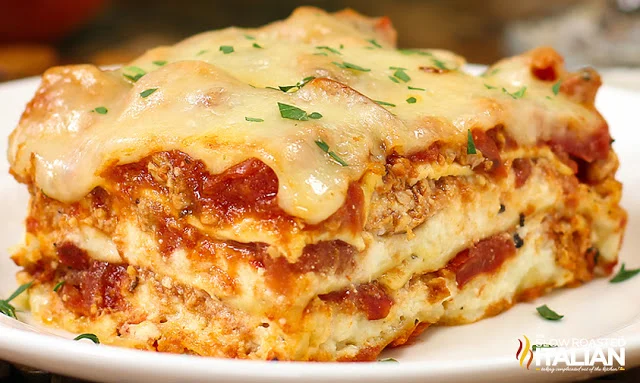
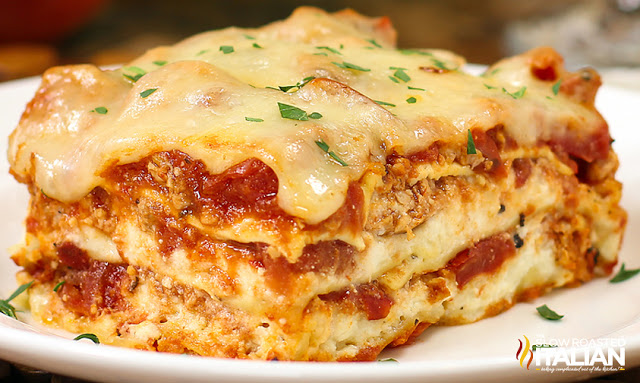
Lasagna, the quintessential Italian baked pasta dish, is so beloved that it even enjoys its own national day on July 29th. While most variations feature a generous layer of cheese atop its rich, layered structure, the potential for cheese integration extends far beyond the surface.
-
All-Cheese Lasagna: For cheese lovers, a vegetarian-friendly lasagna can be crafted where a triumvirate of cheeses—ricotta, Parmesan, and mozzarella—takes center stage, replacing the traditional meat filling. Ricotta provides a creamy, delicate base; Parmesan contributes a sharp, salty depth; and mozzarella offers its renowned melting properties, creating luscious, stretchy layers. This approach transforms the dish into a celebration of dairy, highlighting the distinct contributions of each cheese to the overall flavor and texture.
-
Cheesy Side Dishes: The cheesiness needn’t be confined to the main dish. Accompanying lasagna with cheesy garlic bread, where a blend of mozzarella and Parmesan is melted onto toasted bread, offers a crunchy, savory counterpoint. Furthermore, a Greek salad, while typically fresh and light, can incorporate crumbled feta cheese, adding a salty tang that contrasts with the richness of the lasagna, offering a balanced dining experience.
Jalfrezi Curry: A Spicy Infusion of Cheese

Jalfrezi curry, an Indian dish renowned for its spicy sauce, often featuring meat or fish combined with vegetables and green chili peppers, presents an unexpected yet highly successful canvas for cheese.
-
Paneer Jalfrezi: The most direct way to introduce cheese to a Jalfrezi is through paneer, a fresh, non-melting Indian cheese. Its firm texture allows it to hold its shape during cooking, absorbing the aromatic spices of the curry while offering a mild, creamy counterpoint to the heat. Paneer Jalfrezi is a popular vegetarian option that showcases cheese as a primary protein source.
-
Cheddar in the Sauce: Beyond paneer, a less traditional but equally satisfying method involves stirring a generous handful of grated cheddar cheese into the curry sauce. This introduces a creamy richness and a distinct Western flavor profile, creating a fusion dish that is both spicy and deeply savory. The cheddar melts seamlessly into the sauce, enriching its consistency and mellowing some of the chili’s intensity.
-
Cheesy Rice: For an additional layer of flavor and texture, grated cheese can be incorporated into the rice served alongside the Jalfrezi. As the rice steams or cooks, the cheese melts, creating pockets of flavor and a slightly sticky, incredibly satisfying accompaniment that complements the curry’s robust flavors.
The Extra Cheese Pizza: Reinventing a Global Favorite
With an estimated 5 billion pizzas consumed worldwide annually, according to Brandon Gaille’s statistics, pizza is undeniably a global culinary phenomenon. While cheese is inherent to pizza, typically as a topping or stuffed into the crust, innovative techniques allow for even deeper cheese integration.
-
Cheese-Based Pizza Crusts: A significant innovation, particularly popular among those following ketogenic diets, involves creating pizza bases primarily from eggs and cheeses such as mozzarella, cheddar, and Parmesan. These virtually carb-free crusts are packed with cheesy flavor and provide a sturdy yet tender foundation for toppings, demonstrating cheese’s utility beyond a mere topping. These bases leverage the binding properties of egg and the melting characteristics of cheese to create a unique crust experience.
-
Cheese-Infused Dough: For a more traditional approach, grating preferred cheeses directly into the flour-based pizza dough before cooking offers a subtle yet impactful enhancement. As the pizza bakes, the cheese within the dough melts, creating pockets of rich flavor and contributing to a softer, more luxurious crust texture that satisfies intense cheese cravings from the very first bite.
Meat & Vegetable Stew with Cheese Dumplings: Comfort Food Redefined
Meat and vegetable stew, a timeless comfort food dating back thousands of years, is cherished for its hearty, warming qualities, particularly on cold days. The idea of incorporating cheese into this long-simmered dish might seem challenging, risking a messy texture or overpowering the traditional flavors. However, one elegant solution stands out: cheese dumplings.
- Cheese Dumplings: These savory, dough-like balls offer the perfect vehicle for cheese within a stew. By simply adding between 75g and 100g of mature cheddar or a similar robust cheese to a standard dumpling mix, a transformation occurs. As the dumplings simmer in the stew for approximately 20 minutes, the cheese within melts, creating a rich, fluffy interior that absorbs the stew’s flavors while adding its own distinctive character. These dumplings not only enhance the texture of the stew but also infuse each bite with a burst of cheesy goodness, complementing the wholesome flavors of the meat and vegetables without disruption. This method respects the integrity of the stew while introducing an unexpected layer of indulgence.
The Modern Food Landscape and Ingredient Sourcing
The increasing demand for diverse and high-quality ingredients, particularly specialty items like various cheeses, has significantly shaped the modern food supply chain. The proliferation of subscription boxes and gourmet ingredient delivery services is a direct response to consumers’ desire for convenience and access to ingredients that might not be readily available in local supermarkets. These services often source directly from artisanal producers or specialty suppliers, ensuring freshness and quality.
For consumers, this means a wider array of options, enabling them to experiment with global cuisines and premium ingredients from the comfort of their homes. For the food industry, it signifies a shift towards more personalized and efficient distribution models, catering to niche markets and specific dietary preferences. This trend supports both large-scale production and smaller, independent producers, fostering a vibrant and competitive market. The ability to regularly provision kitchens with a variety of cheeses, quality meats, fresh vegetables, and exotic spices empowers home cooks to continually explore and upgrade their culinary repertoire.
Conclusion: The Enduring Versatility of Cheese

Cheese is unequivocally adored by millions globally, yet too often, its culinary application remains confined to traditional roles. The exploration of its versatility, as demonstrated through these innovative meal integrations, reveals an expansive potential for elevating everyday dishes. From transforming humble vegetables in a Sunday roast to redefining the very base of a pizza or adding creamy depth to a spicy curry, cheese proves itself to be an indispensable ingredient for culinary creativity.
These examples illustrate how simple modifications can introduce significant cheesy goodness into evening meals, regardless of the cuisine. The ongoing evolution of culinary traditions, driven by global influences and a continuous quest for enhanced flavor and texture, ensures that cheese will remain at the forefront of gastronomic innovation, continuing to inspire chefs and home cooks alike to experiment and discover new dimensions of taste. As consumers become more adventurous and ingredients more accessible, the future of cheese in our meals promises to be as rich and varied as the cheeses themselves.