
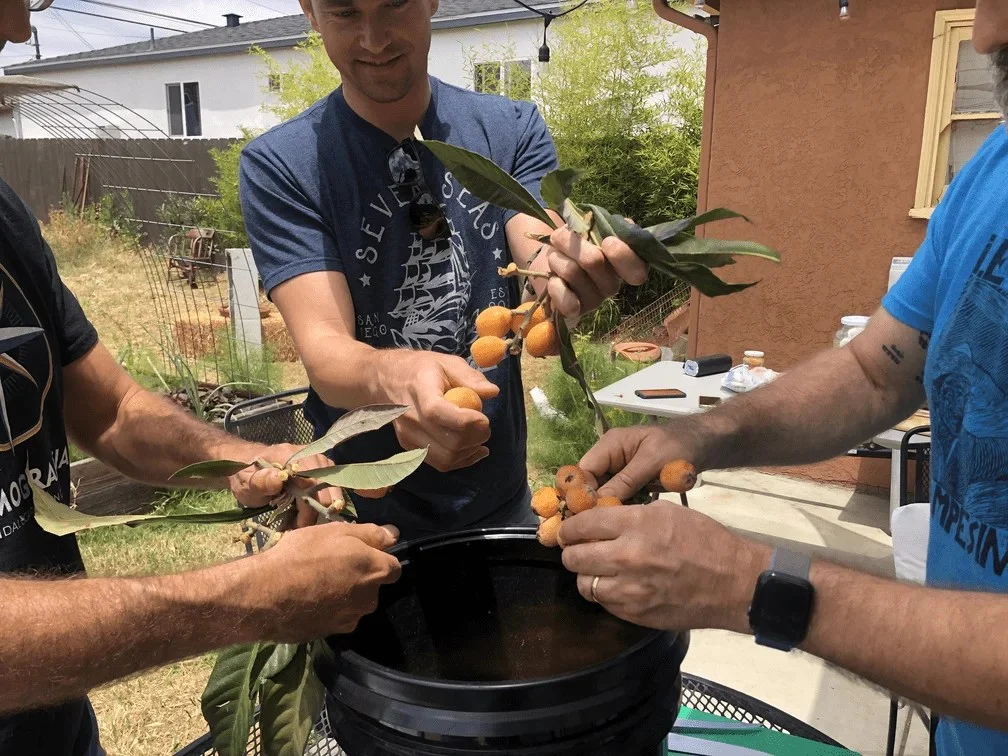
The annual spring harvest of loquats (Eriobotrya japonica), a fruit often cherished in home gardens but less recognized in commercial agriculture, presents both a bountiful opportunity and a significant preservation challenge. For many, like Austin Durant, founder of the Fermenters Club and author of "Fearless Fermenting," the sight of a mature, 25-foot loquat tree laden with its distinctive fruit signals a "rite of spring" that necessitates swift action to process the highly perishable yield. This period, typically spanning from mid-March through mid-May, sees branches heavy with a fruit whose unique profile makes it a prized, albeit fleeting, delicacy. The urgency of preserving hundreds of pounds of this delicate fruit annually underscores the importance of traditional and innovative culinary techniques, particularly fermentation, in maximizing its utility and extending its enjoyment.
Botanical Profile and Global Footprint of the Loquat
The loquat, scientifically known as Eriobotrya japonica, is a member of the Rosaceae family, making it a relative of apples, pears, and roses. Native to the cooler, hilly regions of south-central China, it has been cultivated for over a thousand years and eventually spread to Japan, India, the Mediterranean basin, and ultimately to various subtropical and temperate regions worldwide, including parts of the United States, particularly California and Florida. Despite its widespread presence, it remains largely a backyard fruit in many Western countries, celebrated by those fortunate enough to have a tree or access to local markets during its brief season.
Characterized by its broad, evergreen leaves, which provide year-round organic matter for composting and possess documented medicinal properties, the loquat tree is a robust and often ornamental specimen. The fruit itself is typically small, oval to round, with a fuzzy, often apricot-blushed skin. Inside, its succulent, tangy-sweet flesh, reminiscent of a pear or a mild apricot, encases one to five large, shiny brown seeds. The flavor profile can vary from sweet to tart, depending on the cultivar and ripeness, offering a versatility that lends itself to a wide array of culinary applications. Its relatively short shelf life post-harvest, however, is a primary factor limiting its commercial scalability and broader market penetration, making home processing techniques critically important.
The Seasonal Abundance: A Rite of Spring and a Harvest Challenge
For individuals like Austin Durant, whose property boasts a thriving loquat tree, the transition from winter to spring is marked not just by blooming flowers but by the burgeoning clusters of loquats. This annual spectacle transforms from an aesthetic delight into a significant task as the fruit ripens simultaneously and rapidly. The tree’s prolific nature means that a single mature specimen can yield dozens, even hundreds of pounds of fruit within a concentrated period. This concentrated harvest window, typically lasting a few weeks in late spring, is a cherished annual event for many loquat enthusiasts, but it also presents an immediate challenge: how to effectively manage and utilize such a large quantity of highly perishable produce before it spoils.
The ephemeral nature of the loquat makes it a symbol of seasonal eating and local food systems. Unlike apples or citrus, which can be stored for extended periods, loquats begin to degrade shortly after being picked. This characteristic necessitates a community-minded approach in some regions, where neighbors share harvests, or local markets briefly feature the fruit. For the individual grower, it often means dedicating considerable time and effort during the harvest season to transform the fresh fruit into more stable forms, ensuring that none of the precious yield goes to waste. This commitment to maximizing the harvest embodies a sustainable approach to home gardening and food resource management.
Beyond the Fruit: Medicinal Properties of Loquat Leaves
While the fruit is the primary culinary draw, the loquat tree offers additional benefits, notably through its leaves. Traditional medicine systems, particularly in Asia, have long utilized loquat leaves (known as Pi Pa Ye in Traditional Chinese Medicine) for their therapeutic properties. These broad, leathery leaves are recognized for their anti-inflammatory, antitussive (cough-suppressing), and expectorant qualities. They are commonly prepared as a tea, often used to alleviate respiratory ailments such as coughs, bronchitis, and sore throats.
Modern scientific inquiry has begun to validate some of these traditional uses. Research indicates that loquat leaves contain triterpenes, flavonoids, and phenolic acids, which contribute to their antioxidant and anti-inflammatory effects. For instance, compounds like tormentic acid and ursolic acid have been studied for their potential in managing diabetes and reducing cholesterol levels. The ease with which these leaves can be harvested and brewed into a simple tea provides an accessible natural remedy, adding another layer of value to the already beneficial loquat tree, reinforcing its role as a multifaceted botanical asset in a home garden.
The Perishability Challenge and the Imperative for Preservation
The inherent perishability of loquats is perhaps its most defining characteristic and the primary driver behind the need for immediate and effective preservation methods. Once picked, loquats have a very short shelf life, often only a few days at room temperature and slightly longer when refrigerated. Their delicate skin makes them susceptible to bruising, and their high sugar and water content makes them prone to mold and spoilage. This rapid deterioration contrasts sharply with the fruit’s abundant yield, creating a bottleneck in its utilization.
This characteristic has largely prevented loquats from becoming a major commercial crop globally. The logistics of harvesting, packing, and transporting such a delicate fruit over long distances, coupled with consumer expectations for extended shelf life, pose significant economic hurdles. Consequently, the onus of preservation often falls upon the home gardener or local community. This situation fosters a culture of self-sufficiency and resourcefulness, where traditional methods of food preservation are revitalized and innovative techniques are explored to transform the fleeting harvest into stable, delicious products.
Fermentation as a Sustainable and Flavor-Enhancing Solution
In the face of the loquat’s rapid perishability, fermentation emerges as a particularly compelling and sustainable preservation method. Austin Durant, with his extensive 16-year background in fermenting food and his leadership of the Fermenters Club, champions this approach. Fermentation, an ancient process that utilizes microorganisms like bacteria and yeast to convert carbohydrates into alcohols or organic acids, not only preserves food but also enhances its flavor, nutritional value, and digestibility.
For loquats, fermentation offers several distinct advantages. The lactic acid produced during the process lowers the pH of the fruit, creating an acidic environment that inhibits the growth of spoilage-causing bacteria and extends shelf life significantly. Beyond preservation, fermentation transforms the loquat’s flavor profile. While fresh loquats offer a delicate sweet-tartness, fermentation can deepen and complexify these flavors, introducing savory, tangy, or even subtly spicy notes, depending on the ingredients and methods employed. This transformative power allows for the creation of unique condiments, such as a fermented savory/sweet loquat chutney, which can serve as a versatile accompaniment to a wide range of dishes, from curries to roasted meats. The process also potentially increases the bioavailability of certain nutrients and introduces beneficial probiotics, aligning with growing consumer interest in gut health.
Culinary Versatility: From Jam to Chutney and Beyond
The loquat’s inherent sweetness and acidity make it remarkably versatile in the kitchen, capable of being transformed into a variety of delectable products. One of the most common and beloved applications is loquat jam, a classic method that capitalizes on the fruit’s natural pectin content to create a vibrant, flavorful spread. The jam captures the essence of the fresh fruit, allowing its unique taste to be enjoyed long after the harvest season has passed.
However, the potential of loquats extends far beyond traditional jams. Their balance of sweet and tart flavors makes them ideal candidates for more adventurous culinary creations. As suggested by the Fermenters Club, a fermented savory/sweet condiment, akin to a peach-mango chutney, is an excellent way to utilize the fruit. Such chutneys typically incorporate spices, vinegars, and sometimes onions or garlic, creating a complex flavor profile that can complement savory dishes, cheeses, or even be used as a glaze. Beyond these, loquats can be used in pies, tarts, crumbles, sauces for savory dishes, fruit leathers, or even fermented into ciders or wines, demonstrating the breadth of possibilities for this unassuming fruit. The commitment to exploring these diverse applications ensures that the bounty of the loquat tree is fully appreciated and savored.
The Fermenters Club and Austin Durant’s Vision
The Fermenters Club, founded by Austin Durant, stands as a testament to the growing interest in traditional food preservation techniques and the broader movement towards sustainable eating. Durant, an experienced fermenter for over 16 years and the author of "Fearless Fermenting," has cultivated a platform dedicated to educating and inspiring individuals to explore the world of fermented foods. His passion extends beyond just practical recipes; it encompasses a holistic view of food, health, and environmental stewardship, as evidenced by his interests in permaculture gardening, cooking, yoga, and esoteric traditions.
The article on loquat chutney, published on the Fermenters Club website, serves as a prime example of Durant’s mission. It not only provides a tangible solution to a common seasonal problem for home gardeners but also promotes a deeper understanding of food cycles, waste reduction, and the health benefits associated with fermented products. By sharing practical, approachable recipes and insights, the Fermenters Club empowers individuals to take control of their food supply, experiment with flavors, and engage more deeply with the bounty of their gardens and local environments. This initiative plays a crucial role in demystifying fermentation and making it accessible to a wider audience, fostering a community of engaged and knowledgeable food enthusiasts.
Broader Implications: Local Food, Sustainability, and Niche Crops
The narrative surrounding the loquat harvest and its preservation, particularly through fermentation, carries broader implications for contemporary discussions on food systems, sustainability, and the appreciation of niche crops. In an era dominated by globalized food supply chains and an emphasis on long shelf life, the loquat stands out as a reminder of the value of local, seasonal produce. Its rapid perishability, while a challenge, also encourages local consumption and processing, reducing the carbon footprint associated with long-distance transportation and cold storage.
The proactive approach to preserving loquats, as advocated by experts like Austin Durant, highlights a growing movement towards reducing food waste. By transforming abundant, short-lived harvests into stable, long-lasting products, individuals contribute directly to sustainable practices. Furthermore, the focus on fruits like the loquat, which are often overlooked by mainstream agriculture, draws attention to the vast diversity of edible plants available. Championing these niche crops not only enriches our diets and culinary traditions but also contributes to agricultural biodiversity, potentially offering more resilient food sources in the face of environmental changes. As consumers become more conscious of the origins of their food and its environmental impact, the story of the humble loquat and its seasonal journey from tree to table offers valuable lessons in resourcefulness, community, and the enduring appeal of nature’s bounty.
Future Outlook for Loquats
Despite its current status as a largely uncommercialized fruit in many parts of the world, the future outlook for loquats appears promising, particularly within the contexts of local food movements, permaculture, and culinary innovation. As interest in unique flavors, nutrient-dense foods, and sustainable living continues to grow, fruits like the loquat are poised to gain greater recognition. Educational platforms like the Fermenters Club, by providing accessible knowledge and inspiring practical applications, are instrumental in elevating the status of such fruits.
The inherent resilience of the loquat tree, its low maintenance requirements, and its ability to thrive in various subtropical climates also make it an attractive option for home gardeners and small-scale producers looking to diversify their yields. As global food systems seek more sustainable and localized solutions, the loquat could see increased cultivation and more widespread adoption of its various preservation methods. From artisanal jams and chutneys to fermented beverages and medicinal teas, the versatility of the Eriobotrya japonica suggests a vibrant future where this "rite of spring" becomes a celebrated culinary and cultural event for an ever-growing audience.


