The economic implications of these waste streams are becoming increasingly acute. According to the United States Department of Agriculture (USDA), food prices are projected to rise by 3.6% in 2026, continuing a trend of inflationary pressure that makes the efficient use of every purchased calorie a financial imperative. The zero-waste grocery model offers a comprehensive solution to these overlapping challenges by emphasizing the reduction of single-use plastics, the optimization of food longevity, and the diversion of organic matter from landfills.
The Global Trajectory of Packaging and Perishables
The history of grocery retail has seen a dramatic shift from the mid-20th-century model of local markets and bulk goods to the hyper-packaged convenience of the 21st century. The rise of plastic clamshells for pre-cut fruits and the shrink-wrapping of individual cucumbers represent the pinnacle of a "disposable" culture that prioritizes short-term shelf life over long-term ecological health. However, a chronological shift is occurring as regulatory bodies and consumer advocacy groups push for a return to circularity.
Over the last decade, several European nations have implemented bans on plastic packaging for produce, and the United Nations Environment Assembly is currently working toward a legally binding international treaty to end plastic pollution. Domestically, the zero-waste movement has evolved from a grassroots effort into a sophisticated logistical framework. Retailers are increasingly being held accountable for the "beauty standards" that lead to the disposal of "wonky" or blemished produce. Organizations like the Natural Resources Defense Council (NRDC) have highlighted that discarding produce for its shape or size not only wastes the food itself but also the water, energy, and labor required for its cultivation.
Strategic Planning and Consumer Budgeting
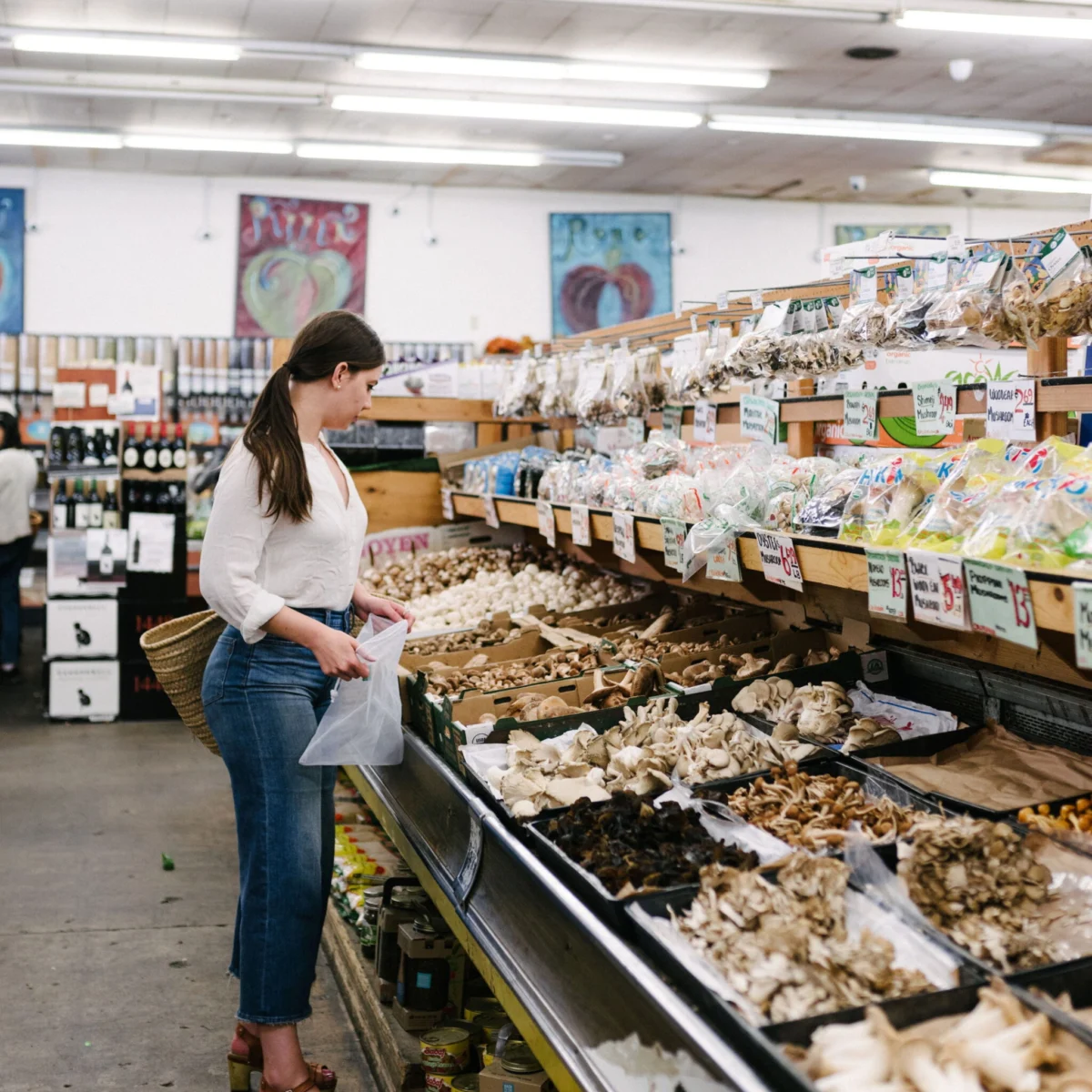
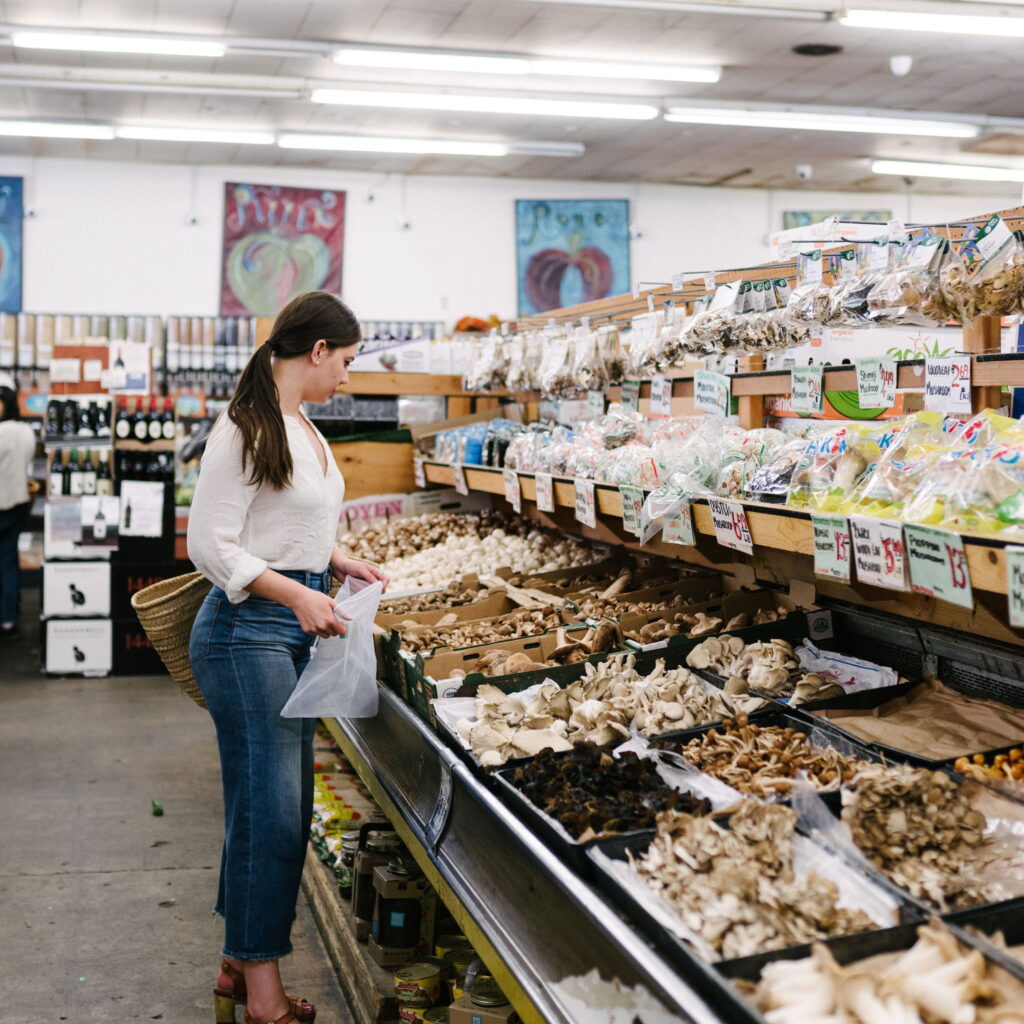
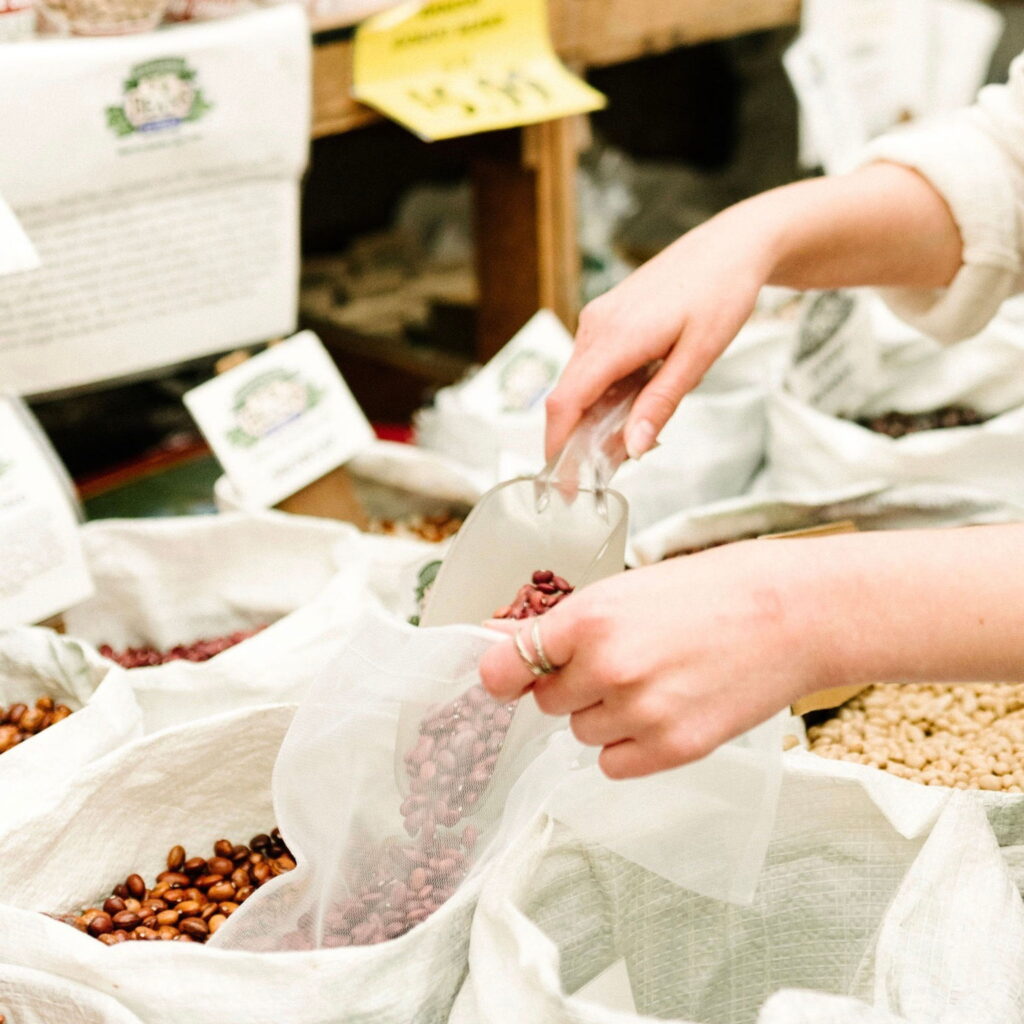
Successful zero-waste shopping requires a shift from impulsive consumption to methodical planning. Researching the local infrastructure is the first step in this process. Resources such as The Refill Collective allow consumers to locate "refilleries" or bulk-bin stores where items like grains, legumes, spices, and flours can be purchased using personal containers. For those residing more than an hour from specialized refill centers, the focus shifts to "low-waste" shopping within traditional grocery stores, prioritizing materials like glass, metal, and cardboard over non-recyclable soft plastics.
Budgetary discipline is a cornerstone of the zero-waste philosophy. By mapping out a weekly expenditure—for example, allocating $50 for fresh farmers’ markets and $100 for dry bulk goods—consumers can mitigate the "premium" often associated with sustainable goods. Financial analysts suggest that using cash for grocery runs can prevent the overspending often associated with credit card transactions, where the psychological impact of the transaction is dampened. Furthermore, the adoption of "ingredient-based" meal planning—focusing on versatile staples rather than specific, complex recipes—allows for greater flexibility and reduces the likelihood of niche ingredients being purchased and subsequently forgotten.
Essential Tools for Waste Mitigation
The physical transition to zero-waste shopping is facilitated by a kit of reusable alternatives designed to bypass the single-use infrastructure of the modern supermarket.
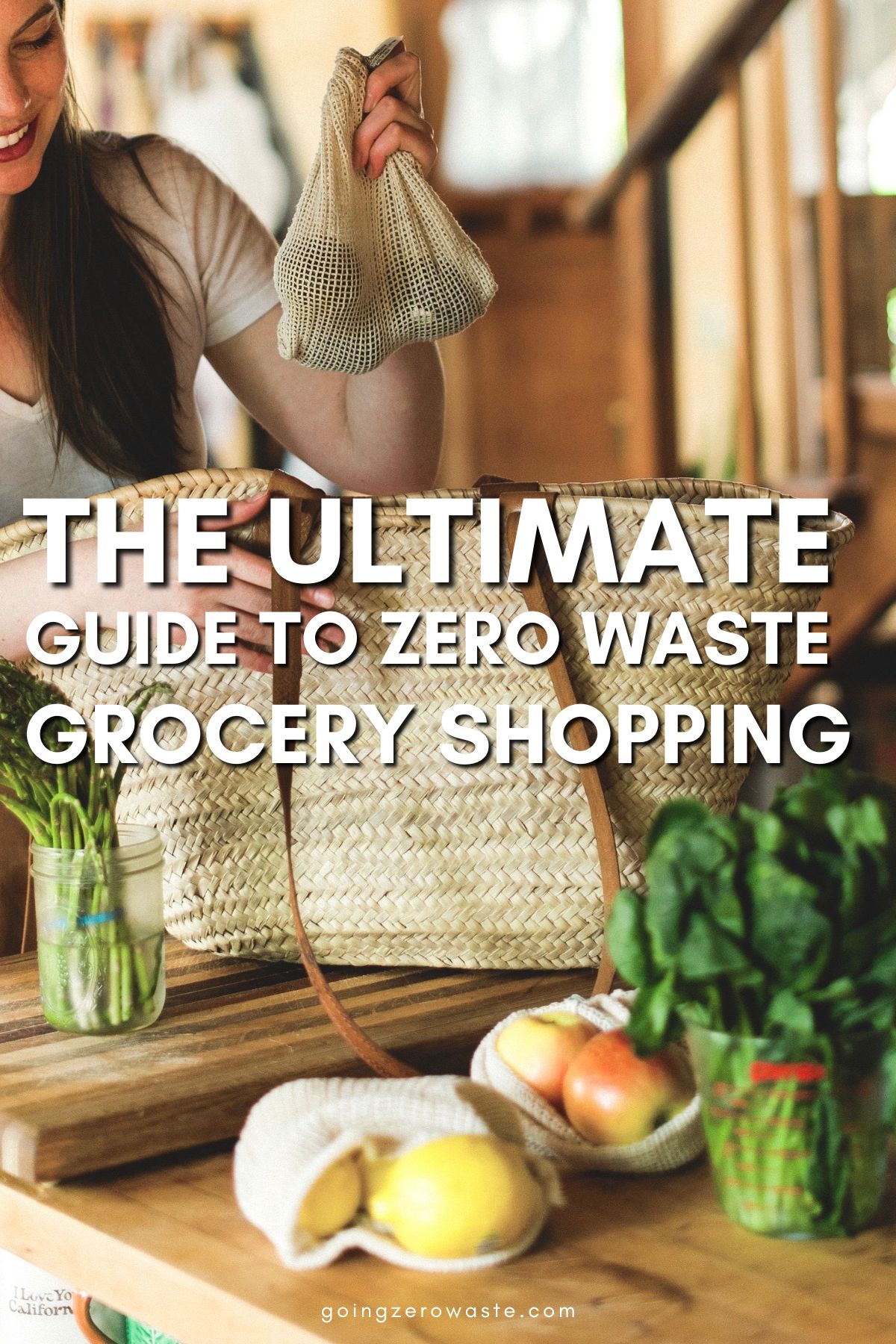
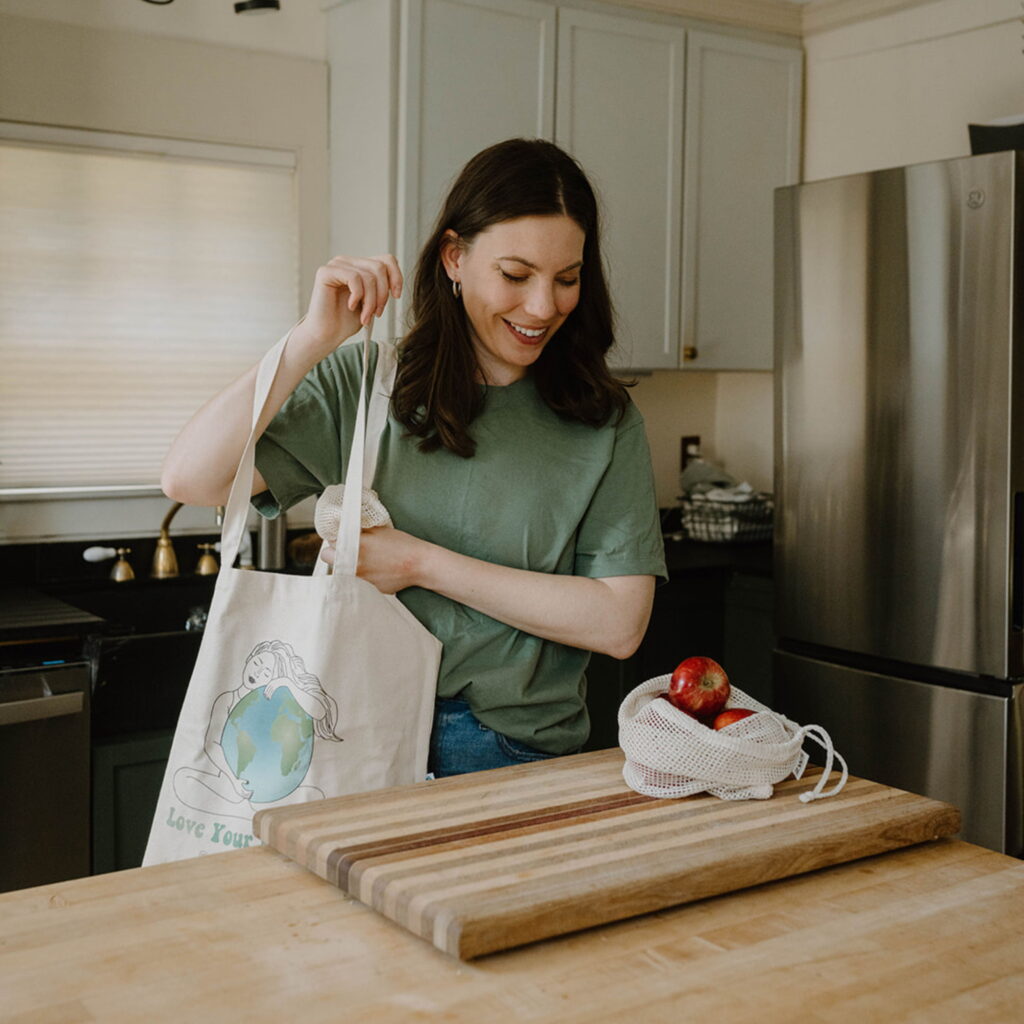
- Reusable Produce Bags: Moving away from the thin plastic rolls found in produce aisles, consumers are adopting mesh cotton bags for hearty greens and solid cloth bags for fine grains or beans.
- Tote Bags: The ubiquity of the reusable tote has already significantly reduced the demand for single-use plastic film bags, which are notoriously difficult to recycle and often clog municipal sorting machinery.
- Glass and Metal Containers: For bulk-bin shopping, the use of mason jars or upcycled glass containers is standard practice. To manage the logistics of these heavier items, wine bags with internal dividers are frequently used to prevent breakage during transit.
- Tare Weight Management: A critical component of bulk shopping is the "tare" system, where the weight of the empty container is subtracted from the total weight at checkout, ensuring the consumer only pays for the product itself.
Advanced Food Preservation and Storage Science
Reducing waste at the point of purchase is only half of the equation; the subsequent storage of food is where significant waste occurs at the household level. Understanding the biological requirements of different produce types can extend shelf life by weeks.
For instance, root vegetables like carrots should be stored in water-filled glass containers in the refrigerator to maintain turgidity and prevent them from becoming limp. Conversely, berries are highly sensitive to moisture and should not be washed or cut until immediately before consumption. They should be stored in airtight containers in the main body of the refrigerator, rather than the door, which is the warmest area of the appliance and subject to frequent temperature fluctuations.
Fridge organization is not merely an aesthetic choice but a preservation strategy. High-humidity crisper drawers are designed for leafy greens that wilt easily, while low-humidity drawers are intended for fruits that emit ethylene gas, such as apples and pears. Keeping these categories separate prevents the ethylene-emitters from prematurely ripening and spoiling the surrounding vegetables.
The Circular Kitchen: Utilizing Scraps and Odds
A professional culinary approach to zero waste involves the total utilization of the plant. Many parts of common vegetables that are traditionally discarded are not only edible but nutrient-dense. Carrot tops, which possess a flavor profile similar to parsley, can be transformed into pestos or salad dressings. Strawberry tops can be infused into simple syrups or blended into smoothies, while beet and radish greens serve as excellent substitutes for kale or spinach in sautéed dishes.
Vegetable peels and aromatic scraps (such as onion skins and celery ends) can be collected in the freezer and simmered to create high-quality vegetable stock, eliminating the need for store-bought cartons. This practice represents a direct financial saving and a reduction in the carbon footprint associated with the manufacturing and transport of pre-packaged liquids.
The Waste Management Hierarchy and Composting
Despite best efforts, certain organic materials—such as eggshells, pits, and tough stalks—remain inedible. In the waste management hierarchy, composting is the final line of defense before the landfill. When organic matter is sent to a landfill, it undergoes anaerobic decomposition, a process that releases methane, a greenhouse gas roughly 25 times more potent than carbon dioxide at trapping heat in the atmosphere.
Composting allows these materials to break down aerobically, returning nutrients to the soil. For urban dwellers, countertop compost pails with charcoal filters can manage odors until the scraps can be taken to a community garden or a curbside pickup service. For those with outdoor space, backyard tumblers or the "Bokashi" method—which uses a specialized fermenting bran to break down even meat and dairy—provide a closed-loop system for household waste.
Broader Environmental and Policy Implications
The individual actions of consumers, while significant, occur within a broader context of corporate and legislative responsibility. The move toward zero-waste grocery shopping acts as a market signal to large-scale retailers. When consumers consistently choose "naked" produce and avoid over-packaged goods, it incentivizes supermarkets to adjust their supply chains.
Environmental analysts point out that if the 40% food waste figure were reduced by even half, it would have a massive impact on global resource conservation. The water used to grow the food that Americans throw away each year is equivalent to the annual water use of 170 million people. Furthermore, as the 2026 price increases loom, the adoption of zero-waste principles will likely transition from an environmental choice to a fundamental survival strategy for middle- and low-income households.
In conclusion, zero-waste grocery shopping is a multi-faceted discipline that requires a combination of tactical planning, scientific storage, and a shift in culinary perspective. By addressing waste at both the retail and individual levels, society can begin to mitigate the environmental damage of the plastic era while building a more resilient and economical food system. The transition to a zero-waste kitchen is not an overnight achievement but a continuous process of refinement that pays dividends in both ecological health and personal financial stability.