
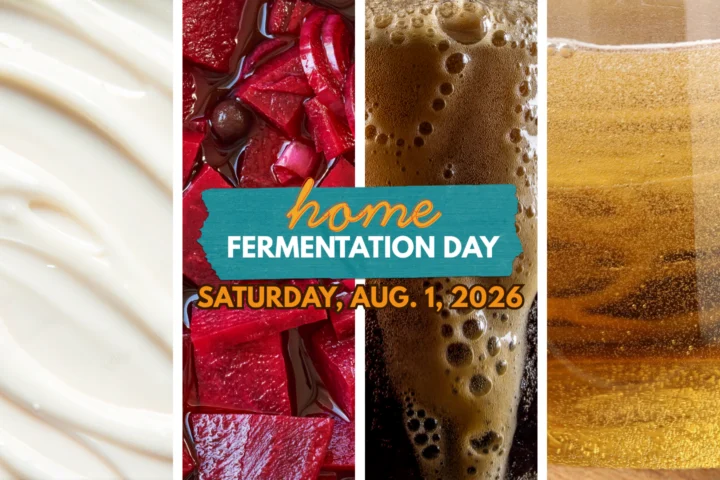
Home Fermentation Day, an annual observance championed by the American Homebrewers Association (AHA), invites enthusiasts and newcomers alike to explore the fascinating world of fermentation. This occasion is dedicated to celebrating the diverse array of fermented beverages and foods that can be created at home, fostering a community of makers and sharing knowledge across a spectrum of artisanal practices. The AHA encourages participation through social media, urging individuals to share their brewing and fermenting projects by tagging the organization’s official accounts or using the hashtag #HomeFermentationDay.
The initiative aims to shine a spotlight on a hobby that has seen significant growth in recent years, driven by increased consumer interest in artisanal products, health and wellness trends, and a desire for hands-on creative pursuits. Fermentation, a process involving the metabolic conversion of sugars into acids, gases, or alcohol by microorganisms like yeasts and bacteria, has been a cornerstone of human civilization for millennia, underpinning the creation of staples such as bread, cheese, and alcoholic beverages. Home Fermentation Day seeks to revive and modernize these ancient techniques for contemporary kitchens and cellars.
Fermented Beverages: A Cornerstone of Home Fermentation
At the heart of Home Fermentation Day are fermented beverages, a category that includes many long-standing favorites among homebrewers. Beer, mead (fermented honey wine), and cider (fermented apple juice) represent the foundational pillars of this segment. These beverages, with their complex flavor profiles and rich histories, offer a rewarding challenge for home crafters. The AHA, through its publications and resources, provides extensive guidance for those looking to master these traditional brews.
The popularity of homebrewing beer, in particular, has been on a steady upward trajectory. According to industry reports, the number of active homebrewers in the United States has consistently remained in the hundreds of thousands, with many engaging in the hobby for over a decade. This sustained interest underscores the enduring appeal of crafting one’s own beverages. Mead, often considered an ancient elixir, has experienced a resurgence in popularity, appealing to those seeking unique and historically inspired drinks. Similarly, home-cider making taps into the abundance of fruit available in many regions, offering a tart and refreshing alternative to other fermented beverages.
Beyond these established favorites, Home Fermentation Day encourages exploration into a wider universe of fermented drinks. This can include beverages like kombucha, a fermented tea that has gained widespread recognition for its purported health benefits and tangy flavor; kefir, a fermented milk drink; and various other fruit-based ferments. The AHA’s platform serves as a hub for sharing recipes, troubleshooting common issues, and inspiring experimentation with different yeasts, bacteria, and ingredients. The accessibility of starter cultures and readily available brewing equipment has further lowered the barrier to entry for aspiring beverage fermenters.
Expanding Horizons: Fermented Foods
While beverages often take center stage, Home Fermentation Day also highlights the equally rich and rewarding world of fermented foods. Expanding one’s fermentation journey beyond drinks opens up a vast landscape of culinary projects and culinary experiments. This diversification allows home fermenters to engage with a wider range of microorganisms and food preservation techniques, enriching their kitchens and palates.
Fermented foods offer a compelling intersection of flavor, nutrition, and preservation. Cultured dairy products, such as yogurt and cheese, have been staples for centuries, relying on the action of lactic acid bacteria to develop their characteristic tang and texture. Pickled vegetables, a global phenomenon, utilize fermentation to enhance flavor, increase shelf life, and introduce beneficial probiotics. Kimchi, a Korean staple of fermented vegetables, particularly napa cabbage and radish, is celebrated for its complex spicy and sour notes. Sauerkraut, a German delicacy of fermented cabbage, offers a similar probiotic-rich profile with a distinctively pungent taste.
The appeal of fermented foods extends to their potential health benefits. A growing body of research suggests that consuming fermented foods can positively impact gut health by introducing beneficial bacteria (probiotics) and increasing the bioavailability of nutrients. This has contributed to a surge in home fermenters seeking to incorporate these foods into their diets for both flavor and wellness. Projects like making sourdough bread, which relies on a naturally fermented starter, or creating artisanal condiments like fermented hot sauce or mustard, provide tangible and delicious outcomes for home cooks.
The AHA recognizes that the principles of fermentation are universal, and expertise gained in brewing can often be applied to food fermentation. This synergy is a key aspect of Home Fermentation Day, encouraging individuals to view fermentation not as separate disciplines but as interconnected practices. The organization’s archives and publications are a valuable resource for those looking to transition from making beer to crafting their own kimchi, pickles, or cultured vegetables.
Zymurgy Magazine: A Premier Resource for Fermentation Enthusiasts
Central to the AHA’s commitment to supporting home fermentation is its flagship publication, Zymurgy magazine. While renowned as the premier resource for homebrewing beer, Zymurgy consistently features in-depth explorations into other fermented projects. This broad scope ensures that the magazine remains relevant and inspiring for a diverse community of fermenters.
Published bimonthly, Zymurgy offers a blend of technical articles, practical advice, homebrewer profiles, and recipe ideas. For AHA members, immediate online access to the magazine’s archives, alongside four new issues annually, provides an unparalleled reservoir of knowledge. A particular highlight for those interested in expanding their fermentation horizons is the "You Can Ferment That" column. This regular feature demystifies various fermentation techniques, offering step-by-step guides and encouraging readers to experiment with new ingredients and processes. Past articles have delved into topics ranging from the intricacies of wild yeast fermentation to the nuances of making kombucha and the science behind lacto-fermented vegetables.
The magazine’s editorial approach prioritizes accessibility and accuracy, making complex scientific concepts understandable to the home enthusiast. By showcasing successful projects and offering solutions to common challenges, Zymurgy empowers individuals to embark on their own fermentation adventures with confidence. The continuity of this publication over decades has established it as a trusted authority in the home fermentation community, fostering a culture of continuous learning and innovation.
Joining the American Homebrewers Association: Access to Exclusive Resources
The American Homebrewers Association plays a pivotal role in nurturing and advancing the home fermentation hobby. A significant portion of the resources available on HomebrewersAssociation.org, including detailed articles, exclusive recipes, and community forums, are reserved for its members. This membership model ensures a dedicated and engaged community while providing the AHA with the necessary support to continue its mission.
Membership in the AHA offers a tangible gateway to a wealth of knowledge and support. Beyond access to Zymurgy magazine, members often receive discounts on brewing supplies, event tickets, and opportunities to participate in competitions and educational workshops. The online platform serves as a vibrant forum where experienced fermenters can share their insights, and newcomers can find answers to their questions. This collaborative environment is crucial for the growth and sustainability of the home fermentation movement.
The AHA’s advocacy efforts also play a vital role in safeguarding the rights and interests of homebrewers and fermenters. By engaging with legislative bodies and promoting responsible practices, the association helps to ensure that individuals can continue to enjoy their hobbies without undue restrictions. Home Fermentation Day, as an initiative, is a testament to the AHA’s broader goal of fostering a thriving and informed community dedicated to the art and science of transforming ingredients through fermentation. The continued success of such events and the sustained engagement of its members highlight the enduring appeal and growing significance of home fermentation in contemporary culture. The simple act of sharing a photo or a story online contributes to a larger narrative of innovation, tradition, and the joy of creation that defines Home Fermentation Day.


