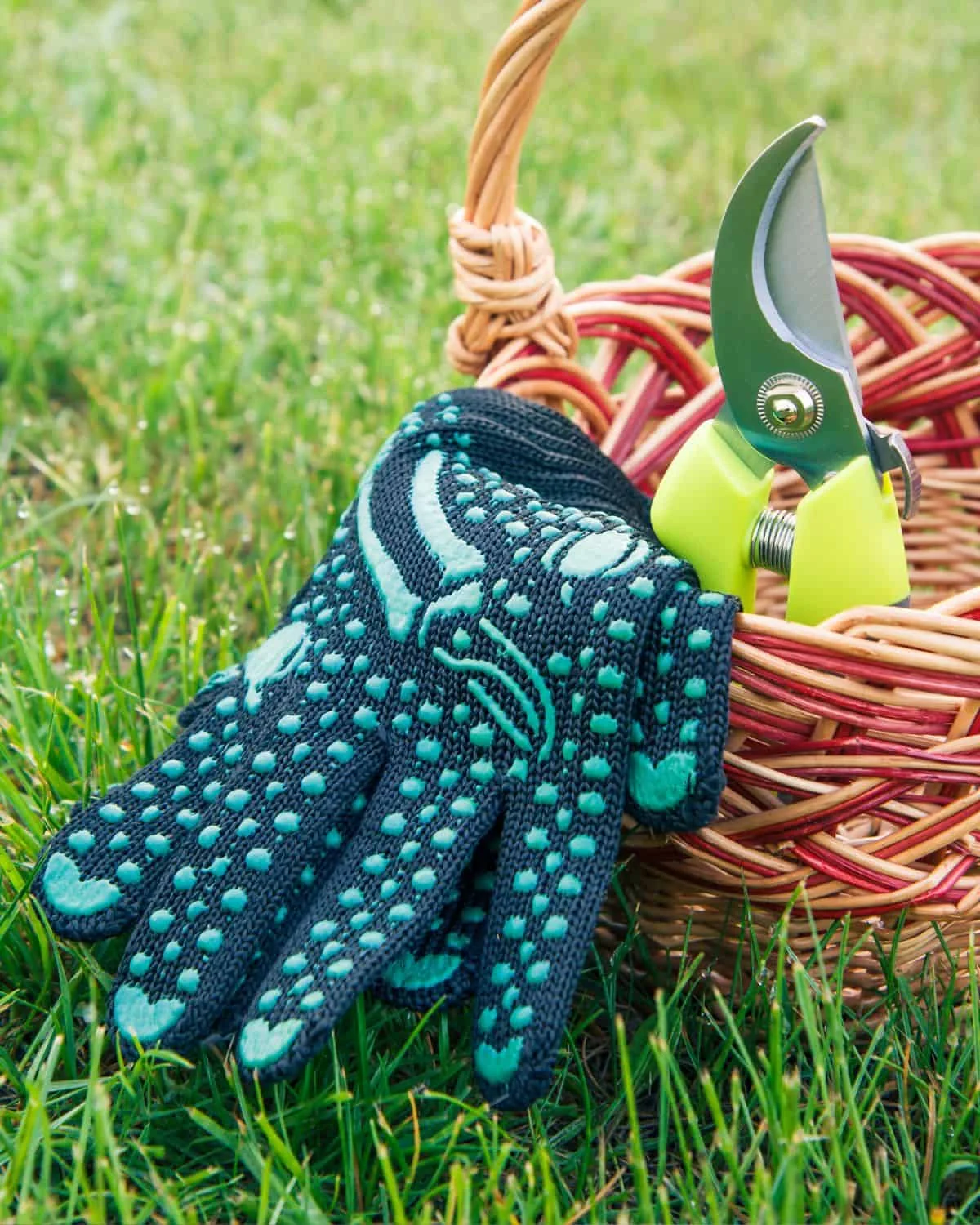
The rising global interest in self-sufficiency and sustainable land management has transformed backyard gardening from a casual hobby into a significant demographic movement. As the holiday season approaches, the demand for specialized tools and educational resources tailored to permaculture—a design system rooted in ecological principles—has seen a marked increase. Market data indicates that the gardening equipment sector is projected to grow significantly as more households prioritize food sovereignty and environmental stewardship. This guide provides a comprehensive overview of the essential tools, systems, and literature currently defining the modern gardener’s toolkit, focusing on durability, multi-functionality, and ecological impact.
The Evolution of Precision Hand Tools in Small-Scale Agriculture
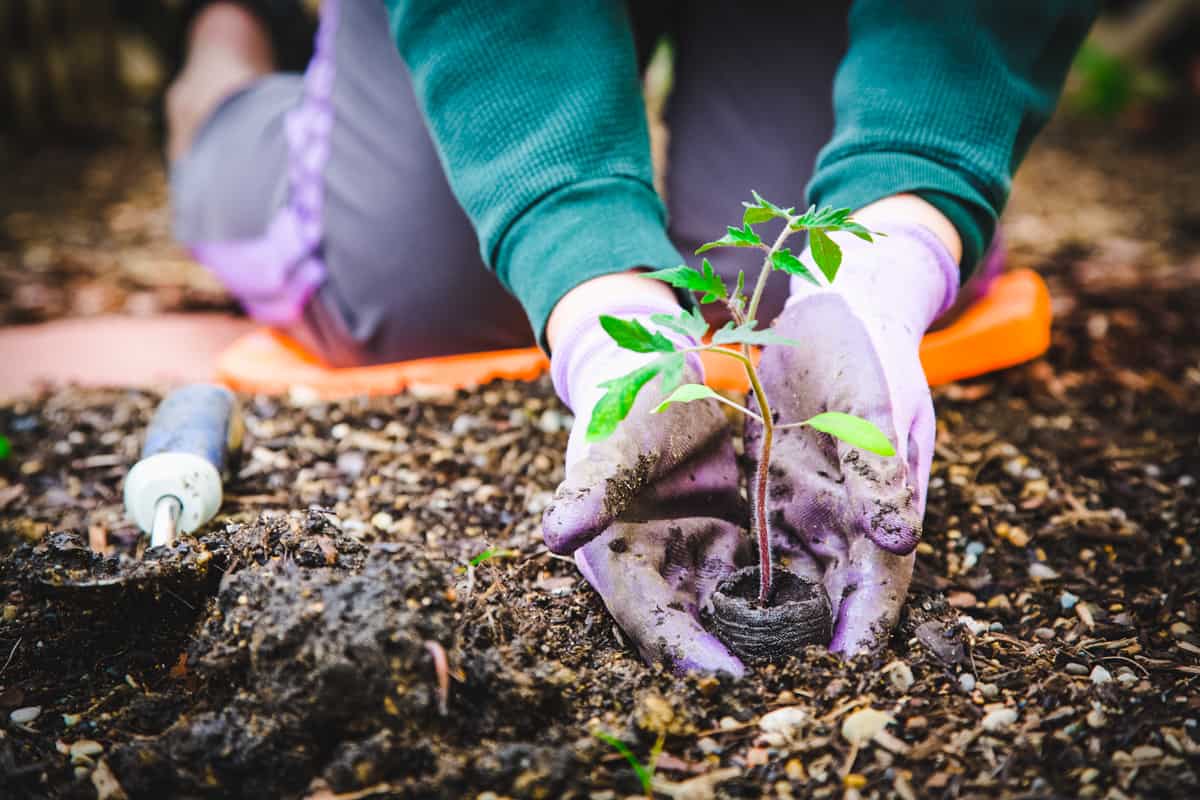
The shift toward high-intensity, small-space gardening has necessitated a move away from bulky machinery toward precision hand tools. Central to this transition is the Hori Hori garden knife, a multipurpose implement of Japanese origin. Factual analysis of tool utility reveals that the Hori Hori’s serrated edge and measuring increments make it uniquely suited for the "no-till" methods favored by permaculture practitioners. By allowing for precise weeding and planting without disrupting the broader soil structure, it preserves the mycelial networks essential for soil health.
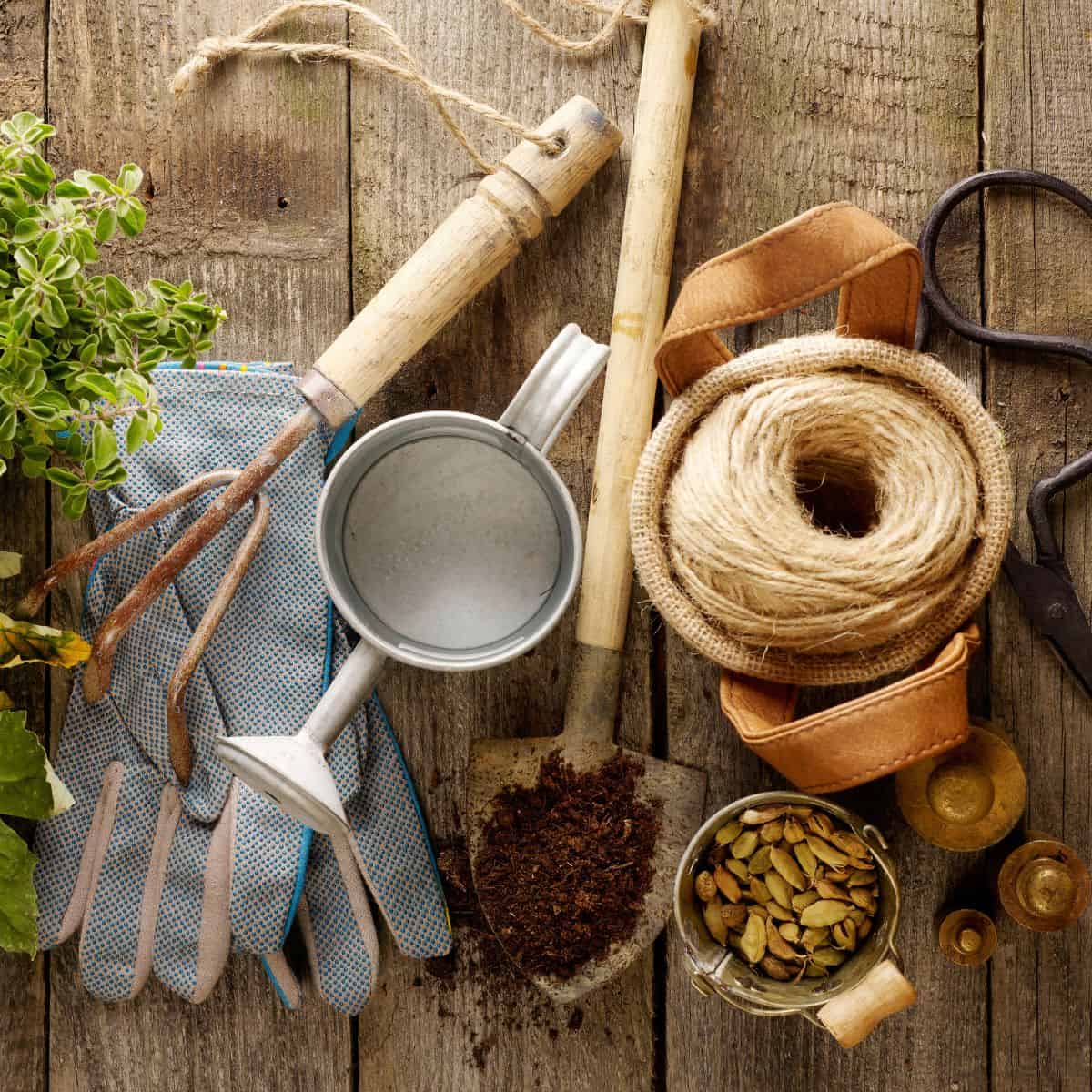
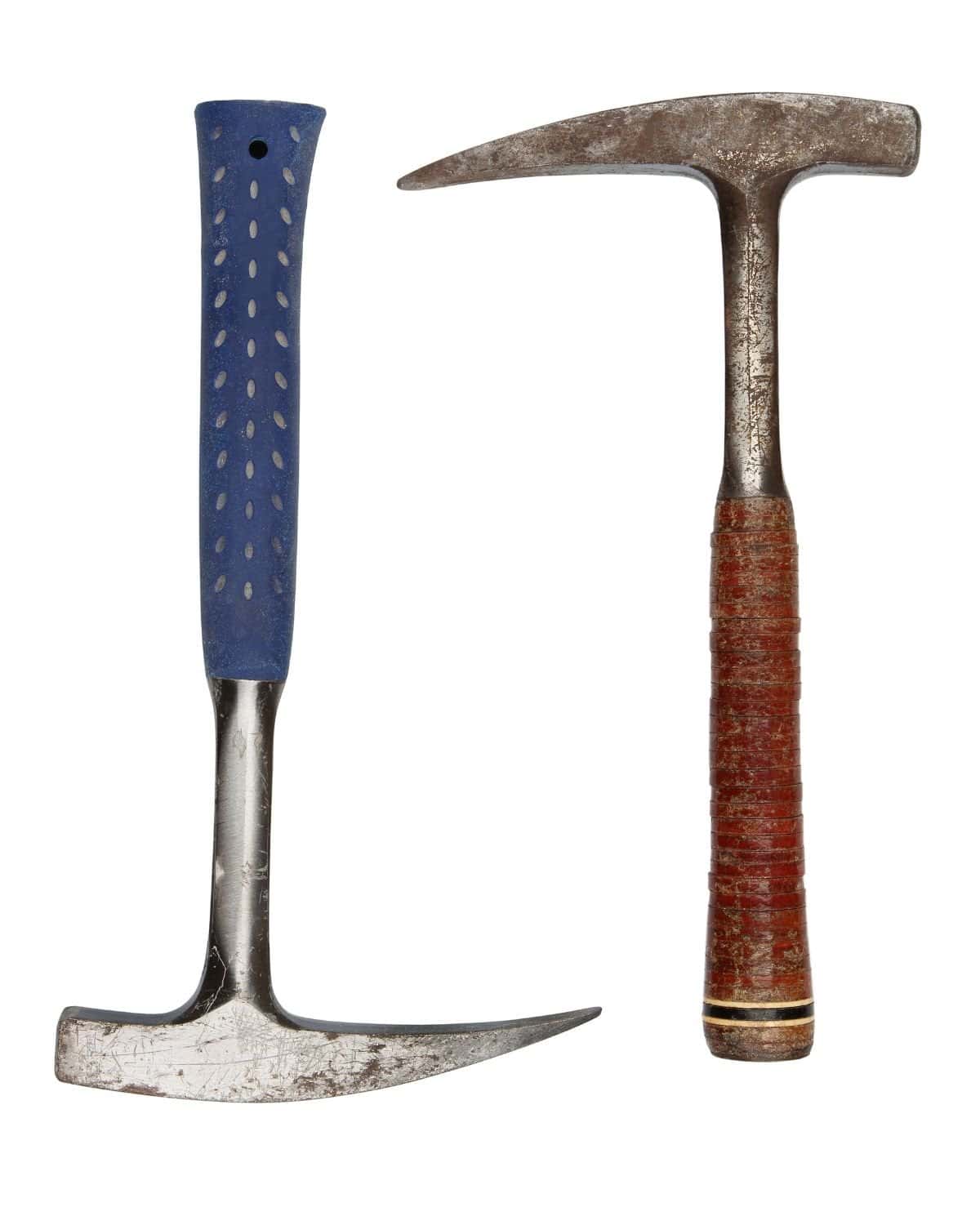
In the realm of cultivation, the CobraHead weeder and cultivator has emerged as a preferred tool for its ergonomic design, which mimics the action of a steel fingernail. This tool is frequently cited by agricultural ergonomics experts for its ability to reduce wrist strain while performing high-torque weeding in compacted soils. Complementing these are specialized implements like the Estwing rock pick, which, while originally designed for geological use, has been adopted by backyard gardeners for managing rocky terrain and installing small-scale irrigation trenches.

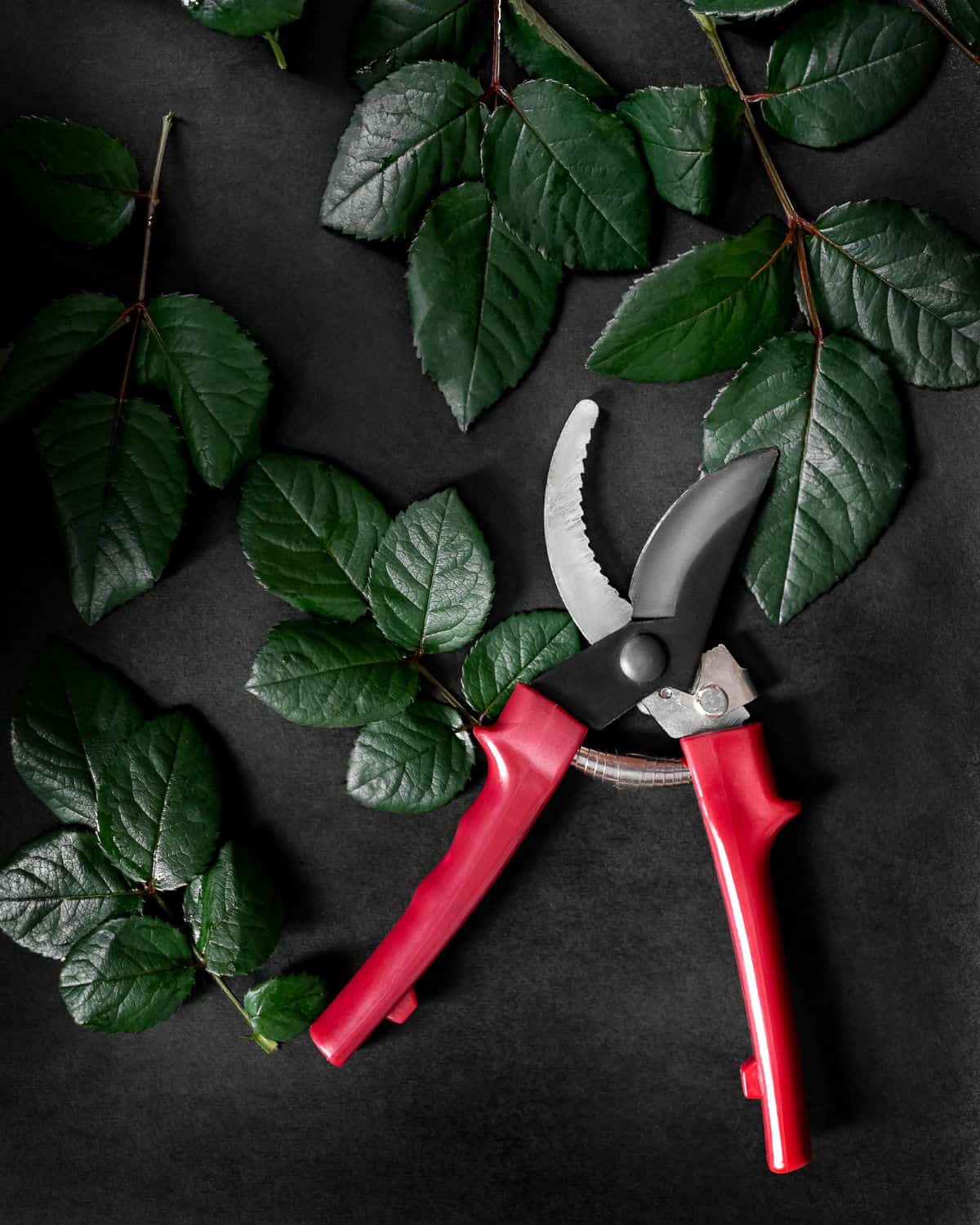
Pruning remains a critical task for maintaining the health of perennial food forests. The industry standard remains the Felco pruner, specifically the Model 2, known for its hardened steel blades and lifetime durability. From a sustainability perspective, the Felco brand is often highlighted because every component is replaceable, countering the "planned obsolescence" prevalent in modern consumer goods. For budget-conscious consumers, brands like Corona provide a high-performance alternative, utilizing heat-treated steel to maintain edge retention during heavy use in the dormant winter pruning season.
Advanced Irrigation and Material Safety Standards
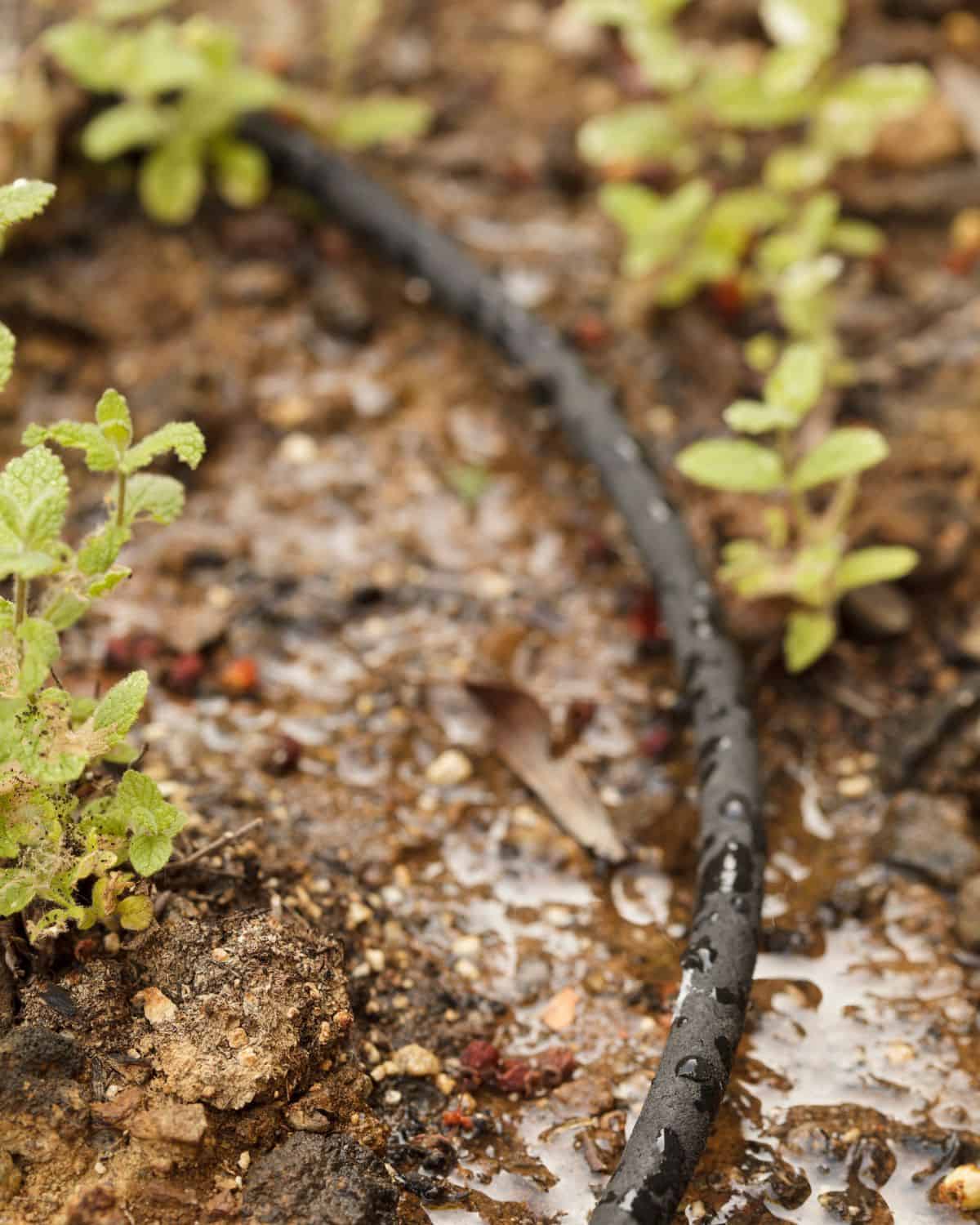
Water management is perhaps the most critical component of a resilient backyard ecosystem. Recent health reports have raised concerns regarding the chemical composition of standard garden hoses, many of which contain lead, phthalates, and BPA. Consequently, there is a growing market for "drinking water safe" hoses, such as those manufactured by Water Right. These hoses are constructed from UV-stabilized polyurethane, ensuring that the water delivered to edible crops remains free of synthetic contaminants.
For targeted hydration, the use of soaker hoses and galvanized metal watering cans remains a staple. Soaker hoses are particularly valued in permaculture for their ability to deliver water directly to the root zone, reducing evaporative loss by up to 70% compared to overhead spraying. The resurgence of galvanized steel watering cans reflects a broader move away from plastics, favoring materials that withstand ultraviolet degradation and offer a longer functional lifespan in outdoor environments.

Propagation Systems and the Seed Security Movement
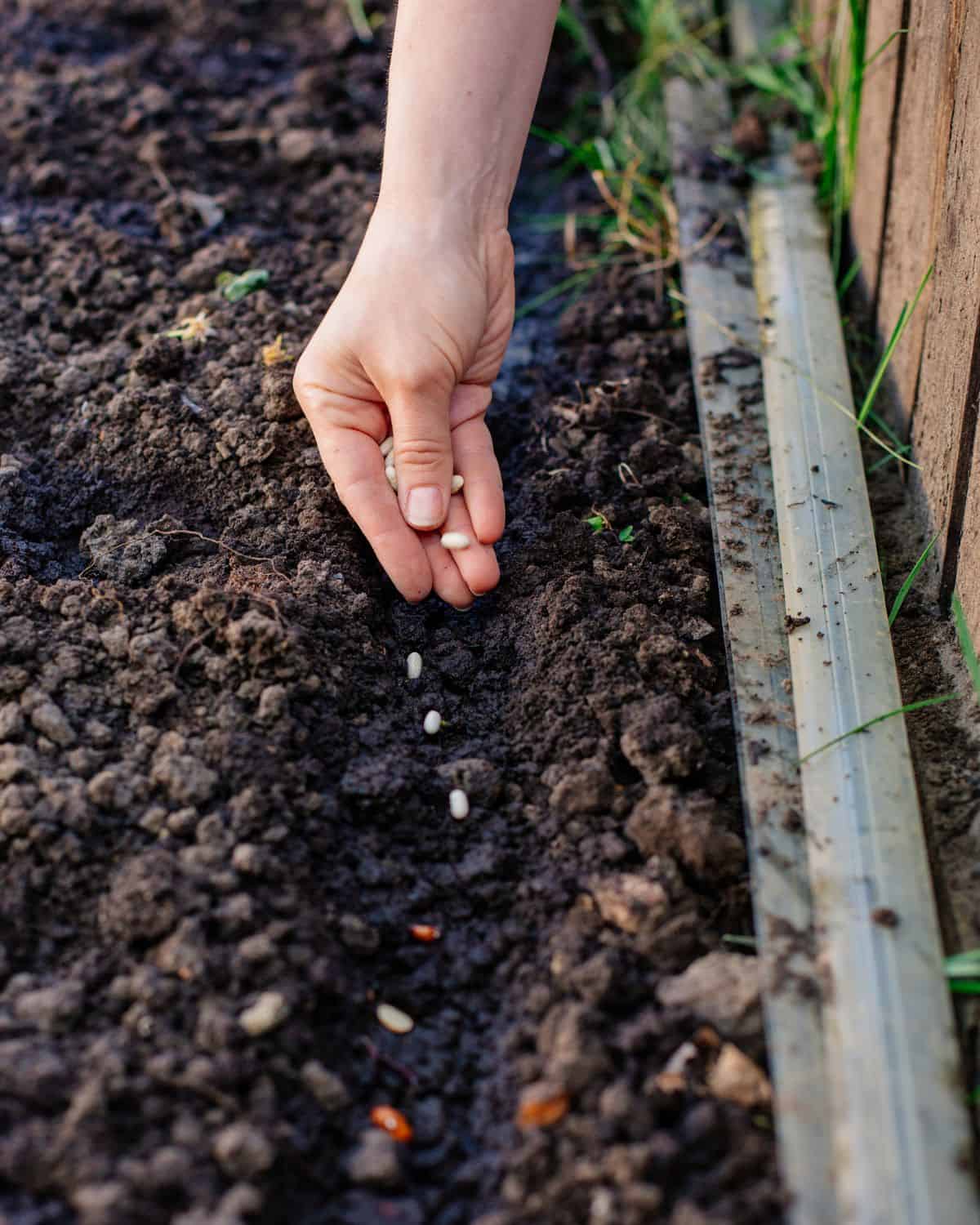
The foundation of any productive garden is the quality of its genetic material. The "seed vault" concept has gained traction among home gardeners as a means of ensuring long-term food security. Modern seed kits, such as those provided by Survival Garden Seeds and Garden Republic, focus on open-pollinated, non-GMO varieties that allow gardeners to save seeds for future seasons. This practice is a cornerstone of permaculture, as it encourages the development of localized plant varieties adapted to specific microclimates.

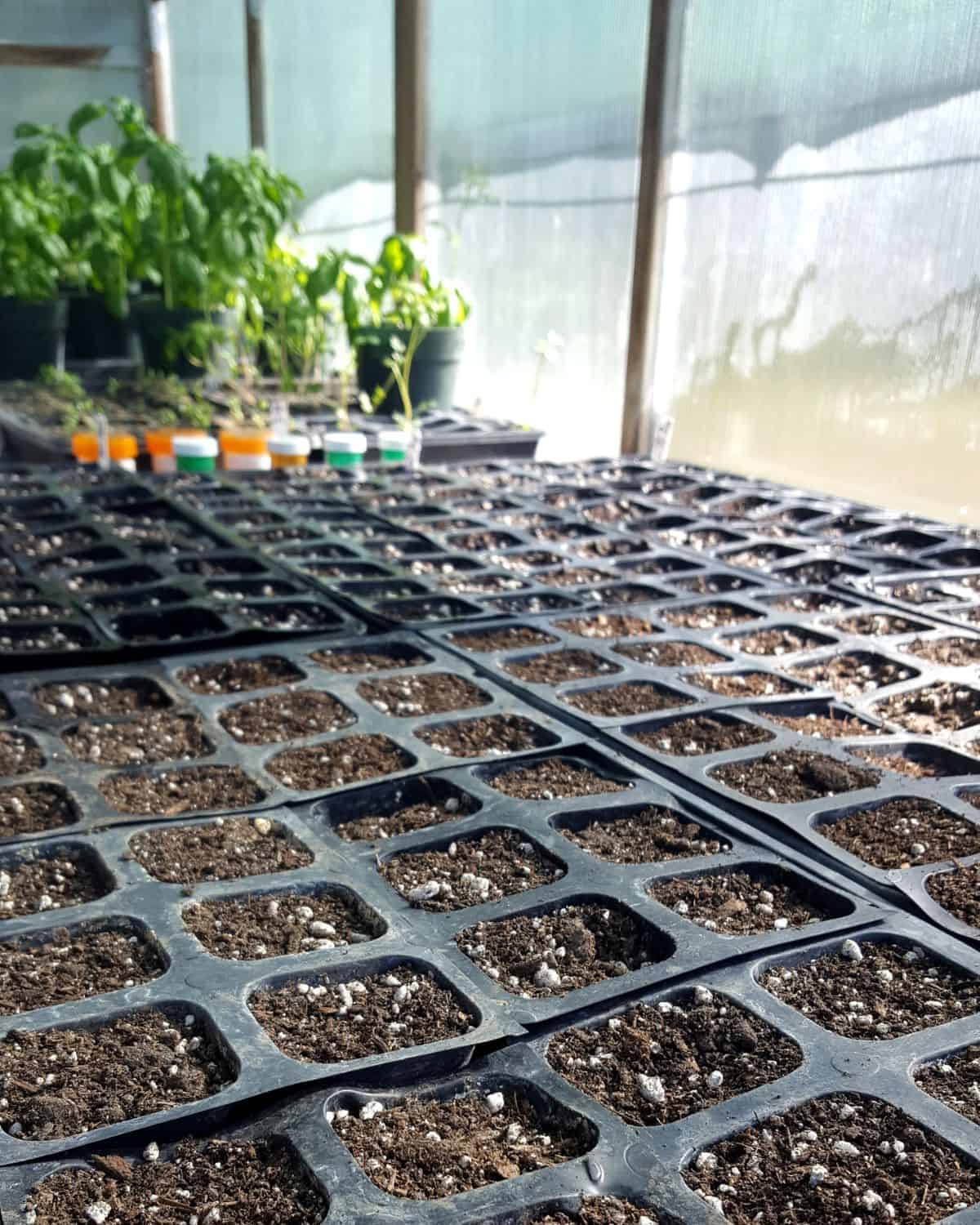
Innovations in seed starting have also focused on reducing plastic waste. The soil block maker, a manual press that creates freestanding cubes of growing medium, eliminates the need for plastic nursery trays. Data from environmental studies suggest that soil blocking leads to healthier root systems by preventing "root spiraling," as roots are naturally air-pruned when they reach the edge of the soil block. For gardeners operating in colder climates, mini-greenhouses and microgreens kits provide the infrastructure necessary to extend the growing season into the winter months, providing fresh nutrients when outdoor production is dormant.

Literary Foundations and the Intellectual Shift Toward Permaculture
The transition from traditional gardening to permaculture requires a significant shift in perspective, often facilitated by a specific canon of literature. Knowledge transfer is viewed by the gardening community as a gift of long-term value. Key texts currently influencing the field include:
- The Suburban Micro-Farm by Amy Stross: This text provides a localized framework for applying large-scale permaculture principles to small residential lots, emphasizing profit and efficiency.
- Gaia’s Garden by Toby Hemenway: Widely considered the most influential introductory text on home-scale permaculture, it focuses on the creation of "guilds"—communities of plants that support one another.
- The Resilient Farm and Homestead by Ben Falk: This resource offers a more advanced, systems-based approach to land management, covering everything from gravity-fed water systems to wood-lot management.
- Square Foot Gardening by Mel Bartholomew: A classic in the field of intensive vegetable production, this method is credited with allowing urban gardeners to produce high yields in limited spaces.
Digital resources have also become essential. The "Backyard Forest Garden" eBook serves as a contemporary guide for those looking to move beyond annual vegetables and into the realm of perennial food forests. These systems, once established, require less caloric input from the gardener while providing a diverse harvest of fruits, nuts, and medicinal herbs.
Industry Analysis: The Economic Impact of Home Gardening
The gift-giving trends within the gardening sector reflect broader economic shifts. According to the 2023 National Gardening Survey, American households spent an average of $616 on lawn and garden activities. There is a clear trajectory toward "investment-grade" tools—items that cost more upfront but do not require frequent replacement. This shift is driven by a demographic that views gardening not just as a pastime, but as a form of "home-scale infrastructure."
Furthermore, the rise of "educational gifting"—subscriptions to gardening masterclasses, soil testing kits, and specialized books—suggests that the modern gardener prioritizes the acquisition of skills over the mere accumulation of gear. This is particularly true in the permaculture community, where the design (the "software") is considered more important than the specific tools used to implement it (the "hardware").
Broader Implications for Environmental Resilience
The promotion of backyard gardening through thoughtful gift-giving has implications that extend beyond the individual household. Increased urban and suburban gardening contributes to the "Green Corridor" effect, providing essential habitat for pollinators such as bees and butterflies, whose populations have seen a dramatic decline. By choosing gifts that encourage organic practices and biodiversity, consumers are indirectly supporting regional ecological health.
Permaculture, specifically, addresses the issue of storm-water runoff through the implementation of swales and rain gardens. Tools that facilitate the creation of these features, such as specialized shovels and levels, empower homeowners to manage water on-site, reducing the burden on municipal infrastructure.
Conclusion: A Strategic Approach to Holiday Giving
Selecting gifts for the backyard gardener in 2024 requires an understanding of the intersection between utility, durability, and ecological philosophy. Whether it is a high-carbon steel Hori Hori knife, a non-toxic irrigation system, or a foundational text on forest gardening, the most effective gifts are those that enhance the recipient’s ability to interact with the natural world in a productive and sustainable manner. As the global community continues to grapple with food supply chain instabilities and climate variability, the tools and knowledge required to cultivate a resilient home garden remain among the most practical and impactful gifts possible.