
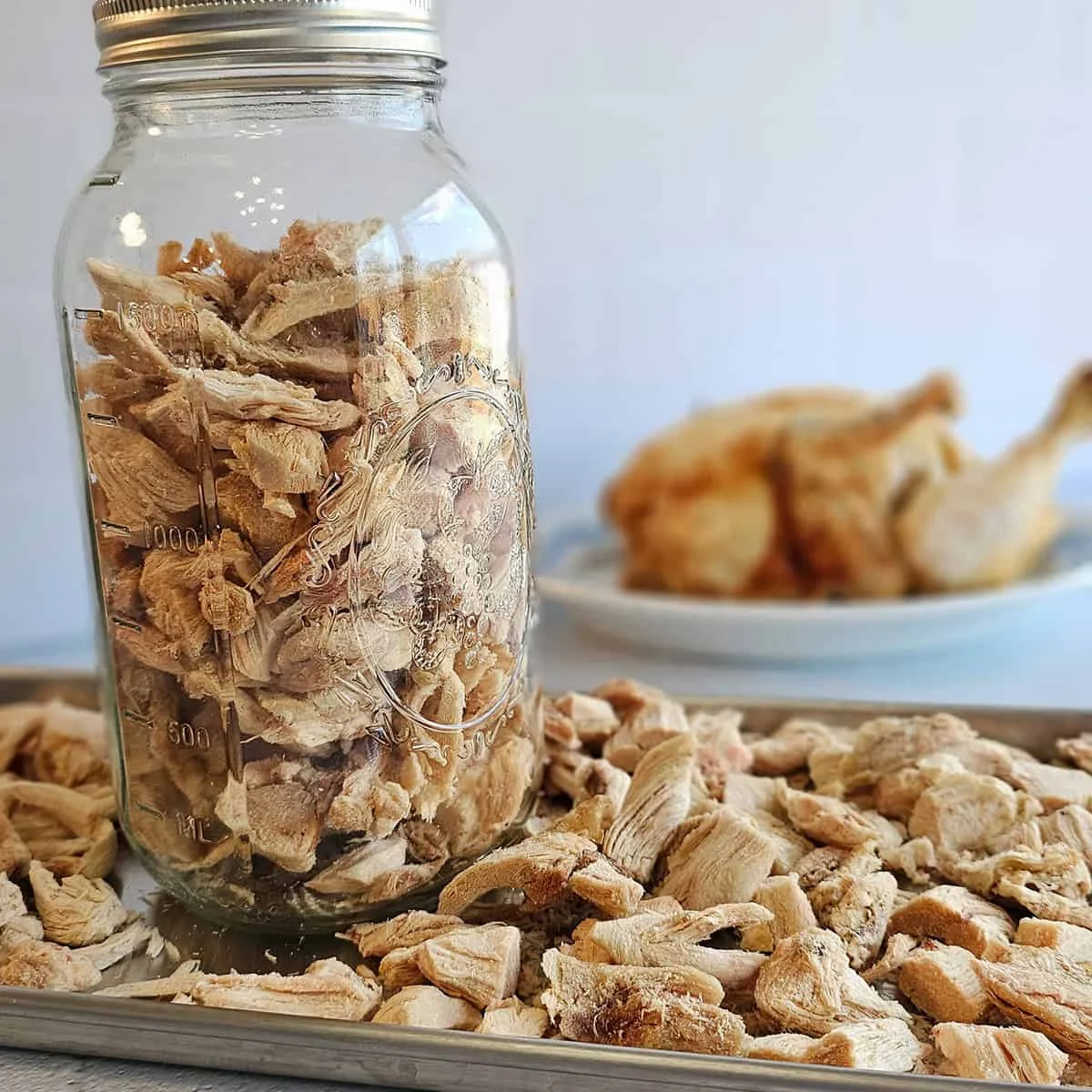
The emergence of home-based food preservation technology has revolutionized how households manage food security, waste reduction, and long-term storage. Among the various methods available, freeze-drying has gained significant traction due to its ability to preserve the nutritional integrity and texture of complex proteins. Rotisserie chicken, a ubiquitous and affordable staple in modern grocery commerce, has become a primary candidate for this process. By converting a perishable, pre-cooked protein into a shelf-stable asset, consumers are finding new ways to leverage retail "loss leaders"—products sold at low prices to stimulate other sales—into a robust pantry inventory.
The Strategic Importance of Protein Preservation
In the context of modern food logistics, protein is often the most expensive and volatile component of the human diet. Traditional preservation methods, such as canning or dehydrating, frequently alter the chemical structure and palatability of meat. Dehydration, specifically, often results in a "leathery" texture that can be difficult to rehydrate, while pressure canning can lead to over-processing and a loss of structural firmness. Freeze-drying, or lyophilization, bypasses these issues by using a process called sublimation.
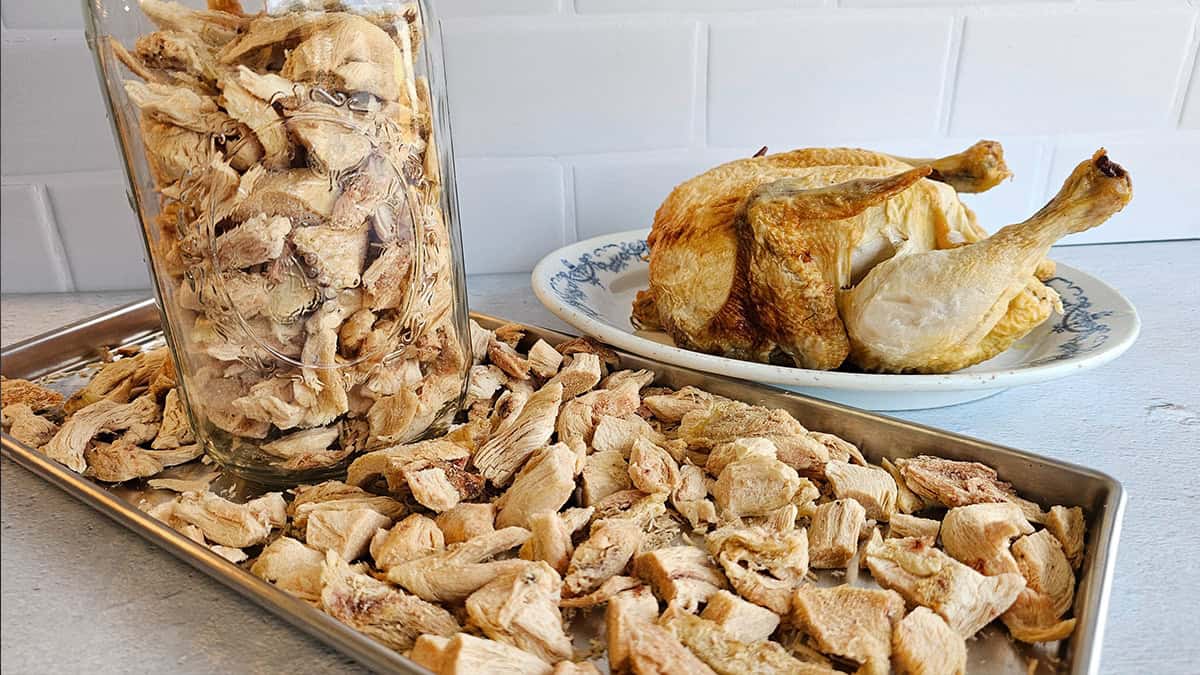
The process of freeze-drying involves freezing the food and then reducing the surrounding pressure to allow the frozen water in the material to transition directly from the solid phase to the gas phase. This prevents the formation of large ice crystals that damage cellular structures, ensuring that when the chicken is rehydrated, it returns to a state nearly identical to its original cooked form.
Chronology of the Freeze-Drying Process
To achieve a successful yield of shelf-stable rotisserie chicken, a specific chronological sequence must be followed to ensure both food safety and the efficiency of the machinery.
Phase 1: Preparation and Mechanical Separation
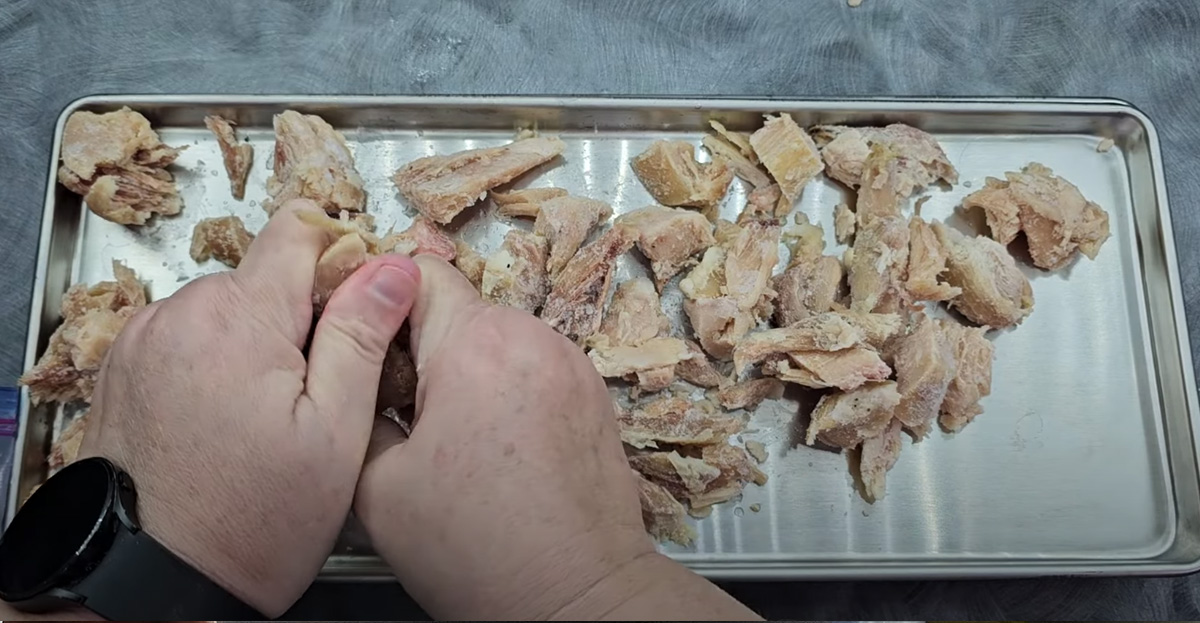
The process begins with the systematic stripping of the rotisserie chicken. Expert food preservationists recommend the immediate removal of skin, bones, and visible deposits of subcutaneous fat. While the skin is flavorful when fresh, its high lipid content makes it a poor candidate for long-term freeze-drying, as fats do not dry and are prone to oxidative rancidity.
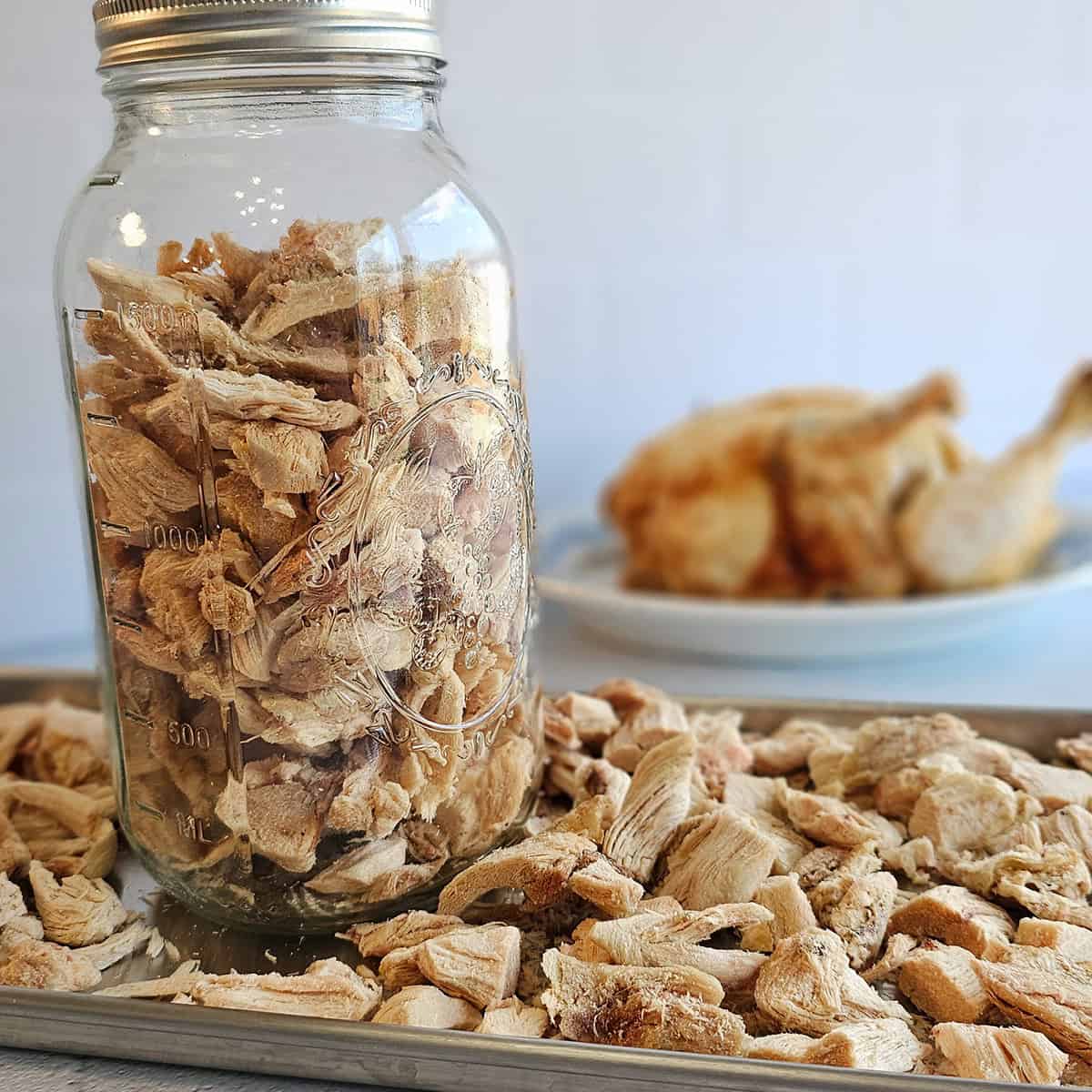
Following the stripping process, the meat is portioned into uniform, bite-sized pieces, typically no larger than one inch. This uniformity is critical for the vacuum chamber’s efficiency; inconsistent sizing can lead to "cold spots" where moisture remains trapped in the center of larger pieces, potentially leading to spoilage after sealing.
Phase 2: Thermal Pre-conditioning
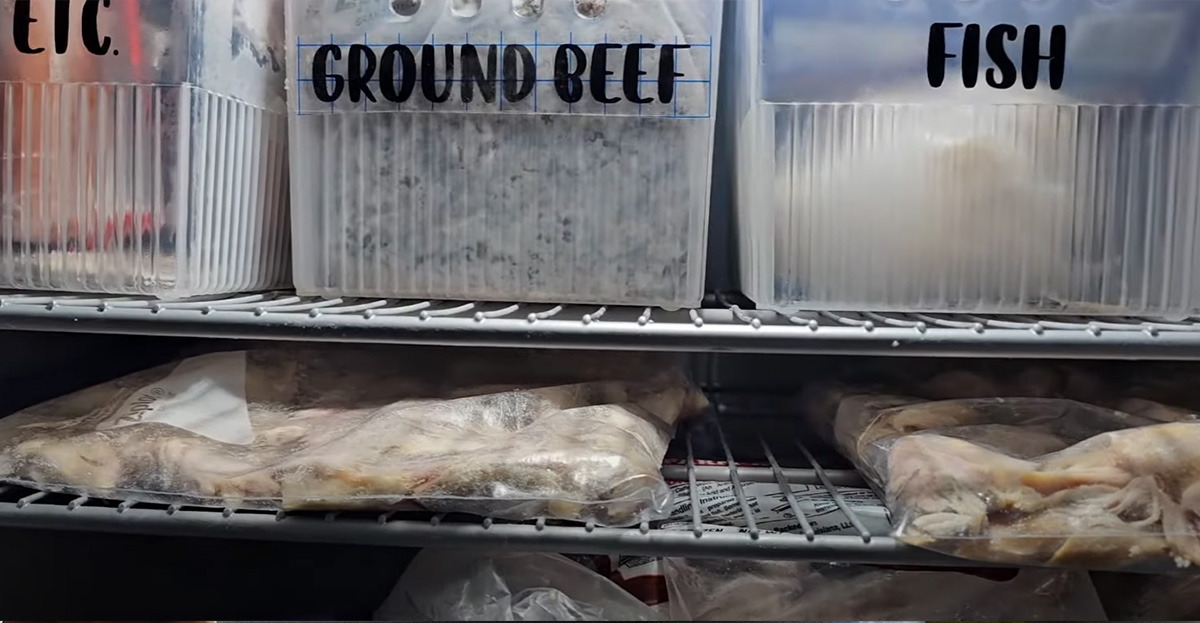
While home freeze-dryers, such as those manufactured by industry leader Harvest Right, are capable of freezing the product within the chamber, "pre-freezing" in a dedicated deep-freeze unit is a recommended efficiency measure. By lowering the internal temperature of the chicken to sub-zero levels (ideally for 24 hours) prior to loading the machine, the operator reduces the mechanical strain on the freeze-dryer’s compressor and shortens the overall cycle time by several hours.
Phase 3: The Lyophilization Cycle
Once the trays are loaded, the freeze-dryer initiates a vacuum-sealed cycle. For cooked proteins like rotisserie chicken, a standard drying time is often set with an additional 24-hour buffer. This ensures that the deep fibers of the meat are completely void of moisture. During this phase, the machine’s sensors monitor the rate of sublimation. If the chicken is not entirely dry, the residual moisture can migrate within the storage container, creating an environment conducive to microbial growth.
Phase 4: Quality Assurance and Verification
The final stage of the process involves testing the product. A "dry" piece of chicken should be brittle and break cleanly without any signs of "squish" or flexibility. A more scientific approach used by advanced practitioners is the "gravimetric method," which involves weighing the trays, running the machine for an additional two hours, and re-weighing. If there is no change in weight, the moisture content is effectively zero.
Economic and Nutritional Data Analysis
The decision to freeze-dry rotisserie chicken is often driven by economic data. Many major retailers use rotisserie chickens as loss leaders, priced significantly lower than the cost of a raw whole chicken. For instance, while a raw organic chicken may cost between $12 and $18, a pre-cooked rotisserie chicken often retails for $4.99 to $7.99.
When analyzing the "circular economy" of a single rotisserie chicken, the value extends beyond the meat. The carcass, including the bones and connective tissues, can be simmered to create a nutrient-dense bone broth. This broth can subsequently be freeze-dried into a shelf-stable bouillon powder, ensuring that nearly 95% of the original purchase is utilized for long-term storage.
From a nutritional standpoint, freeze-drying is superior to other methods. Research indicates that freeze-dried foods retain approximately 97% of their original vitamins and minerals. In contrast, dehydration retains about 60%, and canning retains approximately 40% due to the high heat required for sterilization. For a protein like chicken, which provides essential amino acids and B vitamins, freeze-drying ensures that these nutrients remain bioavailable for years.
Storage Dynamics and the Role of Lipids
A critical factor in the longevity of freeze-dried meat is the fat content. According to preservation experts at The Purposeful Pantry, rotisserie chicken presents a unique challenge because it is a "fatty" meat compared to lean chicken breast. While lean beef or chicken breast can theoretically last up to 25 years in an oxygen-free environment, the higher fat content in rotisserie chicken—particularly in the dark meat (thighs and legs)—shortens this window.
Data suggests that for rotisserie chicken, a realistic shelf-life expectation is six months to two years, depending on the precision of the fat removal. To maximize this duration, the use of Oxygen Absorbers (O2 absorbers) is mandatory. These small packets contain iron powder which chemically reacts with and traps any residual oxygen in the container, preventing the oxidation of fats that leads to "off" flavors and spoilage.
Recommended Storage Tiers:
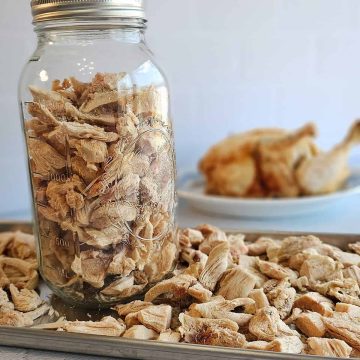
- Short-term (0-6 months): Glass canning jars with vacuum-sealed lids. This is ideal for rotating stock for weekly meal prep.
- Long-term (1-2 years): Mylar bags (at least 7 mils thick) with 300cc to 500cc oxygen absorbers. Mylar provides a superior light and moisture barrier compared to glass.
Rehydration Mechanics and Culinary Application
The utility of freeze-dried rotisserie chicken lies in its "one-to-one" volume ratio. Unlike dehydrated foods, which shrink significantly, freeze-dried chicken maintains its size. Therefore, if a recipe calls for one cup of cooked chicken, the cook can simply measure out one cup of freeze-dried chicken.
Rehydration Protocols:
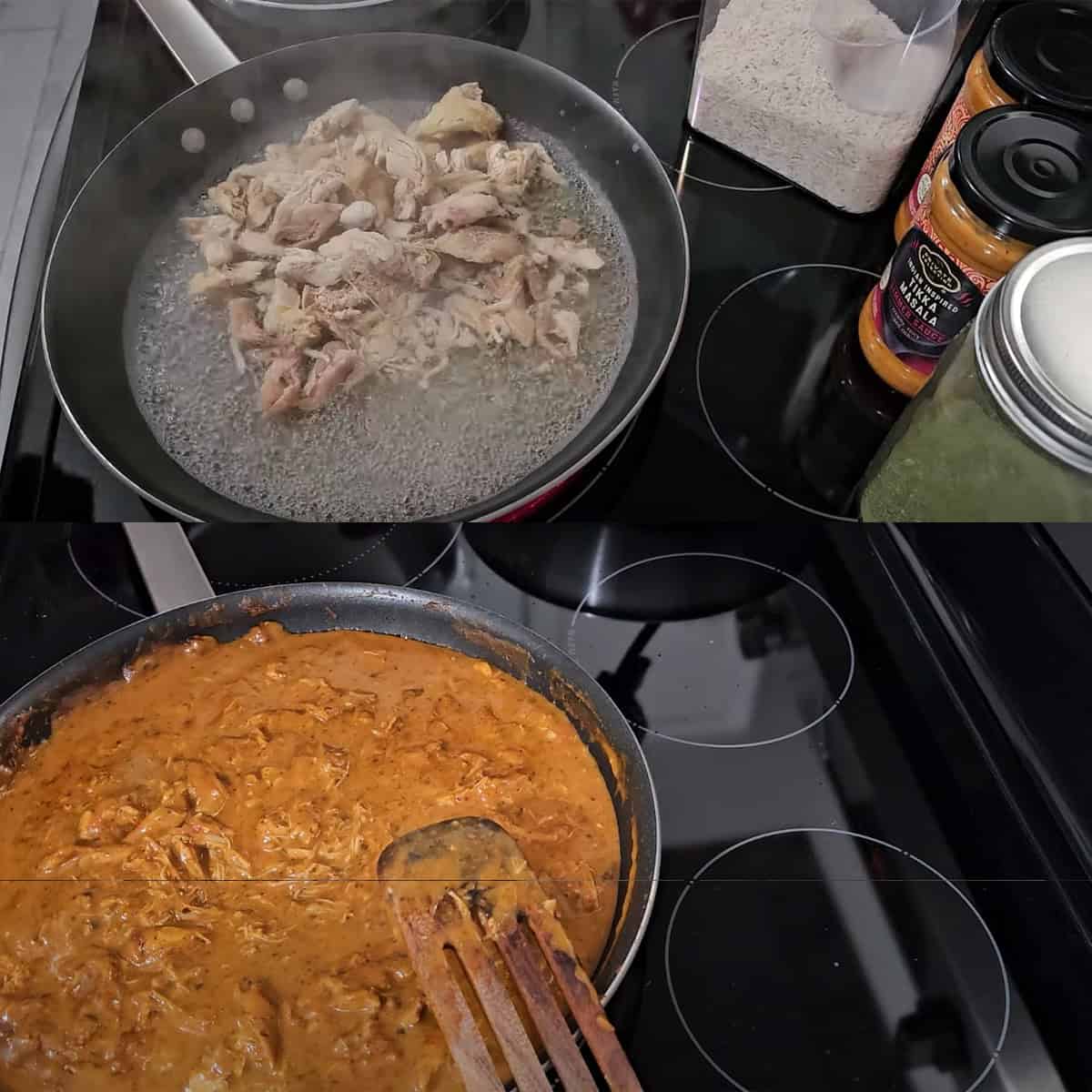
- Thermal Rehydration: Placing the chicken in a skillet with a small amount of boiling broth or water. The porous structure of the freeze-dried meat acts like a sponge, absorbing the liquid in approximately 3 to 5 minutes.
- Cold Rehydration: For use in chicken salads or cold wraps, the meat can be submerged in water or broth in a refrigerated environment for 30 minutes.
This rapid rehydration makes it an invaluable asset for "just-add-water" meals, camping, and emergency situations where fuel for cooking may be limited.
Broader Impact on Food Security and Sustainability
The move toward home freeze-drying reflects a broader societal shift toward self-reliance. As global supply chains face increasing pressure from climate volatility and economic shifts, the ability to store high-quality protein outside of the electrical grid (which is required for traditional freezers) is a significant advantage. A freezer failure can result in the loss of hundreds of dollars of meat; however, a pantry filled with freeze-dried rotisserie chicken remains safe regardless of power status.
Furthermore, this practice addresses the global issue of food waste. Statistics from the USDA suggest that nearly 30-40% of the food supply in the United States is wasted. By processing "clearance" chickens—those that have reached their "sell-by" date on grocery shelves—consumers are effectively rescuing food from the waste stream and converting it into a long-term resource.
Expert Recommendations for Optimal Results
To ensure the highest quality of the final product, industry specialists suggest several "best practices" derived from empirical testing:
- Seasoning Considerations: Most rotisserie chickens are heavily brined or seasoned. While these seasonings freeze-dry well, the salt content can become more concentrated. It is advisable to use low-sodium broths during the rehydration phase to maintain a balanced flavor profile.
- Oil Management: If the chicken appears particularly oily after the cycle, it is recommended to blot the pieces with a paper towel before sealing. This minor step can significantly extend the shelf life by removing surface lipids.
- Texture Maintenance: For the best mouthfeel, it is recommended to add the chicken toward the end of the cooking process in soups or stews, as prolonged boiling of rehydrated meat can cause it to become overly soft.
In summary, the freeze-drying of rotisserie chicken represents a sophisticated intersection of culinary convenience, economic strategy, and advanced food science. By following rigorous preparation and storage protocols, households can transform a simple grocery store item into a cornerstone of a resilient and nutritious food supply.


