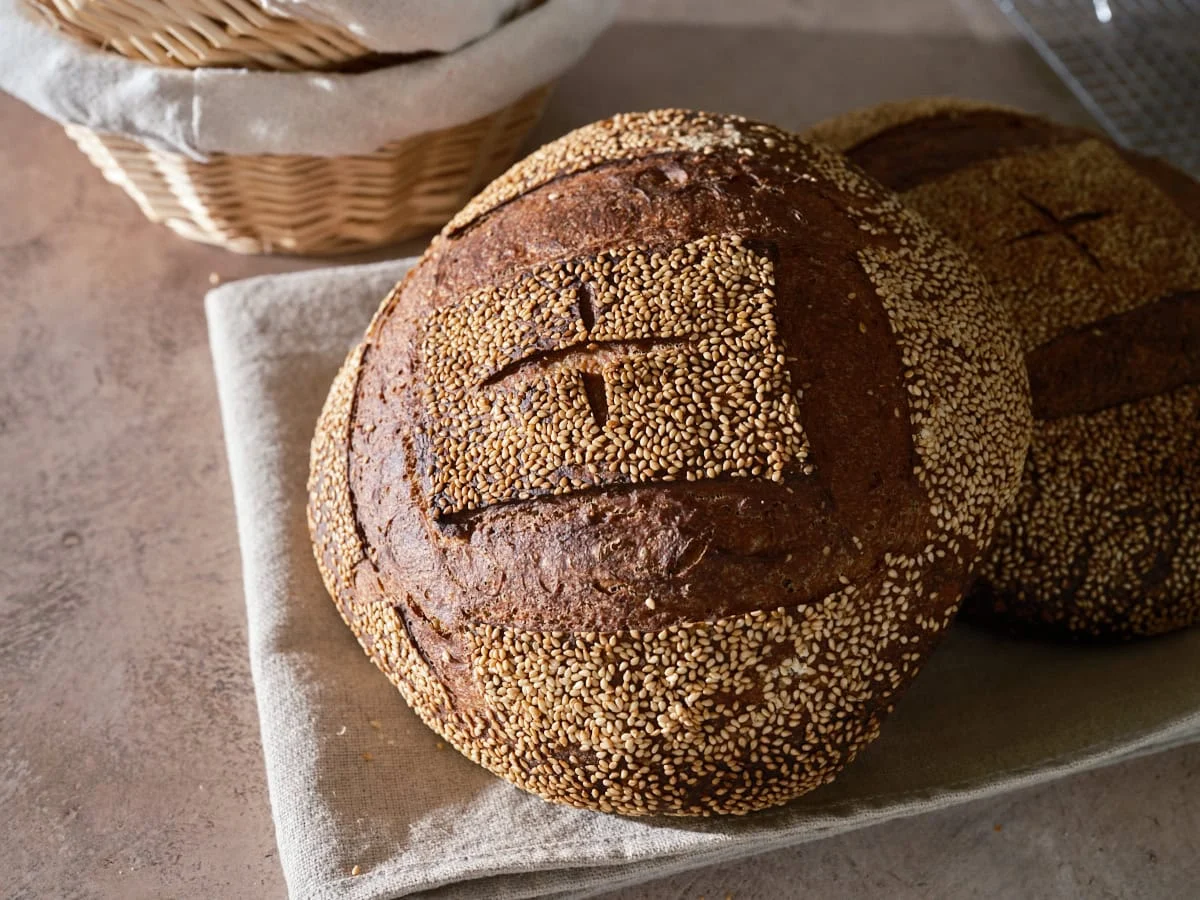
The recent unveiling of the Scalded Buckwheat and Malt Sourdough Bread marks a significant development in the realm of artisanal home baking, offering a robust, spice-forward loaf engineered to provide comfort and depth of flavor, particularly appealing during the colder months. This innovative recipe, characterized by its distinctive use of ground aniseed, rich barley malt syrup, and a unique flour scald technique, promises a complex sensory experience that transcends traditional sourdough offerings.
The Genesis of a Winter Loaf: A Response to Seasonal Demands
The concept for this particular sourdough emerged from a desire to counteract the pervasive chill and early darkness of winter with a hearty, warming bread. While the cold weather inherently encourages home bakers to fire up their ovens, the objective here was to create a loaf whose very production—from the initial grinding of pungent anise to the sight of buckwheat-speckled dough—would be an antidote to the season’s gloom. The development timeline for such a nuanced recipe typically involves extensive experimentation with ingredient ratios and fermentation protocols, ensuring optimal flavor development and structural integrity. The incorporation of a flour scald, a technique rooted in traditional baking practices, was a deliberate choice to enhance both texture and longevity, directly addressing the practical needs of home bakers seeking superior results.
A Symphony of Flavors: Anise, Buckwheat, and Malt
At the heart of this sourdough’s appeal lies its carefully balanced flavor profile, a sophisticated interplay between bold spices and earthy grains. Anise, a spice revered across diverse culinary traditions for its heady, licorice-sweet notes, takes center stage. Unlike subtle aromatics, anise "arrives," making its presence known from the moment it is ground. Its inclusion in a large format sourdough loaf represents a departure from its more common application in smaller baked goods like biscotti, demonstrating an adventurous spirit in modern bread development.
Complementing the anise is buckwheat, a pseudo-cereal celebrated for its nutty, mineral, and slightly tannic qualities. Buckwheat, while not a true cereal grain, has been a staple in diets across Eastern Europe and Asia for centuries, prized for its robust flavor and nutritional benefits, including being gluten-free (though in this recipe, it’s combined with wheat flours). Its earthy characteristics provide a crucial counterpoint to the sweetness of anise, creating a harmonious and balanced taste that distinguishes this bread from simpler formulations.
The final component in this flavorful trinity is barley malt syrup. Beyond contributing a subtle sweetness, malt plays a vital role in fermentation, aiding yeast activity, enhancing crust browning through the Maillard reaction, and imparting a rich, complex depth to the crumb. Its presence ensures a well-rounded flavor profile that is both comforting and intriguing.
The Ingenuity of the Flour Scald: A Deep Dive into Technique
A cornerstone of the Scalded Buckwheat and Malt Sourdough is the inclusion of a flour scald, a technique that significantly elevates the bread’s sensory and structural attributes. This method, which involves simply covering a portion of flour with boiling water to form a thick paste, is analogous to the Japanese yudane or Chinese tangzhong techniques. These methods leverage the principle of starch gelatinization, where starch granules in flour absorb water and swell when heated, creating a gel-like consistency.
The benefits of employing a flour scald are manifold and scientifically demonstrable. Firstly, the gelatinized starch binds a considerable amount of water, which is then locked into the dough. This trapped moisture contributes to a markedly softer, more succulent crumb texture and, crucially, delays the staling process, extending the bread’s freshness for several days. Secondly, the scalding process enhances the aromatic compounds within the flour, intensifying the bread’s inherent flavors, particularly noticeable with the inclusion of buckwheat. This simple yet effective step transforms the internal structure of the loaf, contributing to its "silky texture."
The Artisanal Process: A Two-Day Baking Odyssey
The creation of this sourdough is structured as a two-day process, a common practice in artisanal baking that prioritizes flavor development and baker convenience. This extended timeline allows for a slow, cold fermentation, which is instrumental in breaking down complex carbohydrates and proteins, yielding a more digestible and flavorful final product.
Day 1: Foundation and Fermentation
The first day is dedicated to building the dough’s strength and developing its initial flavors.
- Levain Preparation (Morning): The process begins with preparing the levain, a naturally leavened starter. A small amount of ripe sourdough starter is fed with high-extraction wheat flour and water, then left to ripen at a controlled temperature (typically 74-76°F or 23-24°C) for approximately three hours. This precise timing ensures the levain is active and robust, ready to initiate the main dough’s fermentation.
- Flour Scald Creation (Early Morning): Concurrently, the buckwheat flour scald is prepared. Boiling water is poured over buckwheat flour, stirred into a thick paste, covered, and set aside to cool. This critical step sets the stage for the unique texture.
- Autolyse (Mid-Morning): The main flours—high-extraction wheat flour and whole wheat flour—are combined with most of the water and the prepared flour scald. This mixture undergoes an "autolyse" period of one hour. During autolyse, the flour fully hydrates, and enzymes naturally present in the flour begin to break down proteins, forming gluten networks without mechanical kneading. This process enhances dough extensibility and reduces subsequent mixing time. The water temperature for the autolyse is carefully calculated to achieve a target final dough temperature of 78°F (25°C), critical for consistent fermentation.
- Final Mixing (Noon): Following the autolyse, the ripe levain and fine sea salt are incorporated. This recipe features a high hydration level (75% overall, 83% including the scald), making the dough slack and sticky. The "bassinage" technique is employed, where a portion of the water is held back and gradually added during mixing if the dough can absorb it, preventing over-hydration. Mechanical mixers (such as spiral mixers) or diligent hand-kneading (using slap-and-fold or folds-in-the-bowl methods) are used to achieve a smooth, cohesive dough.
- Bulk Fermentation (Afternoon): The dough then enters bulk fermentation, lasting approximately three hours at a warm room temperature (74-76°F or 23-24°C). This stage involves two sets of "stretches and folds" at 30-minute intervals, a gentle technique that builds dough strength and homogenizes temperature without aggressive kneading. The dough is expected to increase in volume by about 30% by the end of this phase, indicating sufficient gas production and gluten development.
- Pre-shape and Shape (Late Afternoon): After bulk fermentation, the dough is gently divided and preshaped into loose rounds, allowed to rest for 30 minutes. This resting period relaxes the gluten, making the dough easier to handle. The final shaping involves a "gather up" method, creating surface tension, before the dough is inverted onto a bed of white sesame seeds. The sesame seeds adhere to the moist surface, providing both visual appeal and a complementary nutty flavor. The shaped loaves are then placed, seam-side up, into proofing baskets.
- Cold Proof (Overnight): The proofing baskets are covered and refrigerated overnight. This cold proof significantly slows fermentation, allowing for deeper flavor maturation and organic acid development. It also offers the baker flexibility, enabling baking the following morning or even later in the day.
Day 2: Baking and Revelation
The second day culminates in the baking of the loaves.
- Oven Preheat (Morning): An oven, equipped with a Dutch oven, combo cooker, or baking stone/steel, is preheated to 450°F (230°C). The inclusion of a steaming mechanism (e.g., a pan for ice) is crucial for achieving an optimal crust.
- Baking Protocol: A loaf is transferred from the cold proofing basket onto parchment paper, scored, and carefully loaded into the preheated oven. The initial 20 minutes of baking are conducted with steam (covered Dutch oven or ice in a pan), promoting maximum oven spring and a thin, crisp crust. After this period, the steam is vented, and the bread continues to bake for another 30 minutes, allowing the crust to color deeply and the interior to fully cook, reaching an internal temperature of around 204°F (95°C).
- Cooling: Upon removal, the loaves are cooled on a wire rack for one to two hours. This cooling period is essential for the internal crumb structure to set and for the flavors to fully develop. Slicing too early can result in a gummy texture.
Ingredient Specifications and Expert Commentary
The selection of flours is critical to the bread’s character. High-extraction (Type 85) wheat flour, such as Cairnspring’s Trailblazer, forms the base. Type 85 flour retains more bran and germ than standard white flour but less than whole wheat, striking a balance between flavor, nutrition, and gluten development. This choice contributes to a heartier loaf without making it excessively dense. Whole wheat flour further enhances the nutritional profile and adds to the rustic texture.
Buckwheat flour, even in small percentages, is acknowledged to affect gluten structure, tending to produce a tighter crumb. However, this is considered a worthwhile trade-off for its intense earthiness and the beautiful speckled color it imparts. White sesame seeds provide a striking visual contrast and a complementary nutty flavor, enhancing the overall presentation.
Culinary analysts note that this recipe aligns with a growing trend in artisanal baking towards incorporating unique spices and heritage grains. "The combination of anise and buckwheat in a sourdough demonstrates a sophisticated understanding of flavor pairing and textural enhancement," remarked a spokesperson for the Guild of Artisanal Bakers (hypothetical). "The flour scald technique, once a niche practice, is increasingly being adopted by home bakers seeking professional-level results, showcasing a broader interest in advanced baking science."
Broader Implications for Home Baking and Culinary Trends
The Scalded Buckwheat and Malt Sourdough Bread exemplifies several broader trends within the culinary landscape. It underscores the continuing popularity of sourdough baking, which saw a significant resurgence during recent periods of increased home cooking. Furthermore, it highlights an evolving palate among home bakers, moving beyond basic sourdoughs to explore more complex flavor profiles and advanced techniques. The emphasis on high-extraction and alternative flours also reflects a growing consumer awareness regarding nutrition and the desire for more diverse grain consumption. This bread, therefore, is not merely a recipe but a reflection of a dynamic and increasingly sophisticated home baking culture. Its hearty, comforting nature positions it as an ideal culinary companion for the winter season, embodying both innovation and tradition.