
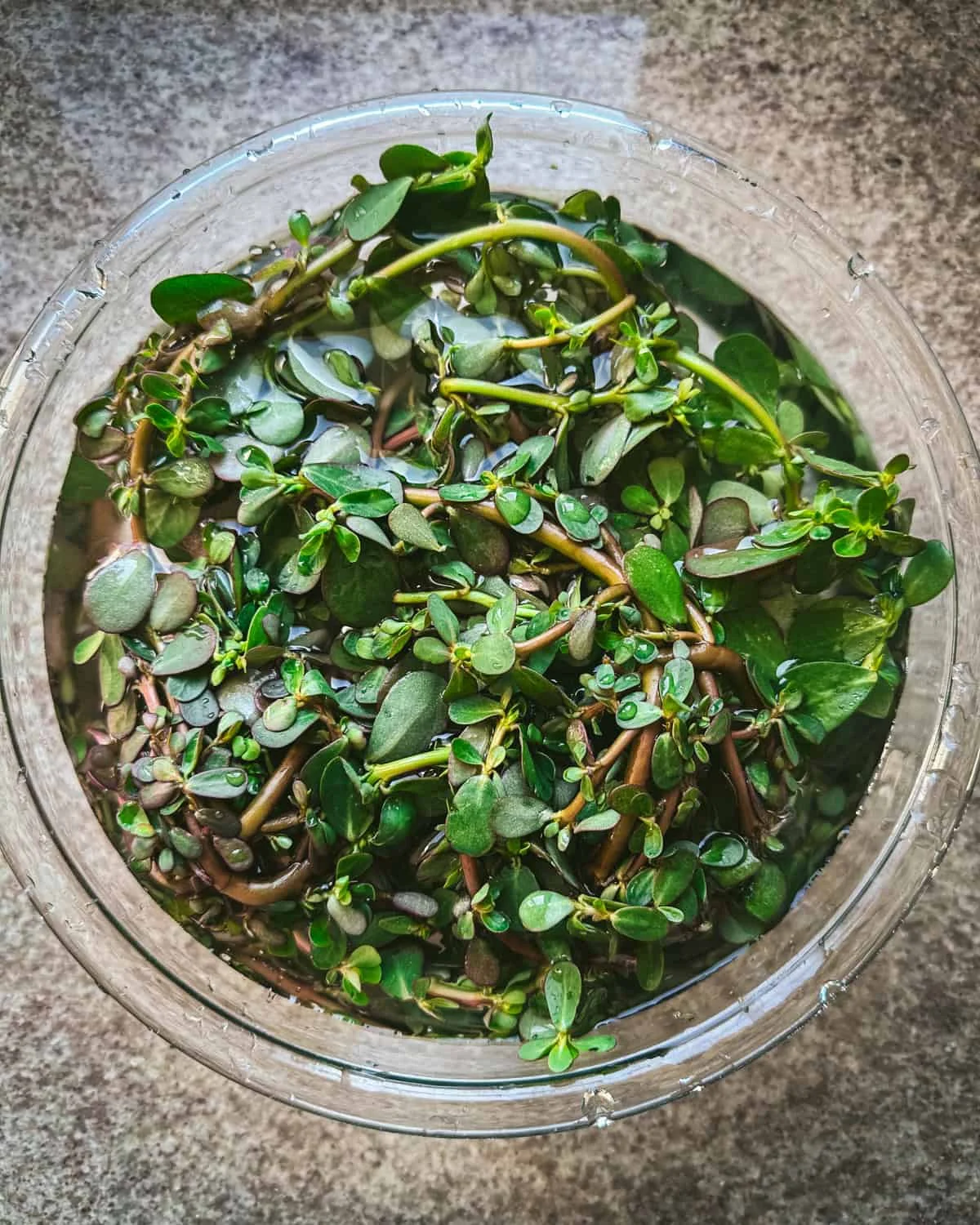
The global culinary and nutritional landscape is witnessing a significant shift as traditional, wild-harvested plants move from the periphery of agricultural "weeds" to the center of the "superfood" movement. At the forefront of this transition is Portulaca oleracea, commonly known as purslane. Long dismissed by North American gardeners as a stubborn, invasive succulent that thrives in sidewalk cracks and disturbed soil, purslane is being rediscovered for its extraordinary nutrient density, drought resistance, and deep-rooted history in international cuisines, particularly in Mexico where it is celebrated as "verdolagas." As food security and sustainable eating become paramount in the face of climate change, the rise of purslane represents a broader trend of utilizing resilient, wild-growing species to supplement modern diets.
The Botanical Profile and Chronology of a Resilient Succulent
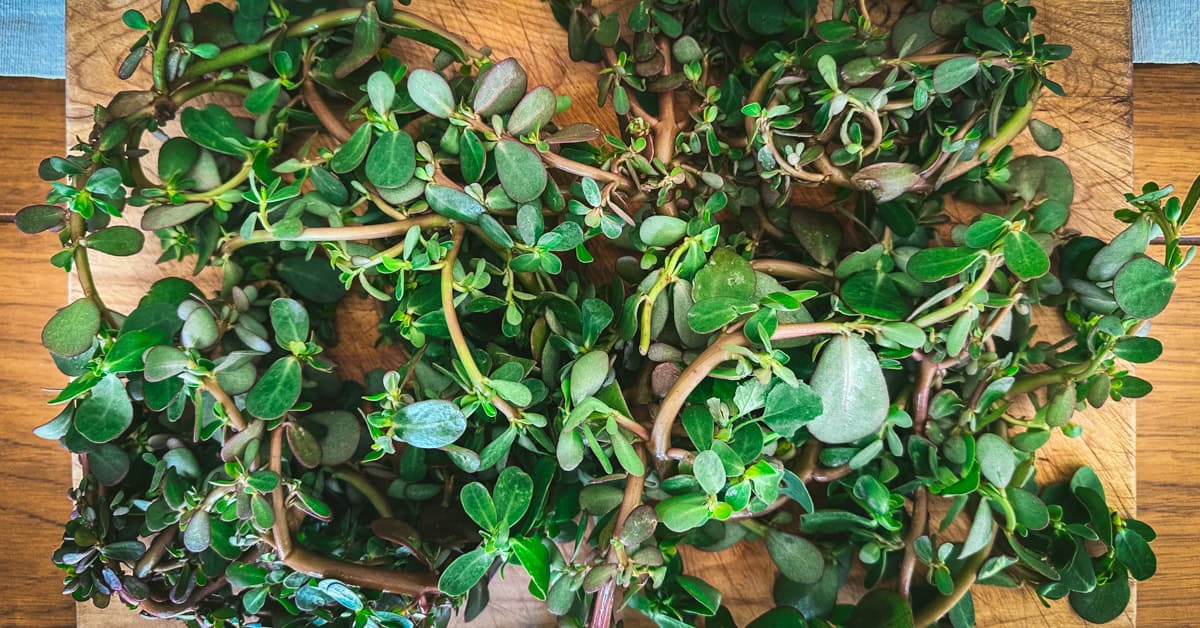
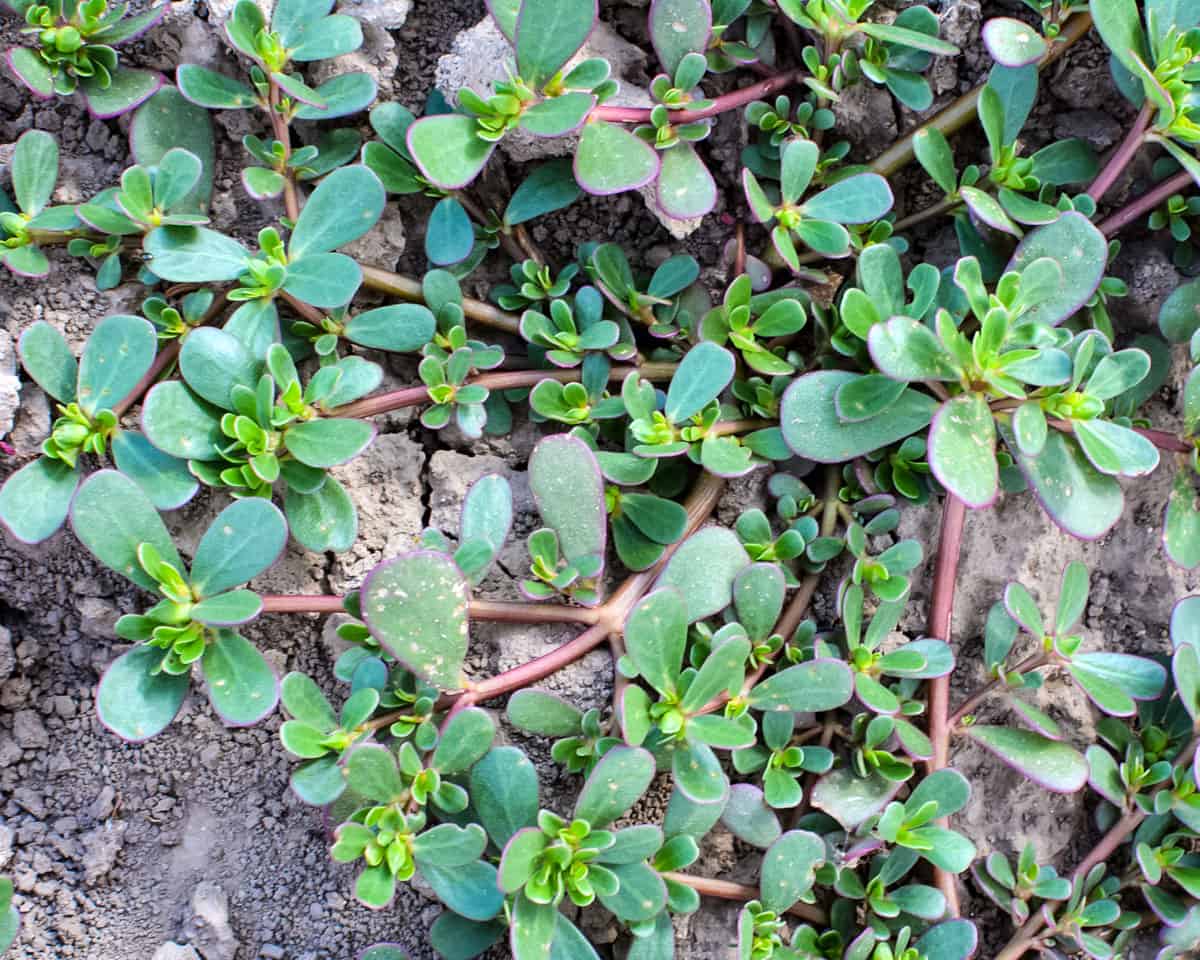
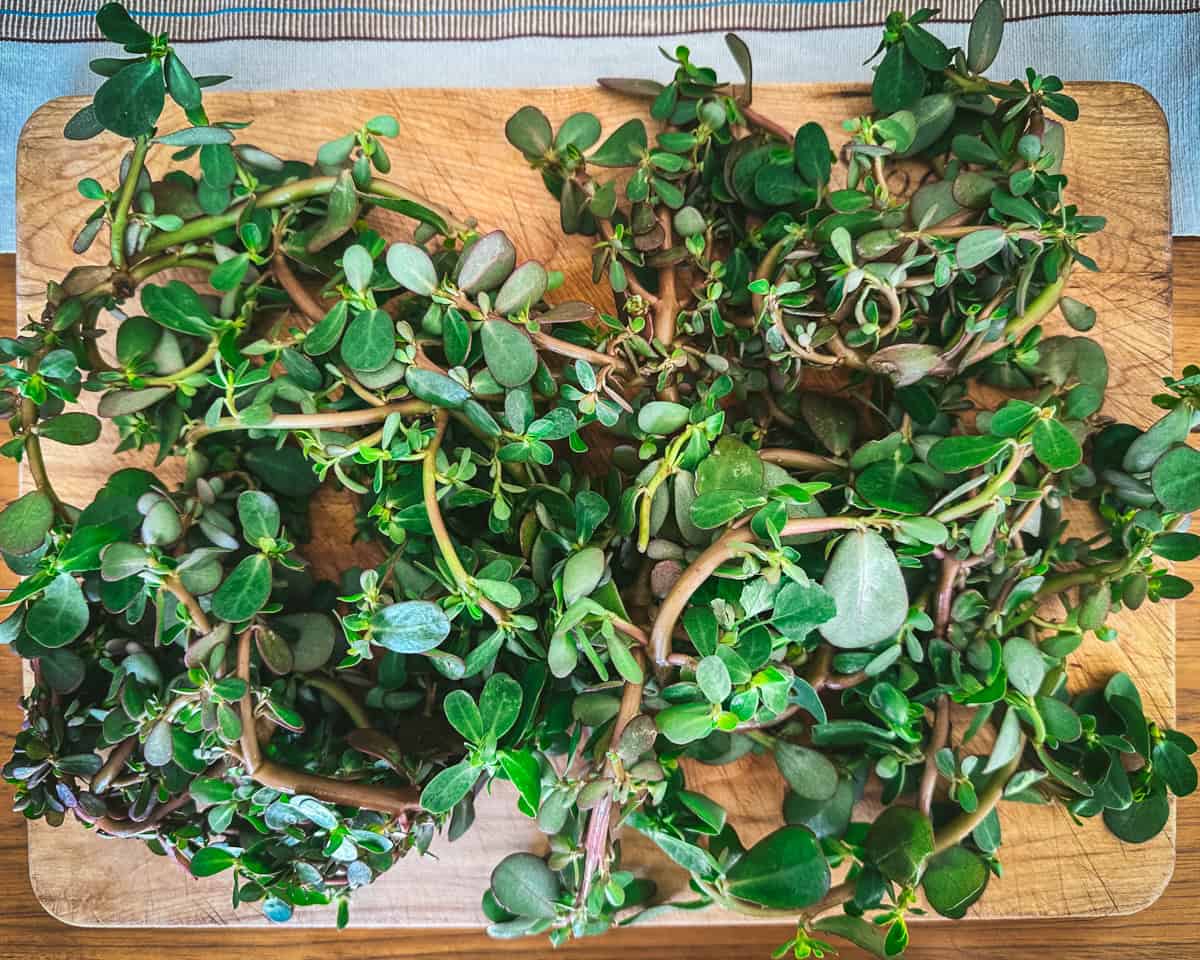
Purslane is a member of the Portulacaceae family, characterized by its prostrate growth habit, reddish fleshy stems, and thick, paddle-shaped succulent leaves. Its ability to grow in nearly any environment—from high-quality garden loam to the compacted, dry soil of urban environments—is a testament to its evolutionary resilience. Botanists note that the plant utilizes a specialized form of photosynthesis known as Crassulacean Acid Metabolism (CAM) during periods of drought, allowing it to conserve water and survive temperatures that would wither traditional leafy greens like spinach or lettuce.
The chronology of purslane’s relationship with humanity spans millennia. While often viewed as a modern discovery in Western health circles, historical records indicate that purslane was utilized in ancient Egypt and was highly regarded by the Greeks for its medicinal properties. In his writings, the Roman naturalist Pliny the Elder recommended the plant as an amulet against evil, reflecting its cultural importance in antiquity. Throughout the Middle Ages and into the Renaissance, it remained a staple in European kitchen gardens. However, as industrial agriculture standardized a narrow range of crops in the 20th century, purslane was relegated to the status of a weed in the United States and Canada, often targeted by chemical herbicides in lawns and commercial fields.
In contrast, the cultural timeline of purslane in Mexico and the Mediterranean has remained uninterrupted. In Mexico, the plant has been foraged and sold in "tianguis" (traditional open-air markets) for centuries. It remains a vital component of the Mexican diet, appearing in a variety of traditional dishes that highlight its unique, slightly acidic, and salty flavor profile.
Nutritional Data: The Omega-3 Powerhouse
The re-evaluation of purslane as a "power food" is supported by a growing body of scientific data. Research published in various nutritional journals, including the National Center for Biotechnology Information (NCBI), identifies purslane as one of the best vegetable sources of Alpha-linolenic acid (ALA), an essential omega-3 fatty acid. While omega-3s are typically associated with fish oils, purslane offers a plant-based alternative that is crucial for heart health and the reduction of systemic inflammation.
Comparative data reveals that 100 grams of fresh purslane leaves contain approximately 300 to 400 mg of ALA. Furthermore, the plant is exceptionally high in Vitamin A (as beta-carotene), providing more than 25% of the daily recommended intake per 100-gram serving. It also boasts significant levels of Vitamin C, the Vitamin B-complex, and essential minerals such as magnesium, calcium, potassium, and iron.
Beyond vitamins and minerals, purslane contains two types of betalain alkaloid pigments: the reddish betacyanins and the yellow betaxanthins. Both are potent antioxidants that have been linked to anti-mutagenic properties in laboratory studies. This dense nutritional profile has led dietitians to categorize purslane as a "functional food"—a food that provides health benefits beyond basic nutrition.
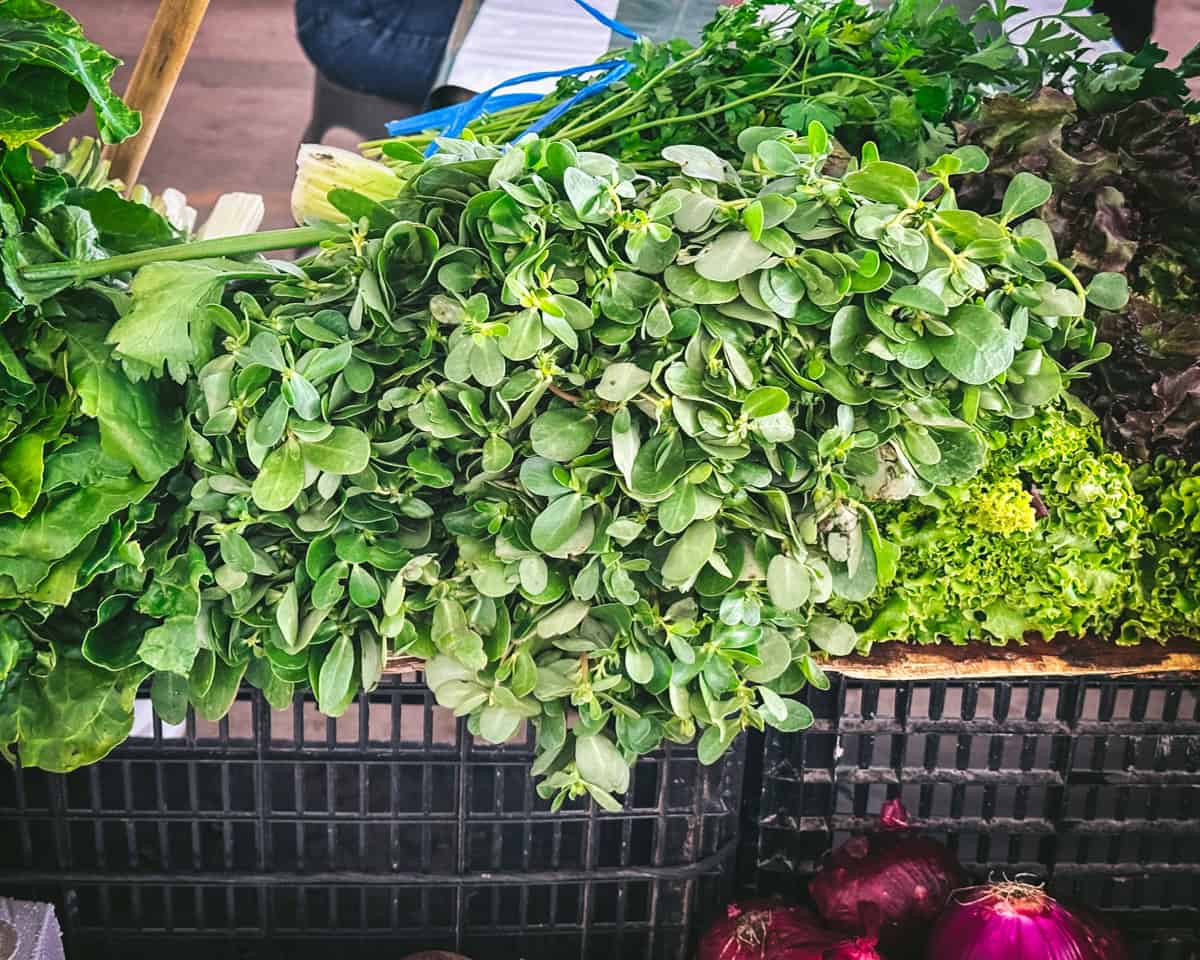
Culinary Significance: The Mexican Verdolagas Tradition
In the culinary corridors of Mexico, purslane is known as "verdolagas" and is treated with the same respect as high-value cultivated vegetables. The traditional preparation of verdolagas often involves a sophisticated balance of fats, acids, and spices. One of the most popular applications is "Verdolagas con Cerdo" (purslane with pork), where the succulent leaves are simmered in a salsa verde made from tomatillos, serrano peppers, and cilantro. The mucilaginous quality of the plant, similar to okra, acts as a natural thickener for stews and sauces.
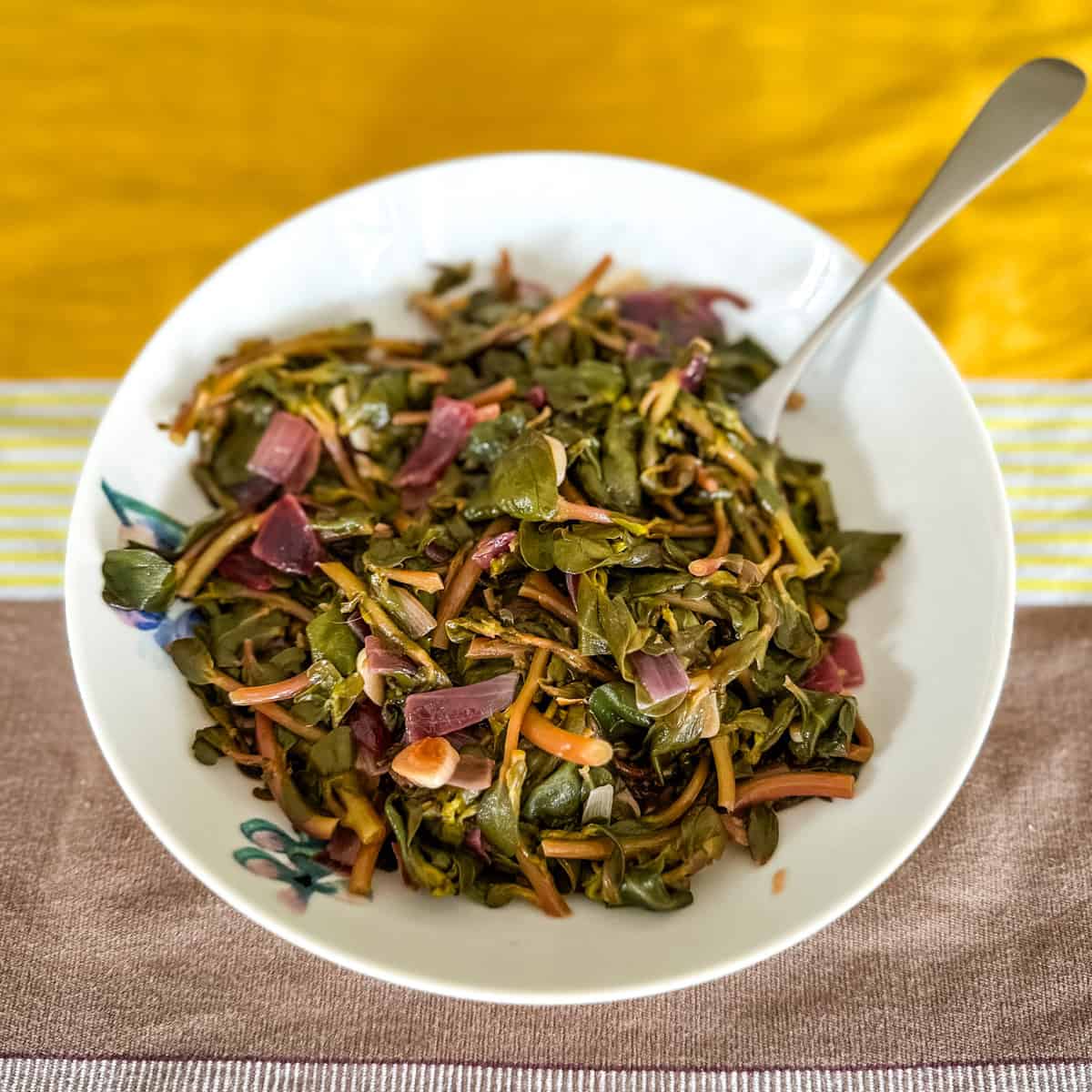
For those seeking a simpler preparation, the sautéed method has gained popularity among home cooks and foragers. This technique involves lightly cooking the stems and leaves with aromatics such as red onions and sliced garlic in extra virgin olive oil. The addition of fresh lemon juice at the end of the cooking process is a critical step, as the acidity brightens the earthy notes of the greens. The resulting dish is often compared to sautéed spinach or Swiss chard but with a distinct, refreshing tang and a firmer texture.

Market data from Mexico City and regional hubs indicates that purslane remains a high-demand item, particularly during the summer months when the plant is at its peak. It is frequently served alongside beans and corn tortillas, or integrated into "Huevos con Verdolagas" for a nutrient-rich breakfast. The versatility of the plant allows it to be used raw in salads, where it provides a "crunch" similar to a cucumber, or cooked, where it softens into a tender side dish.
Foraging Safety and Environmental Implications
As interest in foraged foods grows, experts emphasize the importance of correct identification and ethical harvesting. Purslane has a common lookalike known as hairy-stemmed spurge (Euphorbia), which is toxic. Unlike the smooth, fleshy stems of purslane, spurge has thin, wiry stems that exude a milky white sap when broken. Foragers are urged to apply the "milky sap rule": if a plant looks like purslane but contains white sap, it should never be consumed.

Furthermore, because purslane often grows in urban areas or near roadsides, there are concerns regarding bioaccumulation of heavy metals and exposure to pesticides. Environmental analysts suggest that foraged greens should only be collected from areas known to be free of chemical treatments and away from high-traffic zones. Many sustainable gardeners are now choosing to "manage" the purslane that volunteers in their beds rather than weeding it, effectively turning a garden nuisance into a zero-input crop.
From an environmental standpoint, purslane is an ideal crop for a warming planet. It requires minimal water, no fertilizers, and is naturally resistant to most pests. Agricultural scientists are investigating the potential for larger-scale commercial cultivation of purslane as a way to diversify the food supply and provide a hardy source of nutrition in regions facing water scarcity.
Analysis of Broader Impact: From Weed to Table
The transition of purslane from a maligned weed to a sought-after superfood reflects a broader shift in consumer consciousness. There is an increasing demand for "authentic" and "wild" flavors, driven by both the farm-to-table movement and a desire for greater self-sufficiency. High-end restaurants in New York, London, and Mexico City have begun featuring purslane on tasting menus, often pairing it with luxury ingredients like scallops or heirloom tomatoes to elevate its status.
However, the implications of the purslane trend extend beyond the culinary world. Economically, the recognition of wild edibles can provide new revenue streams for small-scale farmers and foragers. In some regions, purslane is being marketed as a "gourmet green," fetching prices comparable to organic arugula or microgreens.
From a public health perspective, the promotion of purslane could play a role in addressing nutritional deficiencies in underserved communities. Because the plant grows for free in many environments, it represents a "democratization of nutrition," providing access to high-quality omega-3s and vitamins without the high cost of imported supplements or expensive produce.
Future Outlook and Conclusion
The trajectory of Portulaca oleracea suggests that it will continue to gain traction as a staple of the modern, health-conscious kitchen. As more people move away from highly processed diets and toward whole, plant-based foods, the "weeds" of yesterday are likely to become the "superfoods" of tomorrow.
The integration of purslane into the mainstream diet serves as a reminder of the hidden value within the natural world. By embracing plants that are resilient, nutritious, and culturally significant, society can move toward a more sustainable and diverse food system. Whether foraged from a backyard or purchased at a local farmer’s market, the simple act of sautéing a bunch of purslane is more than just a culinary choice; it is an act of reconnection with a botanical heritage that has supported human health for thousands of years. As researchers continue to unlock the medicinal and nutritional secrets of this humble succulent, the "verdolagas" of Mexico are poised to become a permanent fixture on the global dinner plate.


