The trajectory of dedicated home bakers often culminates in a pivotal moment: the recognition of a need for equipment that transcends conventional kitchen capabilities. This shift, driven by an increasing passion for producing larger quantities of high-quality bread, frequently leads to the exploration of specialized ovens. While domestic ovens serve well for occasional baking, the ambition to consistently produce multiple loaves, or even venture into a nano or micro-bakery, necessitates a more robust and efficient solution. This guide aims to provide a comprehensive overview of the Rofco bread oven, detailing its features, operational protocols, and the essential tools that facilitate its optimal use, offering insights for both prospective buyers and new owners seeking to refine their baking process.
The Evolution of Artisan Home Baking
In recent years, the landscape of home baking has undergone a significant transformation. Fueled by a global resurgence in artisan bread making, particularly sourdough, enthusiasts have moved beyond simple recipes to embrace complex fermentation techniques and high-hydration doughs. This burgeoning interest has cultivated a demand for equipment that mirrors the capabilities of professional bakeries, albeit on a smaller, home-friendly scale. The desire to bake not just one or two loaves, but six or more at a time, is a common inflection point for many passionate bakers. This scale-up is often a natural progression, enabling a deeper focus on the nuanced aspects of bread creation, such as flavor development, precise fermentation control, and sophisticated shaping techniques, rather than being limited by oven capacity or performance.
For some, this expansion remains a deeply personal pursuit, a commitment to mastering the craft within their own kitchens. For others, it represents a nascent entrepreneurial step, potentially leading to sales at local farmers’ markets or the establishment of a small-scale, home-based bakery. Regardless of the motivation behind scaling up, the common thread is the search for tools that enhance efficiency and quality, allowing bakers to transition from hobbyist endeavors to more formidable production.
Introducing the Rofco Bread Oven: A Belgian Engineering Marvel
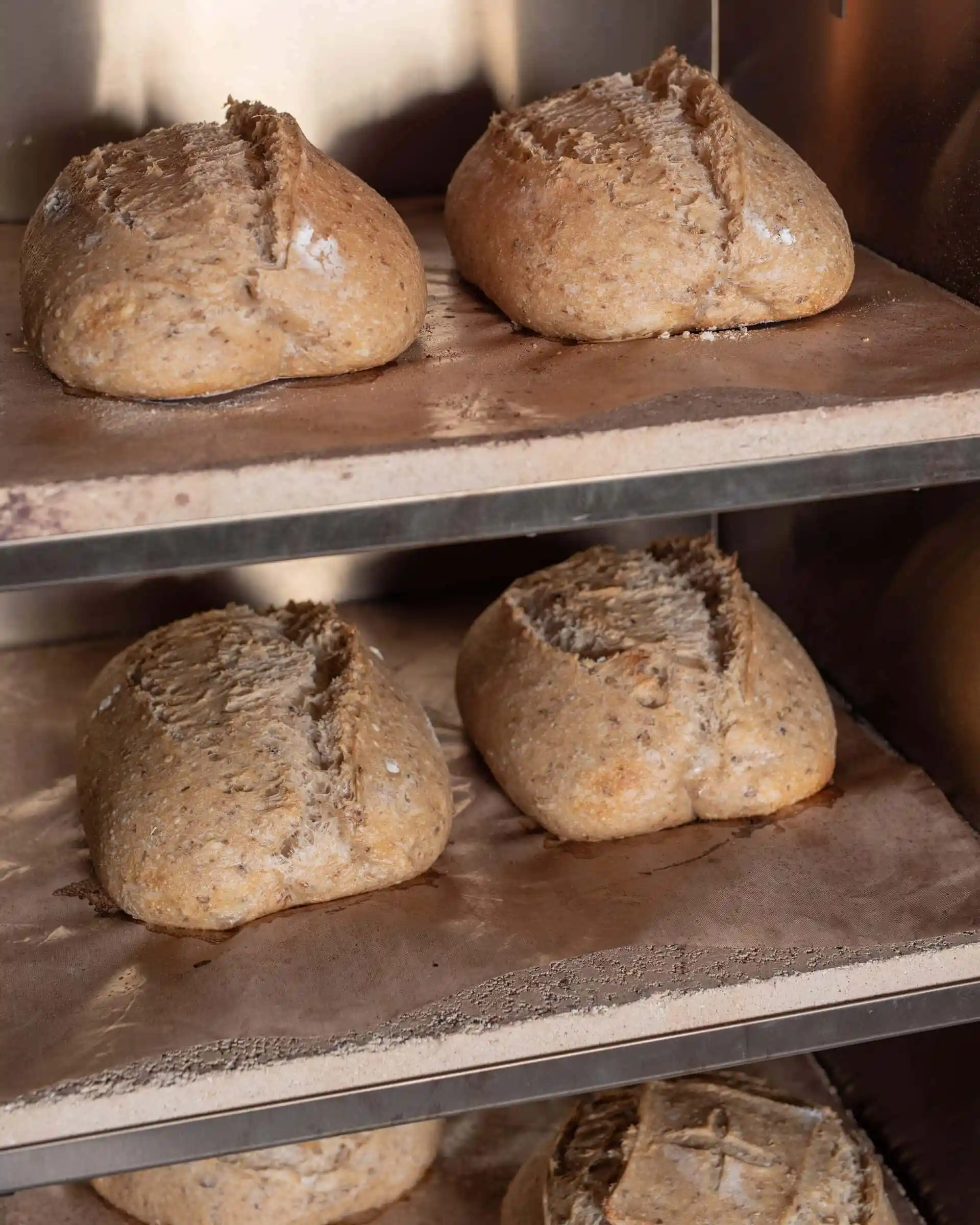
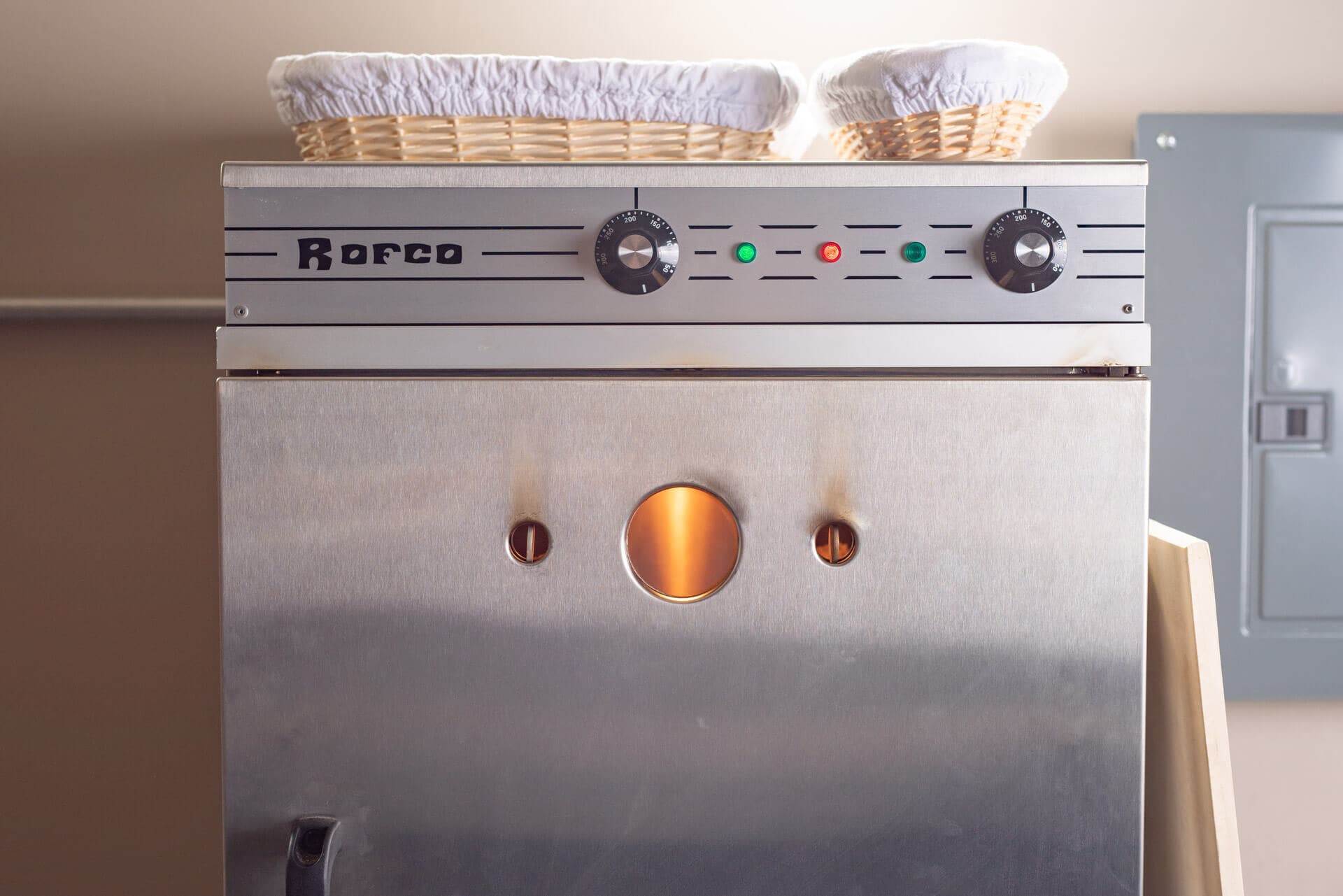
The Rofco oven, a Belgian-engineered and manufactured appliance, stands as a prime example of such specialized equipment. Designed specifically for bread baking, these brick ovens are renowned for their robust construction and exceptional heat retention capabilities. Models like the B40, one of the larger options, feature three square baking decks, each crafted from 1-3/8-inch thick chamotte deck stones—a type of refractory brick. These stones are crucial to the Rofco’s performance, capable of absorbing and radiating significant thermal energy, ensuring a consistent and even bake across multiple loaves.
A key design advantage of the Rofco is its compact footprint combined with a sealed oven chamber. This construction minimizes external radiant heat, allowing the oven to be placed relatively close to walls or other appliances without excessive heat transfer. Its ability to retain heat for extended periods facilitates multiple back-to-back bakes with only short recovery times, making it highly efficient for larger batches. The oven operates on a standard 220V AC single-phase power supply, common for many household appliances in the US, though installation of a dedicated receptacle and breaker is typically recommended for optimal and safe operation. This electrical requirement underscores its capacity and power, setting it apart from standard 120V kitchen ovens.
Feedback from the baking community, including experienced users, consistently highlights the Rofco’s reliability and straightforward functionality. It is often described as a "bare-bones workhorse," delivering precisely what is needed without unnecessary complexities. Distributers such as Pleasant Hill Grain in the US are frequently cited for their exemplary customer service and responsiveness, supporting bakers through purchase and operational queries. The general consensus among those who have invested in a Rofco is overwhelmingly positive, citing its transformative impact on their ability to bake beyond the limitations of a conventional home oven.
Optimizing Production: Dough Positioning and Capacity
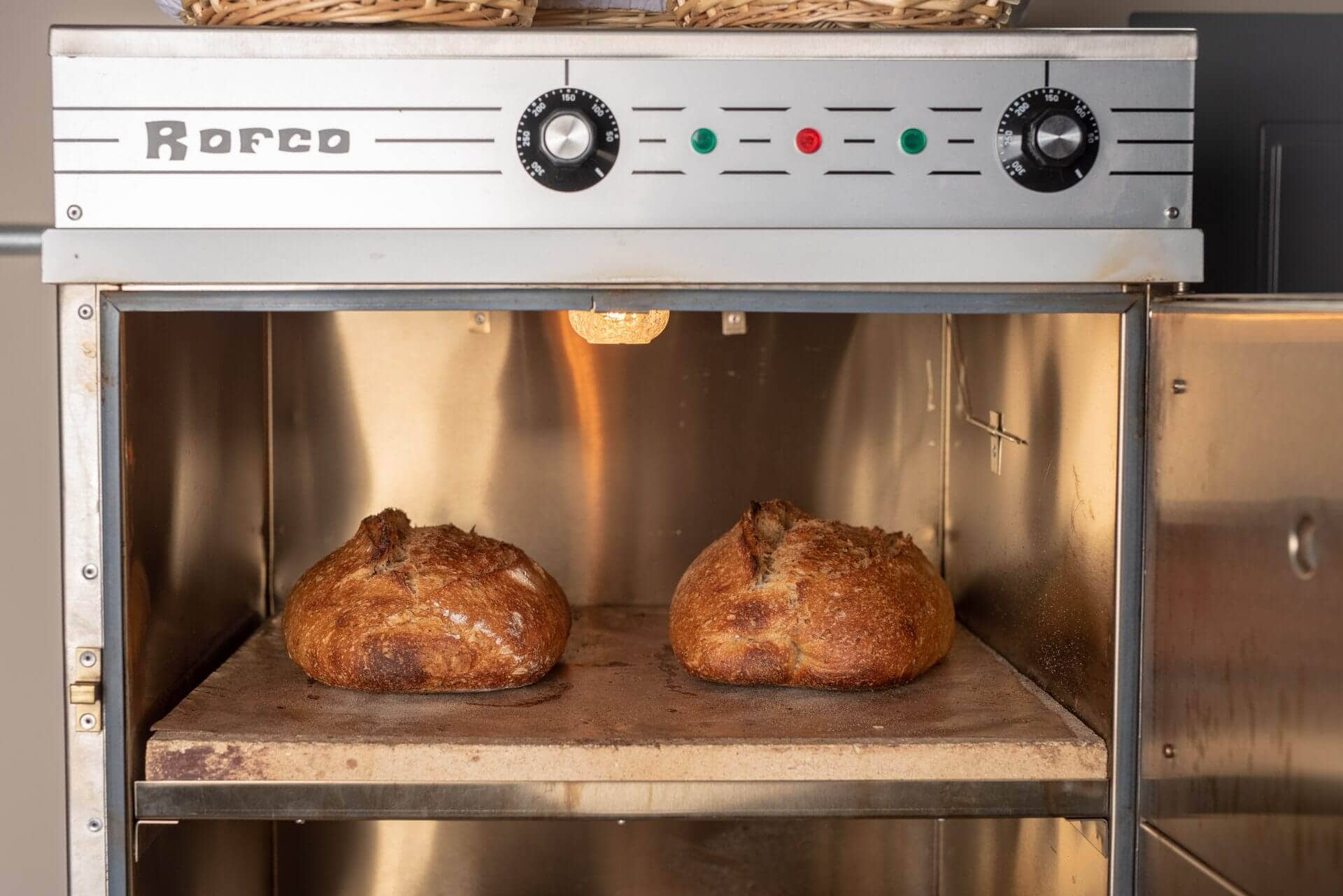
Efficient utilization of the Rofco’s baking decks is critical for maximizing output and ensuring even baking. The B40 model features three decks, each measuring 18.9 inches by 18.9 inches. Strategic dough placement, akin to a real-life Tetris challenge, is essential to accommodate the maximum number of loaves without them touching or compromising airflow and heat distribution.
Common configurations observed among Rofco users include:
- Two 900g Batards per Deck: This is a frequently used setup, allowing for a total of six substantial batard-shaped loaves across the three decks.
- Two 800g Boules per Deck: For rounder loaves, two boules per deck can be comfortably accommodated.
- Four 700g Loaves per Deck: This arrangement allows for a higher quantity of slightly smaller loaves, totaling twelve loaves in a single bake cycle.
The oven also accommodates the use of included square steel trays, which are particularly useful for baking smaller items such as buns, rolls, or even a large square pizza. These trays simplify the transfer of multiple small items into and out of the oven and help contain any potential spills, adding to the oven’s versatility beyond traditional free-form bread.
Mastering Steam: A Critical Element for Crust and Crumb
The introduction of steam at the initial stages of baking is paramount for achieving optimal bread characteristics, specifically a robust crust and an open, airy crumb. The Rofco’s sealed oven chamber is a significant advantage in this regard, effectively containing steam with no exhaust fan to draw it away, unlike many conventional ovens. However, unlike some professional deck ovens, the Rofco does not feature an integrated steam injection system, requiring manual methods for steam generation.

Two primary methods are commonly employed:
-
High-Pressure Sprayer: This is a preferred method for many Rofco users. A commercial-grade pressure sprayer, set to its finest mist setting and filled with water, is used to manually spray inside the oven. After loading the dough, the baker sprays around each deck for approximately 10-12 seconds, starting from the bottom and moving upwards. A crucial safety note advises avoiding spraying the glass-enclosed light fixture on the top deck, as sudden temperature changes from water contact can cause it to crack. A second, brief spray just before fully closing the door further enhances steam saturation. Venting steam is achieved by carefully opening the door briefly to allow the initial rush of steam to escape, then closing it and tilting the circular vents on the door to their open position. The effectiveness of a good sprayer, like an electric spray bottle, is highly lauded for its ability to produce a fine, ample mist efficiently.
-
Steam Pods: Rofco offers optional rectangular steel steam pods designed to be preheated on the sides of each deck. Water or ice cubes are poured into these hot pods, generating steam that fills the oven. While effective, these pods occupy valuable deck space, which can be a limiting factor for bakers aiming to maximize loaf count per bake. Many prioritize the full use of deck space, opting for the sprayer method instead. When using pods, steam is vented by opening the door’s circular vents once the water has evaporated.
A Detailed Baking Protocol: From Preheat to Perfect Loaf
Achieving consistent results with the Rofco oven involves a refined baking process, often subject to minor adjustments based on dough type and desired outcome. The following protocol represents a widely adopted and highly effective approach for most bread formulas:

Preheating:
- Ensure the oven is empty (remove any silicone sheets or accessories).
- Set both the top and bottom heating elements (controlled by left and right knobs, respectively) to 240°C.
- Preheat for a minimum of 1.5 hours. This extended preheat is crucial for fully saturating the chamotte brick decks with heat, which is vital for sustained heat retention throughout the bake.
Loading and Initial Bake with Steam:
- Prepare your workstation: lay a large wooden pizza peel on a table next to the oven, topped with a silicone baking sheet. Arrange additional silicone sheets with scored dough loaves in an assembly line.
- Carefully turn out dough onto each silicone sheet, score each loaf, and then use the peel to slide the first sheet (with dough) into the oven. Repeat for all decks.
- Immediately after loading, manually introduce steam using the preferred method (e.g., high-pressure sprayer), ensuring all decks receive adequate mist.
- Step 1 (Preheat): 240°C for 1 hour 30 minutes (door closed, vents closed).
- Step 2 (Bake with Steam): Reduce temperature to 150°C. Bake for 20 minutes.
Ventilation and Continued Baking:
- After the initial steam bake, the oven needs to be vented to allow the crust to develop properly.
- Step 3 (Vent Steam): Carefully open the oven door briefly to release the initial rush of steam, then close it. Swivel open the circular vents in the door. Increase temperature to 220°C. Bake for 10 minutes.
- Step 4 (Bake Dry Heat): Reduce temperature to 150°C. Bake for an additional 20-30 minutes. During this phase, loaves can be reshuffled if necessary to ensure even browning.
Post-Bake:
- Once loaves achieve the desired internal temperature and crust color, remove them from the oven using the peel.
- Transfer the baked loaves to wire racks for cooling, which is essential for proper crust development and crumb setting.
- Turn off the oven, or reset to 240°C if conducting subsequent bakes. Close the oven door to retain residual heat.
Essential Accessories for Enhanced Performance
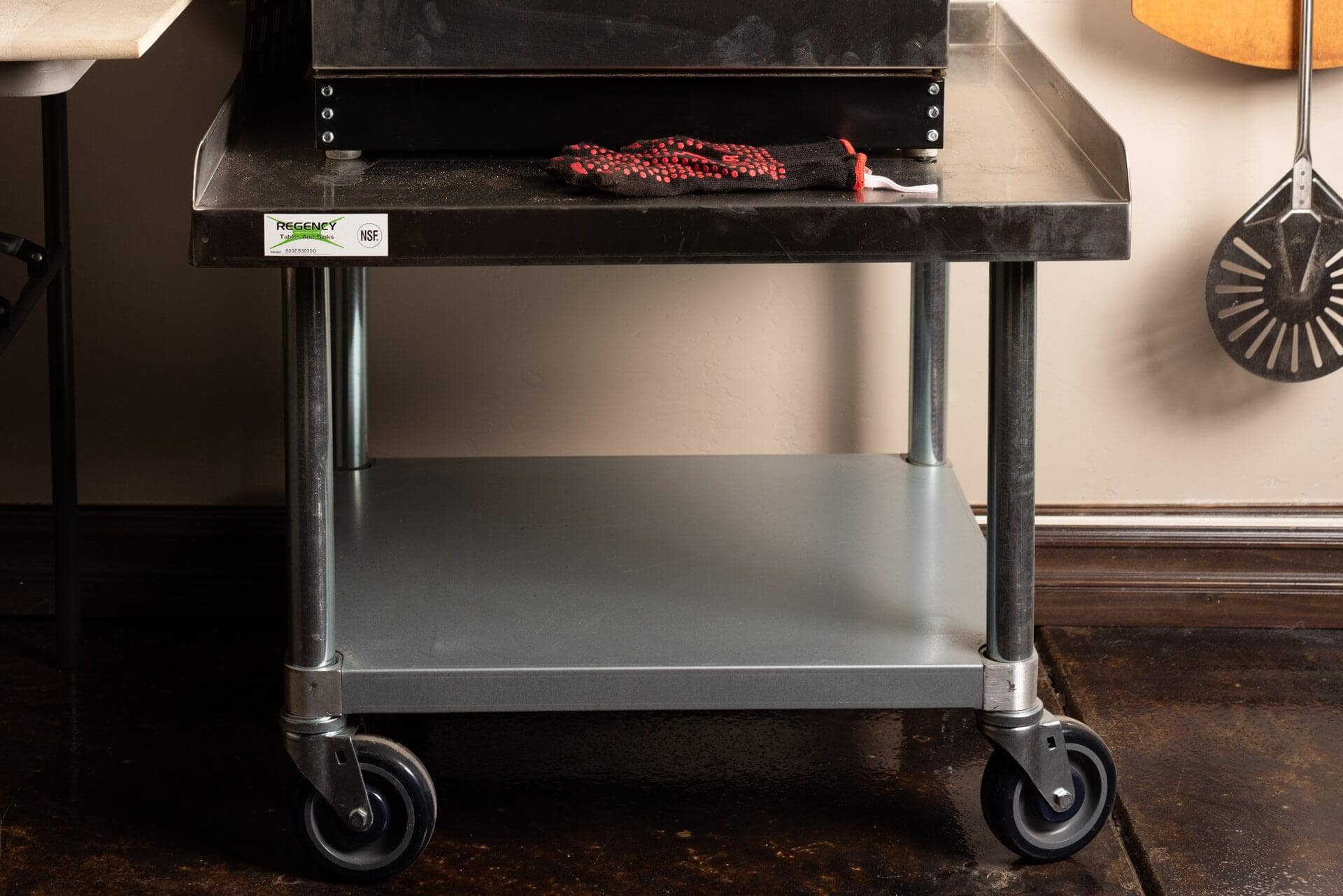
Optimizing the Rofco baking experience is significantly aided by a few carefully selected tools:
-
Commercial-Strength Sprayer: For those foregoing the steam pods, an electric spray bottle is highly recommended. Unlike manual pump sprayers, an electric model consistently delivers a fine, powerful mist, ensuring effective steam generation with minimal effort. This tool is vital for achieving the desired oven spring and crust quality.
-
Oven Equipment Stand: Elevating the Rofco oven to a comfortable working height is a practical consideration. A custom-cut stainless steel equipment stand, such as a Regency 30" x 30" 16-gauge stand, can raise the oven by approximately 18-20 inches. This ergonomic height facilitates easier loading and unloading of dough. Adding casters to the stand provides mobility, although locking casters should be considered carefully, as a fixed stand offers greater structural rigidity, especially when forcefully opening or closing the heavy oven door.
-
Large Wooden Peel: The Rofco B40’s decks are 18.9 inches wide, making an 18-inch wide wooden pizza peel an ideal fit. An American Metalcraft 1836 18" x 29 1/2" peel, with its 6 1/2" handle, is a popular choice. Its precise width, light weight, and durability make it highly efficient for transferring silicone sheets with dough into and out of the oven. This method streamlines the loading process compared to using the more cumbersome steel trays.
Beyond Baking: Practical Tips and Future Considerations

The Rofco oven’s residual heat can be harnessed for additional purposes. After unloading baked bread, many bakers utilize the cooling oven to dry proofing baskets (bannetons). Placing damp baskets inside the still-warm oven expedites the drying process, preventing mold formation and ensuring they are ready for future use.
It is important for new Rofco users to anticipate an initial adjustment period. As with any new piece of specialized equipment, there may be a slight dip in baking quality as one becomes accustomed to its unique characteristics and operational nuances. Patience and consistent practice with a familiar, straightforward sourdough recipe are key to mastering the oven’s capabilities.
For bakers seeking to further professionalize their setup, the Rofco complements other professional-grade equipment. Spiral dough mixers, such as the Famag, capable of mixing up to 8 kilograms of dough, or smaller home-friendly options like the Ooni Halo Pro Spiral Mixer, integrate seamlessly into a scaled-up baking workflow. For those considering even greater capacities, exploring larger deck ovens like the RackMaster 2020 provides a pathway for continued expansion.
The Rofco bread oven represents a significant investment, both in financial terms and in a baker’s commitment to their craft. However, its robust construction, exceptional heat retention, and capacity for consistent, high-volume production make it an invaluable asset for serious home bakers and aspiring micro-bakery owners alike. It is a tool that not only enhances baking efficiency but also elevates the overall quality and consistency of artisan bread production, solidifying its place in the evolving world of specialized home culinary equipment.