
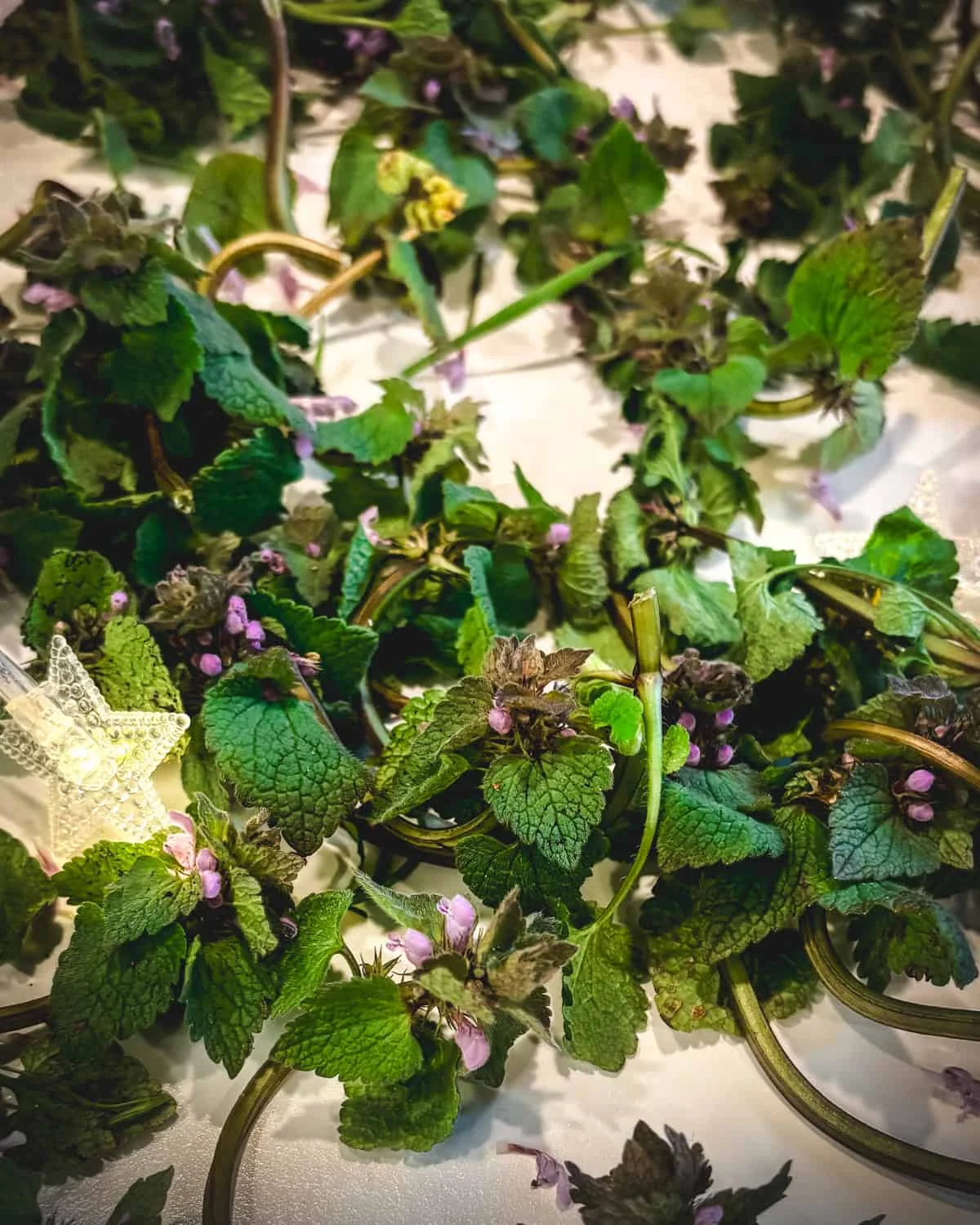
The emergence of purple dead nettle (Lamium purpureum) in early spring marks a significant period for both pollinators and herbalists across the Northern Hemisphere. Often dismissed as a common garden weed, this member of the Lamiaceae, or mint, family is increasingly recognized by botanical researchers and natural skincare practitioners for its therapeutic potential. The production of a purple dead nettle salve represents a convergence of traditional folk medicine and modern sustainable living, providing a gentle, topical solution for various skin irritations. As interest in "backyard pharmacy" grows, understanding the botanical profile, chemical constituents, and precise manufacturing process of this plant-based remedy becomes essential for those seeking self-reliant health solutions.
Botanical Profile and Identification of Lamium Purpureum
Purple dead nettle is an herbaceous flowering plant native to Europe and Asia but has become extensively naturalized throughout North America. It is categorized as a winter annual, often appearing as one of the first sources of forage for bees in late March and April. The "dead" in its name refers to the fact that, unlike the stinging nettle (Urtica dioica), it lacks trichomes containing formic acid and therefore does not cause skin irritation upon contact.
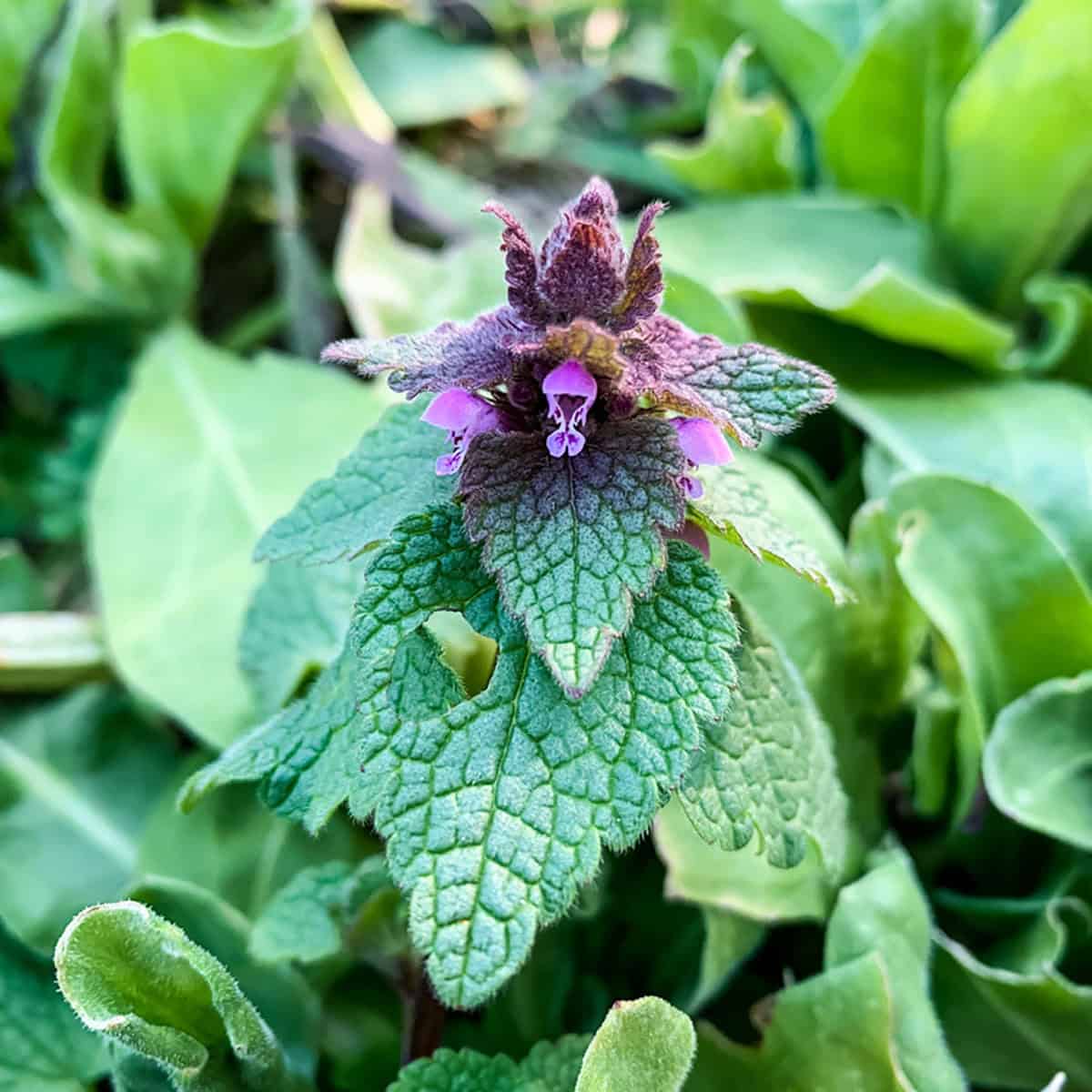
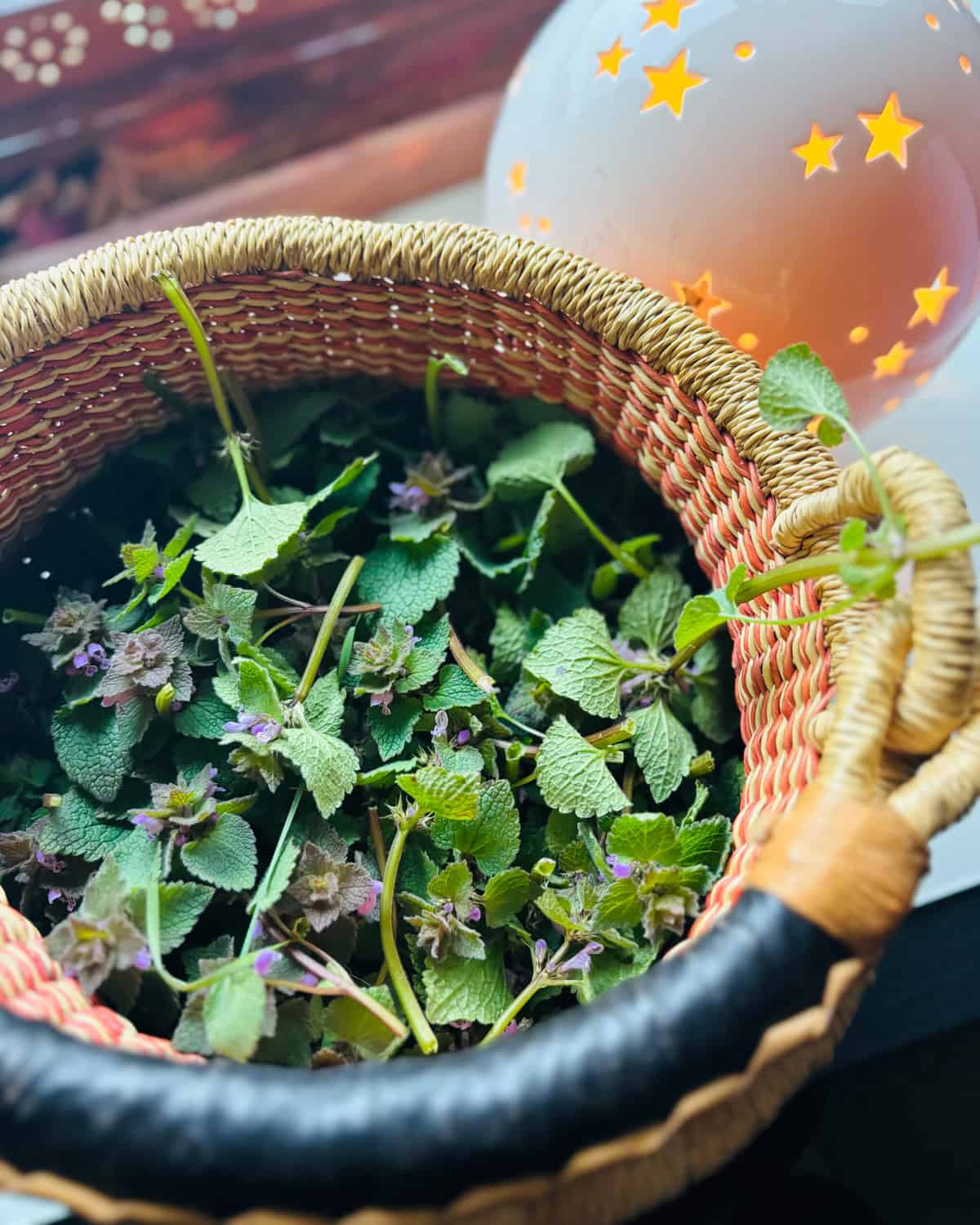
Identification is straightforward, making it an ideal entry-point species for novice foragers. The plant typically reaches a height of 5 to 20 centimeters and is characterized by a square stem—a hallmark of the mint family. The leaves are heart-shaped with serrated edges and a fine, downy texture. The most distinguishing feature is the coloration of the upper leaves, which transition from green to a vibrant reddish-purple. This pigmentation is caused by anthocyanins, which protect the plant from ultraviolet radiation during the early spring. The flowers are small, tubular, and pinkish-purple, emerging from the leaf axils.
Crucially, Lamium purpureum has no toxic look-alikes. While it is frequently confused with Henbit (Lamium amplexicaule), the latter is also edible and possesses similar medicinal properties. Henbit can be distinguished by its sessile leaves (leaves that wrap around the stem without a petiole) and lack of the distinctive purple-shaded top leaves found on dead nettle.
Phytochemical Analysis and Therapeutic Properties
The efficacy of purple dead nettle in topical applications is supported by its complex phytochemical makeup. Scientific studies, including research published in journals such as Molecules, indicate that the genus Lamium contains a variety of bioactive compounds.
Key constituents include:
- Flavonoids: These provide significant antioxidant protection, helping to neutralize free radicals that contribute to skin aging and cellular damage.
- Phenolic Acids: Known for their anti-inflammatory and antibacterial properties, these compounds assist in reducing redness and preventing infection in minor abrasions.
- Iridoids: These secondary metabolites are recognized for their antispasmodic and anti-inflammatory effects.
- Tannins: These act as mild astringents, helping to "knit" tissues together and reduce minor bleeding or weeping from skin irritations.
In a clinical context, the salve is used to manage symptoms of contact dermatitis, minor insect bites, and abrasions. While not a replacement for pharmaceutical-grade antibiotics in the case of severe infection, the antibacterial and antifungal properties of the plant provide a protective barrier for compromised skin.
The Foraging and Preparation Chronology
The production of a high-quality herbal salve follows a strict timeline to ensure the preservation of volatile oils and prevent the growth of mold or bacteria within the final product.
Step 1: Harvesting (Early to Mid-Spring)
Harvesting should occur on a dry day, ideally after the morning dew has evaporated but before the heat of the afternoon sun begins to wilt the plants. Practitioners are advised to forage from areas that have not been treated with chemical pesticides or herbicides. The top two to three inches of the plant, where the purple leaves and flowers are concentrated, contain the highest density of beneficial compounds.
Step 2: The Drying Phase (24 to 48 Hours)
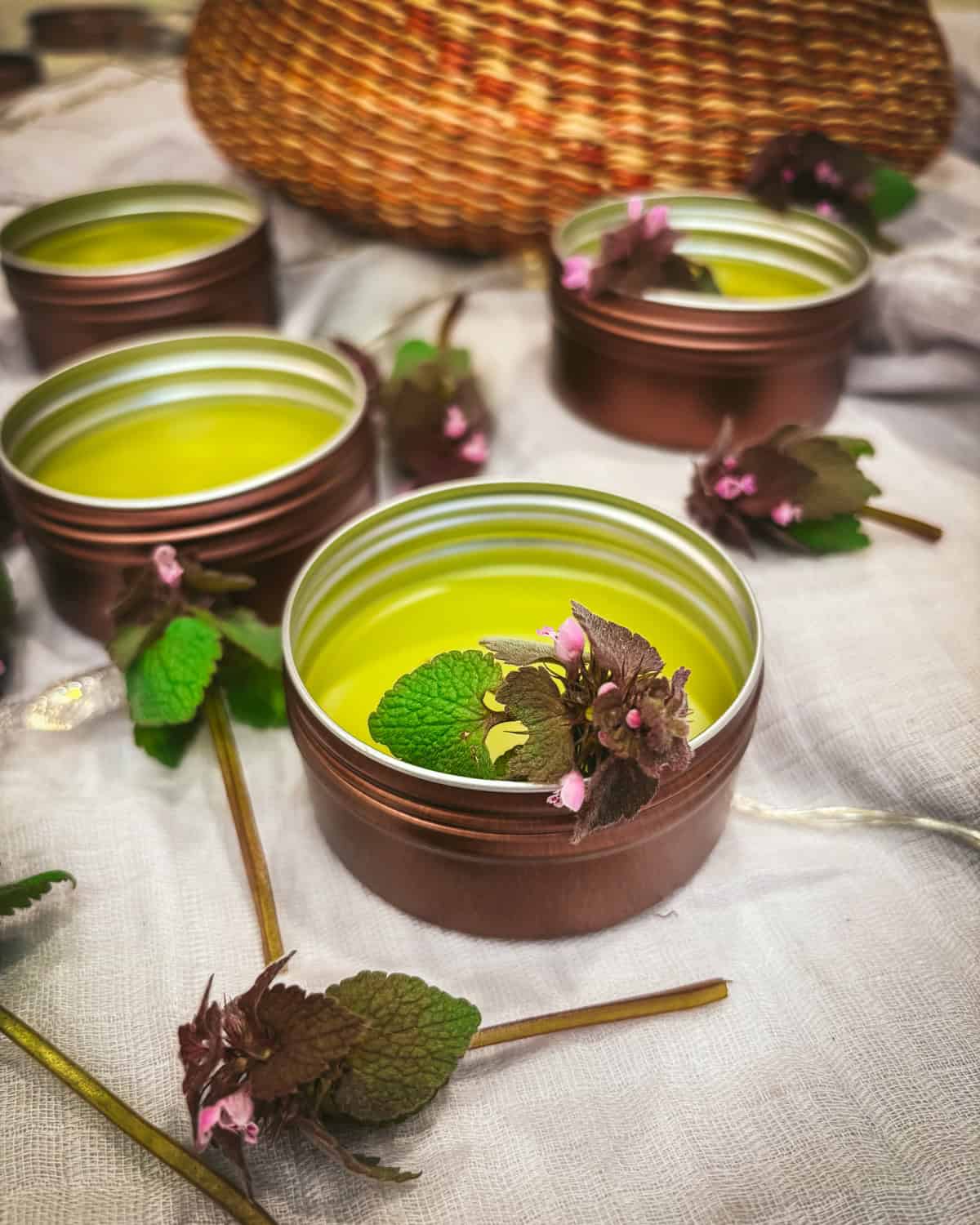
Fresh plant material contains a high water content. If introduced directly into oil, this moisture can lead to rancidity or fungal growth. The harvested nettle should be spread in a single layer on drying racks or paper towels in a well-ventilated area away from direct sunlight. While some herbalists prefer completely dried herbs, a "wilting" period of 48 hours is often sufficient to remove enough moisture for a successful oil infusion.
Step 3: Oil Infusion (1 to 6 Weeks)
The infusion process involves transferring the fat-soluble constituents of the plant into a carrier oil. There are two primary methods:

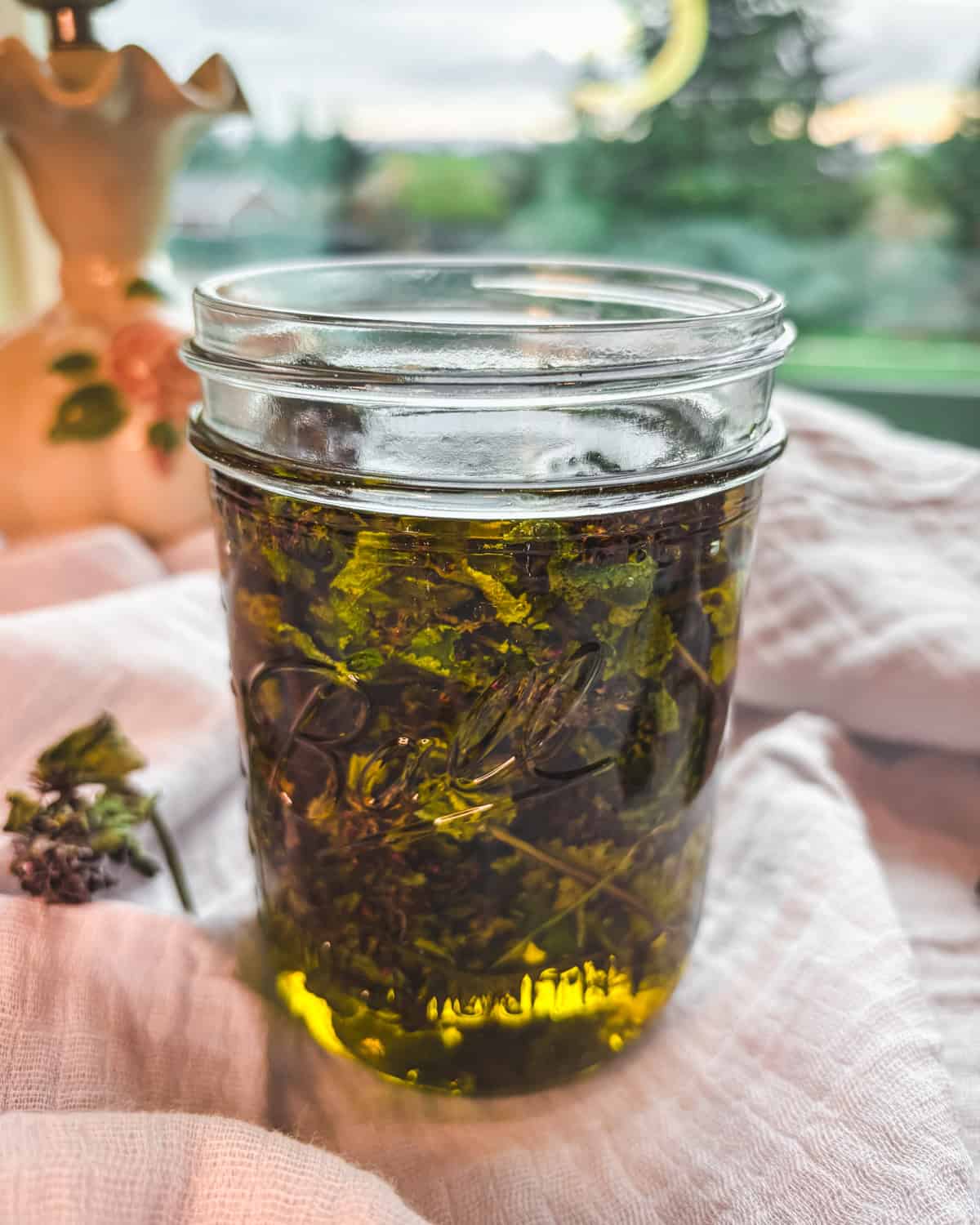
- The Solar/Cold Method: Dried herbs are placed in a glass jar, covered with oil, and left in a cool, dark place for four to six weeks. This slow process is thought to preserve the most delicate enzymes.
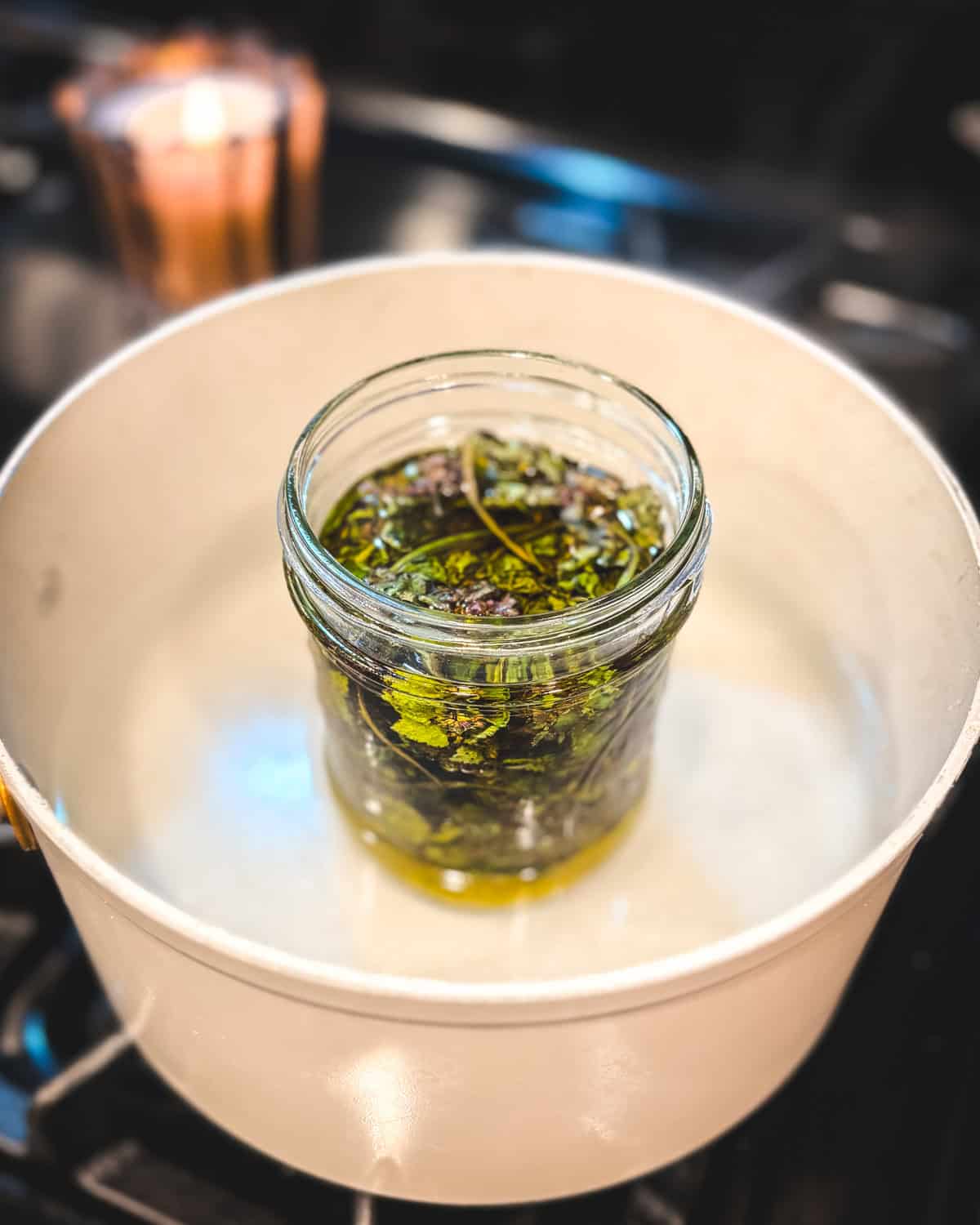
- The Heat Method: For those requiring a faster turnaround, the herbs and oil are heated in a double boiler at a low temperature (approximately 100-120°F) for three to five hours. This accelerates the extraction process significantly.
Technical Formulation of the Salve
A professional-grade salve requires a precise balance between the infused medicinal oil and a hardening agent, typically beeswax. This creates a semi-solid consistency that melts upon contact with the skin, allowing for easy application and absorption.
Required Components
- Infused Oil (240ml): Extra virgin olive oil is the standard carrier due to its long shelf life and skin-conditioning properties. However, blends including sweet almond oil (for faster absorption) or coconut oil (for additional antimicrobial benefits) are common.
- Beeswax (30g): Beeswax acts as an emulsifier and provides a protective barrier on the skin. It also possesses its own anti-inflammatory properties.
- Essential Oils (Optional): Lavender and peppermint are frequently added not only for fragrance but to enhance the soothing and cooling effects of the salve.
The Manufacturing Process
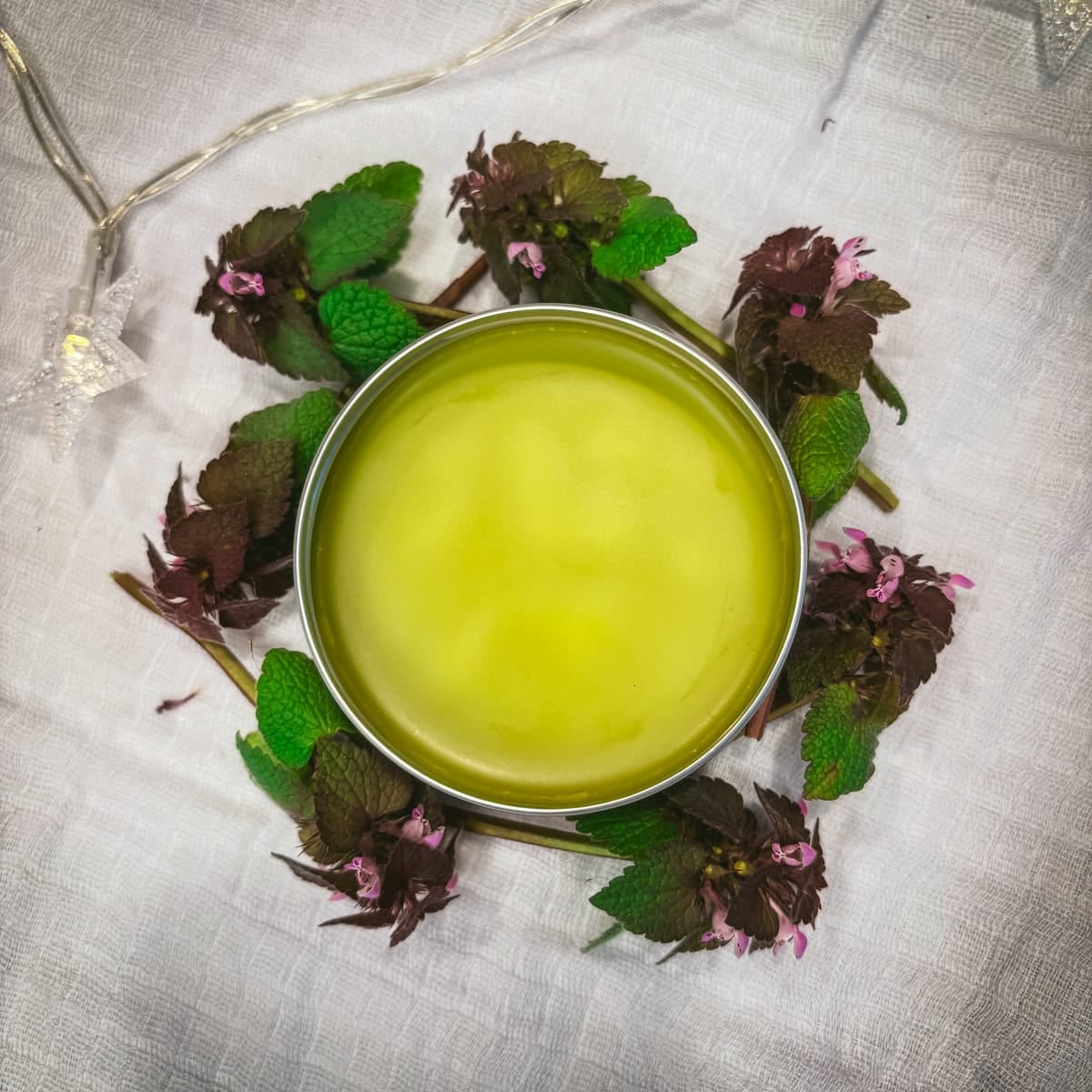
The process begins by straining the infused oil through a fine-mesh sieve or cheesecloth to remove all plant debris. The clear, green-tinted oil is then measured and placed into a double boiler. Beeswax pastilles are added to the oil and stirred gently until completely melted.

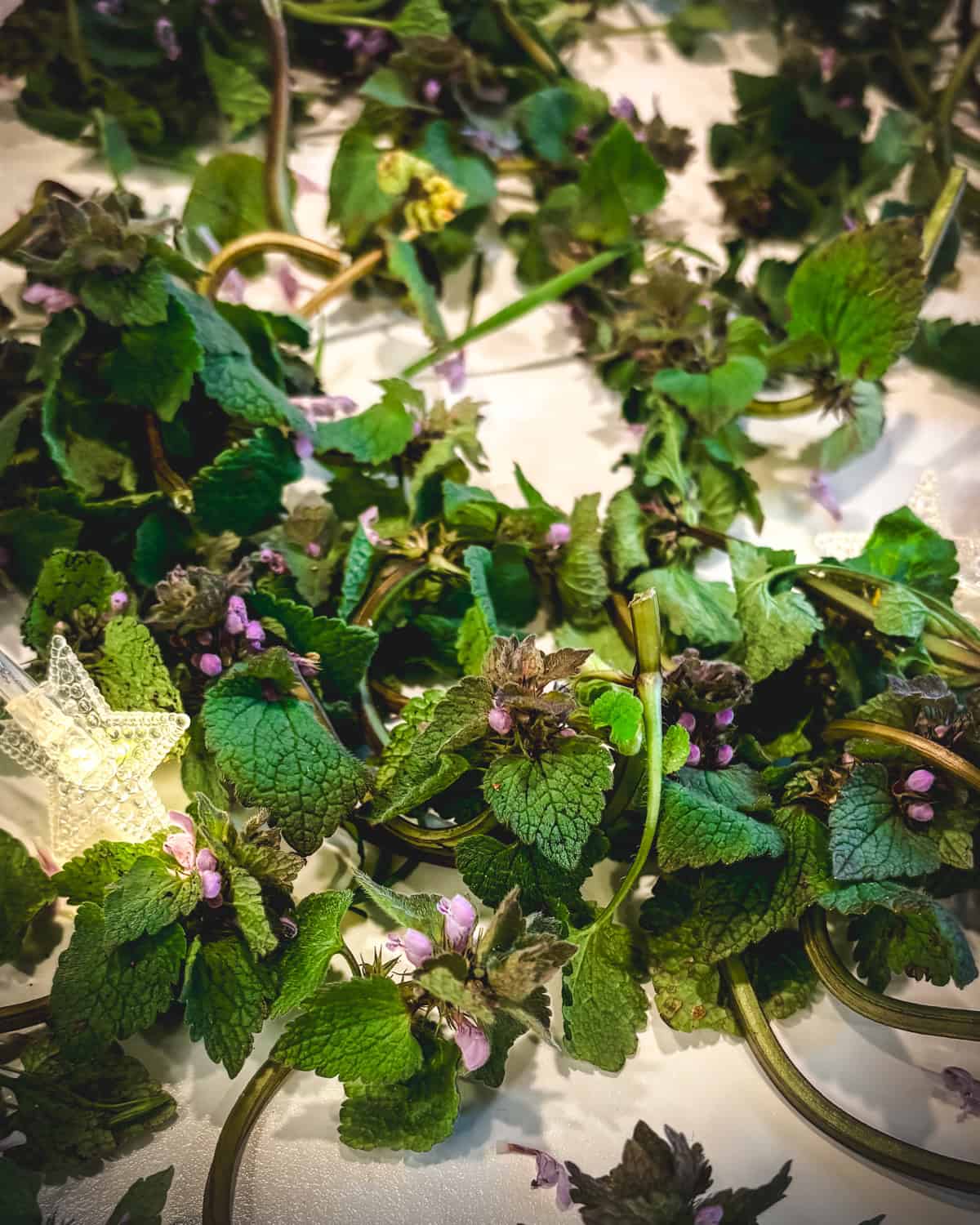
Once the mixture is homogenous, it is removed from the heat. If essential oils are being used, they are added at this stage to prevent the volatile scents from evaporating. The liquid is then poured into sterilized tin or glass containers. The salve must remain undisturbed for several hours as it cools and solidifies. A successful formulation will have a smooth, silky texture without graininess.
Broader Impact and Implications for Sustainable Skincare
The resurgence of interest in purple dead nettle salve reflects a broader shift in consumer behavior toward "slow beauty" and environmental stewardship. By utilizing a plant that is traditionally viewed as a nuisance, individuals reduce the demand for mass-produced, petroleum-based ointments that often come packaged in single-use plastics.
Environmental analysts note that backyard foraging significantly reduces the carbon footprint associated with the transport and processing of skincare ingredients. Furthermore, the practice encourages the preservation of biodiversity; when gardeners recognize the value of "weeds," they are less likely to use broad-spectrum herbicides that decimate local pollinator populations.
From an economic perspective, the production of DIY herbal remedies provides a low-cost alternative to high-end organic skincare products. With an estimated production cost of less than $1.50 per ounce, the purple dead nettle salve is an accessible form of wellness for various socioeconomic groups.
Safety Protocols and Regulatory Context
While purple dead nettle is generally regarded as safe (GRAS) for topical use, professional herbalists emphasize the importance of patch testing. A small amount of the salve should be applied to the inner wrist to check for allergic reactions before widespread use.
It is also important to note the regulatory landscape. In the United States, the Food and Drug Administration (FDA) does not regulate herbal salves as drugs unless they make specific claims to cure or treat diseases. Consequently, these products are categorized as cosmetics. Producers who sell these salves at farmers’ markets or online must adhere to labeling requirements that avoid medicinal "cure" language to remain compliant with federal law.
Conclusion
The purple dead nettle salve is more than a simple home remedy; it is a testament to the utility of the natural world and the accessibility of traditional botanical knowledge. By transforming a ubiquitous spring weed into a potent, soothing balm, practitioners engage in a cycle of sustainability that benefits both the individual and the ecosystem. As scientific research continues to validate the traditional uses of Lamium purpureum, it is likely that this humble plant will move from the periphery of the garden to the center of the natural medicine cabinet.


