The practice of dehydrating cantaloupe has emerged as a significant method for consumers seeking to extend the shelf life of seasonal produce while maintaining high nutritional standards. As food waste remains a critical global issue—with approximately one-third of all food produced for human consumption lost or wasted annually—home-based preservation techniques such as dehydration offer a practical solution for household food management. Cantaloupe, a member of the cucurbit family characterized by its high water content and dense nutrient profile, is particularly well-suited for this process. By removing moisture, individuals can transform a highly perishable fruit into a shelf-stable, nutrient-dense snack that remains viable for consumption for up to a year.
The Scientific and Economic Context of Fruit Dehydration
Dehydration is one of the oldest forms of food preservation, relying on the reduction of water activity to a level where microbial growth and enzymatic reactions are inhibited. For a fruit like cantaloupe, which consists of approximately 90% water, the dehydration process significantly reduces both weight and volume, making it an ideal candidate for long-term storage in limited spaces.
From an economic perspective, dehydrating cantaloupe allows consumers to take advantage of seasonal gluts. During the peak summer months, cantaloupe prices typically drop as supply increases. By purchasing in bulk and dehydrating the excess, households can effectively "lock in" lower prices for fruit snacks that would otherwise be expensive to purchase in pre-packaged forms during the winter months. Furthermore, the process of dehydration concentrates the natural sugars and flavors of the melon. Even fruit that may be slightly under-ripe or lacking in peak flavor can be improved through the drying process, as the removal of water intensifies the volatile compounds responsible for sweetness.
Chronological Methodology for Optimal Dehydration
The successful dehydration of cantaloupe requires a systematic approach to ensure food safety and product quality. The following chronology outlines the professional standard for processing melons for long-term storage.
Phase I: Selection and Pre-Processing
The quality of the final dehydrated product is directly proportional to the quality of the raw fruit. Experts recommend selecting cantaloupes that are heavy for their size with a fragrant aroma at the stem end. Before any cutting occurs, the exterior rind must be thoroughly scrubbed. Because cantaloupes are grown on the ground, their netted skin can harbor soil-borne pathogens such as Salmonella. A clean exterior ensures that the knife does not transfer bacteria from the rind to the flesh during the slicing process.
Phase II: Slicing and Preparation
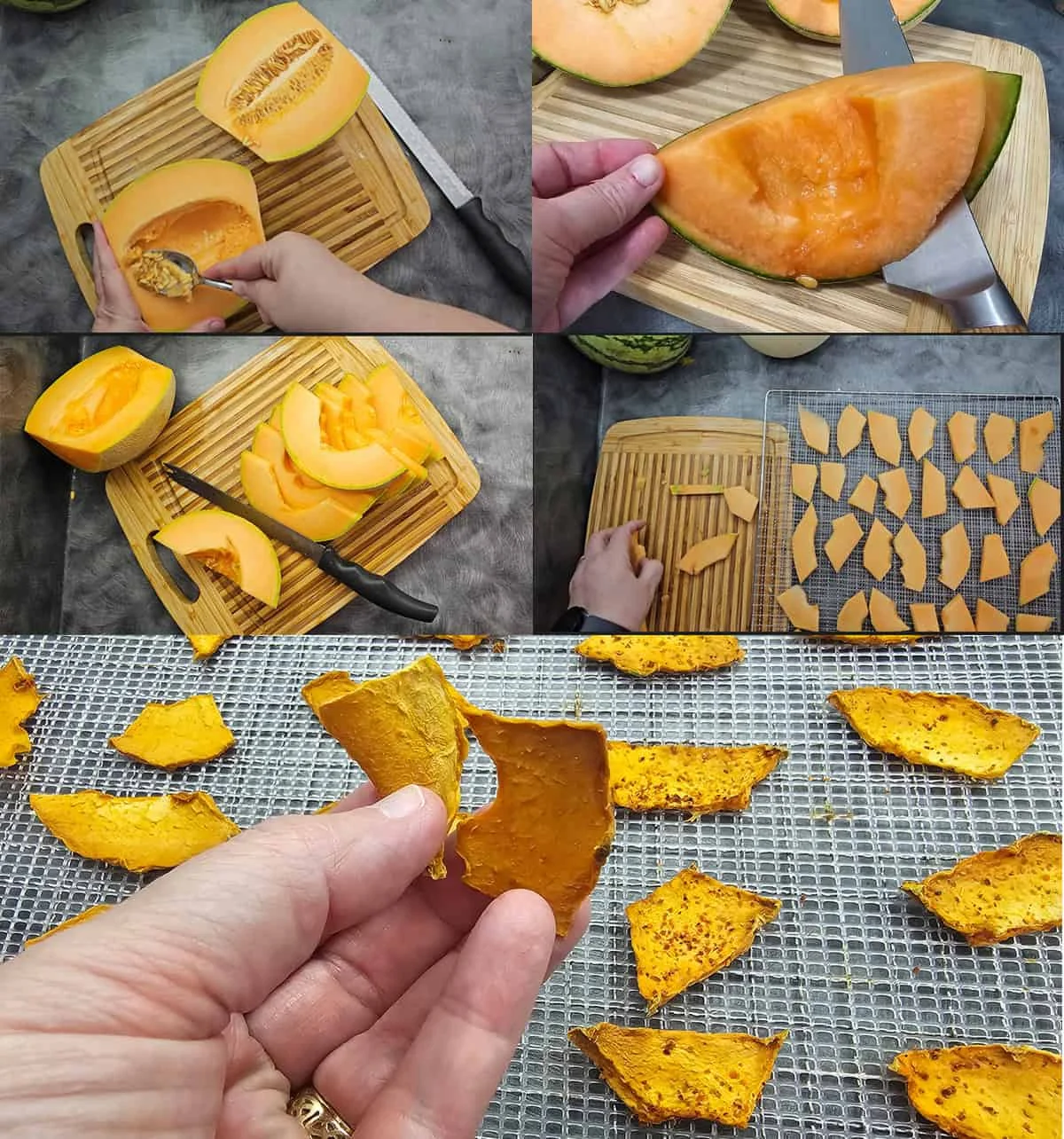
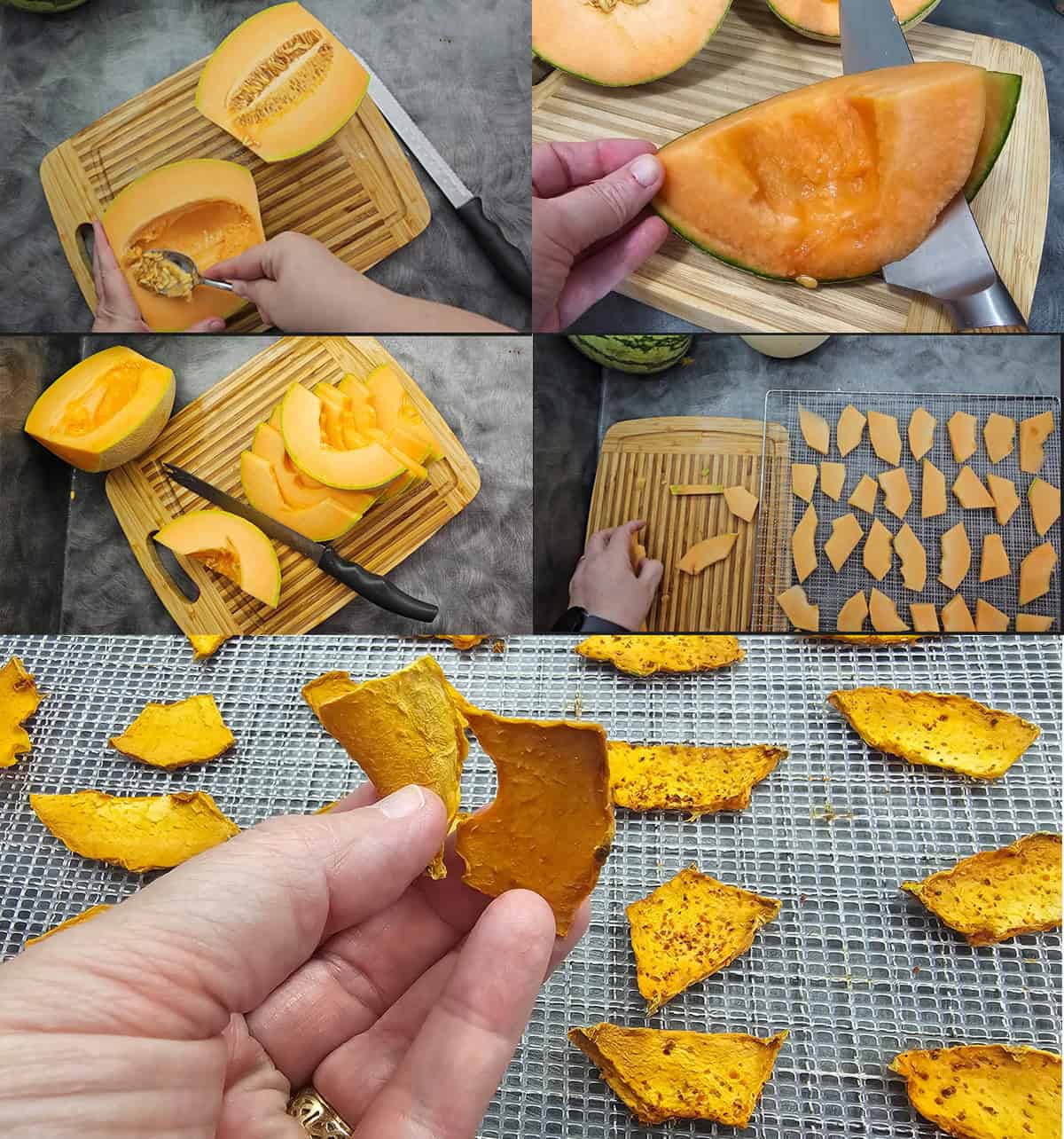
Once cleaned, the melon is halved, and the seeds are removed. The fruit should be sliced into uniform pieces to ensure consistent drying times. A thickness of 1/4 inch (approximately 6 millimeters) is considered the industry standard for home dehydration. Slices that are too thick will retain a moist center, increasing the risk of mold during storage, while slices that are too thin may become overly brittle and lose their "leathery" appeal.
Phase III: The Dehydration Cycle
The prepared slices are arranged on dehydrator trays in a single layer, ensuring that no pieces overlap. Airflow is the primary driver of dehydration, and crowding the trays can lead to "case hardening," where the outside dries too quickly and traps moisture inside.
The optimal temperature for dehydrating fruit is 135°F (57°C). This specific temperature is high enough to facilitate rapid moisture evaporation but low enough to prevent the destruction of heat-sensitive vitamins, such as Vitamin C and Vitamin A (beta-carotene), which are abundant in cantaloupe. The process typically requires between 10 and 14 hours, depending on the ambient humidity of the room and the specific water content of the melon.
Technical Equipment and Alternative Methods
While specialized electric dehydrators are the preferred tool for this process due to their precise temperature control and horizontal airflow, alternative methods exist for those without professional equipment.
- Electric Dehydrators: Units featuring a rear-mounted fan and adjustable thermostat provide the most consistent results. These machines allow for the even distribution of heat across all trays simultaneously.
- Oven Dehydration: For households without a dedicated dehydrator, a conventional oven can be used. The oven should be set to its lowest possible temperature, ideally 170°F (77°C) or lower. Because many ovens do not maintain low temperatures accurately, it is often necessary to prop the oven door open slightly to allow moisture to escape and to prevent the fruit from simply baking.
- Ancillary Tools: A mandoline slicer is frequently recommended by food preservationists to achieve the necessary uniformity in slice thickness, though a sharp chef’s knife is sufficient for experienced users.
Flavor Enhancement and Seasoning Profiles
While plain dehydrated cantaloupe offers a naturally sweet profile, the culinary application of seasonings can diversify the product’s use. Journalistic observation of consumer trends indicates a rising interest in "sweet and heat" combinations.
- Citrus Infusion: Spritzing the slices with lime or lemon juice before drying adds a tart counterpoint to the melon’s sugar and helps preserve the vibrant orange color.
- Traditional Spice: A light dusting of cinnamon or ginger can provide a warming flavor profile suitable for winter snacking.
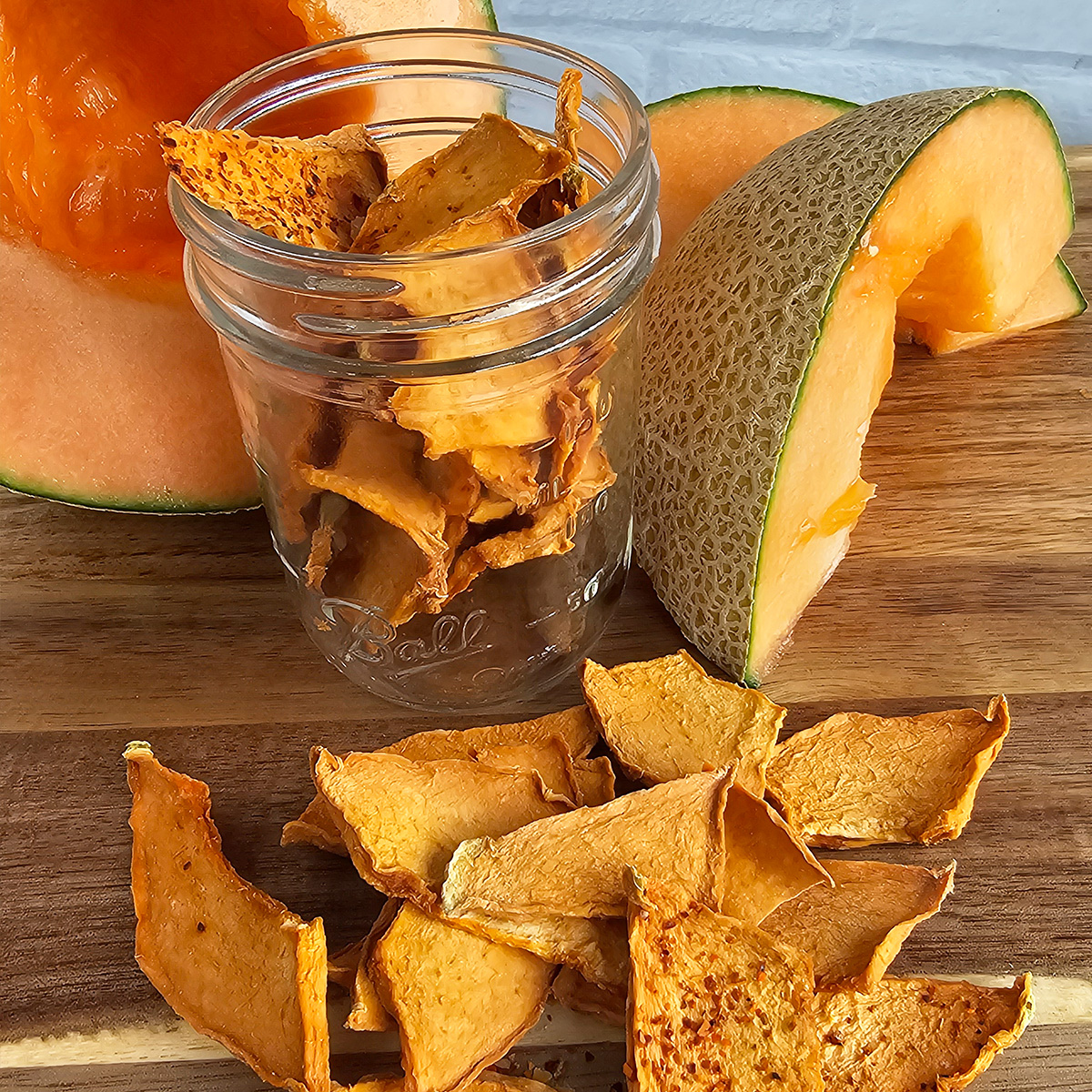
- Tajín and Chili: The application of chili-lime seasoning (such as Tajín) has become a popular method for creating a "jerky" style snack, mimicking the flavor profiles found in many Latin American street foods.
Storage, Conditioning, and Quality Control
The final stage of dehydration is perhaps the most critical for ensuring long-term shelf stability. Once the drying cycle is complete, the cantaloupe should have a leathery texture—flexible but not sticky.
The Conditioning Process
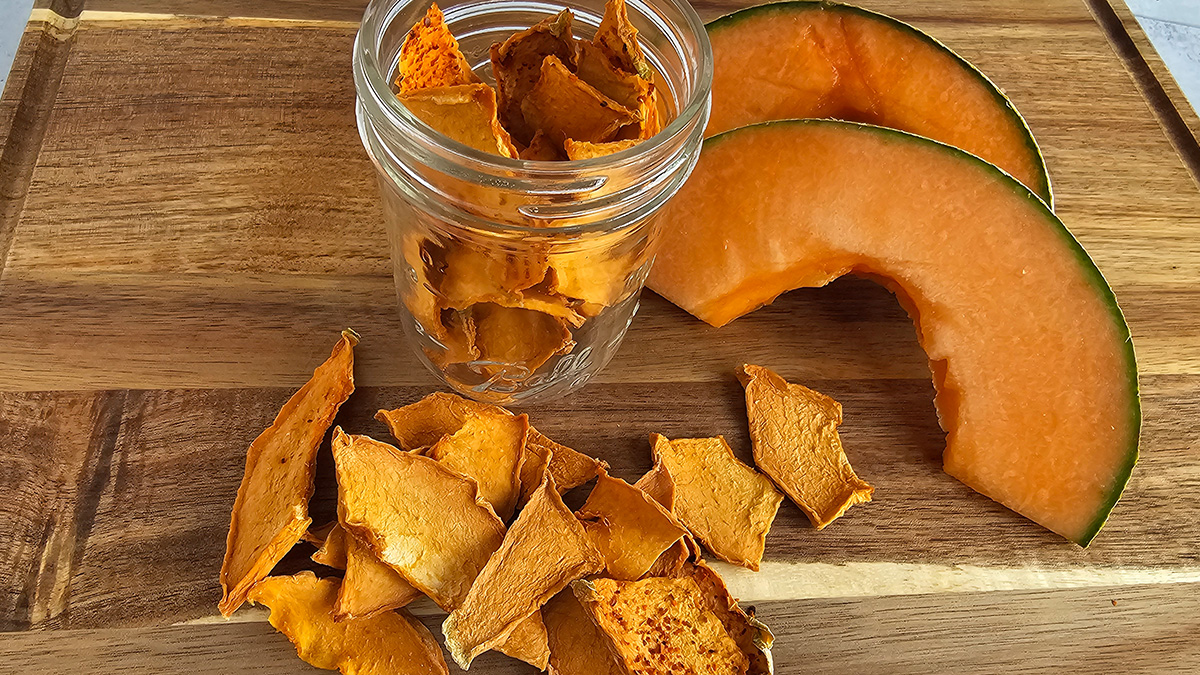
Before moving the fruit to long-term storage, it must undergo "conditioning." This involves placing the cooled, dried fruit in a clear glass jar, filled about two-thirds full, for seven to ten days. The jar should be shaken daily. If any condensation appears on the glass, the fruit is not sufficiently dry and must be returned to the dehydrator. Conditioning allows the remaining moisture to equilibrate among all pieces, preventing the growth of mold in the storage container.
Long-Term Storage Parameters
Conditioned cantaloupe should be stored in airtight containers, such as vacuum-sealed bags or Mason jars with tight-fitting lids. To further protect against moisture, many preservationists include food-grade oxygen absorbers or desiccant packets. When stored in a cool, dark, and dry environment, dehydrated cantaloupe can maintain its quality for 12 months. Exposure to light and heat will eventually degrade the vitamin content and darken the color of the fruit.
Nutritional Data and Impact Analysis
From a nutritional standpoint, dehydrated cantaloupe is a concentrated source of energy. Data suggests that one cup of fresh cantaloupe contains approximately 50-60 calories, while the equivalent amount of nutrients is concentrated into roughly 1/4 cup of the dried product.
Estimated Nutritional Profile (per 1/4 cup dried):
- Calories: 14-16 kcal
- Carbohydrates: 3g
- Fiber: 0.3g
- Sugars: 3g (Natural)
- Potassium: 63mg
It is important for consumers to note that while the fiber and minerals remain intact, the concentration of natural sugars means that portion control is necessary for those monitoring glycemic intake.
Broader Implications for Food Security
The promotion of home dehydration techniques like those applied to cantaloupe contributes to broader goals of food security and self-sufficiency. By empowering individuals to preserve their own food, there is a reduced reliance on complex global supply chains and a decrease in the carbon footprint associated with the transportation of fresh produce during the off-season.
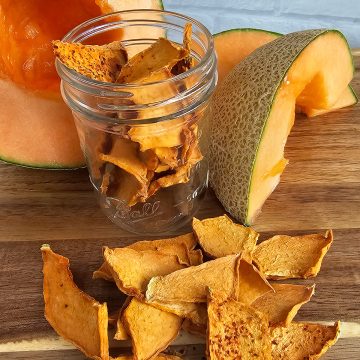
Furthermore, the versatility of dehydrated cantaloupe extends beyond simple snacking. It can be rehydrated for use in compotes, chopped into granola, or used as a natural sweetener in baked goods. As the "pantry-stocking" movement continues to gain momentum among modern consumers, the dehydration of high-water-content fruits like melons represents a sophisticated intersection of traditional wisdom and modern nutritional science.
In conclusion, dehydrating cantaloupe is an effective, scientifically-backed method for food preservation that offers significant economic and nutritional benefits. By adhering to strict preparation and storage protocols, consumers can ensure a steady supply of high-quality fruit throughout the year, effectively mitigating the seasonal limitations of fresh produce.