
The modern nursery is an environment defined by the ubiquity of synthetic polymers, ranging from plastic rattles and bottles to polyester clothing and the complex composite materials found in disposable diapers. While these materials offer unprecedented convenience and hygiene for parents, a growing body of scientific research suggests that the pervasive use of plastics in infant care may have significant implications for long-term health. Pediatricians and environmental scientists are increasingly concerned about the migration of chemical additives, specifically phthalates and microplastics, into the developing systems of infants. As awareness grows, a shift in the childcare industry is underway, characterized by a return to natural fibers and the development of innovative, low-plastic alternatives designed to mitigate chemical exposure during the most vulnerable stages of human development.
The Scientific Basis for Concern: Phthalates and Endocrine Disruption
The primary concern regarding plastic exposure in infancy centers on phthalates, a class of chemicals used as plasticizers to increase the flexibility and durability of polyvinyl chloride (PVC) and other plastics. Because phthalates are not chemically bound to the plastic matrix, they can easily leach out into the air, dust, or directly into the body through dermal contact or ingestion. For infants, whose developmental window is characterized by rapid hormonal shifts and organ growth, these chemicals act as endocrine disruptors.
A 2021 study published in the journal Healthcare highlighted the adverse effects of phthalate exposure on children, noting significant correlations with altered reproductive hormone levels, changes in anogenital distance—a marker of reproductive development—and disruptions in thyroid function. Because infants explore their environment primarily through their mouths, items such as plastic teethers, bath books, and squeeze toys represent a direct pathway for chemical ingestion. Furthermore, the physical behavior of infants—crawling on synthetic carpets and handling plastic-laden toys—increases their exposure to household dust, which acts as a reservoir for shed plastic particles and chemical additives.
A Chronology of Plastic in Childcare
To understand the current saturation of plastics in the baby product market, it is necessary to examine the historical trajectory of the industry. Prior to the mid-20th century, childcare was dominated by natural materials: cotton cloth diapers, wooden toys, and glass or metal feeding vessels.
The shift began in the 1940s and 1950s with the invention of the first plastic-lined diaper covers. In 1961, the mass-market introduction of the fully disposable diaper revolutionized parenting but introduced a permanent plastic component to the daily life of nearly every infant in the industrialized world. By the 1980s, the "plastic revolution" was complete; lightweight, unbreakable, and inexpensive polymers replaced glass bottles and wooden toys almost entirely.
However, the late 2000s marked a turning point in consumer awareness. The 2008 ban on Bisphenol A (BPA) in baby bottles in several jurisdictions served as a catalyst for a broader movement toward "non-toxic" parenting. This has led to the current era of "green-tech" baby products, where companies are attempting to balance the convenience of modern disposables with the safety profiles of traditional natural materials.
Rethinking the Disposable Diaper: Material Innovations
The disposable diaper is perhaps the most significant source of prolonged plastic contact for a baby. Standard disposables are engineered with multiple layers of synthetic materials, including a polyethylene backsheet to prevent leaks and a polypropylene topsheet that sits directly against the infant’s skin. For parents seeking to reduce plastic exposure, the diapering process presents a unique challenge. While reusable cloth diapers offer a plastic-free alternative, they are often inaccessible to families without consistent laundry facilities or those utilizing childcare centers that mandate disposables for sanitary reasons.
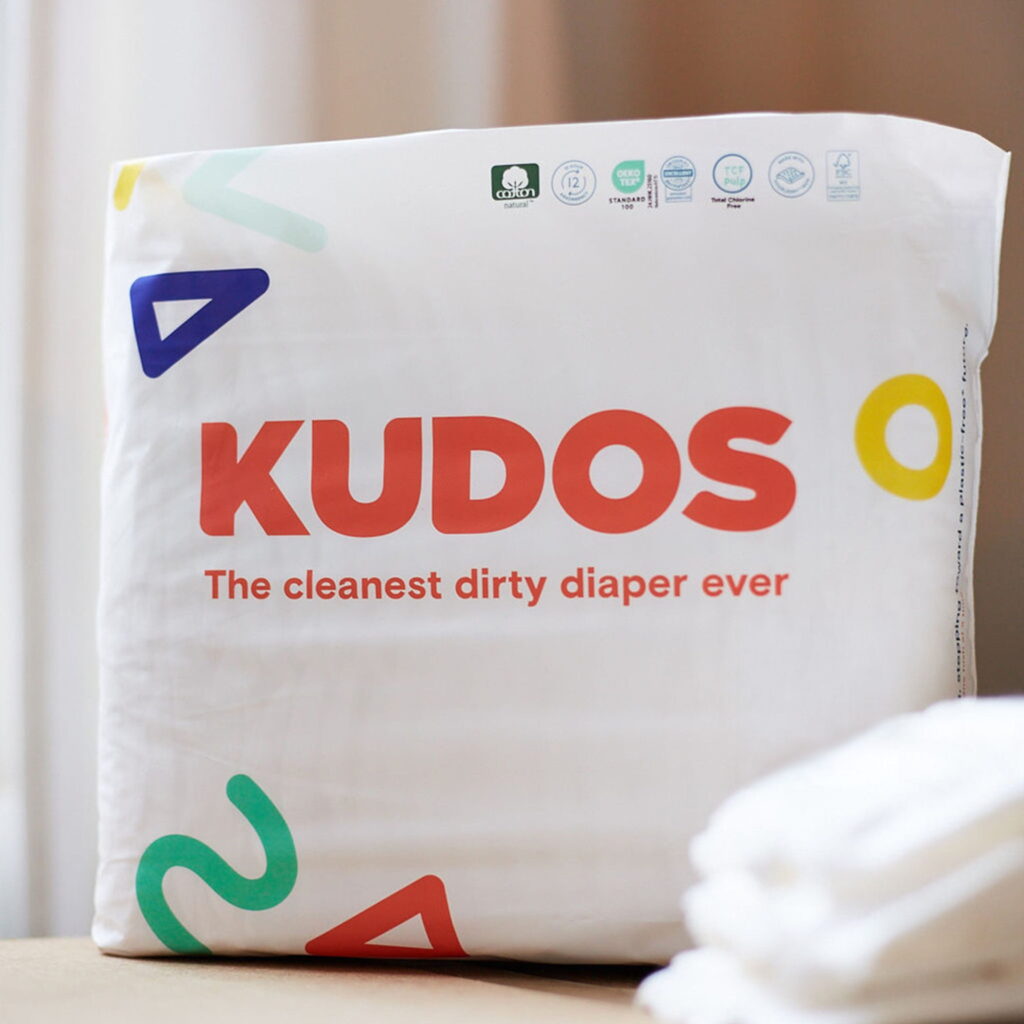
The market has responded with a new generation of "hybrid" or high-natural-content disposables. One notable advancement in this sector is the development of diapers by firms like Kudos, which introduced the first disposable diaper featuring a 100% cotton liner. While the structural integrity of a disposable diaper still requires some plastic components, the substitution of the inner liner—the part in constant contact with the baby’s most sensitive skin—with dry-processed, U.S.-sourced cotton represents a significant reduction in direct synthetic exposure.
Industry analysts note that these innovations are often driven by a combination of parental demand and engineering rigor. Many of these products now seek third-party certifications to validate their safety claims. Key benchmarks in this sector include:
- OEKO-TEX Standard 100: Ensures the product has been tested for harmful substances.
- FSC (Forest Stewardship Council) Certification: Guarantees that the wood pulp used in the diaper’s absorbent core is sourced from responsibly managed forests.
- Totally Chlorine Free (TCF): Indicates that the wood pulp was bleached without the use of chlorine, preventing the formation of dioxins.
Material Alternatives in Toys and Textiles
The transition away from plastic extends beyond hygiene products to the objects infants interact with daily. Pediatric experts suggest that the "mouth stage" of development makes the material composition of toys a critical health consideration.
The industry is seeing a resurgence in the use of natural rubber (hevea), which provides the flexibility of plastic without the need for phthalates. Similarly, solid wood toys finished with food-grade oils or water-based paints are increasingly favored over hollow plastic alternatives. For soft toys, the focus has shifted not just to the exterior fabric—moving from polyester fleece to organic cotton or wool—but also to the "fill" or stuffing. Traditional plush toys often use polyester fiberfill, which can shed microplastics; natural alternatives utilize wool or raw cotton batting.
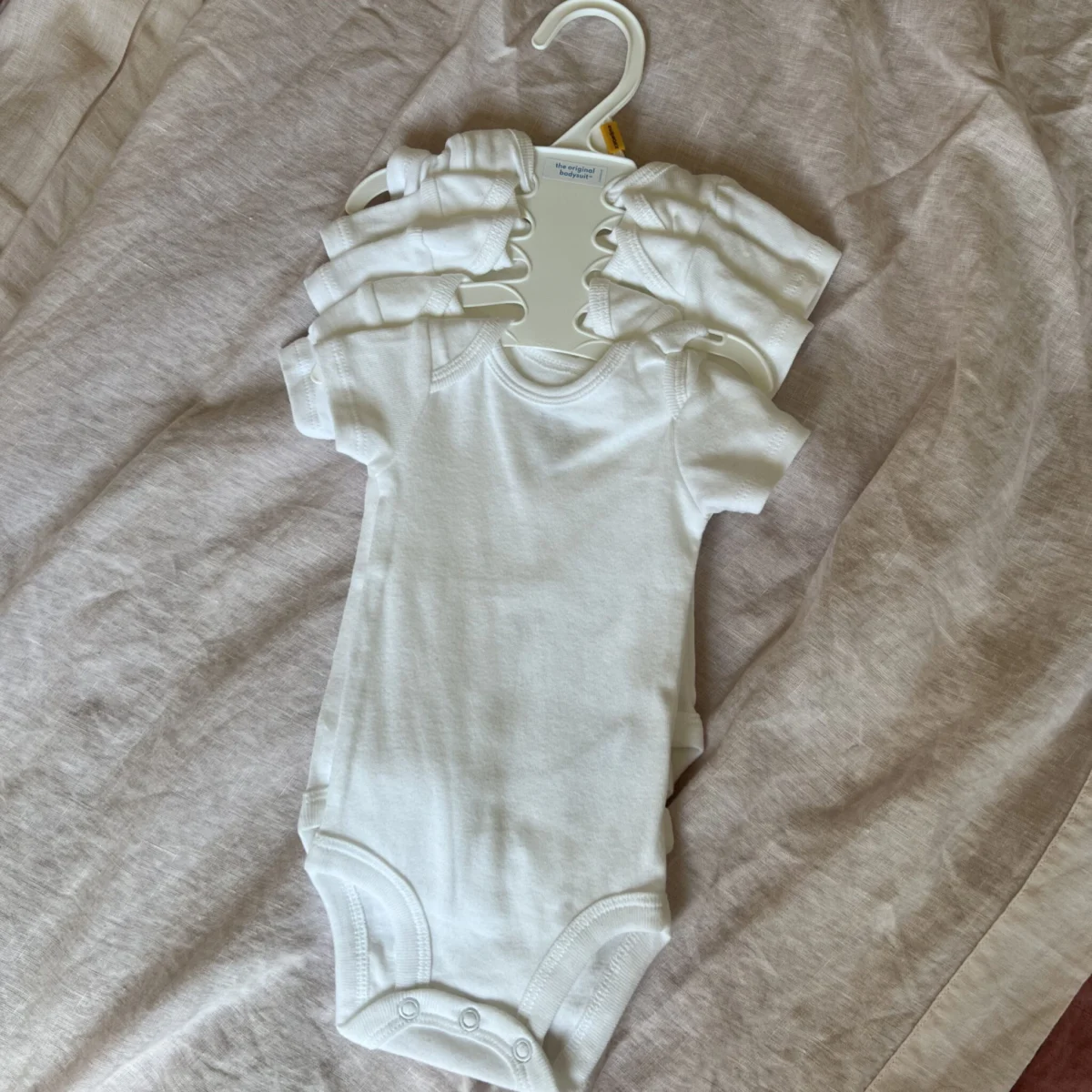
In the realm of textiles, the prevalence of synthetic fibers like polyester and nylon in baby clothing has been linked to the shedding of microplastics in the home environment. The Global Organic Textile Standard (GOTS) has become the gold standard for parents seeking to ensure their children’s clothing is free from synthetic blends and toxic dyes. Experts recommend that when synthetic fabrics cannot be avoided, they should be washed with fragrance-free, gentle detergents and replaced at the first sign of fabric degradation to minimize the release of fibers.
Microplastics and Nutritional Delivery: The Bottle Study
One of the most significant recent findings regarding infant plastic exposure involves the preparation of formula and breastmilk. A landmark study published in Nature Food revealed that plastic baby bottles made of polypropylene can shed millions of microplastic particles when heated or shaken. The researchers estimated that bottle-fed infants could be consuming an average of 1.5 million microplastic particles per day.
This data has prompted a re-evaluation of bottle-feeding protocols. Health advocates now recommend glass or high-grade stainless steel bottles as the safest alternative. For families continuing to use plastic bottles, the "transfer method" is recommended: heating the liquid in a glass container and allowing it to reach a safe temperature before transferring it to the plastic bottle for immediate feeding. This minimizes the time the plastic is exposed to high-heat conditions that trigger the shedding of polymers.
Economic and Societal Implications
The movement to reduce plastic exposure in infancy is not without its socio-economic complexities. Natural-fiber clothing, glass bottles, and high-performance "eco-friendly" diapers often carry a price premium that makes them less accessible to lower-income families. This has led to calls for greater regulatory oversight to ensure that all baby products, regardless of price point, meet more stringent safety standards.

Furthermore, the "guilt factor" associated with plastic use puts an emotional burden on new parents. Environmental analysts argue that the responsibility for reducing plastic exposure should rest with manufacturers and regulators rather than solely on the consumer. The European Union’s REACH (Registration, Evaluation, Authorisation and Restriction of Chemicals) regulations have already placed stricter limits on phthalates in toys and childcare articles, a move that many global health organizations hope to see mirrored in other major markets.
Future Outlook and Broader Impact
As the scientific community continues to investigate the long-term effects of microplastics and endocrine disruptors, the childcare industry is likely to see further "de-plastification." Future innovations may include the development of truly biodegradable bioplastics derived from seaweed or fungi that offer the performance of traditional polymers without the toxicological profile.
The broader impact of these changes extends beyond individual health. Reducing the plastic content in baby products—particularly diapers, which constitute a significant portion of landfill waste—has profound environmental benefits. By prioritizing natural fibers and safe manufacturing processes, the industry is not only protecting the health of the current generation of infants but also mitigating the environmental degradation that will affect their future.
In conclusion, while the complete elimination of plastic from a modern infant’s life may be impractical, the combination of informed consumer choices, industry innovation, and rigorous scientific study is creating a safer, less synthetic environment for the next generation. The shift toward cotton liners, glass bottles, and natural-fiber toys represents a critical step in addressing the "invisible" pollution of the modern nursery.


