As the beverage industry continues to pivot toward functional health and probiotic-rich alternatives, the practice of home-based secondary fermentation has seen a significant resurgence. Among the most prominent seasonal variations is Cranberry Orange Kombucha, a beverage that leverages the peak harvest of winter berries and citrus to create a high-antioxidant profile. This specific blend is not merely a culinary trend but a strategic combination of botanical properties designed to support the human microbiome during a season traditionally characterized by high-sugar diets and decreased physical activity. By utilizing the secondary fermentation process, enthusiasts are able to transform a standard tea-based ferment into a carbonated, nutrient-dense tonic that offers specific physiological benefits, ranging from urinary tract support to enhanced digestive efficiency.
The Biochemistry of Secondary Fermentation
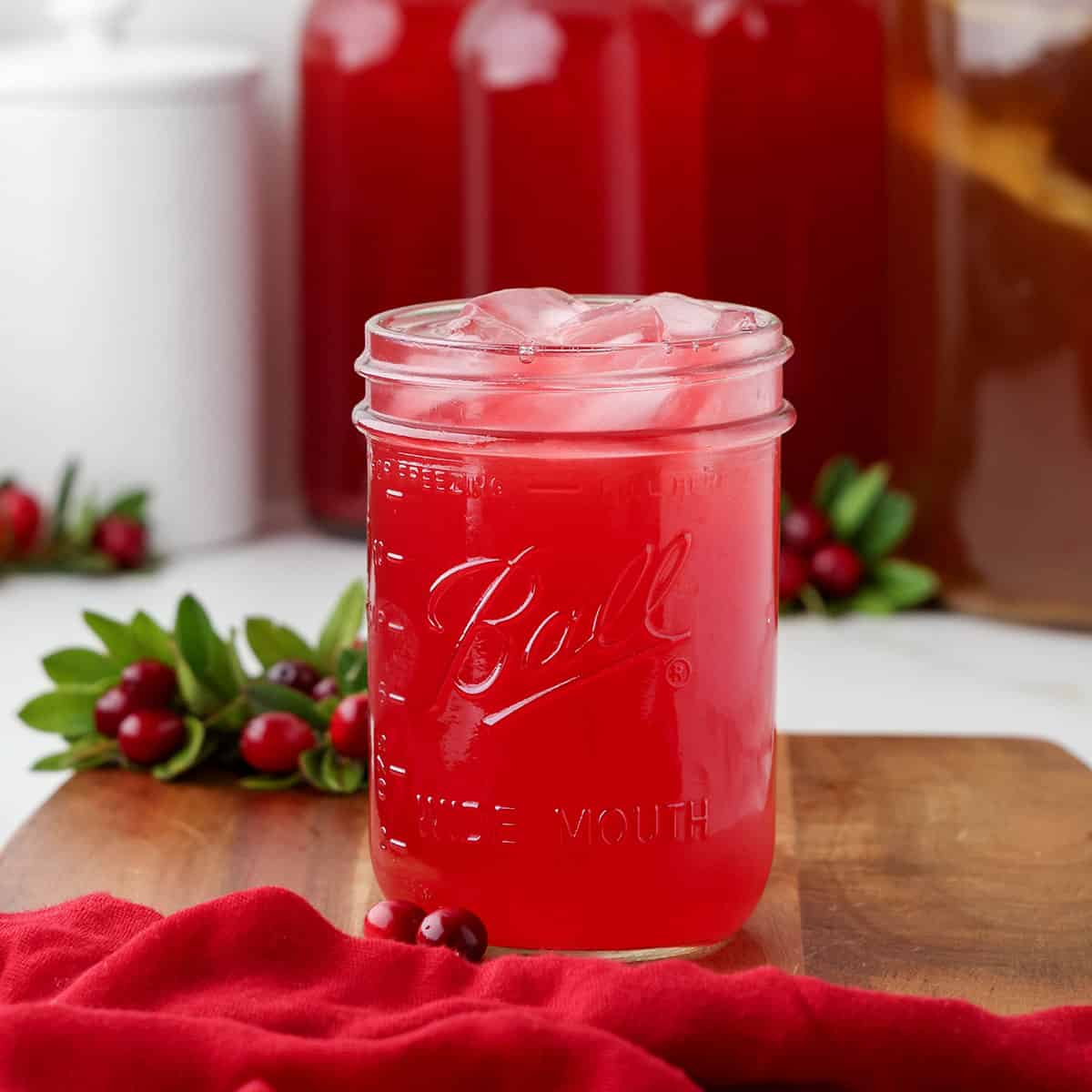
To understand the value of Cranberry Orange Kombucha, one must first examine the technical process of secondary fermentation. While the primary ferment involves the use of a Symbiotic Culture of Bacteria and Yeast (SCOBY) to convert sweetened Camellia sinensis (tea) into a tart, vinegar-like liquid, the secondary ferment is where carbonation and flavor profiles are established. During this stage, the kombucha is bottled with additional sugars—in this case, derived from a homemade cranberry-orange syrup—and sealed in an airtight environment.
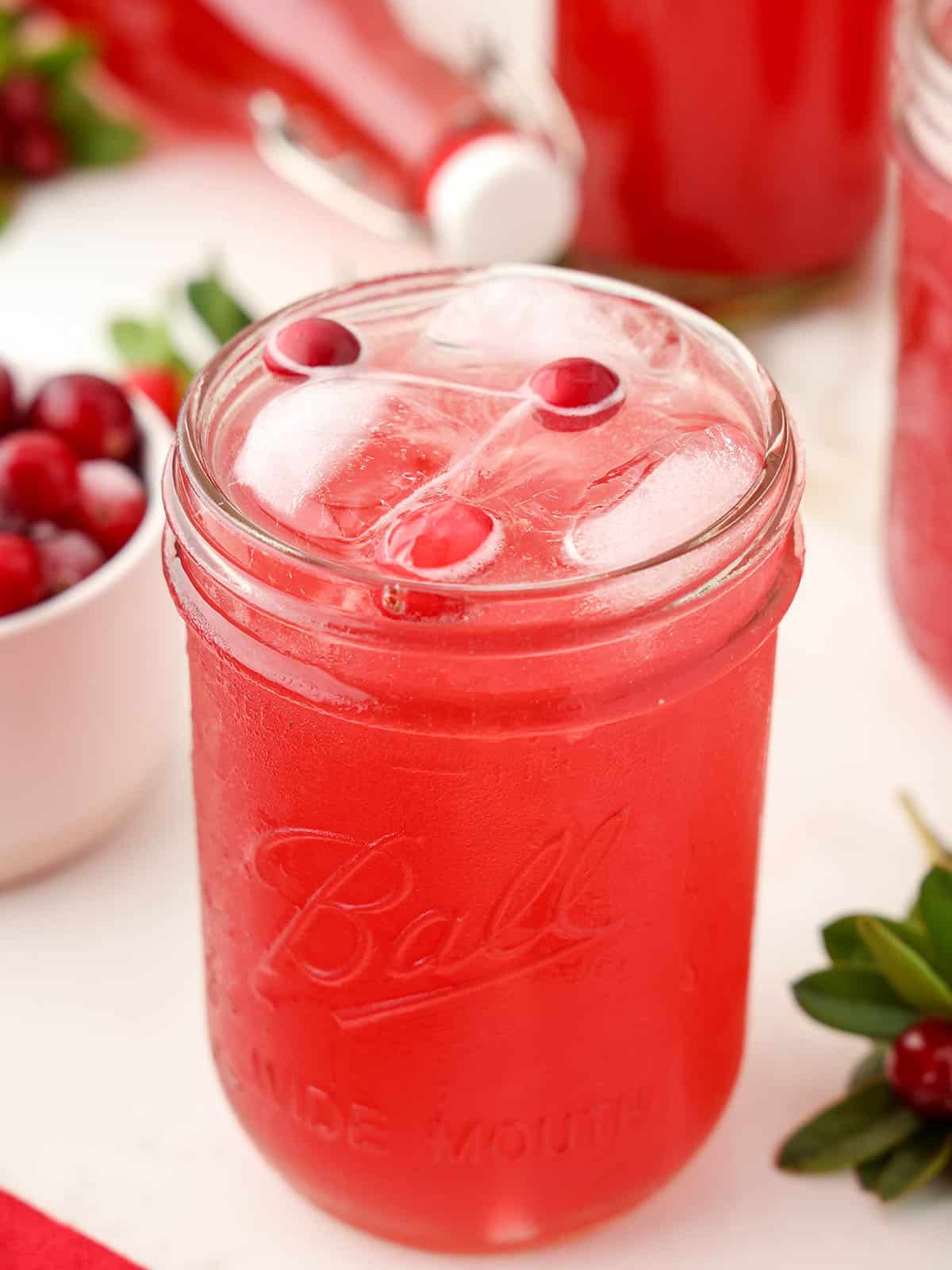
Deprived of oxygen, the residual yeast in the liquid continues to metabolize the newly introduced sugars, producing carbon dioxide (CO2) as a byproduct. Because the CO2 cannot escape the sealed vessel, it dissolves into the liquid, creating the characteristic "fizz" associated with commercial sodas but without the reliance on artificial carbonation or excessive high-fructose corn syrup. This stage typically requires two to three days at room temperature, though the rate of fermentation is highly sensitive to ambient thermal conditions. In warmer environments, the metabolic rate of the yeast accelerates, whereas cooler winter kitchens may require a longer duration to achieve the desired atmospheric pressure within the bottle.

Nutritional Profile and Therapeutic Applications of Cranberries
The inclusion of cranberries in this ferment provides more than just a tart flavor profile; it introduces a suite of bioactive compounds. Research into the Vaccinium macrocarpon (American cranberry) has consistently demonstrated its efficacy in promoting urinary tract health. Specifically, cranberries contain Type-A proanthocyanidins (PACs), which prevent Escherichia coli bacteria from adhering to the bladder wall. According to several human intervention trials, regular consumption of cranberry-based preparations can significantly reduce the recurrence of urinary tract infections (UTIs) in susceptible populations.
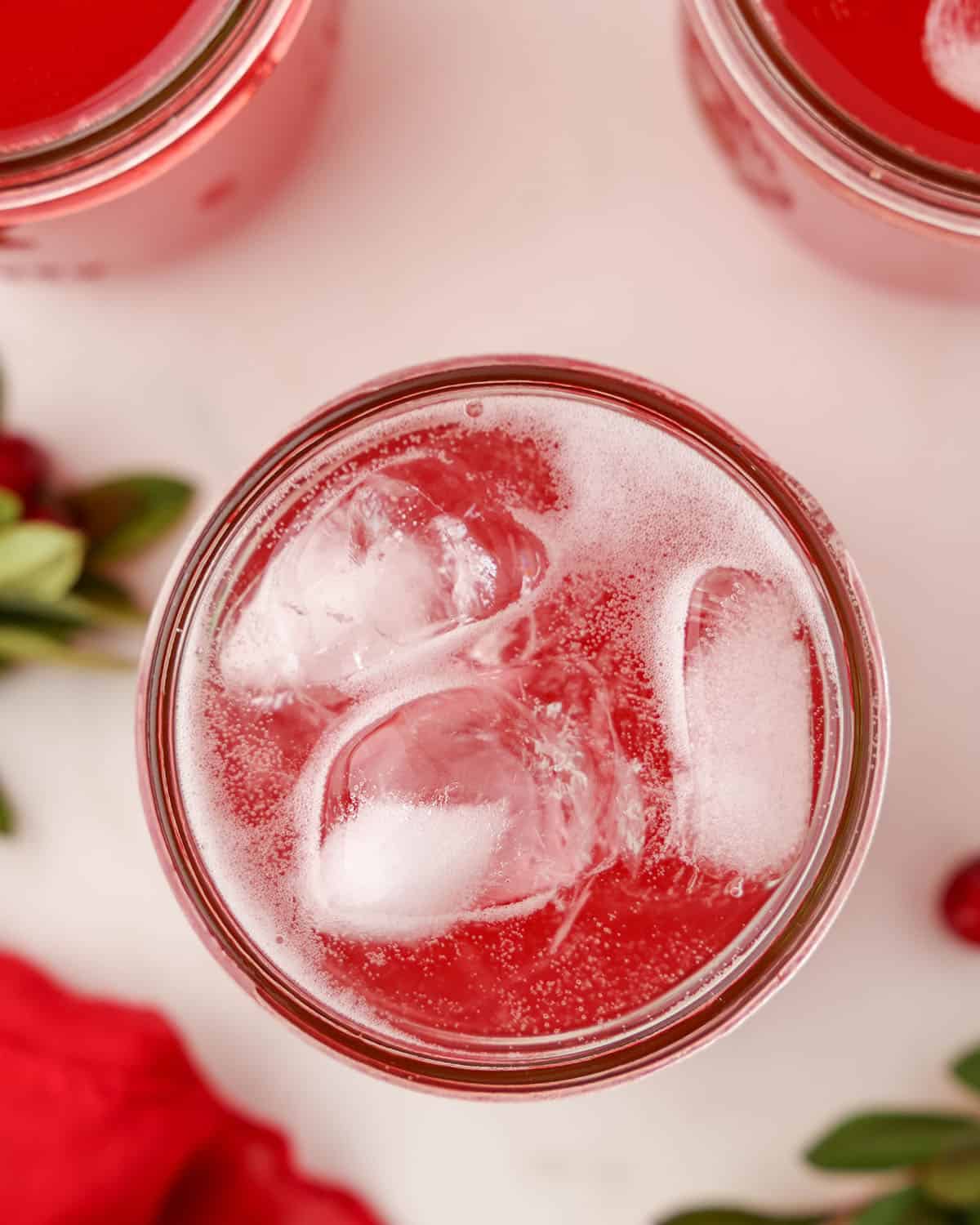
Furthermore, cranberries are an exceptional source of Vitamin C and various polyphenols. When paired with the juice and zest of fresh oranges, the Vitamin C content is further bolstered. Oranges contribute hesperidin and other flavonoids that have been linked to improved cardiovascular health and reduced inflammation. In the context of a fermented beverage, these nutrients are delivered alongside live probiotic cultures—primarily Lactobacillus and Acetobacter species—which are known to populate the gut and support the immune system. This "synbiotic" effect, where the prebiotic fibers of the fruit syrup feed the probiotic bacteria of the kombucha, creates a potent tool for winter wellness.

Market Context and the DIY Fermentation Movement
The rise of home-brewed cranberry kombucha mirrors a larger shift in the global beverage market. According to industry reports, the global kombucha market was valued at approximately USD 2.64 billion in 2021 and is projected to grow at a compound annual growth rate (CAGR) of over 15% through 2030. This growth is driven by a "sober curious" demographic seeking non-alcoholic, low-sugar alternatives to traditional cocktails and soft drinks.

Colleen Codekas, a noted authority on fermented foods and author of Cozy Autumn Recipes, emphasizes that the appeal of this specific flavor profile lies in its balance. "I’ve never really had a sweet tooth," Codekas notes, highlighting a common sentiment among fermentation enthusiasts who prefer the complex tartness of cranberries over the cloying sweetness of commercial beverages. The shift toward home fermentation is also fueled by economic factors; while a single bottle of artisanal kombucha can retail for $4.00 to $6.00, a gallon of home-brewed kombucha can be produced for a fraction of that cost using bulk tea, sugar, and seasonal produce.
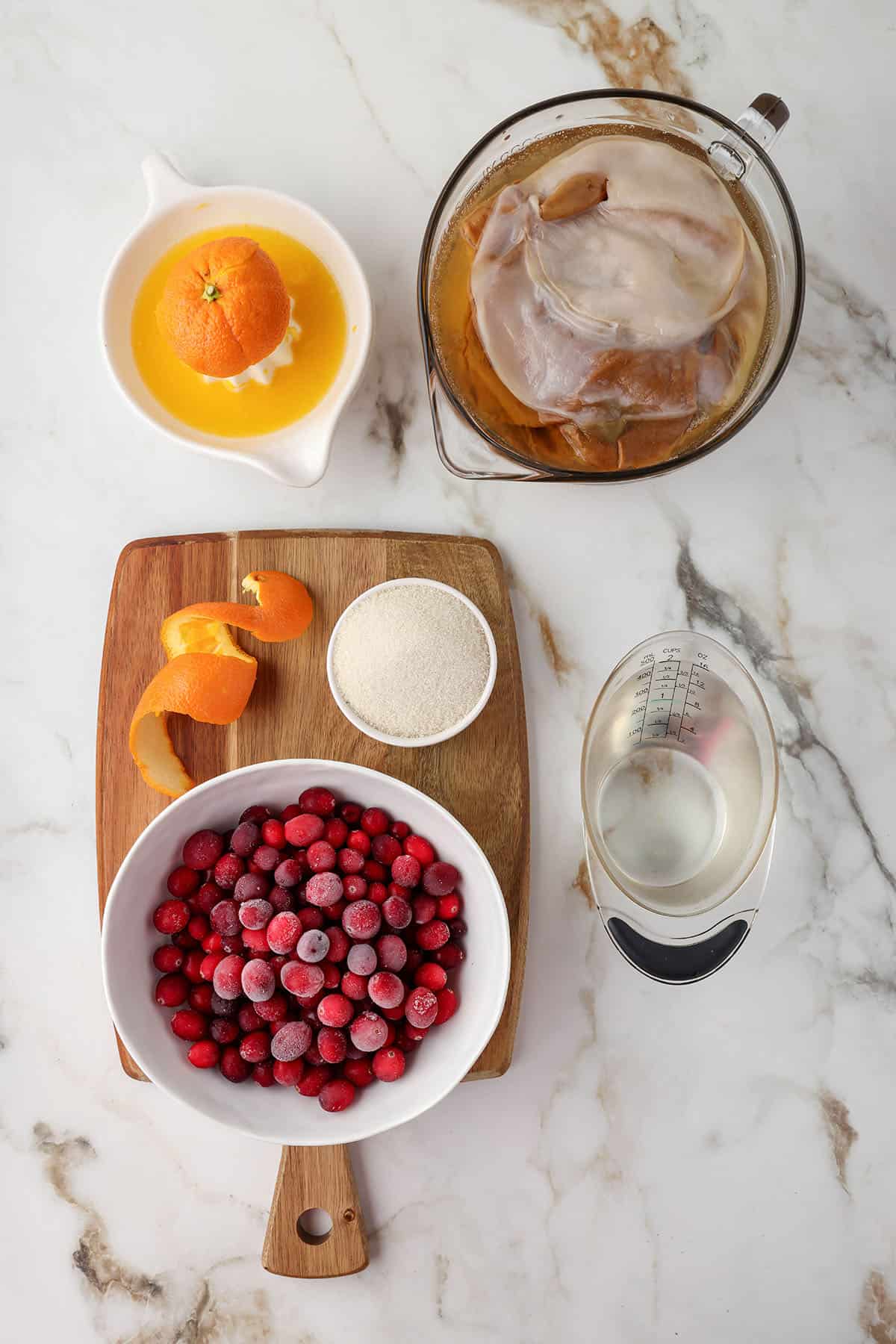
Technical Execution: The Chronology of the Brew
The production of Cranberry Orange Kombucha follows a precise timeline to ensure both safety and flavor density. The process begins with the preparation of a concentrated cranberry syrup, which serves as the primary fuel for the secondary ferment.
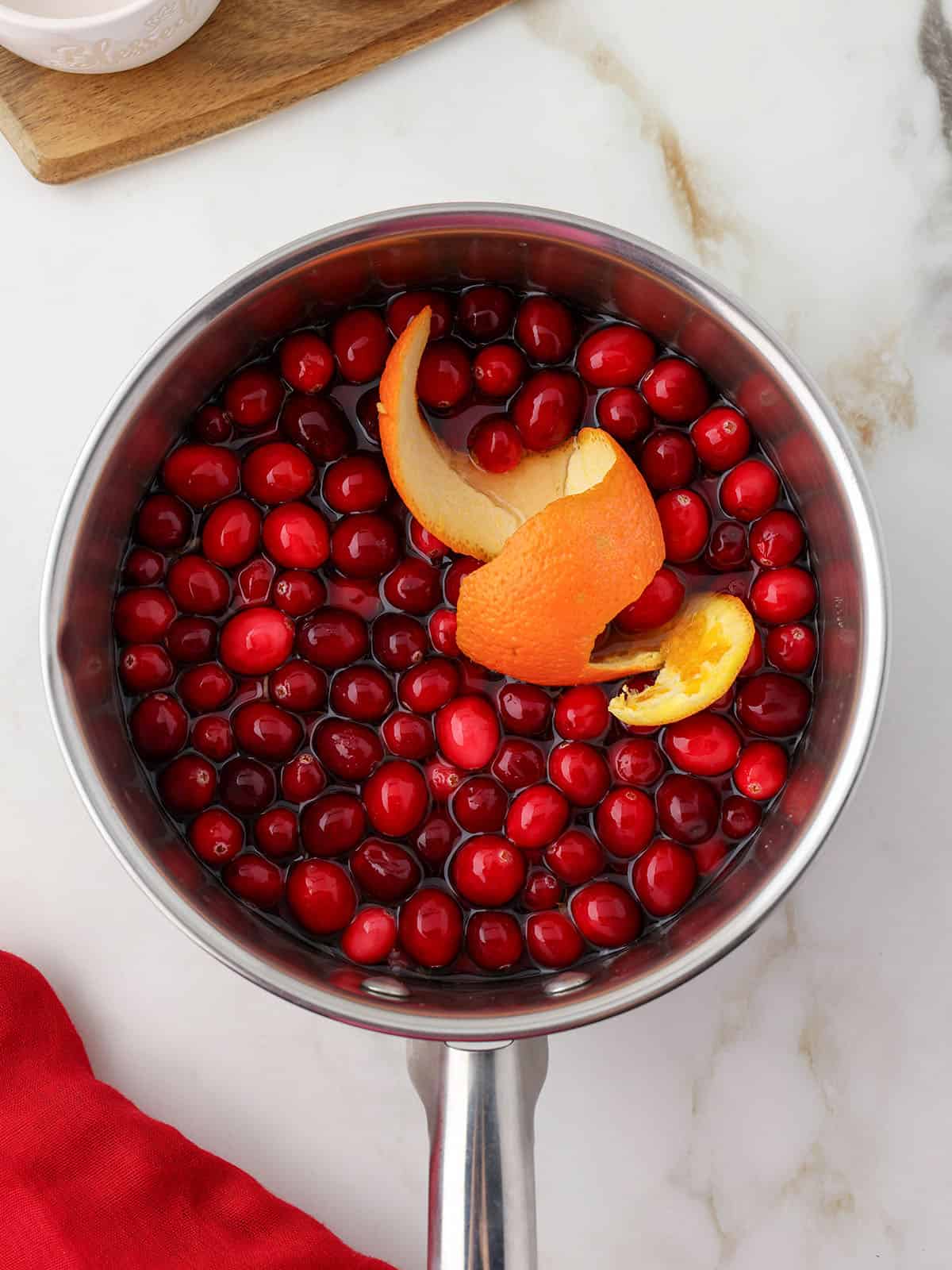
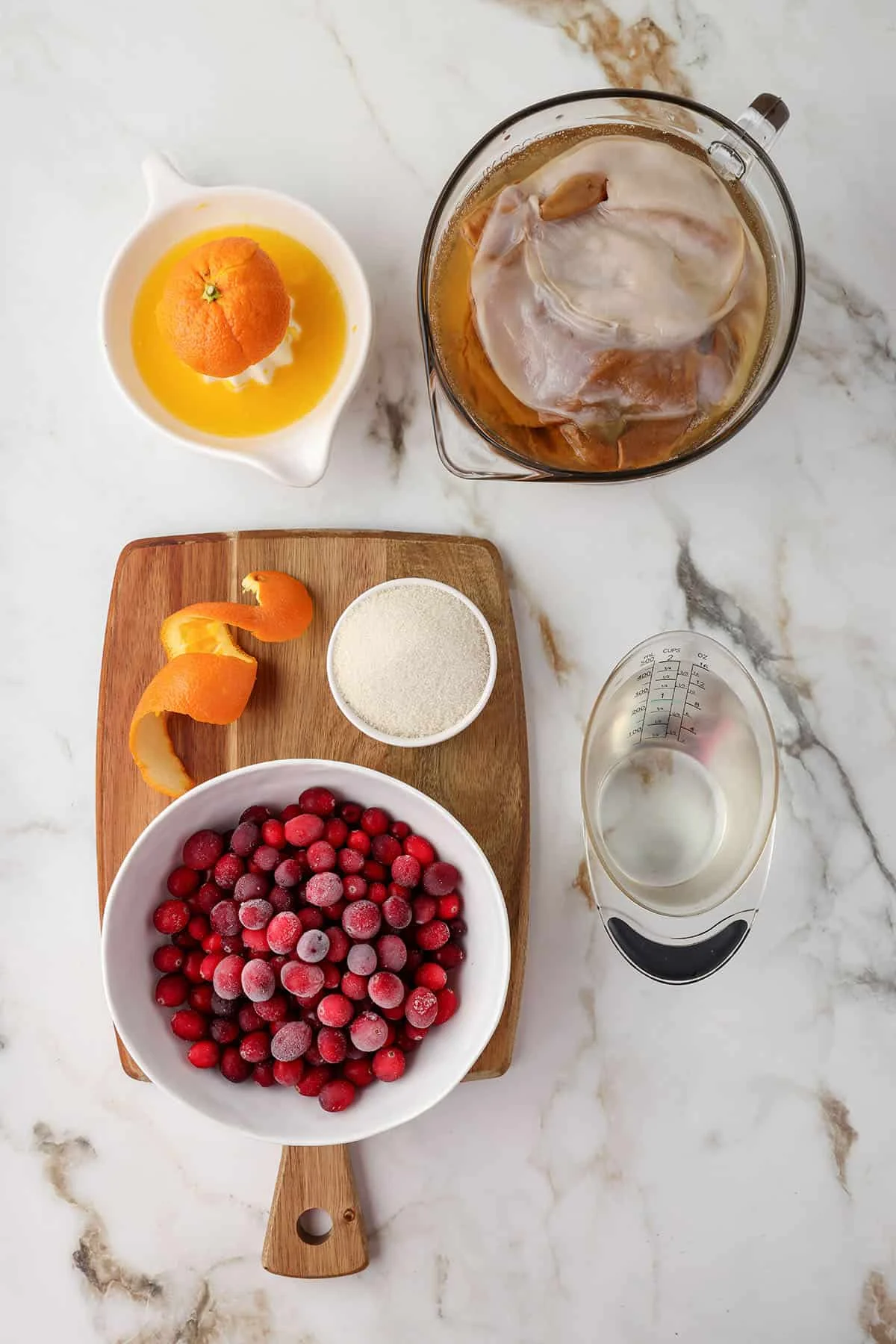
- Extraction Phase: Fresh or frozen cranberries are combined with organic cane sugar and orange juice/zest. The mixture is simmered for five to seven minutes. This heat application is necessary to break down the tough outer skins of the cranberries and release the pectin and juices.
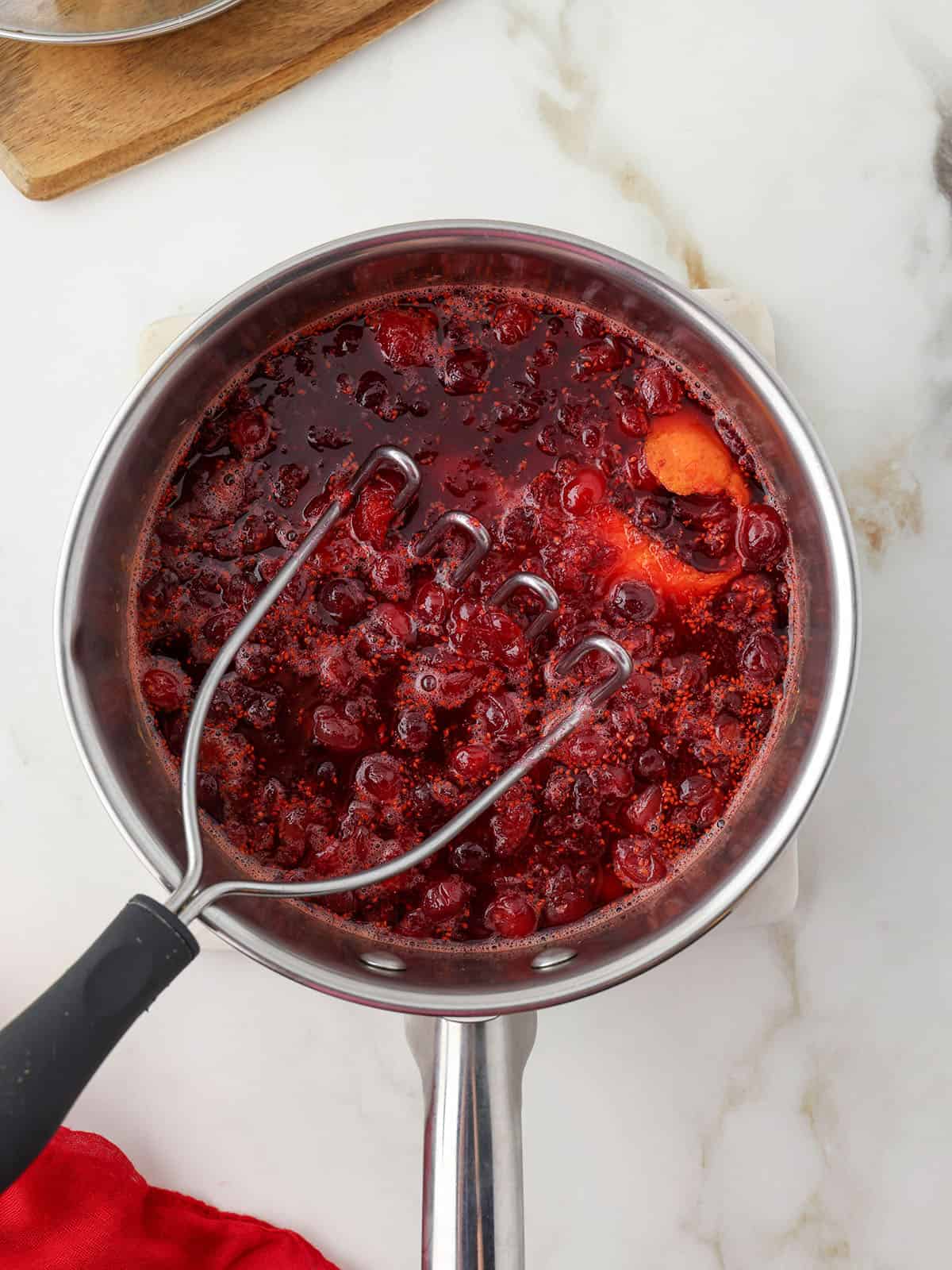
- Infusion Phase: The mixture is mashed and allowed to steep for 15 minutes. This ensures that the essential oils from the orange zest are fully integrated into the syrup.
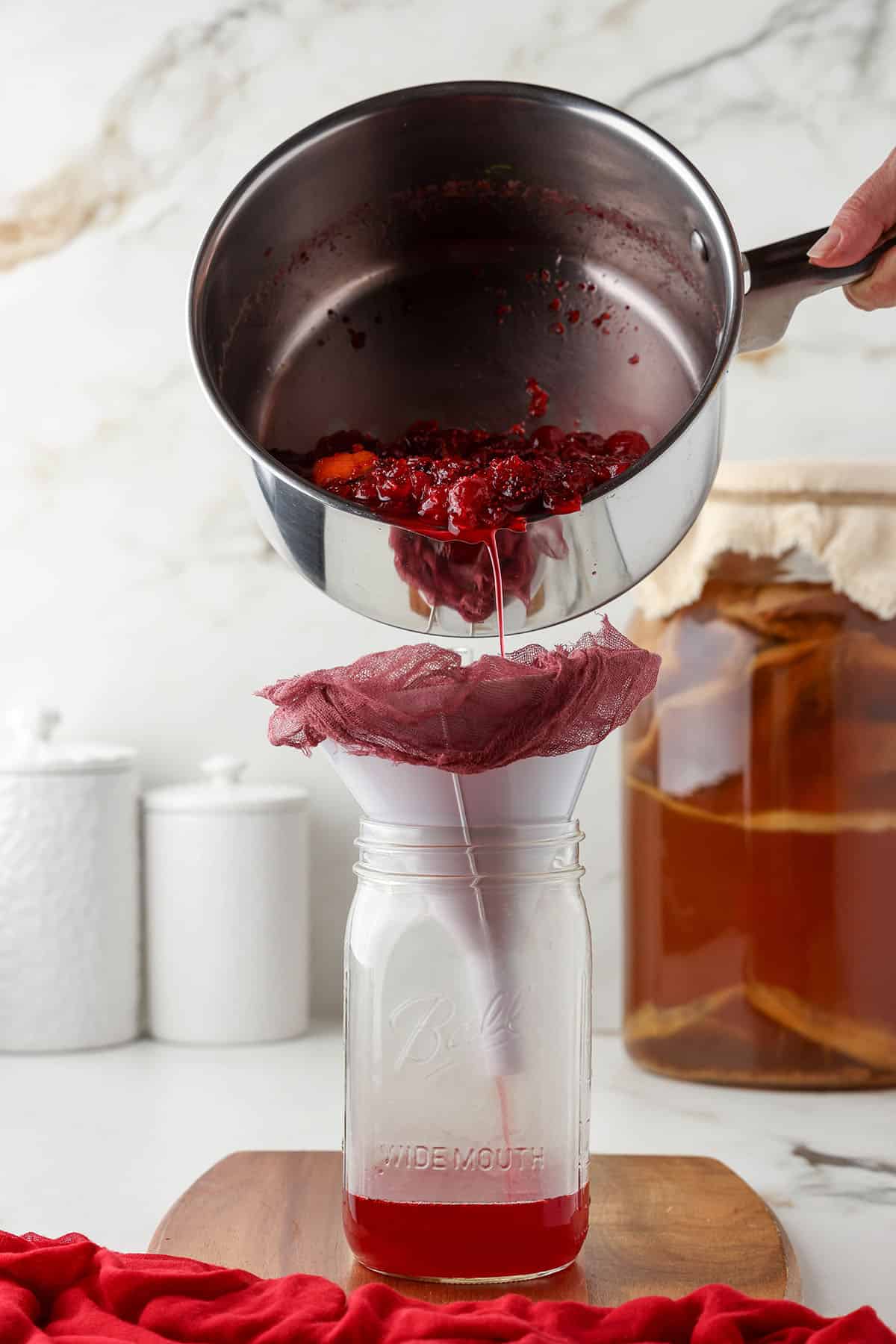
- Filtration: The syrup is strained through a fine-mesh sieve and cheesecloth. This step is critical for secondary fermentation; removing solid fruit particles prevents "geysering" (explosive carbonation) when the bottle is eventually opened.
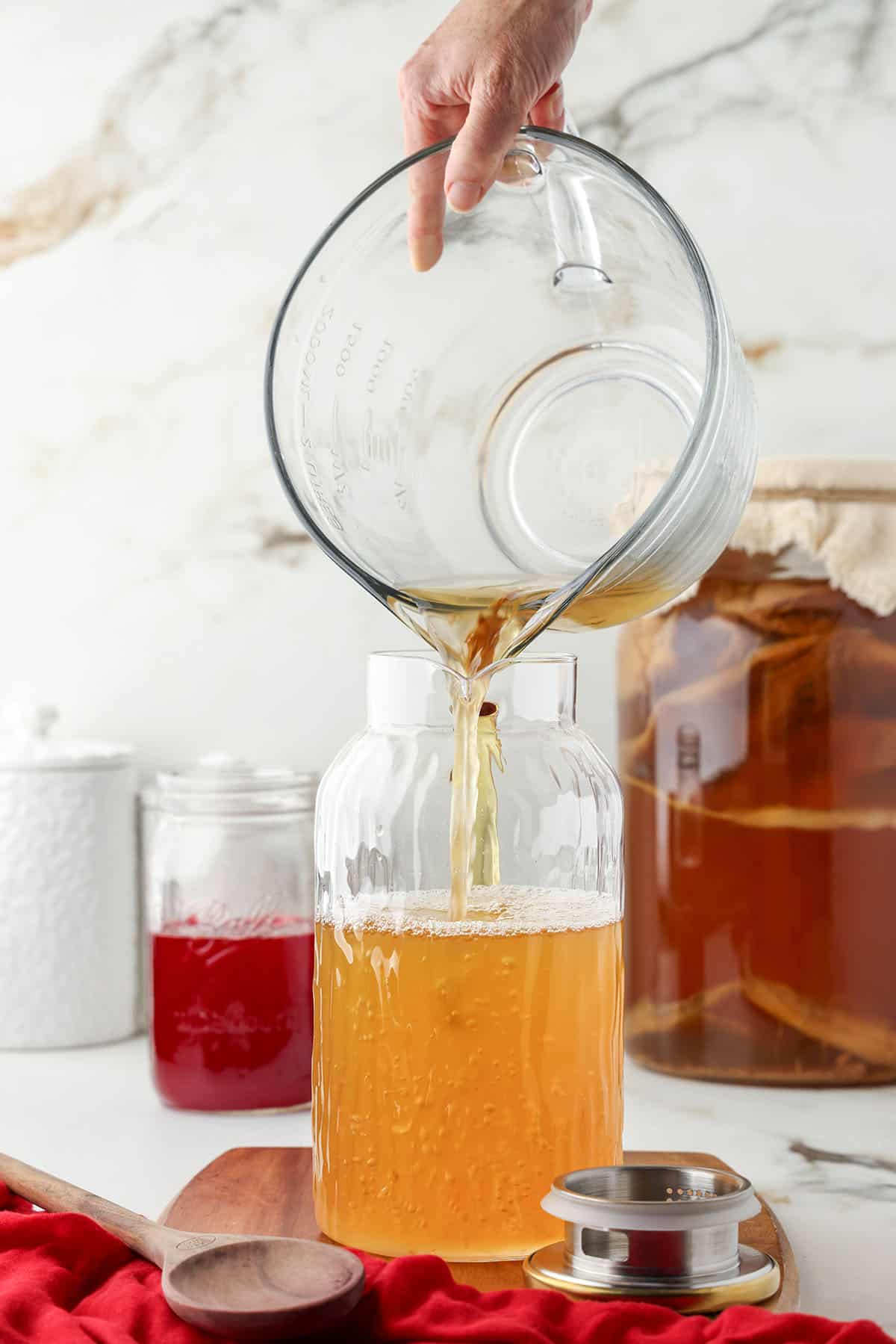
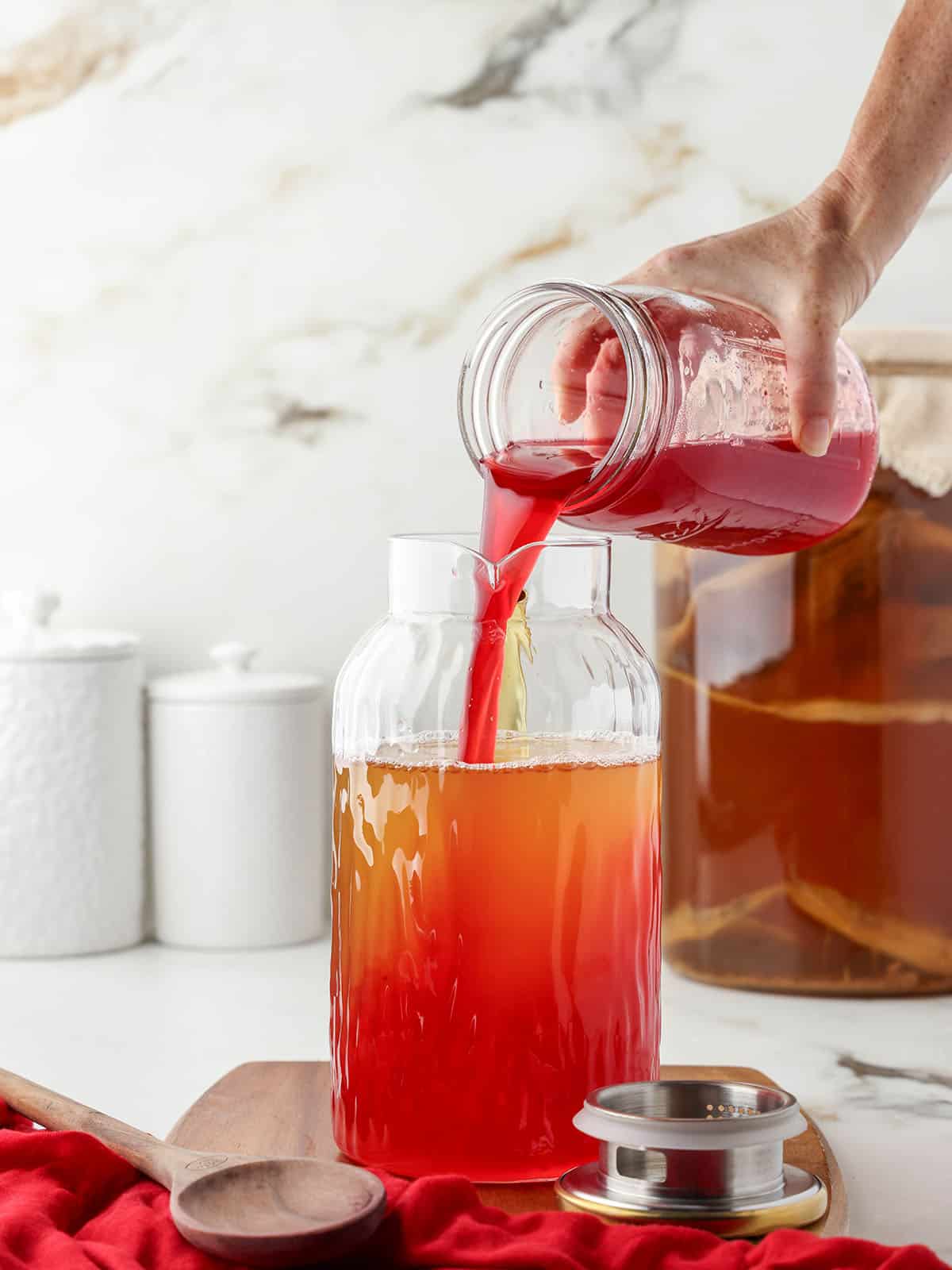
- Integration: Seven cups of base kombucha (either black or green tea) are blended with approximately two cups of the cooled syrup.
- Carbonation Phase: The liquid is transferred to swing-top bottles, leaving one to two inches of "headspace." This empty space is vital, as it allows the CO2 pressure to build without shattering the glass.
- Stabilization: After 48 to 72 hours of room-temperature fermentation, the bottles are moved to cold storage (refrigeration). This halts the yeast activity and "sets" the carbonation.
Sustainability and Waste Mitigation in Home Fermentation
A notable aspect of this artisanal process is its alignment with zero-waste culinary practices. The byproduct of the syrup-making process—the mashed cranberry and orange pulp—remains rich in fiber and residual nutrients. Journalistic analysis of home-brewing trends suggests that "upcycling" these byproducts is becoming a standard practice. The leftover pulp can be blended with a small amount of water or honey to create a refrigerator jam. Due to the high natural pectin content in cranberries, this pulp sets into a thick spread without the need for additional gelling agents, providing a secondary food source from the same set of ingredients.
Safety Protocols and Quality Control
While fermentation is a natural and generally safe process, it requires adherence to specific hygiene and safety standards to prevent the growth of pathogenic molds or the risk of bottle explosions. Expert practitioners recommend the use of "pressure-rated" glass bottles, such as Grolsch-style swing-tops, which are designed to withstand the internal PSI (pounds per square inch) generated by CO2.
Furthermore, "burping" the bottles—momentarily opening the seal to release excess pressure—is a common technique used during the first few days of secondary fermentation. This allows the brewer to monitor the carbonation levels and ensure the environment remains stable. In a professional journalistic context, it is important to note that the acidity of kombucha (typically a pH between 2.5 and 3.5) acts as a natural preservative, inhibiting the growth of most harmful bacteria, provided the initial culture was healthy and the equipment was properly sanitized.
Broader Implications for Digestive Health
The timing of the cranberry orange harvest coincides with the winter holiday season, a period often associated with dietary excess. From a clinical perspective, the introduction of fermented acids and probiotics during this time can assist in the emulsification of fats and the breakdown of complex carbohydrates. The organic acids found in kombucha, such as acetic acid and gluconic acid, have been studied for their ability to improve insulin sensitivity and support liver detoxification.
By replacing high-calorie holiday sodas with a tart, cranberry-infused ferment, consumers are effectively engaging in a form of "preventative nutrition." The antioxidants provided by the orange peel (limonene) and the cranberry skins (quercetin) offer a cellular defense against the oxidative stress often brought on by seasonal illnesses and environmental stressors.

Conclusion
Cranberry Orange Kombucha represents a sophisticated intersection of traditional preservation techniques and modern nutritional science. As the public’s understanding of the gut-brain axis and the importance of the microbiome continues to evolve, beverages that offer both sensory pleasure and biological utility will likely dominate the domestic culinary landscape. Through the careful application of secondary fermentation, the simple cranberry is elevated from a side dish to a vital component of a functional wellness regimen, proving that the most effective health interventions are often those that can be crafted in one’s own kitchen.