
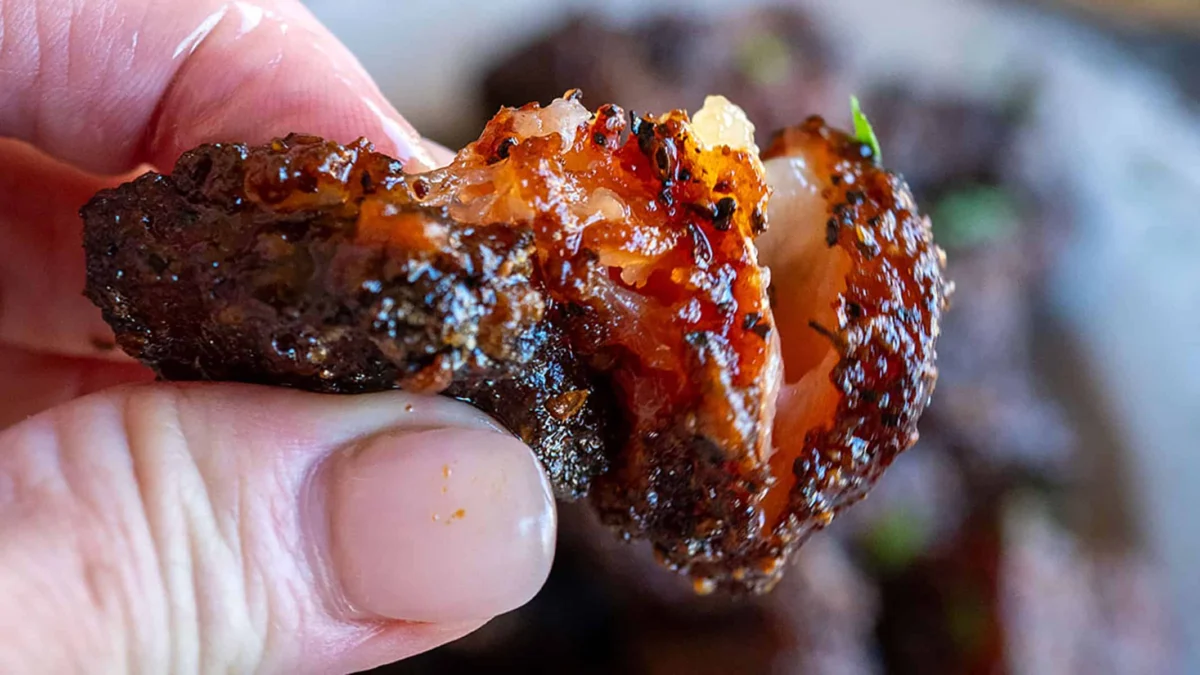
The realm of barbecue is constantly evolving, with pitmasters and home cooks alike seeking to innovate and enhance beloved classics. A prime example of this culinary evolution is the emergence of "Pastrami Pork Belly Burnt Ends." This inventive dish takes the rich, unctuous appeal of traditional pork belly burnt ends and infuses it with the bold, peppery, and tangy profile characteristic of pastrami, creating a flavor experience that is both familiar and excitingly novel.

At its core, this recipe reimagines the concept of burnt ends, which historically originated as the flavorful, caramelized trimmings from a smoked brisket point. Today, the term has broadened to encompass any cubed, slow-cooked meat that is sauced and finished to achieve a sticky, tender perfection. By substituting traditional brisket trimmings with cured and smoked pork belly, and by embracing a pastrami-inspired preparation, this dish offers a deeper, more complex flavor profile than a standard barbecue rub might provide.
The Genesis of a Fusion Flavor

The development of Pastrami Pork Belly Burnt Ends is attributed to a commitment to refining cured meat preparations on the smoker, drawing from years of competitive barbecue experience. While pastrami is traditionally crafted from beef, the foundational brine and rub, rich with coriander and black pepper, translate remarkably well to the fattier, more tender canvas of pork belly. This fusion not only retains the signature pastrami crust but also capitalizes on the inherent richness and melt-in-your-mouth texture that pork belly is celebrated for.
This culinary innovation requires meticulous planning, with a lead time of several days dedicated to brining and curing the pork belly. This multi-day process is crucial for allowing the flavors to penetrate the meat and for developing the desired texture and depth. The recipe typically involves a six-day brining period, followed by a day of curing, before the meat is ready for the smoker.

The Process: A Detailed Breakdown
The creation of Pastrami Pork Belly Burnt Ends is a multi-stage process that emphasizes patience and precision:

Step 1: The Pastrami Brine
The initial phase involves preparing a pastrami brine. This typically includes dissolving a specialized pastrami brine mix into water. Once cooled, the cubed pork belly is submerged in this brine, often within a meat preparation bag, and refrigerated for approximately six days. This extended brining period is essential for imparting the characteristic cured flavor and ensuring the meat remains moist during the smoking process.
Step 2: Rinsing and Curing
Following the brine, the pork belly cubes are thoroughly rinsed under cold water to remove excess salt. They are then seasoned generously with a pastrami rub, which is key to achieving that distinctive peppery and coriander-forward crust. For the cure to properly set, the seasoned pork belly is placed on a rack set over a rimmed sheet pan and refrigerated, uncovered, for one full day. This uncovered curing period allows the surface of the meat to dry slightly, which aids in the formation of a superior crust when it eventually hits the smoke.

Step 3: The Low and Slow Smoke
With the curing complete, the pork belly is ready for the smoker. The smoker is preheated to a temperature of 225°F (107°C) and set up for indirect heat. The pork belly, still on its rack, is placed directly onto the smoker grates and allowed to smoke for approximately three hours. This slow smoking process imparts a deep, smoky flavor and begins to render the fat, contributing to the meat’s succulence.
Step 4: Braising in a Rich Glaze
After the initial smoking period, the pork belly is transferred to an aluminum half pan. A flavorful glaze is then added, typically a combination of butter, hot mustard, and honey. The pan is covered, and the pork belly is returned to the smoker for about 45 minutes. This braising stage allows the meat to absorb the rich flavors of the glaze and ensures it reaches the ideal tender internal temperature, generally between 205-210°F (96-99°C).

Step 5: Finishing Touches and Glaze Setting
The final step involves uncovering the pan and tossing the pork belly to ensure each piece is thoroughly coated in the luscious glaze. The pan is then placed back into the smoker, uncovered, for an additional 15 minutes. This brief, open-air cook helps to set the glaze, creating a sticky, caramelized finish that is characteristic of exceptional burnt ends. Vigilance is key during this stage, as the honey in the glaze can quickly transition from perfectly caramelized to scorched if not monitored closely.
Nutritional Insights and Serving Suggestions

The nutritional profile of Pastrami Pork Belly Burnt Ends reflects their rich composition. A typical serving (approximately 6 servings per recipe) can contain around 936 calories, with a significant portion derived from fat (92g), including substantial amounts of saturated (37g) and monounsaturated fats (41g). Carbohydrates are relatively low at 13g, while protein stands at 16g. The dish also contains moderate amounts of sodium (837mg) and cholesterol (139mg).
These decadent morsels are versatile in their presentation. As a main course, they pair exceptionally well with comforting sides that can soak up the rich glaze, such as creamy grits or mashed potatoes. For appetizer occasions or party spreads, they can be served directly from the pan, allowing guests to easily access them with toothpicks, offering a delightful finger-food experience.

Storage and Longevity
Leftover Pastrami Pork Belly Burnt Ends can be stored in an airtight container in the refrigerator for up to five days. For longer preservation, they can be frozen for up to six months. Reheating is best achieved in a microwave or an air fryer to restore their optimal texture and warmth.

The Broader Context of Culinary Innovation
The rise of dishes like Pastrami Pork Belly Burnt Ends reflects a broader trend in the culinary world towards cross-pollination of flavors and techniques. Chefs and home cooks are increasingly looking beyond traditional boundaries to create novel taste experiences. The success of this specific fusion can be seen as a testament to the enduring appeal of both pork belly and pastrami, and the ingenuity of combining their best attributes.

This approach not only appeals to adventurous palates but also offers a way to engage with familiar flavors in a new context. It encourages experimentation and pushes the boundaries of what is considered traditional in barbecue and cured meat preparation. The detailed planning and multi-step process involved also highlight the dedication and skill required to achieve truly exceptional results in modern barbecue.
Frequently Asked Questions
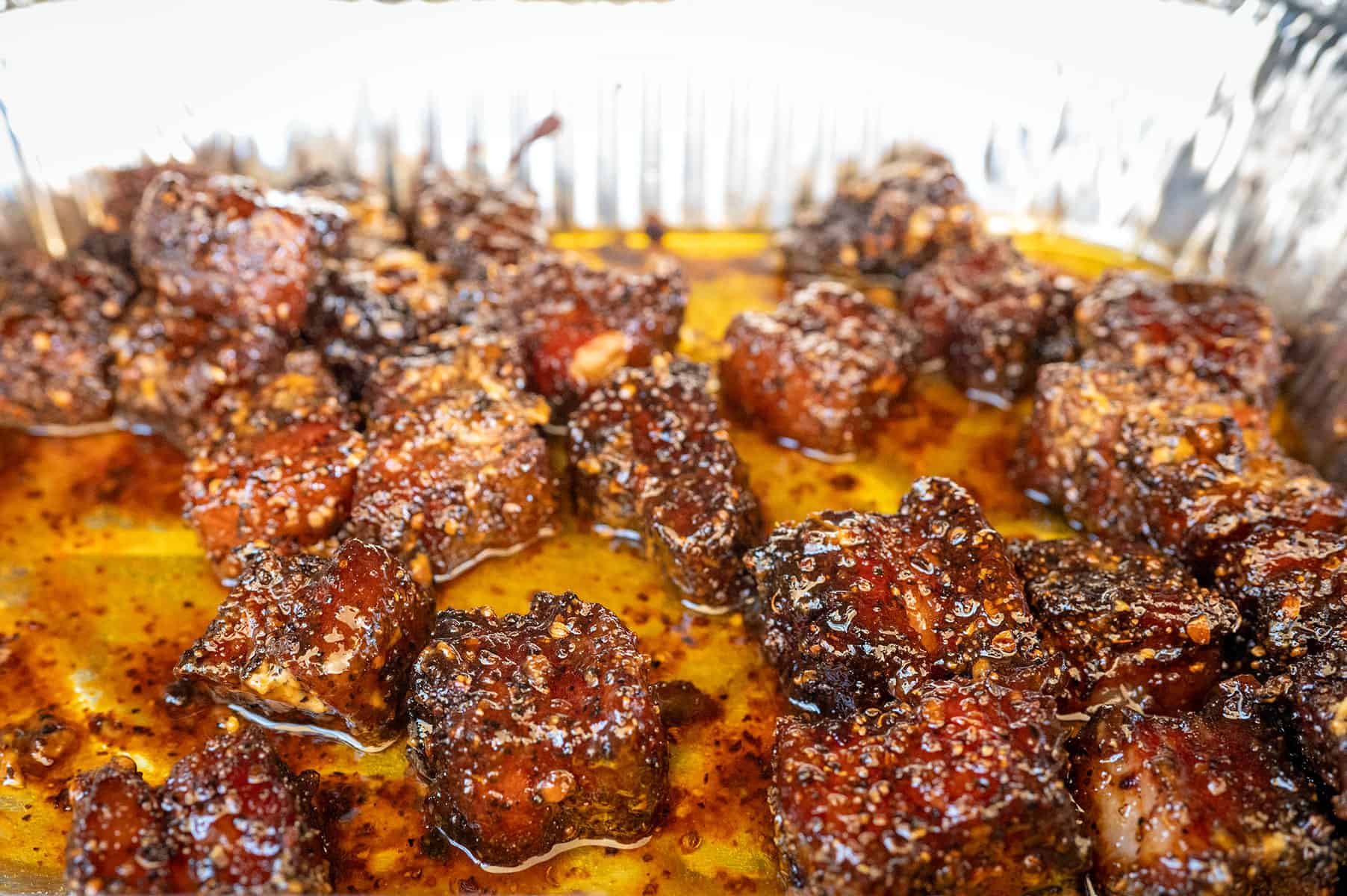
A common query regarding this dish is its distinction from regular burnt ends. The key difference lies in the preparation: the use of a pastrami brine and rub infuses the pork belly with the signature peppery and coriander notes of pastrami, setting it apart from the typically barbecue-rubbed variety.
For those pressed for time, skipping the brining step is an option, but it will significantly alter the flavor profile. A shorter brine can still impart some cured flavor, but the full six-day process yields the most authentic pastrami character. Alternatively, a dedicated barbecue pork belly burnt ends recipe can be explored for a quicker preparation.

Substitutions for the hot mustard in the glaze are also frequently sought. Yellow mustard, Dijon mustard, or even a favorite barbecue sauce can be used to achieve a similar sticky glaze, offering a degree of flexibility for home cooks.
The enduring popularity of such inventive dishes suggests a continued appetite for culinary exploration and the elevation of classic comfort foods. As pitmasters and home cooks alike continue to experiment, the landscape of barbecue and smoked meats promises to remain dynamic and flavorful for years to come.


