
The production of infused herbal oils represents a foundational discipline in the field of botanical medicine and natural aesthetics, serving as the primary medium for extracting therapeutic compounds from plant matter into a stable, lipid-based delivery system. This process, known scientifically as maceration, allows for the transfer of lipophilic (oil-soluble) constituents—including essential oils, resins, flavonoids, and fat-soluble vitamins—from the plant cell wall into a carrier oil. As the global market for organic personal care continues its rapid expansion, projected to reach a valuation of approximately $32 billion by 2030, the resurgence of interest in traditional infusion techniques reflects a broader consumer shift toward transparency, sustainability, and the "clean beauty" movement. For the aspiring herbalist or formulator, understanding the nuances of oil selection, moisture management, and extraction methodology is essential for creating shelf-stable products such as salves, body butters, and therapeutic creams.
The Scientific Basis and Market Context of Botanical Extractions
The efficacy of an infused herbal oil is dictated by the chemical compatibility between the plant material and the chosen solvent. Unlike essential oils, which are produced through steam distillation and represent highly concentrated volatile compounds, infused oils provide a whole-plant extract that includes a wider spectrum of the plant’s therapeutic properties. According to data from the American Herbalists Guild, the topical application of infused oils can facilitate the absorption of antioxidants and anti-inflammatory agents directly through the dermal layers, making them highly effective for localized treatment.
The growth of the DIY herbalism sector is fueled by a desire to bypass the synthetic preservatives, artificial fragrances, and petroleum-based derivatives common in commercial skincare. By controlling the production process from harvest to infusion, practitioners ensure the purity of the final product. This trend is supported by a 2023 consumer report indicating that over 65% of skincare users now prioritize products with "recognizable botanical ingredients," highlighting a significant opportunity for small-scale producers and home herbalists alike.
A Chronology of the Infusion Process: From Foraging to Final Product
The creation of high-quality herbal oils follows a strict seasonal and procedural timeline. Understanding this chronology is vital for maximizing the potency of the botanical extracts.
Phase I: Seasonal Harvesting and Foraging
The cycle begins with the strategic collection of plant material. Spring and summer are the primary seasons for gathering aerial parts and blossoms.
- Spring: Practitioners often focus on early-growth herbs such as chickweed and dandelion, which are prized for their cooling and skin-softening properties.
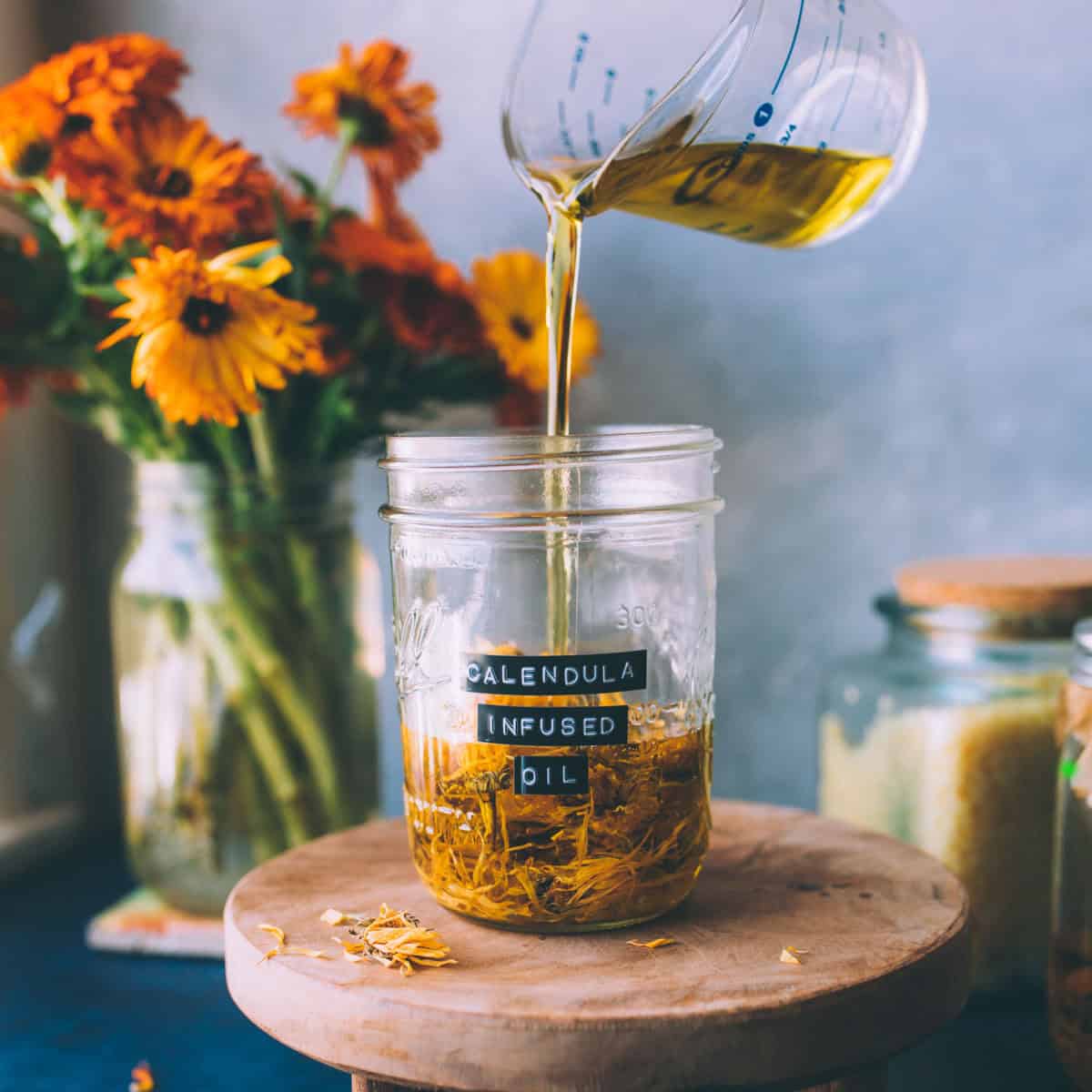
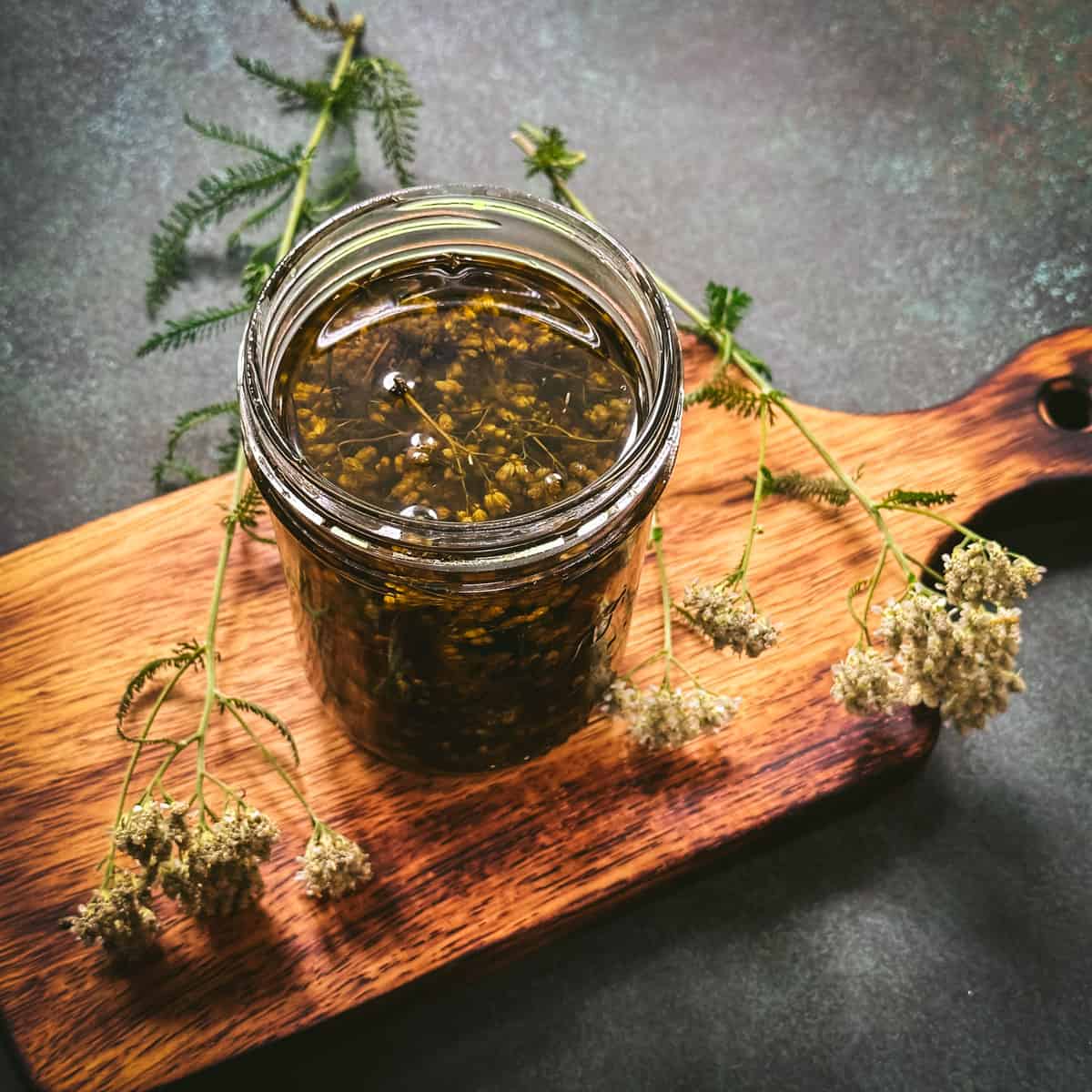
- Summer: This is the peak season for flowering herbs like lavender, calendula, yarrow, and St. John’s wort. During this window, the concentration of active resins and essential oils is typically at its highest.
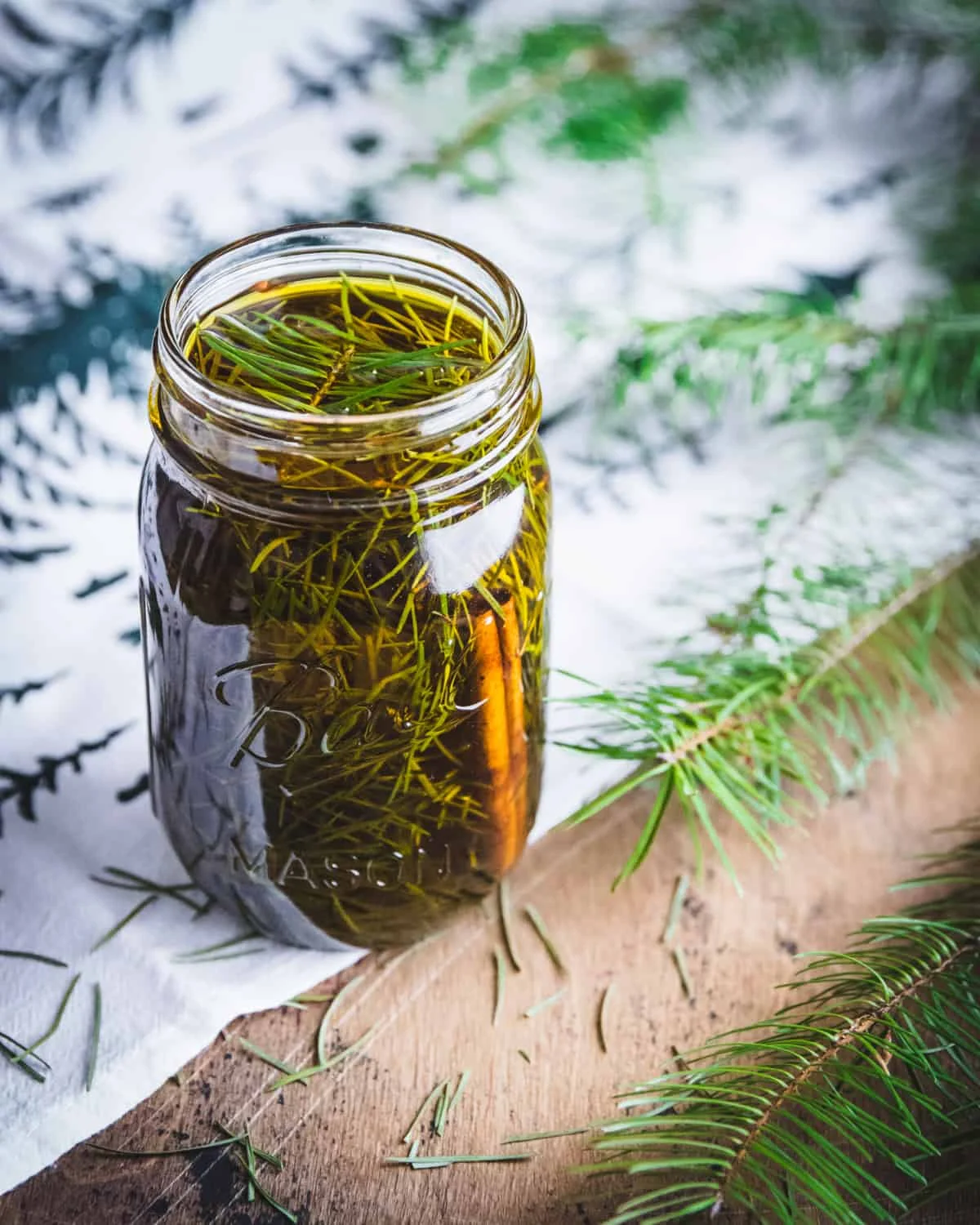
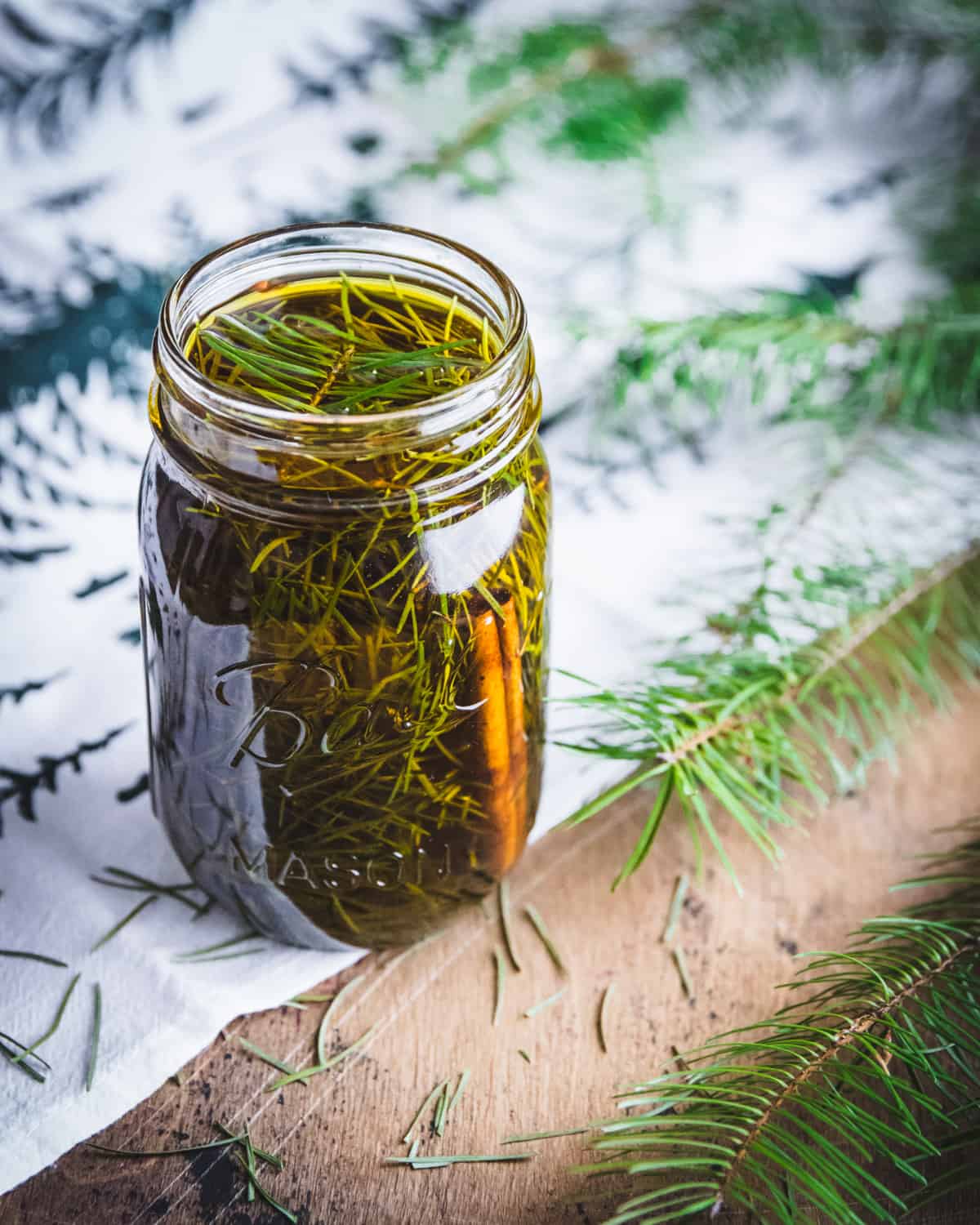
- Fall and Winter: The focus shifts to more resilient materials. Conifer needles (pine, fir, spruce) and rose hips provide high levels of Vitamin C and antimicrobial resins during the colder months.
Phase II: The Desiccation Standard
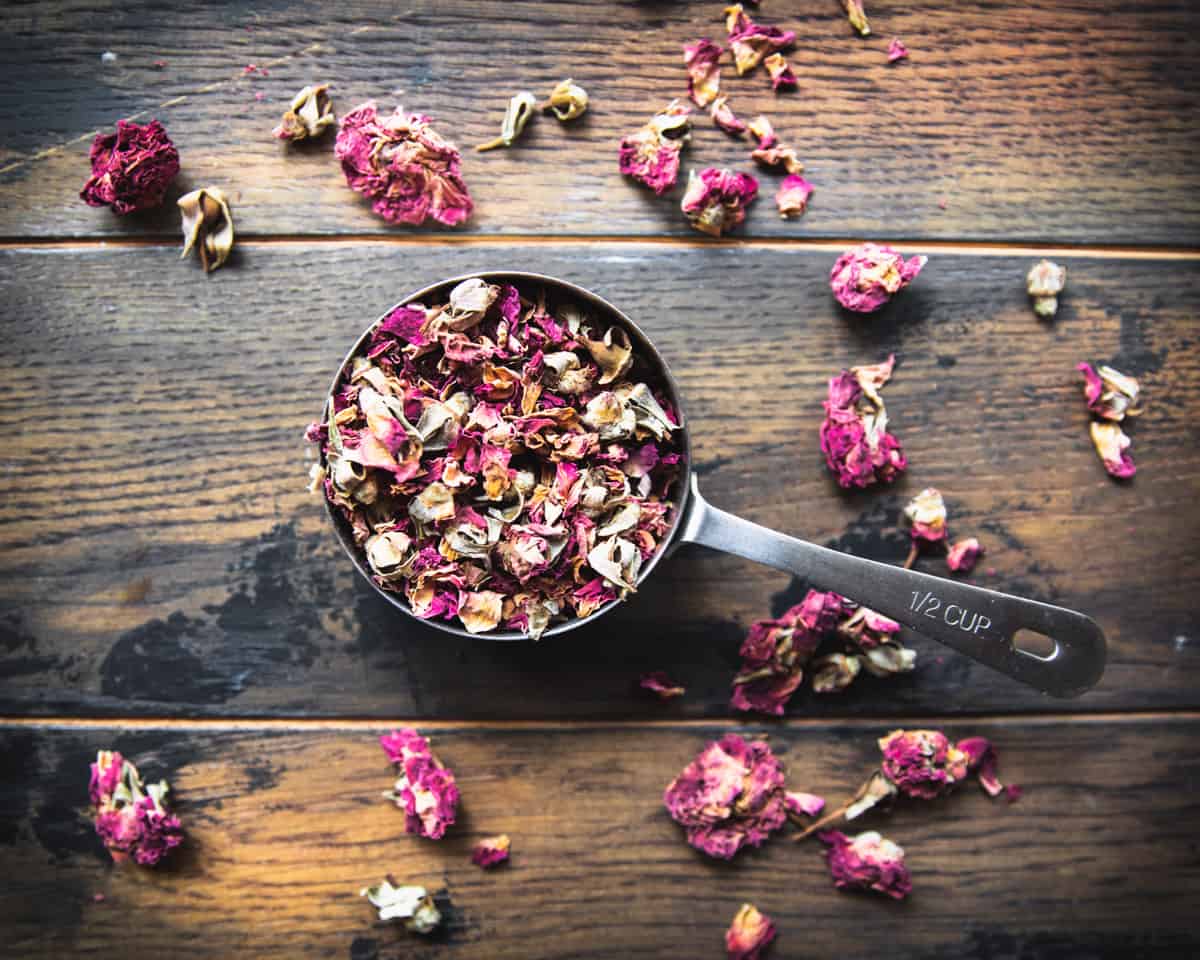
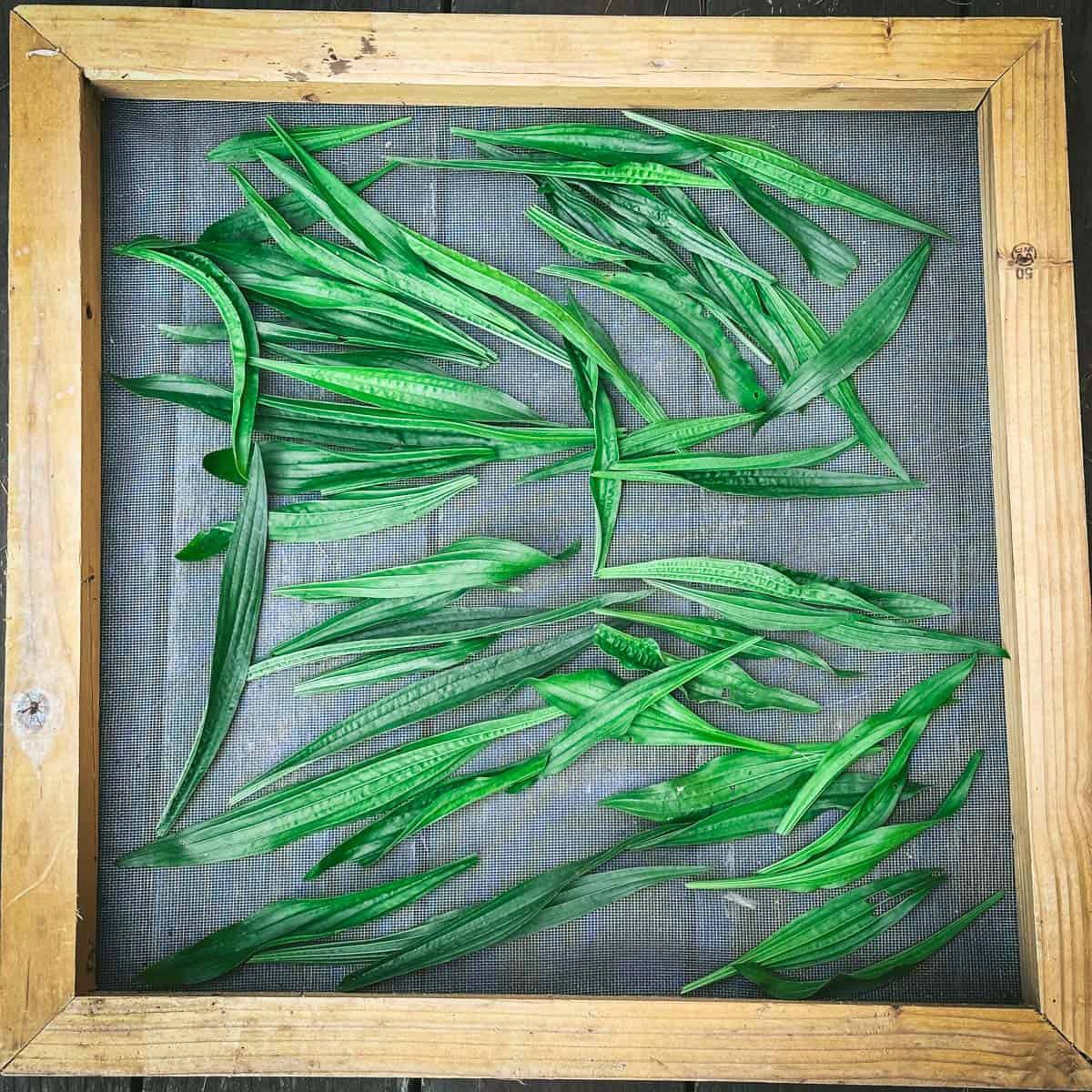
A critical step in the chronology is the drying of the plant material. The presence of water is the primary catalyst for microbial growth and rancidity in oil-based preparations. Herbalists emphasize that plant material should be "bone dry" or, in the case of certain moisture-rich plants like St. John’s wort or chickweed, wilted for at least 24 to 48 hours to reduce water activity (aw) before immersion.
Phase III: The Maceration Period
The duration of the infusion depends entirely on the chosen method. The traditional "Cold Infusion" method requires a four-to-six-week commitment, allowing for a slow, gentle extraction that preserves the most heat-sensitive compounds. Conversely, "Quick Heat" methods can compress this timeline into 12 to 24 hours using controlled environmental temperatures.
The Selection of Carrier Oils: A Comparative Analysis
The choice of carrier oil—the solvent in the infusion process—is as significant as the herbs themselves. Each oil possesses a unique fatty acid profile, absorption rate, and shelf life.
- Olive Oil (Olea europaea): Widely considered the industry standard for herbal infusions, olive oil is rich in oleic acid and antioxidants like Vitamin E. Its relatively long shelf life and stable chemical structure make it ideal for the long maceration periods required in cold infusions.
- Sweet Almond Oil (Prunus dulcis): Favored for facial applications, this oil is lightweight and non-comedogenic. It is often used in blends to improve the "slip" and absorption of the final product.
- Coconut Oil (Cocos nucifera): High in saturated fats, coconut oil is highly resistant to oxidation. It is particularly effective for the "Solar Method" of infusion, as it can withstand slightly higher temperatures without going rancid.
- Jojoba Oil (Simmondsia chinensis): Technically a liquid wax, jojoba closely mimics human sebum. It is highly stable and provides an excellent medium for herbs intended for hair or scalp treatments.
Primary Methodologies for Herbal Oil Infusion
There are three recognized techniques for transferring botanical properties into carrier oils, each with specific advantages and risk factors.
The Cold Infusion Method (The Professional Gold Standard)
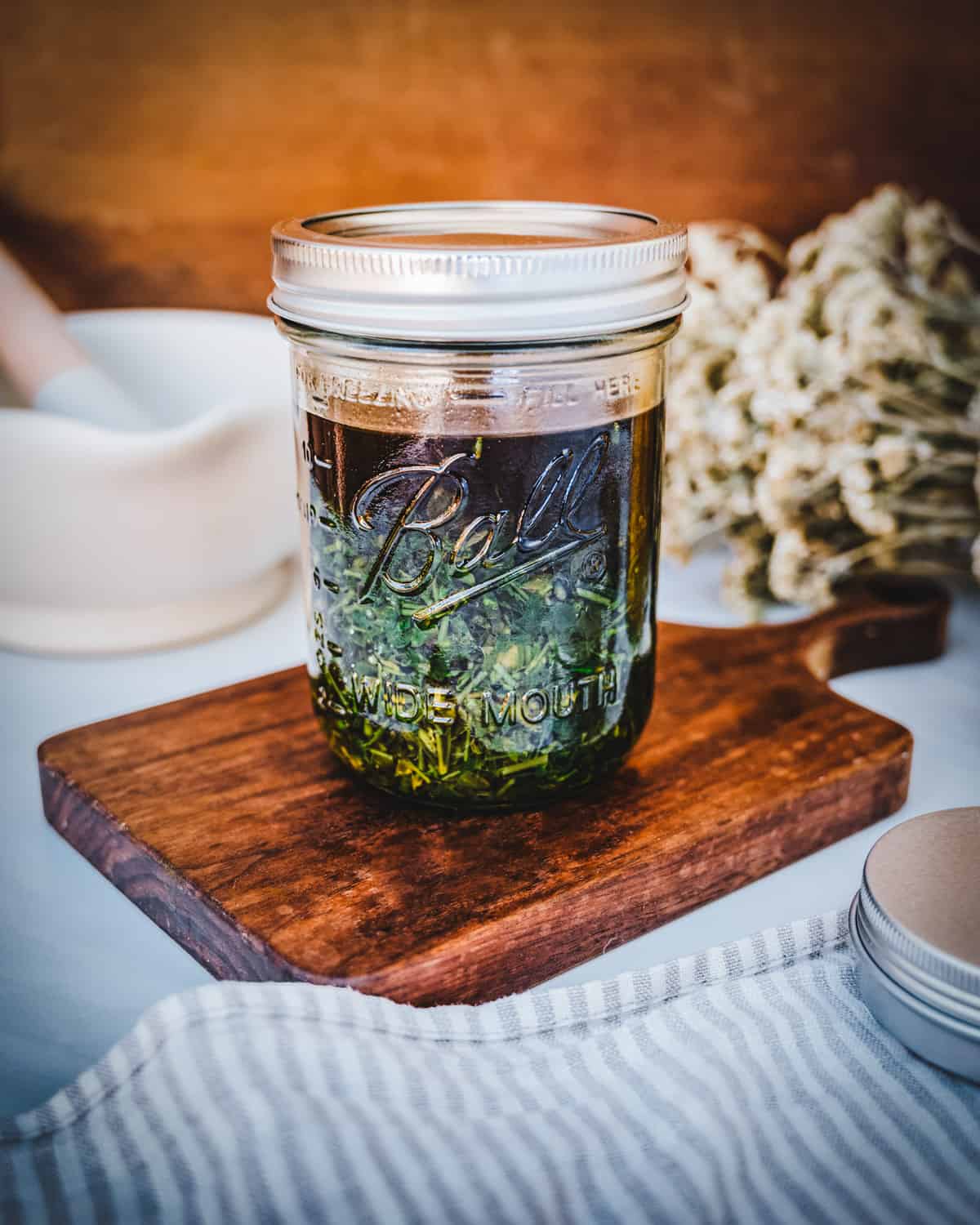
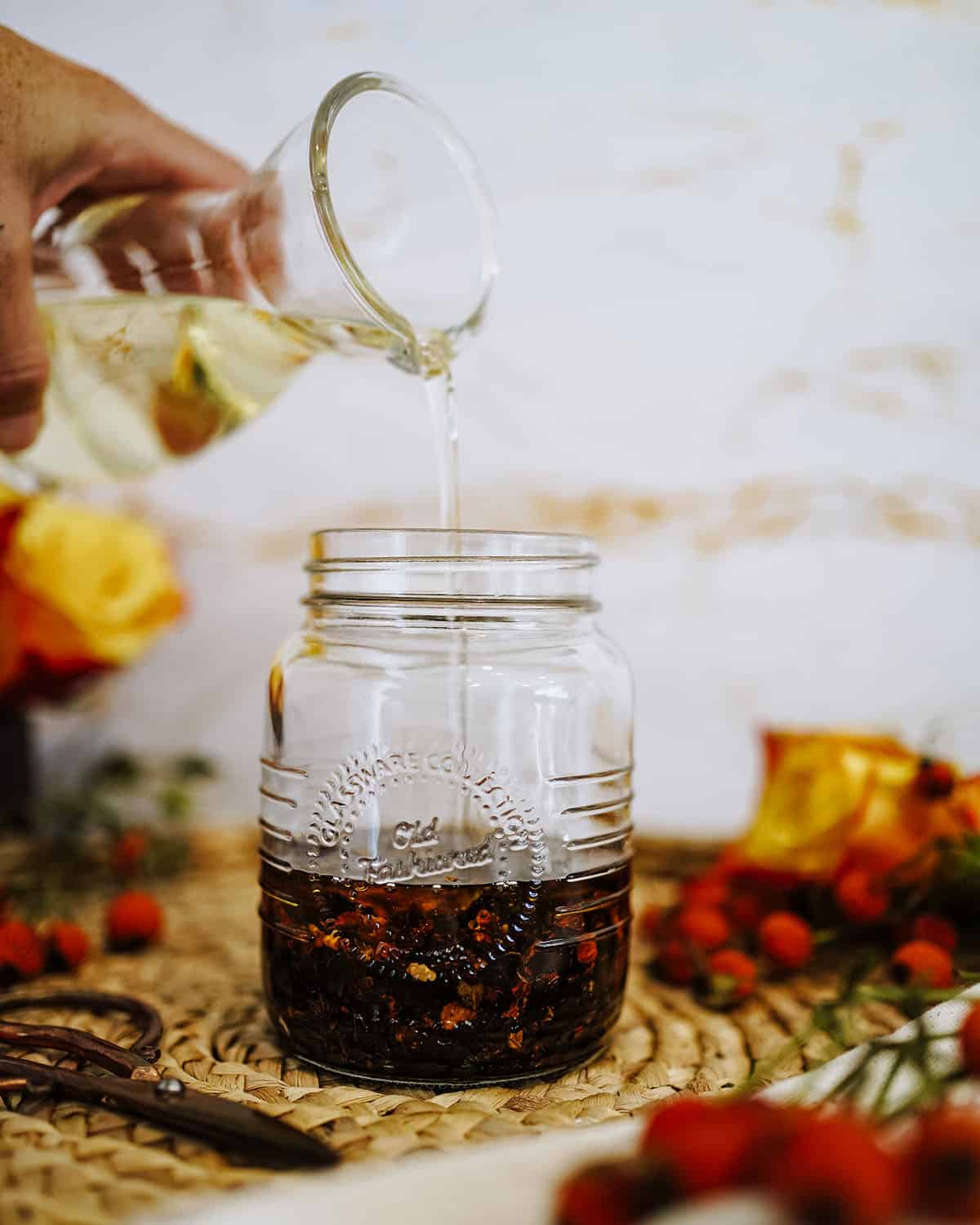
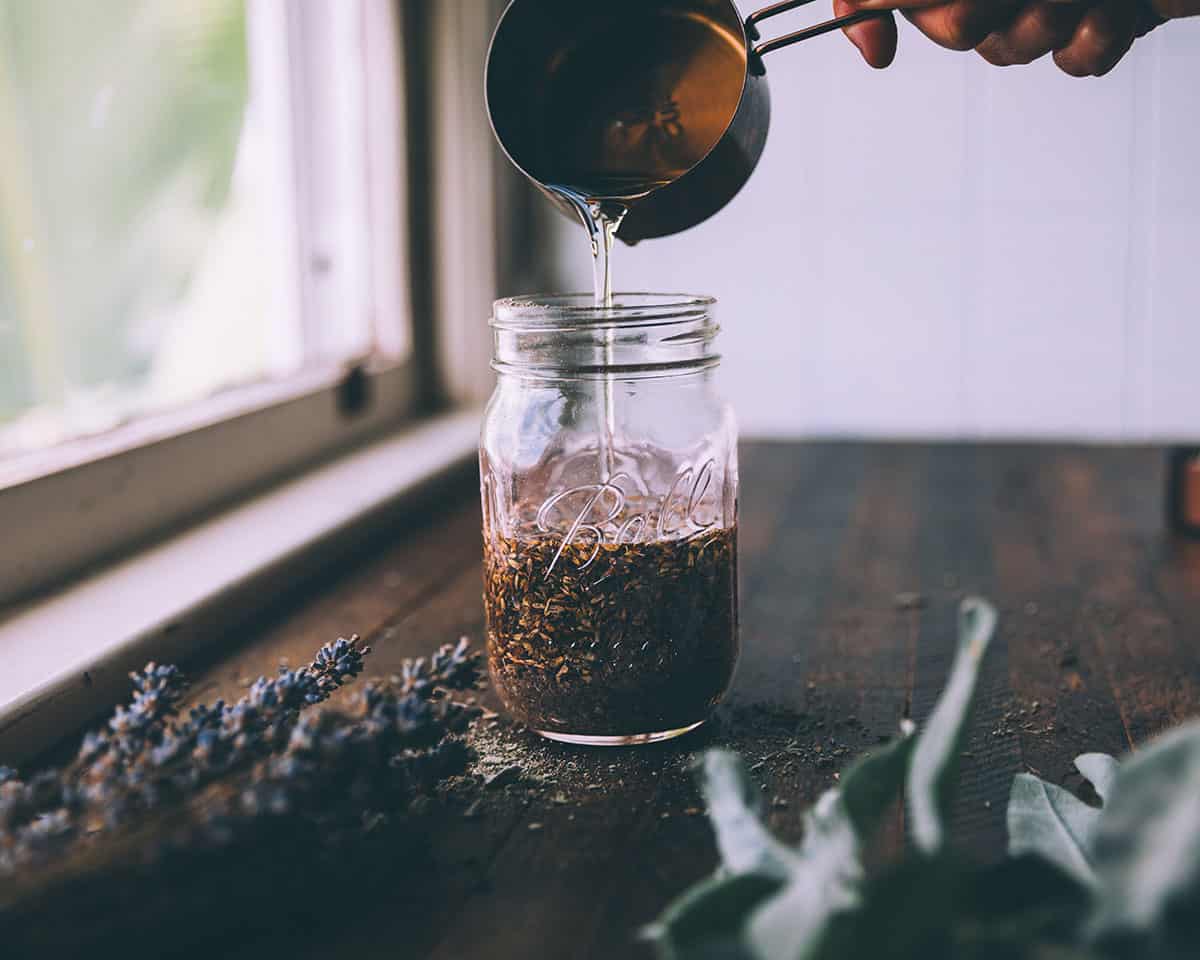
The cold infusion method is the most traditional and is preferred for delicate flowers and herbs. The process involves placing dried herbs in a sterile glass jar, covering them completely with the carrier oil (maintaining a one-to-two-inch headspace of oil above the herbs), and storing the vessel in a cool, dark place.
- Advantages: Preserves volatile oils and prevents heat-induced degradation of the carrier oil.
- Risks: High risk of spoilage if any moisture remains in the herbs. Practitioners must ensure the jar is agitated daily to prevent the settling of plant matter.
The Quick Heat Method (The Accelerated Extraction)
For practitioners requiring immediate results or working with fresh/wilted material, the heat method utilizes a double boiler, a slow cooker, or a box-style dehydrator.
- Technical Specifications: The oil temperature must be strictly maintained between 100°F and 110°F. Temperatures exceeding 120°F risk "cooking" the herbs, which destroys therapeutic enzymes and alters the aromatic profile.
- Duration: 12 to 24 hours of consistent, low-level heat. This method is particularly effective for resins and tough plant parts like conifer needles or roots.
The Solar Infusion Method (Environmental Extraction)
This method involves placing the infusion in a sunny windowsill to harness the heat of the sun. While popular in folk traditions, modern botanical science often cautions against this technique for most oils.
- Analysis: Ultraviolet (UV) radiation and fluctuating heat can cause rapid photo-oxidation, leading to rancidity in unsaturated oils like almond or flaxseed. If utilized, this method is best reserved for stable, saturated fats and herbs that specifically require UV activation, such as St. John’s wort.
Quality Control, Safety, and Preservation
The integrity of an infused oil is maintained through rigorous quality control measures. Once the infusion period is complete, the oil must be strained through multiple layers of cheesecloth or a fine mesh sieve to remove all particulate matter. Residual plant material can act as a substrate for bacterial growth.
To extend the shelf life of the final extract, herbalists often add a 0.5% to 1% concentration of Vitamin E (tocopherol) as a natural antioxidant to slow the oxidation process. Proper storage is equally vital; oils should be kept in amber or cobalt glass bottles to shield the contents from light and stored in a temperature-controlled environment. Properly prepared infused oils typically remain viable for six to twelve months, depending on the stability of the carrier oil used.
Broader Implications for Healthcare and Sustainability
The practice of creating infused herbal oils extends beyond personal vanity; it represents a move toward medical self-sufficiency and environmental stewardship. By utilizing locally foraged or home-grown herbs, individuals reduce the carbon footprint associated with the global supply chain of synthetic skincare.
Furthermore, the integration of these oils into clinical settings—such as using calendula-infused oils for radiation-induced dermatitis or arnica oils for musculoskeletal recovery—highlights the therapeutic relevance of these preparations. Medical professionals increasingly acknowledge the value of "complementary" botanical topicals when they are prepared under standardized, hygienic conditions.
Conclusion
The art of herbal oil infusion is a bridge between ancient botanical wisdom and modern dermatological needs. By adhering to the scientific principles of moisture control, temperature regulation, and oil stability, the practitioner can transform simple garden plants into sophisticated therapeutic agents. As the industry continues to pivot toward natural solutions, the mastery of these fundamental extraction techniques remains the cornerstone of effective, sustainable, and safe body care formulation. Whether for the professional herbalist or the home enthusiast, the process of infusion remains a vital skill in the pursuit of holistic wellness and botanical excellence.


