Botanical Profile and Global Distribution
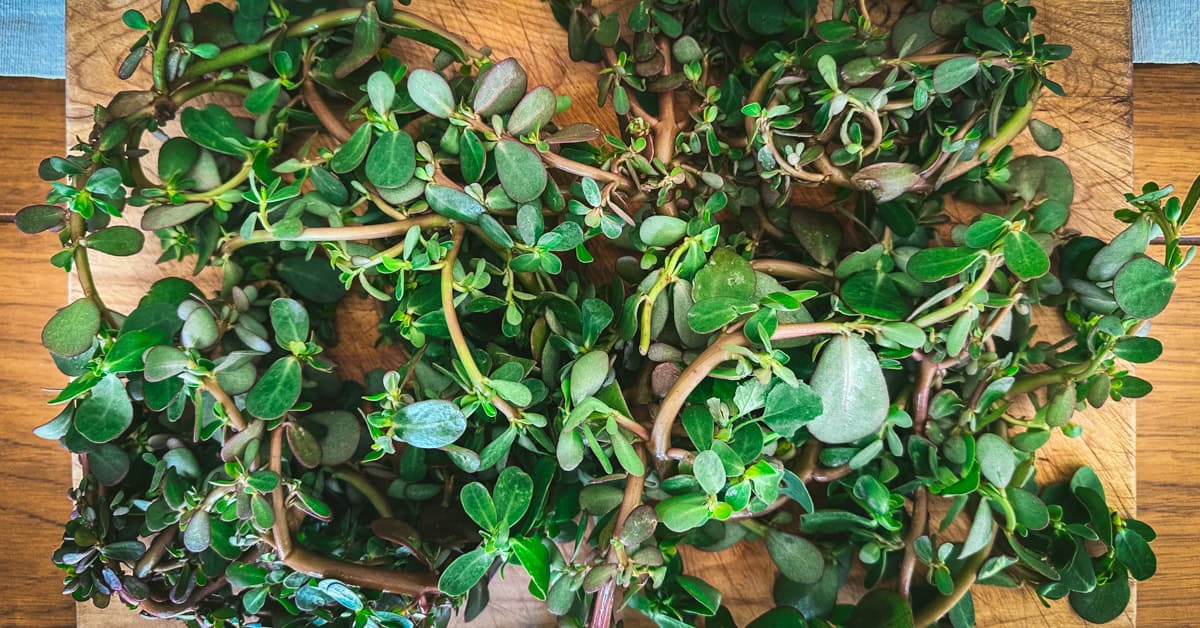
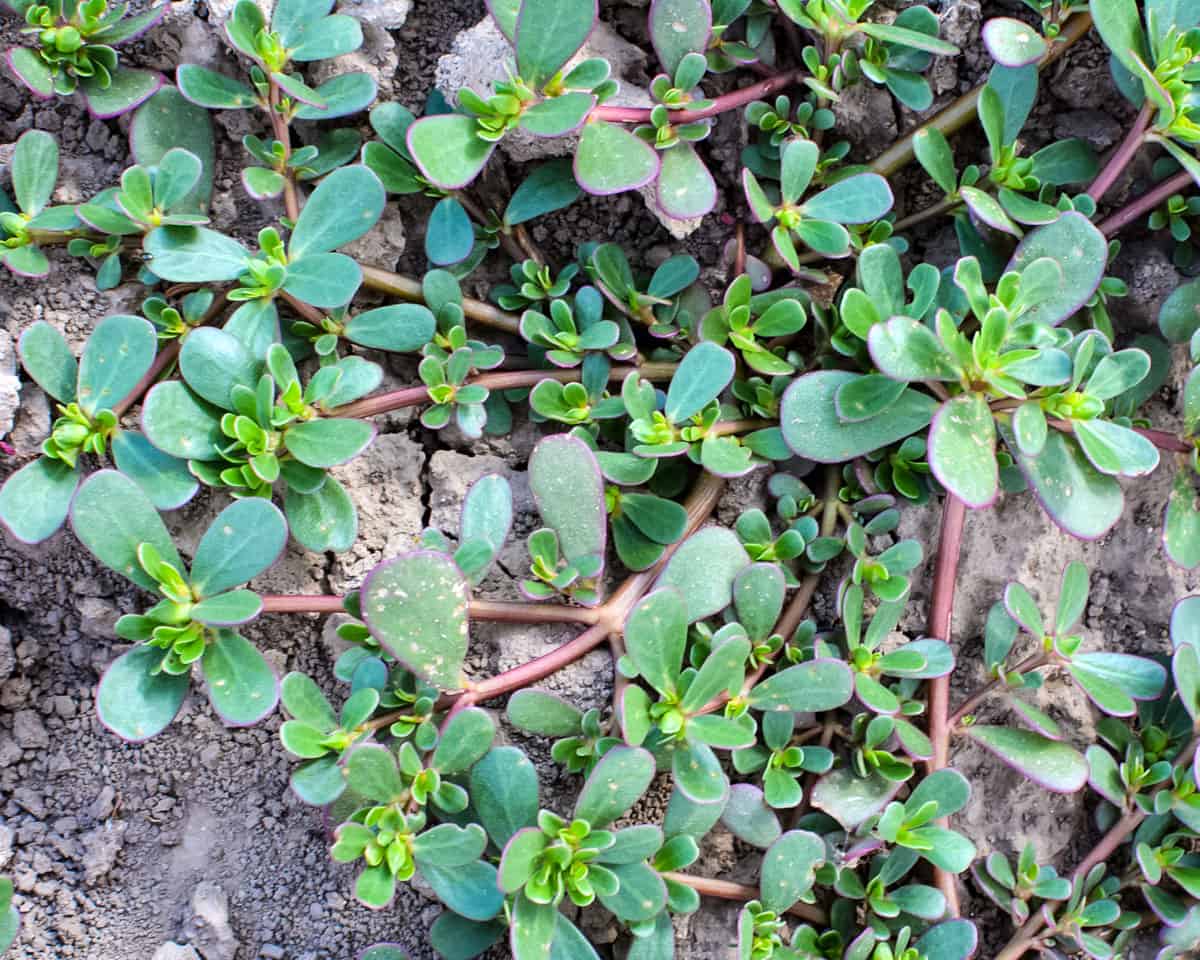
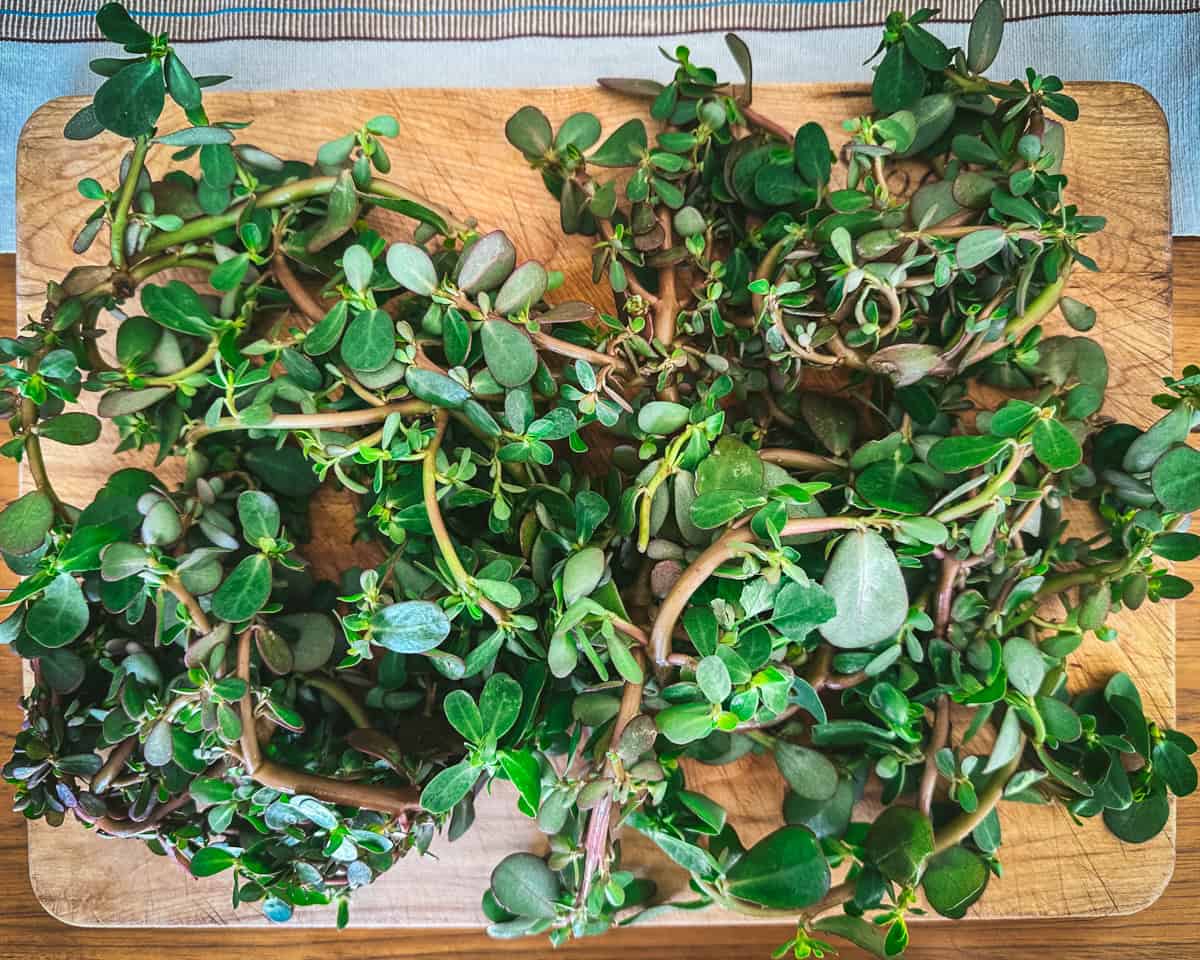
Purslane, scientifically known as Portulaca oleracea, is a member of the Portulacaceae family. It is a hairless, succulent annual that can grow up to 40 centimeters in height, though it often adopts a prostrate growth habit, spreading across the ground in a mat-like fashion. Its ability to thrive in disturbed soils, sidewalk cracks, and arid environments is attributed to its unique metabolic flexibility; the plant utilizes both C4 and Crassulacean Acid Metabolism (CAM) photosynthetic pathways. This allows it to remain productive during high-heat periods and conserve water during droughts, making it one of the most successful colonizing plants on the planet.
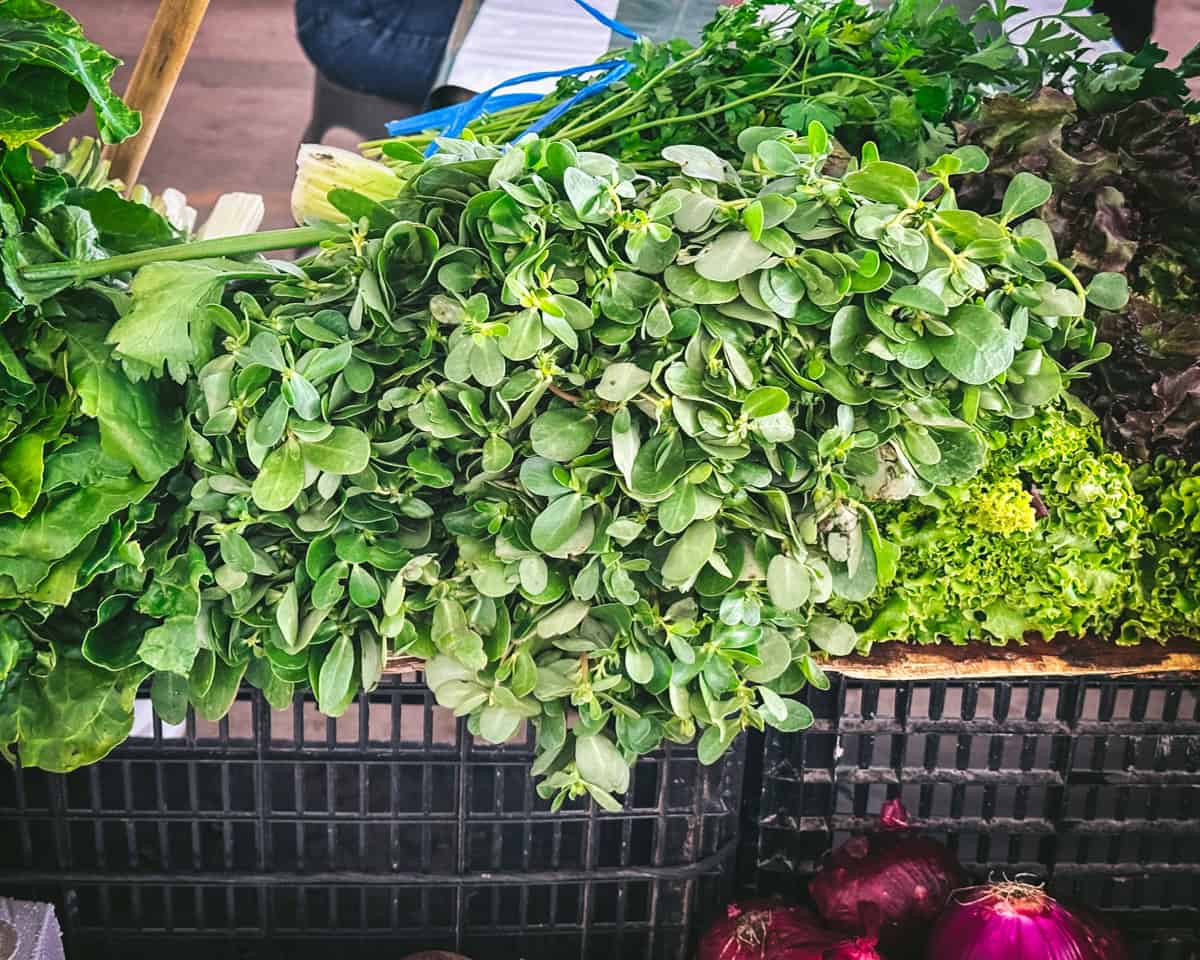
While its exact origin remains a subject of botanical debate—with some evidence pointing to North Africa and others to the Indian subcontinent—purslane has been naturalized globally. In Mexico, where it is known as verdolagas, it is a celebrated vegetable found in nearly every open-air market (mercado). In the United States and Europe, it is often found volunteering in vegetable gardens and fields, though it is increasingly being cultivated intentionally by small-scale organic farmers who recognize its high market value among health-conscious consumers.
Nutritional Data and Public Health Significance
The primary driver behind the renewed interest in purslane is its extraordinary nutritional profile. Scientific research, including studies published in the Journal of the American College of Nutrition, has identified purslane as one of the richest green vegetable sources of alpha-linolenic acid (ALA), an essential omega-3 fatty acid. This is particularly significant given that omega-3s are typically found in fish oils and flaxseeds; providing a leafy green source offers a critical alternative for vegetarians and those with limited access to marine proteins.
Beyond healthy fats, purslane is a concentrated source of several key vitamins and minerals. Data indicates that a 100-gram serving provides:
- Vitamin A: Approximately 1,320 IU (44% of the Daily Value), essential for vision and immune function.
- Vitamin C: Approximately 21 mg (35% of the DV), a powerful antioxidant.
- Magnesium and Potassium: Essential minerals for cardiovascular health and blood pressure regulation.
- Melatonin: Purslane contains high levels of this hormone, which regulates sleep-wake cycles, a rarity in the plant kingdom.
Furthermore, the plant contains two types of betalain alkaloid pigments: the reddish betacyanins and the yellow betaxanthins, both of which have been shown to possess potent anti-mutagenic and antioxidant properties.
The Chronology of Harvest and Preparation
The lifecycle of purslane begins in the late spring and early summer when soil temperatures reach approximately 70°F (21°C). The plant matures rapidly, often reaching a harvestable size within four to six weeks of germination.
Foraging and Selection
The optimal time for foraging purslane is in the morning, as the plant’s malic acid content—which provides its signature tangy flavor—is highest after the cool of the night. As the day progresses and temperatures rise, the acid content decreases, leading to a milder taste. Expert foragers emphasize the importance of identifying the plant correctly, as it has a toxic look-alike known as "hairy spurge" (Euphorbia humistrata). Spurge can be distinguished by its thinner stems and the milky white sap it exudes when broken, whereas purslane stems are thick, succulent, and produce clear sap.
Culinary Processing
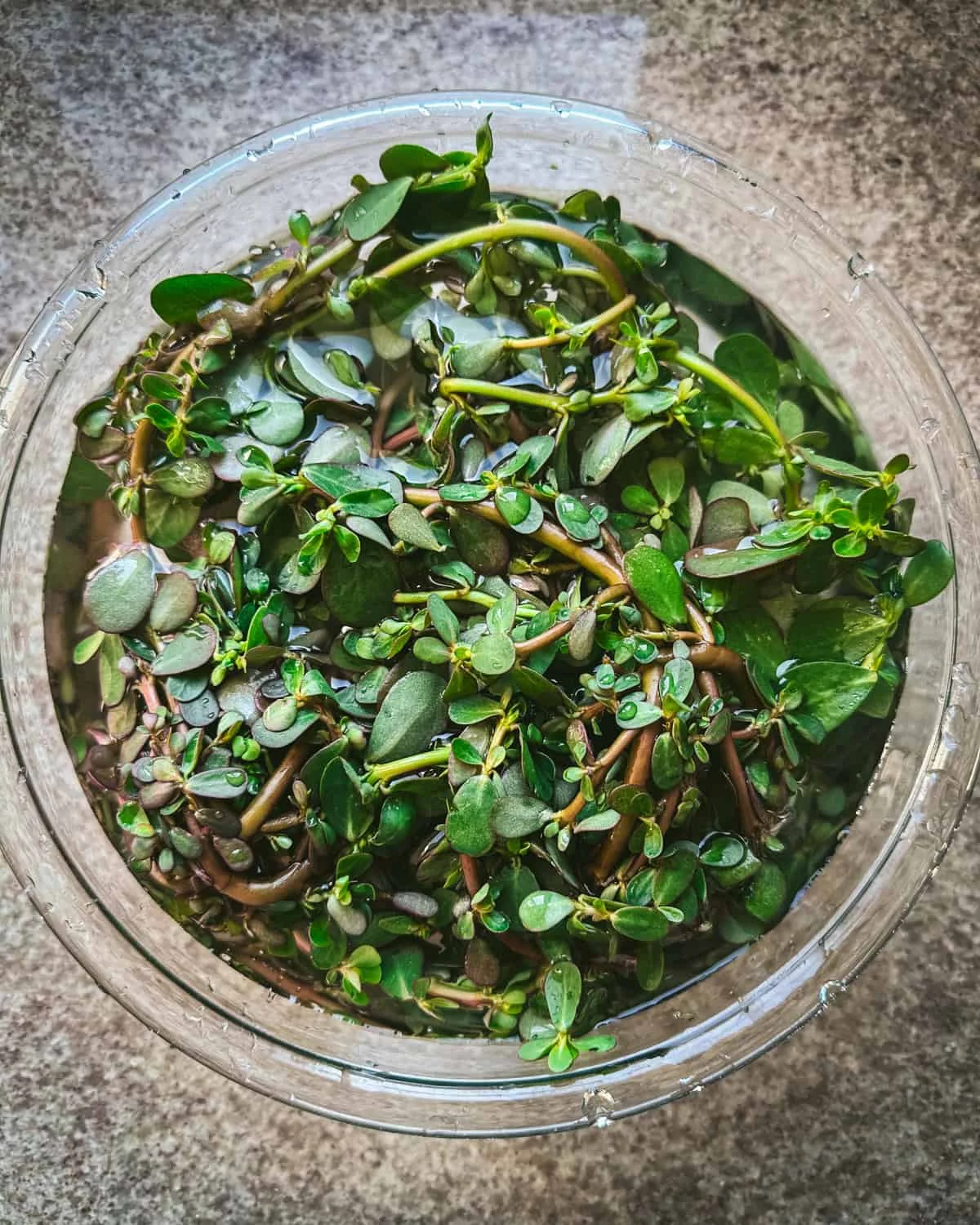
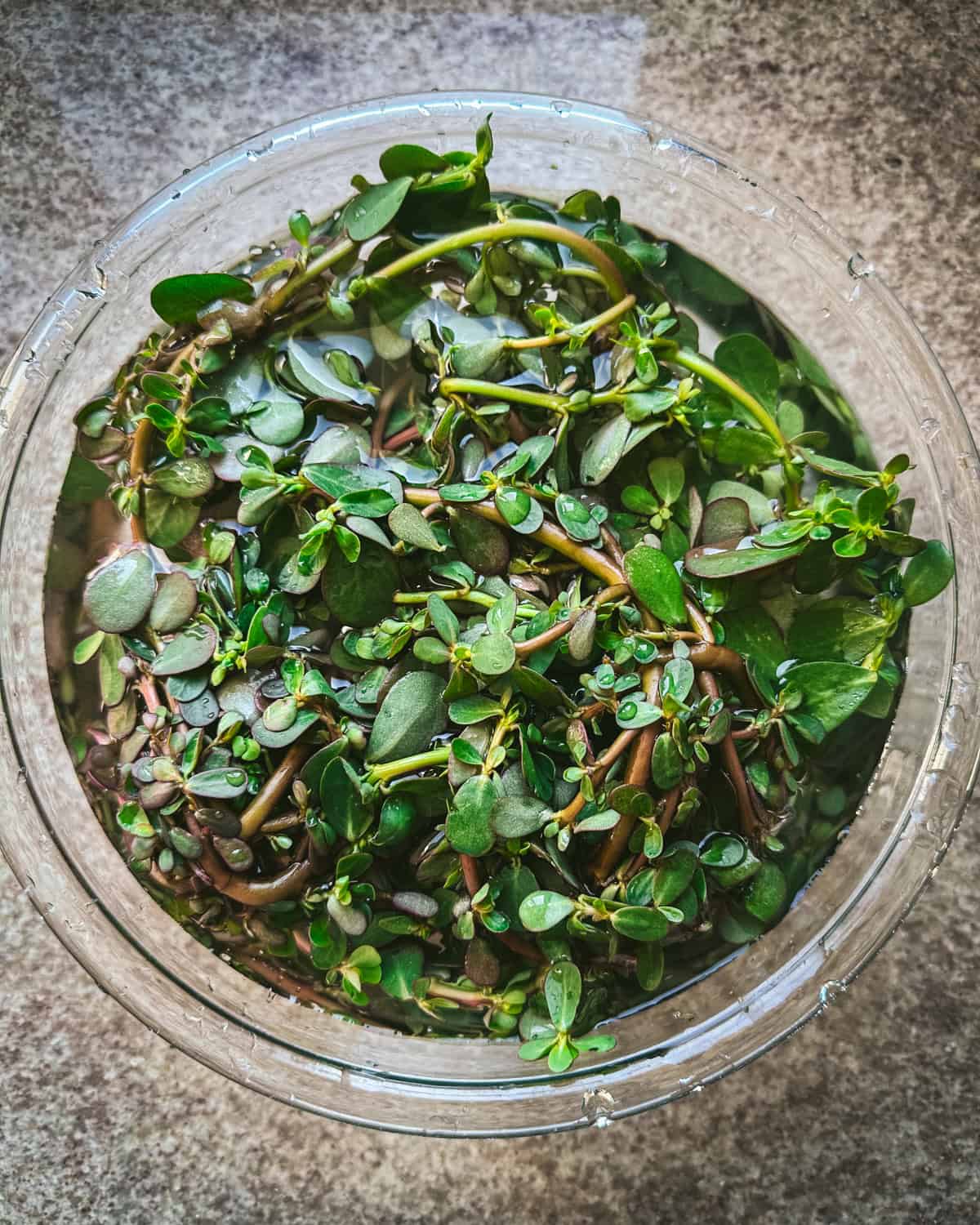
The transition from field to table requires thorough cleaning. Because purslane grows close to the ground, it often traps grit and soil within its dense clusters of leaves.
- Hydration and Cleaning: Culinary professionals recommend a deep-water soak to allow sediment to fall to the bottom of the basin.
- Trimming: While the entire plant is edible, older, woodier stems near the root base are typically discarded in favor of the tender upper stems and leaves.
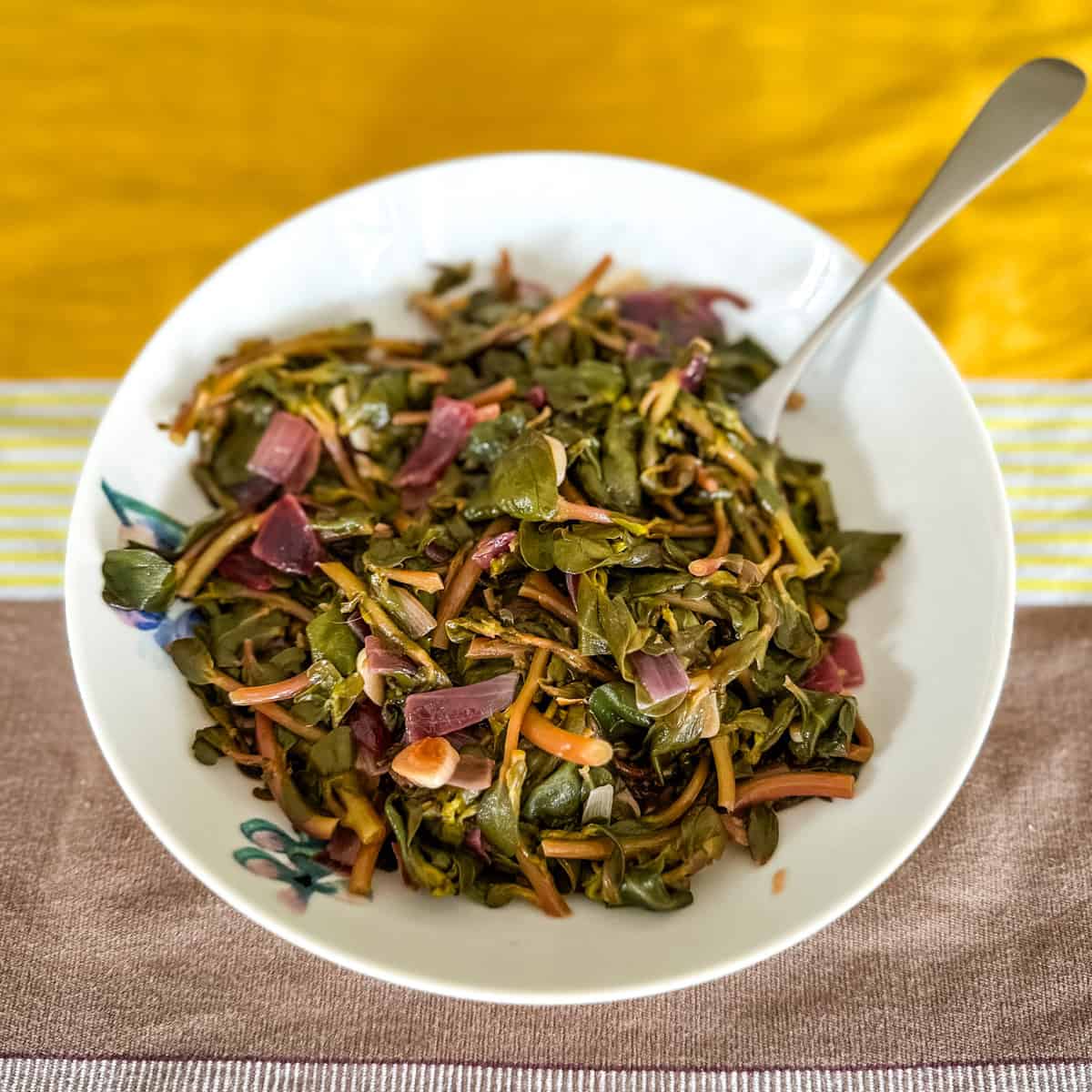
- The Sauté Technique: Sautéing is the preferred method for preserving the plant’s texture. Unlike spinach, which wilts into a soft mass, purslane retains a slight "crunch" due to its succulent nature.
The Standard Sautéed Purslane Recipe
The traditional Mexican preparation of verdolagas focuses on simplicity to highlight the plant’s natural acidity and peppery undertones.

Ingredients and Specifications:
A standard batch typically utilizes one large bunch of purslane (approx. 500g), two tablespoons of extra virgin olive oil or avocado oil, half of a red or white onion (finely diced), two to three cloves of sliced garlic, and the juice of one fresh lemon.
Execution:
The process begins by heating the oil over medium heat. The aromatics—onion and garlic—are translucentized for approximately three minutes. The chopped purslane is then added to the skillet. Because of its high water content, the pan is often covered for five to six minutes, allowing the plant to steam in its own juices. The final step involves adding salt and a generous splash of lemon juice. The resulting dish is tender but structurally sound, offering a flavor profile reminiscent of a cross between watercress and spinach with a hint of citrus.

Cultural and Economic Context
In Mexico, verdolagas are more than a side dish; they are a cultural identifier. They are frequently integrated into complex stews, such as Verdolagas con Cerdo (purslane with pork) in a green salsa made of tomatillos and serrano peppers. The plant’s mucilaginous properties act as a natural thickener for soups and sauces, similar to okra.
From an economic perspective, purslane represents a low-input, high-yield crop. It requires no pesticides, minimal water, and thrives in poor soil. Agricultural analysts suggest that as climate change renders traditional leafy greens like lettuce more difficult to grow in warming regions, purslane could serve as a drought-tolerant alternative for commercial agriculture.
Safety Protocols and Environmental Analysis
While foraging is a sustainable practice, it carries specific risks that must be managed. Journalistic investigation into urban foraging highlights two primary concerns:
- Chemical Exposure: Purslane found in sidewalk cracks or near roadways may be contaminated with lead from old paint or exhaust, as well as herbicides sprayed by municipal maintenance crews. Foragers are advised to harvest only from areas known to be free of chemical treatments.
- Oxalates: Like spinach and beets, purslane contains oxalates, which can contribute to the formation of kidney stones in susceptible individuals. Boiling the plant and discarding the water can reduce oxalate levels, though sautéing remains the most popular method for flavor retention.
Broader Implications for Food Security
The promotion of purslane from "weed" to "vegetable" reflects a broader shift in global food policy. Organizations such as the Food and Agriculture Organization (FAO) of the United Nations have long advocated for the use of "neglected and underutilized species" (NUS) to combat malnutrition. Purslane’s ability to grow in marginal lands makes it a candidate for "urban agriculture" initiatives designed to provide fresh produce to food deserts.
By revaluing species like Portulaca oleracea, society can diversify the global food basket, reducing reliance on a handful of monocultured crops. The sautéed purslane recipe is, therefore, more than a culinary trend; it is an entry point into a more resilient and biodiverse food system. As more chefs and home cooks embrace this "power food," the line between the garden and the wild continues to blur, proving that some of the most nutritious resources are those that have been under our feet all along.