
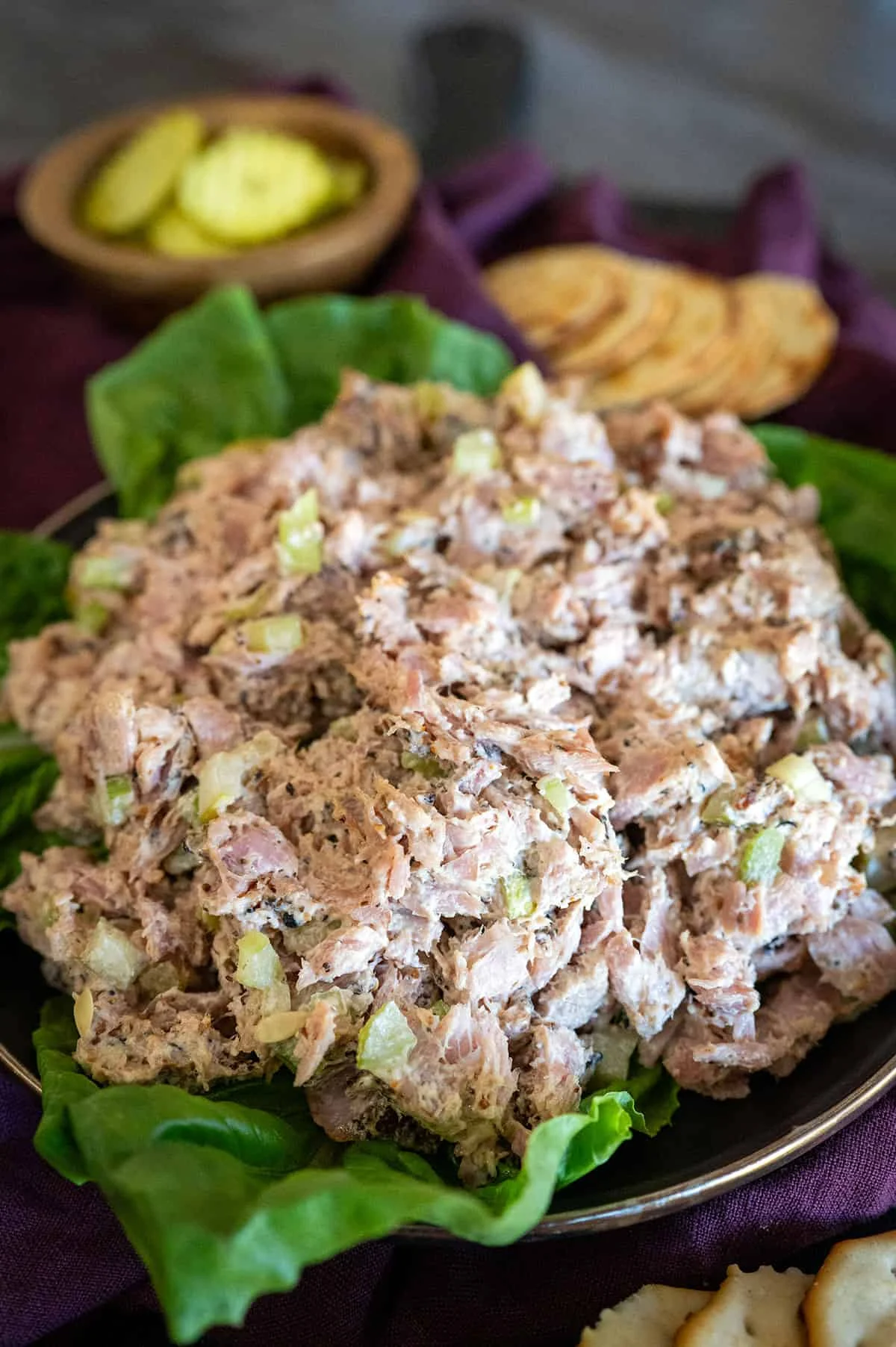
The culinary world is constantly evolving, with chefs and home cooks alike seeking innovative ways to reimagine familiar flavors. In a groundbreaking development for seafood enthusiasts and deli aficionados, a new preparation method is emerging that transforms the humble tuna steak into a pastrami-inspired delicacy. This "tuna pastrami" technique, pioneered by grilling expert Christie Vanover of Girls Can Grill, eschews the traditional beef brisket curing process in favor of brining and seasoning fresh tuna steaks, followed by a rapid, high-heat grill. The result is a smoky, peppery, and subtly tangy tuna that can be enjoyed sliced on its own or transformed into an unparalleled tuna salad. This innovative approach is poised to redefine expectations for both seafood and deli-style sandwiches.
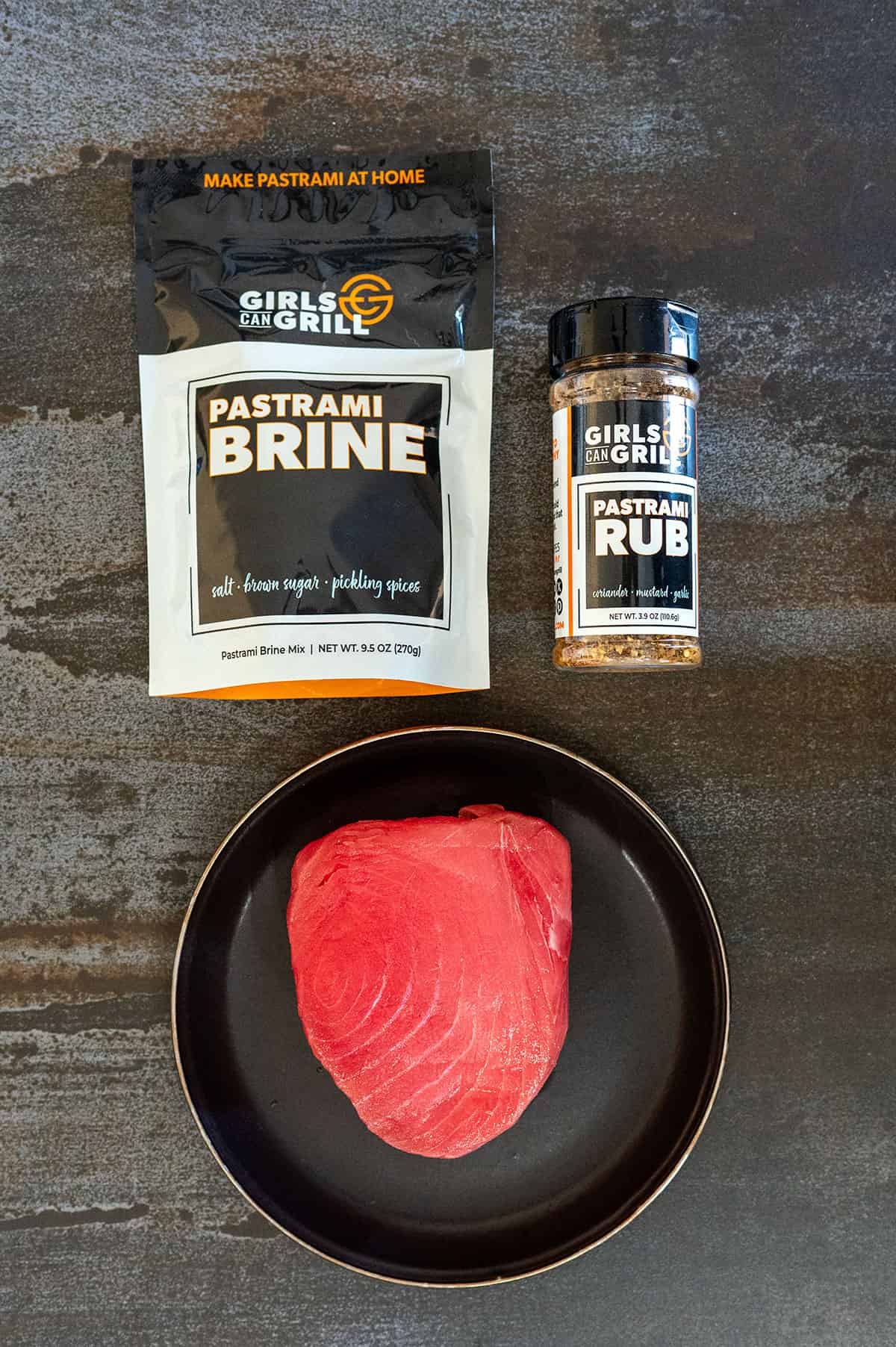
The genesis of tuna pastrami lies in Vanover’s extensive experience with grilling and barbecue. Having spent years perfecting grilled tuna salad recipes, she sought to imbue the fish with the robust, complex flavors characteristic of traditional pastrami. "Instead of curing beef brisket like classic pastrami," Vanover explains, "I brine and season fresh tuna steaks with my Girls Can Grill Pastrami Rub, then grill them hot and fast." This method leverages the firm texture of tuna steaks, such as Ahi or yellowfin, which are well-suited to this high-heat cooking process. The key lies in the brine, which imbues the fish with moisture and a foundational savory profile, followed by the pastrami rub – a blend of spices typically found in beef pastrami, including black pepper, coriander, and paprika, which contribute to the signature smoky and peppery notes.
The Process: From Brine to Grill
The creation of tuna pastrami is a multi-step process that requires advance planning, akin to traditional pastrami preparation.

Step 1: The Brining Stage
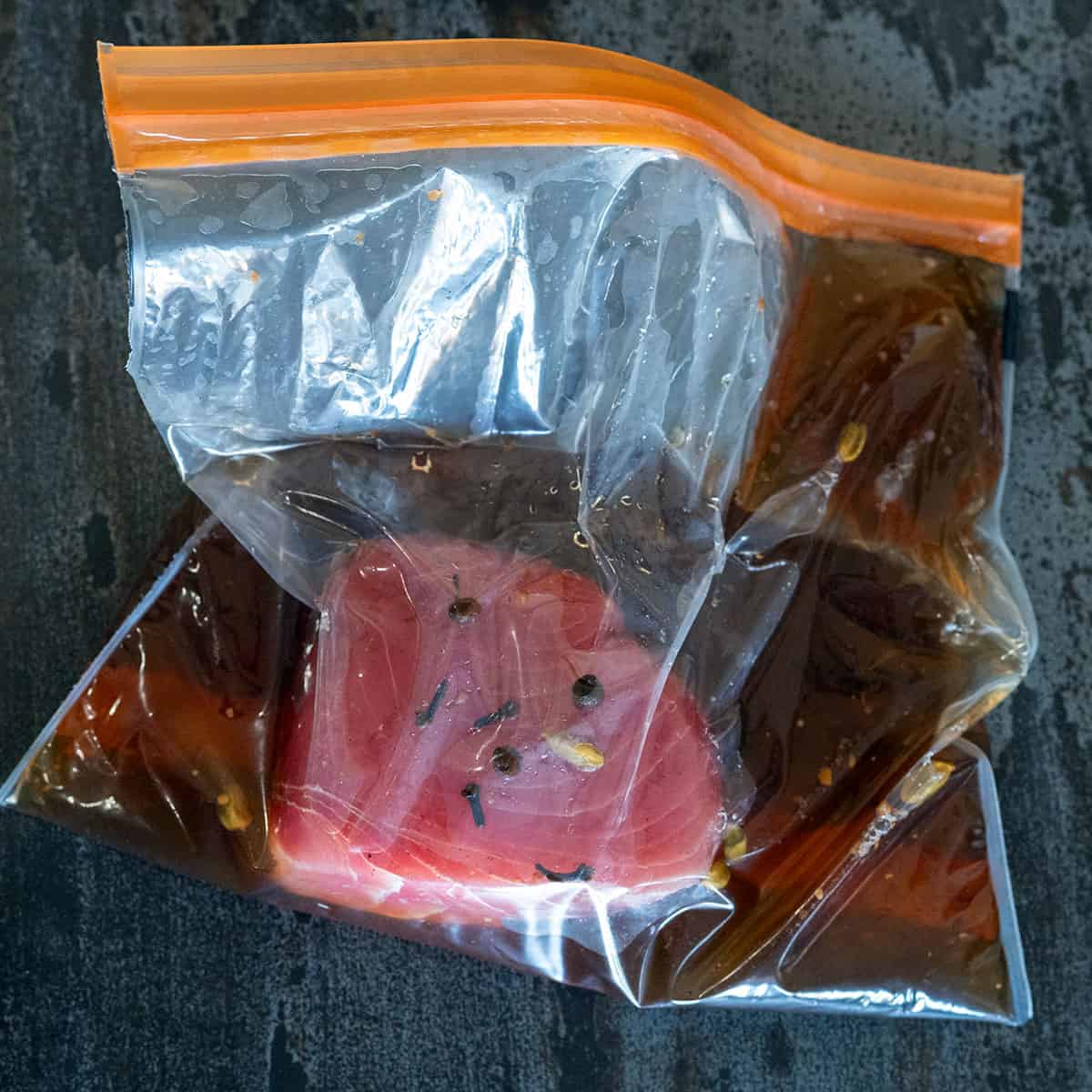
The initial phase involves brining the tuna steaks. A custom pastrami brine, designed to complement the delicate flavor of tuna while imparting the desired savory depth, is prepared. The tuna steaks are then submerged in this brine, ensuring complete coverage. This is typically done in a sealed bag, either a meat preparation bag or a heavy-duty zip-top bag, with all air removed to maximize contact. The brined tuna is then refrigerated for a minimum of two days. This extended brining period allows the flavors to penetrate the fish and tenderize its texture, a crucial step in mimicking the characteristics of cured meats.
Step 2: Seasoning and Preparation
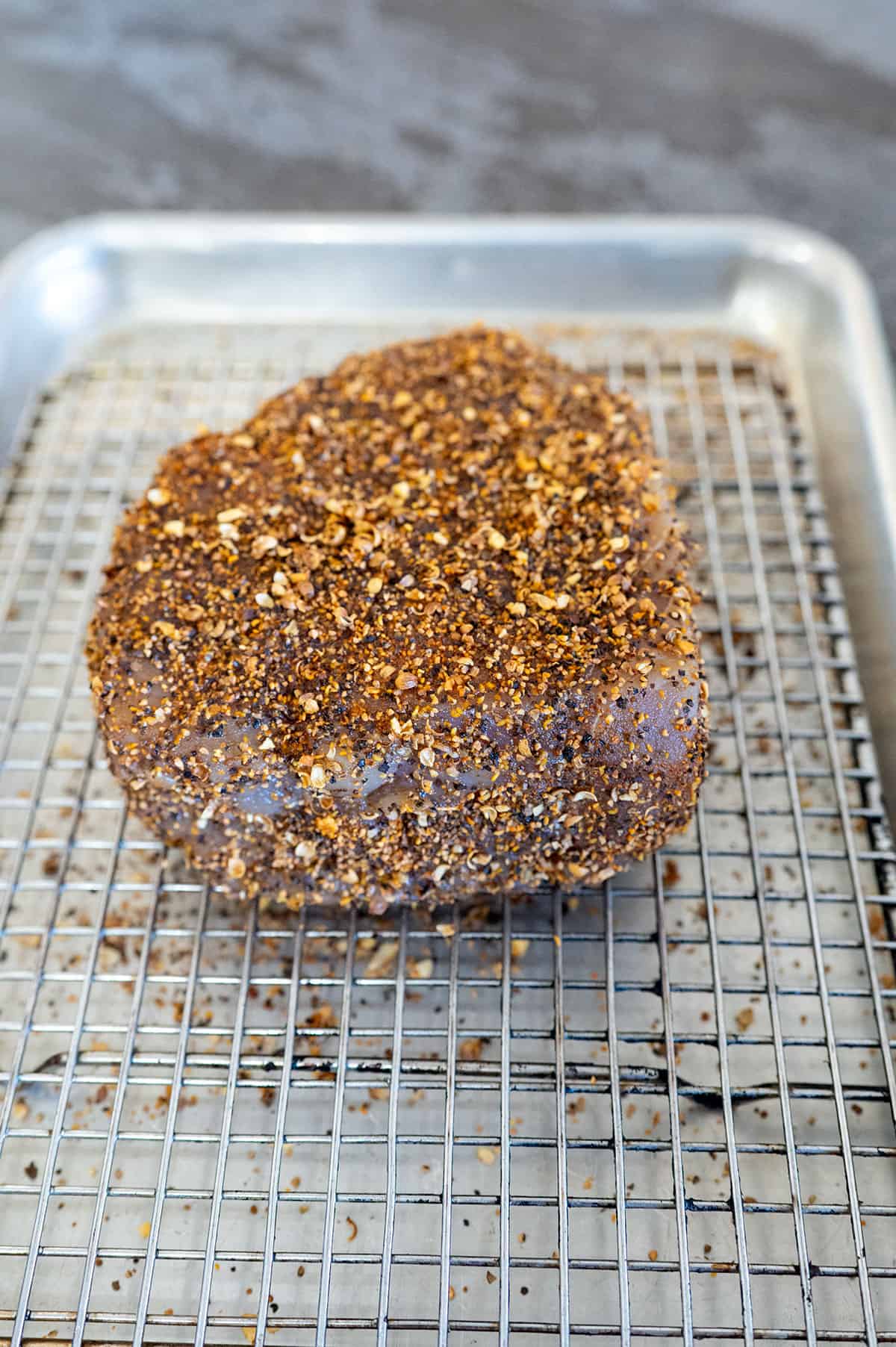
Following the brining period, the tuna steaks are removed from the brine and thoroughly rinsed under cool water. This rinsing step is essential to remove any excess salt and prevent the fish from becoming too salty during the cooking process. The steaks are then liberally seasoned with a pastrami rub. This rub is the heart of the pastrami flavor, providing the characteristic peppery, smoky, and slightly sweet notes. After seasoning, the tuna steaks are placed on a rack set over a pan. This setup allows for air circulation, which is vital for developing a slight crust when grilling. The seasoned tuna is then refrigerated for a few additional hours, allowing the rub to adhere and further meld with the fish.
Step 3: High-Heat Grilling
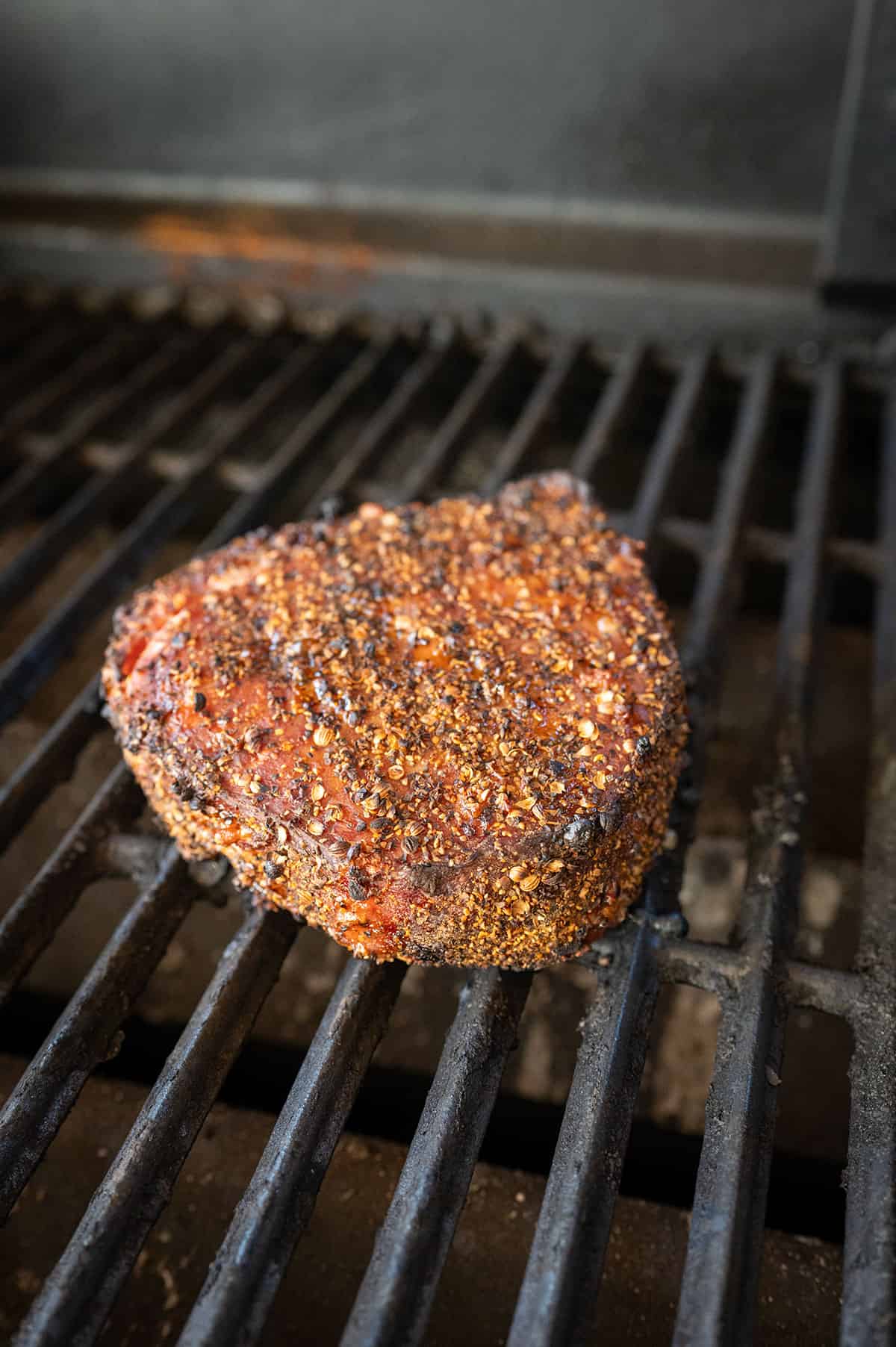
The grilling phase is characterized by high heat and rapid cooking. The grill is preheated to a medium-high setting, ensuring a direct heat zone is established. The seasoned tuna steaks are placed directly on the hot grill grates. The cooking time is relatively short, typically around six minutes per side, depending on the thickness of the steaks. The goal is to achieve an internal temperature of 145°F (63°C), ensuring the tuna is cooked through but still moist and tender. This quick grilling method sears the exterior, creating a flavorful crust from the pastrami rub, while preserving the delicate texture of the tuna within.
Step 4: Resting and Shredding
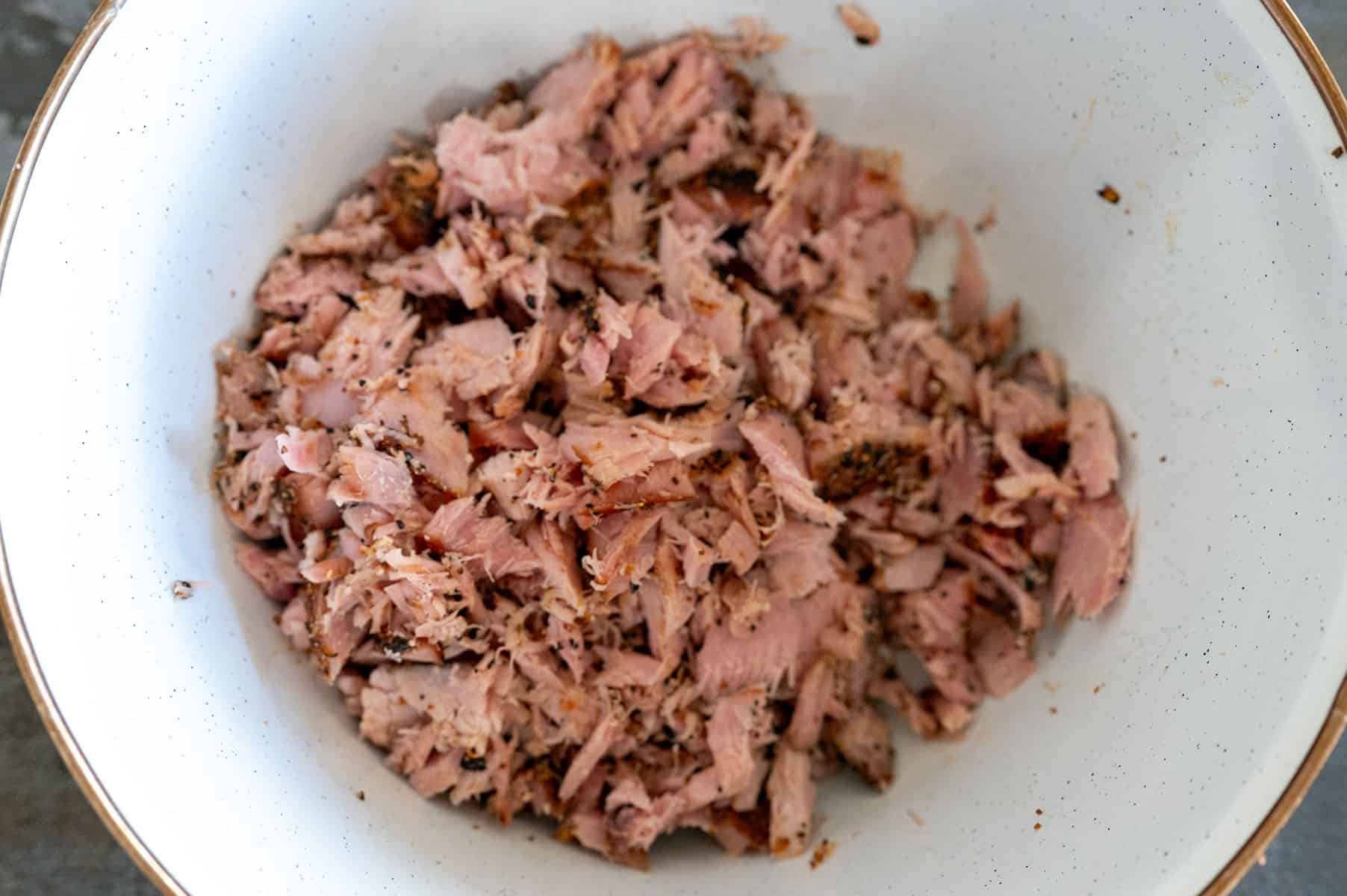
Once grilled to perfection, the tuna steaks are removed from the grill and allowed to rest for a few minutes. This resting period is critical for allowing the juices to redistribute throughout the steak, ensuring maximum moisture and flavor. After resting, the tuna can be served whole as an entree, or it can be flaked or shredded. Shredding the tuna is the preferred method for creating the ultimate tuna pastrami salad.
Step 5: Crafting the Tuna Pastrami Salad
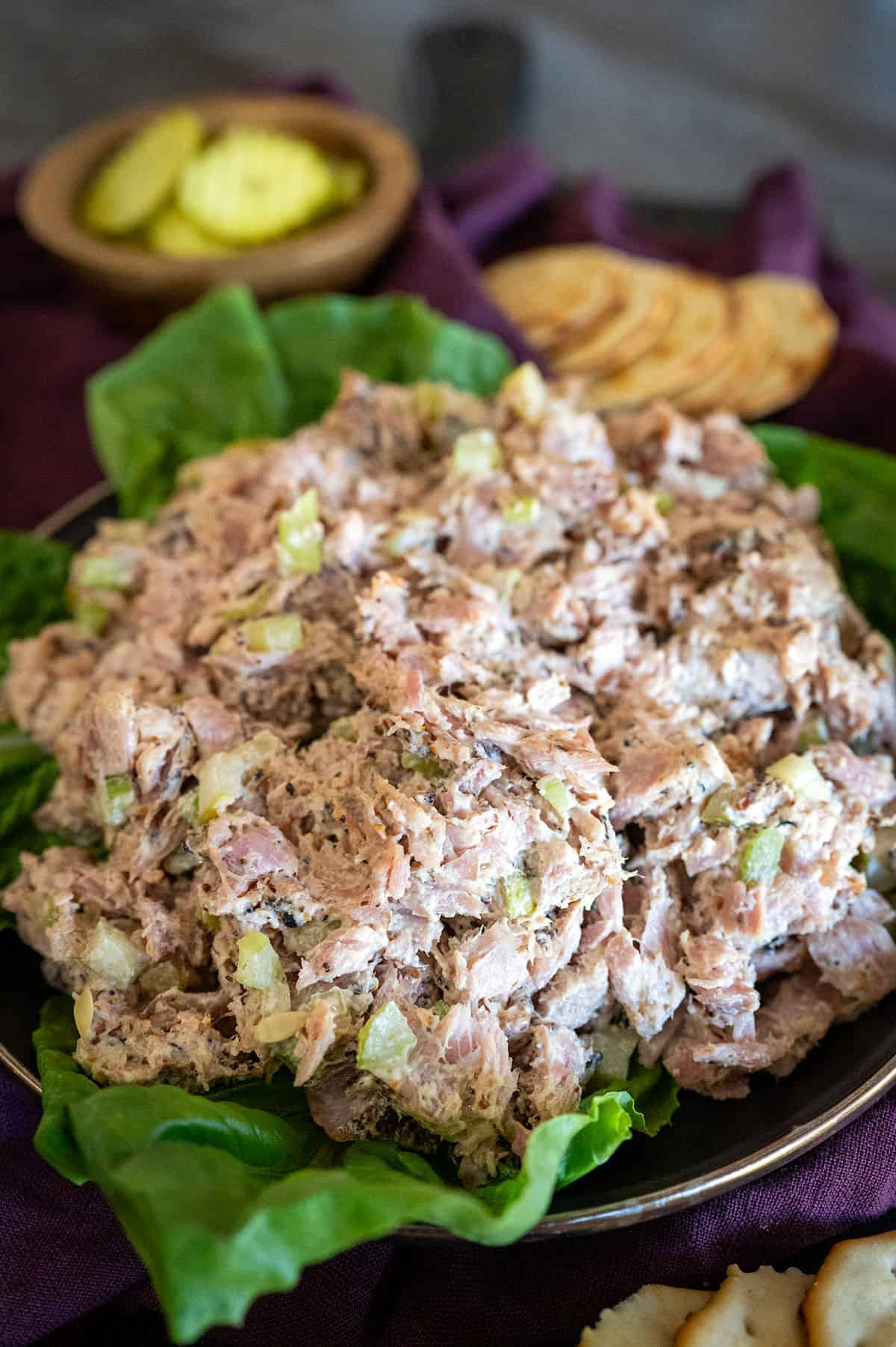
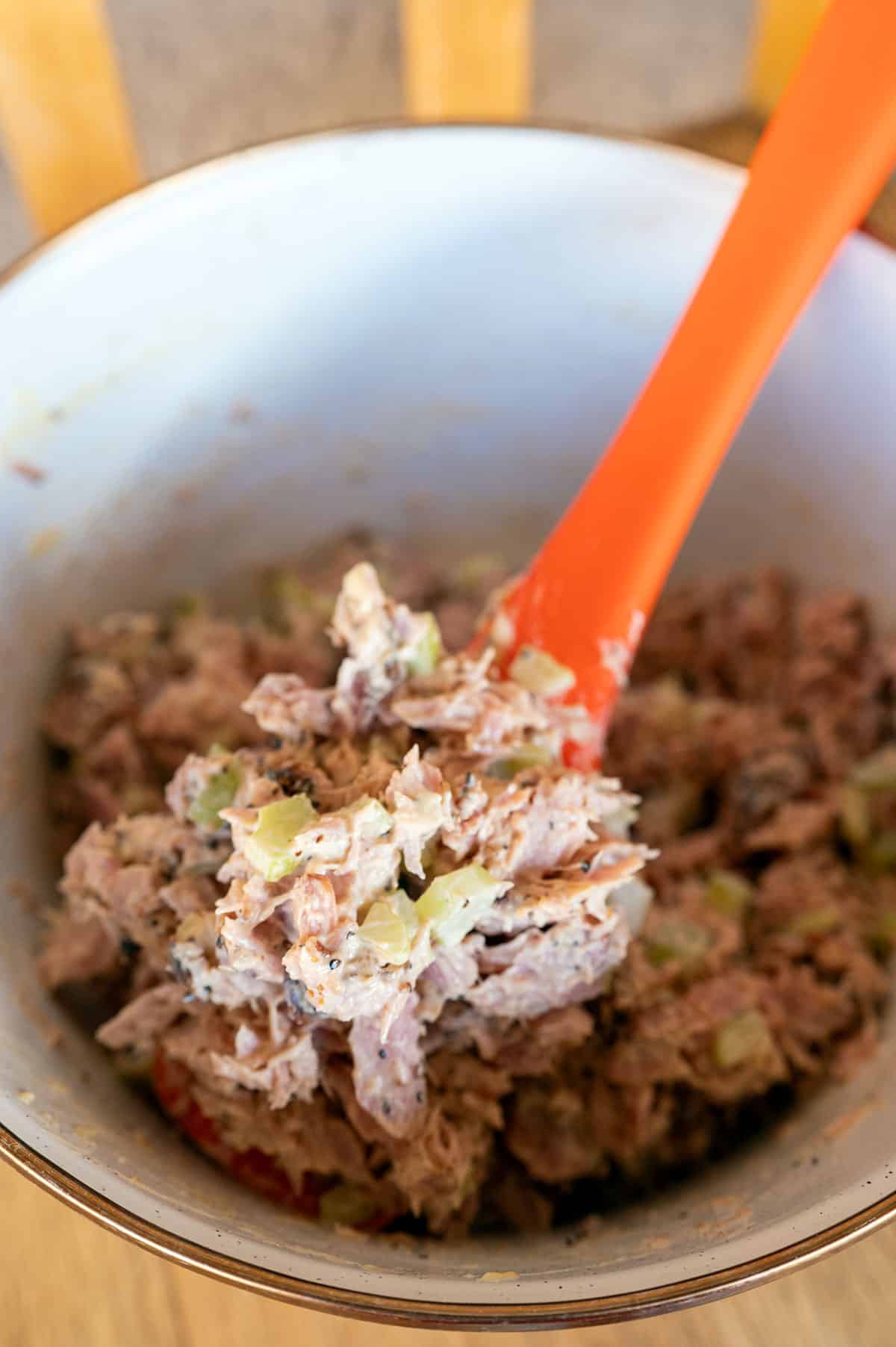
Transforming the grilled tuna pastrami into a salad involves combining the shredded tuna with classic tuna salad ingredients. Mayonnaise serves as the binder, while finely chopped celery, pickles, and onions add crunch and a refreshing tang. Hard-boiled eggs are often incorporated for added richness and texture. The mixture is seasoned to taste with salt and pepper, allowing the inherent flavors of the tuna pastrami to shine through.
Culinary Significance and Broader Implications
The development of tuna pastrami represents a fascinating intersection of traditional deli techniques and modern culinary innovation. By applying pastrami preparation methods to a seafood protein, this recipe taps into a growing trend of "fusion cuisine," where established flavor profiles are reinterpreted using unexpected ingredients. This approach not only appeals to adventurous palates but also offers a compelling alternative for those seeking lighter, yet flavor-packed, options.
The versatility of tuna pastrami is another significant aspect. While its transformation into a superior tuna salad is a primary highlight, the whole grilled tuna pastrami steak also stands as a flavorful entree. Its smoky, peppery notes make it a unique alternative to traditional grilled fish dishes, offering a robust flavor profile that pairs well with a variety of side dishes.
From a market perspective, this innovation could broaden the appeal of tuna beyond its conventional uses. The "wow" factor of a "tuna pastrami sandwich" or a "pastrami tuna melt" is undeniable, promising to capture the attention of consumers looking for novel culinary experiences. The recipe’s reliance on a specialized pastrami rub and brine also opens avenues for gourmet food producers to offer kits or pre-seasoned tuna products, further democratizing this innovative preparation method.
Expert Insights and Consumer Reception
Christie Vanover’s expertise as a competitive pitmaster lends significant credibility to this culinary technique. Her background in mastering complex barbecue preparations translates into a deep understanding of flavor profiles and cooking methodologies. The Girls Can Grill brand, known for its approachable yet expert approach to grilling, is well-positioned to introduce this innovative recipe to a wider audience.
Early indicators suggest a positive consumer reception. The concept of "pastrami tuna" is intriguing, sparking curiosity among food bloggers and home cooks. The ability to achieve these complex flavors without the need for extensive curing or specialized equipment like smokers makes it an accessible recipe for many. The FAQs within the original article highlight common questions, such as the type of tuna to use (Ahi or yellowfin are recommended for their firm texture), the taste profile (a savory, pickled, and more exciting alternative to plain tuna), and the ease of preparation (no smoker required, adaptable to various cooking methods).
Nutritional Considerations and Storage
While the precise nutritional breakdown will vary based on specific ingredients and portion sizes, tuna itself is a good source of lean protein and omega-3 fatty acids. The brining and grilling process, when done without excessive added fats, can result in a relatively healthy dish. When incorporated into tuna salad, the nutritional profile will be influenced by the amount of mayonnaise and other additions.
Leftover tuna pastrami, if not yet made into salad, can be stored in an airtight container in the refrigerator for a few days. Freezing is also an option, though it is recommended to freeze the grilled tuna pastrami before incorporating it into a salad to best preserve its texture.
The Future of Deli-Inspired Seafood
The tuna pastrami innovation is more than just a novel recipe; it represents a forward-thinking approach to culinary creativity. By bridging the gap between the beloved flavors of a deli classic and the fresh, healthy appeal of seafood, this technique offers a glimpse into the future of innovative food preparation. As consumers increasingly seek unique and flavorful dining experiences, dishes like tuna pastrami are likely to gain traction, proving that culinary boundaries are meant to be pushed, savored, and enjoyed. The potential for this concept to inspire further fusion dishes, combining traditional savory profiles with diverse proteins, remains an exciting prospect for the culinary landscape.


