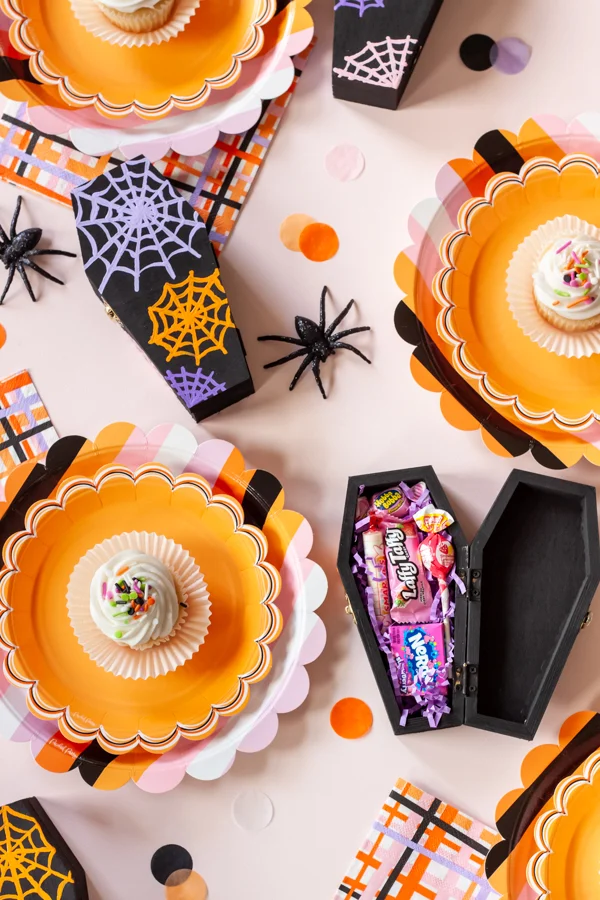
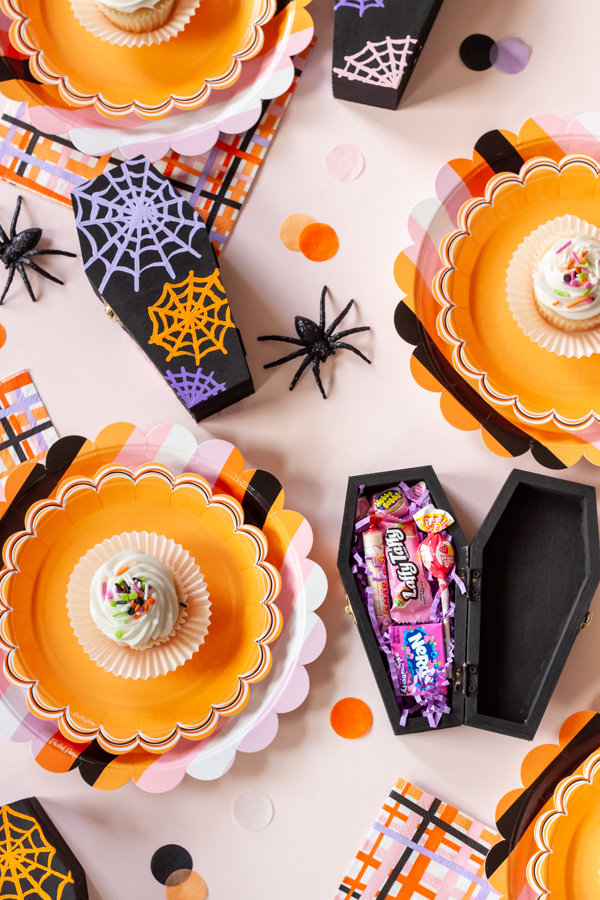
The seasonal transition into autumn has traditionally signaled a shift in consumer behavior, moving toward domestic activities that emphasize home-centered celebrations and creative DIY projects. This year, a specific crafting trend has emerged involving the customization of miniature wooden coffins, which serve as both decorative elements and functional party favors. These six-inch unfinished wood containers, frequently sourced from major retailers like Walmart, are being repurposed by families and event planners to create a "creepy-cute" aesthetic for Halloween gatherings. By integrating personalized elements such as hand-painted cobwebs and individualized place cards, these items represent a broader movement in the "maker economy" where consumers prioritize unique, handcrafted experiences over mass-produced, ready-made decorations.
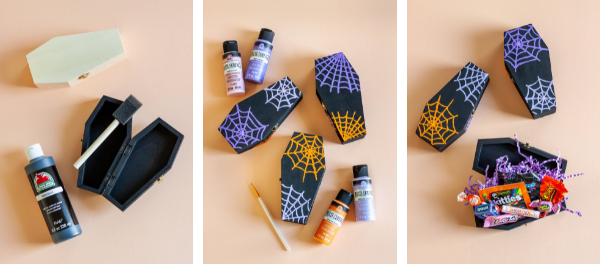
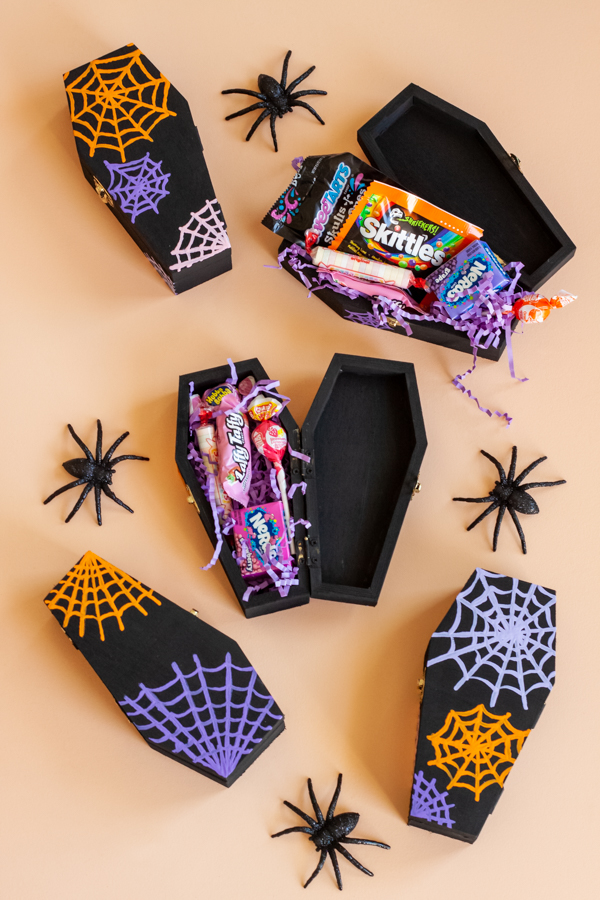
The process of transforming these raw materials into festive centerpieces involves a systematic approach to painting and assembly. Utilizing black acrylic paint as a base, crafters apply a series of "spokes" and "scallops" to mimic the intricate geometry of a spider’s web. This specific project, while simple enough for children to participate in, aligns with sophisticated interior design trends that favor dark, moody palettes during the fall season. Beyond the aesthetic appeal, the utility of these coffins—serving as candy vessels and seating indicators—addresses a growing demand for multi-functional holiday decor that maximizes value and minimizes waste.
The Evolution of the Halloween Retail Landscape and Consumer Spending
To understand the popularity of projects like the DIY candy coffin, one must look at the broader economic context of the Halloween season. According to data from the National Retail Federation (NRF), Halloween spending has seen a consistent upward trajectory over the last decade, with total expenditures reaching record highs. In recent years, spending on decorations has nearly rivaled spending on costumes, indicating that consumers are increasingly focused on the atmospheric experience of their homes.
The DIY segment of this market is particularly robust. Market analysis suggests that approximately 35% to 40% of Halloween shoppers intend to create their own decorations or incorporate DIY elements into their celebrations. This shift is driven by several factors: the desire for social media-shareable content, the therapeutic nature of crafting, and the cost-effectiveness of purchasing unfinished materials in bulk. Retailers like Walmart have responded to this trend by expanding their "unfinished wood" and "seasonal craft" aisles, providing the raw infrastructure for consumer creativity. The 6-inch coffin boxes, for instance, are positioned as a "blank canvas" that encourages the purchase of secondary items such as acrylic paints, sponge brushes, and premium candies to fill the finished product.
Chronology of the Crafting Process: From Raw Wood to Thematic Favor
The execution of the candy coffin project follows a logical progression that balances structural preparation with artistic detail. For those coordinating large-scale events or family activities, the timeline typically begins with the procurement of materials in early October to ensure availability before peak seasonal demand.
Phase 1: Surface Preparation and Base Application
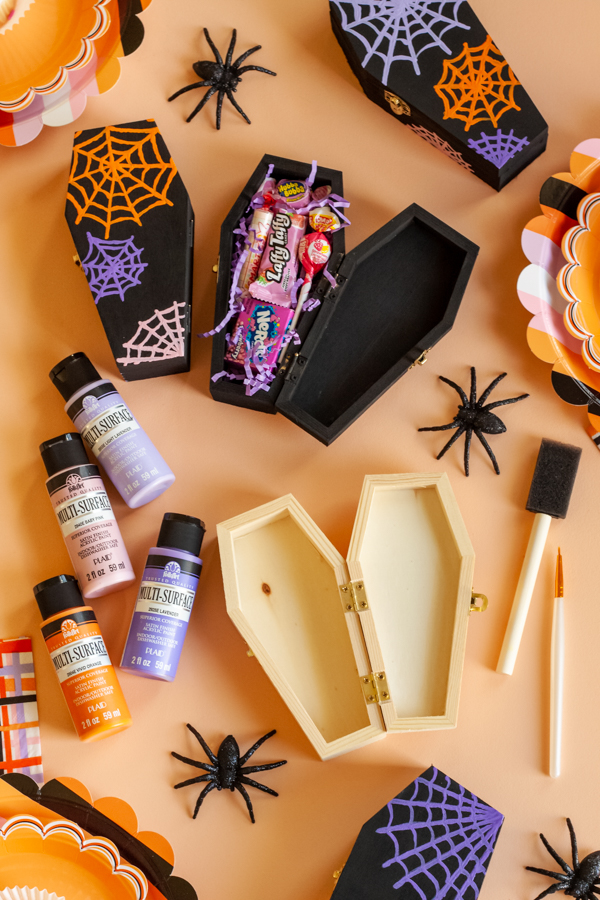
The initial stage requires the application of a high-pigment black acrylic paint. Because unfinished wood is porous, it tends to absorb moisture rapidly. Using a foam sponge brush is the most efficient method for this stage, as it allows for even coverage across the flat planes and sharp angles of the coffin lid and base. Professional crafters recommend a single, thorough coat, followed by a drying period of approximately 30 to 60 minutes, depending on ambient humidity. This stage is crucial because it provides the high-contrast background necessary for the secondary decorative layers.
Phase 2: Geometric Detailing and Cobweb Artistry
Once the base coat is fully cured, the secondary design—the cobweb—is applied using a fine-tipped paintbrush and a contrasting bright or white acrylic paint. The technique involves a central focal point from which "spokes" radiate toward the edges of the lid. The "scallop" technique, where small U-shaped arcs connect the spokes, creates the illusion of a web. This phase requires a steady hand and represents the "personalization" aspect of the craft, as no two hand-painted webs are identical.
Phase 3: Functional Integration and Personalization
The final phase involves the transition from an art piece to a functional party tool. This includes the application of alphabet stickers to the interior of the lid, effectively turning the coffin into a place card for dinner guests. The interior is then stocked with a curated selection of seasonal treats, such as candy corn, chocolate eggs, or lollipops. This final step is often completed just hours before an event to ensure the freshness of the confectionery items.
Material Analysis: The Role of Quality Supplies in DIY Success
The success of a DIY project is heavily predicated on the quality of the materials used. For the candy coffin project, the choice of acrylic paint is significant. Acrylics are favored in home crafting because they are water-based, non-toxic, and dry significantly faster than oil-based alternatives. Furthermore, their ability to adhere to wood without the need for a primer makes them ideal for rapid-turnaround seasonal projects.
The use of foam sponge brushes over traditional bristle brushes is another tactical choice. Foam brushes hold a larger volume of paint and distribute it without leaving visible brush strokes, which is essential for achieving the matte, "void-like" black finish associated with Gothic or Halloween themes. Additionally, the inclusion of "alphabet stickers" for place cards reflects a trend toward semi-DIY projects, where handcrafted elements are combined with pre-made components to ensure a professional finish even for those with limited calligraphic skills.
Economic Implications and the "Double-Duty" Strategy
From a consumer psychology perspective, the "double-duty" nature of the candy coffin—serving as both a place card and a take-home favor—appeals to the modern "value-conscious" shopper. In an era where inflation has impacted the price of seasonal goods, consumers are looking for ways to make their holiday budgets go further. By creating an item that serves three roles (table decor, seating guide, and gift), the host reduces the need to purchase three separate products.
Retailers have observed that "project-based" shopping lists tend to increase the "basket size" of the average consumer. A customer who enters a store specifically for the $2.00 wooden coffin is likely to spend an additional $15.00 to $20.00 on the necessary paints, brushes, and candies. This synergy between low-cost "anchor" items and higher-margin accessories is a cornerstone of the seasonal retail strategy employed by major chains.
Social and Educational Impact of Family Crafting
Beyond the economic and aesthetic factors, the rise of projects like the DIY candy coffin has notable social implications. Crafting has long been recognized by developmental psychologists as a vital activity for children, aiding in the development of fine motor skills, spatial awareness, and the ability to follow multi-step instructions.
In the context of Halloween, these activities also serve as a form of "seasonal bonding." As families move away from purely passive entertainment, such as watching television, toward active participation in holiday preparations, the home becomes a site of shared labor and creativity. The "creepy cobweb vibe" described in the project allows children to engage with the "spooky" themes of the season in a controlled, playful environment, demystifying the macabre elements of Halloween through art.
Broader Industry Trends: The Shift Toward Curated Experiences
The DIY candy coffin project is a microcosm of a larger shift in the event planning industry. We are currently witnessing the "democratization of curation," where the tools and techniques once reserved for professional party planners are now accessible to the general public via digital tutorials and mass-market retail supplies.
The emphasis on "place settings" and "personalized favors" suggests that home-based Halloween parties are becoming more formal and detail-oriented. This "dinner party" approach to Halloween stands in contrast to the more chaotic "open house" parties of previous decades. It reflects a desire for intimacy and intentionality in social gatherings, where the host’s effort is visible in the handcrafted details of the table.
Future Outlook for Seasonal DIY
As we look toward future holiday seasons, the integration of technology and traditional crafting is expected to grow. While the current trend relies on hand-painting and stickers, the next iteration of DIY may involve 3D-printed components or QR codes hidden inside the coffin lids that lead to digital "tricks or treats," such as spooky playlists or augmented reality experiences.
However, the core appeal of the wooden candy coffin remains its tactile, analog nature. In a digital world, the act of painting wood and filling a box with candy offers a sensory satisfaction that cannot be replicated on a screen. As long as consumers value the personal touch in their holiday celebrations, the market for unfinished craft wood and acrylic paint will remain a cornerstone of the October economy.
The DIY candy coffin project, while seemingly a simple afternoon activity, is actually situated at the intersection of retail strategy, economic trends, and social evolution. It represents a move toward more sustainable, personalized, and multi-functional holiday celebrations. For the modern host, the "creepy cobweb vibe" is more than just an aesthetic choice; it is a statement of creativity and a commitment to providing guests with a unique, handcrafted experience that lingers long after the candy has been consumed.