
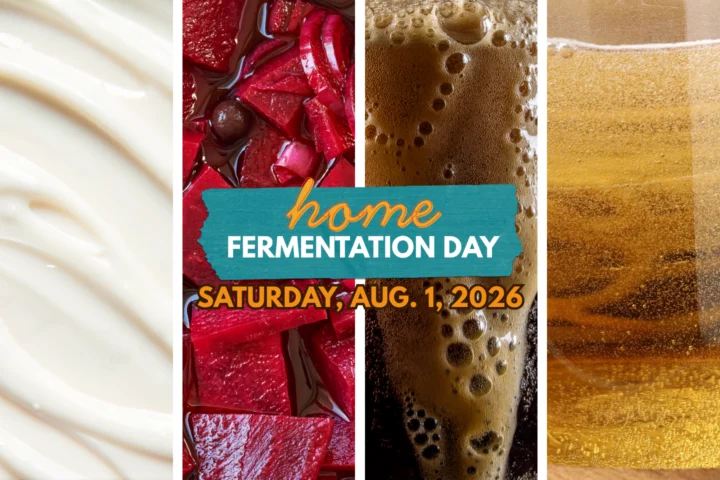
Home Fermentation Day, an annual celebration spearheaded by the American Homebrewers Association (AHA), is set to inspire enthusiasts and newcomers alike to explore the diverse and ancient practice of fermentation. This year’s observance encourages participants to share their culinary and brewing creations by tagging @homebrewassoc on social media or using the hashtag #HomeFermentationDay, fostering a vibrant online community dedicated to the art of transforming ingredients through microbial action. The initiative highlights not only the familiar realms of homebrewed beer, mead, and cider but also extends an invitation to delve into the vast and varied world of fermented foods and beverages.
The origins of fermentation can be traced back thousands of years, with evidence suggesting its use in ancient Mesopotamia as early as 5000 BCE for the production of beer and wine. This natural process, driven by yeast and bacteria, has been instrumental in food preservation, enhancing nutritional value, and creating complex flavors across countless cultures. From the ubiquitous sourdough bread and kimchi to less commonly known fermented delicacies, the techniques and outcomes are as diverse as the global communities that practice them. Home Fermentation Day serves as a modern-day nexus for this ancestral tradition, providing a platform for knowledge sharing and celebrating the creativity inherent in this age-old craft.
Expanding Horizons: Beyond Beverages
While the American Homebrewers Association’s roots are firmly planted in the world of brewing, Home Fermentation Day deliberately broadens its scope to encompass the full spectrum of fermented edibles. This expansion acknowledges the growing interest in fermented foods as a means of improving gut health, diversifying culinary experiences, and engaging in hands-on food preparation. The AHA encourages individuals to view their fermentation projects as an integrated part of their culinary journey, suggesting that the skills honed in brewing beer or cider can readily translate to crafting sauerkraut, kombucha, yogurt, or other fermented delights. This integrated approach not only diversifies the home kitchen but also fosters a deeper understanding of the biochemical processes that underpin so many of our staple foods and beverages.
Data from market research firms indicate a significant surge in the fermented foods market globally. Projections suggest the market, valued at approximately USD 40 billion in recent years, is expected to grow at a compound annual growth rate (CAGR) of over 6% in the coming decade. This growth is attributed to increasing consumer awareness of the health benefits associated with probiotics, a rising demand for natural and minimally processed foods, and a growing adventurousness in culinary exploration. Home Fermentation Day aligns perfectly with these trends, empowering individuals to participate directly in this burgeoning sector by learning and practicing fermentation techniques in their own homes.
The "You Can Ferment That" Philosophy
Central to the spirit of Home Fermentation Day is the underlying philosophy that fermentation is accessible to everyone. The AHA actively promotes this inclusive approach, providing resources and inspiration for individuals at all stages of their fermentation journey. This extends to their flagship publication, Zymurgy magazine, which, while primarily focused on homebrewing, consistently features articles that explore a wide array of fermentation projects. The "You Can Ferment That" column, a regular fixture in the magazine, serves as a testament to this commitment, offering practical advice and creative ideas for everything from lacto-fermented vegetables to experimental beverages.
Membership in the American Homebrewers Association grants access to the comprehensive online archives of Zymurgy, including a wealth of content dedicated to fermented foods and beverages. With four new issues published annually, members receive a continuous stream of information, tutorials, and inspirational stories from a community of passionate home fermenters. This exclusive access underscores the AHA’s role not just as a steward of homebrewing but as a broader advocate for all forms of home fermentation. The organization’s commitment to providing such resources aims to demystify the process, making it less intimidating for those new to the practice and offering new avenues for seasoned fermenters to expand their repertoire.
A Chronology of Fermentation and Homebrewing
The practice of fermentation is as old as civilization itself, predating recorded history. Early humans likely discovered fermentation accidentally, observing how fruits and grains left to stand would develop effervescence and altered flavors. The earliest documented evidence of brewing beer dates back to Sumeria around 5000 BCE. Wine production also boasts an ancient lineage, with archaeological findings suggesting its presence in Georgia as early as 8000 BCE.
The development of homebrewing as a recognized hobby in the modern era gained significant momentum with the repeal of Prohibition in the United States in 1933. However, it was the passage of legislation in 1978 that legalized homebrewing for personal consumption, paving the way for the organized movement that exists today. The American Homebrewers Association was founded in 1978 by Charlie Papazian, a pivotal figure in popularizing homebrewing and advocating for its legal standing. Papazian’s influential book, "The Complete Joy of Homebrewing," published in 1984, became a foundational text for generations of homebrewers.
The concept of a dedicated "Home Fermentation Day" likely emerged organically within the homebrewing community as a natural extension of their passion. While the precise date of the first official Home Fermentation Day is not widely documented, the AHA’s consistent efforts to promote diverse fermentation projects through Zymurgy and their online platforms suggest a gradual evolution of focus. The increasing popularity of fermented foods, coupled with the inherent overlap in techniques and the scientific principles involved, made a dedicated day to celebrate all forms of fermentation a logical and valuable initiative. The AHA’s active encouragement for social media engagement, using hashtags like #HomeFermentationDay, indicates a modern approach to fostering community and disseminating information about this growing global trend.
Supporting Data and Analysis of Implications
The economic impact of the home fermentation movement, while difficult to quantify precisely, is substantial. The sale of homebrewing and home fermentation supplies represents a multi-million dollar industry annually. This includes equipment such as fermenters, airlocks, hydrometers, pH meters, and a wide array of ingredients like specialty malts, hops, yeasts, fruits, and bacteria cultures. The growth in this sector directly correlates with increased consumer interest in DIY activities, artisanal food production, and a desire for greater control over the ingredients and processes used in food and beverage creation.
The implications of Home Fermentation Day extend beyond economic considerations. It fosters a culture of self-sufficiency and culinary education. By engaging in fermentation, individuals gain a deeper appreciation for the science of food and drink, understanding the complex interplay of microorganisms, temperature, and time. This knowledge can lead to healthier dietary choices, as many fermented foods are rich in probiotics, which are beneficial for gut health. Furthermore, the practice encourages creativity and experimentation, allowing individuals to develop unique flavor profiles and recipes tailored to their preferences.
The communal aspect promoted by the AHA through social media engagement is also significant. It allows for the rapid dissemination of best practices, troubleshooting advice, and innovative ideas. This digital exchange forms a global network of enthusiasts, breaking down geographical barriers and fostering a sense of shared endeavor. For instance, a homebrewer in one country might share a technique for fermenting a specific fruit, which is then adopted and adapted by a fermenter on another continent. This collaborative spirit is crucial for the continued evolution and popularization of home fermentation.
Official Statements and Community Reactions
While specific official statements for this year’s Home Fermentation Day are not provided in the source material, the American Homebrewers Association consistently emphasizes its mission to promote and protect the homebrewing hobby. This mission inherently includes supporting the broader field of fermentation. Past communications from AHA leadership have highlighted the importance of community, education, and advocacy in the home fermentation space. It is reasonable to infer that their current stance remains focused on these pillars.
The broader homebrewing and fermentation community typically reacts positively to initiatives like Home Fermentation Day. Enthusiasts often express their excitement on social media platforms, sharing photos and videos of their projects and engaging in discussions about their fermentation experiences. Online forums and dedicated social media groups related to homebrewing and fermentation become particularly active during such events. The call to action to share creations using specific hashtags is a well-established method for gauging and amplifying community enthusiasm. Reactions often include sharing of recipes, tips for troubleshooting common issues, and expressions of appreciation for the shared knowledge and inspiration. The collaborative environment fostered by these online interactions is a cornerstone of the home fermentation movement.
The Future of Home Fermentation
As consumer interest in natural, healthy, and artisanal food and beverage options continues to grow, the home fermentation movement is poised for further expansion. Home Fermentation Day serves as a vital annual touchstone, reminding individuals of the rich history and diverse possibilities within this practice. The American Homebrewers Association’s continued commitment to providing resources and fostering community will undoubtedly play a crucial role in this ongoing evolution. The integration of fermented foods and beverages into mainstream culinary practices, driven by informed and passionate home fermenters, signifies a lasting impact on how we approach food production and consumption. The simple act of sharing a batch of homemade kimchi or a perfectly carbonated homebrew, facilitated by events like Home Fermentation Day, underscores the enduring appeal and profound potential of microbial transformation in our everyday lives.


