The integration of advanced food preservation technologies into domestic kitchens has seen a significant uptick over the last decade, driven by fluctuating grocery prices and an increased interest in food security. Among the most efficient methods currently available to the public is home freeze-drying, a process once reserved for industrial applications and aerospace nutrition. Rotisserie chicken, a staple of modern convenience shopping, has emerged as a primary candidate for this process due to its pre-cooked nature, high protein content, and versatility in meal reconstruction. By converting this perishable item into a shelf-stable resource, households can mitigate food waste and create a high-quality protein reserve that maintains nutritional integrity far longer than traditional refrigeration or freezing.
The Science and Mechanics of Home Freeze-Drying
Freeze-drying, or lyophilization, differs fundamentally from dehydration. While dehydration uses heat to evaporate moisture—often altering the texture and nutritional profile of the food—freeze-drying utilizes a process called sublimation. In a vacuum-sealed chamber, the machine lowers the temperature of the food to approximately -40°F or colder. Once frozen, the machine introduces controlled heat while maintaining a vacuum, causing the ice crystals within the food to turn directly into water vapor without passing through a liquid phase.
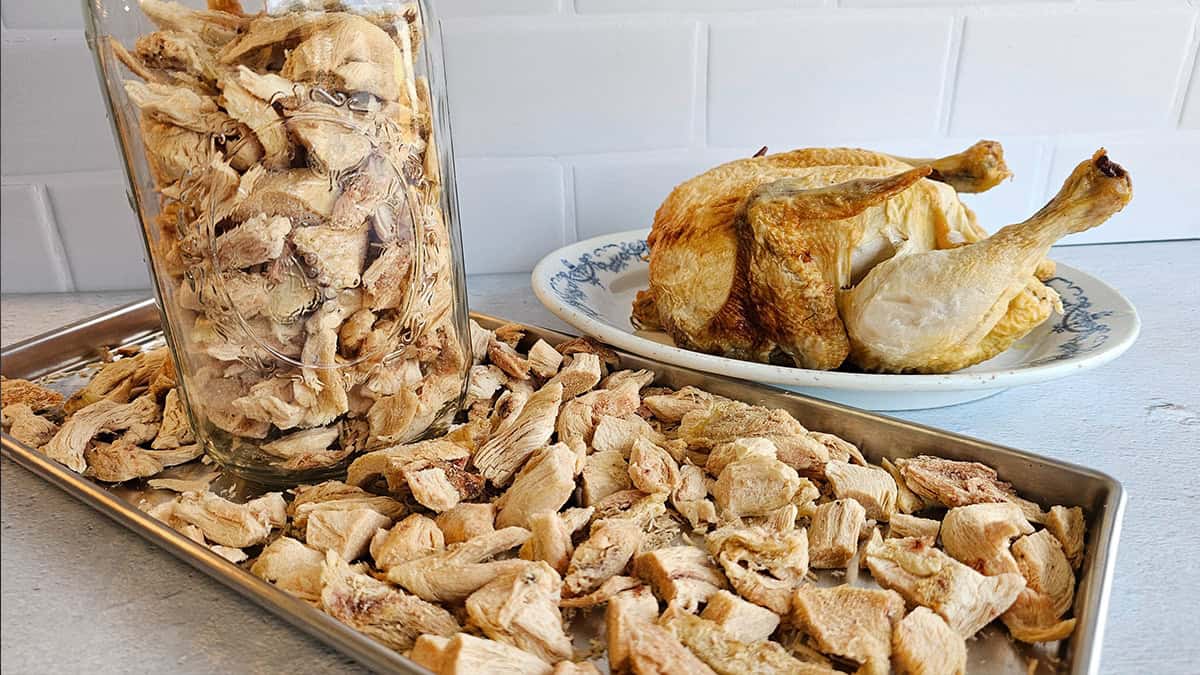
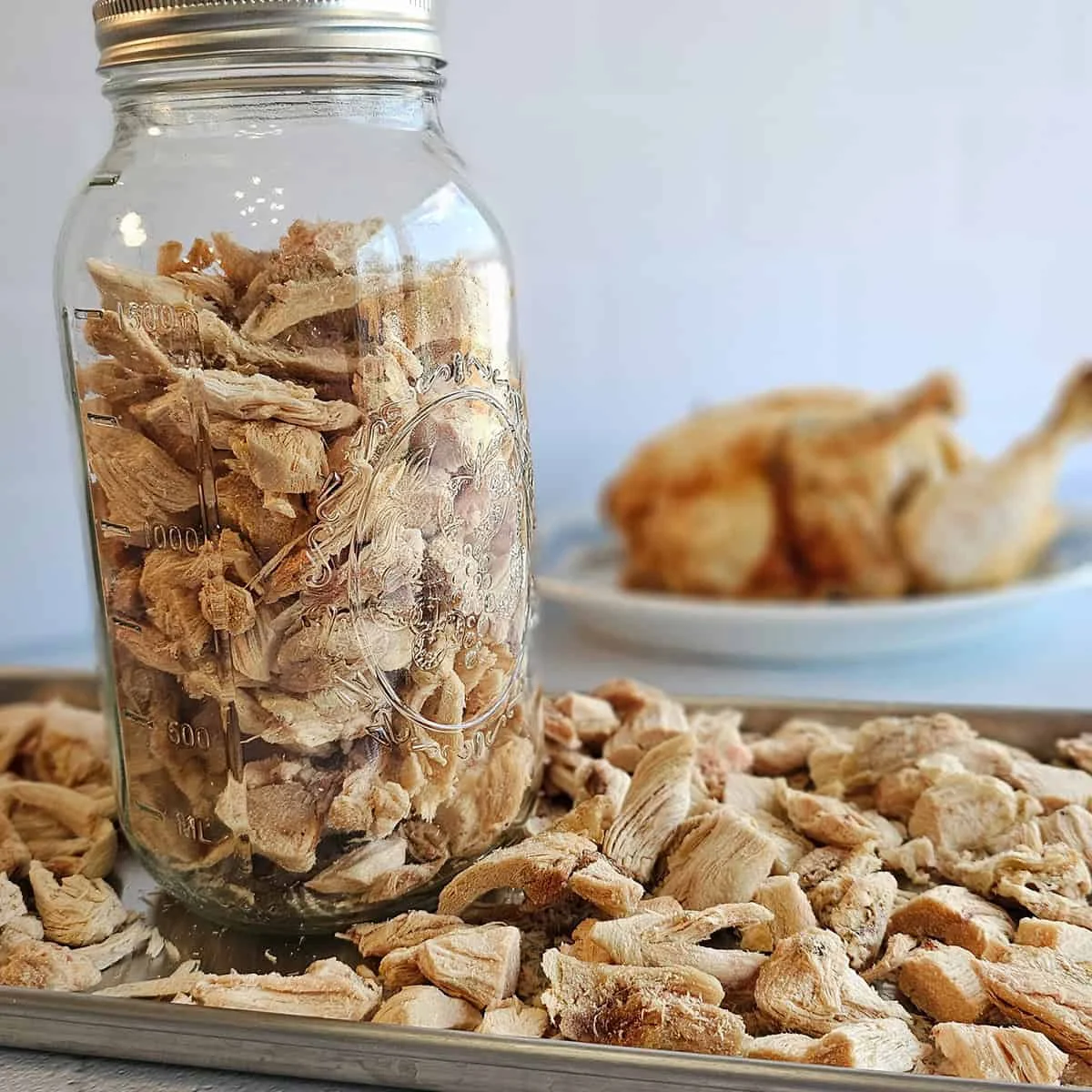
For proteins like rotisserie chicken, this process is particularly effective. Because the structural integrity of the muscle fibers is preserved during sublimation, the resulting product is lightweight and porous. This porosity allows for rapid rehydration, returning the meat to a state that closely resembles its original cooked texture. This stands in contrast to dehydrated meats, which often remain tough or "jerky-like" even after simmering.
Chronological Implementation: The Preparation Phase
The transition from a store-bought rotisserie chicken to a shelf-stable pantry item follows a strict logistical timeline to ensure safety and efficiency.
Phase One: Mechanical Separation and Sizing
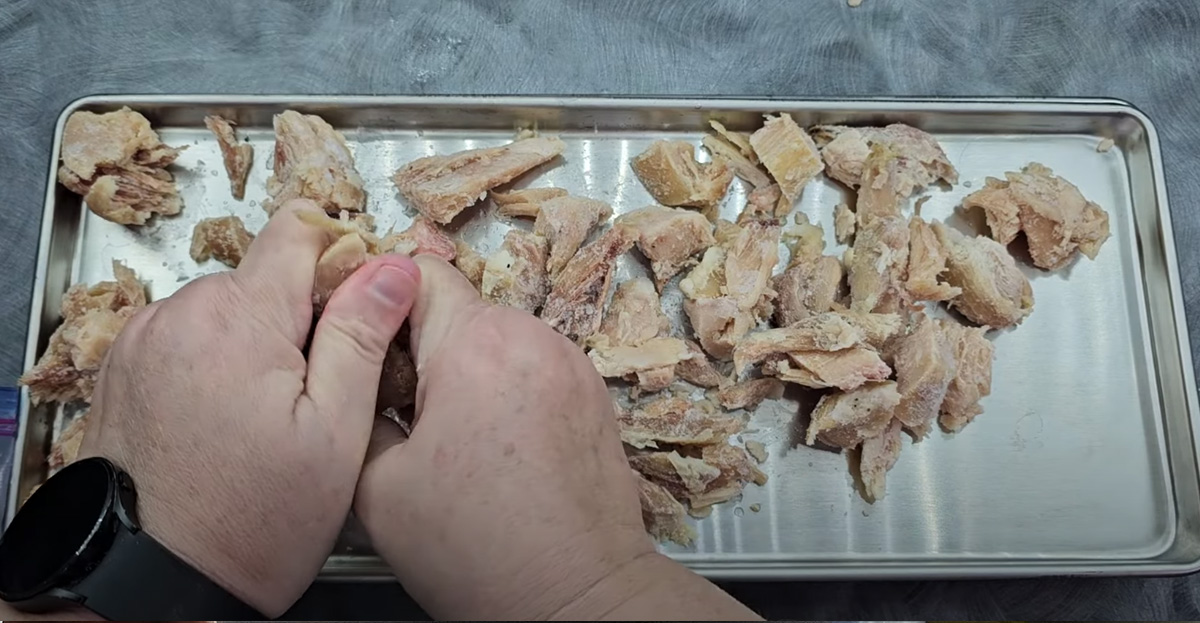
The initial step requires the manual stripping of the chicken. To ensure the highest quality of the final product, the skin, fat deposits, and bones must be removed. From a food safety and preservation standpoint, fat is the primary adversary of long-term storage; it does not freeze-dry and can go rancid even in a vacuum-sealed environment. Consequently, lean breast meat is the most stable for long-term storage, while darker thigh and leg meat, which contain higher lipid content, are better suited for shorter-term pantry rotation.
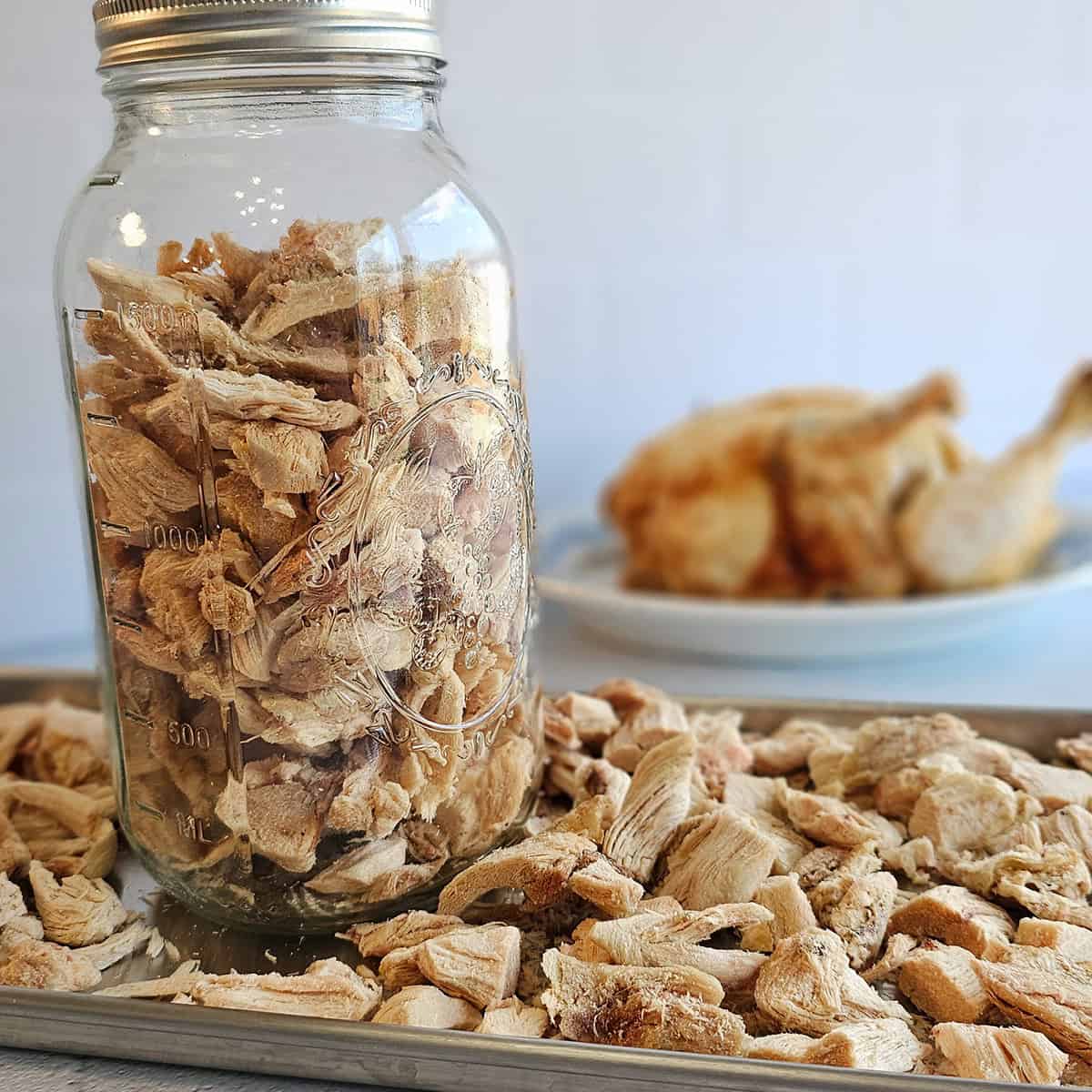
Once stripped, the meat is processed into uniform pieces. Technical data suggests that bite-sized fragments—ideally one inch or smaller—yield the best results. Smaller surface areas allow for more efficient moisture extraction during the vacuum cycle and faster water absorption during rehydration.
Phase Two: Thermal Pre-Conditioning
Efficiency in home freeze-drying is largely determined by the "pre-freeze" stage. While modern units, such as those produced by industry leader Harvest Right, can freeze the food within the chamber, pre-freezing the chicken in a standard domestic chest freezer for up to 24 hours significantly reduces the mechanical strain and energy consumption of the freeze-dryer. By placing the chicken pieces on trays or in bags at sub-zero temperatures before starting the machine, the user can shorten the active cycle time by several hours.
The Technical Cycle and Quality Control
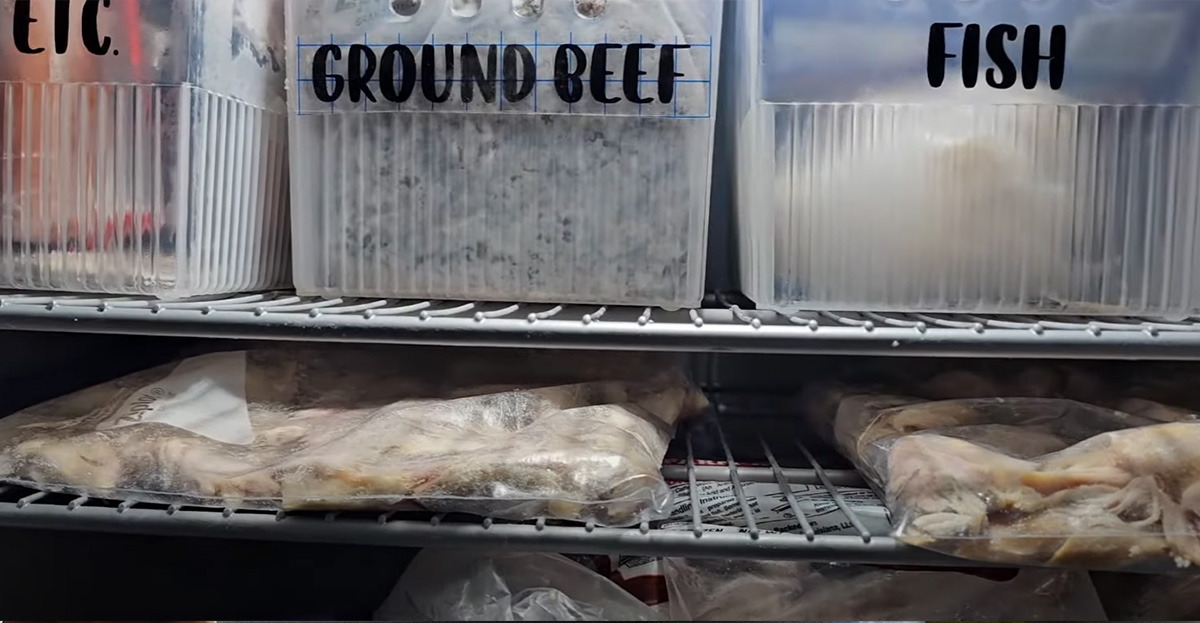
The active freeze-drying cycle for poultry typically lasts between 20 and 36 hours, depending on the load size and the specific model of the machine.
The Drying Sequence
Once the pre-frozen trays are loaded, the machine initiates a final deep-freeze before engaging the vacuum pump. The atmospheric pressure inside the chamber is reduced to a near-vacuum, at which point the heating elements in the tray racks begin to cycle. The machine monitors the moisture levels through sophisticated sensors, though experienced practitioners often add a "final dry" period of 12 to 24 hours to ensure that the core of the largest chicken pieces is entirely devoid of moisture.
Testing for End-Point Stability
Testing the product is a critical quality control step. Two primary methods are utilized in a professional-grade home setting:
- The Tactile Break Test: A sample piece is broken in half. If it snaps cleanly and feels warm to the touch, the moisture has been removed. If it feels cold or "squishy," ice remains in the center, and the cycle must be extended.
- The Gravimetric Method: This involves weighing a tray, returning it to the machine for two hours of additional drying, and weighing it again. If the weight remains constant, the food is 100% dry. If the weight has dropped, it indicates that water vapor was still being extracted.
Storage Protocols and Shelf-Life Expectations
The storage of freeze-dried rotisserie chicken is governed by the presence of fats. While freeze-dried fruits and vegetables can last 25 years, meats with any residual fat content have a more truncated lifespan.
Containment Strategies
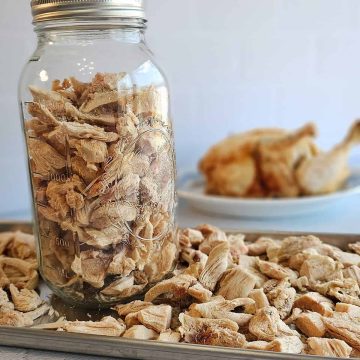
For immediate use (within 6 to 12 months), vacuum-sealed glass canning jars are sufficient. For long-term preservation, Mylar bags with oxygen absorbers are the industry standard. The oxygen absorber removes the remaining 0.1% of oxygen that a vacuum sealer might miss, preventing the oxidation of any remaining fats in the chicken.
Data on Durability
Current food science data indicates that rotisserie chicken, due to the oils and seasonings used during the commercial roasting process, generally maintains peak quality for 1 to 2 years. While it may remain safe to consume beyond that point, the flavor profile of the fats may begin to degrade. This makes it an ideal candidate for "working pantry" storage—a system where food is regularly rotated and replaced rather than left in deep storage for decades.
Economic Impact and Consumer Analysis
The economic logic of freeze-drying rotisserie chicken is rooted in the "loss leader" pricing strategy used by major retailers like Costco and Walmart. Often sold at or below cost (typically $4.99 in the United States), these chickens provide a cheaper source of cooked protein than raw poultry processed at home.
Cost-Benefit Comparison
| Feature | Store-Bought Rotisserie (Freeze-Dried) | Commercial Freeze-Dried Chicken |
|---|---|---|
| Cost per Ounce | Approximately $0.45 – $0.60 | Approximately $1.50 – $2.50 |
| Preparation | Pre-cooked/Seasoned | Pre-cooked/Bland |
| Availability | High (Local Grocery) | Variable (Specialty Shipping) |
| Shelf Life | 1–5 Years (Fat dependent) | 25 Years (Lean optimized) |
By leveraging clearance sales—where day-old rotisserie chickens are often marked down by an additional 30-50%—the home preserver can reduce the cost of shelf-stable protein to a fraction of the price of commercial emergency food supplies.
Broader Implications: Food Waste and Sustainability
The ability to freeze-dry rotisserie chicken contributes to a "zero-waste" household economy. Beyond the meat, the bones and connective tissue removed in the first stage are frequently used to create nutrient-dense bone broth. This broth can itself be freeze-dried into a concentrated powder or bouillon, providing a shelf-stable base for soups and stews.
From a sustainability perspective, this process allows consumers to take advantage of the industrial efficiency of commercial roasting while bypassing the energy-intensive "cold chain" required to keep meat frozen in a traditional freezer for months. Once freeze-dried, the chicken requires no electricity to remain safe for consumption, providing a critical buffer during power outages or supply chain disruptions.
Rehydration and Culinary Application
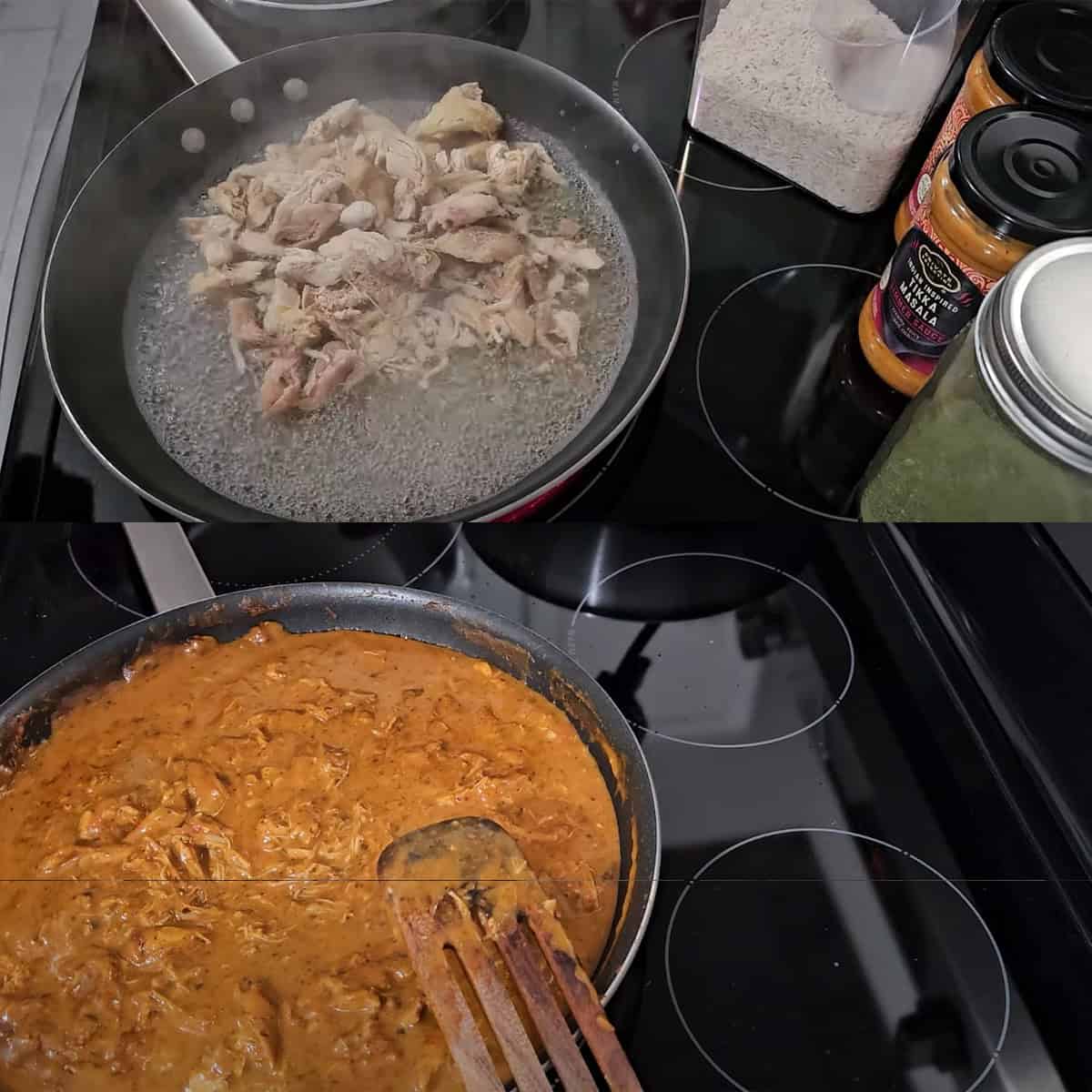
The utility of freeze-dried chicken is realized in its rehydration. The process is straightforward:
- Hot Rehydration: Simmering the meat in broth or water for 3 to 5 minutes.
- Cold Rehydration: Soaking in water in a refrigerated environment for 15 to 20 minutes.
Because the meat is pre-cooked, it can be added directly to "just-add-water" meals, such as risottos, pasta dishes, or stews. Nutritional analysis shows that the protein content remains stable at approximately 16 grams per cup (rehydrated), with caloric values hovering around 109 kcal per serving, making it a highly efficient fuel source for both daily use and emergency scenarios.
In conclusion, the freeze-drying of rotisserie chicken represents a sophisticated intersection of culinary convenience and rigorous food preservation science. As home freeze-drying technology becomes more accessible, the ability to transform a common grocery item into a durable, high-quality asset is changing the way modern households manage their food security and long-term resources.