
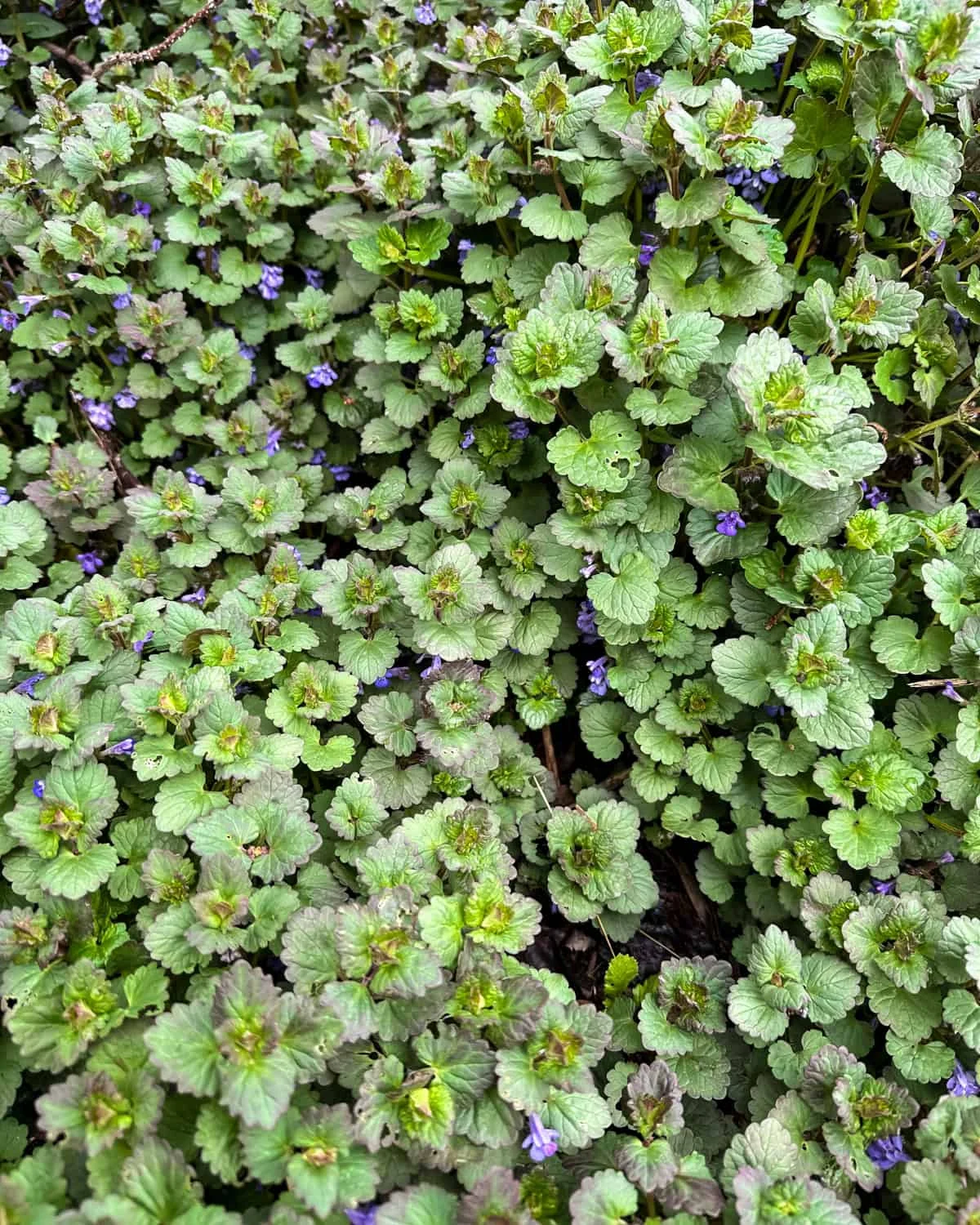
The perennial herb Glechoma hederacea, commonly known as ground ivy or "Creeping Charlie," has re-emerged in the early spring landscape across North America and Europe, sparking a renewed dialogue between horticulturalists, foragers, and botanical researchers. While frequently categorized by suburban homeowners as an aggressive and difficult-to-eradicate weed, this member of the Lamiaceae (mint) family is increasingly being recognized for its historical significance, nutritional density, and pharmacological potential. Characterized by its low-growing habit, scalloped leaves, and vibrant purple flowers, ground ivy serves as a primary example of how contemporary perspectives on "nuisance" plants are shifting toward a more integrated understanding of biodiversity and wild-harvested resources.
Botanical Characteristics and Identification Metrics
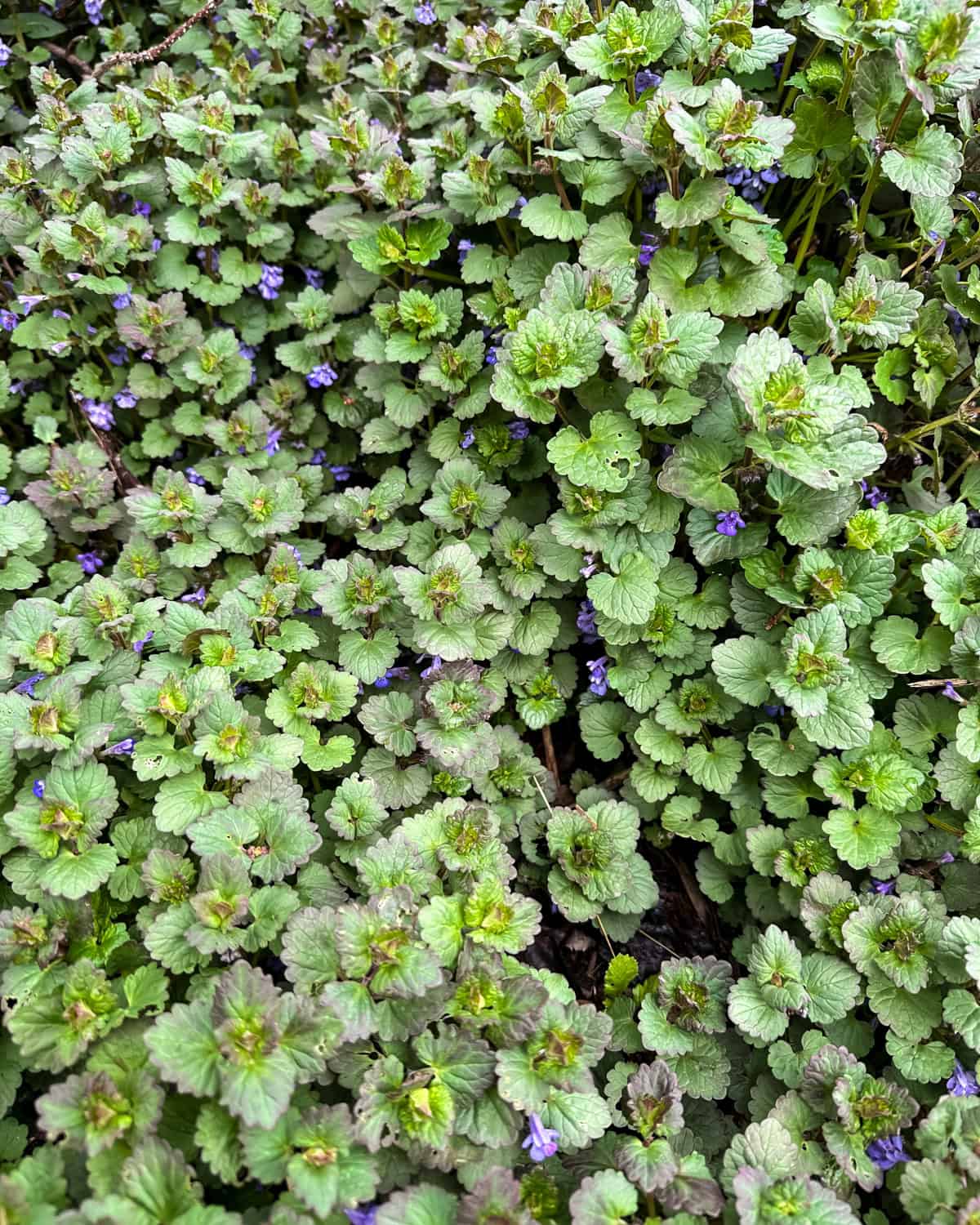
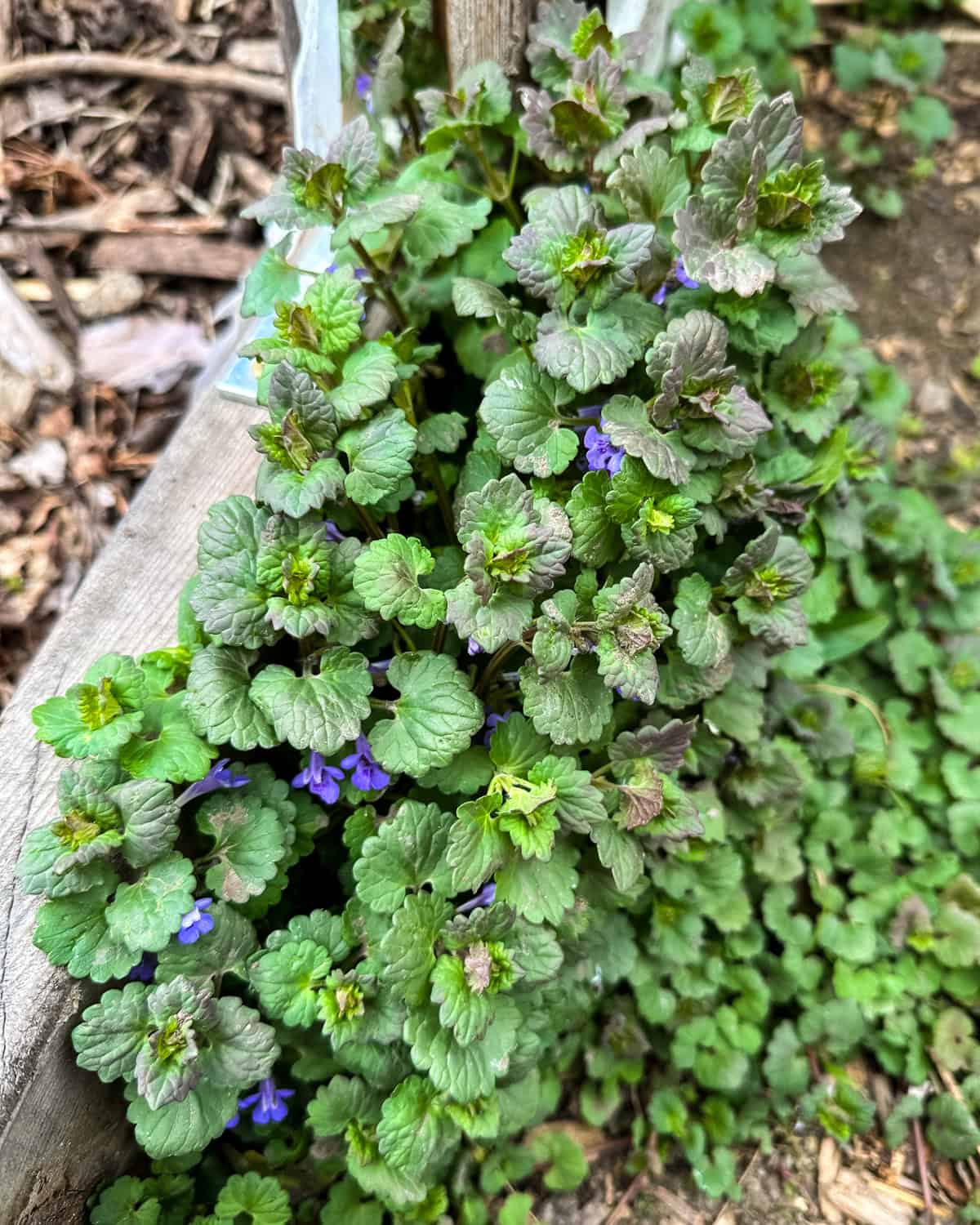
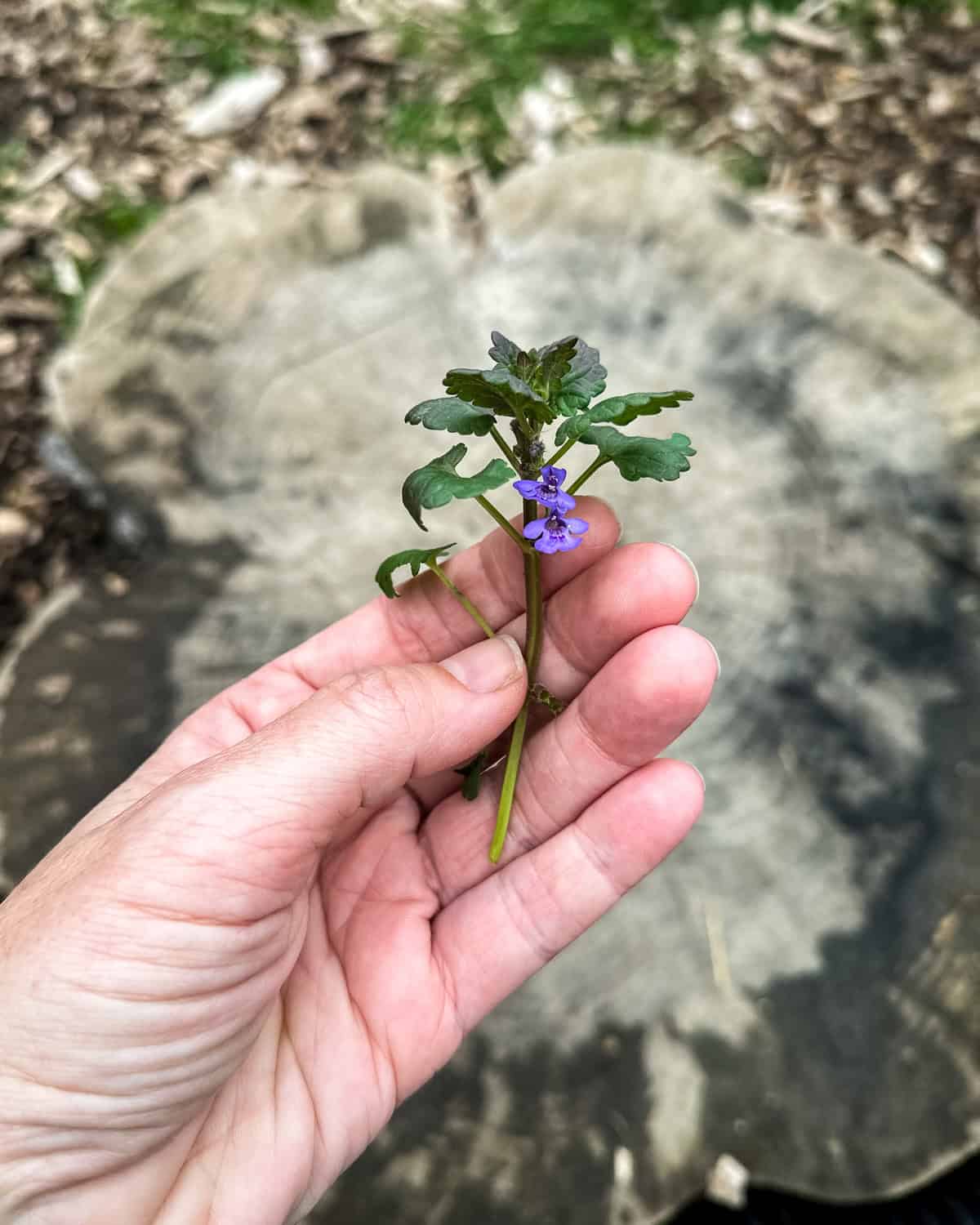
Glechoma hederacea is a stoloniferous perennial, meaning it spreads via horizontal stems known as runners or stolons that root at the nodes. This growth mechanism allows the plant to form dense, mat-like carpets that can quickly dominate damp, shaded environments. The stems are characteristically square—a hallmark of the mint family—and can vary in color from a vibrant green to a deep, bruised reddish-purple. In optimal conditions, these creeping stems have been documented to reach lengths of up to seven feet, though the flowering stalks rarely exceed eight inches in height.
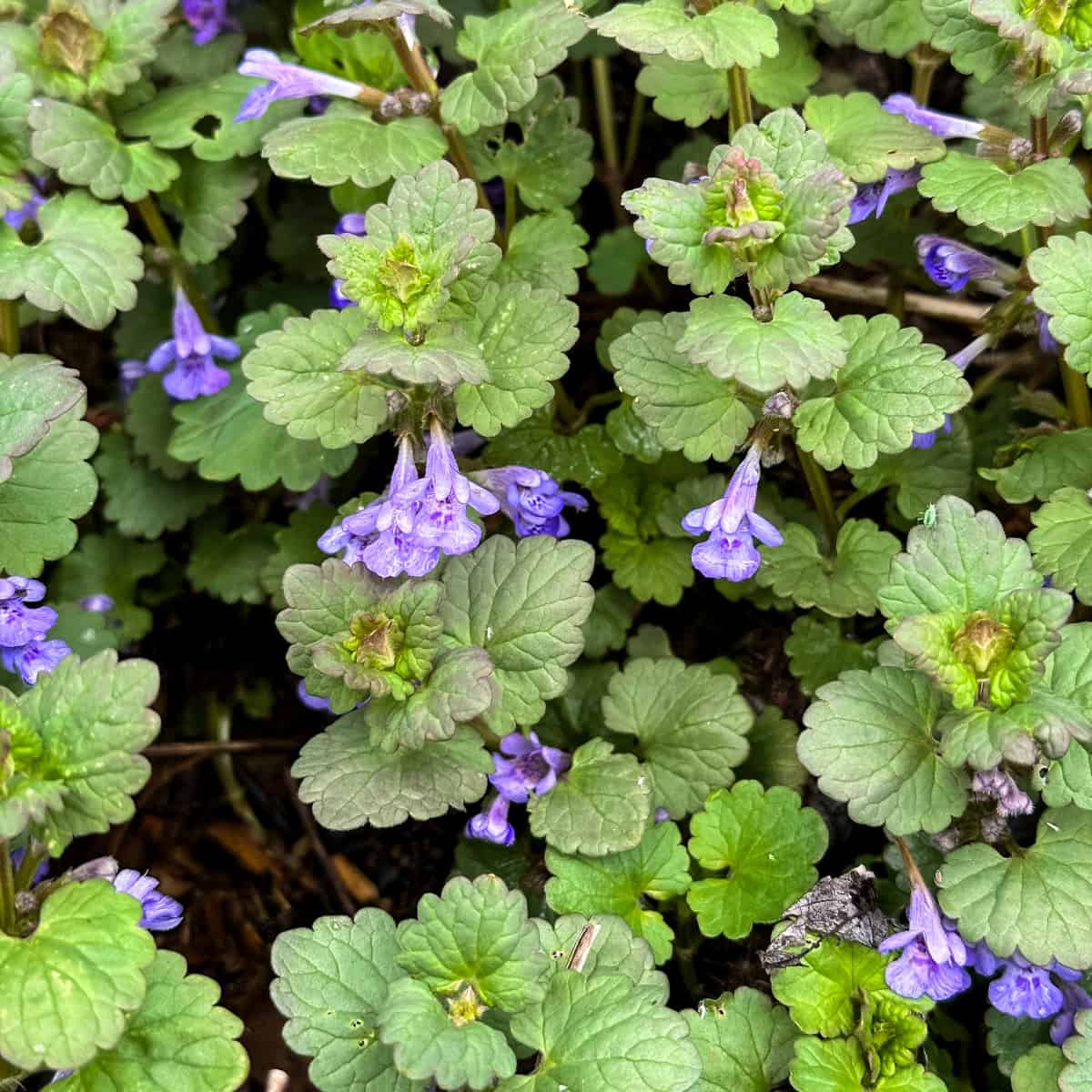
The leaves of ground ivy are kidney-shaped or orbicular, featuring prominent scalloped (crenate) edges and a palmate vein pattern. When crushed or bruised, the foliage releases a pungent, complex aroma that combines the brightness of mint with earthy, slightly acrid undertones. The flowers, which typically appear between March and July, are funnel-shaped and bilabiate (two-lipped). They present in shades of blue-violet or lavender, often marked with darker spots or streaks on the lower lip to guide pollinators.
A Chronology of Global Dispersal and Historical Utility
The trajectory of ground ivy from a valued medicinal herb to a maligned lawn weed is a study in shifting cultural priorities. Native to Europe and parts of Asia, the plant was intentionally introduced to North America by early European settlers. Its primary value at the time was two-fold: as a reliable ground cover for shaded areas and as a critical ingredient in the brewing process.
Before the widespread adoption of hops (Humulus lupulus) in the 16th century, ground ivy was the standard clarifying and bittering agent for ale. This historical use earned the plant the name "Ale-hoof," derived from the Old English "tunhoof." Throughout the Middle Ages and the Renaissance, it was also a staple of the European apothecary, used to treat everything from "tinnitus of the ears" to "lead colic" suffered by painters and metalworkers.

By the 19th and 20th centuries, as industrial agriculture and manicured landscaping became the standard in Western societies, Glechoma hederacea lost its status as a cultivated crop. Its resilience and rapid spread caused it to be reclassified as a "noxious weed" in various jurisdictions. However, the 21st-century resurgence of interest in foraging and sustainable living has prompted a modern re-evaluation of the species.
Comparative Analysis: Distinguishing Ground Ivy from Common Look-Alikes
Foragers and botanical enthusiasts must exercise precision when identifying spring greens, as ground ivy shares several physical traits with other members of the mint family. The most common look-alikes are Henbit (Lamium amplexicaule) and Purple Dead Nettle (Lamium purpureum). While all three are non-toxic and edible, their chemical profiles and culinary uses differ.
Henbit (Lamium amplexicaule)
Unlike the perennial ground ivy, Henbit is an annual. Its leaves are sessile, meaning they wrap directly around the stem without a petiole (stalk), particularly on the upper portion of the plant. The flowers are typically a darker, more vibrant pinkish-purple and lack the distinct "creeping" habit of ground ivy. Henbit tends to grow more upright and lacks the strong minty-earthy scent characteristic of Glechoma.
Purple Dead Nettle (Lamium purpureum)
Purple Dead Nettle is also an annual that appears in early spring. It is distinguished by its triangular, fuzzy leaves that often take on a deep purple or reddish hue at the top of the plant. The leaves are crowded toward the apex, creating a tiered or pagoda-like appearance. While it also has square stems and purple flowers, it does not form the same long, rooting runners that define Creeping Charlie.
Nutritional Data and Chemical Composition
Recent laboratory analyses have confirmed that ground ivy is a nutrient-dense wild edible. It is particularly high in Vitamin C, often exceeding the concentrations found in many commercially grown leafy greens. Additionally, the plant is a significant source of:
- Iron and Potassium: Essential minerals for cardiovascular health and oxygen transport in the blood.
- Volatile Oils: Including l-pinocamphone, isomenthone, and pulegone, which contribute to its aromatic and medicinal properties.
- Flavonoids and Polyphenols: Bioactive compounds that provide antioxidant support.
- Triterpenoids: Specifically ursolic and oleanolic acids, which have been studied for their anti-inflammatory effects.
Data from recent studies published in the International Journal of Molecular Sciences indicate that Glechoma hederacea extracts exhibit potent antimicrobial activity against at least 14 bacterial species. The study also highlighted the plant’s high antioxidant capacity, which researchers suggest could be utilized in the development of natural preservatives or therapeutic supplements.

Pharmacological Implications and Traditional Medicine
In the realm of traditional folk herbalism, ground ivy is classified as an "expectorant" and "vulnerary." Its historical use in treating respiratory conditions remains its most cited application. Modern herbalists often utilize the plant in the following ways:
- Respiratory Support: Infusions of the dried leaves are used to address chronic bronchial catarrh, asthma, and sore throats. Its expectorant properties help to thin and expel mucus from the lungs.
- Digestive and Urinary Health: As a mild diuretic, it has been used to support kidney function and alleviate symptoms of indigestion or "sluggish" digestion.
- Topical Applications: When applied as a poultice or compress, the plant’s antimicrobial properties are leveraged to treat minor skin irritations, wounds, and bruises.
While scientific interest is growing, medical professionals caution that because ground ivy contains pulegone—a compound that can be toxic in very high doses—it should be used in moderation. It is generally advised that pregnant or nursing women and individuals with liver or kidney disease avoid therapeutic doses of the plant.
Ecological Impact and Management Perspectives
From an ecological standpoint, ground ivy plays a complex role. In a forest or meadow setting, it provides early-season nectar for long-tongued bees and other pollinators at a time when few other floral resources are available. Its dense mats also help prevent soil erosion in damp, shaded areas where grass struggles to grow.

However, in the context of monoculture turf management, ground ivy is viewed as a significant threat. Its ability to thrive in low-light conditions and its resistance to many common broadleaf herbicides make it a persistent "problem" for those seeking a uniform lawn. Horticultural experts note that the plant’s success is often a symptom of underlying soil issues, such as excessive moisture, poor drainage, or heavy shade. Rather than relying solely on chemical intervention, experts suggest that improving soil aeration and increasing sunlight exposure can naturally limit the plant’s spread.
Culinary Integration and Modern Foraging Trends
The culinary revival of ground ivy is part of a broader "farm-to-table" and "wild-to-table" movement. Chefs and home cooks are beginning to experiment with its unique flavor profile, which is often described as a cross between mint, sage, and rosemary.
In contemporary kitchens, ground ivy is utilized as:
- A Flavoring Agent: Finely chopped leaves are added to soups, stews, and meat dishes to provide an earthy depth.
- Salad Enrichment: Young, tender spring leaves are used sparingly in wild salads to add a peppery, aromatic kick.
- Infusions: Beyond the traditional ale-brewing, the plant is used to infuse vinegars, oils, and even spirits like vodka, providing a botanical base for cocktails such as savory Bloody Marys.
Analysis of the Foraging Economy
The increasing popularity of plants like ground ivy is reflective of a larger economic and cultural shift. As the cost of commercially grown organic produce rises, consumers are looking toward their own backyards as a source of free, high-quality nutrition. This "foraging economy" is supported by a growing library of digital resources, ebooks, and workshops aimed at educating the public on safe identification and sustainable harvesting.
However, this trend also brings challenges. Environmental analysts warn that as more people turn to wild foraging, the risk of harvesting from contaminated sites increases. Ground ivy, which often grows near roadsides or on suburban lawns, is frequently exposed to heavy metal runoff or herbicide spraying. Experts emphasize the importance of "clean foraging"—only harvesting from areas known to be free of chemical treatments.
Future Outlook and Conclusion
The story of Glechoma hederacea is far from over. As researchers continue to investigate its antimicrobial and antioxidant properties, it is likely that the plant will find new applications in the pharmaceutical and nutraceutical industries. Simultaneously, its role as a resilient, pollinator-friendly ground cover makes it a candidate for "low-mow" or "no-mow" landscaping initiatives aimed at increasing urban biodiversity.
While it may never fully lose its reputation as a stubborn garden interloper, ground ivy stands as a testament to the hidden value of the natural world. By moving beyond the binary classification of "plant" versus "weed," society can begin to appreciate the intricate ecological and historical tapestry that species like Creeping Charlie represent. Whether used as a spring tonic, a culinary herb, or a nectar source for the season’s first bees, ground ivy remains a vital and enduring component of the temperate landscape.


