

The crisis of food waste in the United States has reached a critical juncture, with recent data indicating that approximately 40 percent of the domestic food supply is discarded annually. According to the Environmental Protection Agency (EPA), this inefficiency translates to a staggering financial loss for the average American household, which forfeits an estimated $2,913 per year to wasted food. While supply chain issues and retail overstocking contribute to these figures, a significant portion of waste occurs at the consumer level due to improper storage techniques and a lack of understanding regarding food preservation science. As inflationary pressures continue to drive up grocery costs, the adoption of rigorous food management strategies has transitioned from a niche environmental concern to a primary economic necessity for millions of families.
The Economic and Environmental Scale of Food Inefficiency
The implications of food waste extend far beyond the individual kitchen. When food is discarded, it represents the squandering of all resources utilized in its production, including water, land, energy, and labor. The United Nations Food and Agriculture Organization (FAO) reports that if food waste were a country, it would be the third-largest emitter of greenhouse gases in the world, primarily due to the methane released when organic matter decomposes in anaerobic landfill conditions.
In the United States, the USDA’s Economic Research Service estimates that 31 percent of food loss occurs at the retail and consumer levels. This corresponds to approximately 133 billion pounds of food, valued at $161 billion. Experts argue that the primary driver of this waste is the "mismanagement of the home inventory," where perishables are forgotten or stored in environments that accelerate their natural decomposition. By refining storage practices, consumers can effectively extend the shelf life of their groceries by weeks, thereby reducing their carbon footprint and reclaiming thousands of dollars in annual disposable income.
A Chronology of Food Spoilage: From Market to Landfill
Understanding the timeline of food degradation is essential for implementing effective preservation. The process typically follows a predictable trajectory influenced by three main factors: temperature, moisture, and ethylene gas.
- The Procurement Phase: Degradation often begins during transport from the grocery store. High-respiring produce, such as spinach or berries, can begin to wilt or develop mold within hours if left in a warm vehicle.
- The Initial Storage Error: Upon arrival at home, many consumers place produce directly into the refrigerator in the original plastic packaging. Plastic traps moisture and ethylene—a natural ripening agent emitted by many fruits—which creates a localized greenhouse effect that accelerates rot.
- The Mid-Week Decline: By day three or four, improperly stored greens become slimy, and ethylene-sensitive vegetables stored near apples or bananas begin to yellow or soften prematurely.
- The Disposal Point: By the end of the week, the "forgotten" items at the back of the fridge or in the bottom of the crisper drawer are discarded, completing a cycle of waste that repeats bi-weekly for the average consumer.
Technical Guidelines for Produce Preservation
To disrupt this cycle, food scientists and zero-waste advocates recommend a departure from traditional plastic-centric storage. The transition to glass, silicone, and natural fibers is not merely an aesthetic or environmental choice; it is a functional one. Plastic is a known endocrine disruptor, and its non-porous nature is often detrimental to the longevity of fresh produce.
Root Vegetables and Hardy Produce
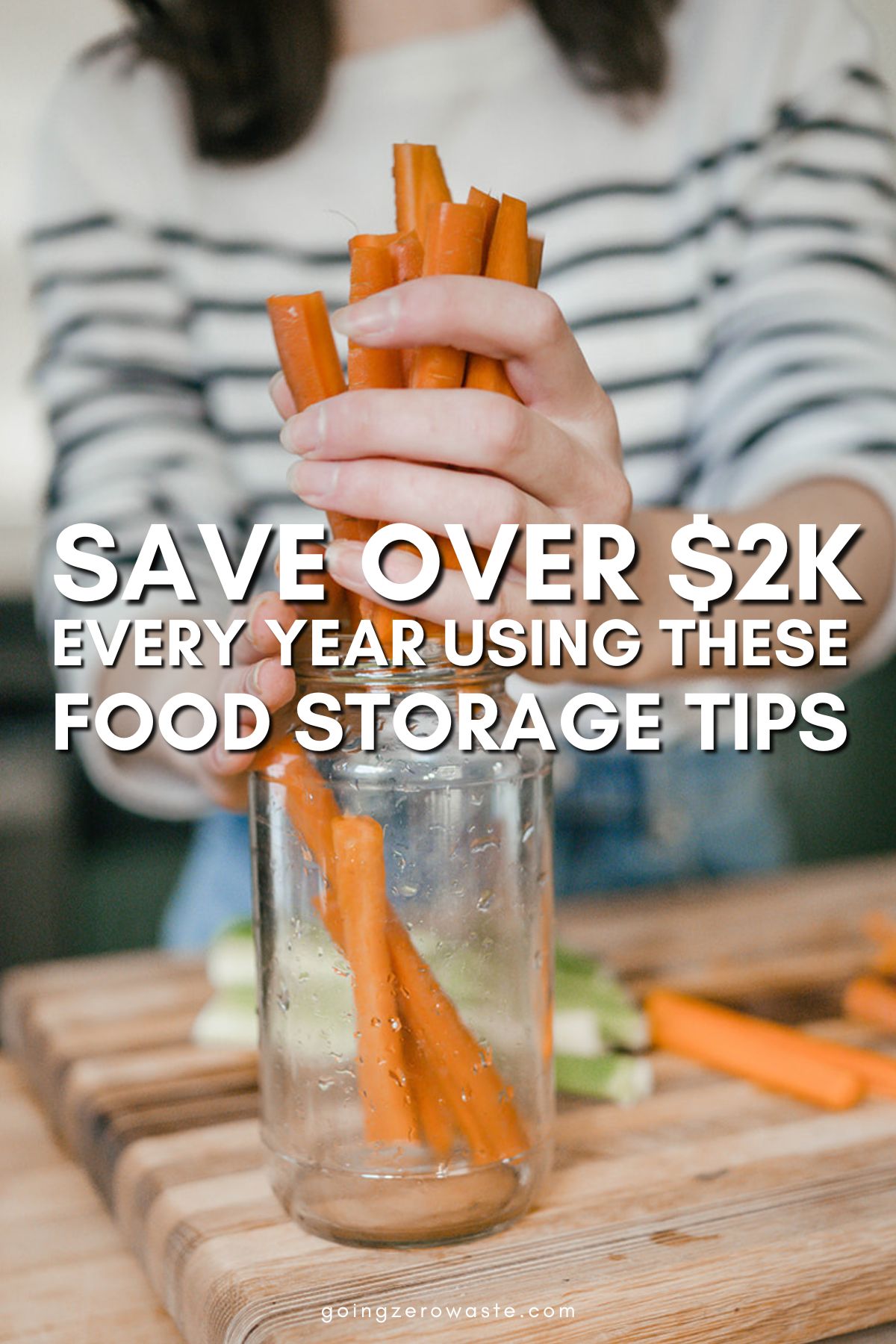
Carrots and celery, which are prone to losing turgor pressure and becoming limp, should be submerged in water within airtight glass containers. This method maintains the cellular structure of the vegetables, keeping them crisp for up to a month. Similarly, asparagus and hardy herbs should be treated like floral bouquets, with their stems submerged in an inch of water and stored upright in the refrigerator.
Ethylene Management
Understanding the chemical relationship between different types of produce is vital. Potatoes and onions, often stored together in pantry bins, are chemically incompatible; onions emit gases that cause potatoes to sprout more quickly. These should be kept in cool, dark, dry locations but in separate compartments. Furthermore, apples—prolific ethylene producers—should be kept away from leafy greens and delicate vegetables to prevent premature spoilage.
The Berry Protocol
Berries are among the most frequently wasted food items due to their susceptibility to mold. A professional preservation technique involves washing berries in a diluted vinegar solution (one part vinegar to three parts water) to kill fungal spores, followed by thorough drying. Once dry, they should be stored in a ventilated glass container lined with a cloth to absorb residual moisture.
The Role of Specialized Storage Media
The market for sustainable food storage has expanded significantly as consumers seek alternatives to single-use plastics. These innovations leverage natural properties to regulate the micro-environments surrounding food.

- Cotton Preservation Bags: Products like the "Swag Bag," constructed from unbleached, unseeded cotton, utilize a multi-layer design to allow produce to "breathe" while maintaining a hydrated environment. Laboratory tests suggest these bags can keep vegetables fresh for over two weeks by regulating moisture levels more effectively than plastic.
- Silicone Technology: High-grade silicone bags, such as those produced by Stasher, offer a non-toxic alternative for freezing and marinating. Unlike plastic bags, silicone is inert and can withstand extreme temperature fluctuations without leaching chemicals, making it ideal for long-term freezer storage of vegetable scraps and leftovers.
- Beeswax Wraps: Utilizing the antibacterial properties of beeswax and tree resin, these organic cotton wraps provide a breathable seal for cheeses, breads, and halved produce. The malleability of the wax, activated by the warmth of the human hand, creates a protective barrier that mimics the natural peel of a fruit.
Optimizing Refrigeration Infrastructure
A common misconception in household management is the belief that the interior of a refrigerator maintains a uniform temperature. In reality, refrigerators are designed with specific thermal zones, and misplacing items can lead to rapid spoilage.
The Door: This is the most thermally unstable area of the appliance. It should be reserved for high-acid condiments and shelf-stable beverages. Storing milk or eggs in the door—a common practice—exposes them to warm air every time the door is opened, significantly shortening their viable lifespan.
The Upper Shelves: These areas maintain the most consistent temperature and are ideal for prepared foods, leftovers, and items that do not require cooking.
The Lower Shelves: As the coldest part of the main compartment, the bottom shelves are designated for raw meats, poultry, and dairy. This placement also serves a safety function, preventing potential drips from raw proteins from cross-contaminating other food items.
Crisper Drawers: Modern refrigerators typically feature two drawers with adjustable humidity vents. The high-humidity drawer (closed vent) is designed for thin-skinned vegetables and wilting-prone greens. The low-humidity drawer (open vent) is intended for fruits that emit ethylene, allowing the gas to escape and preventing the fruit from rotting.

Broader Implications and Institutional Responses
The push for better food storage is gaining traction at the institutional level. The EPA and USDA have set a national goal to reduce food waste by 50 percent by the year 2030. Achieving this target requires a shift in consumer behavior and retail standards. Some grocery chains have begun implementing take-back programs for soft plastics and offering more package-free produce options to facilitate better home storage.
Analysis from environmental economists suggests that if the 40 percent waste figure could be halved, the impact on global food security would be profound. The saved resources could potentially feed an additional 25 million Americans, effectively eliminating food insecurity in the United States.
Furthermore, the transition away from plastic storage addresses growing public health concerns regarding microplastics and chemical leaching. By utilizing glass and stainless steel—materials that are infinitely recyclable and chemically stable—consumers are not only preserving their food but also protecting their long-term health.
In conclusion, the proper storage of food is a multifaceted solution to some of the most pressing issues of the modern era. It is a rigorous discipline that combines chemistry, thermodynamics, and environmental stewardship. As households continue to navigate an era of economic volatility, the ability to extend the life of a single carton of strawberries or a head of lettuce becomes a powerful tool for financial independence and global sustainability. The data is clear: the most effective way to lower the cost of living and reduce environmental impact starts with the reorganization of the domestic refrigerator.


