
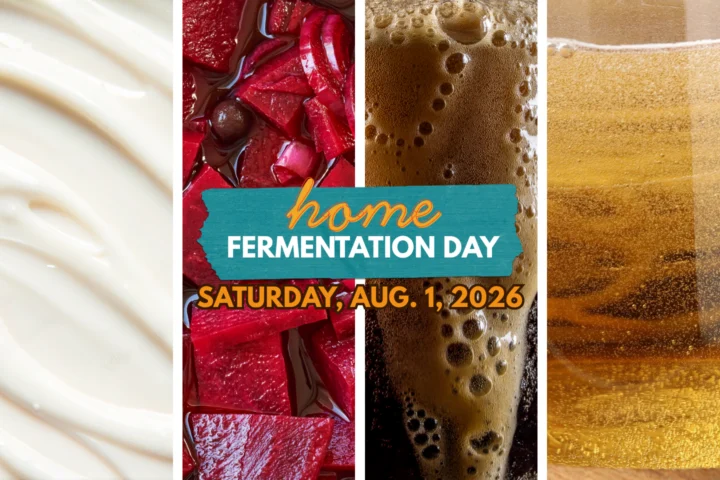
Home Fermentation Day, an annual celebration championed by the American Homebrewers Association (AHA), serves as a vibrant platform to honor the transformative power of fermentation, encompassing both the beloved realm of fermented beverages and the expanding universe of fermented foods. The event encourages enthusiasts to share their projects by tagging @homebrewassoc or utilizing the hashtag #HomeFermentationDay, fostering a community dedicated to the science and artistry of transforming simple ingredients into complex and delicious consumables. This initiative highlights the growing interest in home fermentation, a practice with roots stretching back millennia, which continues to captivate modern hobbyists and culinary explorers alike.
The Historical Tapestry of Fermentation
Fermentation, a metabolic process that converts sugar to acids, gases, or alcohol, has been a cornerstone of human civilization for thousands of years. Archaeological evidence suggests that ancient cultures were fermenting beverages as early as 7000 BCE in China, with the production of rice wine. Similar practices emerged independently across various regions, leading to the development of diverse fermented drinks like beer in Mesopotamia, wine in the Near East, and mead throughout Europe. Beyond beverages, fermentation played a crucial role in food preservation, enabling societies to store and consume perishable goods through the creation of products like yogurt, cheese, pickles, and sourdough bread. The rediscovery and popularization of these ancient techniques in the modern era have led to a resurgence in home fermentation, driven by a desire for authentic flavors, healthier food options, and the engaging process of scientific experimentation in the kitchen.
Celebrating Fermented Beverages: A Homebrewer’s Haven
Home Fermentation Day places a significant emphasis on fermented beverages, a category deeply ingrained in the history of homebrewing. For many, this encompasses the well-established trinity of beer, mead, and cider. Beer, with its myriad styles and brewing techniques, remains a perennial favorite among home fermentationists. The journey from malting grains to carbonated pints involves intricate steps of mashing, boiling, fermenting with yeast, and conditioning, offering a rich landscape for innovation and personal expression.
Mead, often referred to as "honey wine," boasts an even longer pedigree, dating back to ancient civilizations. Its production involves the fermentation of honey, water, and yeast, with endless possibilities for flavor variations through the addition of fruits, spices, and other adjuncts. The AHA’s recognition of mead as a key fermented beverage underscores its historical significance and its growing popularity among home fermenters seeking to explore ancient traditions.
Cider, the fermented juice of apples, also holds a prominent place in the home fermentation landscape. From crisp, dry varieties to sweeter, fruit-infused versions, cider production offers a relatively accessible entry point into the world of fermented beverages, appealing to both experienced brewers and newcomers.
The AHA actively promotes these and other fermented beverages through its publications and online resources, providing a wealth of information and inspiration for individuals looking to embark on their own brewing or fermenting adventures.
Expanding Horizons: The World of Fermented Foods
Beyond the traditional focus on beverages, Home Fermentation Day also champions the exploration of fermented foods. This expansion acknowledges the vast and diverse world of culinary fermentation, which offers a parallel pathway for creative engagement with microbial transformation. Introducing fermented foods into the home fermentation repertoire opens up a new dimension of projects and experiments, complementing the efforts in beverage production and providing a holistic approach to the practice.
The array of possibilities within fermented foods is staggering. From the tangy crunch of sauerkraut and kimchi to the creamy tang of yogurt and kefir, and the complex flavors of artisanal cheeses and sourdough bread, fermented foods offer a spectrum of tastes, textures, and health benefits. These foods are not only a delicious addition to any diet but also a significant source of probiotics, which are beneficial microorganisms that can contribute to gut health.
The AHA’s outreach extends to this burgeoning field by encouraging the exploration of these food-based projects. By bridging the gap between beverage fermentation and food fermentation, the organization aims to provide a comprehensive resource for anyone interested in harnessing the power of microbes for culinary creation. This inclusive approach recognizes that the principles of fermentation are universal, applicable across a wide range of ingredients and desired outcomes.
The Role of Zymurgy Magazine and the AHA
Zymurgy magazine, the official publication of the American Homebrewers Association, plays a pivotal role in disseminating knowledge and fostering enthusiasm for fermentation. While renowned as the premier resource for homebrewing, Zymurgy consistently features in-depth explorations into other fermented projects, including a dedicated column titled "You Can Ferment That." This column serves as a direct conduit for inspiration, offering practical advice, recipes, and insights into various fermentation endeavors, from Kombucha to tempeh.
Membership in the American Homebrewers Association provides members with exclusive access to the Zymurgy online archives, alongside four new issues annually. This membership model underscores the AHA’s commitment to its community, offering a treasure trove of resources that empower individuals to deepen their understanding and practice of fermentation. The association’s dedication to providing such comprehensive content is crucial in demystifying complex processes and making the art of fermentation accessible to a broader audience.
Data and Trends in Home Fermentation
The growing interest in home fermentation is supported by observable trends and increasing participation in related communities and events. While specific, comprehensive global data on home fermentation projects can be elusive, indicators such as the proliferation of online forums, social media engagement with fermentation hashtags, and the increased availability of specialized ingredients and equipment suggest a significant upward trajectory. For instance, searches for "how to make kimchi" or "homebrew beer kit" have seen consistent growth over the past decade, reflecting a rising curiosity and active engagement with these practices.
Furthermore, the craft beverage industry, which has experienced substantial growth in recent years, has likely fueled interest in the underlying processes of fermentation. As consumers become more aware of the complexities and craftsmanship involved in commercial beer, wine, and spirits, a parallel interest in replicating these processes at home naturally emerges. This extends to the burgeoning market for fermented foods, driven by consumer interest in health, wellness, and artisanal products. Reports from market research firms have indicated a steady increase in the demand for fermented foods and beverages, with consumers actively seeking out products with probiotic benefits and unique flavor profiles. This consumer-driven demand often translates into increased interest in home production.
Official Statements and Community Engagement
The American Homebrewers Association consistently articulates its mission to promote the art and science of home fermentation. In statements and communications, the organization emphasizes the educational, social, and creative aspects of the hobby. The annual observance of Home Fermentation Day serves as a cornerstone of this effort, providing a focal point for community engagement.
"Home Fermentation Day is a fantastic opportunity to celebrate the incredible diversity and creativity within the fermentation community," stated a spokesperson for the AHA, reflecting the organization’s enthusiasm for the event. "Whether you’re crafting your first batch of kombucha or perfecting a complex sour beer, we encourage everyone to share their passion and inspire others. It’s about connection, discovery, and the joy of transforming simple ingredients into something extraordinary."
This sentiment is echoed by many within the home fermentation community, where social media platforms and online forums buzz with shared experiences, troubleshooting tips, and celebratory posts of successful ferments. The hashtag #HomeFermentationDay, in particular, acts as a digital gathering space, allowing enthusiasts from different geographical locations to connect and exchange ideas.
Broader Impact and Future Implications
The growing popularity of home fermentation has several broader implications. Firstly, it contributes to a greater appreciation for the science and history behind food and beverage production. As individuals engage directly with the process of fermentation, they develop a deeper understanding of the microbial world and its impact on our diets and cultures.
Secondly, home fermentation aligns with growing consumer trends towards sustainability and self-sufficiency. By producing their own fermented goods, individuals can reduce their reliance on commercially produced items, potentially minimizing packaging waste and transportation-related carbon footprints. This movement also fosters a greater connection to food sources and a more conscious approach to consumption.
Furthermore, the educational resources provided by organizations like the AHA are crucial for cultivating a knowledgeable and engaged community. As more people discover the joys and rewards of fermentation, the demand for accessible information, workshops, and events is likely to increase. This could lead to further innovation in fermentation techniques, the development of new product categories, and a continued resurgence of interest in traditional fermented foods and beverages worldwide. The enduring appeal of transforming raw ingredients into complex, flavorful, and beneficial products ensures that home fermentation will continue to be a vibrant and evolving practice for years to come.


