The global shift toward "Clean Beauty" and sustainable self-care has revitalized the ancient practice of herbal oil infusion, a foundational technique used to create a wide array of all-natural body care products including salves, body butters, and medicinal creams. As the botanical skincare market continues to expand—projected to reach a valuation of over $5.4 billion by 2030—consumers and amateur herbalists alike are turning to artisanal methods to bypass synthetic preservatives and microplastics found in commercial offerings. Making an infused oil is not merely a craft project but a precise method of lipid-based extraction, where the volatile oils and fat-soluble properties of plants are transferred into a carrier medium. This process serves as the essential first step for any practitioner looking to harness the topical benefits of the natural world, offering a cost-effective and chemically transparent alternative to industrial cosmetic manufacturing.
The Scientific Foundation of Lipid-Based Extraction
The process of creating an herbal oil relies on the principle of maceration, wherein plant material (the solute) is soaked in a carrier oil (the solvent) to extract its bioactive compounds. Unlike tinctures, which use alcohol to extract water-soluble and some fat-soluble constituents, oil infusions are specifically designed to capture resins, essential oils, and lipid-soluble antioxidants such as carotenoids and tocopherols.
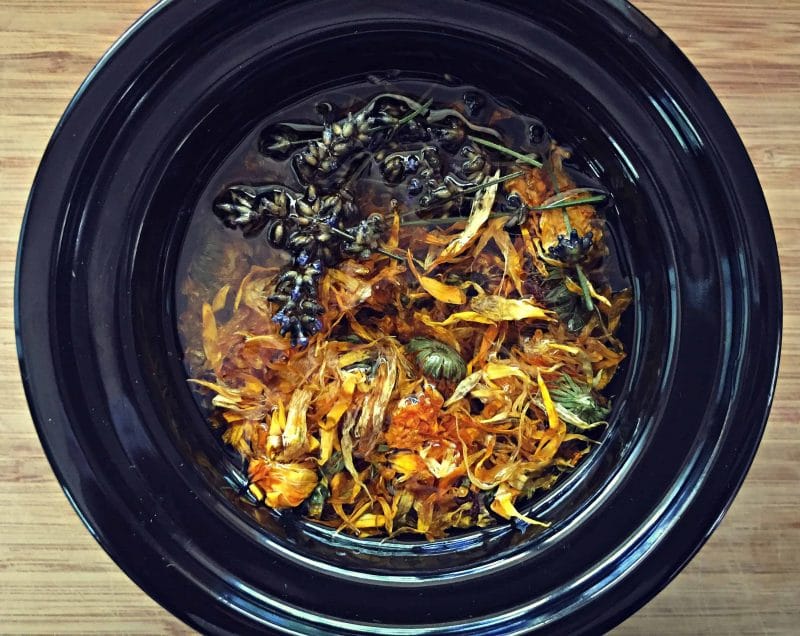
When herbs are submerged in oil, the cellular walls of the plant material gradually break down, releasing phytochemicals into the liquid. This extraction is influenced by several variables: temperature, surface area of the herb, and the duration of exposure. For example, herbs like calendula (Calendula officinalis) release triterpenoids and flavonoids that are known to support skin regeneration and reduce inflammation. By controlling the environment of the infusion, herbalists can maximize the potency of the final product while ensuring its stability and safety for long-term use.
A Chronology of the Botanical Season
The production of herbal oils follows a strict seasonal timeline, dictated by the blooming cycles of various medicinal plants. For the dedicated herbalist, the process begins months before the actual infusion.
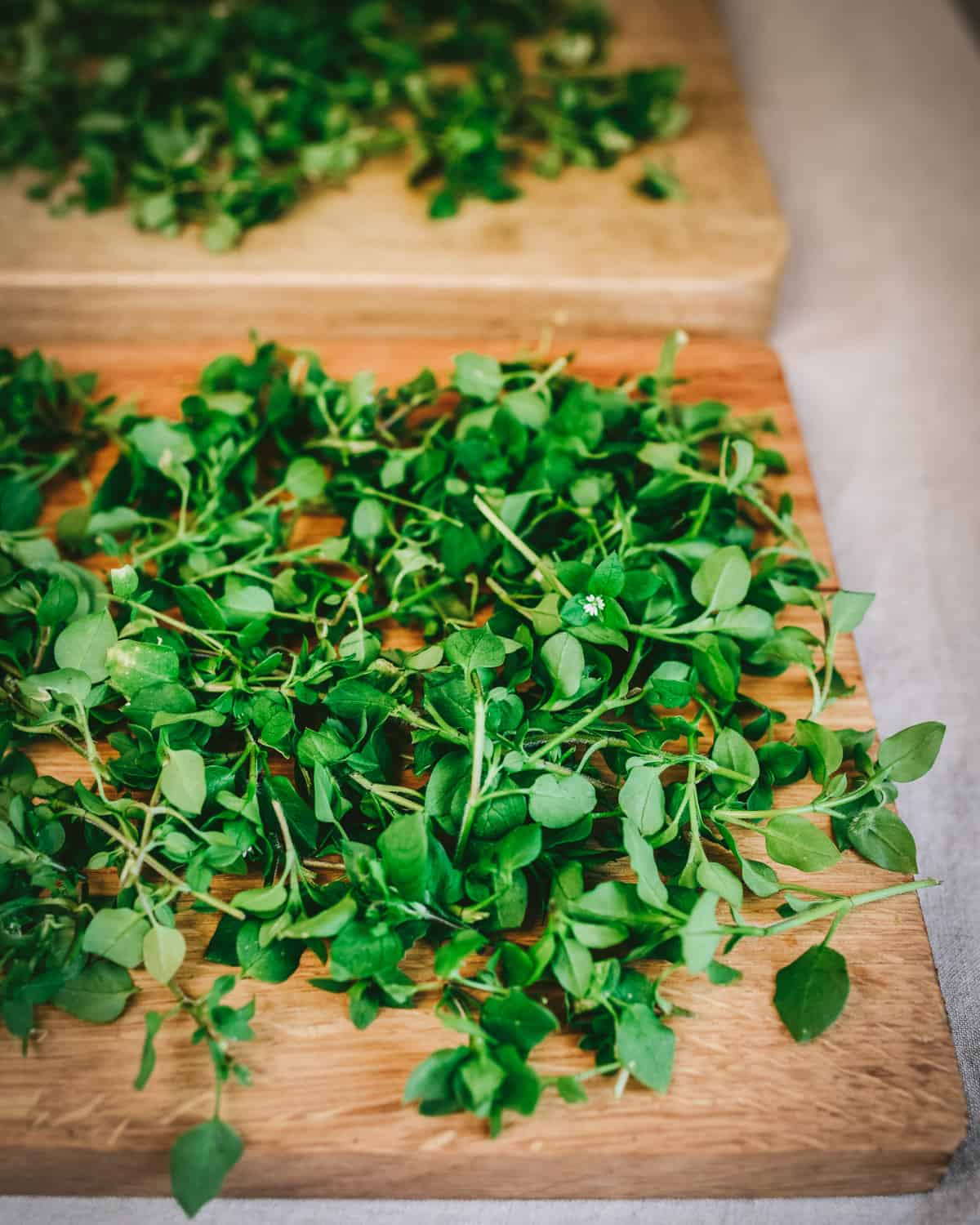
- Spring Emergence: The cycle begins in early spring with the foraging of "cleansing" herbs. Chickweed and dandelion flowers are among the first to be collected. These plants are often used fresh or slightly wilted, requiring the "quick heat" method to prevent the high water content from causing spoilage.
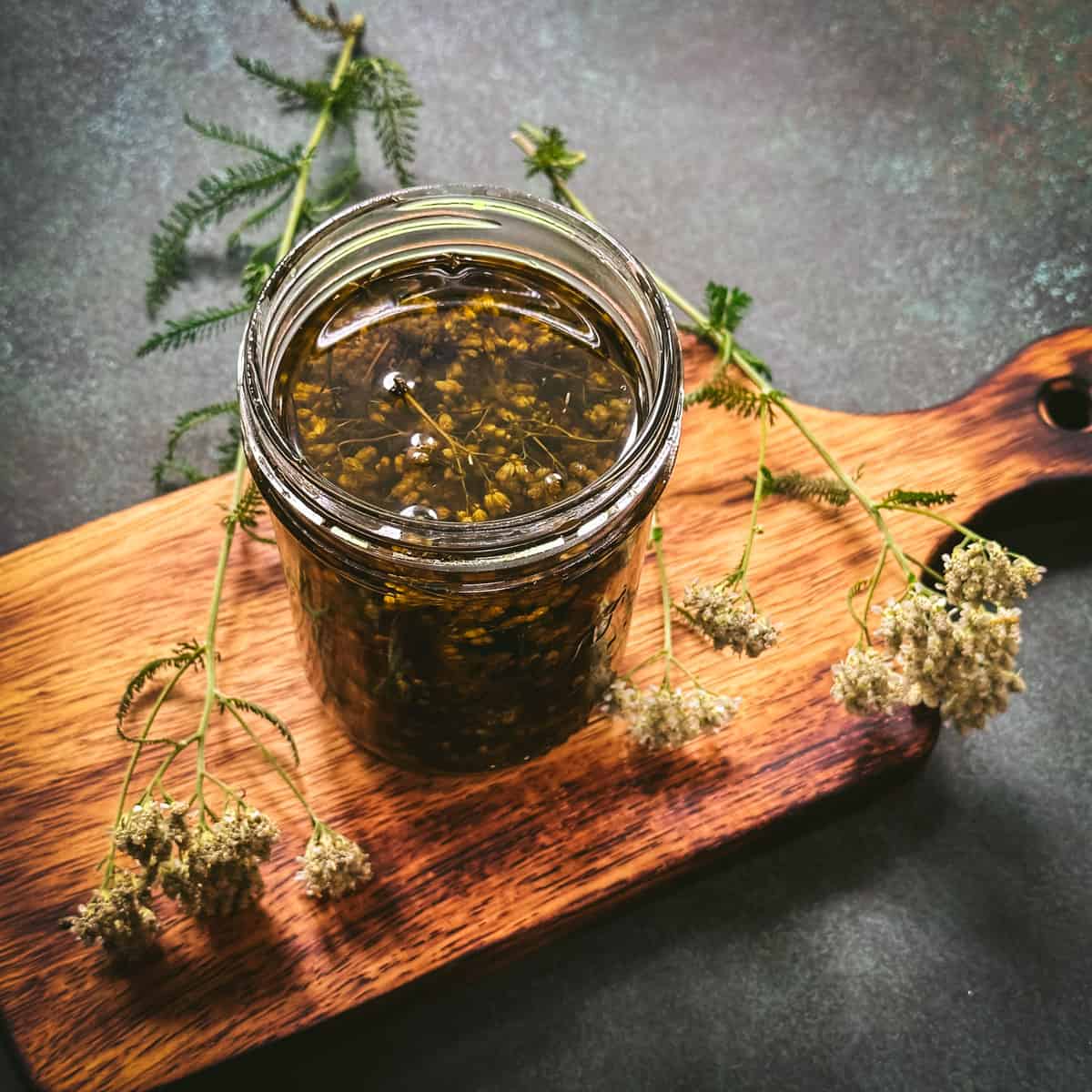
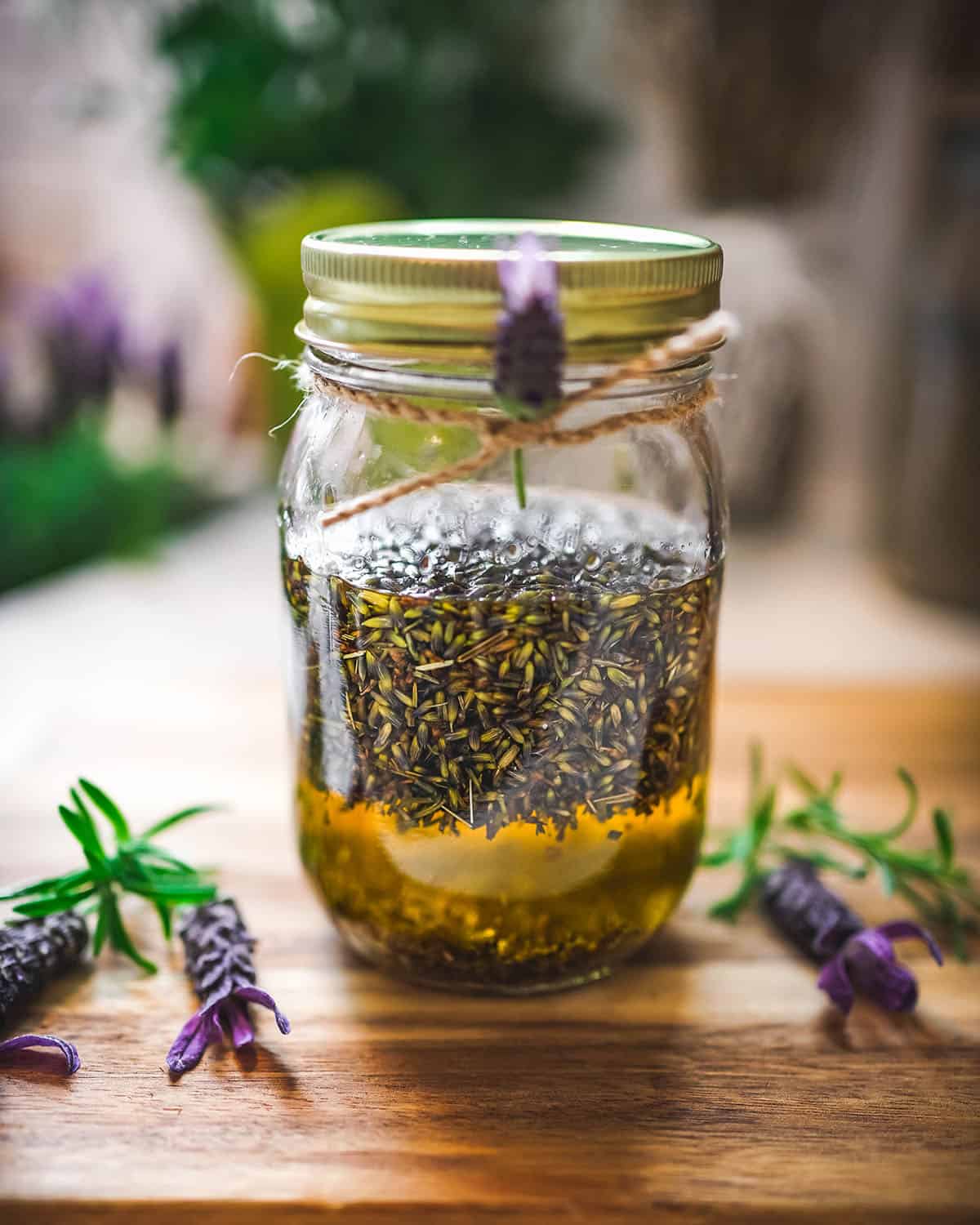
- Summer Harvest: This is the peak period for gathering high-potency aromatic herbs. Lavender, rosemary, and yarrow are harvested during the heat of the day when their essential oil concentration is highest. These are typically dried thoroughly to prepare for the "cold infusion" method.
- Late Summer/Early Autumn: The harvest of St. John’s Wort occurs around the summer solstice. This plant is unique because its active constituent, hypericin, is best extracted from the fresh flowering tops, resulting in a signature deep red oil.
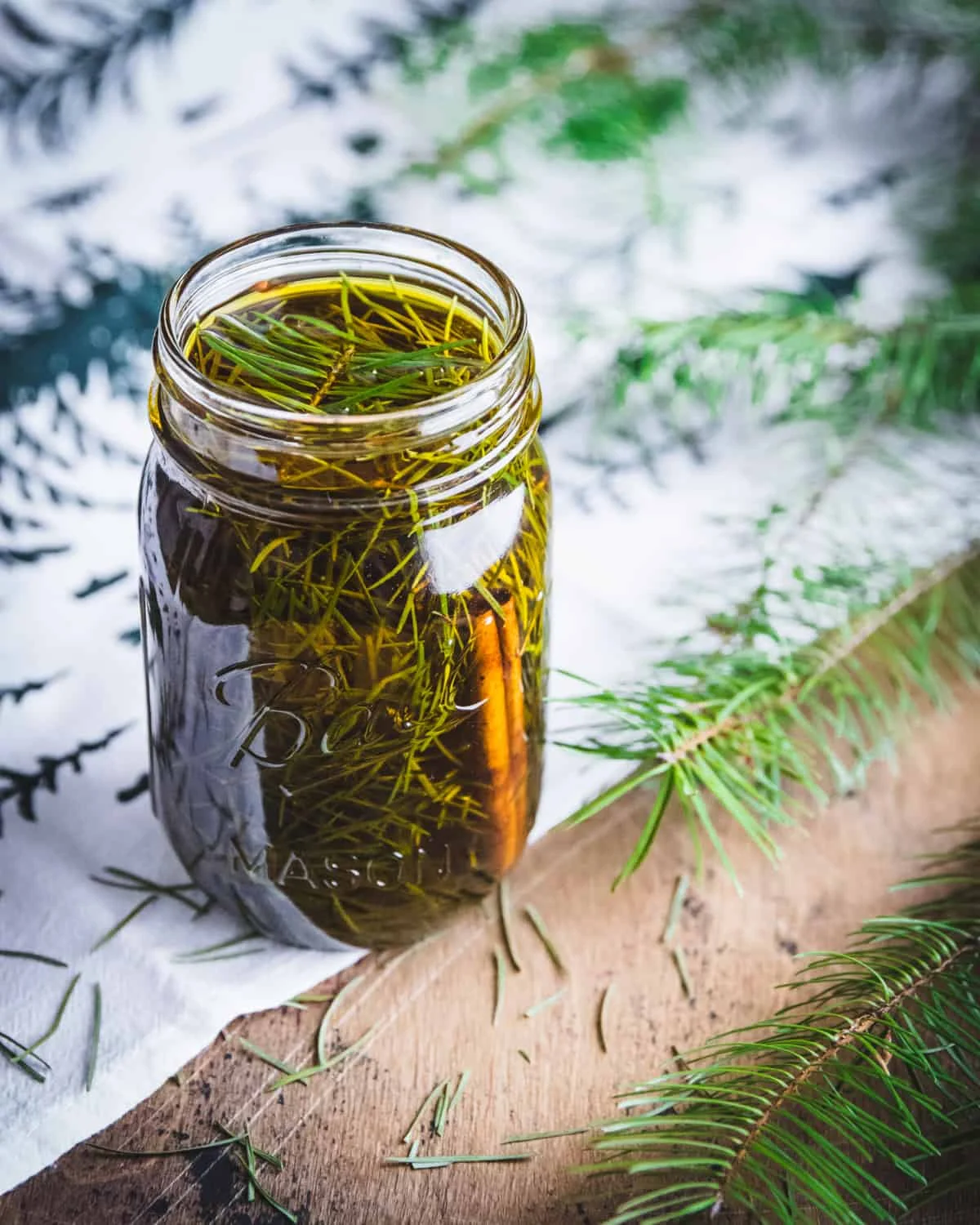
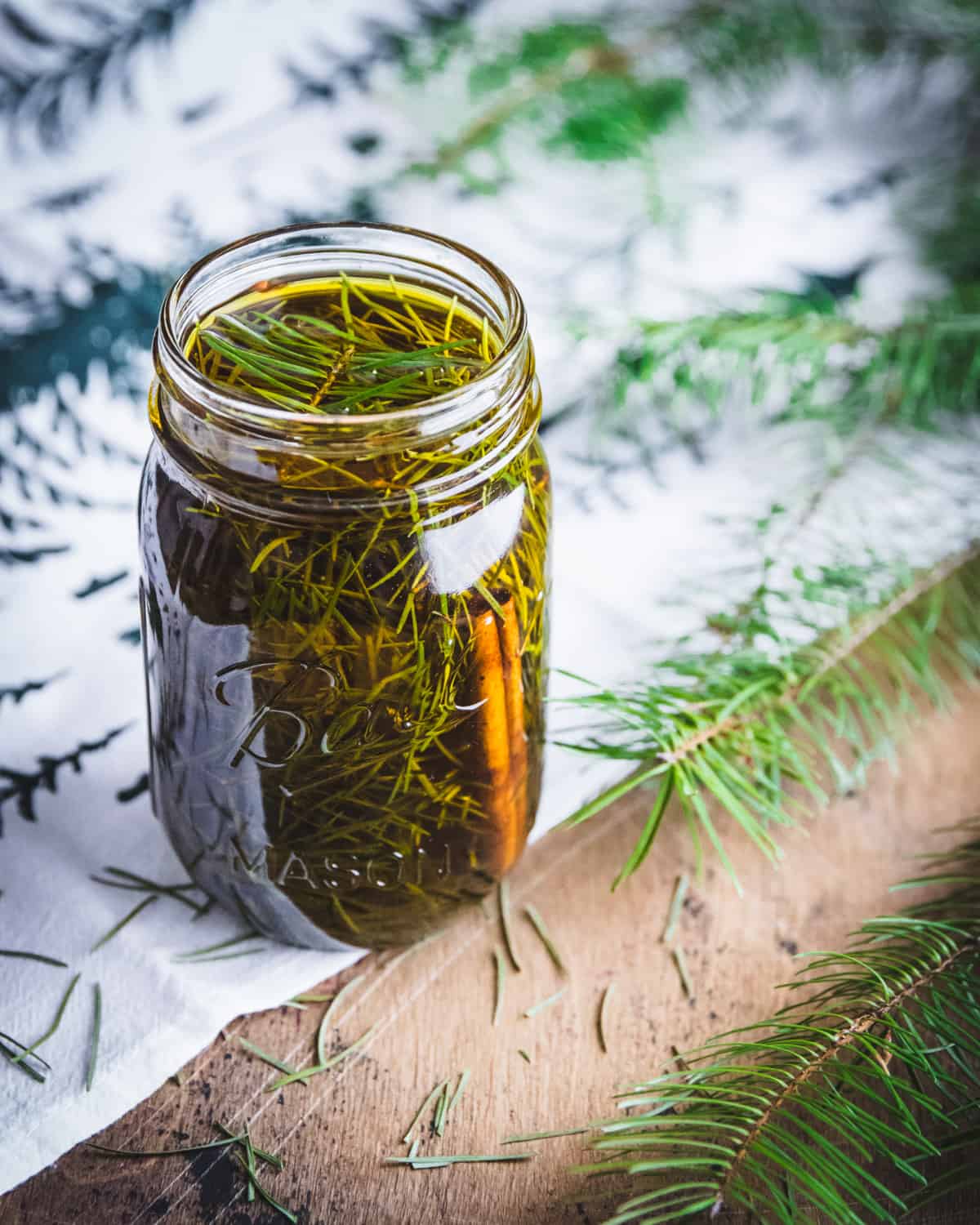
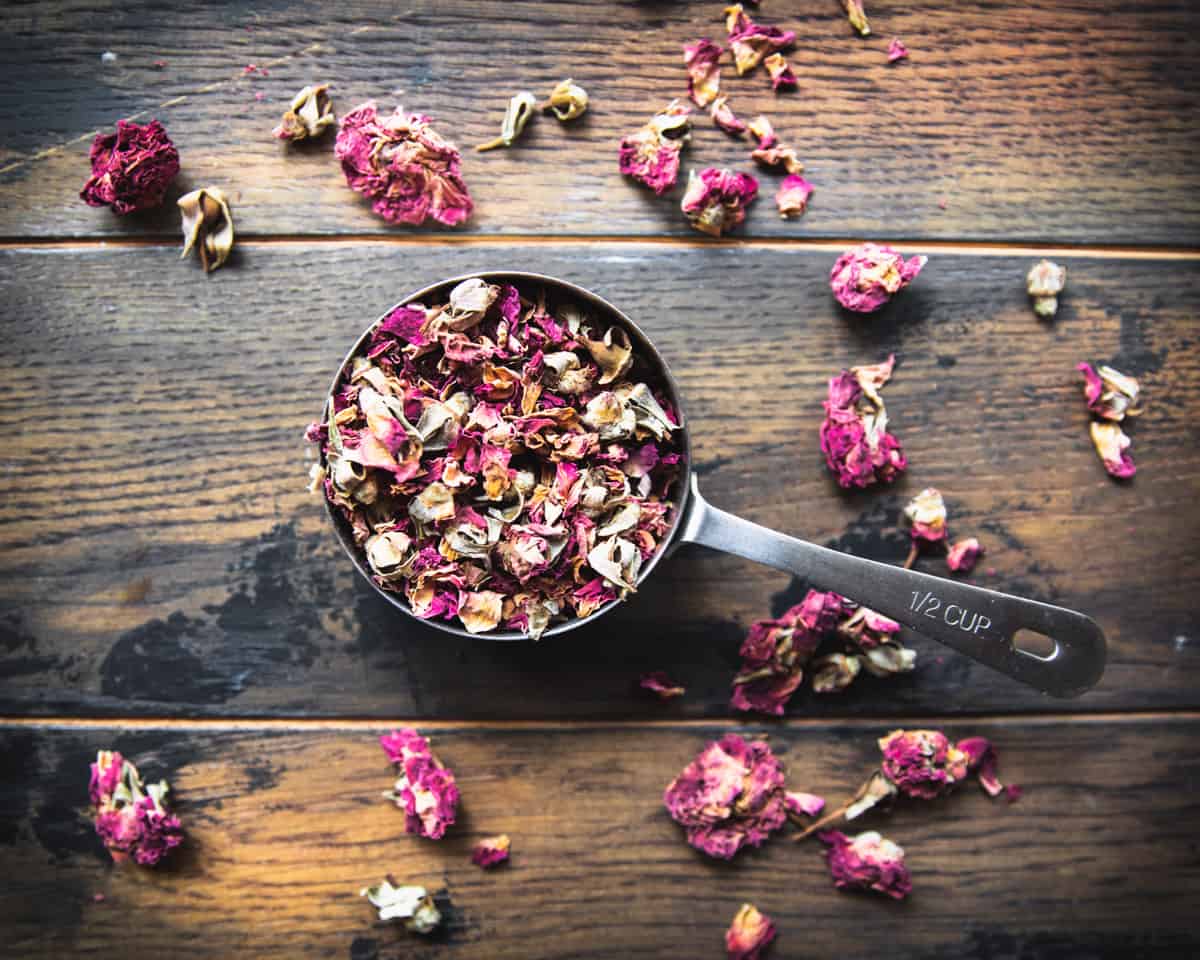
- Winter Foraging: Even in the dormant months, the cycle continues. Conifer needles (pine, fir, and spruce) and late-season rose hips are gathered. These materials are rich in Vitamin C and resins, providing warming and protective properties for winter skincare.
Material Selection: Carrier Oils and Botanical Profiles
The choice of carrier oil is a critical decision that affects the shelf life, absorption rate, and therapeutic profile of the final infusion. Market data indicates that olive oil remains the industry standard for folk herbalism due to its high oleic acid content and natural antioxidant properties, which offer a shelf life of up to two years. However, professional formulations often utilize a variety of oils tailored to specific skin types:
- Fractionated Coconut Oil: Highly stable and non-greasy, it is preferred for lightweight body oils and sprays.
- Sweet Almond Oil: Rich in Vitamin E and highly emollient, making it a staple for sensitive skin and massage oils.
- Jojoba Oil: Technically a liquid wax, jojoba closely mimics human sebum, allowing for deep penetration and excellent stability against rancidity.
- Argan or Rosehip Seed Oil: Often used for facial applications due to their high concentration of essential fatty acids, though they are more prone to oxidation.
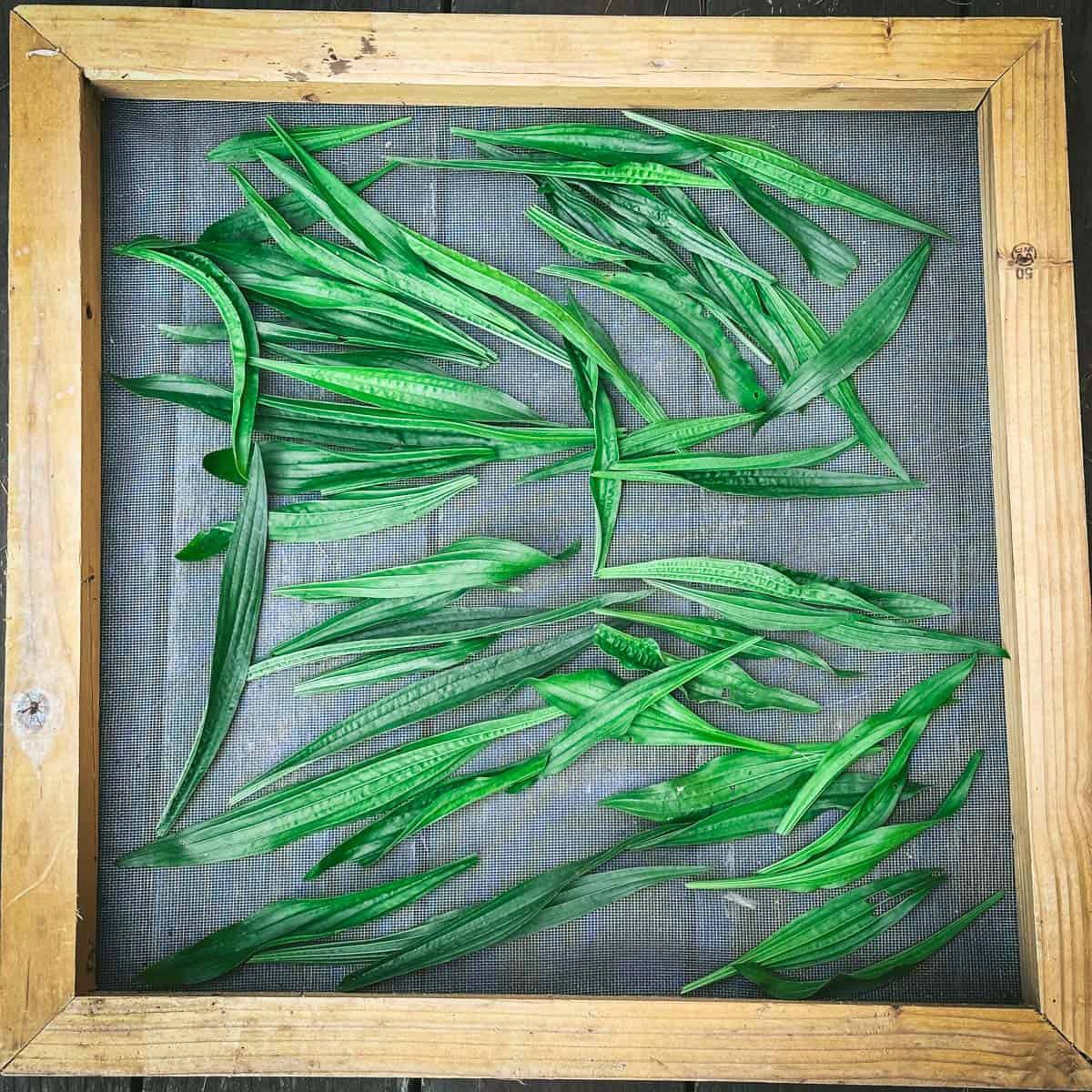
The botanical selection is equally diverse. Data from the American Botanical Council highlights several key herbs frequently used in topical applications. Lavender is prized for its linalool content, which provides sedative and antiseptic qualities. Calendula is widely recognized in dermatological studies for its ability to promote wound healing. Meanwhile, plantain (Plantago major) is a staple in "drawing salves" due to its ability to soothe insect bites and minor skin irritations.
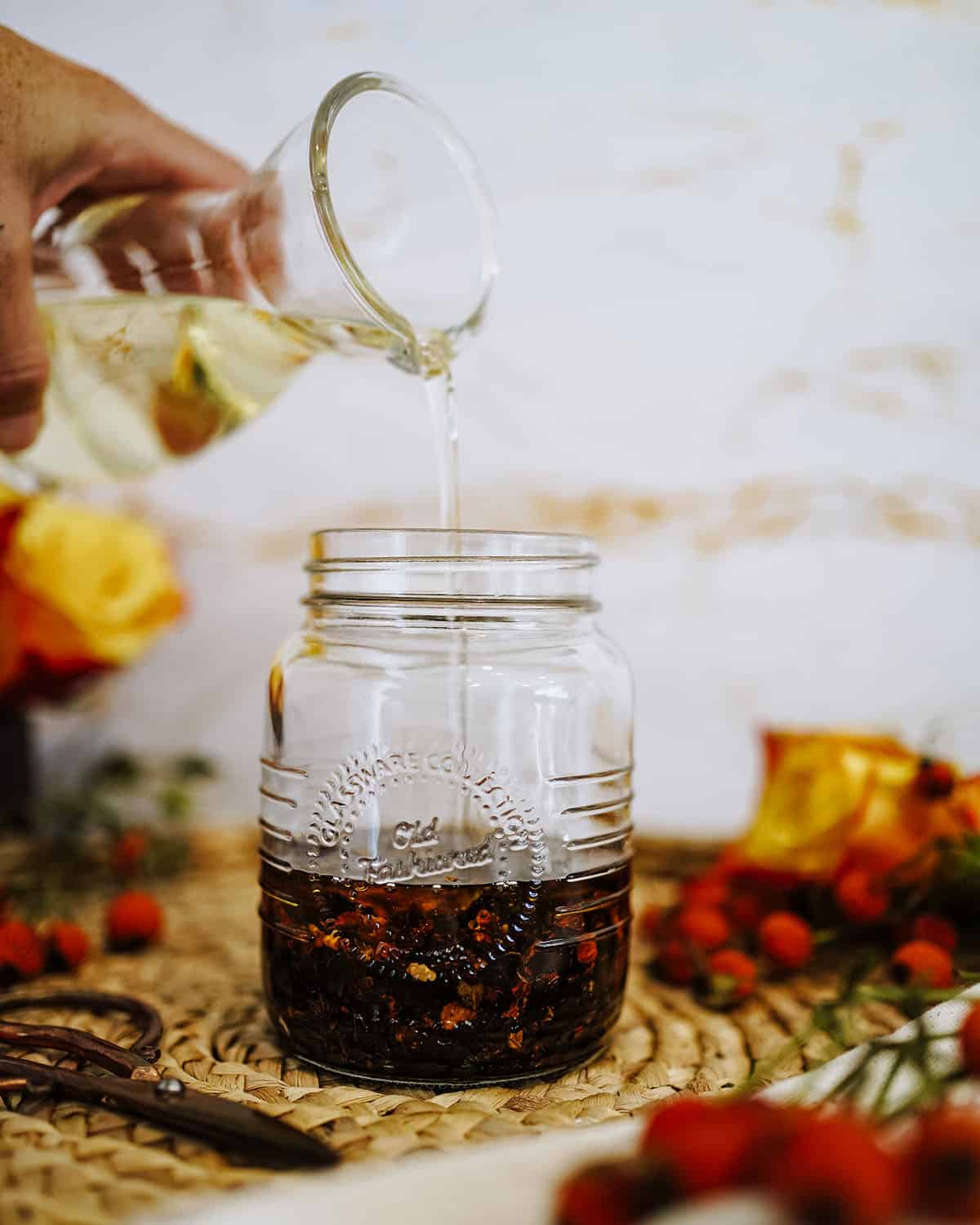
Methodologies of Infusion: A Comparative Analysis
There are three primary methods for creating herbal oils, each with distinct advantages and technical requirements.
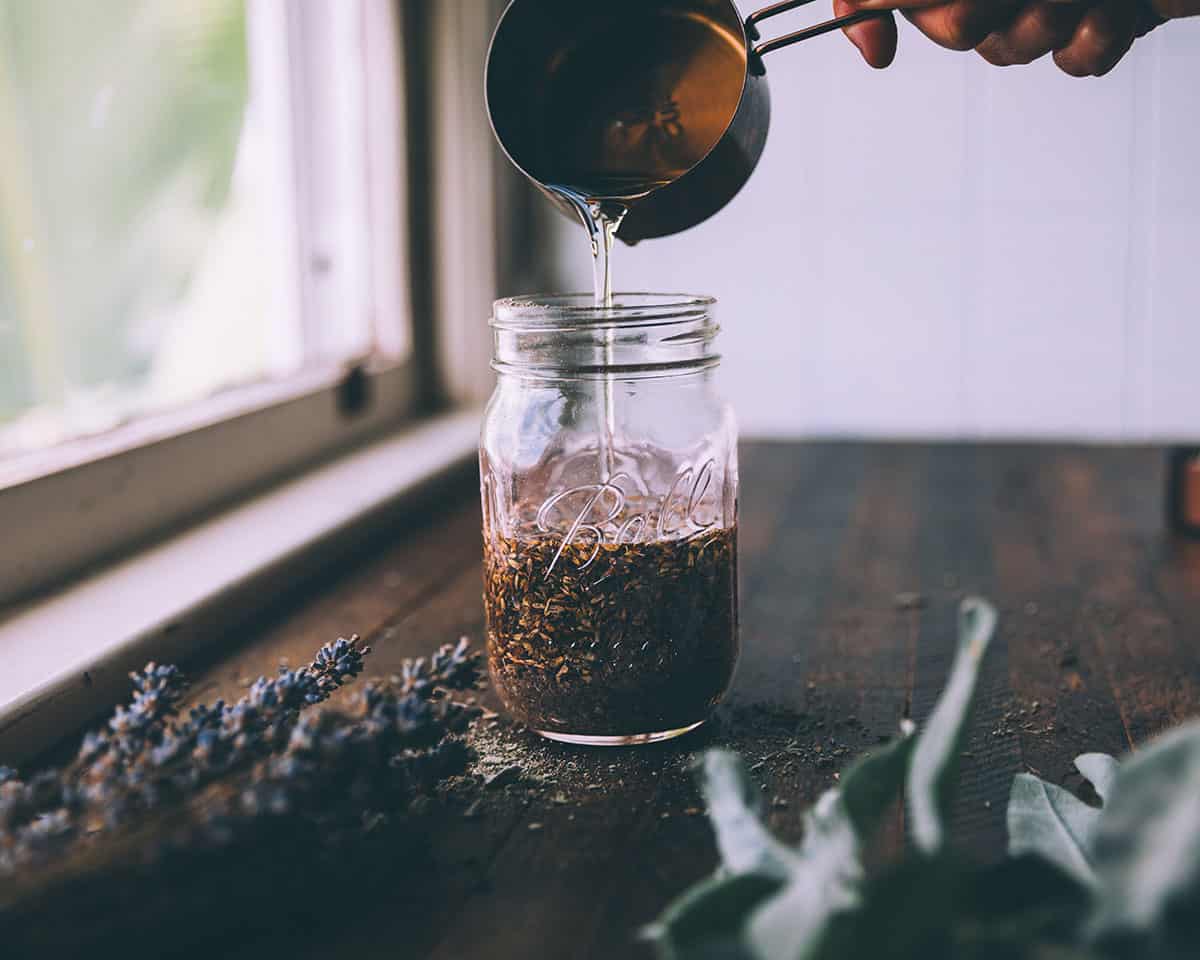
The Cold Infusion (Traditional Maceration)
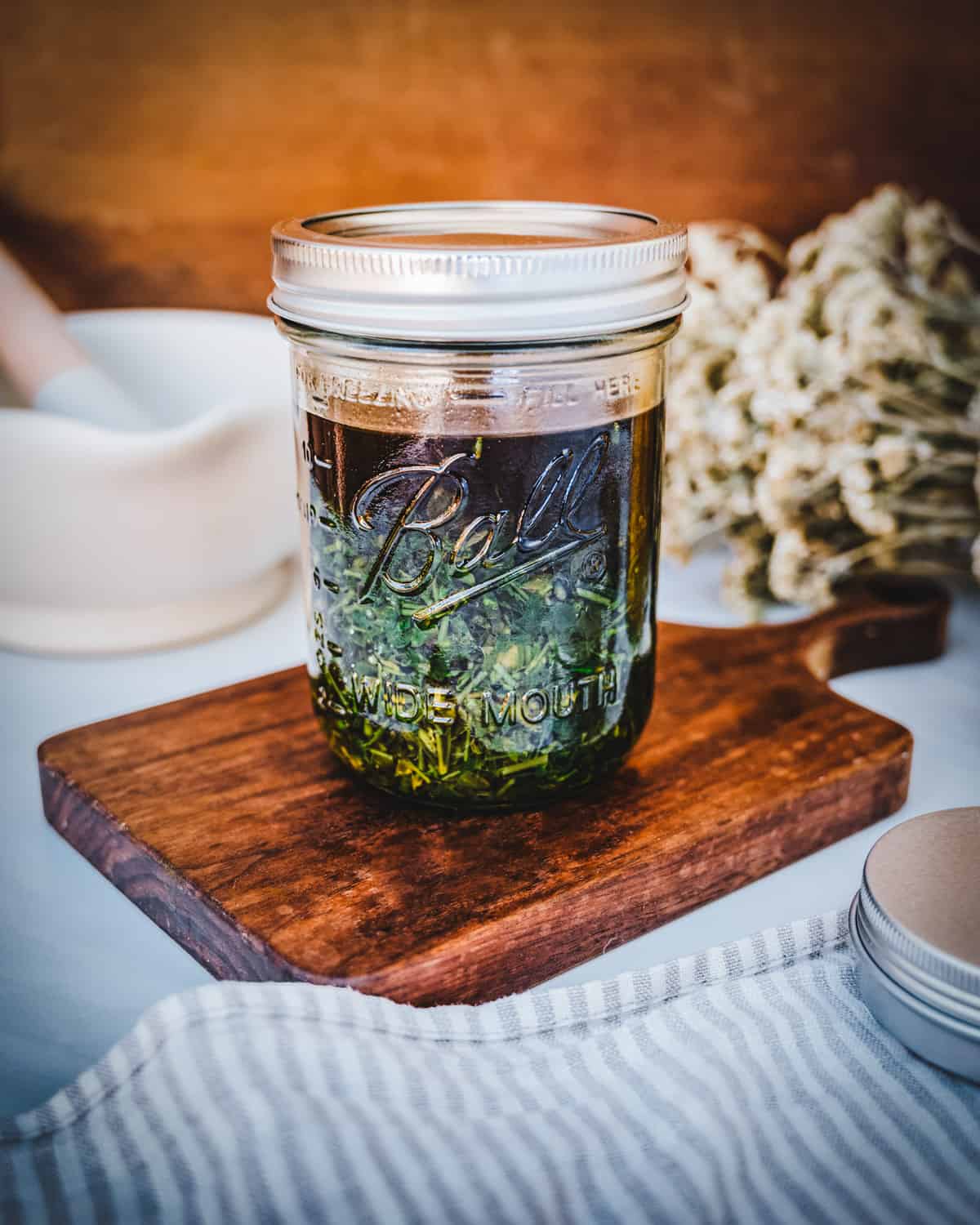
The cold infusion method is regarded as the "gold standard" for preserving the delicate aromatic compounds of dried herbs. This method involves placing dried plant material in a glass jar, covering it completely with oil, and allowing it to sit in a cool, dark place for four to six weeks. The primary rule of this method is the total absence of moisture. Even a single drop of water can introduce mold or the growth of anaerobic bacteria. This slow process ensures a gentle extraction that does not degrade the oil’s fatty acids.
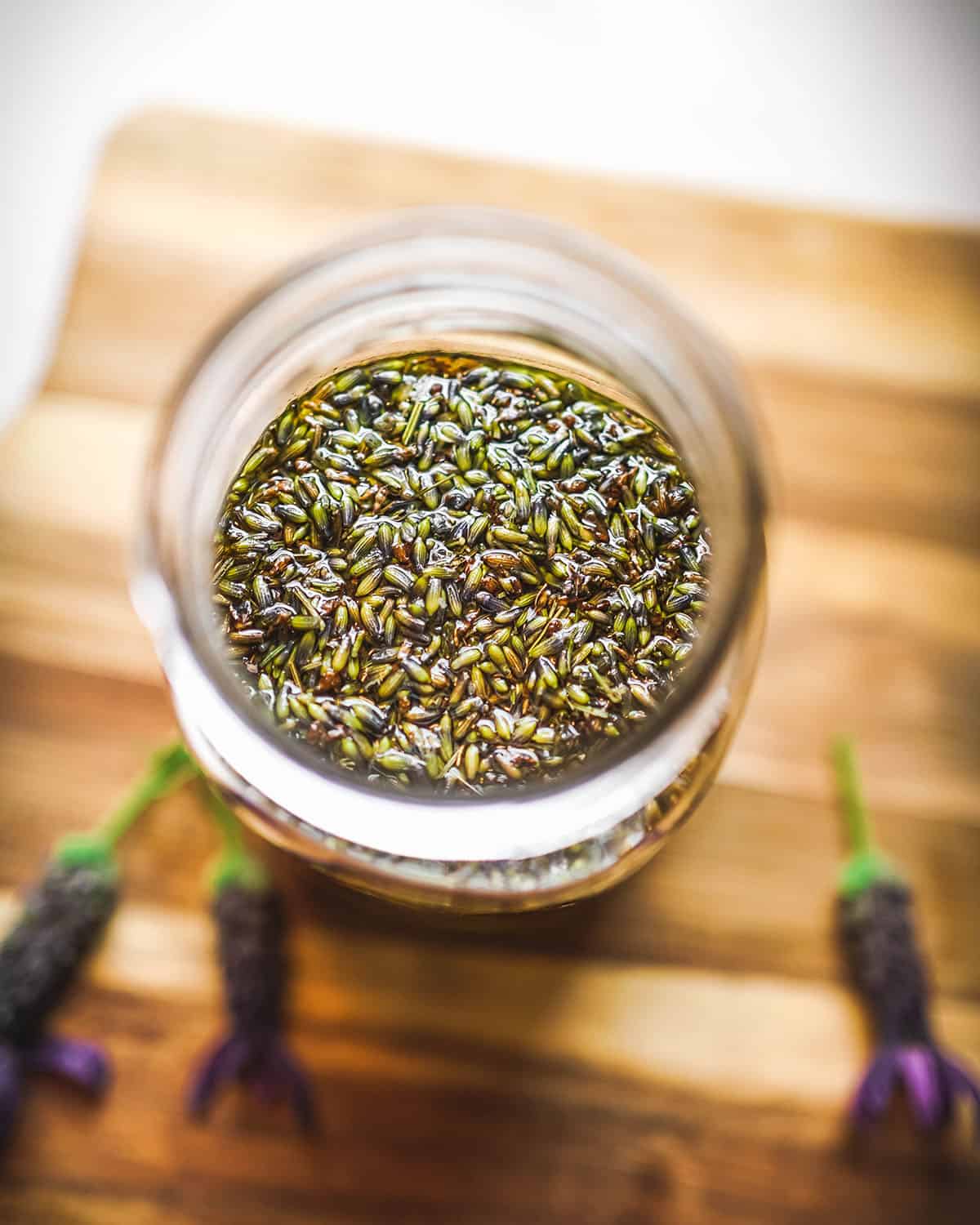
The Quick Heat Method
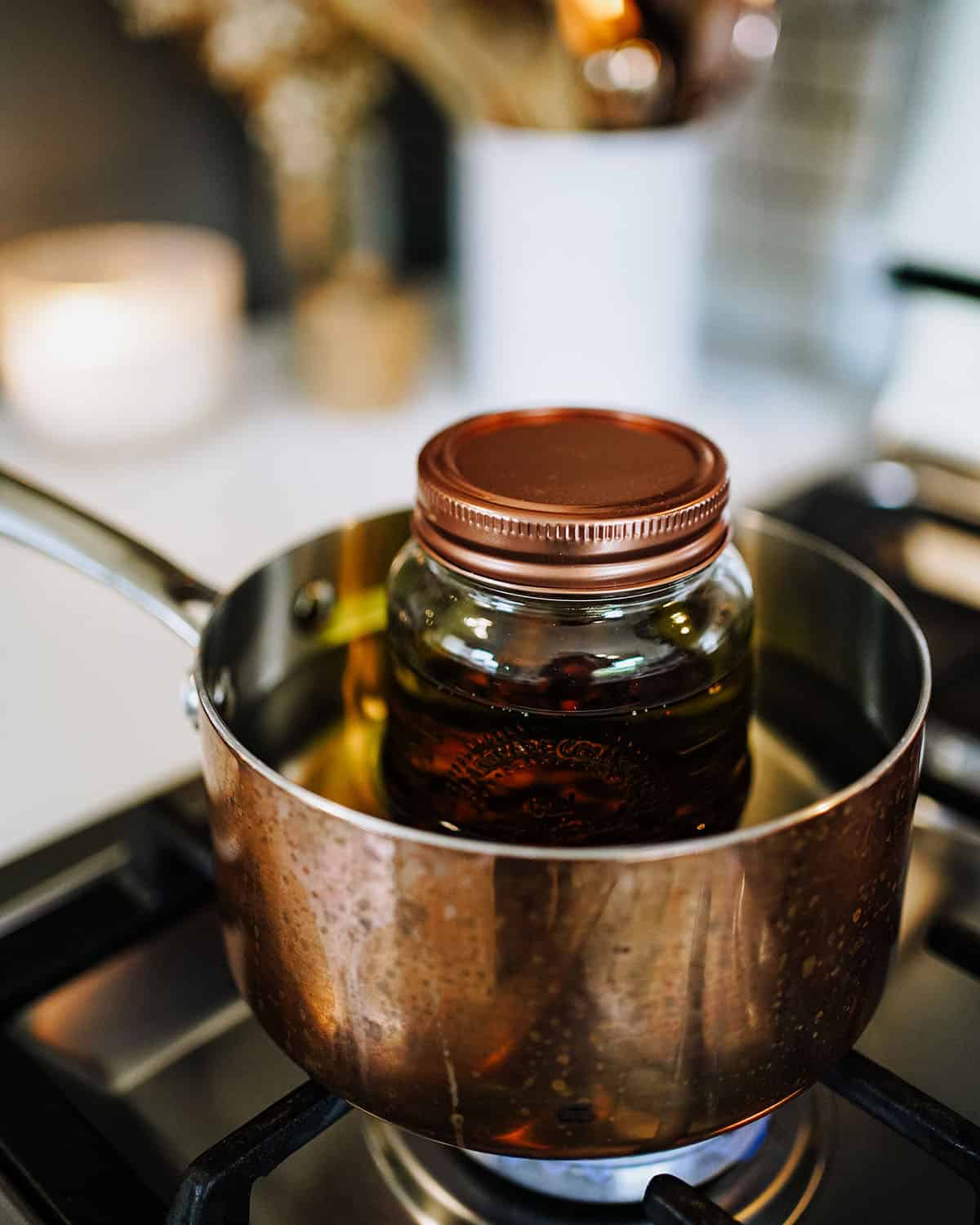
For fresh or high-moisture herbs like chickweed or dandelion, the heat method is employed to force the evaporation of water during the extraction process. This is typically done using a slow cooker on the lowest setting or a double boiler. The temperature must be strictly monitored; experts recommend staying below 110 degrees Fahrenheit (43 degrees Celsius). Heating the oil beyond this point can lead to "cooking" the herbs, which destroys therapeutic enzymes and accelerates the oxidation of the carrier oil.
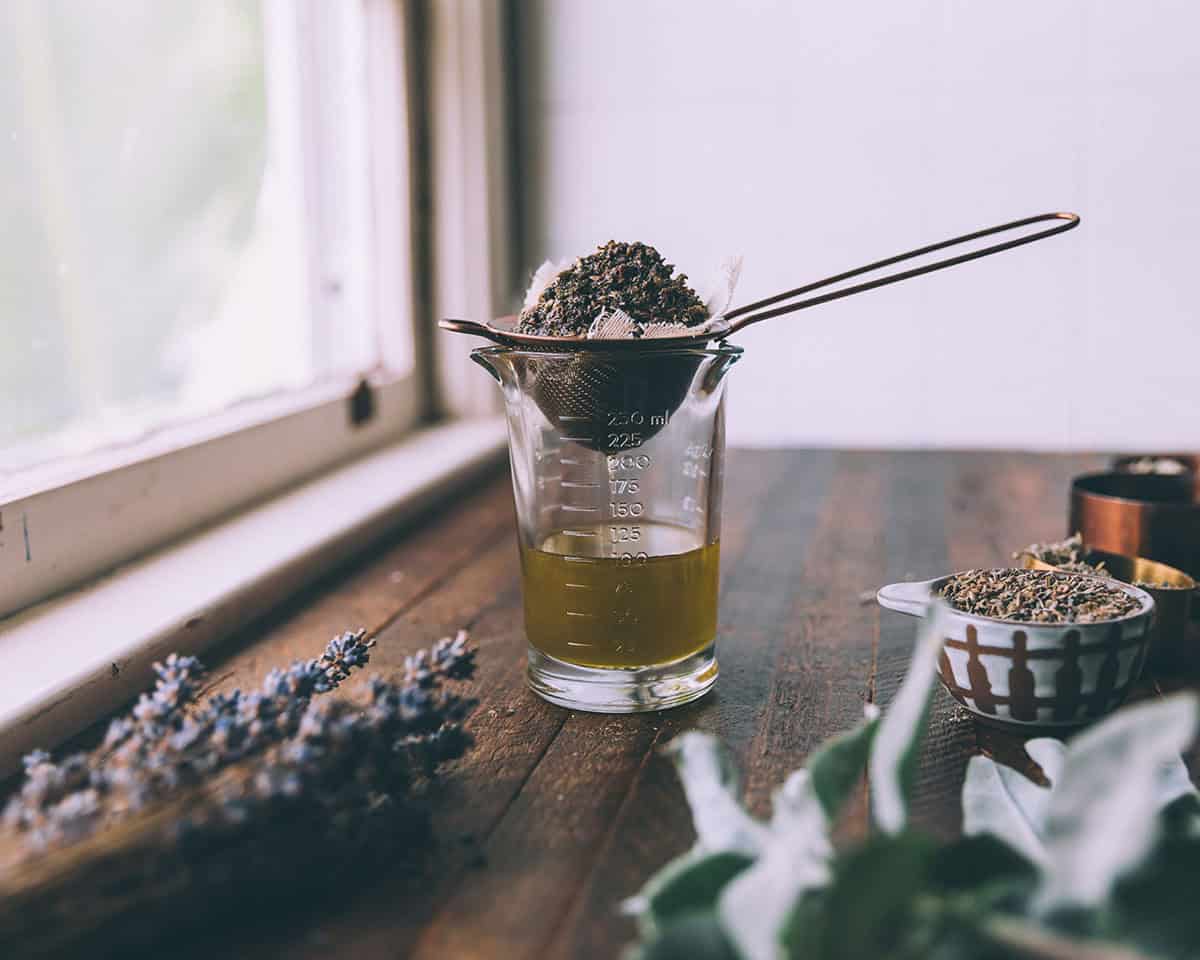
The Solar Heat Method
A more controversial technique involves placing the infusion on a sunny windowsill. Proponents argue that the gentle warmth of the sun and the "solar energy" enhance the extraction. However, analytical chemists warn that ultraviolet (UV) light is a primary catalyst for lipid oxidation. Sunlight can quickly turn high-quality oils rancid, creating free radicals that are damaging to the skin. This method is generally only recommended for oils with high saturated fat content, such as coconut oil, which are more resistant to UV-induced spoilage.
Safety Protocols and Quality Control
The primary risk in herbal oil production is microbial contamination and rancidity. According to food safety guidelines, any infusion involving fresh plant material carries a theoretical risk of Clostridium botulinum if stored improperly, as the oil creates an anaerobic (oxygen-free) environment. To mitigate these risks, professional herbalists emphasize the following:
- Desiccation: Ensuring herbs are 100% dry before cold infusion.
- Sanitization: Sterilizing all glass jars and utensils with high-proof alcohol or boiling water.
- Storage: Transferring finished oils into amber or cobalt glass bottles to shield them from light.
- Antioxidants: Adding a small amount of Vitamin E oil (tocopherol) or rosemary antioxidant extract to the final product to extend shelf life.
Industry Implications and Environmental Impact
The resurgence of DIY herbalism has significant implications for the broader cosmetic industry. As consumers become more educated about "ingredient lists," there is a growing demand for transparency. Small-scale producers are increasingly outperforming larger brands in the "green beauty" sector by offering small-batch, locally foraged products.
From an environmental perspective, making infused oils at home or in small local apothecaries significantly reduces the carbon footprint associated with global supply chains. It eliminates the need for plastic packaging and reduces the shipping of water-heavy lotions. Furthermore, by foraging for invasive or abundant local species like dandelion and plantain, practitioners engage in a form of ecological stewardship.
Conclusion: The Future of Botanical Formulations
The art of making infused herbal oils represents a bridge between ancient tradition and modern dermatological science. As more data emerges confirming the efficacy of plant-based compounds, the practice is moving from the fringes of "folk medicine" into the mainstream of integrative health. By mastering the fundamental steps of oil infusion—selecting the right carrier, choosing the appropriate herb, and applying the correct extraction method—individuals gain the power to create high-quality, effective skincare that is both safe for the body and respectful of the environment. Whether the goal is a soothing yarrow salve for a hiker’s kit or a luxurious rose-infused facial oil, the process remains a testament to the enduring power of botanical medicine.