
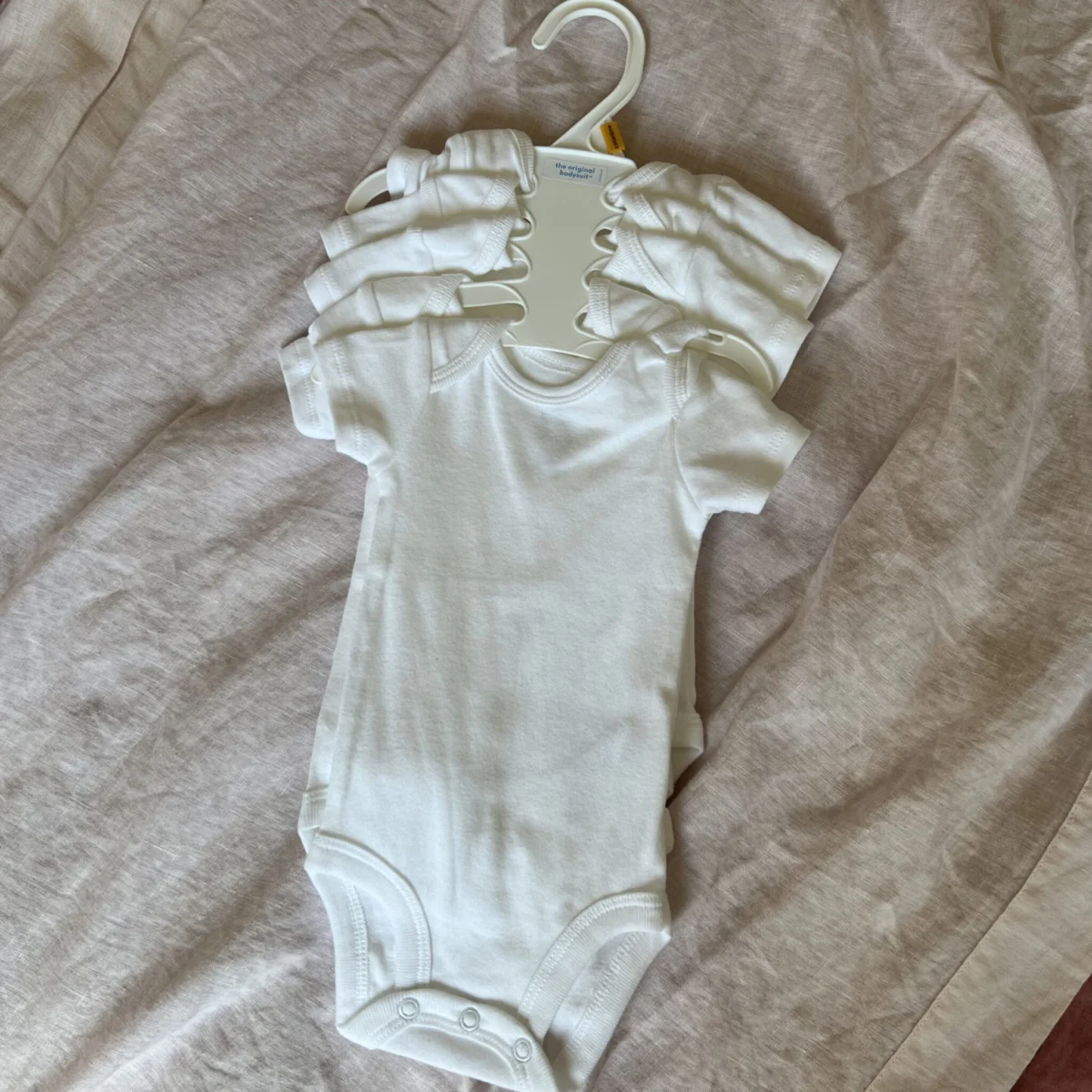
The modern nursery is characterized by an unprecedented density of synthetic materials, ranging from polycarbonate bottles and polyester bedding to the pervasive use of plastics in disposable diapers. While these materials offer convenience and cost-effectiveness, a growing body of pediatric research suggests that the chemical constituents of these products, particularly phthalates and microplastics, may pose significant risks to the developing endocrine and reproductive systems of infants. As awareness grows, parents and healthcare providers are increasingly seeking evidence-based strategies to reduce the chemical burden on the youngest and most vulnerable demographic.
The Chemical Landscape of Early Childhood Development
Phthalates, a family of industrial chemicals used primarily as plasticizers to increase the flexibility and durability of polyvinyl chloride (PVC), are among the most scrutinized substances in pediatric environmental health. Because phthalates are not chemically bound to the plastics they inhabit, they leach into the environment through off-gassing, physical wear, and heat exposure. For infants, this exposure is multifaceted, occurring through dermal contact with clothing and diapers, inhalation of household dust, and ingestion via mouthing of toys or contaminated food.
The biological sensitivity of infants to these compounds is rooted in their rapid developmental windows. Unlike adults, infants have higher metabolic rates and immature detoxification pathways. A landmark study published in the journal Healthcare highlighted that phthalate exposure in early childhood is associated with measurable alterations in reproductive hormone levels, thyroid function, and anogenital distance—a clinical marker of prenatal endocrine disruption. These findings underscore a critical need for a precautionary approach to material selection in childcare.
The Diapering Dilemma: Balancing Convenience and Safety
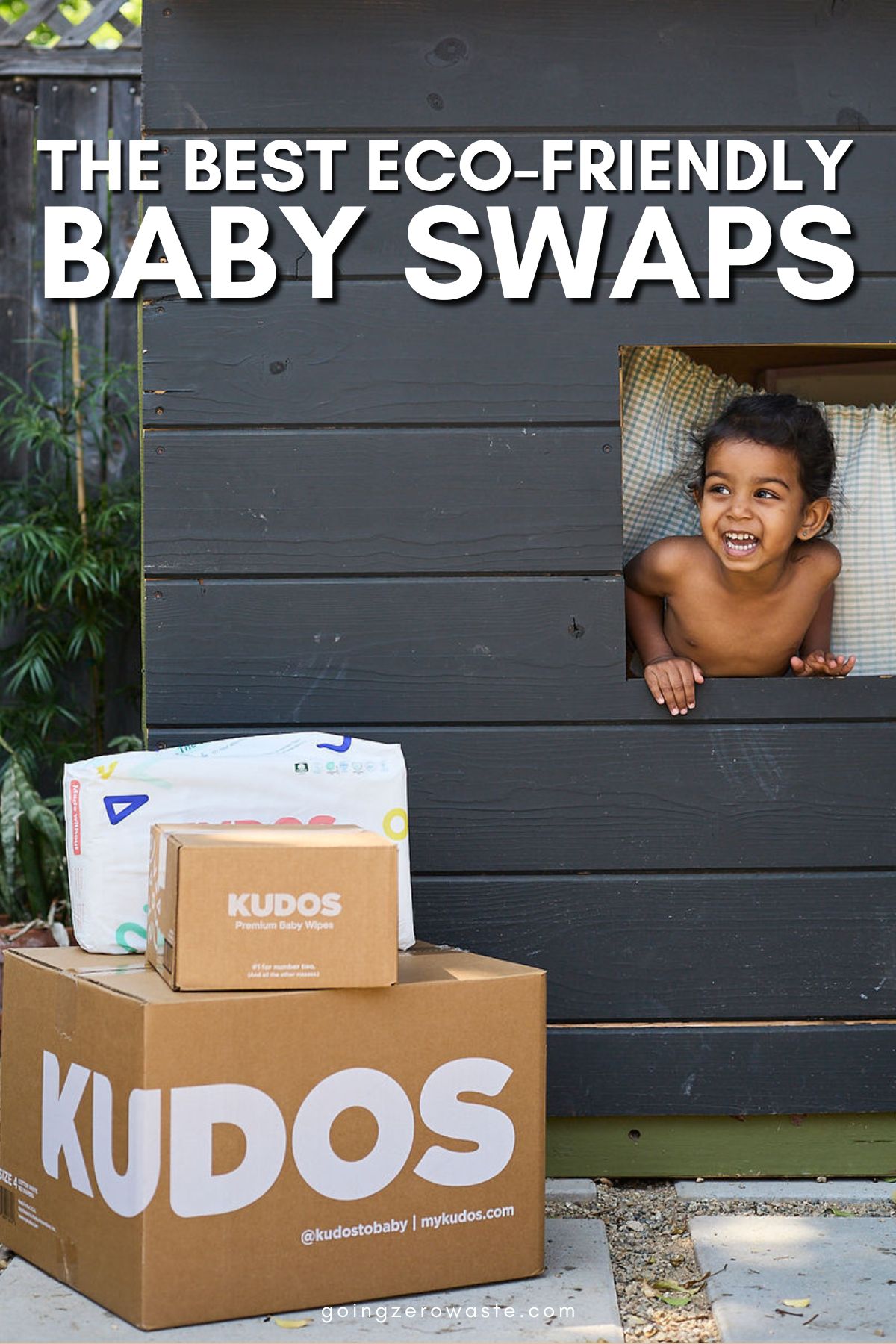
The average infant will utilize several thousand diapers before achieving toilet training, making the diaper the single most consistent point of contact between a child’s skin and synthetic materials. Traditional disposable diapers are complex multi-layered products primarily composed of polypropylene, polyethylene, and super-absorbent polymers (SAP). While effective at moisture management, the proximity of these petroleum-based materials to sensitive mucosal membranes has raised concerns regarding chemical absorption.
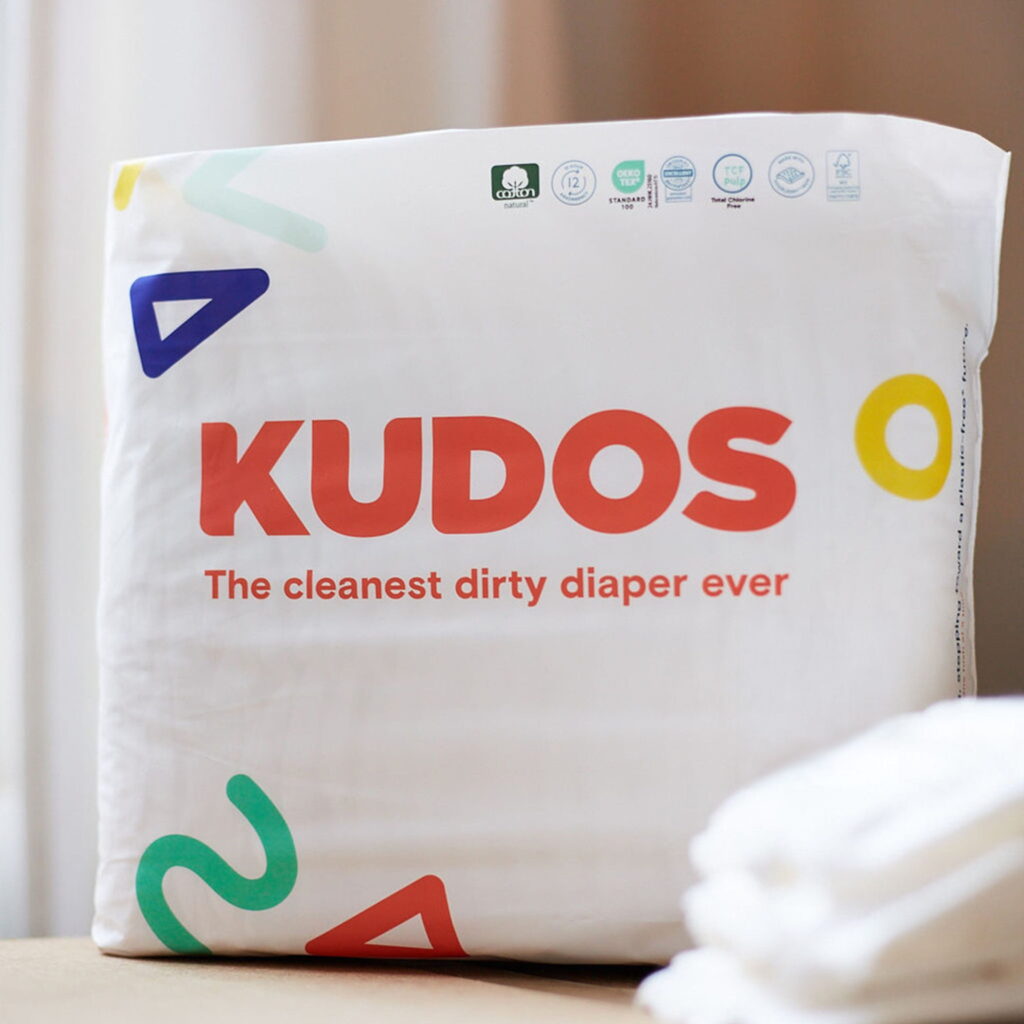
The emergence of innovative diapering solutions, such as those developed by the brand Kudos, represents a significant shift in the industry. Kudos has introduced the first disposable diaper featuring a 100% cotton topsheet, replacing the traditional plastic liner that directly touches the infant’s skin. This development, led by a team of engineers from the Massachusetts Institute of Technology (MIT), reflects a broader trend toward "clean" manufacturing in the hygiene sector.
Industry Certifications and Safety Standards
To navigate the complex market of infant products, independent certifications have become the benchmark for safety and transparency. Key standards include:
- OEKO-TEX Standard 100: This certification ensures that every component of a product, from the thread to the fasteners, has been tested for over 350 harmful substances, including prohibited azo dyes, formaldehyde, and phthalates.
- FSC (Forest Stewardship Council) Certification: For the absorbent wood pulp core of diapers, FSC certification guarantees that the material is sourced from responsibly managed forests, addressing both environmental sustainability and chemical purity.
- Totally Chlorine Free (TCF): Traditional bleaching processes often use elemental chlorine, which can leave traces of dioxins—potent environmental pollutants. TCF manufacturing utilizes oxygen, ozone, or hydrogen peroxide, eliminating the risk of dioxin contamination.
While reusable cloth diapers remain a viable alternative for many, barriers such as high initial costs, the requirement for consistent laundry access, and restrictive daycare policies often necessitate the use of disposables. In these instances, prioritizing TCF and plastic-reduced options is the primary recommendation from environmental health advocates.
Microplastic Ingestion and the Impact of Heat
Recent research has pivoted from chemical additives to the physical degradation of plastics. A study published in Nature Food revealed that plastic baby bottles, particularly those made of polypropylene, shed millions of microplastic particles into formula or breastmilk when subjected to heat and agitation. Researchers estimated that bottle-fed infants could be consuming an average of 1.5 million microplastic particles daily.
The mechanism of this shedding is exacerbated by common parenting practices, such as microwaving bottles or using boiling water for sterilization. To mitigate this risk, the following protocols are increasingly recommended by pediatric health experts:
- Material Substitution: The transition to glass or high-quality stainless-steel bottles eliminates the primary source of microplastic shedding during the feeding process.
- Temperature Management: If plastic bottles are used, liquids should be heated in non-plastic containers (such as glass or ceramic) and allowed to reach room temperature before being transferred to the plastic vessel.
- Mechanical Awareness: Vigorous shaking of hot liquids in plastic bottles increases the rate of polymer degradation and should be avoided.
Textiles and the Synthetic Environment
The "plasticization" of the nursery extends to clothing and floor coverings. Synthetic fibers like polyester, nylon, and acrylic are essentially woven plastics. These materials not only contribute to dermal chemical exposure but also shed microfibers that accumulate in household dust. As infants spend a significant portion of their time on the floor and frequently engage in hand-to-mouth behavior, this dust represents a major pathway for the ingestion of flame retardants and plasticizers.
Choosing natural fibers—such as organic cotton, wool, and hemp—is a foundational step in reducing the synthetic footprint of the home. These materials are breathable, reducing the risk of skin irritation, and are typically processed with fewer volatile organic compounds (VOCs) than their synthetic counterparts. Furthermore, labels such as GOTS (Global Organic Textile Standard) provide a high level of assurance regarding the ecological and social responsibility of the manufacturing process.
The Role of Play: Selecting Non-Toxic Toys
The developmental stage of "mouthing" is a primary sensory exploration tool for infants, yet it serves as a direct conduit for chemical ingestion. Soft plastic toys, including bath books, teethers, and squeeze toys, are frequently manufactured from PVC softened with phthalates.
The Consumer Product Safety Commission (CPSC) in the United States and the European Chemicals Agency (ECHA) have implemented various restrictions on certain phthalates in toys, but legacy products and items sourced from less regulated markets remain a concern. Experts recommend a "less is more" approach, favoring toys made from:
- Solid Wood: Finished with food-grade oils or water-based, non-toxic paints.
- Natural Rubber: Harvested from Hevea brasiliensis trees, providing a plastic-free alternative for teethers.
- Organic Textiles: Cotton or wool plushies stuffed with natural fibers rather than polyester fill.
For creative play, the transition to plant-based paints and beeswax crayons further reduces exposure to petroleum-derived pigments and synthetic waxes.
Regulatory Trends and Economic Implications
The shift toward plastic-free and non-toxic baby products is not merely a consumer trend but is increasingly reflected in regulatory shifts. The European Union’s REACH (Registration, Evaluation, Authorisation, and Restriction of Chemicals) regulation has long been a leader in restricting endocrine disruptors in childcare products. In the United States, several states have moved to ban PFAS (per- and polyfluoroalkyl substances) and specific phthalates in juvenile products, signaling a tightening of the regulatory environment.

Economically, the "clean label" baby market is seeing robust growth. Consumers are demonstrating a willingness to pay a premium for transparency and safety, which in turn is driving innovation. The success of brands like Kudos indicates that there is a significant market for products that marry high performance—such as 12-hour absorbency and leak protection—with a reduction in synthetic materials.
Conclusion: A Fact-Based Path Forward
Reducing a baby’s plastic exposure does not require an absolute rejection of modern materials, but rather a strategic selection of products and a modification of daily habits. By prioritizing natural fibers in clothing and diaper liners, avoiding the heating of plastic food containers, and selecting toys made from renewable, non-synthetic materials, parents can significantly lower the chemical and microplastic load on their children.
The long-term implications of these choices extend beyond individual health. A reduction in the demand for plastic-intensive baby products contributes to a decrease in microplastic pollution in the global ecosystem, eventually circling back to benefit public health at large. As scientific understanding of the "exposome"—the measure of all the exposures of an individual in a lifetime—continues to evolve, the nursery remains the most critical frontier for preventative environmental health.