The global phenomenon of pizza, a dish originating from humble Neapolitan kitchens, has evolved into a culinary canvas where every ingredient plays a pivotal role in achieving perfection. Central to this gastronomic success is the selection of the right cheese, a component that transcends mere topping status to become the very soul of the pizza. The ideal cheese contributes not only to the flavor profile but also to the texture, aroma, and visual appeal, defining the eating experience from the first bite. This comprehensive guide explores the diverse world of cheeses suitable for pizza, delving into their origins, characteristics, and optimal applications, while offering insights into the science and artistry behind their use.
The Foundational Role of Cheese in Pizza
Pizza’s widespread appeal is inextricably linked to the transformative qualities of melted cheese. The interplay of fat, protein, and moisture within cheese dictates how it melts, browns, and stretches, creating the iconic characteristics cherished by pizza enthusiasts worldwide. While myriad varieties exist, a consensus among pizzaiolos and food scientists points to specific attributes that elevate a cheese to "best for pizza" status: excellent meltability, a balanced flavor that complements other ingredients, desirable stretch, and an appetizing golden-brown finish without excessive blistering. The choices range from traditional Italian staples to innovative international selections, each offering a unique contribution to the pizza landscape.

Mozzarella: The Quintessential Pizza Cheese
Mozzarella stands as the undisputed champion of pizza cheeses, its prominence rooted deeply in Italian culinary tradition. Legend attributes its accidental creation to a cheesemaker in Naples, whose curds inadvertently fell into hot water, giving birth to the distinctive pasta filata (spun paste) method. Originally crafted from the rich milk of water buffalo (Mozzarella di Bufala), offering a tangier, more robust flavor, cow’s milk versions (often called Fior di Latte in Italy) are now more common globally.
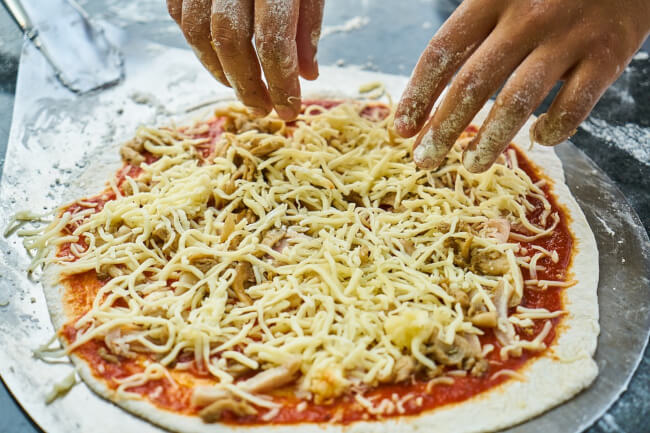
The critical distinction for pizza application lies between high-moisture and low-moisture mozzarella. High-moisture mozzarella, often sold in brine, is incredibly fresh, soft, and milky with a delicate flavor. While sublime in salads like Caprese, its high water content can lead to a soggy pizza crust if not properly drained or used sparingly. In contrast, low-moisture mozzarella, which has been pressed and aged briefly to reduce its water content, is the preferred choice for most pizzas. This variety boasts a longer shelf-life, a firmer texture, and a slightly saltier, more concentrated flavor. Crucially, its reduced moisture prevents excess steam during baking, promoting a crispier crust and achieving that coveted gooey, stringy melt with minimal blistering.
Global demand for mozzarella in pizza applications is immense, making it a cornerstone of the dairy industry. Its neutral yet creamy flavor profile makes it exceptionally versatile, harmonizing with a vast array of toppings from classic pepperoni to fresh vegetables. Professional pizzaiolos often shred low-moisture mozzarella or tear fresh mozzarella into smaller pieces to ensure even melting and distribution across the pizza base, either before baking for a traditional melt or sometimes added post-oven for a fresher texture.

Cheddar: A Versatile Global Staple
Originating in the village of Cheddar in Somerset, England, as far back as the 12th century, Cheddar cheese has become one of the most widely produced and consumed cheeses globally. Its historical significance lies in being one of the first cheeses to be mass-produced and exported, cementing its place as a pantry staple worldwide. Cheddar offers a broad spectrum of flavor profiles, from mild, creamy, and crumbly young cheeses to sharper, more complex, and harder aged varieties.
For pizza, Cheddar brings a distinct character, though it is less elastic than mozzarella. Its limited elasticity means it doesn’t typically produce the long, dramatic cheese pulls associated with traditional pizza. However, its excellent fat release contributes to a rich, savory flavor and a satisfyingly oily texture when melted. Due to its varied flavor intensity and melting properties, Cheddar is frequently incorporated into cheese blends, particularly in American-style pizzas, where it adds depth and a familiar taste.
The sharper, aged varieties of Cheddar prove particularly effective when paired with robust toppings such as pepperoni, sausage, chili, or even the controversial pineapple. Its ability to stand up to strong flavors without being overwhelmed makes it a valuable component in a diverse pizza topping repertoire. The blending of Cheddar with a more elastic and subtly flavored cheese like low-moisture mozzarella is a common strategy to achieve a desirable balance of melt, stretch, and flavor, catering to a wide range of palates.

Ricotta: The Light and Creamy Alternative
Ricotta, a light and fluffy soft cheese, is cherished worldwide for its cloud-like texture and fresh, slightly sweet flavor. Unique among cheeses, ricotta is a whey cheese, primarily made from the leftover whey—the liquid byproduct—after the production of other cheeses, with a small addition of curds. This process gives it its distinctive delicate consistency. It can be produced from the milk of cows, goats, sheep, or water buffalo, each contributing subtle differences to its fresh, tangy, and moist profile, which shares some similarities with cream cheese.
While not a traditional melting cheese in the same vein as mozzarella, ricotta offers a unique textural and flavor dimension to pizza. Its best application on pizza often involves blending it with other cheeses, such as mozzarella and a pungent variety like blue cheese, gorgonzola, or Gruyère, to create a creamy white sauce base. This alternative to a traditional tomato sauce provides a rich, subtle foundation that allows other flavors to shine.
Ricotta pairs exceptionally well with lighter, fresher toppings. Seafood, grilled chicken, tender broccoli florets, peppery arugula, sweet pears, or savory pancetta all find a harmonious balance with ricotta’s delicate creaminess. Its inclusion signals a departure from conventional pizza, leaning towards more gourmet or artisanal interpretations, offering a refreshing textural contrast and a gentle tang.

Gouda: The Sweet and Buttery Dutch Delight
Hailing from the Netherlands, Gouda is a semi-hard cheese renowned for its sweet, smooth texture and often recognizable bright red wax seal. Made from cow’s milk, young Gouda presents a mild, sweet, and nutty taste, while aged varieties develop a sharper, more intense flavor profile and a slightly crumbly texture. Its rich, widely appealing flavor makes it an excellent choice for everyday pizzas, as it melts beautifully and offers a softer, more buttery character compared to Cheddar.
Gouda’s versatility on pizza makes it a favorite for those seeking a cheese that melts well and offers a comforting, familiar taste. Its inherent sweetness makes it particularly complementary to smoky and savory toppings. Pulled pork, BBQ chicken, roasted peppers, crispy bacon, and smoked sausage are all enhanced by Gouda’s creamy melt and subtle sweetness, creating a harmonious blend of flavors. The cheese’s ability to melt without excessive oil separation or blistering contributes to an aesthetically pleasing and delicious pizza.
Parmesan: The Umami-Rich Finishing Touch

Parmesan cheese, specifically Parmigiano-Reggiano from Italy, is an ancient, hard, aged cheese with a history stretching back to Roman times. Governed by strict Protected Designation of Origin (PDO) regulations, authentic Parmigiano-Reggiano is produced exclusively in specific regions of Italy, adhering to centuries-old methods that result in its distinct granular texture and intensely savory (umami) flavor. It is typically finely grated or shaved before being added to a wide array of dishes, from pasta to salads.
On pizza, Parmesan’s application is distinct from melting cheeses. Due to its delicate, dry nature and concentrated flavor, Parmesan should not be baked directly on the pizza base for an extended period. High heat can diminish its complex flavor profile and umami notes, leading to an overly salty or burnt taste. Instead, Parmesan is best used as a finishing cheese, generously grated or shaved over the pizza just before serving. This method preserves its pungent aroma, sharp taste, and delicate texture, allowing its unique characteristics to enhance the overall experience.
Parmesan’s robust flavor makes it an ideal complement to simpler pizzas where it can truly shine. Classic cheese pizzas, garlic pizzas, or those topped with fresh ingredients like prosciutto, arugula, and fresh tomato benefit immensely from its salty, umami kick. It acts as a powerful flavor enhancer, adding depth and sophistication to a blend of cheeses or elevating a minimalist topping strategy.
Chevre: The Tangy Goat Cheese Innovation
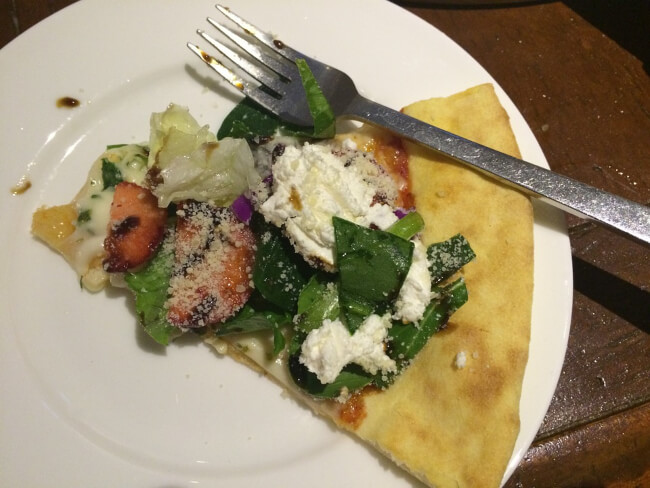
Chevre, the French term for goat cheese, is a rindless, soft, white, and creamy cheese with a distinctively strong, tart flavor. While not traditionally associated with pizza, its unique characteristics have found a place in modern, adventurous pizza recipes. Goat cheese is known for its lower lactic acid content compared to cow’s milk cheeses, making it a viable option for individuals with lactose intolerance.
Unlike mozzarella or cheddar, chevre does not melt into a smooth, flowing layer when heated. Instead, it softens gently, retaining its form. For optimal distribution and flavor integration, it is recommended to break chevre into small, even chunks and dot them across the pizza base before baking. This ensures that each bite receives a burst of its characteristic tangy flavor.
Chevre’s piquant taste, which intensifies with age, pairs remarkably well with an array of unusual yet complementary toppings. Sweet elements like caramelized onions, figs, and roasted bell peppers provide a delightful contrast. Peppery arugula and earthy roasted butternut squash also create intriguing flavor combinations. Chevre on pizza appeals to those with a more adventurous palate, seeking a bold, tangy dimension that deviates from conventional cheese choices.
Gruyère: The Complex Swiss Contribution
Gruyère, a celebrated Swiss cheese, is renowned for its rich complexity and nuanced flavor profile. As an aged cheese made from cow’s milk, it undergoes a transformation from a dense, fruity cheese in its youth to a flakier, more granular texture with deeper nutty and earthy tones as it matures. The unique pastures in the Gruyère region, where the cows graze, impart distinct flavors that are challenging to replicate elsewhere, contributing to its protected status.
On pizza, Gruyère offers a sophisticated and savory experience. It melts exceptionally well, producing a rich, creamy texture without blistering easily, making it an excellent choice for a more gourmet pizza. Its strong, distinctive flavor, however, demands a thoughtful approach to toppings. To avoid overwhelming the palate, a minimalist topping strategy is often best. Light sprinklings of smoked sausage, finely sliced peppers, delicate smoked ham, or even thinly sliced potatoes can create a harmonious balance with Gruyère’s inherent richness and complexity. This cheese is ideal for those who appreciate a deeply flavorful and intricate pizza experience.
Camembert: The Creamy French Indulgence
Camembert, a soft French cheese originating from Normandy, is arguably the most popular white mold cheese globally. Characterized by its creamy texture and mild yet earthy flavor, it offers a more adventurous profile than conventional cheeses without the intensity of blue cheeses. Traditionally paired with breads, crackers, wine, and fruit, Camembert has recently found an intriguing role in non-traditional pizza recipes, appealing to those seeking something distinct and indulgent.

When used on pizza, Camembert creates a deliciously rich and luxurious melt. Instead of a tomato base, the pizza crust is typically brushed with olive oil before generous slices of Camembert are arranged across it. As it bakes, the cheese softens and becomes wonderfully gooey, imparting a creamy, slightly earthy flavor.
Camembert’s mild yet distinctive taste pairs beautifully with a range of toppings that can enhance its richness. Garlic, sweet cherry tomatoes, peppery arugula, savory prosciutto, and caramelized onions are classic pairings. For a more unconventional yet delightful experience, nuts, a drizzle of honey, and tart cranberries can transform a Camembert pizza into a truly unique culinary creation, appealing to those who desire a gourmet twist on this beloved dish.
The Art of Blending and Future Trends
The selection of cheese for pizza is an intricate balance of tradition, personal preference, and culinary innovation. While single-cheese pizzas like the classic Margherita (featuring Mozzarella) remain timeless, the art of blending multiple cheeses has gained significant traction. Pizzaiolos often combine cheeses like low-moisture mozzarella for stretch and melt, cheddar for flavor depth, and a touch of Parmesan for umami, creating a synergistic effect that elevates the overall pizza experience.
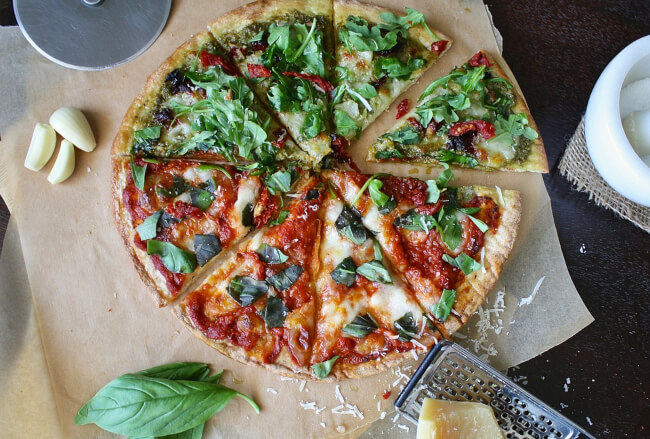
Regional variations further highlight the diverse applications of cheese. While Italy cherishes its traditional Mozzarella, American pizzas frequently feature robust blends incorporating Cheddar, Provolone, or Monterey Jack. Scandinavian pizzas might experiment with Jarlsberg or Havarti, and even specialty cheeses like Feta or Halloumi find their way onto Mediterranean-inspired pizzas.
The pizza industry continues to evolve, with ongoing research into cheese properties that optimize melt, stretch, and browning. Consumer demand for healthier options has also spurred innovation in reduced-fat cheeses, while the rise of plant-based diets has led to the development of sophisticated vegan cheese alternatives that mimic the texture and flavor of traditional dairy. As global tastes diversify, the exploration of new and unconventional cheeses for pizza will undoubtedly continue, ensuring that this iconic dish remains a dynamic and ever-exciting culinary frontier. The choice of cheese remains a fundamental decision that can transform a simple dough and sauce into a memorable gastronomic delight, cementing its status as an indispensable component of the perfect pizza.