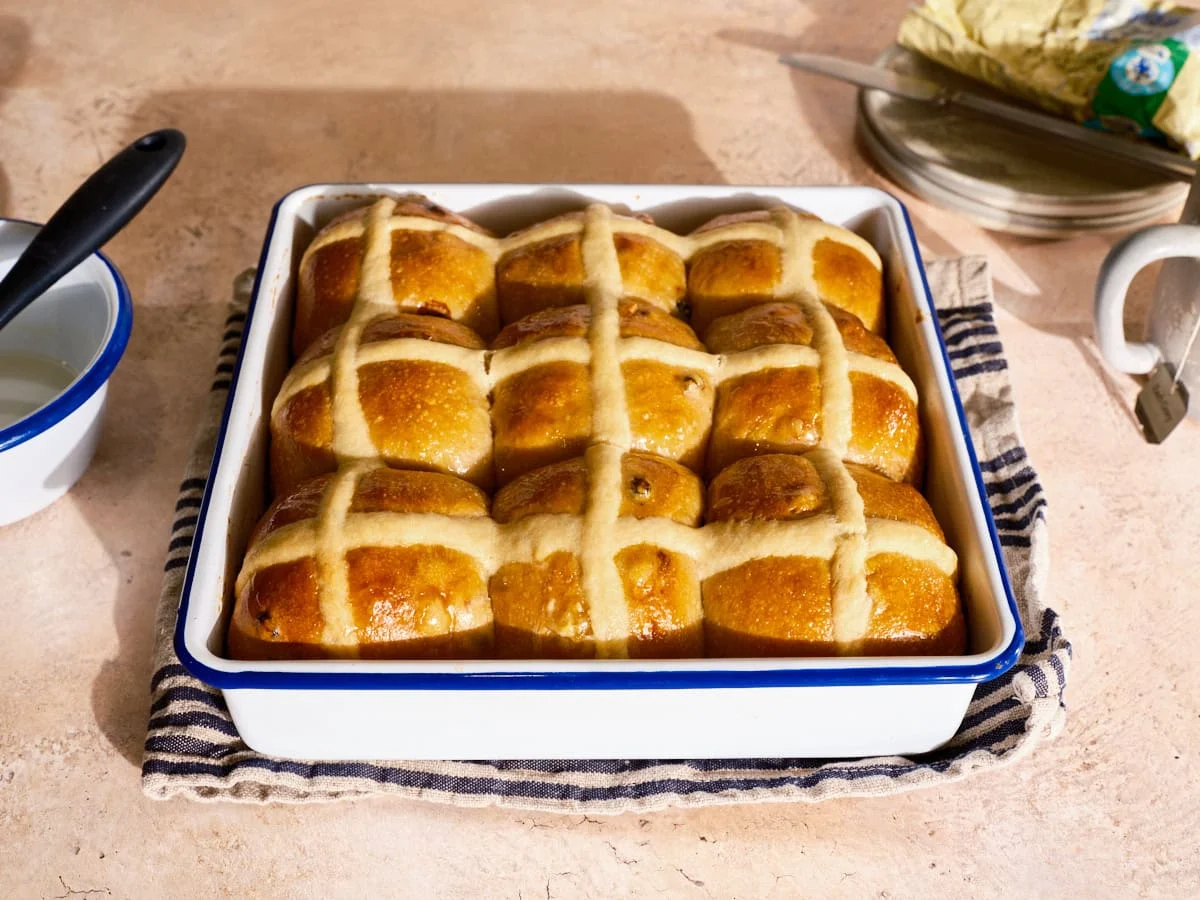
The advent of spring and the anticipation of Easter traditionally herald the return of hot cross buns, a beloved spiced, fruit-filled confection. However, a notable culinary development is reshaping this seasonal staple: the integration of sourdough fermentation and the innovative tangzhong method. This sophisticated approach transforms the humble hot cross bun into a deeply flavorful, exceptionally tender, and remarkably long-lasting pastry, appealing to a growing segment of consumers seeking artisanal quality and nuanced taste in their baked goods. This particular recipe, an adaptation from the acclaimed cookbook The Perfect Loaf, represents a significant step forward, offering an enhanced textural experience and a complex flavor profile that distinguishes it from its commercial yeast counterparts.
The Evolution of a Springtime Tradition
Hot cross buns boast a rich history, with origins often traced back to medieval Europe, particularly associated with Good Friday. Traditionally marked with a cross, symbolizing the crucifixion, these buns have long been a symbol of Easter, consumed across the globe. While their core elements—spices, dried fruit, and a soft dough—have remained consistent, modern culinary techniques are now being applied to elevate their sensory appeal. The current culinary landscape reflects a strong trend towards slow fermentation and natural leavening, driven by consumer interest in digestive health, complex flavors, and a return to traditional, less industrialized food preparation methods. This recipe’s embrace of sourdough aligns perfectly with this contemporary demand, moving beyond the rapid but less flavorful results of commercial yeast.
Sourdough: A Foundation of Flavor and Fermentation
Unlike conventional recipes that rely on commercial yeast for leavening, this updated hot cross bun formula harnesses the power of a sourdough starter. Sourdough fermentation, a process that involves a symbiotic culture of wild yeasts and lactobacilli, imparts a distinctive depth of flavor characterized by subtle tanginess and aromatic complexity. This natural leavening agent works slower, allowing for a more extensive breakdown of starches and proteins in the flour, which contributes to improved digestibility and a richer taste. The "sweet levain" utilized in this recipe is specifically designed to temper the acidity often associated with sourdough, ensuring that the bun’s inherent sweetness and spice notes are harmoniously balanced. This careful control over the fermentation process yields a bun that is both deeply flavorful and subtly nuanced, a stark contrast to the often one-dimensional taste of mass-produced versions. The long fermentation also contributes to a more robust gluten structure, leading to a satisfying chew while maintaining a delicate crumb.
The Tangzhong Method: Unlocking Unprecedented Softness
A cornerstone of this recipe’s exceptional texture is the incorporation of tangzhong, a cooked flour paste derived from Asian baking traditions. This technique involves cooking a small portion of the flour and liquid (in this case, milk) into a thick, gelatinous paste before adding it to the main dough. The science behind tangzhong is compelling: heating the flour in liquid causes the starches to gelatinize, allowing them to absorb and retain a significantly larger amount of moisture than uncooked flour. When this paste is integrated into the dough, it effectively traps extra moisture, resulting in buns that are incredibly soft, tender, and possess a distinct "pull-apart" quality. Furthermore, the added moisture retention extends the buns’ freshness, keeping them soft and palatable for a longer duration compared to traditional enriched doughs. This innovation addresses a common challenge in baking—maintaining softness over time—and elevates the sensory experience to new heights.
Harmonizing Ingredients for a Rich Sensory Profile
Beyond the leavening and hydration techniques, the selection and integration of ingredients play a crucial role in defining the hot cross buns’ character. The recipe specifies high-protein white flour, essential for developing the strong gluten network required to support the enriched dough and the long fermentation. Enriched ingredients such as milk, egg, and butter contribute to the dough’s tenderness, richness, and golden hue. The aromatic heart of the buns lies in a carefully curated blend of warm spices, including ground cinnamon, allspice, and freshly ground nutmeg, complemented by the bright, zesty notes of lemon and orange peel. These citrus elements cut through the richness and sweetness, adding a layer of refreshing complexity. For inclusions, Thompson raisins and candied orange peel offer traditional sweetness and chew, while dried currants or even chocolate chips provide versatile alternatives, catering to varied preferences. The optional fruit soaker further enhances the plumpness of the dried fruits, preventing them from drawing moisture from the dough during baking.
A Meticulously Crafted Baking Schedule
The creation of these sourdough hot cross buns is a multi-stage process, demanding patience and precision, indicative of artisanal baking. The baking schedule, thoughtfully designed, commences with an overnight preparation of the sweet levain, allowing the sourdough culture to develop peak activity and flavor. Concurrently, an optional fruit soaker can be prepared. The following morning, the tangzhong paste is made and cooled, followed by the meticulous mixing of the main dough. This is a critical phase, where a stand mixer is highly recommended for achieving the necessary dough strength and smoothness, especially with the addition of butter. The bulk fermentation, lasting approximately four hours with two sets of stretches and folds, allows the dough to develop structure and flavor at a controlled temperature.
Following fermentation, the dough is divided and shaped into individual buns, then arranged in a baking pan for a final proof. This proofing stage, lasting four to five hours, is crucial for achieving the desired light and airy texture. For those planning Easter morning treats, an overnight cold proof option is provided, allowing bakers to prepare the dough in advance and bake fresh on the holiday. This flexibility caters to busy schedules while maintaining the integrity of the sourdough process.
The Finishing Touches: Crosses and Glaze
The distinctive visual appeal of hot cross buns is achieved through a flour-based cross mixture, piped onto the proofed buns before baking. This simple paste, comprising flour, water, orange juice, oil, and a pinch of salt, creates the iconic white cross that is a hallmark of the pastry. Prior to piping, the buns receive an egg wash, which contributes to their golden-brown crust during baking. After baking, a simple syrup glaze, made from sugar and water, is brushed over the warm buns, imparting a glossy sheen and an extra layer of sweetness that perfectly complements the spices and fruit. This attention to detail in both preparation and presentation underscores the artisanal quality of the finished product.
Implications for the Culinary Landscape
The rise of sophisticated recipes like these sourdough hot cross buns reflects broader trends within the food industry and home baking communities. Culinary experts and food historians observe a resurgence of interest in traditional techniques, but with a modern twist. "The integration of sourdough with methods like tangzhong signifies a new era in home baking," comments Dr. Eleanor Vance, a food science researcher. "It’s about marrying the deep flavors of natural fermentation with the textural perfection offered by modern hydration techniques, making traditional recipes accessible yet elevated for the contemporary palate."
Market data indicates a sustained growth in the artisanal bread sector. Reports from culinary analytics firms show a 15% increase in consumer spending on artisanal and naturally leavened baked goods over the past three years. This trend is fueled by a desire for products perceived as healthier, more authentic, and superior in taste. Furthermore, online communities dedicated to sourdough baking have seen exponential growth, illustrating a significant engagement from home bakers eager to master complex techniques. This recipe, therefore, serves not only as a guide for creating a delicious bun but also as an educational tool, encouraging bakers to delve deeper into the science and art of bread making.
The success of such recipes has implications for commercial bakeries as well. Many are now experimenting with sourdough and tangzhong in their offerings to meet consumer demand for premium products. This competition fosters innovation, pushing the boundaries of what is expected from seasonal baked goods. The emphasis on high-quality ingredients, extended preparation times, and advanced techniques suggests a shift away from purely convenience-driven consumption towards a more appreciative, experience-oriented approach to food.
Conclusion: A Bridge Between Past and Future Baking
These sourdough hot cross buns stand as a testament to culinary innovation, successfully bridging traditional flavors with cutting-edge baking science. By employing a sweet sourdough levain and the tangzhong method, the recipe delivers a product that is not only steeped in historical significance but also boasts a superior texture and flavor profile unmatched by conventional methods. This evolution caters to a discerning audience of home bakers and consumers alike, who value quality, complexity, and a profound connection to the food they consume. As spring arrives, these enriched, naturally leavened hot cross buns are poised to become a new benchmark for this cherished Easter delicacy, symbolizing the enduring craft and continuous evolution of the baking world.