The contemporary interest in herbalism is part of a broader "wellness revolution" that has seen a significant shift in consumer behavior toward self-sufficiency and natural health alternatives. For the aspiring or seasoned herbalist, the holiday season represents an opportunity to restock essential supplies that facilitate the creation of tinctures, salves, infusions, and decoctions. This report details the primary sectors of herbal gifting, supported by market data and industry standards.

The Evolution of the Botanical Market: A Brief Chronology
The resurgence of herbalism in the Western mainstream has followed a distinct timeline over the past two decades. In the early 2000s, herbalism remained largely relegated to niche health food stores and specialized practitioners. However, by 2010, the "Slow Living" and "Back to the Land" movements began to popularize DIY medicine-making among younger demographics.
The most significant surge occurred between 2020 and 2023, as global supply chain disruptions and a heightened focus on immune health led to a 17.3% increase in the sale of herbal supplements in the United States alone. This period solidified the position of botanical medicine as a staple of the modern household, moving it from the periphery of alternative medicine into the center of the $4.5 trillion global wellness economy. Consequently, the gift-giving landscape has shifted to prioritize utility and quality in botanical sourcing.
Primary Apothecary Components: Organic Sourcing and Sustainability
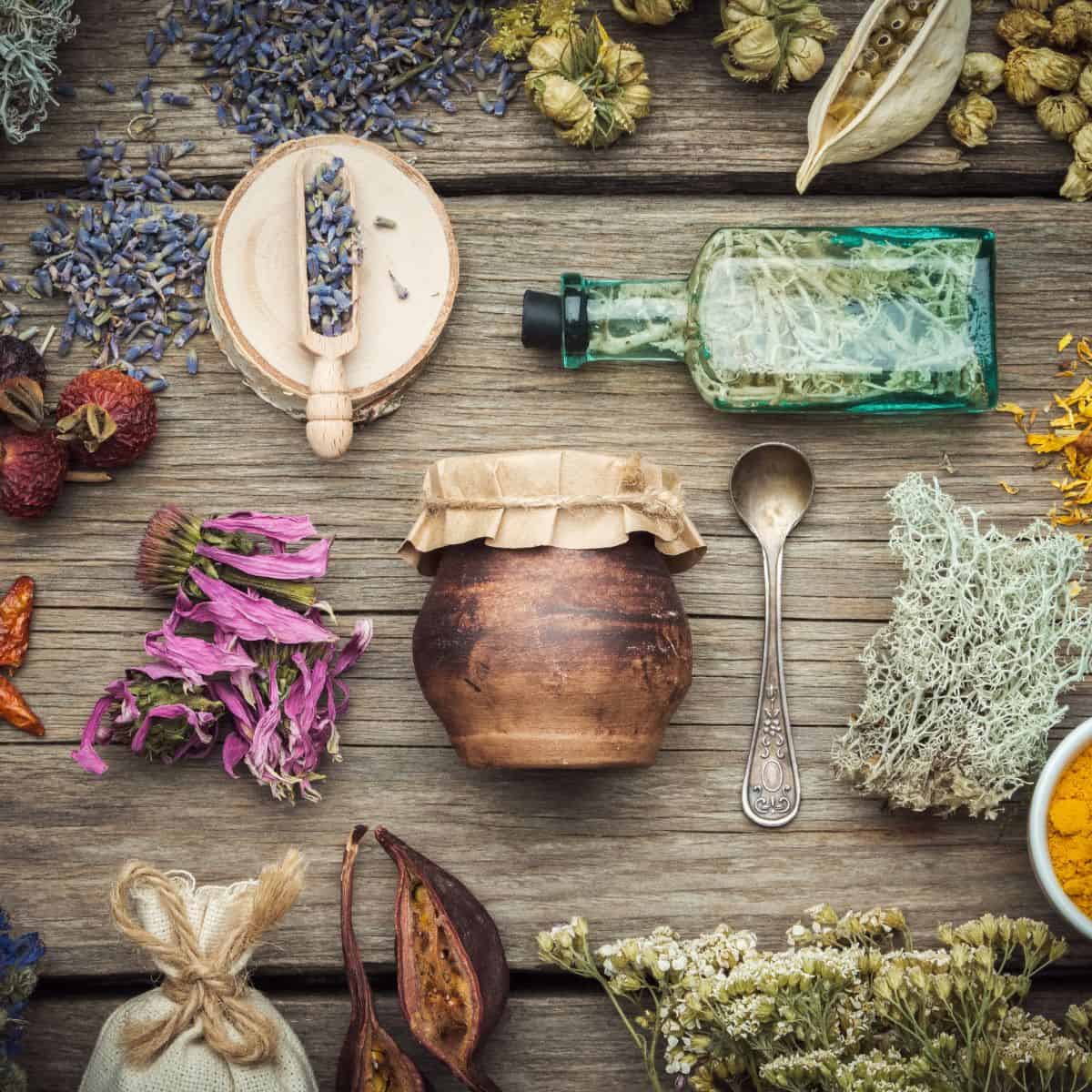
At the core of any herbal practice is the procurement of high-quality botanical material. Professional herbalists emphasize the necessity of organic, ethically wildcrafted, or sustainably grown herbs to ensure both therapeutic potency and ecological responsibility. Industry leaders, such as Mountain Rose Herbs, have set the standard for bulk botanical distribution, offering a vast catalog of dried plants that serve as the foundation for home remedies.
Key botanicals currently in high demand include:
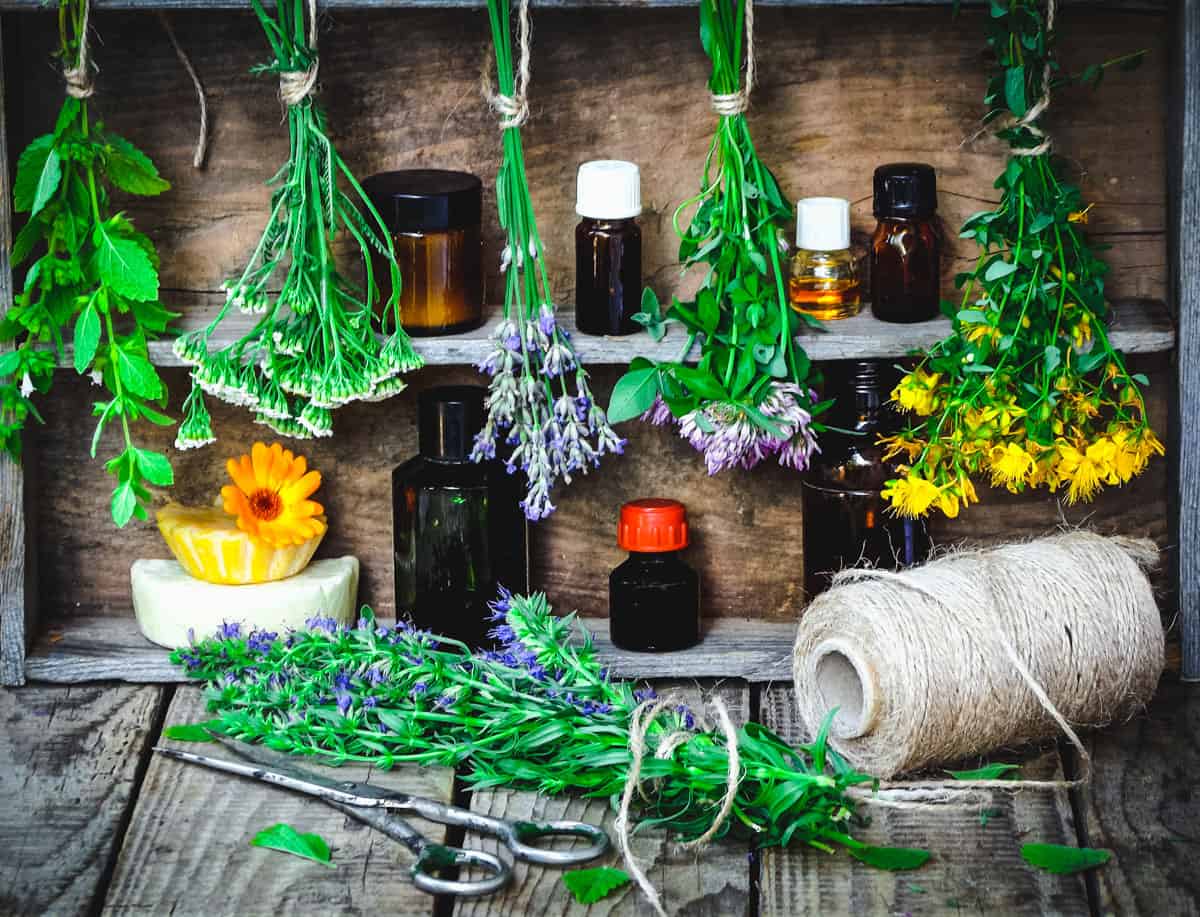
- Nervines and Adaptogens: Herbs such as Holy Basil (Tulsi), Ashwagandha, and Lemon Balm are frequently sought after for their roles in stress management and nervous system support.
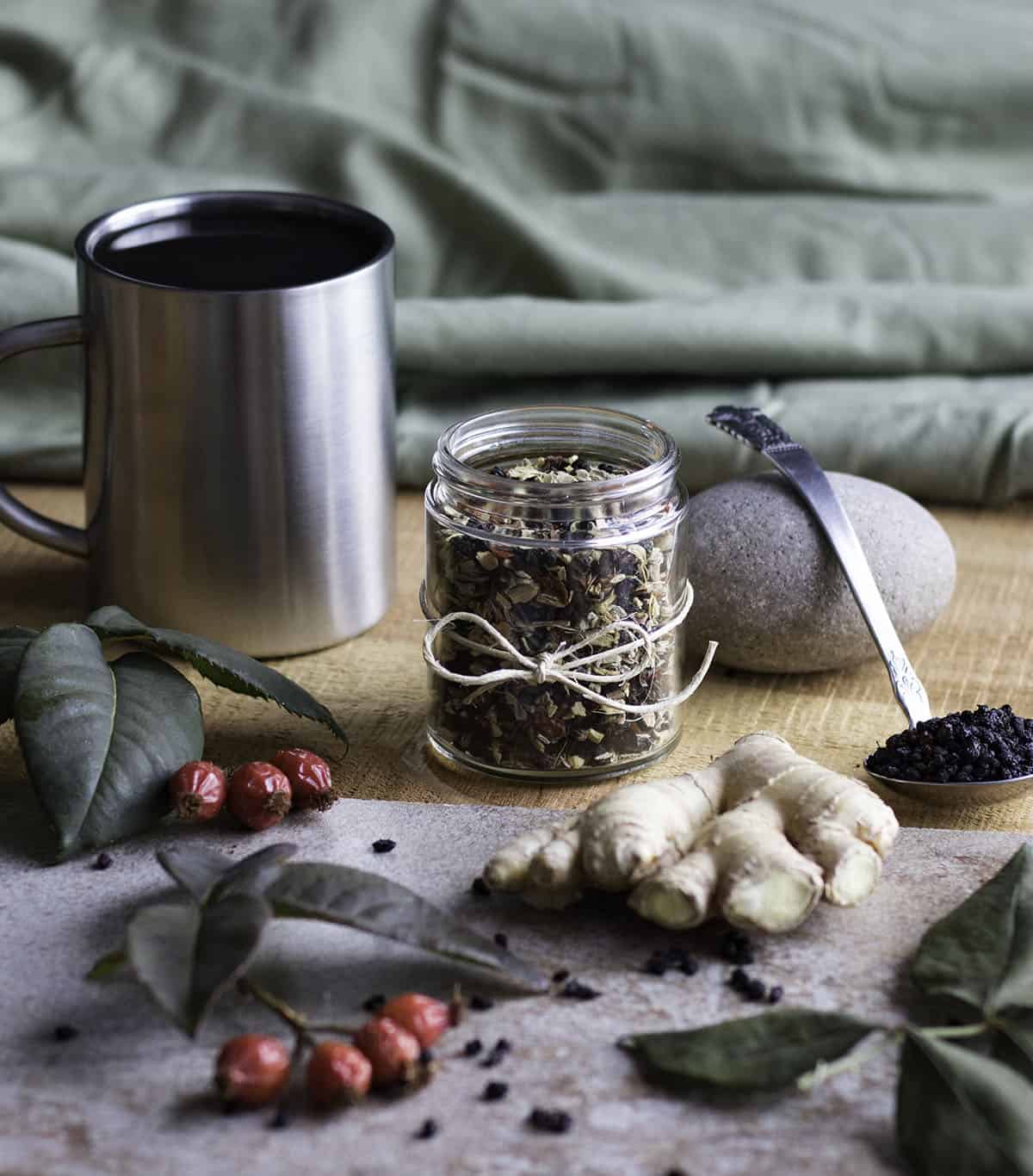
- Immune System Support: Elderberries, Echinacea, and Rose Hips remain holiday staples due to their high Vitamin C content and traditional use in winter wellness protocols.
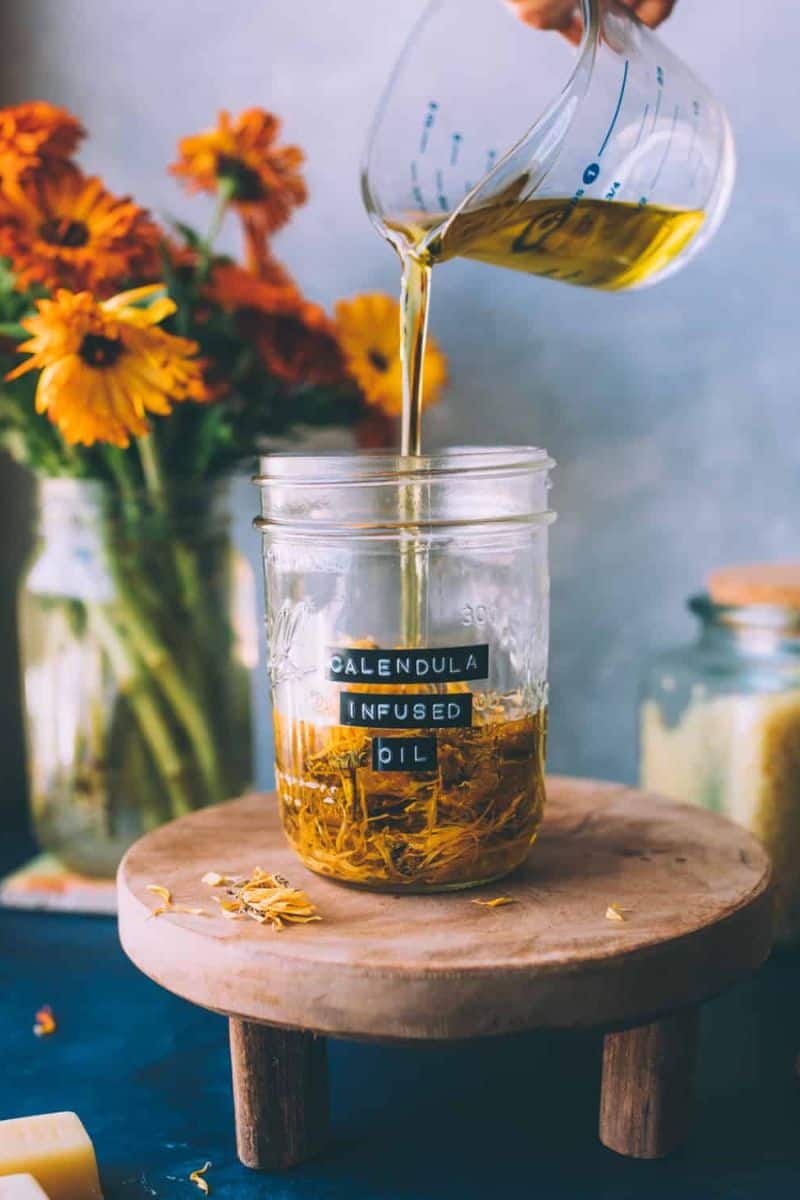
- Topical Applications: Calendula flowers, Lavender, and Comfrey are essential for the production of skin-healing salves and infused oils.
Data from consumer trend reports indicate that gift-givers are increasingly opting for "themed kits." For example, an immune-support kit might include dried elderberries, ginger root, and cinnamon sticks, providing the recipient with the raw materials needed to produce a traditional winter syrup.
The Infrastructure of the Herbalist: Equipment and Storage
Beyond raw materials, the functionality of an herbalist’s workspace depends heavily on specialized equipment. The transition from hobbyist to practitioner often requires an upgrade in storage solutions and processing tools.
Precision Storage Solutions
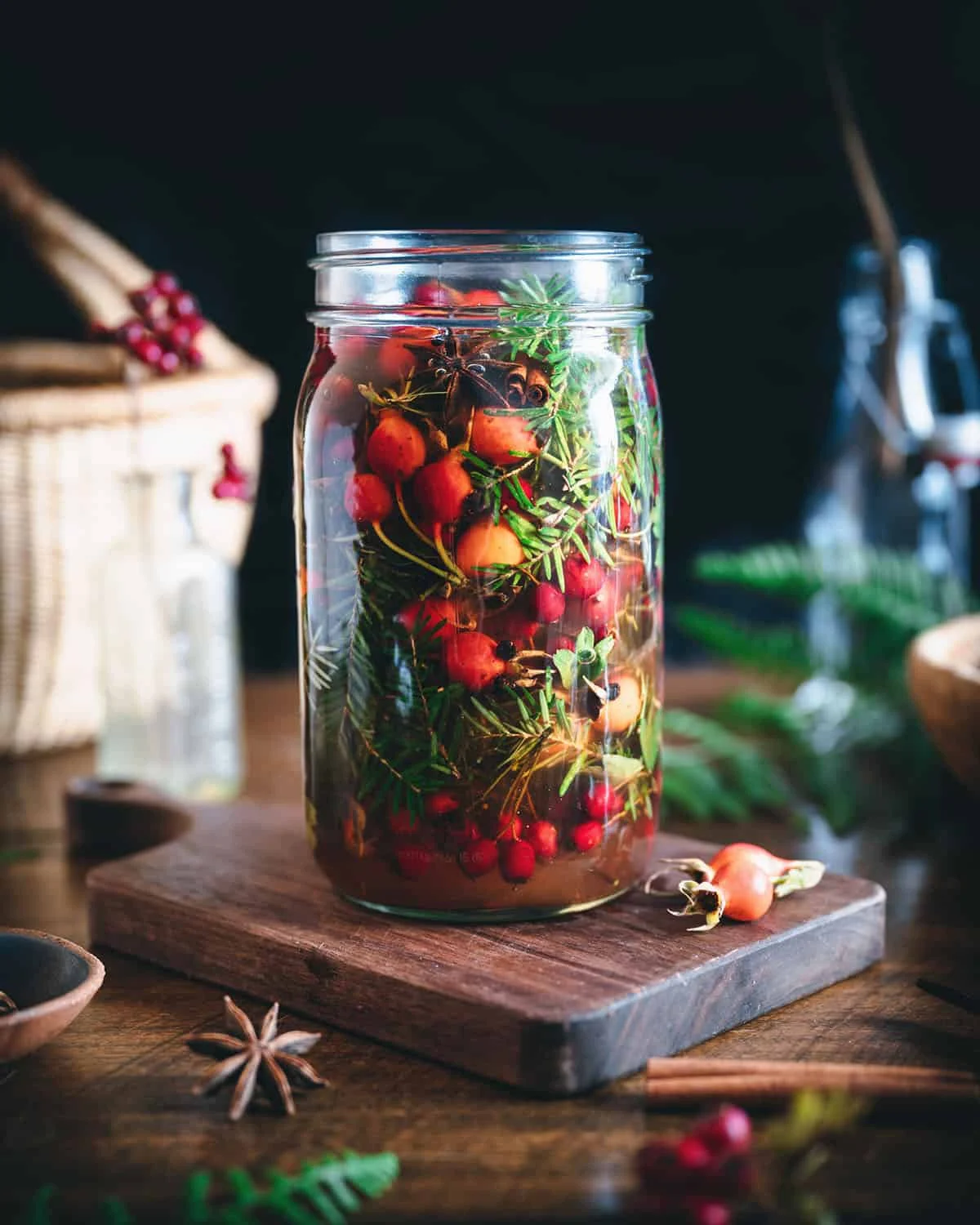
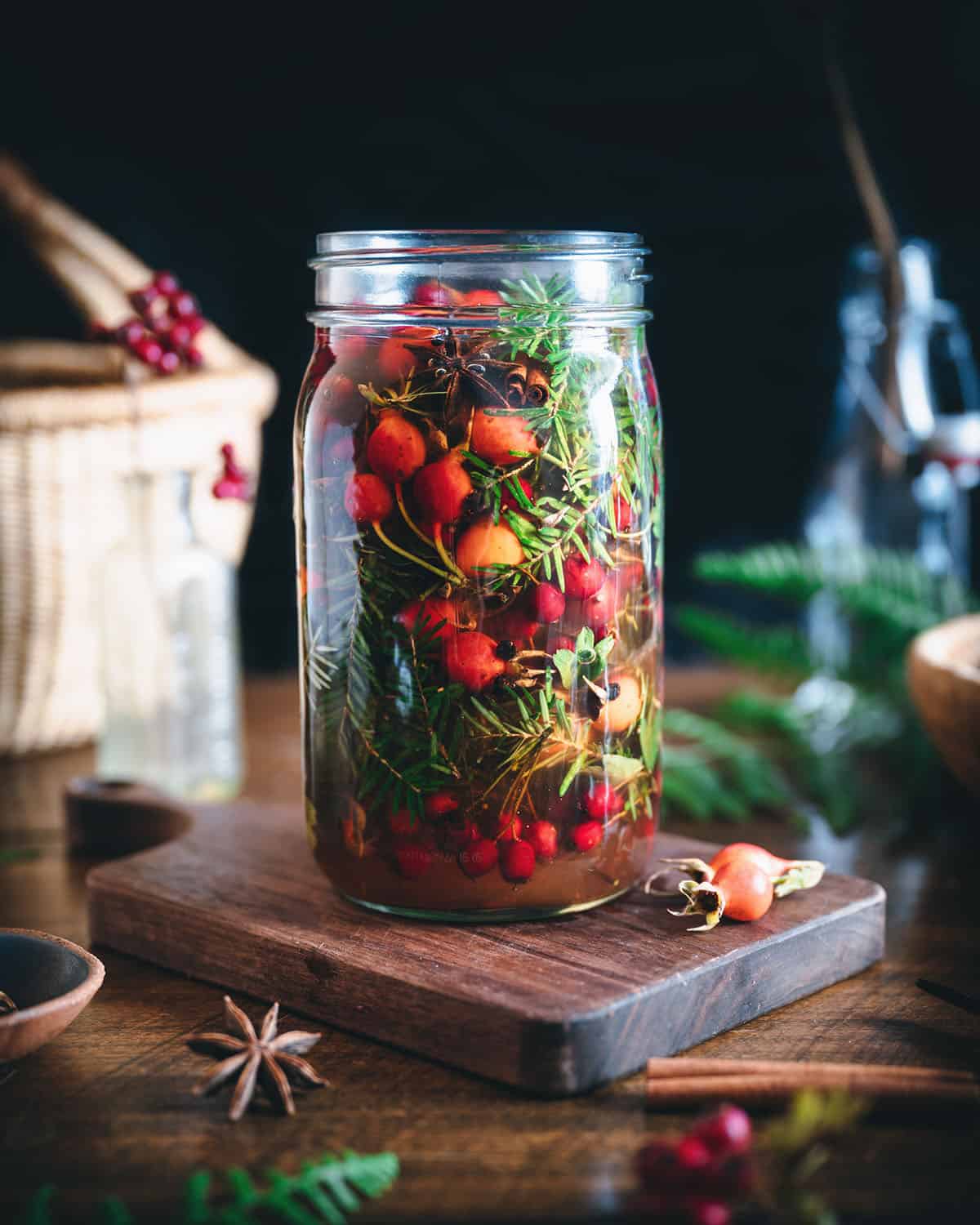
The preservation of volatile oils and medicinal constituents in dried herbs requires specific environmental controls. Professional-grade glass storage, such as wide-mouth Mason jars in pint, quart, and half-pint sizes, remains the industry standard. However, the introduction of specialized accessories has improved the efficiency of these traditional containers. Leak-proof storage lids, such as those manufactured by Ball, have become essential for the "maceration" process, where jars must be shaken or inverted daily to extract medicinal properties into alcohol, vinegar, or oil.
Specialized Laboratory Tools
For the production of tinctures and syrups, precision is paramount. The market has seen a rise in the popularity of:
- Amber Glass Tincture Bottles: These are designed to protect light-sensitive compounds from UV degradation.
- Stainless Steel Infrastructure: High-quality funnels and fine-mesh strainers are critical for ensuring the purity of the final product. Unlike plastic counterparts, stainless steel does not leach chemicals and can withstand the high temperatures required for sterilization.
- Traditional Brewing Vessels: For tea enthusiasts, the shift toward borosilicate glass and cast iron teapots reflects a desire for thermal efficiency and aesthetic longevity.
Topical Foundations: The Rise of DIY Skincare
The "Clean Beauty" movement has significantly impacted the herbalist gift market. According to a 2023 report by Grand View Research, the global organic personal care market is expected to expand at a compound annual growth rate (CAGR) of 9.1%. Herbalists are at the forefront of this trend, utilizing carrier oils, waxes, and essential oils to create bespoke skincare.
Essential ingredients for the skincare-focused herbalist include:
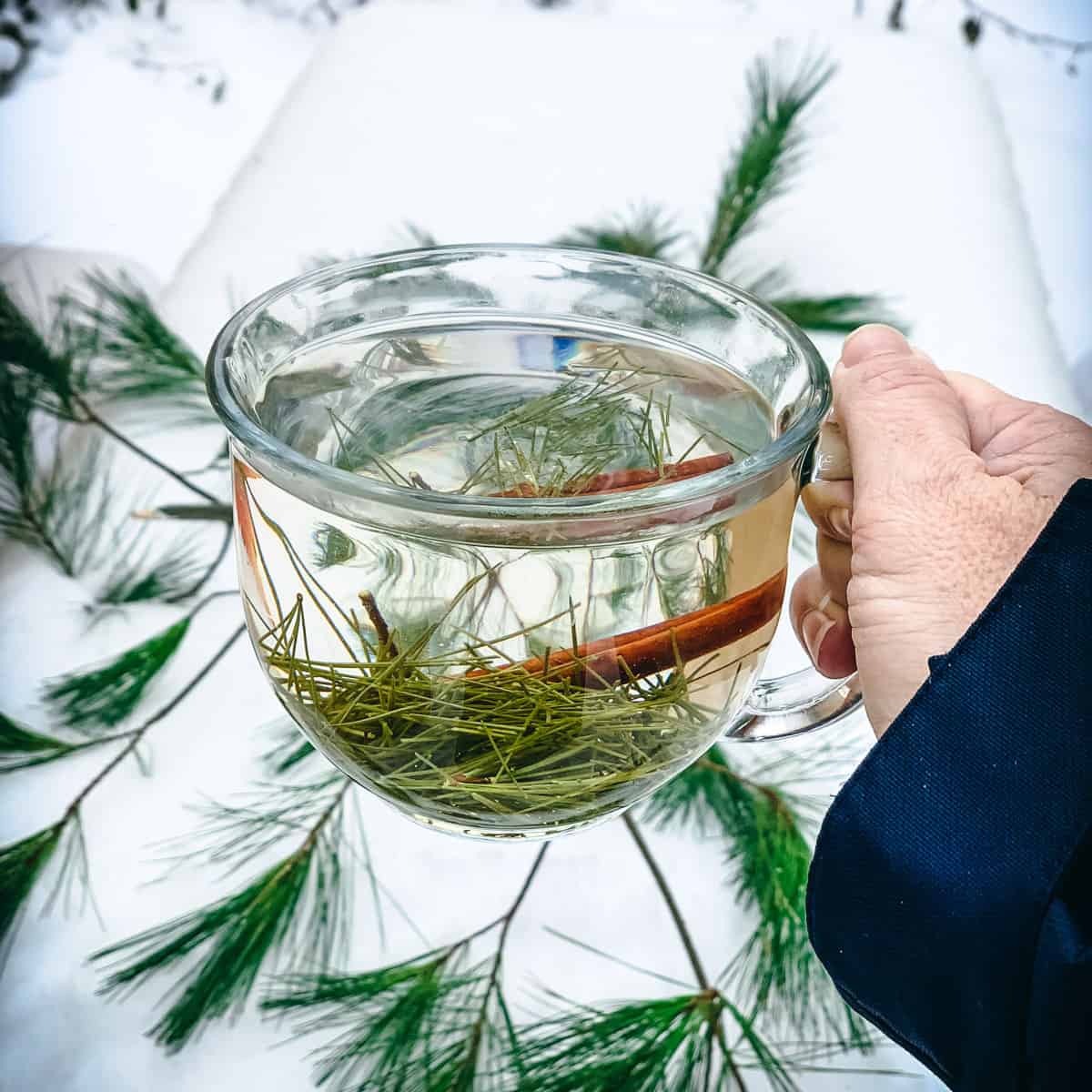
- Carrier Materials: Organic beeswax pellets, shea butter, and carrier oils like jojoba or sweet almond oil.
- Clays and Salts: Bentonite clay and Himalayan sea salts for detoxifying bath blends.
- Pre-formulated Options: For those who prefer ready-made products, companies like MadeOn Skin Care and independent artisans provide high-standard alternatives that mirror the quality of homemade preparations, such as beeswax-based lotion bars and herbal salves.
Educational Philanthropy: The Gift of Knowledge
Perhaps the most significant trend in the herbalist community is the emphasis on formal education. As the field becomes more professionalized, there is a growing demand for accredited courses that cover botany, phytochemistry, and clinical applications.
The Herbal Academy has emerged as a premier institution for online botanical education, offering tiered programs ranging from introductory courses to advanced clinical pathways. Gifting an enrollment in such a program is considered a high-value investment in a recipient’s long-term skill set. Furthermore, the publication of authoritative texts continues to be a cornerstone of the industry. Notable works such as "Healing Herbal Infusions" and "The Herbal Medicine-Maker’s Handbook" provide the necessary theoretical framework for safe and effective practice.
Industry Reactions and Expert Analysis
Market analysts suggest that the "herbal gift" trend is more than a seasonal fad; it is a reflection of a systemic shift toward sustainable consumption. "We are seeing a move away from ‘disposable’ gifts toward items that foster a relationship with the natural world," says one retail trend analyst. "Consumers are looking for gifts that offer a return on investment in the form of health and self-reliance."
Environmental advocates also point out the positive implications of this trend. By encouraging the use of bulk herbs and reusable glass containers, the herbalism community significantly reduces the carbon footprint associated with single-use plastic supplement bottles and pre-packaged skincare products.
Broader Impact and Economic Implications
The proliferation of herbalism-related gifting has a ripple effect on small-scale agriculture and global trade. The demand for organic botanicals supports small-scale farmers who prioritize biodiversity over monoculture. However, this increased demand also raises questions regarding the "over-harvesting" of wild species like White Sage and American Ginseng.
As a result, modern gift guides are increasingly emphasizing the importance of "Ethical Wildcrafting" and "At-Risk" plant awareness. This educational component ensures that the growth of the herbal market does not come at the expense of ecological stability.

In conclusion, the modern herbalist’s gift guide is a sophisticated intersection of agriculture, chemistry, and education. By focusing on high-quality raw materials, durable equipment, and accredited learning, gift-givers can support a practice that promotes both individual wellness and environmental stewardship. As the holiday season approaches, the shift toward these meaningful, utility-driven gifts reflects a society increasingly invested in the healing power of the botanical world.