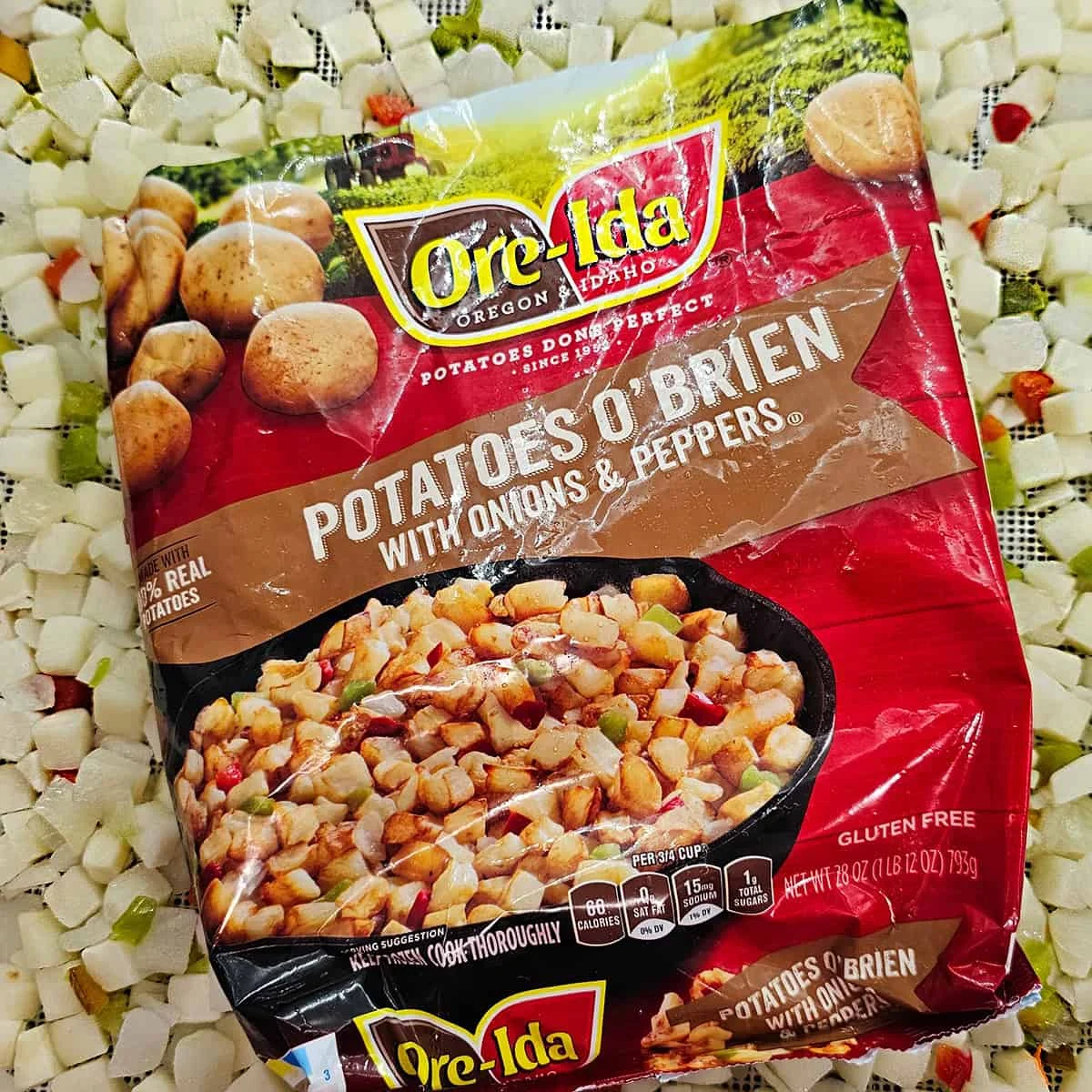
The practice of converting frozen inventory into shelf-stable pantry goods has emerged as a significant trend in modern food preservation, offering a strategic solution for household management and food security. By dehydrating commercially frozen potato products, such as Potatoes O’Brien—a blend typically consisting of diced potatoes, onions, and bell peppers—consumers can effectively reclaim freezer space while creating a versatile, long-lasting ingredient. This process leverages the industrial preparation already applied to frozen vegetables, specifically blanching and precision dicing, to streamline the home preservation workflow. As energy costs and food supply chain concerns continue to influence domestic habits, the transition from cold storage to dry storage represents a shift toward more resilient and efficient kitchen economies.
The Evolution of Home Food Preservation
Food dehydration is among the oldest methods of preservation, historically utilized by various civilizations to survive seasonal scarcities. While modern refrigeration and freezing technologies revolutionized food storage in the 20th century, they remain dependent on a continuous power supply and are limited by physical dimensions. The resurgence of interest in dehydration is driven by a desire to mitigate these vulnerabilities. Frozen potatoes, which are bulky and susceptible to freezer burn over time, are ideal candidates for this transformation.
Potatoes O’Brien, a dish believed to have originated in the early 20th century in either New York or Boston, has become a staple of the American frozen food aisle. The commercial version is particularly suited for dehydration because the manufacturer has already performed the most labor-intensive steps: peeling, uniform dicing, and blanching. Blanching is a critical precursor to dehydration as it denatures enzymes that cause browning and textural degradation, ensuring the final dried product maintains its nutritional profile and aesthetic appeal.
The Technical Process of Dehydrating Frozen Potatoes
The conversion of frozen potatoes to a shelf-stable format requires a systematic approach to ensure safety and quality. Unlike fresh produce, frozen potatoes can be moved directly from the freezer to the dehydrator trays without a thawing period, which prevents the development of mushy textures associated with slow defrosting.
Step 1: Preparation and Loading
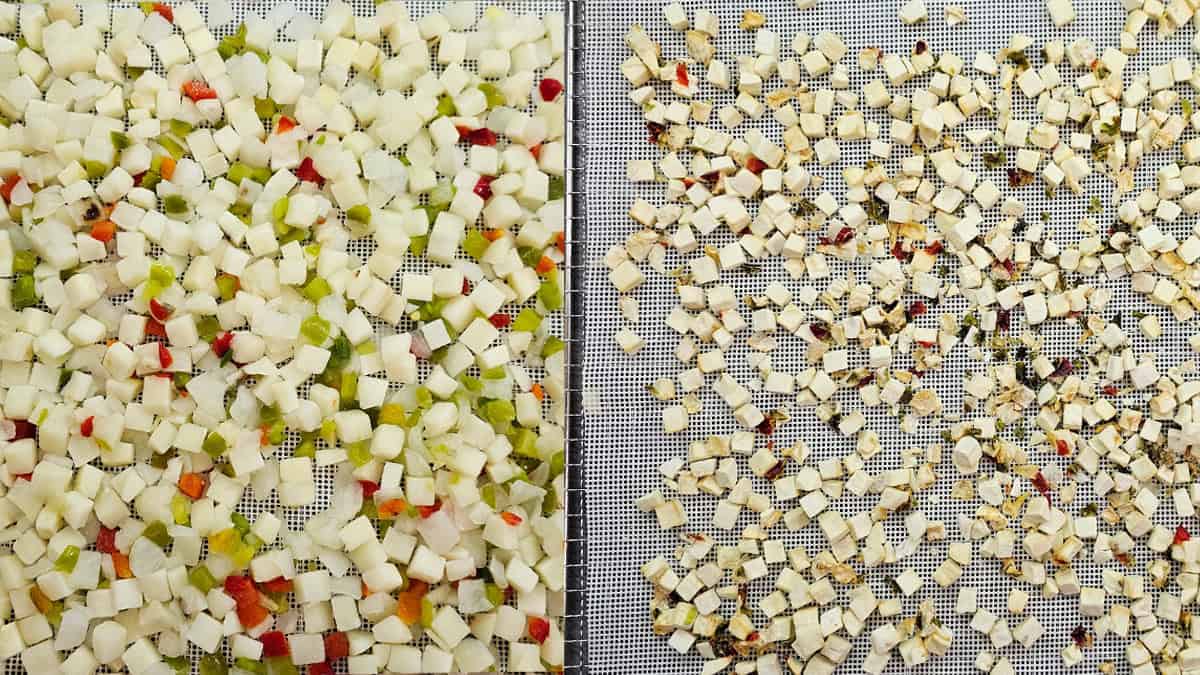
The process begins with the selection of high-quality frozen Potatoes O’Brien. It is essential to choose varieties that do not contain added oils, fats, or heavy seasonings, as these components do not dehydrate well and can lead to rancidity during storage. The frozen pieces are spread in a single layer across the dehydrator trays. Utilizing mesh screen liners is recommended to prevent the potato cubes from falling through the trays as they shrink—a phenomenon that typically results in a 50% to 70% reduction in size.
Step 2: Thermal Application
The dehydrator is typically set to a temperature of 125°F (52°C). This temperature is sufficient to evaporate moisture without "case hardening," a condition where the exterior of the food dries too quickly, trapping moisture inside and leading to internal mold growth. The duration of the process varies based on the humidity of the environment and the specific model of the dehydrator, generally ranging from 8 to 12 hours.
Step 3: Testing for Dryness
The final product must reach a moisture content of approximately 10% or less to be considered shelf-stable. To test for readiness, the potato pieces should be allowed to cool to room temperature. When squeezed or struck, they should feel hard, brittle, and "clink" like pebbles. If there is any remaining pliability or stickiness, the trays must be returned to the dehydrator for further processing.
Conditioning and Storage Protocols
Post-dehydration, the "conditioning" phase is a vital safety measure often overlooked by novices. Conditioning involves placing the dried potatoes in a clear glass jar for seven to ten days. The jar is shaken daily to redistribute any residual moisture. If condensation appears on the glass, the product is not sufficiently dry and must be dehydrated further. This phase ensures that the entire batch has a uniform moisture level, preventing spoilage once the product is moved to long-term storage.
For long-term preservation, the dehydrated Potatoes O’Brien should be stored in airtight containers, such as Mason jars or Mylar bags. The inclusion of oxygen absorbers can extend the shelf life significantly, often up to two years or more, provided the containers are kept in a cool, dark, and dry environment. This method effectively shields the food from its primary enemies: light, heat, moisture, and oxygen.
Economic and Environmental Impact
The transition from frozen to dehydrated storage offers measurable economic benefits. A standard chest freezer consumes a significant amount of electricity annually. By reducing the volume of frozen goods, households can potentially utilize smaller, more energy-efficient units or reduce the frequency of "freezer diving," which causes temperature fluctuations.
Furthermore, dehydration is an effective tool against food waste. Frozen potatoes are often subject to "freezer burn"—the sublimation of ice crystals that results in dehydrated, leathery patches on the food. By proactively dehydrating these items before freezer burn occurs, consumers preserve the quality and caloric value of their investment. From a logistical perspective, the weight reduction associated with dehydration makes these food items ideal for emergency kits, camping, and backpacking, where caloric density and portability are paramount.
Nutritional Integrity and Culinary Application
Concerns regarding the nutritional loss during dehydration are common. However, studies in food science indicate that while some heat-sensitive vitamins (such as Vitamin C) may decrease, the mineral content, fiber, and macronutrients (carbohydrates and proteins) remain largely intact. Because the potatoes are blanched before freezing by the manufacturer, much of the nutritional "locking" has already occurred.
The culinary versatility of dehydrated Potatoes O’Brien is extensive. Rehydration is achieved by soaking the dried pieces in hot water for 15 to 20 minutes or by adding them directly to liquid-heavy dishes.
- Soups and Stews: The dried potatoes can be tossed directly into simmering broths. They act as both a structural ingredient and a natural thickener as they release starches during the rehydration process.
- Casseroles: In dishes like Shepherd’s Pie or breakfast bakes, the dehydrated potatoes can be layered with other vegetables and proteins.
- Skillet Dishes: For traditional hash browns or breakfast hashes, the potatoes must be fully rehydrated and then patted dry before being introduced to a hot, oiled skillet. This ensures a crispy exterior, mimicking the texture of fresh potatoes.
Identifying Unsuitable Products for Dehydration
While most frozen potato products are compatible with dehydration, certain categories should be avoided to ensure shelf stability. Frozen fries, tater tots, and hash brown patties that have been pre-fried or contain significant amounts of oil are unsuitable. The fats in these products do not evaporate; instead, they remain in the food and will turn rancid at room temperature, even in airtight storage. Additionally, highly seasoned frozen potatoes containing dairy-based flavorings or thickeners are not recommended for home dehydration due to the complex safety requirements for drying fats and proteins.
Broader Implications for Food Security
The movement toward home dehydration reflects a broader societal interest in self-reliance. In the event of a prolonged power outage, frozen food stocks are among the first assets lost. By converting these stocks into shelf-stable forms, households create a "working pantry" that remains viable regardless of the electrical grid’s status.
Market data suggests that sales of home dehydration equipment have seen a steady increase over the last five years, coinciding with a rise in global food prices and interest in sustainable living. Experts in disaster preparedness emphasize that a diversified food storage strategy—combining fresh, frozen, canned, and dehydrated goods—is the most effective way to ensure nutritional stability during market volatility or environmental crises.
Conclusion
Dehydrating frozen Potatoes O’Brien is more than a simple kitchen hack; it is a sophisticated application of food science that maximizes resources and enhances household efficiency. By understanding the mechanics of moisture removal, the importance of conditioning, and the requirements for proper storage, consumers can transform a perishable convenience food into a durable pantry staple. As the culinary landscape continues to evolve, the ability to manipulate food storage formats will remain a critical skill for the modern, purposeful household. Through this process, the humble potato cube is elevated from a freezer-bound commodity to a cornerstone of a resilient and well-stocked pantry.