
The burgeoning pet care industry, currently valued at over $147 billion globally, has seen a significant shift toward "humanization," a trend where pet owners seek high-quality, minimally processed food options for their animals. Within this market, the demand for single-ingredient treats has surged as consumers become increasingly wary of complex ingredient lists and synthetic additives. Dehydrated chicken liver treats have emerged as a primary focus for DIY enthusiasts and health-conscious pet owners. By utilizing home dehydration techniques, owners can provide nutrient-dense rewards that bypass the preservatives and fillers often found in commercial products. This movement is driven by both economic considerations and a growing body of veterinary literature emphasizing the importance of high-protein, organ-based supplementation in canine diets.
The Nutritional Profile of Chicken Liver in Canine Diets
Chicken liver is frequently classified as a "superfood" in the context of canine nutrition. It is an exceptionally rich source of high-quality protein, essential fatty acids, and a spectrum of vitamins and minerals. Specifically, chicken liver provides significant concentrations of Vitamin A, Vitamin B12, iron, copper, and zinc. These micronutrients play critical roles in maintaining a dog’s immune system, skin health, and cognitive function.
According to nutritional data, a 100-gram serving of raw chicken liver contains approximately 11.6 mg of iron and 3,290 micrograms of Vitamin A. However, veterinary nutritionists caution that while liver is beneficial, it must be administered with precision. Because Vitamin A is fat-soluble, it is stored in the animal’s liver; excessive consumption can lead to hypervitaminosis A, a condition characterized by joint pain, stiffened limbs, and, in severe cases, organ damage. Industry standards typically suggest that organ meats should comprise no more than 5% to 10% of a dog’s total caloric intake to ensure a balanced nutritional profile without the risk of toxicity.
Economic Feasibility: DIY vs. Commercial Pet Treats
The financial incentive for producing dehydrated chicken liver at home is substantial. A market analysis of premium, single-ingredient dehydrated liver treats reveals that commercial products often retail for between $2.50 and $4.00 per ounce. In contrast, raw chicken liver is widely available at grocery stores and local butchers for a fraction of that cost, often ranging from $1.50 to $3.00 per pound.
When accounting for the weight loss associated with dehydration—liver typically loses about 70% to 75% of its weight during the drying process—the cost-to-benefit ratio remains heavily skewed in favor of the home producer. For example, one pound (16 oz) of raw liver yielding approximately 4 to 5 ounces of dried treats would cost the owner roughly $0.50 per ounce of finished product. This represents a cost savings of nearly 80% compared to high-end retail brands. Furthermore, the ability to source organic or pasture-raised livers allows owners to control the quality of the raw material, avoiding antibiotics and hormonal residues often present in mass-market poultry.
Chronology of the Dehydration Process
The production of shelf-stable liver treats involves a precise sequence of preparation and thermal processing designed to eliminate pathogens while preserving nutritional integrity.
Phase 1: Procurement and Preparation
The process begins with the selection of fresh chicken livers. Journalistic observation of the supply chain indicates that tub-packaged livers found in standard supermarkets are sufficient, though organic options are preferred by those seeking to minimize chemical exposure. The livers must be rinsed thoroughly in cold water to remove excess blood and surface debris. To facilitate even drying, the liver is sliced into uniform pieces, typically between 1/4 and 1/2 inch thick. Some practitioners recommend partially freezing the liver for 30 to 60 minutes prior to slicing, as the firmer texture allows for more precise cuts.
Phase 2: Thermal Processing and Dehydration
Dehydration is the process of removing moisture to a level where microbial growth is inhibited. For meat products, safety is the primary concern. The United States Department of Agriculture (USDA) and the Food and Drug Administration (FDA) recommend that poultry products be heated to an internal temperature of 165°F (74°C) to ensure the destruction of Salmonella and Campylobacter.
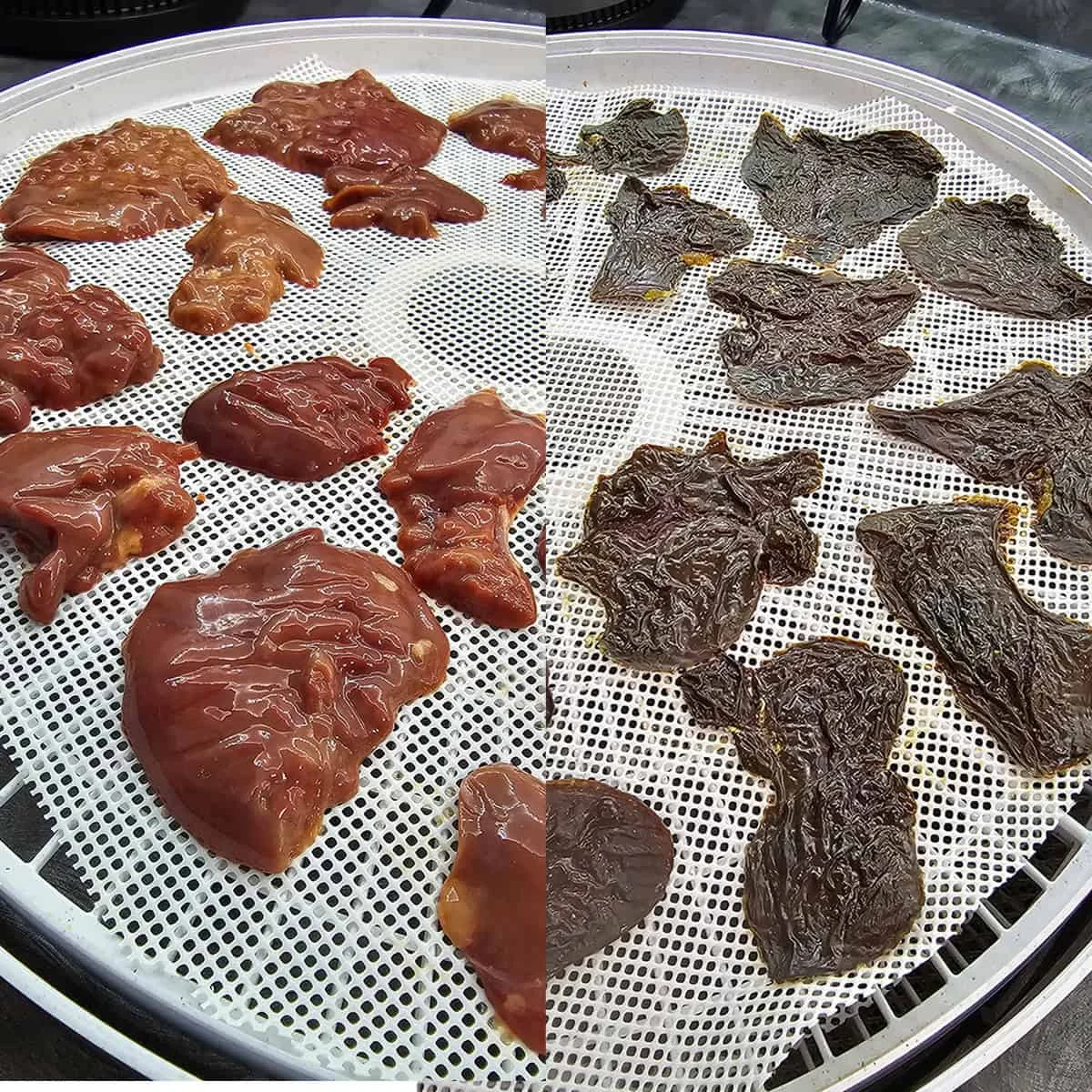
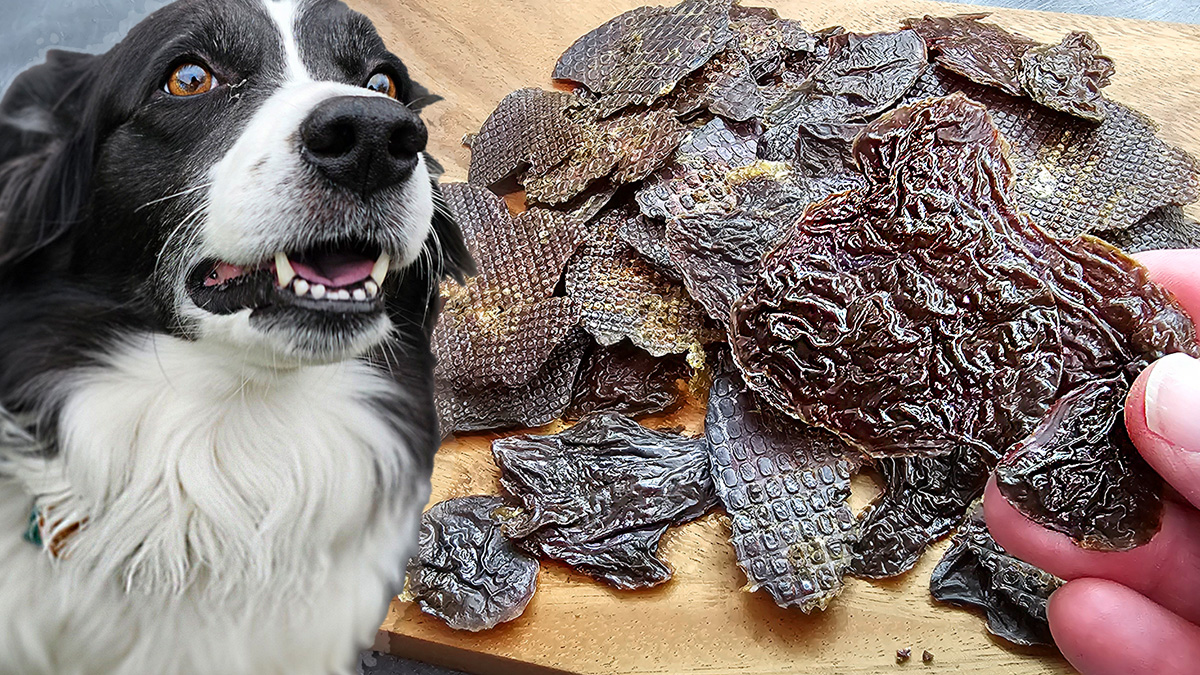
In a dedicated dehydrator, the units are typically set to 160°F (71°C). The liver slices are arranged in a single layer on trays, ensuring adequate airflow between pieces. The dehydration duration generally spans 6 to 12 hours. The final product should be "leathery" or "snappy" rather than soft. If the treats bend without breaking, they likely retain too much moisture for long-term room-temperature storage.
Phase 3: Oven-Based Alternatives
For pet owners without specialized equipment, a standard kitchen oven can be utilized. This method requires the oven to be set to its lowest possible temperature, usually between 170°F and 200°F. The liver is placed on a wire rack over a baking sheet to allow for 360-degree air circulation. Because ovens often lack the consistent airflow of a dehydrator, the drying time may be shorter but requires closer monitoring to prevent scorching.
Safety Protocols and Pathogen Control
Handling raw poultry involves inherent risks of cross-contamination. Public health officials emphasize that all surfaces, utensils, and hands must be sanitized following contact with raw liver. In the context of pet treats, the risk is twofold: the potential for the dog to contract a foodborne illness and the risk of "shedding" bacteria into the home environment, which poses a threat to human inhabitants, particularly children and the immunocompromised.
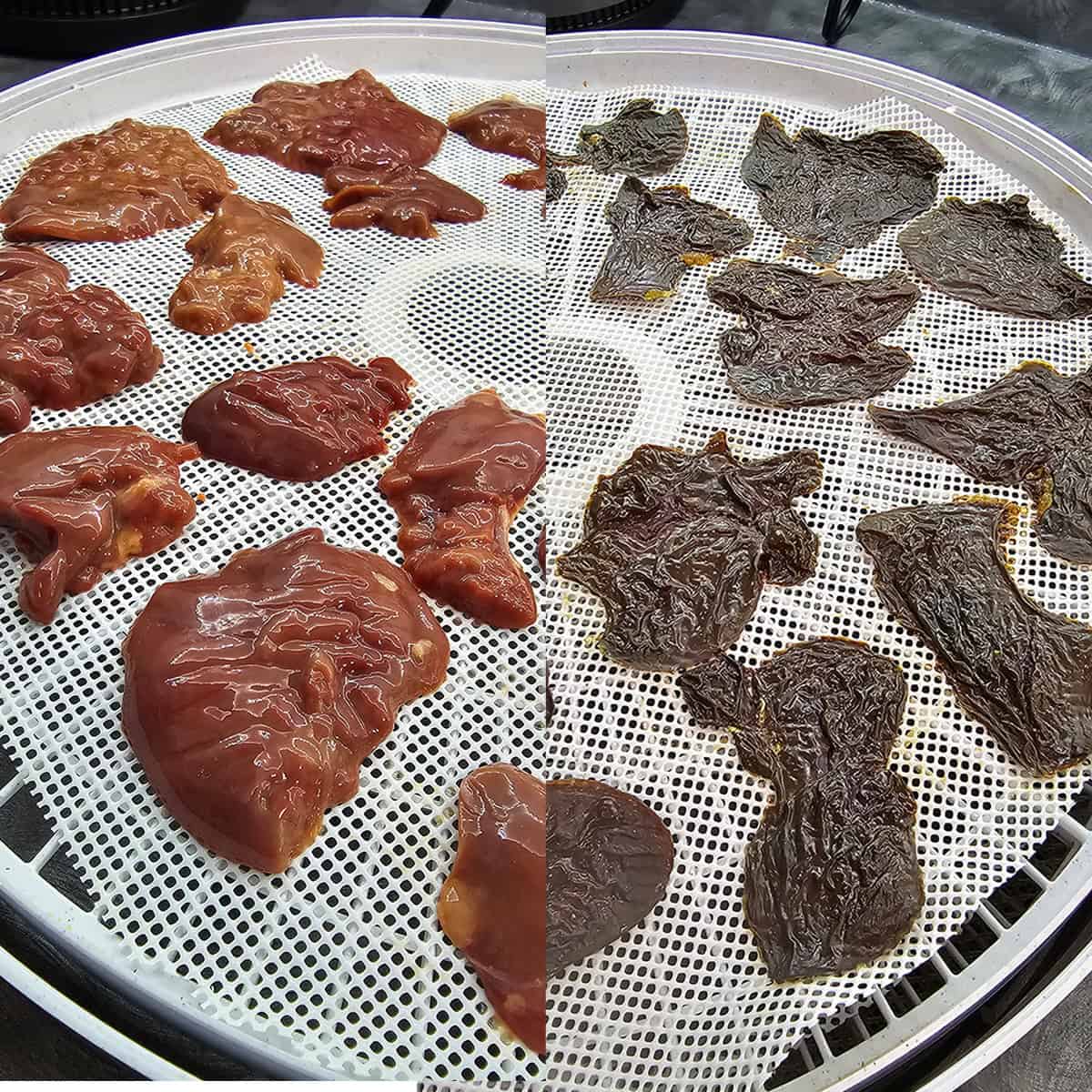
The dehydration process, when executed at 160°F or higher, serves as a kill-step for most common pathogens. However, the shelf stability of the finished product depends entirely on the "water activity" level. By removing the moisture that bacteria need to thrive, the liver becomes a stable food product. Owners are advised to perform a "touch test" once the treats have cooled; any signs of oiliness or moisture indicate that further drying is required.
Storage Dynamics and Preservation
The longevity of DIY treats is significantly shorter than commercial versions that utilize nitrogen-flushed packaging and chemical mold inhibitors. Home-produced dehydrated liver should be stored with the following considerations:
- Cooling: Treats must be allowed to cool completely before being placed in containers. Warm treats placed in a sealed bag will generate condensation, leading to rapid mold growth.
- Refrigeration: For treats intended to be consumed within one to two weeks, a sealed container in the refrigerator is recommended.
- Freezing: For long-term storage (up to six months), the freezer is the safest option. This prevents the oxidation of residual fats, which can lead to rancidity.
- Desiccants: Some owners utilize food-grade silica gel packets in their storage containers to absorb any ambient moisture, further extending the shelf life.
Industry Implications and the "Clean Label" Movement
The rise of homemade treats like dehydrated chicken liver reflects a broader distrust of the global pet food supply chain. Historical events, such as the 2007 melamine recall and subsequent investigations into jerky treats sourced from overseas, have left a lasting impression on the pet-owning public. This has birthed the "Clean Label" movement in pet care, where transparency is paramount.
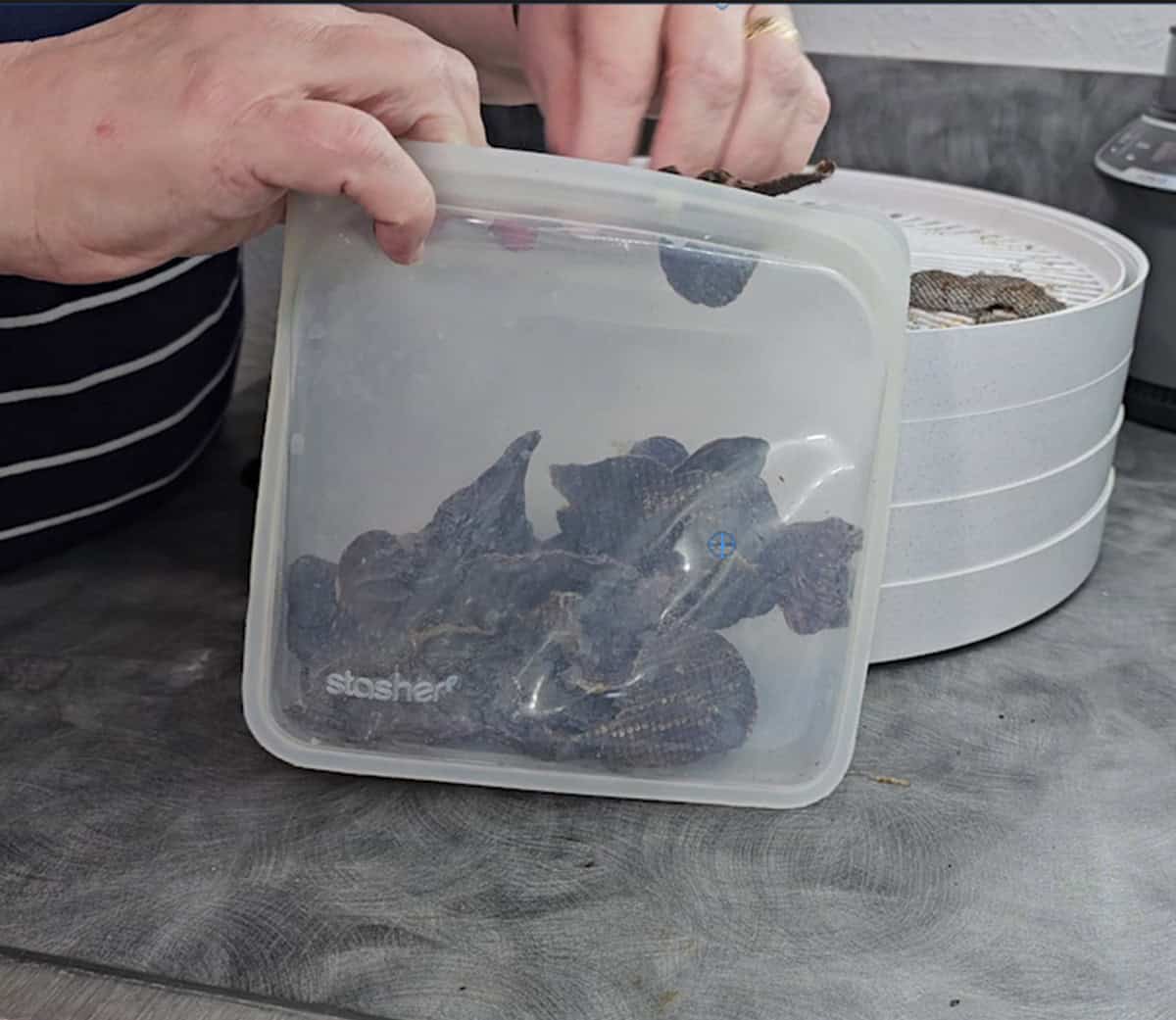
By producing treats at home, consumers are effectively "voting with their wallets," bypassing industrial manufacturing in favor of localized, small-batch production. This shift has forced major manufacturers to pivot, resulting in an influx of "limited ingredient" and "raw-coated" products on retail shelves. However, as the data suggests, the DIY approach remains the most cost-effective and transparent method for providing high-value rewards.
Conclusion: The Role of Organ Meats in Modern Pet Ownership
The practice of dehydrating chicken liver for canine consumption is more than a culinary hobby; it is a strategic approach to pet health and household budgeting. As the pet industry continues to evolve toward more natural and biologically appropriate foods, the reliance on organ meats like liver is expected to grow. While the process requires a commitment to safety and precision, the result is a superior product that aligns with the nutritional needs of dogs and the ethical and financial goals of their owners.
Through the lens of food science and economic analysis, DIY dehydration stands as a viable solution to the rising costs and safety concerns of the modern pet market. As long as owners adhere to established safety guidelines and nutritional limits, dehydrated chicken liver treats represent a gold standard in canine supplementation.


