
The global home gardening market has experienced an unprecedented surge over the last five years, with recent data from the National Gardening Association indicating that over 18 million new gardeners began cultivating land since 2020. This shift toward domestic food production is no longer a niche hobby but a significant cultural and economic movement. As the holiday season approaches, the demand for specialized equipment, particularly within the permaculture and regenerative agriculture sectors, has reached new heights. Permaculture, a design system centered on modeling human settlements after natural ecosystems, requires a specific set of tools and knowledge bases that differ from traditional row-crop gardening. This guide provides a comprehensive analysis of the essential implements, biological inputs, and educational resources currently shaping the backyard gardening landscape.
The Evolution of Domestic Agriculture: From Victory Gardens to Permaculture
The history of backyard gardening in the United States and Europe has transitioned from the "Victory Gardens" of the World War II era—designed primarily for caloric output during wartime shortages—to the modern permaculture movement, which emphasizes soil health, biodiversity, and sustainability. According to industry reports, the "green industry" is projected to grow at a compound annual growth rate (CAGR) of over 5% through 2030. This growth is driven by a demographic shift; younger homeowners are increasingly prioritizing "edible landscapes" over traditional lawns.
Permaculture gardeners utilize specific techniques such as swale construction, forest gardening, and sheet mulching. These methods require tools that can handle diverse tasks in densely planted environments. Unlike industrial agriculture, which relies on heavy machinery, the backyard permaculture enthusiast requires precision instruments designed for longevity and ergonomic efficiency.
Precision Engineering in Small-Scale Horticulture
The selection of manual tools is critical for the maintenance of a high-functioning backyard ecosystem. Professional horticulturists often distinguish between consumer-grade equipment and heirloom-quality tools that offer a lifetime of service.
The Hori Hori and Multi-Functional Implements
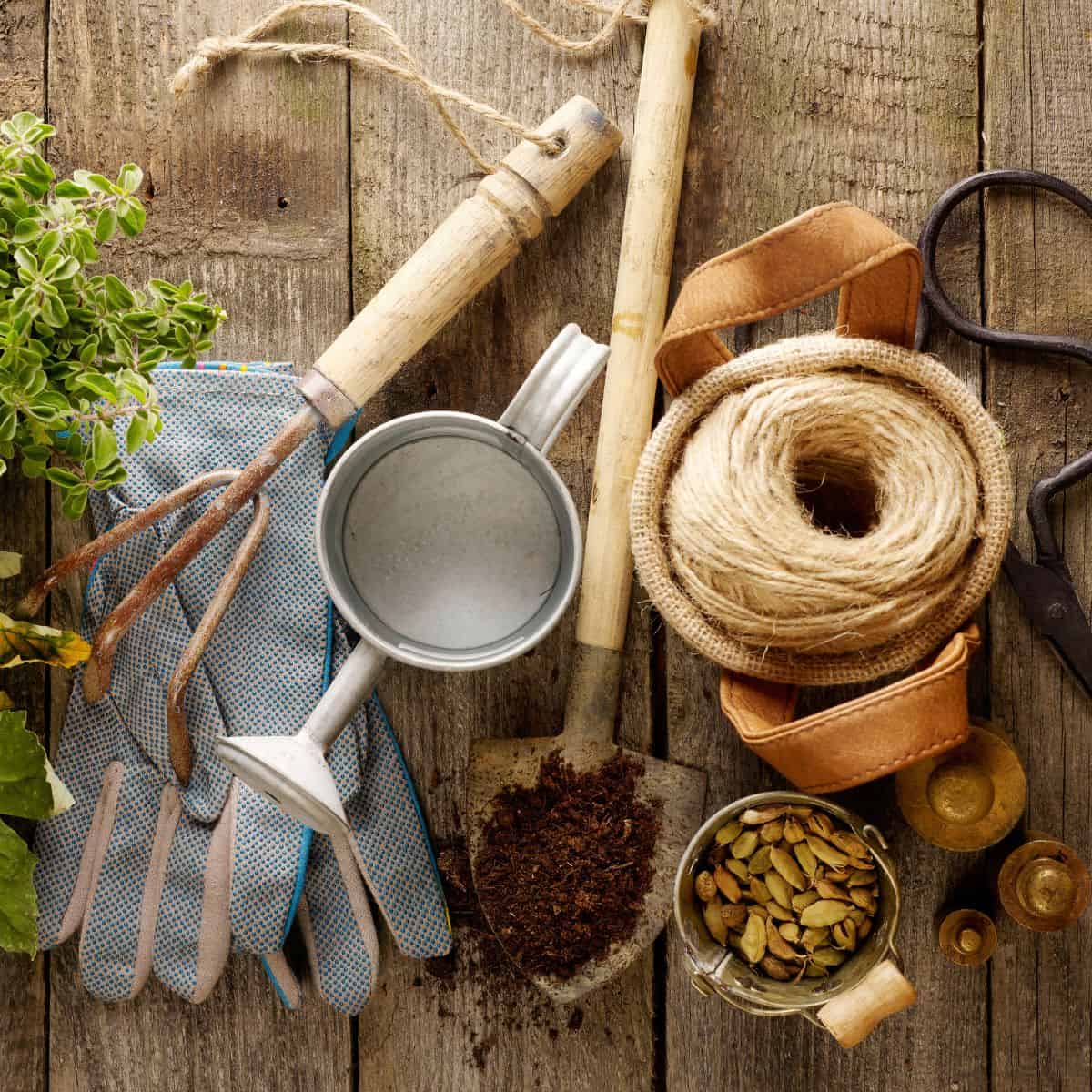
One of the most significant adoptions in Western gardening from Japanese tradition is the Hori Hori garden knife. Marketed as a multi-purpose tool, its design features a serrated edge for cutting roots and a sharp straight edge for weeding or dividing perennials. The inclusion of inch markings on the blade allows for precise bulb planting. Data suggests that multi-functional tools are seeing higher sell-through rates as urban gardeners seek to minimize storage requirements in smaller dwellings.

Specialized Cultivation Tools
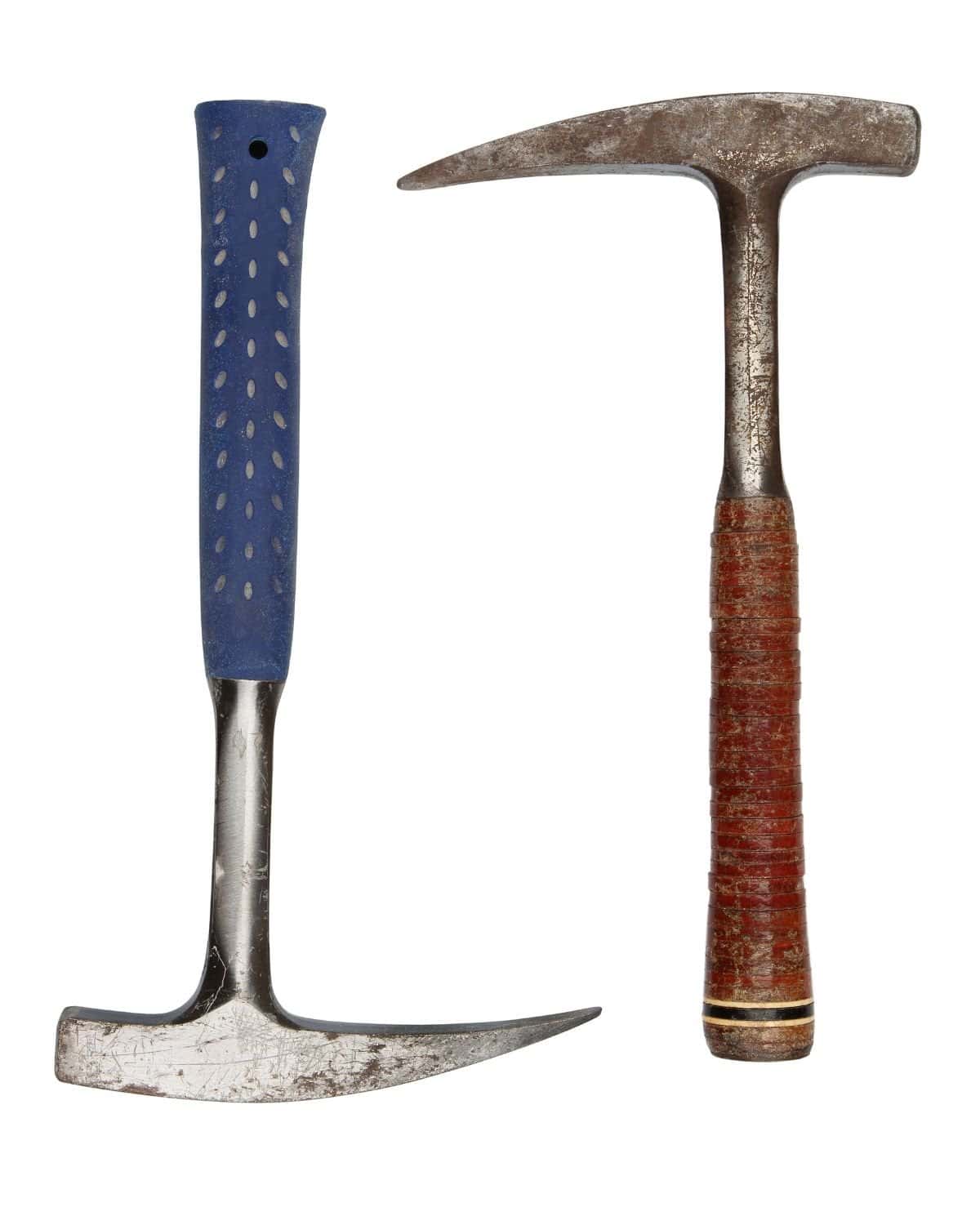
For soil preparation and weed management without the use of chemical herbicides, the CobraHead Weeder and Cultivator has become a staple. Its "fingernail" shape allows gardeners to scalp weeds at the root or furrow soil for seeding in tight spaces, such as permaculture swales or raised beds. Additionally, tools traditionally associated with geology, such as the Estwing Rock Pick, have found a secondary market in gardening. These picks are frequently used by permaculture designers for breaking up compacted clay soils or navigating rocky terrain during the installation of irrigation features.
Pruning and Harvesting Technology
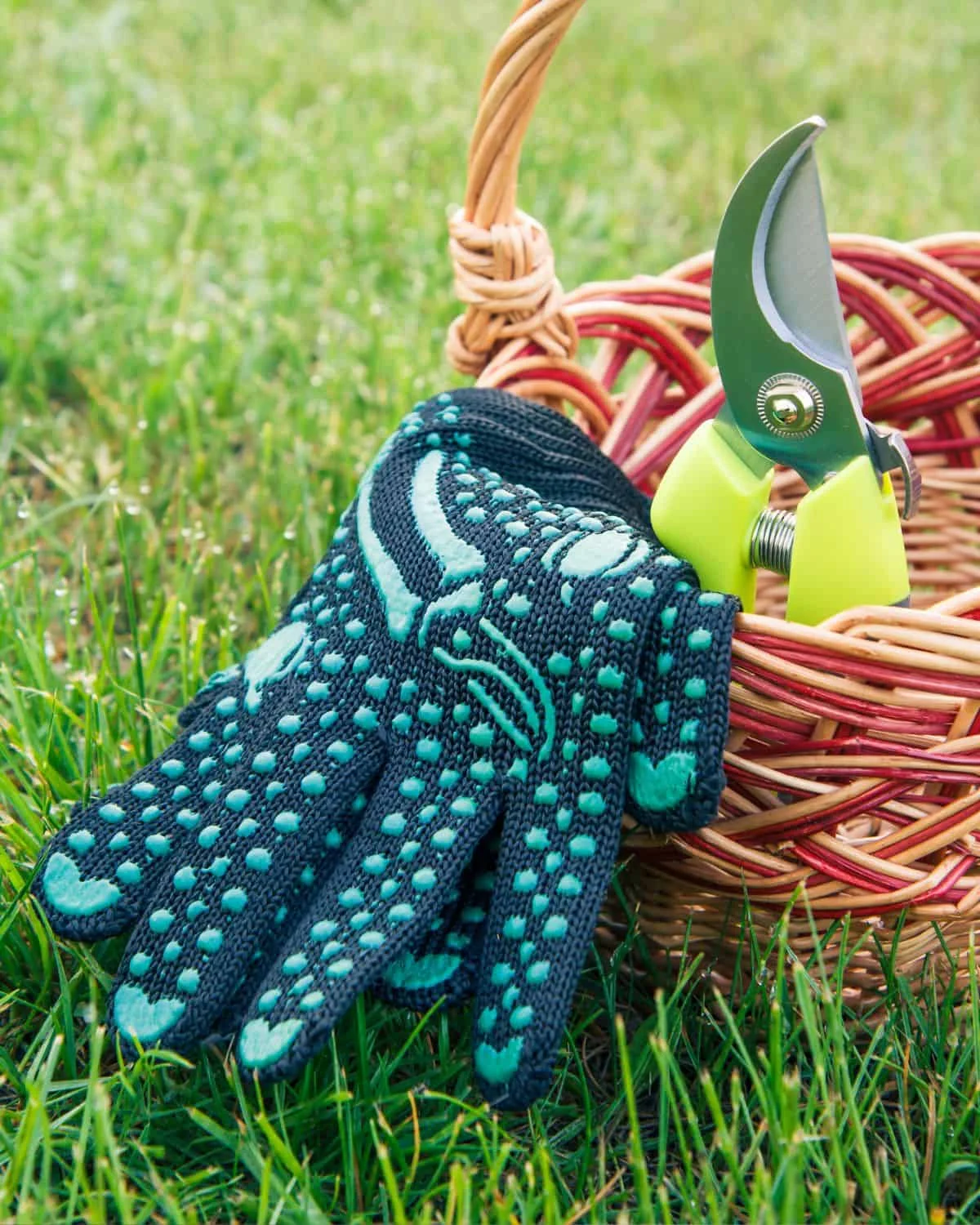
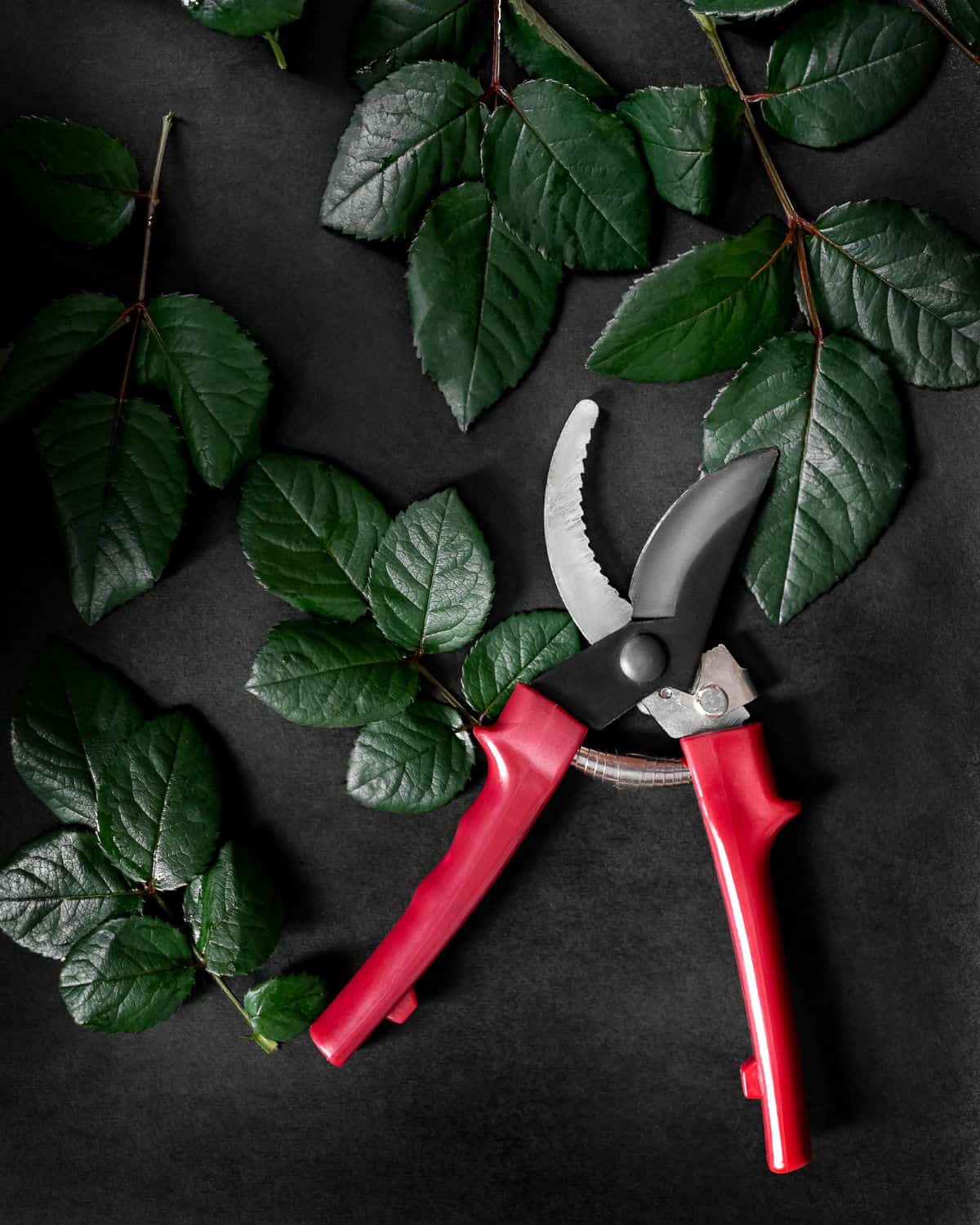
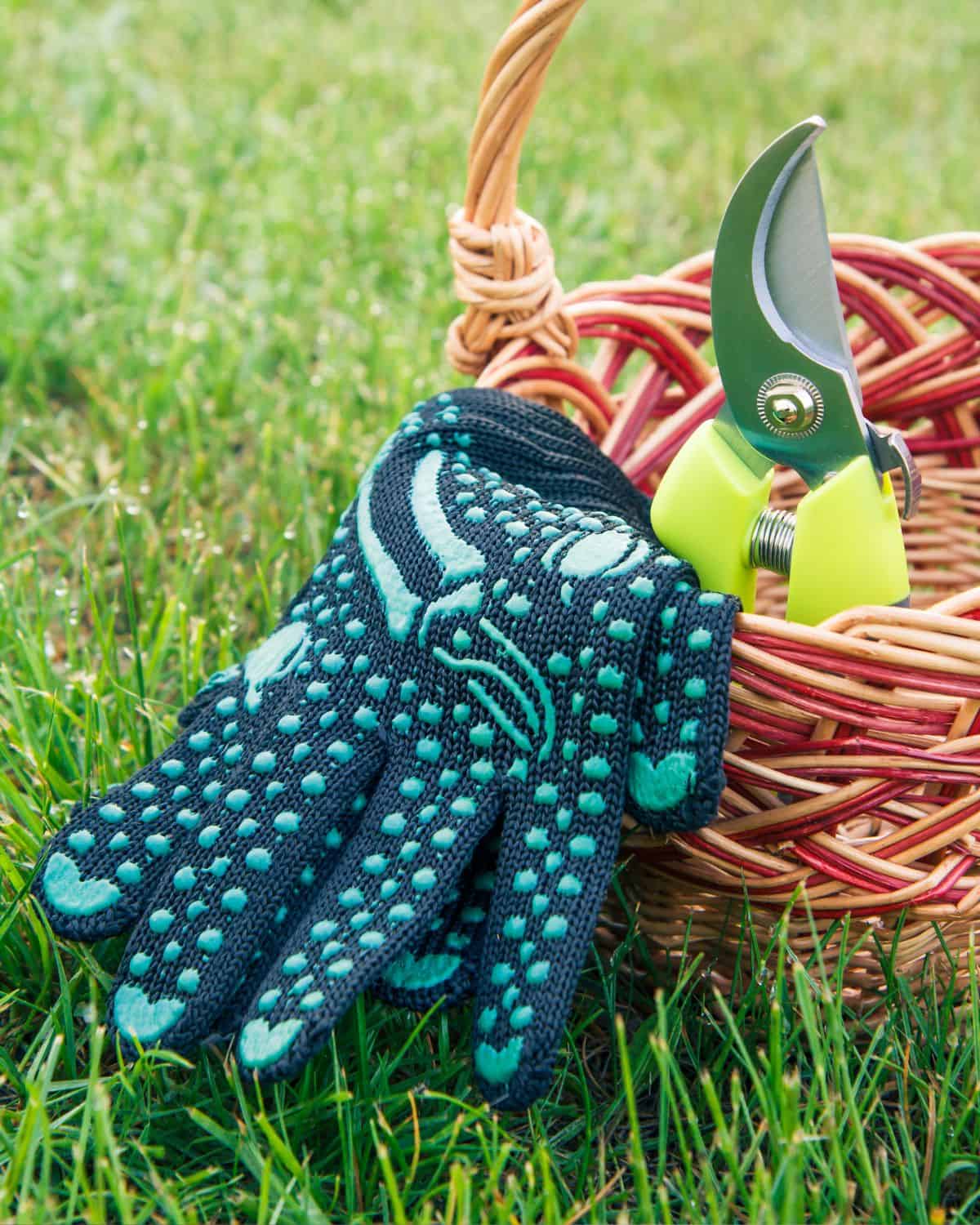
Pruning is a vital component of maintaining a "food forest" or orchard. The industry standard remains the Felco brand, specifically the Felco 2 manual pruner. Manufactured in Switzerland, these tools are designed with replaceable parts, reflecting the permaculture ethos of "reduce, reuse, and repair." While premium pruners carry a higher initial cost, long-term economic analysis shows they are more cost-effective than disposable alternatives. For larger-scale harvesting of greens or lavender, bypass shears and specialized harvesting knives are essential for maintaining plant health during the cutting process.
Irrigation Systems and Environmental Safety Standards
Water management is perhaps the most critical challenge for the backyard gardener. As climate volatility increases, the efficiency of delivery systems becomes paramount.
Galvanized and Decorative Irrigation
While automatic drip irrigation is preferred for large-scale operations, the "slow gardening" movement has revitalized the use of traditional galvanized metal watering cans. These vessels are favored for their durability and UV resistance compared to plastic counterparts.
Non-Toxic Material Trends
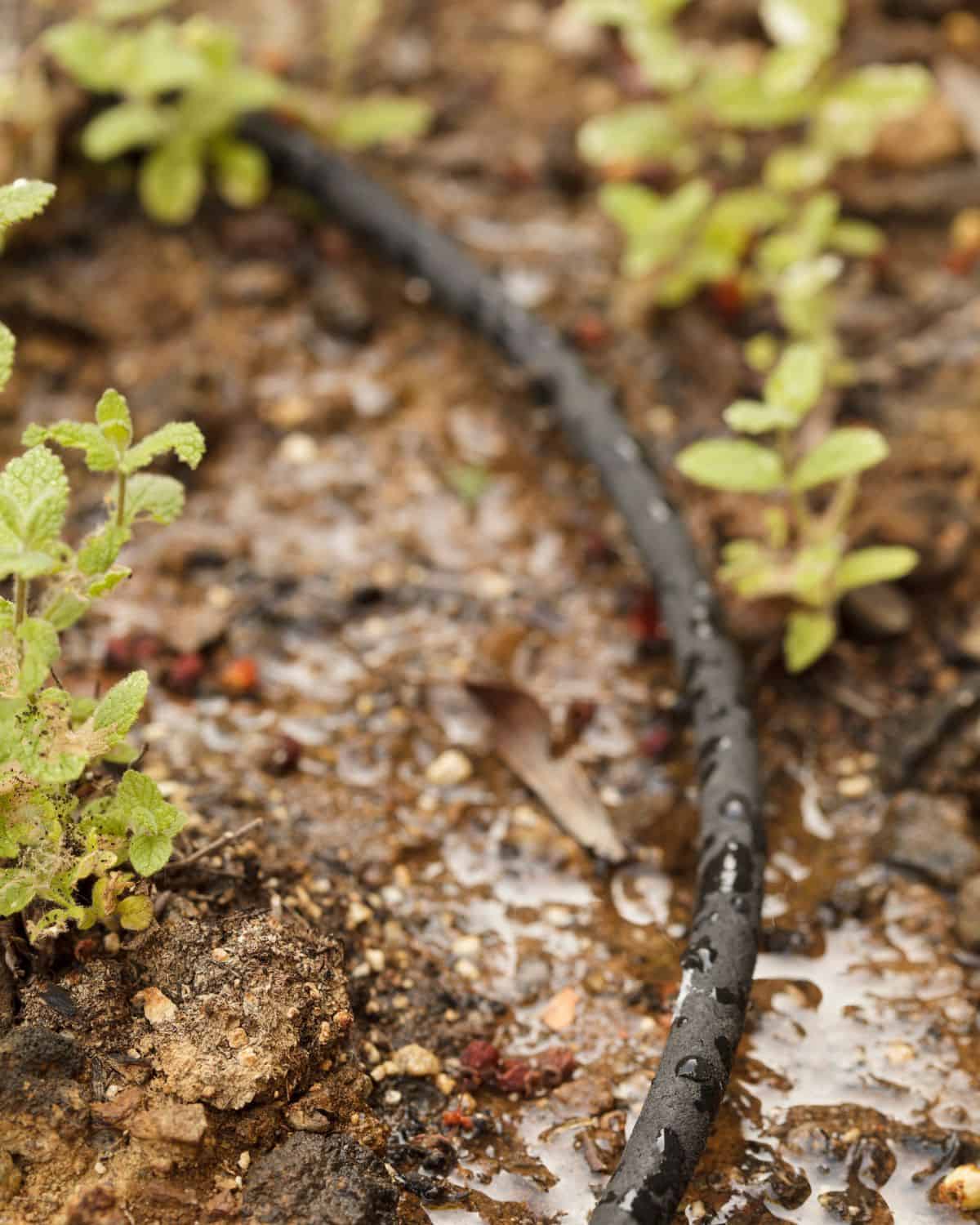
A growing concern among health-conscious gardeners is the presence of lead, phthalates, and BPA in standard garden hoses. Journalistic investigations into consumer products have revealed that many traditional hoses are not rated for potable water. Consequently, there has been a market shift toward polyurethane hoses, such as those produced by Water Right. These products are engineered to be "drinking water safe," ensuring that no toxic chemicals are leached into the soil or the edible plants they hydrate. Soaker hoses, which deliver water directly to the root zone, are also being prioritized for their ability to reduce water evaporation by up to 70%.
Biological Foundations: Seed Sovereignty and Germination Technology
The heart of any garden lies in its genetics. The demand for organic, non-GMO, and heirloom seeds has led to the rise of "seed vaults" and specialized starting kits.

The Rise of Seed Starting Kits
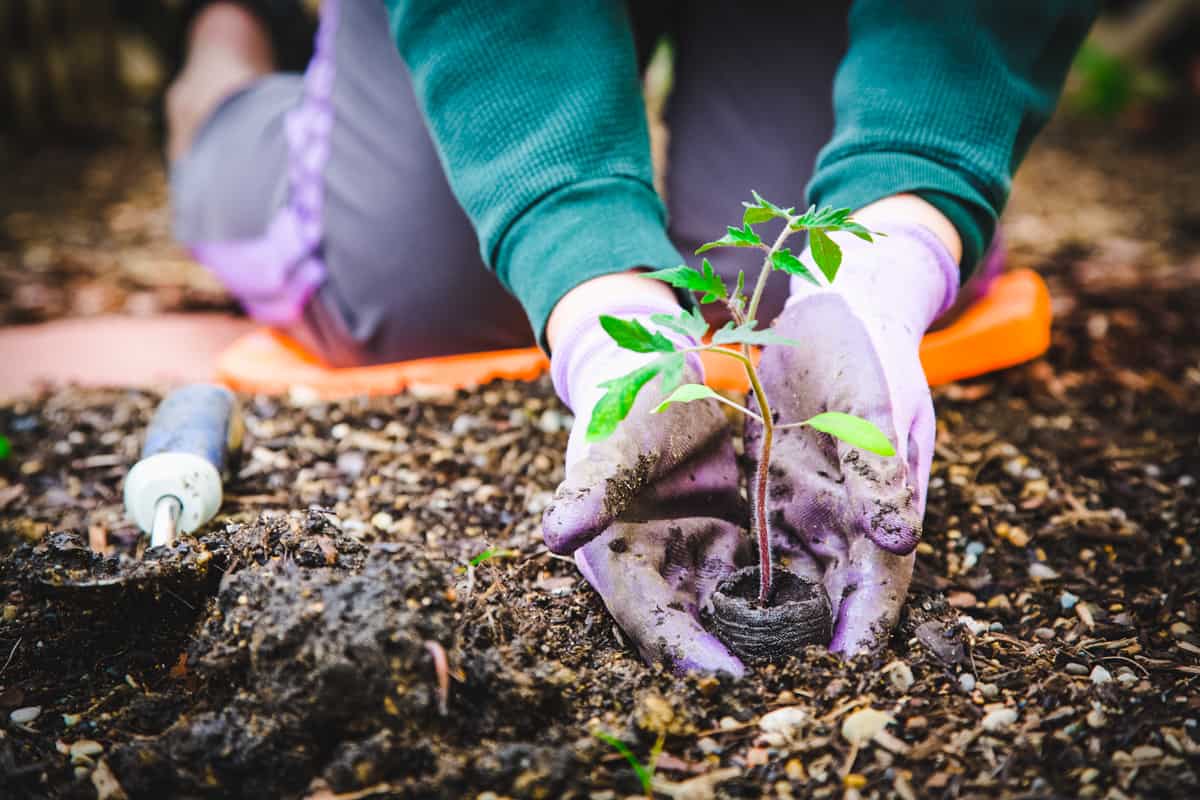
For many gardeners, the season begins in mid-winter with indoor seed starting. Professional-grade seed trays and soil block makers have become popular gift items. Soil blocking, a technique that eliminates the need for plastic pots by compressing soil into self-contained cubes, is praised by environmentalists for reducing plastic waste and preventing "root bound" seedlings.
Heirloom and Organic Seed Collections
The commercial seed market has seen a 25% increase in the sale of "survival" or "homestead" seed kits. These collections, such as those from Garden Republic or Survival Garden Seeds, typically feature open-pollinated varieties that allow gardeners to save seeds for future seasons, thereby promoting seed sovereignty. Collections often include a variety of medicinal herbs and culinary vegetables, providing a foundation for a self-sufficient backyard pharmacy and kitchen.

Season Extension and Micro-Farming
To combat the limitations of temperate climates, mini-greenhouses and microgreens kits have become essential. Microgreens, which can be grown year-round on a windowsill, offer a nutrient density up to 40 times higher than mature vegetables. This makes them an attractive entry point for urban dwellers with limited outdoor space.
Educational Resources and the Knowledge Economy
As gardening techniques become more sophisticated, the value of authoritative literature has increased. The "how-to" segment of the publishing industry remains a robust category for holiday gifting.

Key Texts in Modern Permaculture
Literature serves as the roadmap for the transition from a traditional lawn to a productive ecosystem. "The Suburban Micro-Farm" by Amy Stross provides a practical framework for maximizing production on small acreage. For those interested in the philosophical and systemic aspects of the movement, Toby Hemenway’s "Gaia’s Garden" is widely considered the definitive text on home-scale permaculture.
Revolutionary Gardening Methods
Several authors have fundamentally changed how the public perceives agricultural labor. Mel Bartholomew’s "Square Foot Gardening" introduced a grid-based system that claims to produce 100% of the harvest in only 20% of the space. Similarly, the work of Ruth Stout, known for her "no-work" mulch gardening method, continues to influence gardeners looking to minimize tilling and weeding through heavy organic mulching.
Digital Integration and E-Learning
The rise of digital media has introduced eBooks and online courses into the gardener’s toolkit. Resources like "The Backyard Forest Garden" eBook offer step-by-step design instructions that can be accessed instantly, reflecting a broader trend of digital integration in traditional trades. These guides often include plant lists for various "layers" of a food forest, from canopy trees to ground covers.
Market Trends and Broader Implications
The shift toward backyard permaculture has significant implications for urban planning and environmental health. City planners are increasingly looking at domestic gardens as "green infrastructure" that helps mitigate the urban heat island effect and manages stormwater runoff.
Economic Impact
The "homegrown" movement is also influencing the grocery sector. As more consumers produce their own organic produce, there is a noted shift in demand for high-quality soil amendments, organic fertilizers, and composting equipment. The "compost economy" alone is seeing a surge in innovation, with sleek, kitchen-counter composters becoming a popular gift for the modern eco-conscious household.
Environmental and Social Benefits
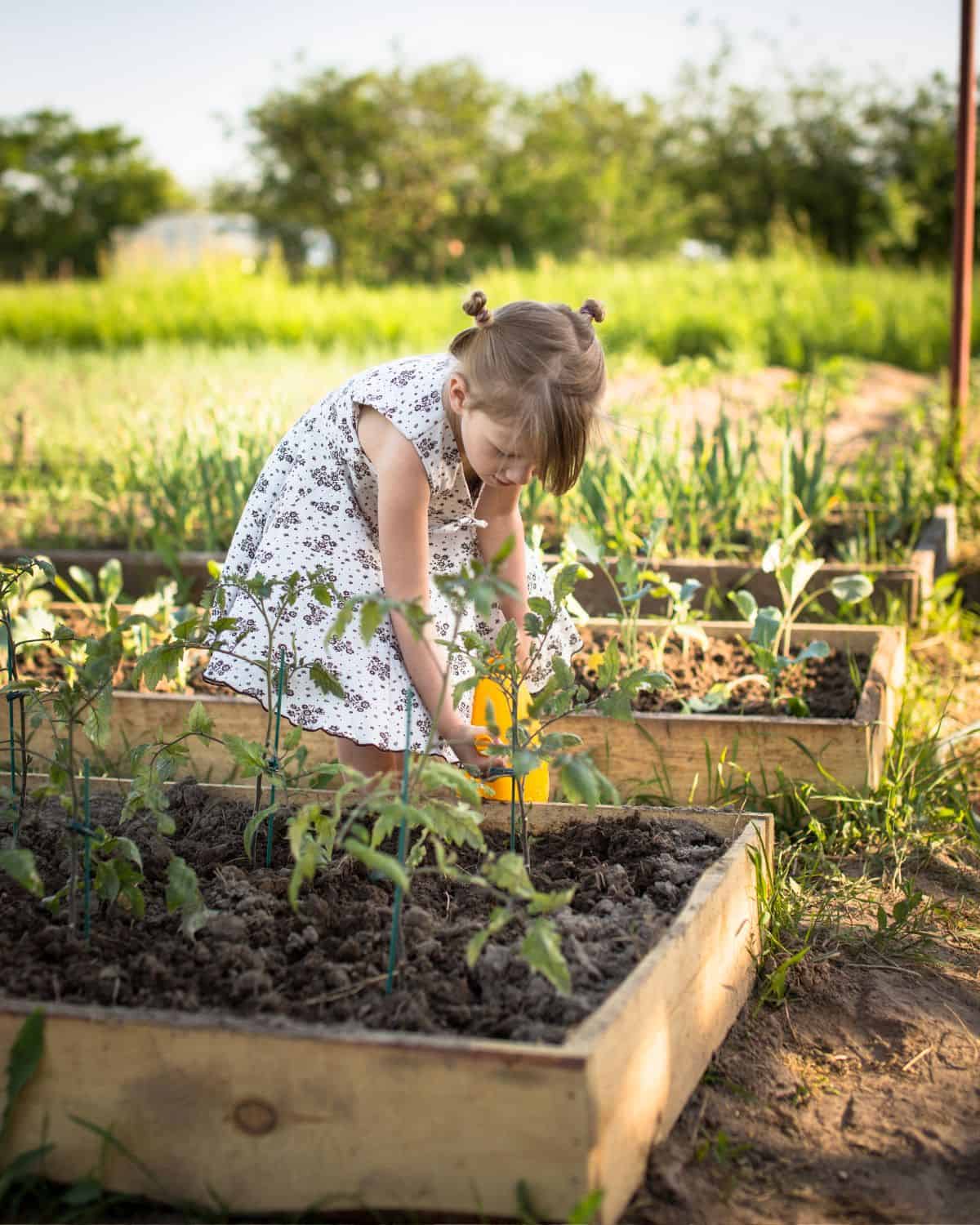
Beyond the individual harvest, backyard gardens contribute to community resilience. Pollinator gardens, often a component of permaculture design, provide essential habitats for bees and butterflies, whose populations have been in decline. Furthermore, gardening has been clinically shown to reduce cortisol levels and improve mental health, a factor that has contributed to its sustained popularity following the global pandemic.
In conclusion, the modern backyard gardener is a sophisticated consumer who prioritizes quality, sustainability, and efficiency. Whether through the precision of a Swiss-made pruner, the safety of a non-toxic hose, or the wisdom found in a permaculture textbook, the tools and resources available today are empowering a new generation to transform their private spaces into productive, resilient ecosystems. This holiday season, the trend toward "gifts that grow" reflects a deeper societal move toward sustainability and self-reliance.


