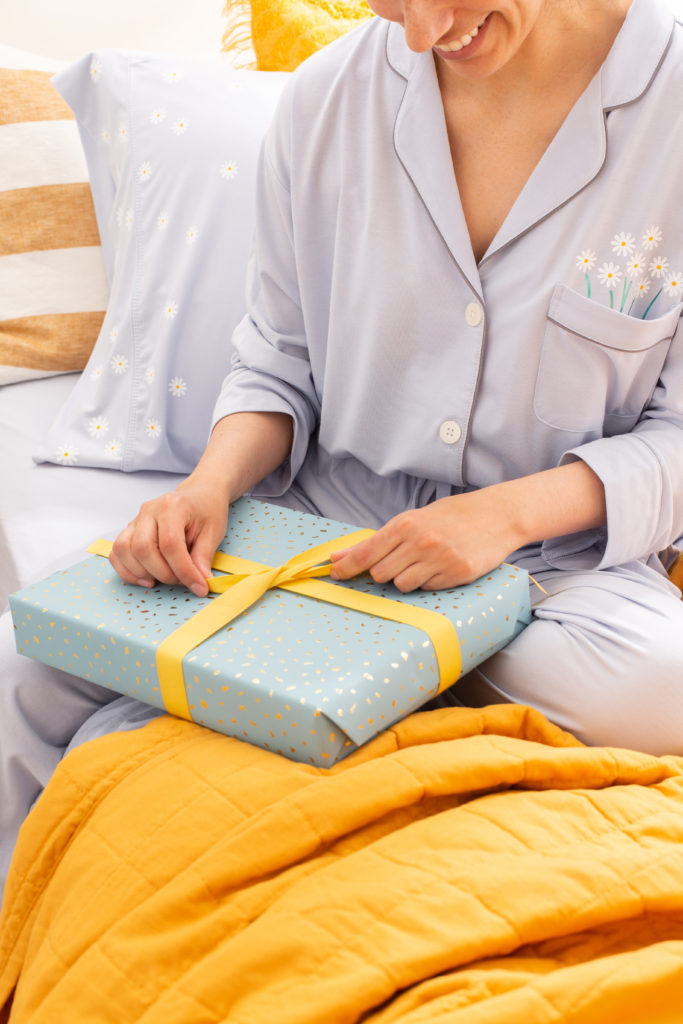
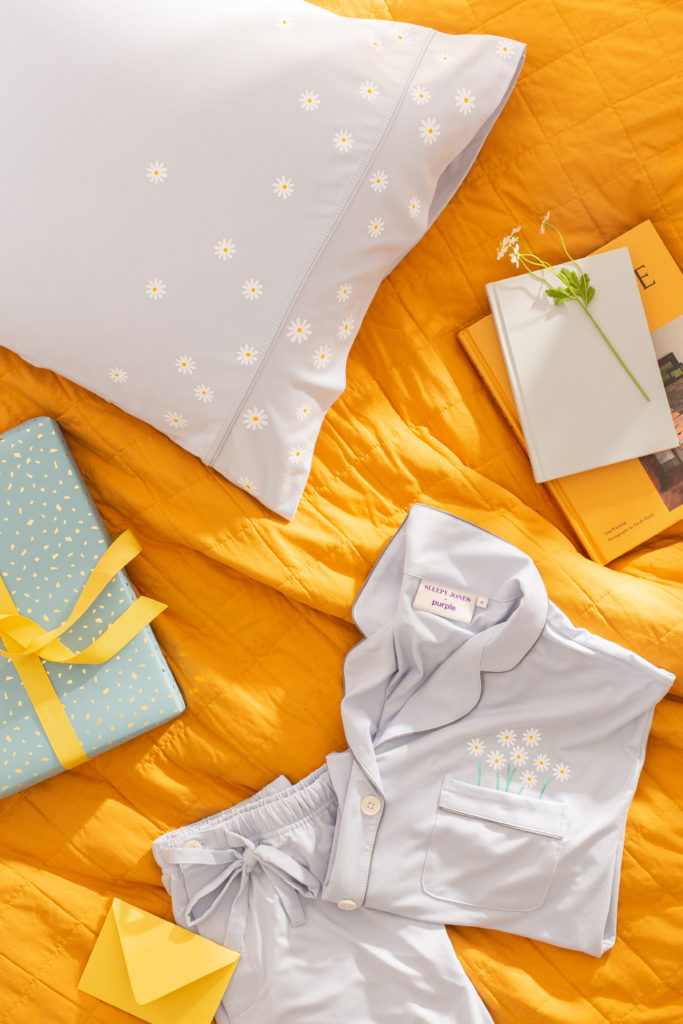
The landscape of Mother’s Day gifting has undergone a significant transformation in recent years, shifting from traditional tokens of appreciation toward gifts that prioritize wellness, restorative rest, and personalized experiences. This shift reflects a broader societal movement toward the "sleep economy," where consumers increasingly view high-quality rest as a fundamental pillar of health and a luxury in its own right. In response to this trend, major home-goods retailers and lifestyle brands have begun forming strategic partnerships to offer integrated solutions for domestic comfort. One notable example is the collaboration between the sleep-technology company Purple and the boutique loungewear brand Sleepy Jones, which aims to provide a holistic approach to the Mother’s Day experience through a combination of high-performance bedding and curated apparel.
The Evolution of Mother’s Day Gifting
Mother’s Day, historically established in the United States by Anna Jarvis in the early 20th century, was originally intended to be a day of quiet sentiment and personal connection. Over the decades, the holiday evolved into a major commercial event. According to data from the National Retail Federation (NRF), Mother’s Day spending in the United States reached approximately $28.1 billion in 2021, with consumers spending an average of $220.48 per person. While jewelry and special outings traditionally dominated the market, recent data indicates a surge in "home-centric" gifting.

The 2020-2021 period, characterized by global shifts in domestic life, accelerated the demand for products that enhance the home environment. Industry analysts note that "comfort-first" gifting has become a staple of the holiday, as adult children seek to provide their mothers with tangible ways to decompress. This has led to a rise in the popularity of premium pajamas, specialized pillows, and high-thread-count sheets—items that were once considered utilitarian but are now marketed as essential tools for self-care.
Strategic Collaborations in the Comfort Sector
The partnership between Purple and Sleepy Jones exemplifies the current trend of cross-industry collaboration. Purple, known for its proprietary "Purple Grid" technology and hyper-elastic polymers, has traditionally focused on the technical aspects of spinal alignment and temperature regulation in sleep. Sleepy Jones, conversely, focuses on the aesthetic and tactile experience of loungewear, drawing inspiration from the relaxed habits of artists and writers.
By combining Purple’s technical expertise with Sleepy Jones’ design philosophy, the collaboration targets a specific consumer demographic: those who value both form and function in their relaxation routines. The product line includes pajamas crafted from soft-stretch knit jersey, a material designed to mimic the breathability and flexibility of high-end bedding. Analysts suggest that such collaborations are effective because they offer a "complete package" to the gift-giver, simplifying the decision-making process while maintaining a high perceived value.
The Science of Restful Gifting
The focus on sleep as a gift is supported by a growing body of scientific research regarding the importance of the sleep environment. Sleep hygiene—the habits and environmental factors that precede sleep—is a critical component of overall health. Factors such as ambient temperature, textile breathability, and physical support play significant roles in the quality of Rapid Eye Movement (REM) sleep.
- Thermoregulation: High-performance sheets and pajamas, such as those made from moisture-wicking jersey, help maintain a stable body temperature throughout the night. Overheating is one of the primary causes of sleep disruption.
- Pressure Relief: Advanced pillow designs, including those featuring honeycomb-style inserts or specialized polymers, are engineered to provide head and neck support without the "bottoming out" associated with traditional down or foam.
- Psychological Comfort: The act of "nesting"—creating a dedicated, aesthetically pleasing space for rest—has been shown to reduce cortisol levels, facilitating a faster transition from wakefulness to sleep.
The Resurgence of Personalization and DIY Trends
In addition to high-end retail products, there is a burgeoning interest in the personalization of gifts through "Do-It-Yourself" (DIY) projects. The "handmade" market has seen substantial growth as consumers look for ways to add sentimental value to manufactured goods. A popular aesthetic currently resurging is the "daisy motif," a floral pattern that gained prominence in the 1990s and has returned as a symbol of cheerfulness and nostalgia.
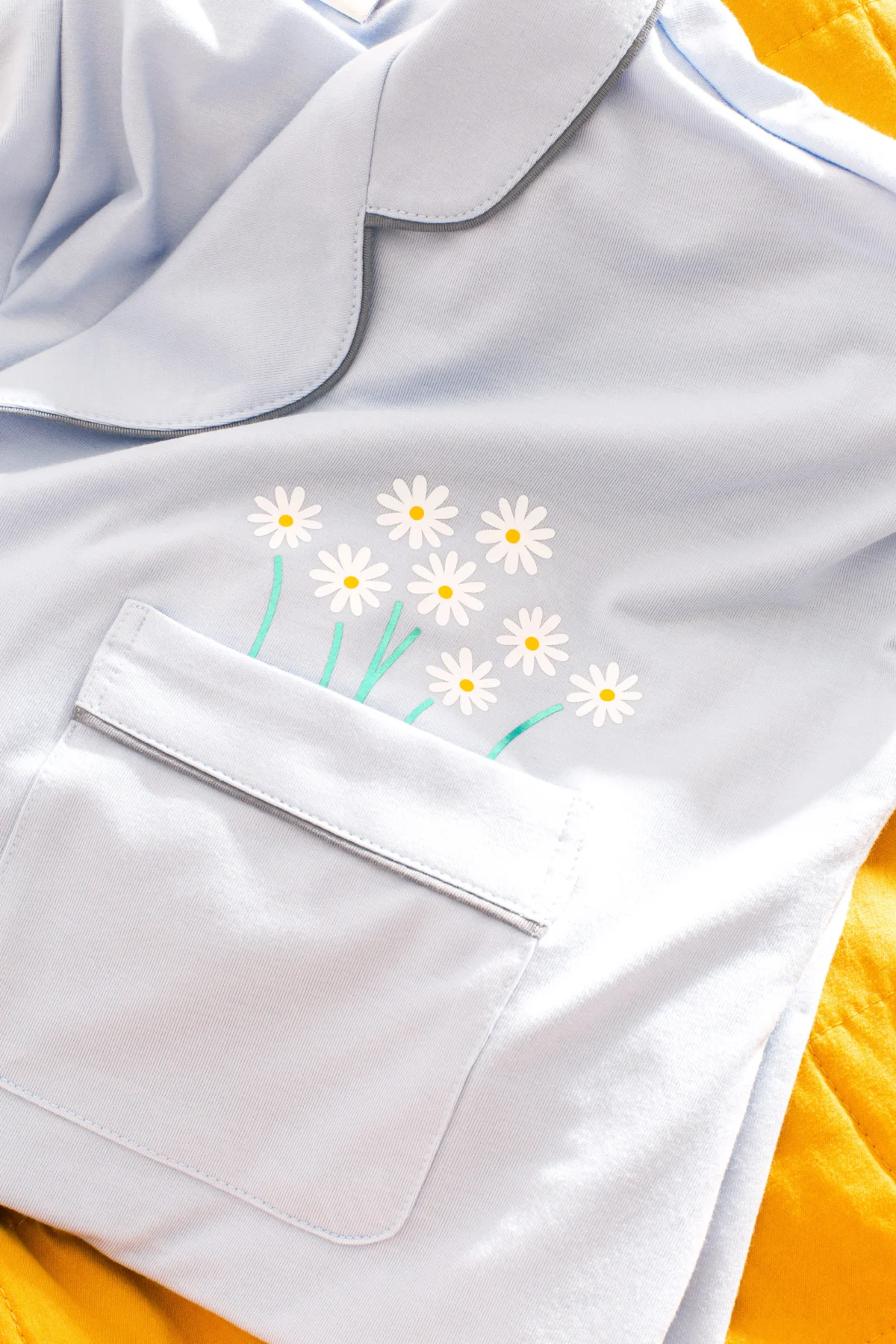
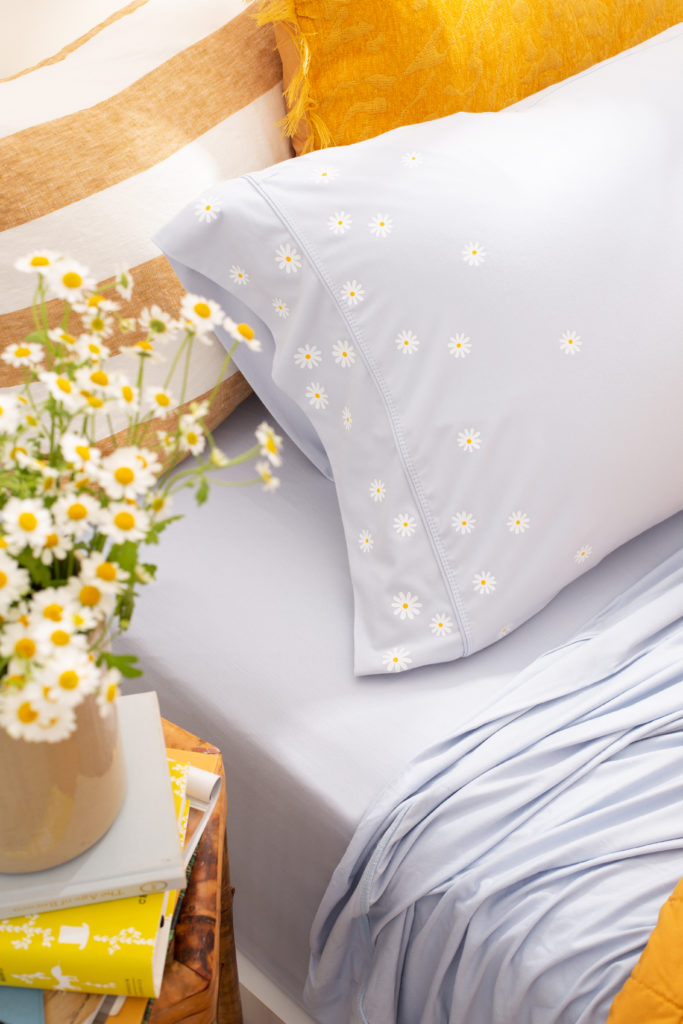
Personalizing a gift, such as adding custom vinyl decals to a pajama pocket or a pillowcase, serves two purposes. First, it distinguishes the item from mass-produced competitors. Second, it demonstrates an investment of time and effort by the giver, which psychological studies suggest is often more highly valued by recipients than the monetary cost of the gift itself.
Technical Methodology for Textile Personalization
For those seeking to enhance standard loungewear or bedding with custom designs, the use of heat-transfer vinyl (HTV) and craft cutting technology has become the industry standard for home-based personalization. The process requires precision and an understanding of textile science to ensure durability.
Required Materials:
- A base garment (preferably cotton or a cotton-poly blend with a pocket).
- Heat-transfer vinyl in multiple colors (e.g., white for petals, yellow for centers, green for stems).
- An electronic craft cutter (e.g., Cricut or Silhouette).
- A heat press or household iron.
- Protective barriers, such as parchment paper or a Teflon sheet.
Step-by-Step Procedure:

- Measurement and Scaling: The dimensions of the target area (such as a pocket) must be precisely measured. Digital artwork is then scaled within the cutter’s software to ensure the design does not exceed the structural boundaries of the garment.
- Material Preparation: The vinyl is cut in reverse (mirrored) to ensure that the adhesive side faces the fabric during application. Different colors must be cut as separate layers.
- Pre-Pressing: The fabric is pressed for 5-10 seconds to remove moisture and wrinkles, which ensures a stronger chemical bond between the vinyl adhesive and the fabric fibers.
- Layered Application: The design is applied in stages. The base layer (stems and leaves) is typically applied first. Using a protective sheet, heat is applied according to the vinyl manufacturer’s specifications (usually between 305°F and 315°F).
- Detail Integration: Subsequent layers, such as the flower petals and centers, are aligned and pressed. Short "tack" presses are recommended for lower layers to prevent overheating and shrinkage of the vinyl.
- Final Cure: A final, longer press ensures all layers are fully integrated into the textile.
Economic Impact and Retail Projections
The shift toward wellness-oriented Mother’s Day gifting has significant implications for the retail sector. Companies like Purple have utilized promotional strategies, such as the "OHD10" discount code (offering 10% off through late 2021), to capture market share during peak seasonal windows. By positioning bedding as a "lifestyle upgrade" rather than a commodity, these companies have managed to maintain high margins despite fluctuations in raw material costs.
Furthermore, the integration of "Bedroom Blooms"—the practice of adding fresh floral arrangements to non-traditional spaces like nightstands—has boosted the floral industry’s revenue during the Mother’s Day period. The Society of American Florists reports that Mother’s Day is one of the top holidays for floral sales, and the trend of "unexpected placement" (moving flowers from the dining table to the bedroom) has encouraged consumers to purchase multiple, smaller arrangements rather than a single large centerpiece.
Broader Implications for Modern Motherhood
The emphasis on rest and "everyday luxuries" reflects a growing recognition of the labor associated with motherhood. Sociological research indicates that mothers often bear a disproportionate share of the "mental load" or emotional labor within a household. Consequently, the most effective gifts are those that offer a reprieve from these responsibilities.
"The gift of time and the gift of space are becoming the ultimate luxury goods," says one retail trend analyst. "When a brand like Purple partners with a lifestyle influencer or a boutique clothing brand, they aren’t just selling a mattress or a pair of pajamas; they are selling the permission to do nothing. In a hyper-connected, high-stress world, that is a very powerful marketing message."
Conclusion
As Mother’s Day continues to evolve, the intersection of technology, design, and personalization will likely remain the primary driver of consumer behavior. The move away from grand, public gestures toward private, restorative experiences highlights a shift in how society values the well-being of caregivers. Whether through a high-tech mattress designed for optimal spinal support, a pair of artisan-designed pajamas, or a hand-customized pillowcase, the modern Mother’s Day gift is increasingly defined by its ability to facilitate peace, comfort, and much-needed rest. This trend not only benefits the sleep and home-goods industries but also fosters a more mindful approach to holiday traditions, prioritizing long-term health and personal connection over fleeting material gain.