The common dandelion, scientifically known as Taraxacum officinale, is undergoing a significant cultural revaluation as culinary experts and home foragers increasingly recognize its potential as a nutrient-dense, versatile ingredient. Once maligned as a persistent garden weed and a target for chemical eradication, this resilient perennial is now the centerpiece of a burgeoning "backyard-to-table" movement. Central to this seasonal revival is the preparation of dandelion bread—a sweet, floral-infused quick bread that utilizes the plant’s petals to create a flavor profile reminiscent of honey and spring meadows. As the modern consumer increasingly seeks sustainable, locally sourced, and functional foods, the humble dandelion has emerged as a symbol of both ecological resilience and culinary innovation.
The Shift from Weed to Superfood: A Botanical Overview
For decades, the dandelion was viewed through the narrow lens of suburban aesthetics, leading to a multi-billion-dollar industry centered on lawn herbicides. However, botanical research and historical records suggest that the dandelion is one of the most useful plants in the temperate world. Every part of the plant, from the deep taproot to the vibrant yellow inflorescence, is edible and possesses distinct chemical properties.
The transition from viewing the dandelion as a nuisance to a culinary asset is rooted in its impressive nutritional density. Dandelion greens are rich in vitamins A, C, and K, while the roots are frequently utilized in traditional medicine as a digestive aid and liver tonic. The petals, which are the primary focus of dandelion bread, contain high levels of polyphenols and flavonoids. Recent studies, including research published in journals such as Nutrients, suggest that the active components in dandelions may modulate hemostatic processes and exhibit significant antioxidant potential. Notably, some preparations of dandelion petals have demonstrated superior antioxidant activity compared to the leaves, making them a valuable addition to a health-conscious diet.
The Foraging Process: Safety, Ethics, and Timing
The rise of dandelion-based gastronomy begins with the act of foraging, a practice that requires a meticulous approach to safety and environmental ethics. The chronology of a successful dandelion harvest is dictated by the arrival of the first consistent spring warmth. As pollinators emerge, the dandelion serves as a critical early-season food source for bees and other insects. Consequently, ethical foraging guidelines suggest harvesting only a small portion of any given patch to ensure local ecosystems remain undisturbed.
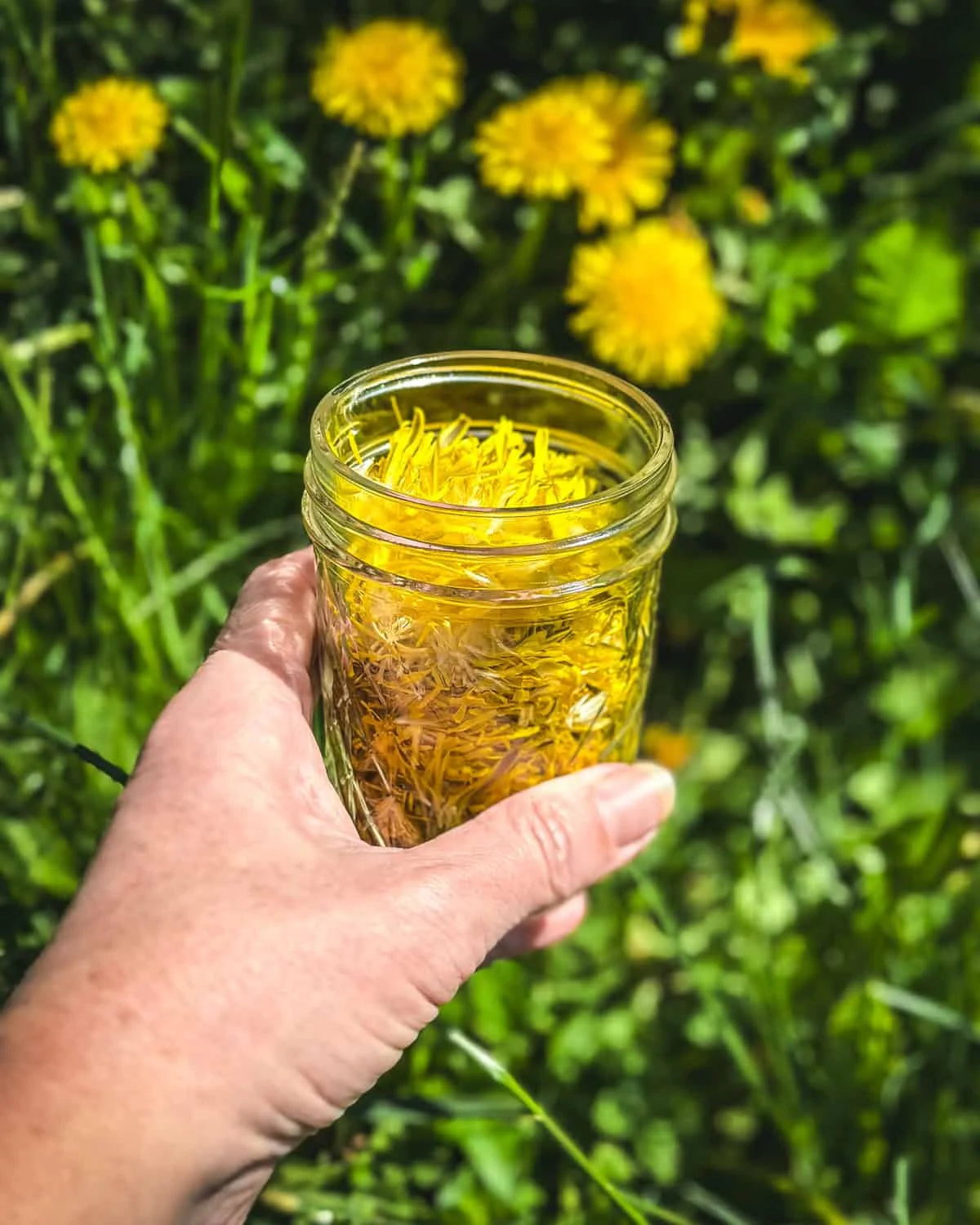
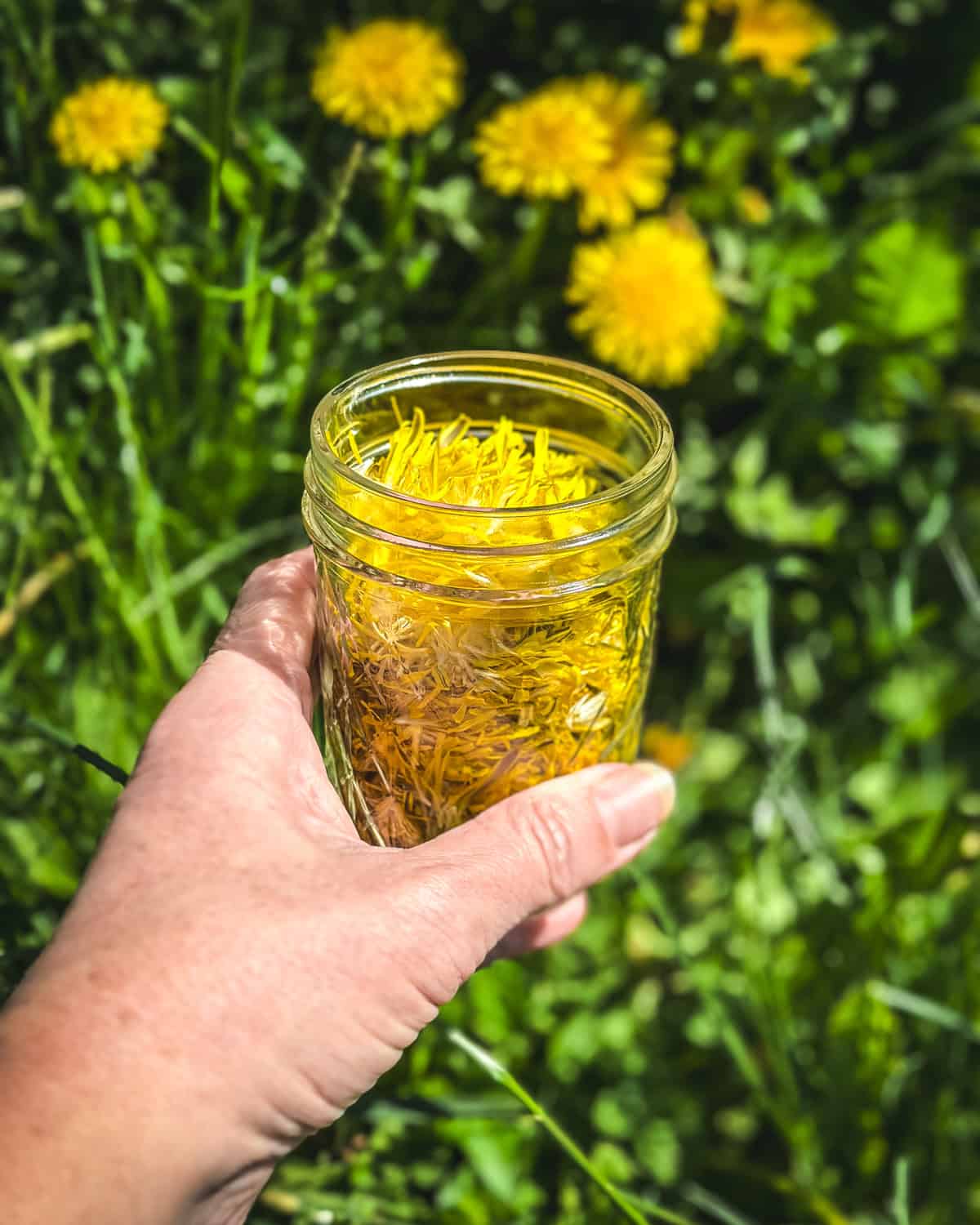
The primary concern for modern foragers is the prevalence of chemical contaminants. Because dandelions thrive in disturbed soils and suburban lawns, they are frequently exposed to pesticides and herbicides. Professional foragers emphasize the importance of "clean" sites—areas known to be free of synthetic sprays, such as private organic gardens or remote wild spaces. Once a safe location is identified, the harvest should ideally occur during the midday sun when the flowers are fully open.
Culinary Engineering: The Anatomy of Dandelion Bread
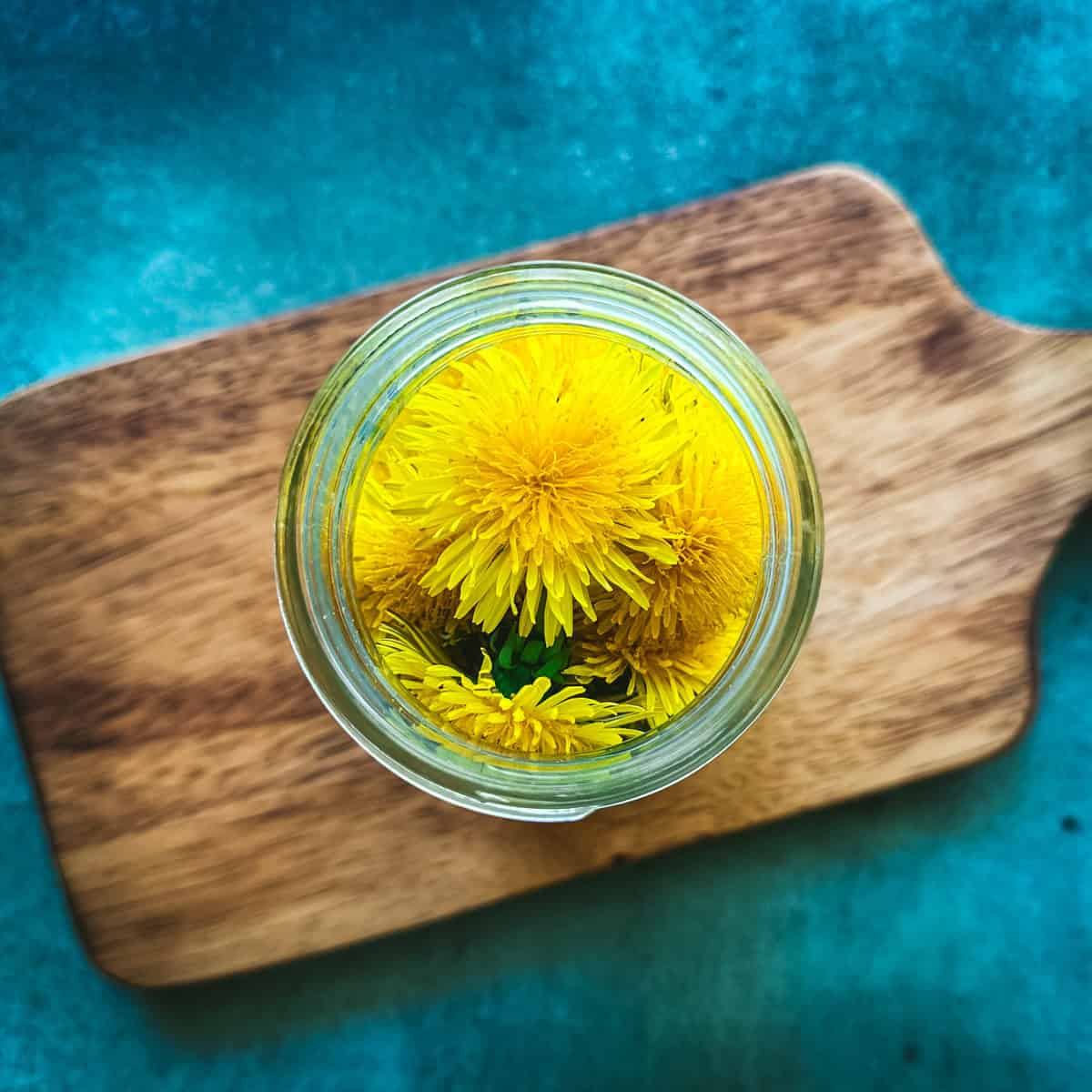
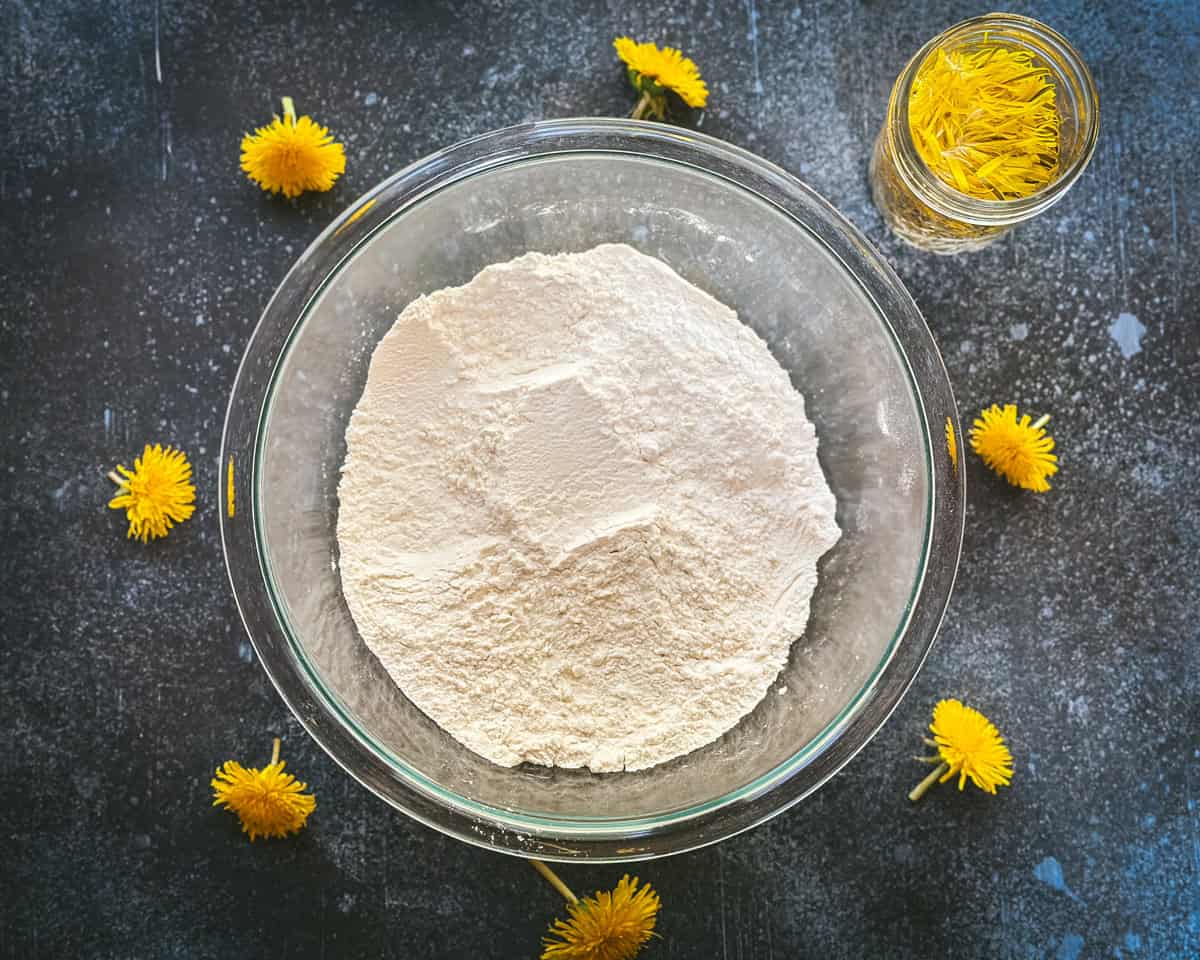
The creation of dandelion bread is an exercise in balancing flavors and textures. Unlike the leaves, which possess a sharp bitterness due to the presence of sesquiterpene lactones, the yellow petals offer a mild, honey-like sweetness. The preparation process involves a labor-intensive "plucking" stage, where the yellow ray florets are separated from the green involucral bracts. While the green parts are edible, they are typically excluded from sweet bread recipes to prevent an overwhelming bitterness.
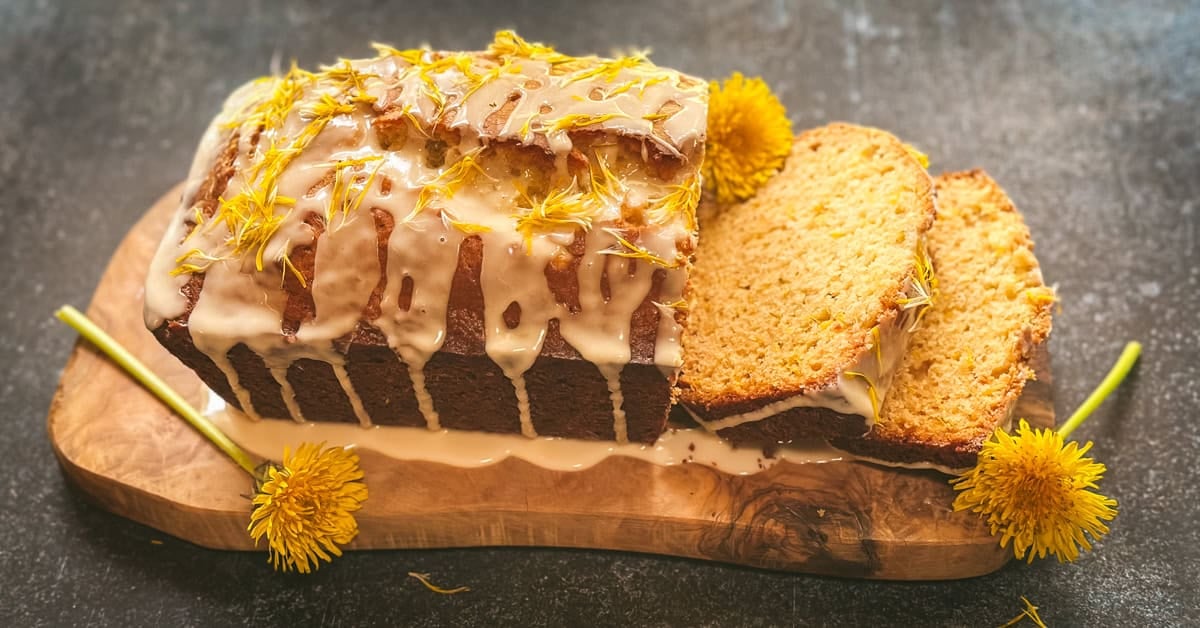
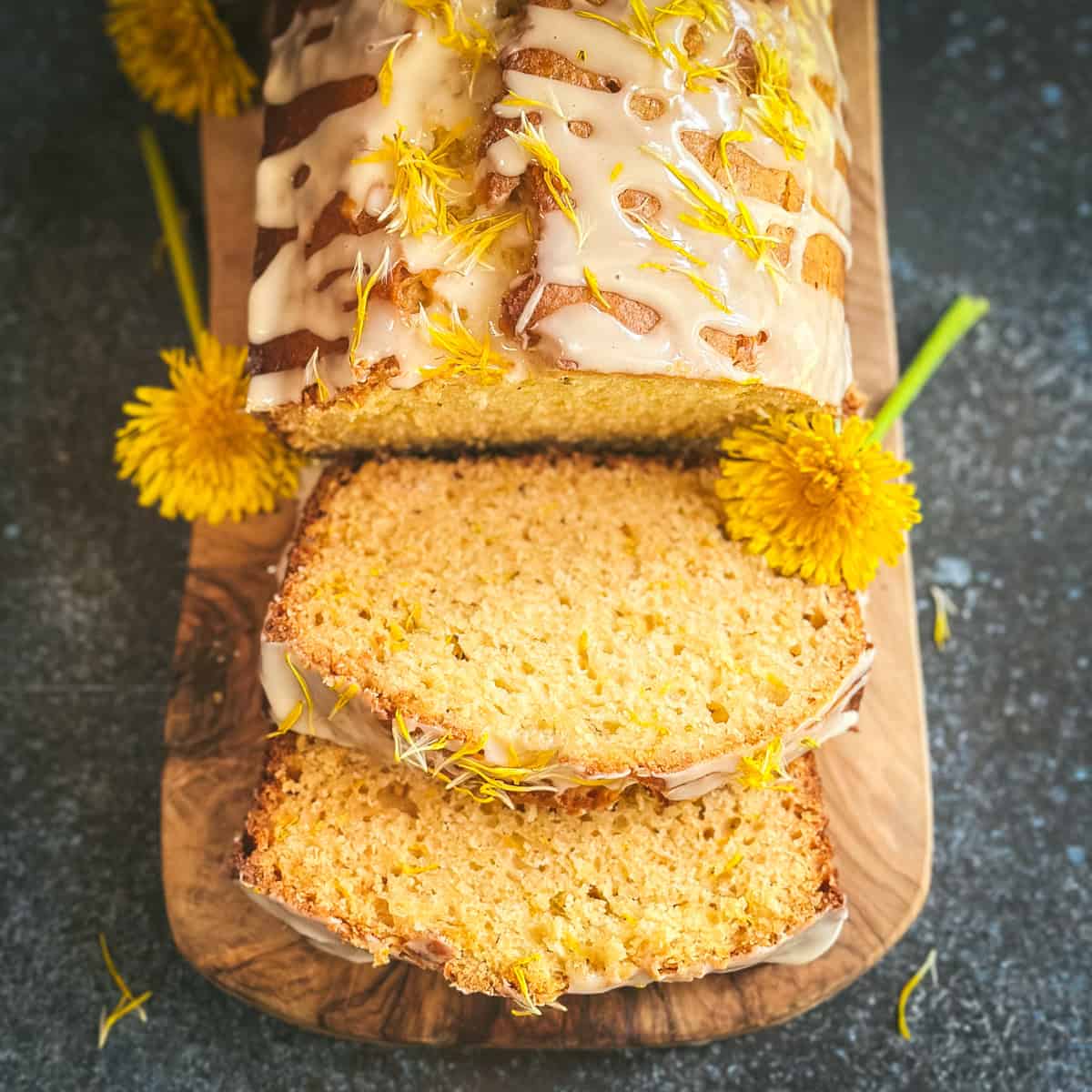
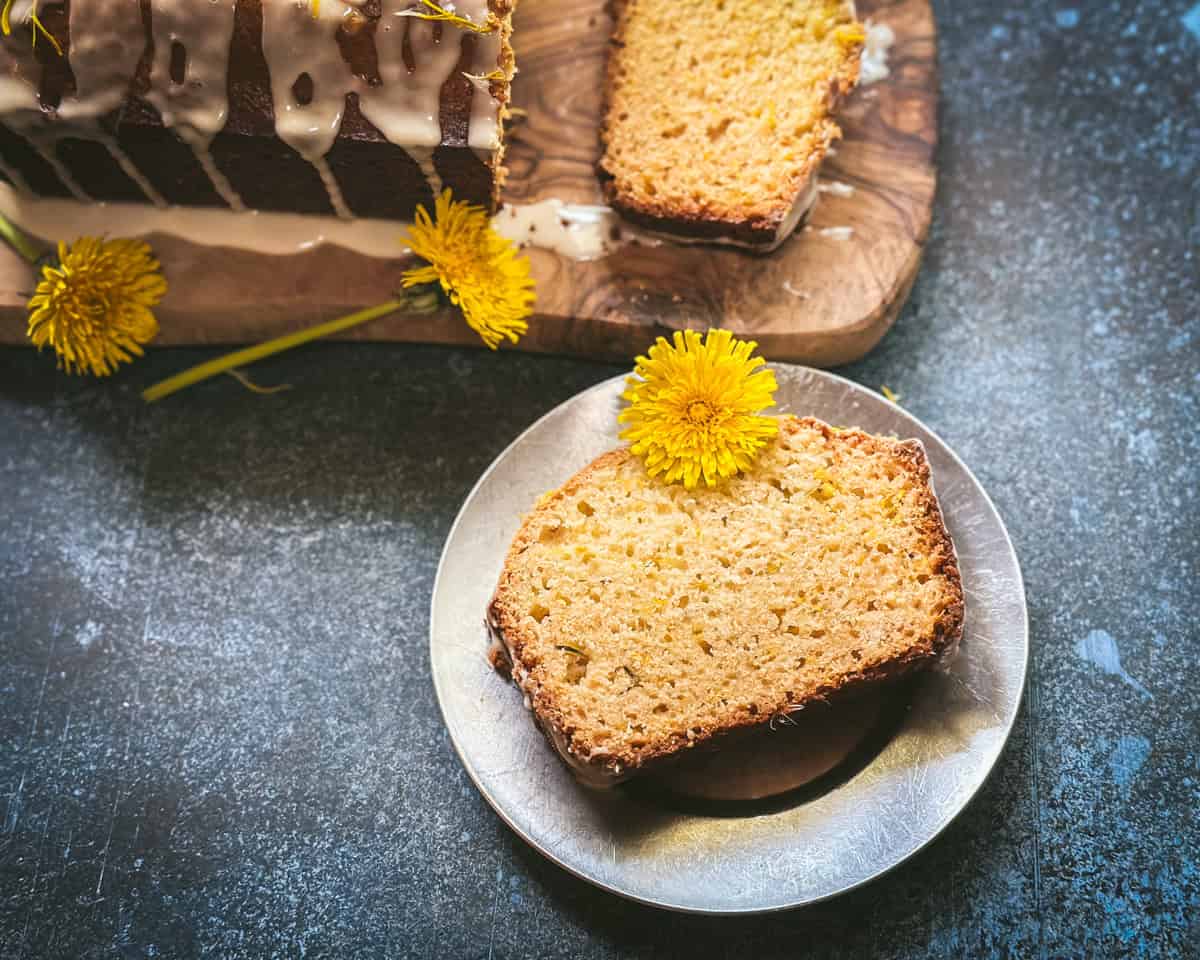
The base of the bread is a traditional quick bread structure, utilizing all-purpose flour, leavening agents, and a combination of fats. The inclusion of honey and sugar complements the floral notes of the petals, while a bright lemon glaze provides a necessary acidic counterpoint. This culinary technique transforms a wild-harvested ingredient into a sophisticated comfort food, making the concept of "eating weeds" accessible to a broader audience.
The Standardized Ingredient Profile
A professional-grade dandelion bread typically requires approximately one cup of tightly packed yellow petals. The chemical interaction between the moisture in the petals and the gluten structure of the bread requires a balanced ratio of wet to dry ingredients. Common additions include:
- Lipids: Organic canola or avocado oil to ensure a tender crumb.
- Sweeteners: A blend of granulated sugar and raw honey to mirror the plant’s natural nectar.
- Citrus Components: Freshly squeezed lemon juice for the glaze, which acts as a preservative and flavor enhancer.
The Rise of Digital Homesteading and Foraging Education
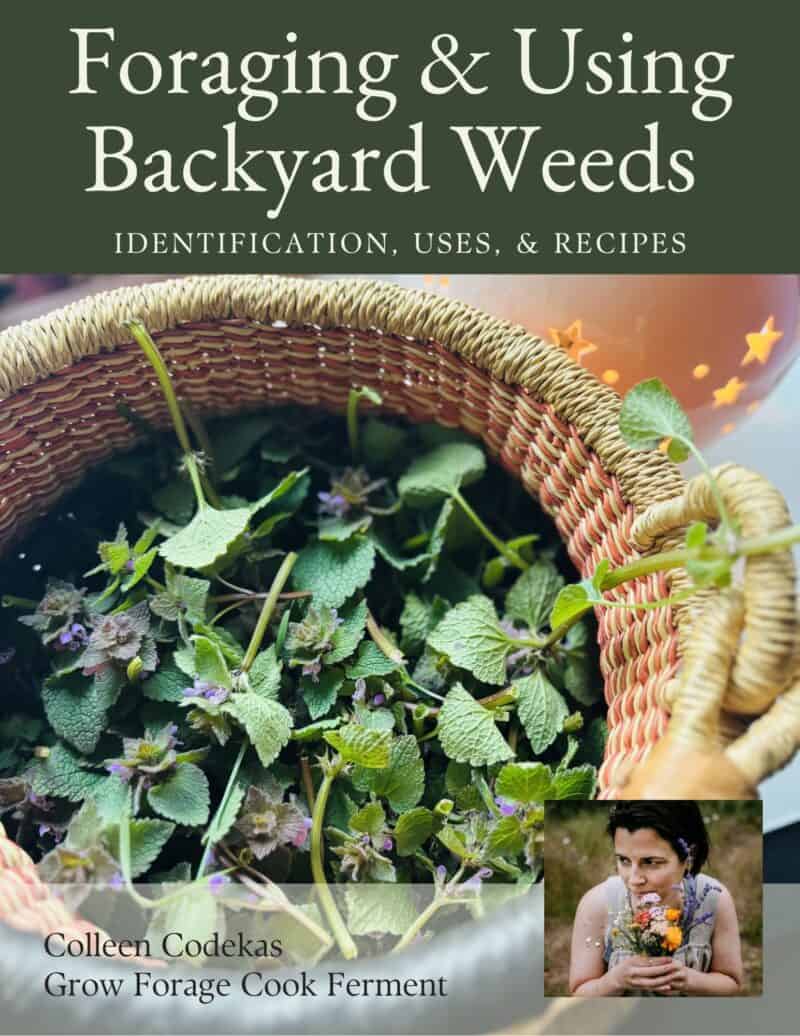
The popularity of dandelion bread is reflective of a larger trend in the "knowledge economy"—specifically the rise of digital homesteading and foraging education. Content creators and herbalists, such as Colleen Codekas, author of Foraging & Using Backyard Weeds and Dandelion Recipes From Flower To Root, have played a pivotal role in demystifying wildcrafting. These educational resources provide the necessary scaffolding for beginners to move from identification to consumption with confidence.
Market analysis indicates a growing demand for ebooks and digital courses that teach self-sufficiency. This trend is driven by a combination of factors, including rising food costs, a desire for "clean label" ingredients, and a psychological need to reconnect with nature in an increasingly digital world. The dandelion, being ubiquitous and easily identifiable, serves as the perfect "gateway plant" for aspiring foragers.
Historical and Cultural Context
The consumption of dandelions is not a new phenomenon but rather a return to ancestral practices. Historically, dandelions were brought to North America by European settlers who valued them for their medicinal and nutritional properties. During the Victorian era, dandelion sandwiches were considered a delicacy among the upper classes in England. In times of economic hardship, such as the Great Depression and World War II, the plant served as a vital "starvation food," providing necessary vitamins when fresh produce was scarce or unaffordable.

In contemporary culture, the dandelion is being rebranded. It is no longer just a symbol of neglect; it is a symbol of resilience. As climate change leads to more volatile growing seasons, hardy perennials like the dandelion offer a glimpse into the future of sustainable food systems. They require no irrigation, no fertilizer, and no specialized care, yet they provide a consistent yield year after year.
Economic and Environmental Implications
The economic impact of the shift toward foraging is two-fold. On one hand, it challenges the revenue models of chemical companies that produce lawn care products. On the other hand, it creates new opportunities in the specialty food and wellness sectors. Small-scale artisanal producers are increasingly incorporating wild-foraged ingredients into teas, syrups, and baked goods, catering to a demographic that values "wild-crafted" labels.

From an environmental perspective, the preservation of dandelions is a win for biodiversity. Lawns that are allowed to "go to seed" with dandelions support a higher density of pollinators. The bread-making process, while centered on human consumption, encourages a more symbiotic relationship with the land. By finding value in the "weed," homeowners are less likely to apply toxic chemicals that leach into groundwater and harm local wildlife.
Expert Analysis and Future Outlook
Culinary experts suggest that the "wild flavors" movement is still in its infancy. As chefs continue to experiment with fermentation, infusion, and dehydration, the applications for dandelions will likely expand beyond bread and salads. We may soon see dandelion petal-infused spirits, sophisticated bitters, and even plant-based protein alternatives derived from the hardy root systems.
Traditional herbalists maintain that the incorporation of wild plants into the daily diet provides a "nutritional complexity" that is often missing from monoculture-raised supermarket produce. By eating with the seasons—starting with dandelion bread in the spring—consumers are aligning their biology with the natural cycles of their local environment.
The future of the dandelion in the culinary world seems secure. As long as there are backyards, there will be dandelions, and as long as there is a desire for sustainable, flavorful, and health-supportive food, there will be a place for dandelion bread on the table. The transition from a "war on weeds" to a "harvest of plenty" represents a significant milestone in the evolution of modern food culture, proving that sometimes the best ingredients are the ones we have been trying to get rid of all along.
Final Summary of Preparation and Storage
To ensure the highest quality of the final product, dandelion bread must be handled with care post-baking. Professional bakers recommend allowing the loaf to cool completely on a wire rack before applying the honey-lemon glaze. This prevents the glaze from melting into the bread, ensuring a distinct layer of flavor and a visually appealing finish.
For long-term storage, the high moisture content of the petals means the bread is best consumed within three days when kept at room temperature in an airtight container. For extended preservation, individual slices can be flash-frozen, allowing the flavors of spring to be enjoyed well into the summer months. This lifecycle—from the first yellow bloom in the grass to a preserved slice of floral bread—encapsulates the essence of modern foraging: a respect for the past, an engagement with the present, and a sustainable vision for the future.