
The United States Department of Agriculture (USDA) has released data indicating that the average American couple currently allocates approximately $800 per month toward grocery expenses, a figure that translates to a weekly expenditure of $200. This financial burden is projected to intensify in the coming years. According to the USDA’s Food Price Outlook for 2026, prices for all food categories are predicted to increase by an additional 3.6 percent. This upward trajectory in food costs has prompted a shift in consumer behavior, as households seek more efficient methods to manage their nutritional needs without compromising financial stability. Economic analysts suggest that by adopting a low-waste, nutrient-dense, and plant-forward dietary framework, it is possible to reduce these monthly expenditures to as low as $300, representing a 62.5 percent decrease from the national average.
Chronology of Food Inflation and Market Volatility
The current inflationary environment in the food sector is the result of several years of compounding economic factors. Following the global supply chain disruptions that began in 2020, food prices experienced a significant surge between 2021 and 2023, driven by increased labor costs, transportation bottlenecks, and volatile energy prices. While some sectors of the economy saw a cooling of inflation in 2024 and 2025, the food-at-home index—a measure of grocery store prices—has remained stubbornly high.
The projected 3.6 percent increase for 2026 is notably higher than the historical annual average of 2.0 percent seen in the decade preceding 2020. This forecast is attributed to ongoing climate-related impacts on agricultural yields, rising costs for animal feed, and the continued transition toward more sustainable but often more expensive production methods. As consumers move toward 2026, the necessity of a structured grocery budgeting plan has transitioned from a recommendation to a fiscal imperative for many middle- and low-income households.
Strategic Budgeting and Behavioral Economics
Financial experts emphasize that the foundation of expenditure reduction lies in rigorous budgeting and the psychological management of spending habits. A primary strategy involves the transition from digital or credit-based transactions to a cash-only system for grocery purchases. By utilizing physical currency, consumers establish a tangible limit that prevents impulse buying and forces a more critical evaluation of each item’s necessity.
A successful grocery budget for a two-person household aiming for a $100 weekly limit requires a strategic allocation of funds across specific categories. Based on current market rates, an effective distribution often includes:
- Produce: $30.00 (Focusing on seasonal and high-yield items)
- Pantry Staples: $25.00 (Bulk grains, legumes, and oils)
- Protein: $20.00 (Including plant-based options and economical meat cuts)
- Dairy/Alternatives: $15.00 (Prioritizing versatile staples like milk or block cheese)
- Miscellaneous/Household: $10.00
This model requires consumers to perform a post-visit audit, comparing actual expenditures against the allocated budget. Any surplus funds are typically rolled over into the following week’s budget or utilized to stock up on non-perishable items during sales cycles.
Sourcing Strategies and Supply Chain Optimization
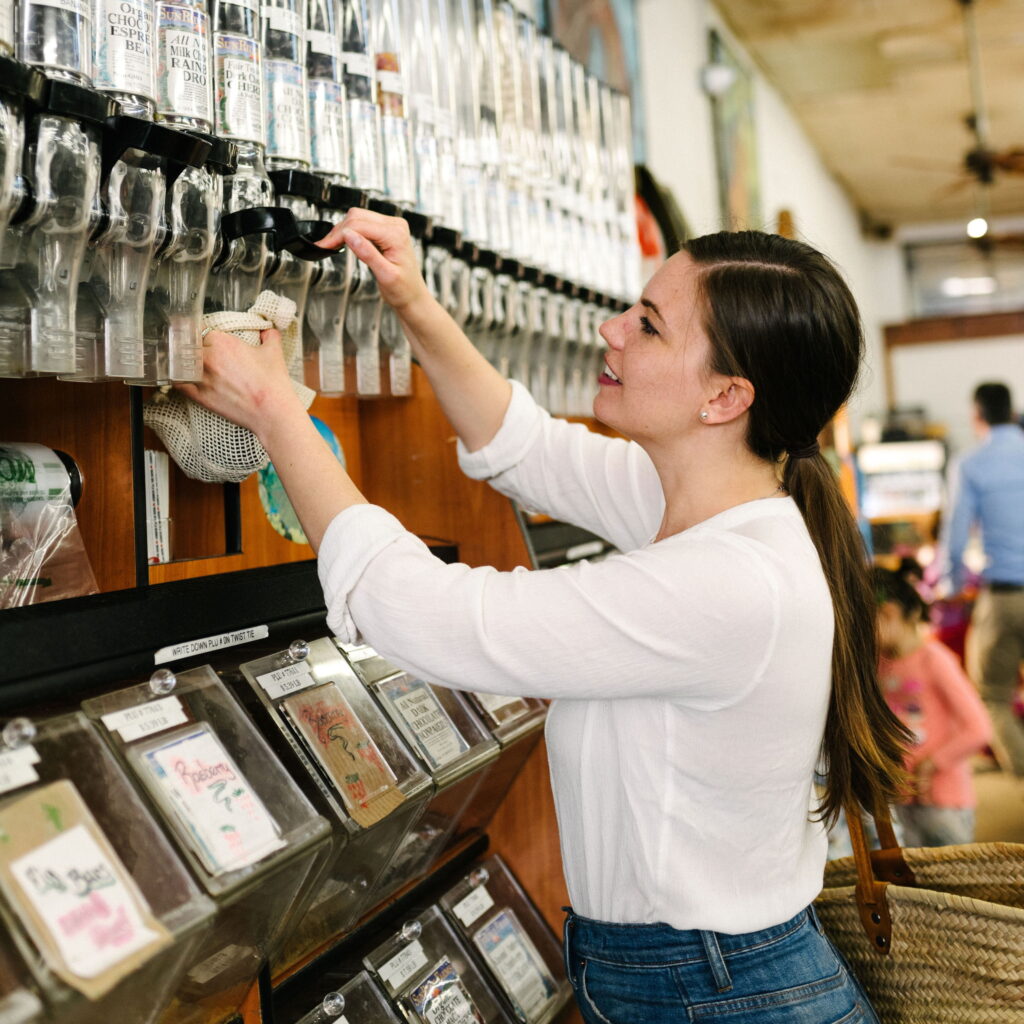
Where a consumer chooses to shop significantly impacts the final cost of goods. Professional shoppers and economists identify a tiered approach to sourcing as the most cost-effective method. High-volume retailers like Costco or other warehouse clubs offer substantial savings on bulk items such as rice, flour, and shelf-stable grains. Conversely, local markets often provide more competitive pricing on spices and specialized dry goods that are frequently marked up in traditional supermarkets.
The "dry vs. canned" bean debate serves as a microcosm of supply chain efficiency. Purchasing dry legumes in bulk and preparing them at home can reduce the cost per serving by more than 50 percent compared to canned alternatives. Furthermore, the practice of freezing large batches of home-cooked beans provides the same convenience as canned goods without the added premium for processing and packaging.
Seasonal procurement at farmers’ markets also plays a critical role in fiscal management. Agricultural data shows that produce prices are at their lowest when local supply is at its peak. For instance, tomatoes grown in climate-controlled greenhouses during winter months incur higher energy and water costs, which are passed on to the consumer. In contrast, during the summer months, the abundance of local produce leads to lower rates as farmers seek to move inventory quickly.
The Economics of In-House Food Production
A significant portion of the "grocery markup" in modern retail is attributed to convenience and labor. By internalizing these labor costs through DIY food production, households can achieve substantial annual savings. A primary example is the production of bread. While artisanal sourdough loaves at local bakeries may cost $7.00 per half-loaf, the raw ingredients—flour, water, and salt—cost a fraction of that amount. For a household consuming two loaves per week, making bread at home can save approximately $700 annually.
The rise of "Buy Nothing" groups and community exchange platforms has made the acquisition of necessary appliances, such as breadmakers, slow cookers, and pressure cookers, more accessible without upfront capital investment. These tools allow for the automation of food preparation, making DIY staples more feasible for working families.
Standard pantry items that are easily replicable at home include:
- Vegetable Broth: Utilizing kitchen scraps (onion skins, carrot tops, celery ends) that would otherwise be discarded.
- Flours: Blending whole oats in a high-speed food processor to create oat flour, which often carries a premium price in health food aisles.
- Sugars: Combining granulated white sugar with molasses to produce brown sugar, or blending granulated sugar to create powdered sugar.
- Preserves and Purees: Utilizing seasonal gluts, such as autumn pumpkins, to create homemade purees and roasted seeds, providing ingredients for multiple recipes from a single raw product.
Market-Driven Savings and Surplus Management
Technological interventions and market-driven solutions are also providing new avenues for cost reduction. The "Too Good To Go" application, currently the world’s largest marketplace for surplus food, allows consumers to purchase high-quality food from restaurants and bakeries at a fraction of the retail price. This serves dual purposes: reducing food waste and providing affordable caloric intake.
Furthermore, the "imperfect produce" movement addresses the systemic issue of food waste at the retail level. Grocery stores and specialized delivery services now offer "blemished" fruits and vegetables—items that fail to meet aesthetic standards but remain nutritionally identical to their "Grade A" counterparts—at significant discounts.
Data from the retail sector suggests that savvy consumers can also capitalize on "end-of-month" sales. Supermarkets often run aggressive promotions on staples like potatoes, carrots, and onions (e.g., $2.00 for 5lbs) to clear inventory before new shipments arrive. Stocking up during these cycles is a core tenet of long-term grocery budgeting.

Nutritional Shifts and Long-Term Implications
The transition toward a plant-forward diet is not only a matter of health but of economic strategy. Meat remains one of the most expensive items in the consumer price basket. In contrast, plant-based proteins such as lentils, chickpeas, and black beans offer higher fiber content and lower costs per gram of protein. These staples are central to the diets of "Blue Zones"—regions of the world with the highest concentrations of centenarians—suggesting that the shift toward lower-cost staples may also have positive long-term health outcomes.
When meat is purchased, economic experts recommend "bone-in" and "skin-on" cuts. The price per pound is significantly lower because the consumer is not paying for the specialized labor required to trim and de-bone the product. Additionally, bones can be repurposed for nutrient-dense bone broths, further extending the value of the purchase.
Broader Impact and Analysis
The move toward $300 monthly grocery budgets reflects a broader trend of "frugal innovation" among American households. As the USDA predicts continued price volatility through 2026, the ability of consumers to adapt through DIY production, bulk sourcing, and waste mitigation will be a defining factor in household resilience.
Industry analysts suggest that if a significant portion of the population adopts these low-waste, bulk-buying habits, it could force a shift in the retail landscape. We may see an increase in bulk-bin sections in traditional supermarkets and a greater emphasis on "ugly" produce to meet the demand for value. However, the immediate impact remains at the household level, where strategic budgeting can reclaim hundreds of dollars in monthly income, providing a critical buffer against the rising cost of living in an inflationary era.

The shift toward zero-waste grocery shopping also carries environmental implications. By reducing reliance on packaged convenience foods and utilizing bulk bins with reusable containers, consumers are inadvertently lowering their carbon footprint. Thus, the pursuit of fiscal responsibility is increasingly aligned with the global movement toward environmental sustainability, creating a dual-benefit system for the modern consumer.