The global food system currently faces a dual crisis of environmental degradation and economic inefficiency, driven largely by the staggering volume of edible material discarded annually. According to the Food and Agriculture Organization (FAO) of the United Nations, approximately 1.3 billion tons of food are wasted every year, representing one-third of all food produced for human consumption. In the United States, the crisis is particularly acute, with the Department of Agriculture (USDA) estimating that 40% of the food supply is lost or wasted. This systemic failure carries a heavy price tag: if food waste were categorized as a sovereign nation, it would rank as the third-largest emitter of greenhouse gases globally, trailing only the United States and China. For the average consumer, these statistics translate into significant financial losses, yet a strategic approach to food management offers a clear pathway to both environmental stewardship and household savings.
The Economic and Environmental Context of Food Loss
The implications of food waste extend far beyond the confines of a kitchen trash can. When food is discarded, all the resources used to produce, process, and transport that food—including water, land, energy, labor, and capital—are also squandered. Research from the World Resources Institute indicates that food loss and waste are responsible for roughly 8% of global anthropogenic greenhouse gas emissions. Furthermore, the decomposition of food in landfills produces methane, a greenhouse gas significantly more potent than carbon dioxide in its heat-trapping capabilities over a 20-year period.
Economically, the impact on the American household is profound. Estimates suggest that a family of four loses an average of $1,500 to $2,500 annually on food that is never consumed. Addressing this issue requires a fundamental shift in consumer behavior, moving away from a culture of abundance toward one of precision and preservation.
Strategic Management of Leftovers and Dining Habits
One of the primary drivers of domestic food waste is the mismanagement of leftovers and prepared meals. Journalistic analysis of consumer habits reveals that a lack of intentionality during both dining out and home cooking leads to a surplus of food that is eventually discarded.
Mindful Consumption in the Service Industry
When dining at restaurants, consumers often fall victim to oversized portions and unadvertised side dishes. Professional culinary advisors suggest inquiring about portion sizes and specific accompaniments before ordering. For instance, many establishments include starch-heavy sides like rice or beans that a patron may not intend to finish. Requesting the exclusion of these items at the point of order prevents waste at the source.
Furthermore, the "buffet effect"—where visual abundance leads to over-plating—remains a significant contributor to commercial food waste. Experts recommend a "small-portion-first" strategy, particularly when sampling unfamiliar dishes. For uneaten portions, the use of reusable containers, such as metal tiffins, provides a sustainable method for transporting food home for future consumption.
The Integration of Leftovers into Meal Cycles
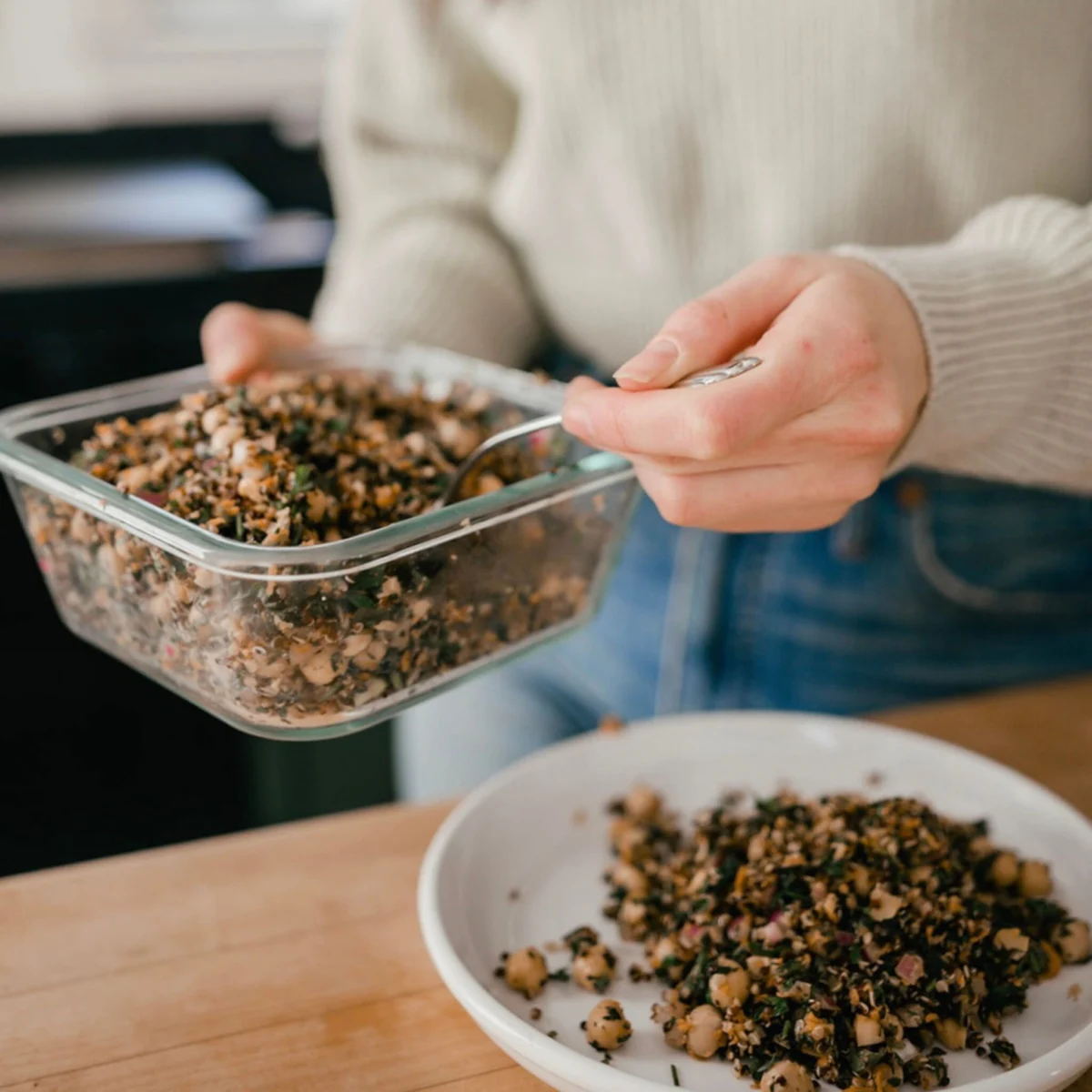
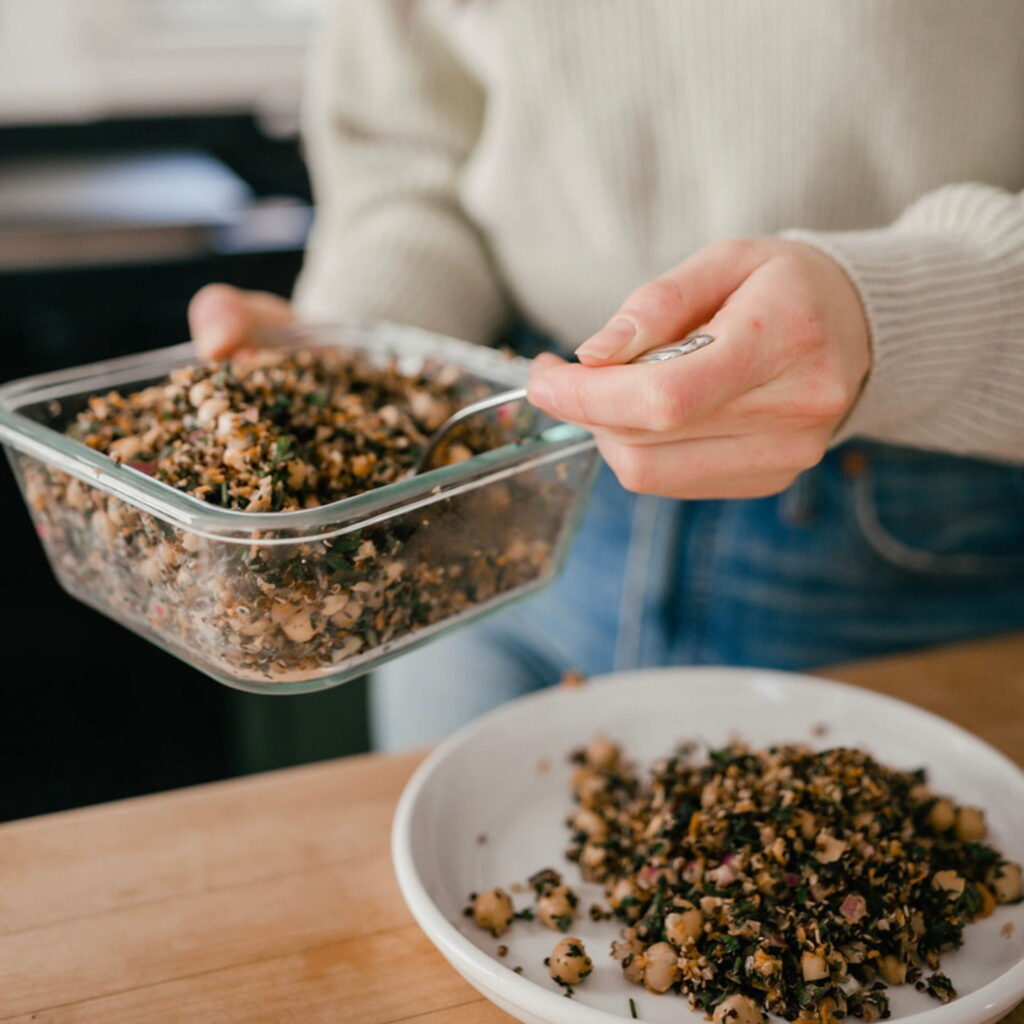
Rather than viewing leftovers as "old food," modern household management advocates for viewing them as "ready-made ingredients." A "leftover night" is a common strategy employed by zero-waste practitioners to clear the refrigerator of disparate items. This involves combining various components—such as grains from one meal, proteins from another, and vegetables from a third—to create a diverse and nutritionally balanced plate.
The Utility of Food Scraps and Upcycling Techniques
A critical component of reducing food waste involves redefining what constitutes "trash." Many items traditionally discarded during the preparation process are not only edible but also nutrient-dense.
Culinary Applications for Peels and Stems
Food scraps such as potato peels, strawberry tops, and carrot greens can be repurposed through creative culinary techniques. Potato skins, when seasoned and baked, serve as high-fiber snacks. Carrot tops can be blended into pestos, and fruit scraps can be infused into vinegars or syrups.
The "Use-It-Up" Soup Methodology
Soups and stews serve as an ideal vehicle for vegetables that are slightly past their peak freshness but still safe for consumption. Professional chefs often utilize a "use-it-up" approach, where roasted or grilled vegetables are blended with vegetable broth and seasonings to create nutrient-rich purees. Similarly, adding wilting greens like spinach or kale to canned soups can enhance the nutritional profile of a convenience meal while preventing the greens from reaching the compost bin.
Decoding the Science of Expiration Labels
One of the most significant contributors to unnecessary food disposal is the widespread misunderstanding of date labels. In the United States, with the exception of infant formula, date labels are not federally regulated and do not generally indicate food safety. Instead, they represent a manufacturer’s best estimate of when a product will remain at "peak quality."
Understanding Label Terminology
- Best if Used By/Before: This label indicates when a product will have the best flavor or texture. It is not a purchase or safety date.
- Sell-By: This date tells the store how long to display the product for inventory management. Consumers can typically eat food well past this date if it has been stored properly.
- Use-By: This is the last date recommended for the use of the product while at peak quality.
A classic example of label irony is found in honey. Commercial honey often carries an expiration date, despite the fact that archaeologists have discovered edible honey in ancient Egyptian tombs dating back thousands of years. Consumer safety should be determined by sensory cues—odor, texture, and appearance—rather than arbitrary calendar dates.
Advanced Preservation: Maximizing Freezer Utility
The freezer is an essential tool in the fight against food waste, yet it is often underutilized or disorganized. Proper freezing techniques can extend the shelf life of produce, meats, and even dairy products by months.
The Importance of Blanching
For long-term storage of vegetables, blanching is a critical step. This process involves scalding produce in boiling water for a short duration followed by an immediate ice bath. Blanching stops the enzymatic actions that cause loss of flavor, color, and texture. Root vegetables, cruciferous vegetables like broccoli, and legumes benefit most from this process.

Freezing Unconventional Items
Many consumers are unaware that several common household staples can be frozen effectively:
- Bread: Sliced bread can be frozen and toasted directly from the freezer to prevent mold.
- Milk and Butter: These can be frozen if the container allows for expansion.
- Herbs: Chopped herbs can be frozen in oil or water within ice cube trays for easy addition to recipes.
- Flour and Grains: Freezing these items prevents infestations of pantry pests and slows the oxidation of natural oils.
To prevent "freezer burn" and the loss of items in the back of the appliance, experts recommend a labeling system that includes the date of freezing and the contents. Additionally, implementing a "freezer inventory" night every two weeks ensures that frozen stocks are rotated and consumed.
Assessing Food Quality: Distinguishing Decay from Blemishes
A significant portion of food waste occurs because consumers equate aesthetic perfection with safety. However, minor blemishes do not necessarily indicate spoilage.
Salvaging Imperfect Produce
Brown spots on bananas or "eyes" on potatoes can simply be excised, with the remainder of the item remaining perfectly safe for consumption. If vegetables appear limp due to dehydration, they can often be revived by soaking them in ice water.
Identifying True Spoilage
While blemishes are acceptable, true signs of decay should not be ignored. Consumers should discard items that exhibit:
- Slime or Mushiness: Particularly in leafy greens and cucumbers.
- Off-putting Odors: A rancid or sour smell is a definitive indicator of bacterial activity.
- Visible Mold: While some molds on hard cheeses can be cut away, mold on soft fruits, breads, and porous vegetables indicates systemic contamination.
When food is truly unfit for consumption, composting serves as the final line of defense, returning nutrients to the soil rather than allowing them to produce methane in a landfill.
Broader Implications and Strategic Shopping
The reduction of food waste requires a proactive approach to procurement. Economic data suggests that "impulse buys" are a leading cause of domestic waste. Journalistic investigations into retail psychology show that shopping while hungry or without a list leads to the purchase of perishable items that do not align with a household’s actual consumption capacity.
The "Staples-First" Strategy
By sticking to a core list of versatile staples and limiting "adventurous" or seasonal purchases to one or two items per week, consumers can ensure a higher turnover of fresh inventory. This disciplined approach to the grocery store mirrors the "Just-in-Time" inventory management used by successful corporations to minimize overhead and waste.
Global Impact and Policy
As international bodies work toward the UN Sustainable Development Goal 12.3—which aims to halve per capita global food waste by 2030—individual household actions form the bedrock of this transition. The shift toward a circular food economy not only preserves the environment but also strengthens food security and household financial resilience. Through a combination of better storage, smarter shopping, and a renewed respect for food as a finite resource, the transition to a zero-waste lifestyle becomes an achievable and necessary reality for the modern consumer.