

The modern landscape of infant care is characterized by a pervasive reliance on synthetic polymers, with plastic components integrated into nearly every facet of a newborn’s daily environment. From the ergonomic design of rattles and the transparency of feeding bottles to the moisture-wicking properties of polyester clothing and the high-absorbency layers of disposable diapers, plastic has become the foundational material of the baby products industry. However, a growing body of scientific evidence suggests that the convenience of these materials may come with significant health risks, primarily due to the leaching of endocrine-disrupting chemicals and the shedding of microplastics. As pediatric health experts and environmental researchers raise alarms, a shift is occurring in how parents and manufacturers approach the materials used in infant care.
The Chemical Profile: Phthalates and Endocrine Disruption
At the center of the concern regarding plastic exposure are phthalates, a group of chemicals primarily used as plasticizers to increase the flexibility, transparency, and durability of polyvinyl chloride (PVC) plastics. Because phthalates are not chemically bound to the plastic matrix, they can easily leach into the environment, especially when subjected to heat, agitation, or prolonged contact with skin and saliva.
For infants, the exposure pathways are numerous. Phthalates are frequently found in soft plastic toys, teethers, and even the synthetic fibers of carpets and upholstery. Because infants explore their environment through oral contact, the risk of ingestion is significantly higher than in older populations. Furthermore, the metabolic systems of infants are still in a state of rapid development, making them uniquely susceptible to chemical interference.
A study published in the journal Healthcare and archived by the National Institutes of Health (NIH) indicates that childhood exposure to phthalates has a measurable impact on reproductive hormone levels. Researchers found correlations between high phthalate exposure and changes in anogenital distance—a marker of prenatal hormone exposure—as well as disruptions in thyroid function. Given that the thyroid gland regulates metabolism, growth, and brain development, any interference during the first years of life can have long-term physiological consequences.

The Evolution of the Diaper Industry: Balancing Convenience and Safety
The history of infant hygiene has seen a dramatic shift from traditional cloth diapers to the high-tech disposable versions that dominate the market today. While disposables offer unparalleled convenience, they are traditionally composed of various plastic layers, including a polyethylene outer shell and a polypropylene inner liner. This inner liner, or topsheet, is in constant, direct contact with an infant’s most sensitive skin, often for 24 hours a day.
While reusable cloth diapers are frequently cited as the most sustainable alternative, they present logistical challenges for many modern families. The high upfront cost, the requirement for frequent laundering, and the refusal of many childcare centers to manage cloth systems create a barrier to entry. Consequently, the industry is seeing an emergence of "hybrid" disposable options that aim to minimize plastic content without sacrificing the performance of traditional disposables.
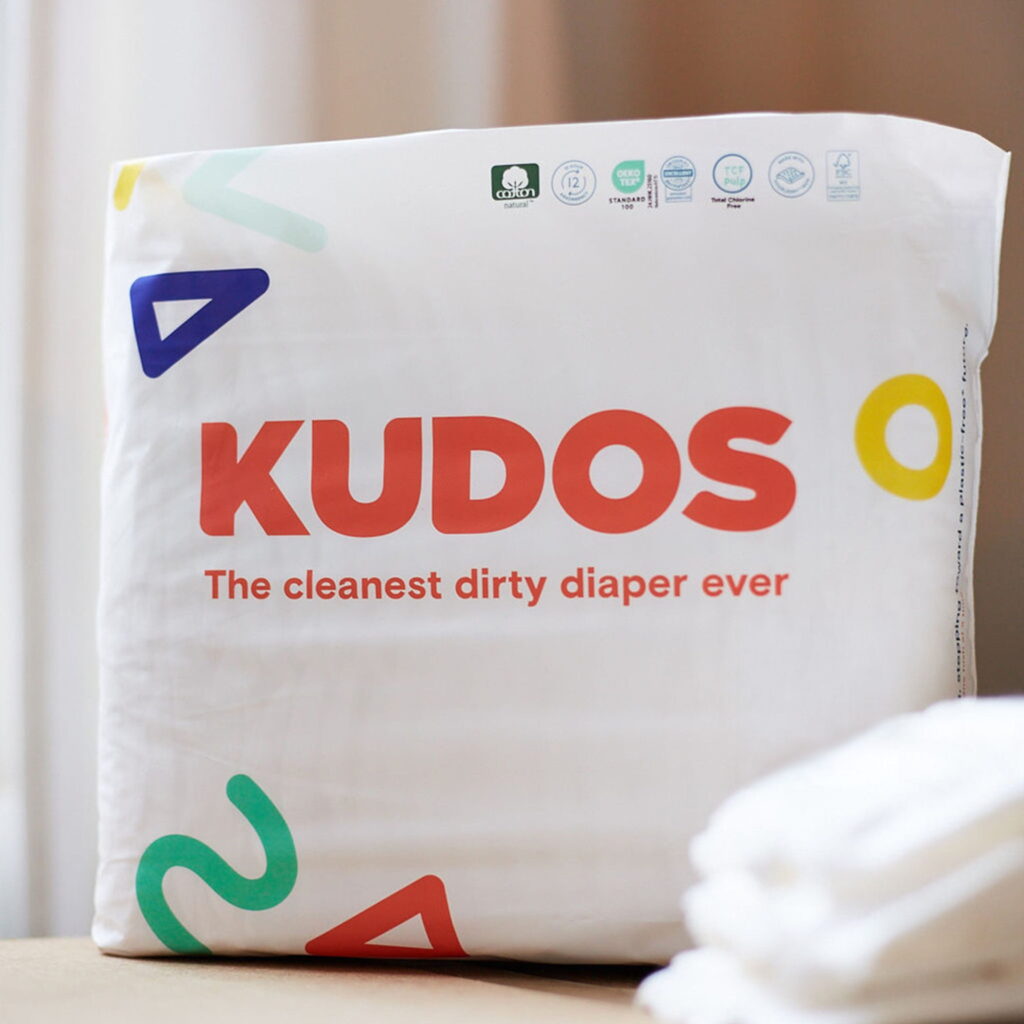
A notable development in this sector is the introduction of diapers featuring 100% cotton liners, such as those produced by the brand Kudos. Developed by a team including MIT-trained engineers, these products represent a move away from the standard plastic topsheet. By utilizing dry-processed U.S. cotton, manufacturers can provide a hypoallergenic and breathable surface that reduces the risk of skin irritation and chemical absorption.
Furthermore, the industry is increasingly adopting third-party certifications to validate safety claims. The OEKO-TEX Standard 100 certification ensures that every component of the product has been tested for harmful substances, while the Forest Stewardship Council (FSC) certification ensures that the wood pulp used in the absorbent core is sourced from responsibly managed forests. The move toward Totally Chlorine Free (TCF) bleaching processes also eliminates the risk of dioxin contamination, a byproduct of older elemental chlorine bleaching methods.
Developmental Vulnerability and the Oral Phase
The chronology of infant development dictates that between the ages of four months and two years, children will spend a significant portion of their waking hours placing objects in their mouths. This "mouthing" behavior is a critical sensory milestone, but it also serves as a primary vector for plastic and chemical exposure.

Traditional plastic toys, particularly older models or those manufactured in regions with less stringent regulations, may contain prohibited levels of phthalates or heavy metals. To mitigate these risks, pediatricians and environmental health advocates suggest a return to natural materials.
- Natural Rubber: Unlike synthetic rubber, which is petroleum-based, natural rubber is harvested from the Hevea brasiliensis tree and is free from BPA, phthalates, and PVC.
- Untreated Wood: Solid wood toys, finished with food-grade oils or beeswax, provide a durable and non-toxic alternative to plastic blocks and rattles.
- Organic Textiles: Plush toys stuffed with cotton or wool fibers rather than polyester fill prevent the inhalation of synthetic microfibers as the material begins to degrade over time.
For older infants engaging in artistic expression, the risk remains. Many conventional crayons and paints utilize paraffin wax (a petroleum byproduct) and synthetic pigments. The DIY movement has responded with recipes for edible finger paints using cornstarch and natural food colorings, as well as playdough dyed with plant-based extracts, ensuring that accidental ingestion does not result in chemical exposure.
Microplastics in Infant Feeding: The Thermal Factor
One of the most significant recent findings in pediatric environmental health concerns the use of plastic baby bottles. A 2020 study published in Nature Food revealed that polypropylene baby bottles shed millions of microplastic particles when exposed to heat. The researchers found that the process of sterilizing bottles in boiling water and shaking formula in warm plastic containers significantly accelerated the degradation of the plastic.
The study estimated that bottle-fed infants could be consuming an average of 1.5 million microplastic particles per day. While the long-term health effects of microplastic ingestion are still being studied, the sheer volume of particles has led to a re-evaluation of feeding protocols.
Experts recommend transitioning to glass baby bottles, which are inert and do not react to temperature changes. For families who continue to use plastic bottles, a "cold transfer" method is advised: heating the formula or breastmilk in a glass or stainless steel container and allowing it to reach the desired temperature before transferring it to the plastic bottle for immediate feeding. This minimizes the time the liquid spends in contact with heated plastic, thereby reducing particle shedding.
Textiles and the Indoor Environment
The exposure to plastics is not limited to items an infant touches or eats; it is also integrated into the air they breathe and the surfaces they crawl upon. Most modern infant clothing is manufactured from synthetic fibers like polyester, nylon, and fleece. These fabrics shed microfibers during wear and laundering, contributing to the household dust that infants often ingest while playing on the floor.
The Global Organic Textile Standard (GOTS) has become a benchmark for parents seeking to reduce this exposure. GOTS-certified clothing must contain at least 70% organic fibers and meet strict environmental and toxicological criteria throughout the manufacturing process. By opting for organic cotton, hemp, or wool, parents can reduce the synthetic load in the home environment.
Additionally, the use of natural fiber rugs—such as those made from cotton or jute—can provide a safer surface for "tummy time" and crawling. Synthetic carpets are often treated with per- and polyfluoroalkyl substances (PFAS) for stain resistance, which have been linked to developmental delays and immune system suppression.
Broader Implications and the Regulatory Landscape
The shift toward plastic-free and non-toxic baby products is not merely a consumer trend but a response to a changing regulatory and environmental landscape. Governments worldwide are beginning to tighten restrictions on chemicals in children’s products. The European Union, for instance, has long maintained strict bans on various phthalates in toys, and the United States has followed suit with the Consumer Product Safety Improvement Act (CPSIA).
However, regulatory frameworks often lag behind scientific discovery. The "regrettable substitution" phenomenon—where one harmful chemical (like BPA) is replaced by another similar but less-studied chemical (like BPS)—remains a challenge for parents.

The environmental impact is equally significant. With an estimated 20 billion disposable diapers entering U.S. landfills annually, the move toward materials like cotton and FSC-certified wood pulp represents a necessary step toward reducing the long-term ecological footprint of infant care.
Conclusion: A Precautionary Approach to Parenting
While it is currently impossible to eliminate plastic entirely from a modern household, a strategic reduction in exposure can significantly lower the chemical burden on developing infants. By prioritizing natural materials in high-contact areas—such as diapers, feeding equipment, and teething toys—parents can navigate the challenges of the first years of life with a focus on long-term health outcomes.
The transition toward non-toxic infant care requires a combination of consumer vigilance, manufacturing innovation, and robust public health policy. As more data becomes available regarding the impact of microplastics and endocrine disruptors, the move toward a less plastic-intensive infancy is likely to transition from a niche preference to a standard of care in pediatric health.


