
The global tourism landscape is witnessing a significant shift as travelers increasingly seek "purposeful travel" itineraries designed to navigate major life transitions, such as the rising trend of "divorce trips" or wellness-focused retreats. Iceland, with its unique combination of rugged geological activity and sophisticated geothermal infrastructure, has emerged as a primary destination for these transformative journeys. Recent expeditions across the island nation demonstrate that the traditional sightseeing model is being replaced by immersive experiences that prioritize emotional well-being, social connection, and a deep engagement with the natural environment. By circumnavigating the island via the Ring Road, travelers are accessing remote regions that offer a blend of architectural innovation, sustainable gastronomy, and therapeutic landscapes.

The Logistics of the Ring Road: A Ten-Day Strategic Framework
The decision to circumnavigate Iceland—a journey primarily following Route 1, known as the Ring Road—requires significant logistical planning and a minimum time investment. Covering approximately 1,332 kilometers (828 miles), the route connects the capital of Reykjavik to the diverse landscapes of the South Coast, the Eastfjords, Northern Iceland, and the Snæfellsnes Peninsula. Industry experts and local travel planners suggest that while a full circuit is possible in a shorter timeframe, a period of ten days or more is ideal for those wishing to balance transit with active exploration.
For travelers operating on a schedule of fewer than ten days, tourism analysts recommend focusing on a specific quadrant of the island, such as the South Coast or the Westfjords. This "slow travel" approach allows for extended periods of hiking and the utilization of local geothermal facilities, which are central to the Icelandic social fabric. However, the comprehensive circuit remains the gold standard for those seeking a total immersion in the country’s varied microclimates, ranging from the lush agricultural valleys of the south to the stark, lunar-like volcanic deserts of the interior.
Geothermal Innovation and the Evolution of the Icelandic Bathing Culture
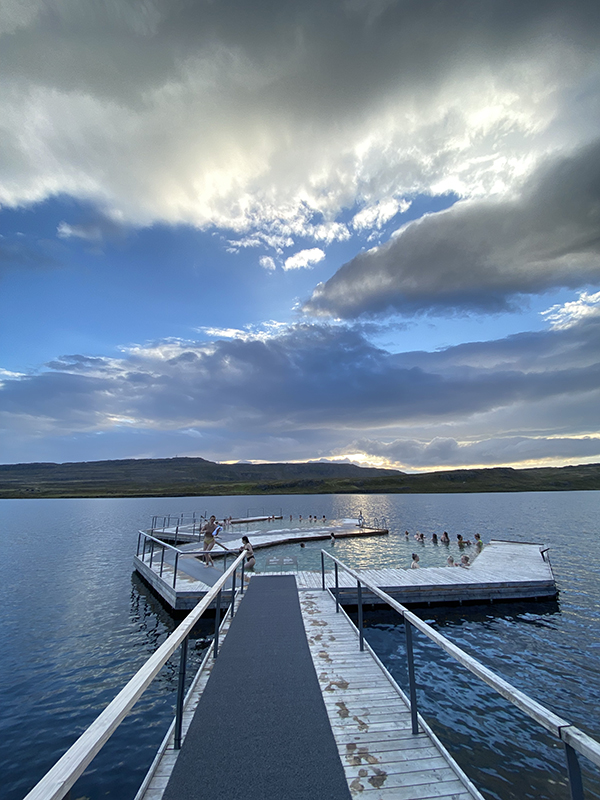
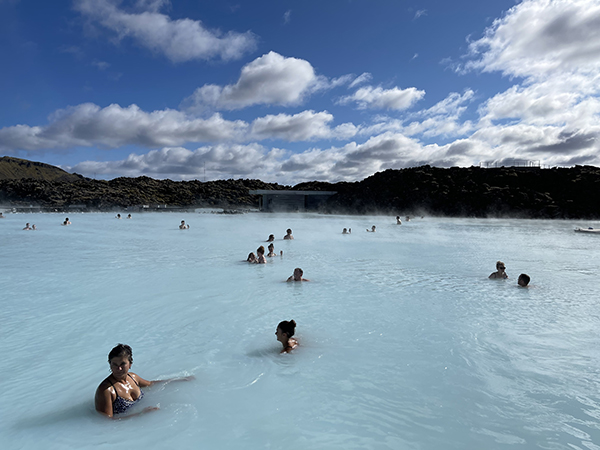
A cornerstone of the Icelandic travel experience is the nation’s sophisticated geothermal bath culture. Beyond the internationally recognized Blue Lagoon, a new generation of facilities is redefining the intersection of wellness and environmental design. A primary example is the Vök Baths, located on Lake Urriðavatn in East Iceland. Opened in 2019, these baths utilize the only certified drinkable geothermal water in the country.
The engineering of Vök Baths is particularly notable for its floating pools, which are submerged within the cold waters of the lake. This configuration facilitates a traditional Nordic wellness practice: the contrast between extreme heat and cold. Travelers are encouraged to move between the warm geothermal pools and the freezing lake water, a process believed to stimulate circulation and provide significant psychological clarity. As tourism in East Iceland grows, facilities like Vök serve as critical economic drivers for regions that have historically seen less foot traffic than the Golden Circle.
Supporting data from the Icelandic Tourist Board indicates that "wellness and nature" remain the top two motivations for international visitors. The integration of community-level municipal pools into tourist itineraries further enriches this experience, offering visitors a factual glimpse into the daily lives of Icelanders, for whom the "sundlaug" (swimming pool) serves as a vital communal meeting point.
Geological Activity as a Catalyst for High-Value Tourism
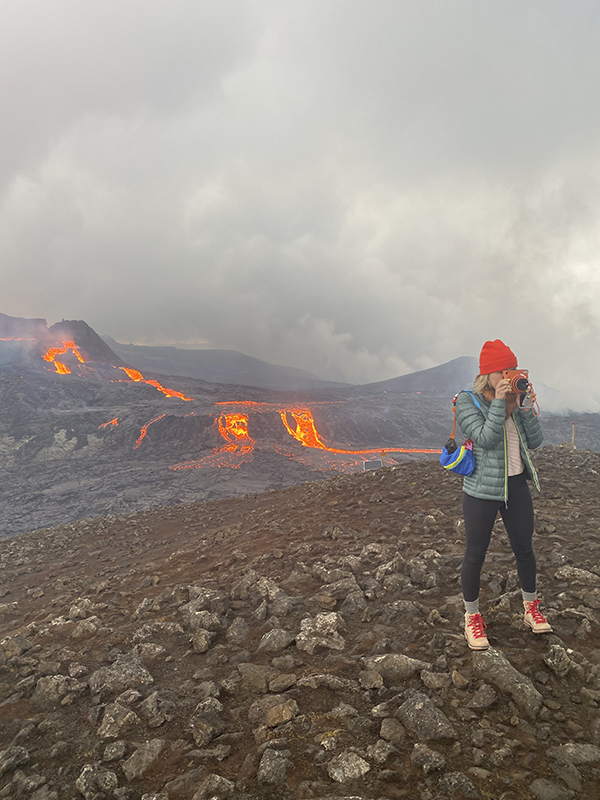
Iceland’s position on the Mid-Atlantic Ridge ensures a state of constant geological flux, which has historically been a double-edged sword for the nation. However, the recent era of "effusive" eruptions—characterized by steady lava flows rather than explosive ash clouds—has created a boom in "volcano tourism." The 2021 eruption at Fagradalsfjall, located on the Reykjanes Peninsula, became a global focal point for travelers seeking to witness the formation of new landmasses.
The management of such events involves a complex coordination between the Department of Civil Protection and Emergency Management and the tourism sector. While hiking trails are often established for the public, high-value experiences such as helicopter tours have become increasingly popular. These aerial excursions provide a safe and comprehensive view of the tectonic activity, allowing travelers to observe the cooling basalt and active vents without the physical strain of long-range trekking. This sector of the industry represents a significant portion of the luxury travel market in Iceland, catering to visitors who prioritize unique, once-in-a-lifetime environmental observations.
Sustainable Gastronomy: Greenhouses and Modern Nordic Cuisine
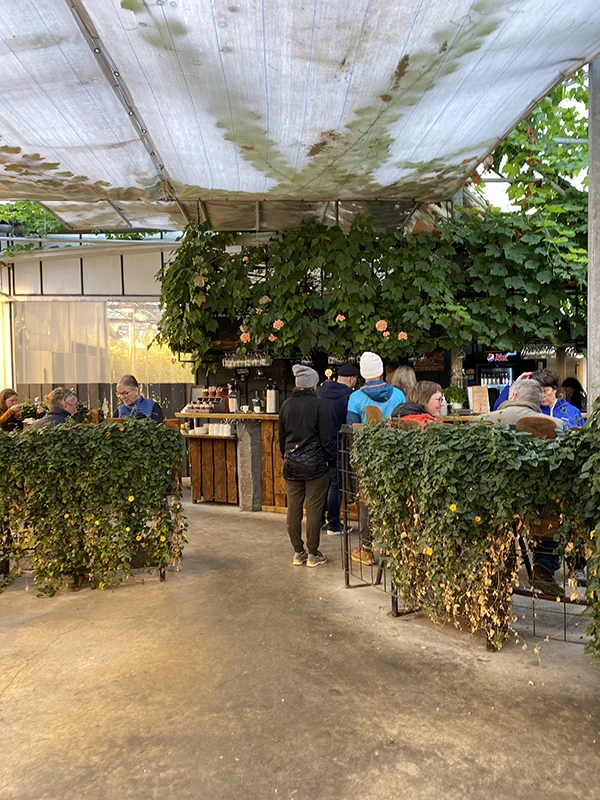
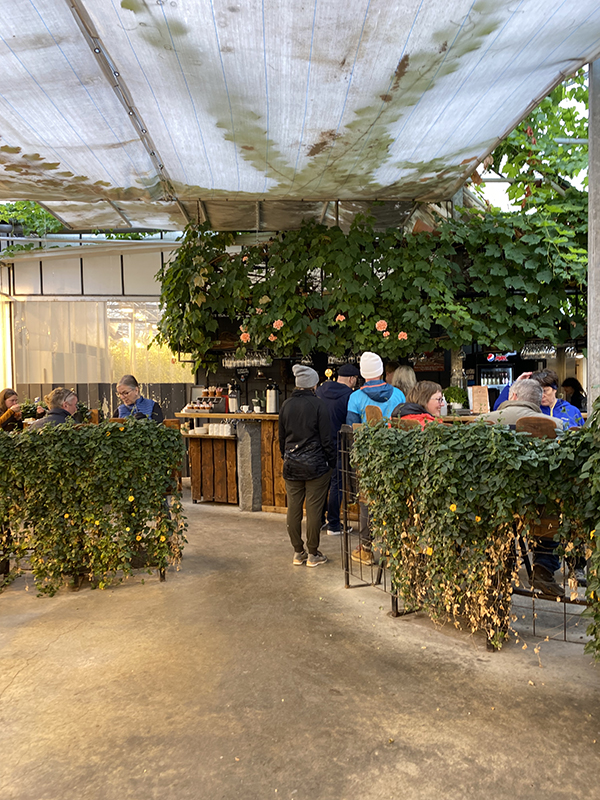
Iceland’s food security and culinary identity are inextricably linked to its geothermal resources. The Friðheimar Tomato Greenhouse, located in the South Iceland region, represents a pinnacle of sustainable agricultural tourism. By utilizing natural hot water to heat massive glass structures and importing bumblebees for pollination, the facility produces roughly 20% of Iceland’s tomatoes.
The conversion of a portion of the greenhouse into a restaurant allows visitors to dine amidst the vines, creating a sensory experience that highlights the country’s ability to thrive in a subarctic climate. This model of "agritourism" has proven highly successful, emphasizing transparency in food production.
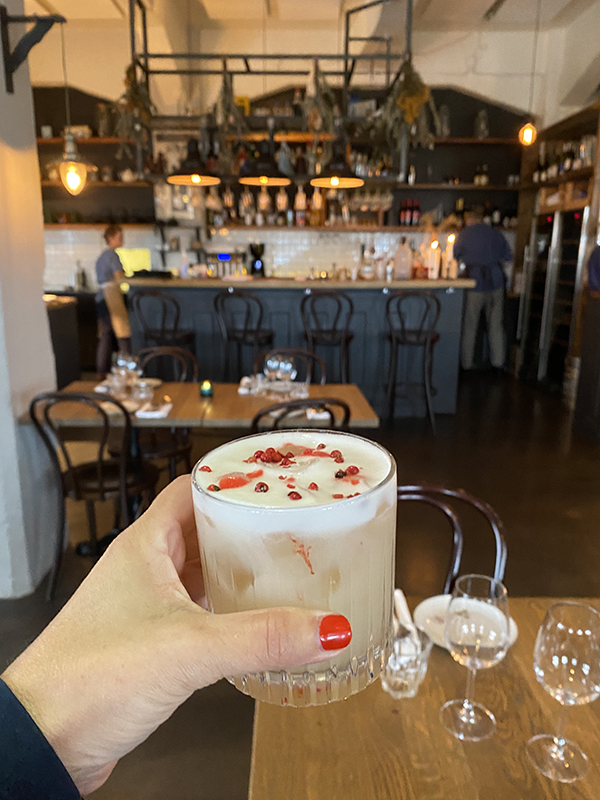
In the urban center of Reykjavik, the culinary scene has undergone a parallel transformation. Establishments such as Matur og Drykkur (Food and Drink) have gained international acclaim for reinventing traditional Icelandic recipes using modern techniques. Located in a converted salt-fish factory, the restaurant focuses on hyper-local ingredients—such as cod’s head, dulse (seaweed), and Icelandic lamb—to tell a story of cultural resilience. This shift toward "New Nordic" cuisine has helped position Reykjavik as a legitimate gastronomic capital, attracting a demographic of travelers who view dining as a primary cultural activity.
Urban Cultural Preservation and Unique Hospitality Models
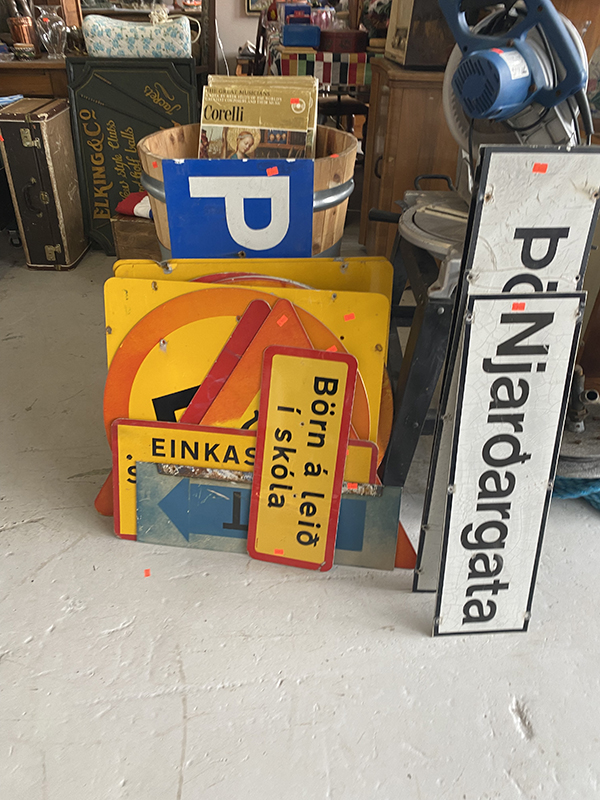
While the natural landscape is the primary draw, Reykjavik’s local economy is bolstered by niche retail and unconventional hospitality. The Kolaportið Flea Market, situated near the Old Harbor, remains a critical site for cultural exchange. Open on weekends, the market provides a venue for the sale of traditional "lopapeysa" (Icelandic wool sweaters), vintage goods, and local delicacies such as fermented shark. For the purposeful traveler, these markets offer a sustainable alternative to mass-produced souvenirs, supporting local artisans and collectors.
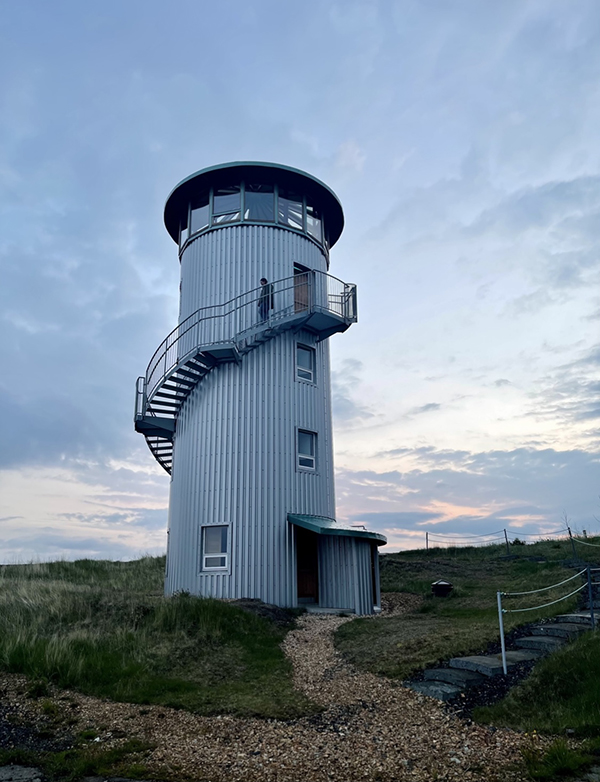
Furthermore, the hospitality industry in Iceland is diversifying through the repurposing of historical structures. The Klettar Tower, a lighthouse converted into a private residence and rental property, exemplifies this trend. Located on the South Coast, the tower features 360-degree windows on its top floor, specifically designed for the observation of the Aurora Borealis (Northern Lights) during the winter months. Such accommodations provide an "isolated luxury" experience, allowing groups—such as those on "divorce trips"—to find solitude and reflection while remaining connected to the aesthetic heritage of the coastline.
Analysis of the "Divorce Trip" Phenomenon and Social Implications
The concept of the "divorce trip" or "separation sabbatical" is gaining traction within the travel industry as a recognized subset of transformative travel. Psychologists suggest that ritualizing the end of a major life chapter through travel can provide a necessary "pattern interrupt," allowing individuals to process grief or transition in a neutral, awe-inspiring environment.
Iceland is particularly well-suited for this purpose due to its "liminal" quality—a landscape that feels as though it is still in the process of being created. The physical demands of the Ring Road, combined with the communal nature of geothermal bathing and shared meals, foster a sense of solidarity among travelers. This trend suggests that the future of the travel industry may lie not just in leisure, but in providing the "emotional infrastructure" for life’s most difficult transitions.
Broader Impact and the Future of Icelandic Tourism
As Iceland continues to navigate its popularity, the focus has shifted from increasing visitor numbers to increasing the "value per visitor." The Icelandic government and local stakeholders are emphasizing environmental stewardship and the distribution of tourists across all regions to prevent over-tourism in the south.
The success of purposeful, multi-day itineraries that span the entire island indicates a maturing market. Travelers are no longer content with a quick stopover; they are seeking depth, education, and emotional resonance. Whether through witnessing the raw power of a volcano, engaging with sustainable farming practices, or participating in the ancient tradition of geothermal bathing, visitors to Iceland are finding that the island offers more than just a backdrop for photography—it offers a venue for personal evolution.
The data suggests that as long as Iceland continues to innovate in the realms of green energy and sustainable hospitality, it will remain a global leader in the "transformative travel" sector. The resilience of the Icelandic tourism model, much like the tectonic plates beneath it, lies in its ability to constantly shift, adapt, and create something new from the heat of the earth.


