
On August 1, the American Homebrewers Association (AHA) celebrated its annual Home Fermentation Day, a nationwide event encouraging enthusiasts to explore the fascinating world of microbial transformations. Across the country, AHA members actively participated by sharing their home fermentation projects, showcasing a diverse array of creations ranging from vibrantly fermented garden vegetables to meticulously aged fruit-infused meads. This year’s event underscored the significant impact of even the smallest organisms, highlighting their ability to create complex flavors and preserve food.
Home Fermentation Day: A Celebration of Microbial Ingenuity
Home Fermentation Day, established by the AHA to foster a community of home fermenters and brewers, serves as a platform for sharing knowledge and celebrating the art and science of transforming raw ingredients through fermentation. The event, held annually on August 1, provides a focal point for individuals to showcase their efforts, exchange techniques, and inspire others to embark on their own fermentation journeys. This year’s celebration saw a robust engagement from members, who took to social media and online forums to display their bubbling creations. The shared projects offered a compelling testament to the versatility of fermentation, demonstrating its application in producing everything from tangy sauerkraut and spicy fermented vegetables to complex alcoholic beverages like mead and cider.
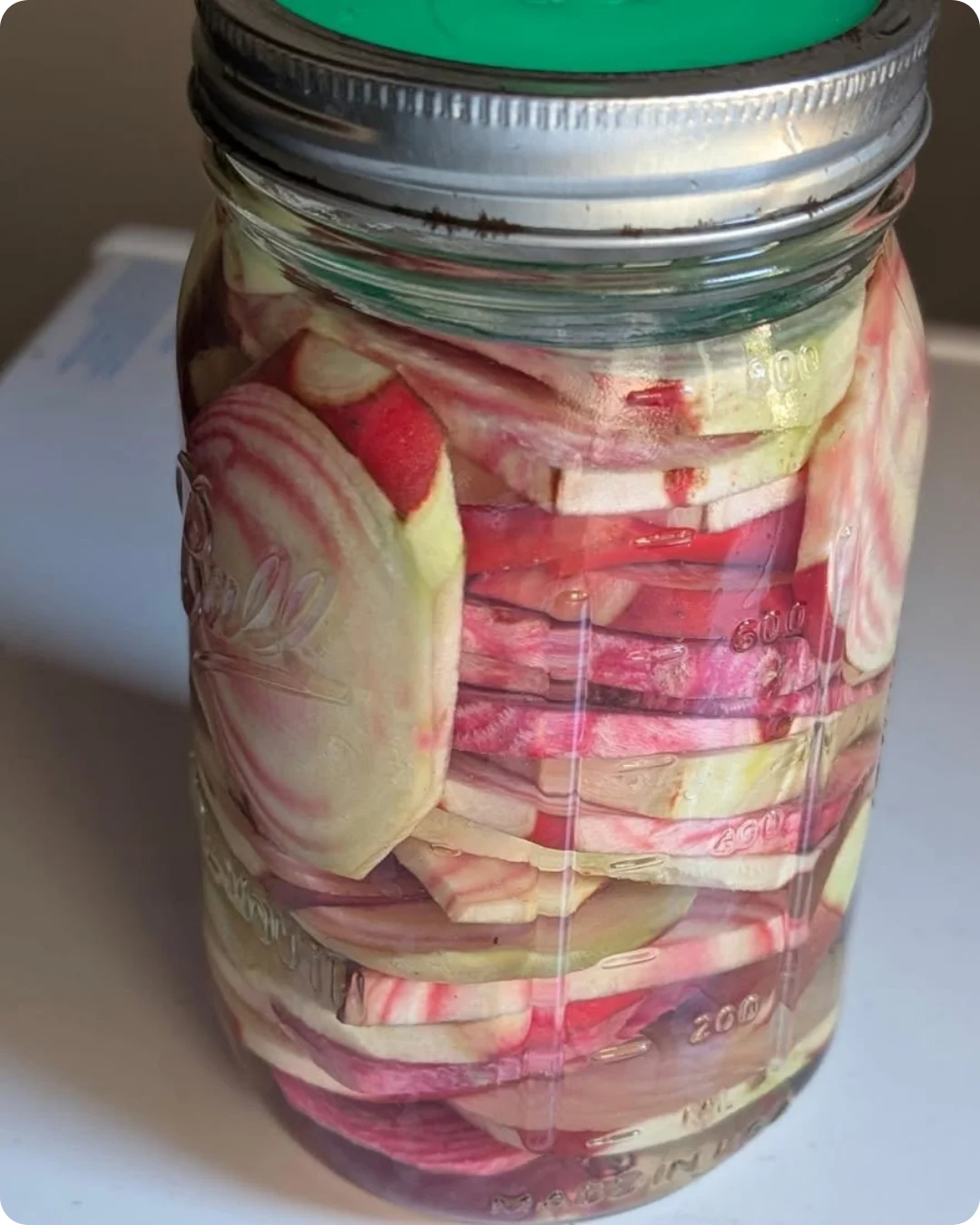
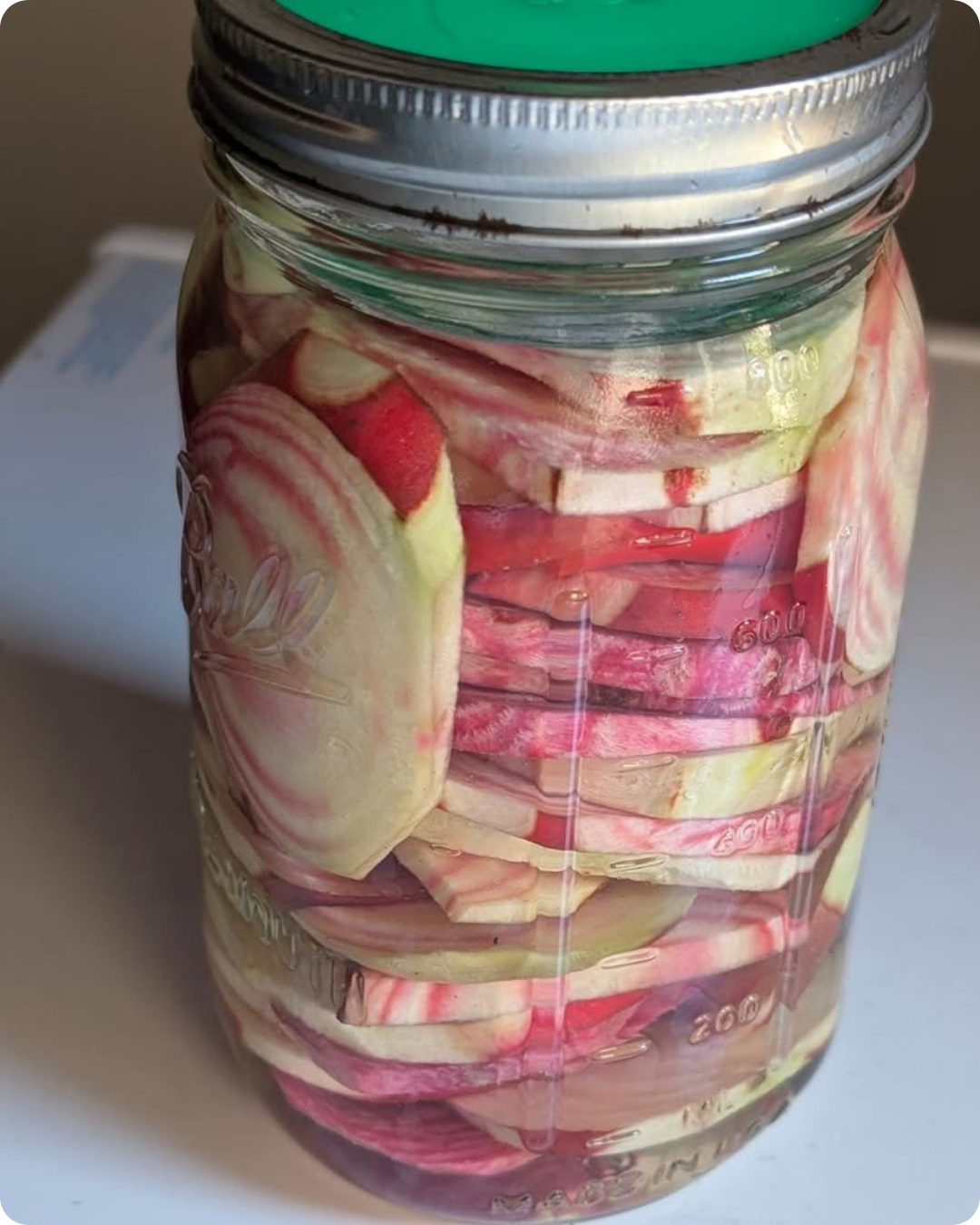
The breadth of projects shared illustrated the diverse interests within the home fermentation community. Participants highlighted the use of homegrown produce, emphasizing a connection to the source of their ingredients and a commitment to sustainable practices. For instance, Andrew Farke of Claremont, California, a member of the Horse Thief Brewers Association, showcased his lacto-fermented beets. These beets were not only a product of his own garden but were also enhanced with the addition of garlic and Thai chiles, suggesting a sophisticated approach to flavor development through controlled fermentation. This specific project exemplifies how home fermenters are not merely replicating traditional methods but are actively innovating with ingredients and flavor profiles.
A Tapestry of Fermented Creations
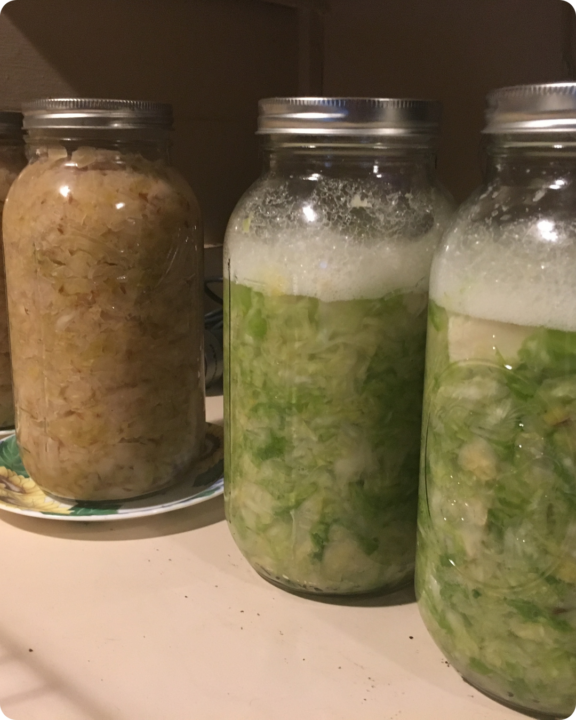
The array of projects shared on Home Fermentation Day painted a vivid picture of the fermentation landscape. Carl Saxer from Hilo, Hawaii, presented a classic, naturally fermented sauerkraut. His method, relying on simple ingredients—cabbage and salt—demonstrates the enduring appeal of traditional fermentation techniques. Saxer noted his preference for pairing his homemade sauerkraut with his own artisanal sausage, indicating a holistic approach to food production and consumption that embraces traditional methods. This connection between fermented foods and other homemade staples is a recurring theme among dedicated hobbyists.
In a more elaborate demonstration of fermentation’s potential, Chris Gasbarro of Port St. Lucie, Florida, shared his experience with a guava melomel. This particular project involved a year-long aging process, utilizing guava blossom honey and guava puree. The extended maturation period suggests a deep understanding of how yeast and bacteria interact with sugars and fruits over time, leading to nuanced and complex flavor profiles. Melomels, a type of mead made with fruit, are particularly favored for their potential for sophisticated flavor development, and Gasbarro’s dedication to a full year of aging highlights the patience and precision involved in producing high-quality fermented beverages. The visual appeal of the product, as suggested by its presentation, further contributes to the celebratory nature of the event.
Beyond these highlighted examples, Home Fermentation Day witnessed an outpouring of other creative endeavors. Participants shared their experiences with producing fiery hot sauces, which often involve a complex interplay of peppers and fermentation to develop both heat and depth of flavor. Homemade bread, a staple in many households, also featured prominently, with individuals experimenting with sourdough starters and various grain combinations to achieve unique textures and tastes. One particularly memorable contribution involved a video showcasing "rebellious" sake, hinting at experimental approaches to traditional fermentation practices that push the boundaries of conventional methods. These diverse entries collectively underscore the broad applicability of fermentation across culinary and beverage disciplines.
The Enduring Power of Microbes: Data and Context
The science behind fermentation is a cornerstone of its appeal to hobbyists. Microorganisms, primarily bacteria and yeasts, are capable of breaking down complex organic compounds into simpler substances, often producing desirable byproducts such as acids, alcohol, and carbon dioxide. This process is not only crucial for food preservation, extending the shelf life of ingredients by creating an environment that inhibits spoilage organisms, but also for enhancing nutritional value through the synthesis of vitamins and the increased bioavailability of certain nutrients. For example, the lactic acid produced during the fermentation of sauerkraut can improve digestion and inhibit the growth of pathogenic bacteria.
The global market for fermented foods and beverages is substantial and growing, reflecting a broader consumer interest in gut health, natural products, and unique flavor experiences. Reports from market research firms indicate a compound annual growth rate (CAGR) of approximately 6-8% for the fermented foods market, projected to reach tens of billions of dollars in the coming years. This trend suggests that the interest cultivated by home fermentation enthusiasts is mirroring, and in some ways driving, broader consumer trends. The AHA’s Home Fermentation Day taps into this growing enthusiasm, providing a community-driven platform that supports both nascent and experienced fermenters.
Community Engagement and Future Opportunities
The success of Home Fermentation Day is intrinsically linked to the vibrant community that the AHA cultivates. By encouraging members to share their projects, the association fosters a collaborative learning environment. This sharing not only provides inspiration but also facilitates the dissemination of practical knowledge, troubleshooting tips, and innovative techniques. The act of sharing can also serve as a powerful motivator, encouraging individuals to undertake more ambitious projects and to refine their existing skills. The availability of platforms for sharing photos and videos allows for a visual exchange of ideas, making the learning process more accessible and engaging.
The AHA actively promotes ongoing engagement beyond the single-day event. The organization maintains a comprehensive collection of recipes and resources for a wide range of fermentation projects, including beer, mead, cider, and various fermented foods. This commitment to providing educational materials ensures that members have access to the guidance they need to pursue their interests throughout the year. The call to action for members to tag the AHA on social media or submit photos online signifies a continuous effort to document and celebrate the ongoing contributions of its community. This active archiving of member creations builds a valuable repository of knowledge and inspiration for future generations of home fermenters.
Looking Ahead: Continued Growth and Expert Insights
The AHA’s commitment to fostering the home fermentation community extends to regular events and educational programming. The upcoming AHA Happy Hour featuring Charlie Biolo, owner and content creator for Golden Hive Mead, exemplifies this dedication. Biolo, known for his accessible and entertaining approach to meadmaking, has successfully introduced a wide audience to the craft through online content. His expertise in demystifying the fermentation process, particularly for beginners, aligns perfectly with the AHA’s mission to make homebrewing and fermentation approachable, creative, and fun.
These virtual hangouts serve as informal, interactive sessions where members can connect with fellow enthusiasts, share experiences, and pose questions directly to experts. The fact that AHA Happy Hours are open to everyone, regardless of membership status, underscores the association’s commitment to broad community outreach and education. Such events are crucial for cultivating a supportive ecosystem where individuals can develop their skills, overcome challenges, and deepen their appreciation for the art and science of fermentation. The focus on meadmaking in this instance also highlights the diverse spectrum of fermentation that the AHA supports, from savory foods to complex alcoholic beverages. The success of events like Home Fermentation Day and the ongoing engagement through initiatives like AHA Happy Hour suggest a sustained and growing interest in fermentation, promising continued innovation and creativity within the homebrewing and home fermentation community.


