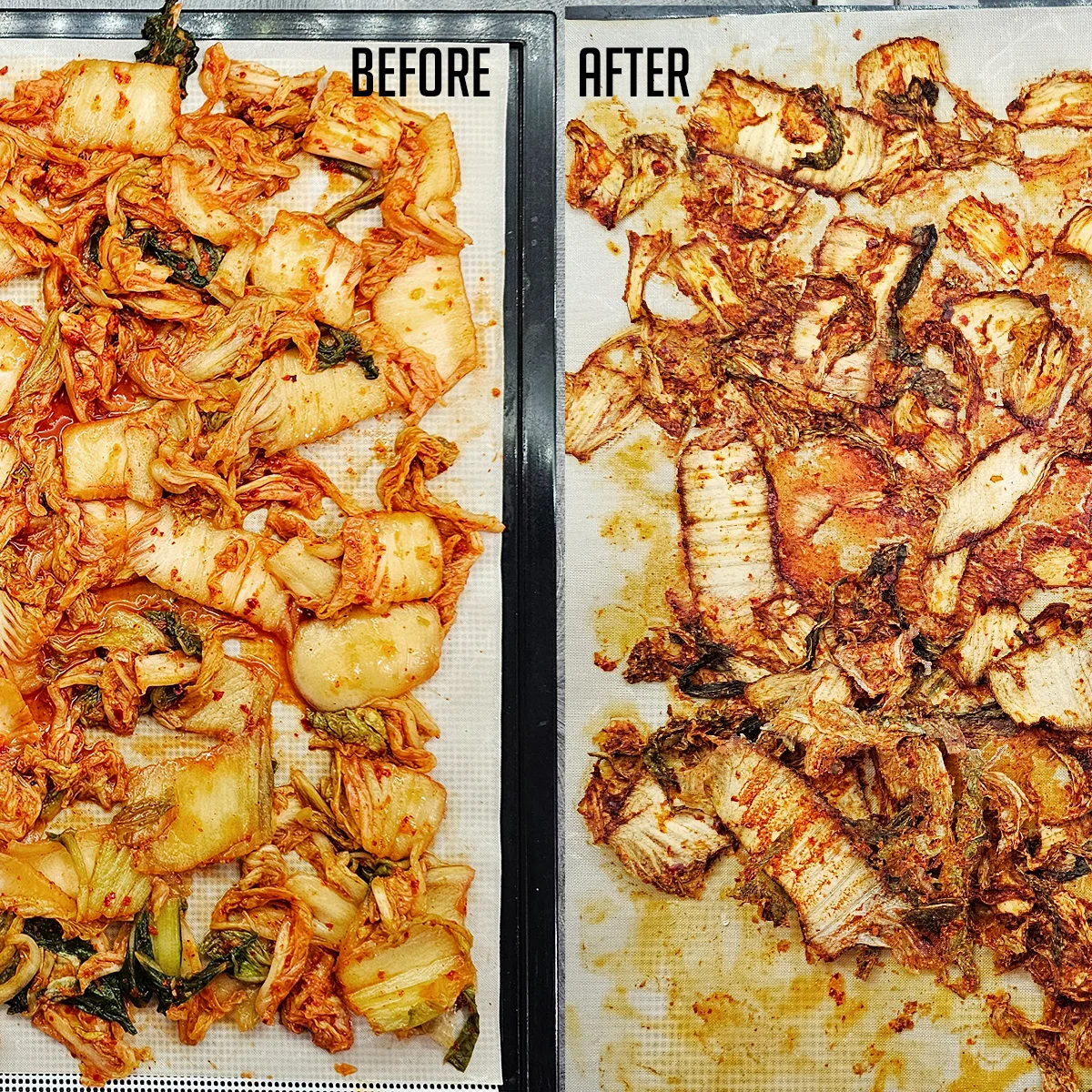
The traditional Korean art of fermentation has met modern food preservation technology through the increasingly popular practice of dehydrating kimchi, a method that allows enthusiasts to extend the shelf life of this probiotic-rich staple while creating versatile new culinary ingredients. As global interest in Korean cuisine continues to surge, home cooks and professional chefs alike are looking for ways to minimize food waste and maximize the flavor profiles of fermented vegetables. Dehydration offers a unique solution, transforming a wet, perishable product into a shelf-stable powerhouse of umami and acidity. By carefully managing temperature and moisture levels, it is possible to preserve not only the complex taste of napa cabbage, ginger, and garlic but also the beneficial bacteria that make kimchi a recognized "superfood."
The Historical and Scientific Context of Kimchi Preservation
Kimchi, a cornerstone of Korean culture for over two millennia, originated as a way to preserve vegetables during the harsh winters of the Korean Peninsula. Historically, this was achieved through lacto-fermentation in earthenware jars known as onggi, which were often buried underground to maintain a consistent temperature. The process relies on Lactobacillus bacteria to convert sugars into lactic acid, which acts as a natural preservative and gives kimchi its signature tang.
In the modern era, the challenge has shifted from surviving winter to managing the abundance of the global supply chain. Large-scale production and the availability of oversized containers in wholesale markets often leave consumers with more kimchi than they can consume before the fermentation progresses to a stage of extreme sourness. Dehydration serves as a contemporary extension of ancient preservation logic. By removing water—the primary catalyst for spoilage and continued rapid fermentation—the biological activity is suspended, allowing the product to be stored for years rather than weeks.
The Critical Temperature Threshold: Preserving Probiotics
A primary concern for health-conscious consumers is the preservation of live cultures during the drying process. Food scientists note that the beneficial probiotics found in fermented foods are highly sensitive to thermal stress. To maintain the "living" status of kimchi, the dehydration temperature must be strictly regulated.
Research into microbial thermotolerance indicates that most Lactobacillus species begin to decline when exposed to temperatures exceeding 115°F (46°C). Consequently, to produce a dried product that retains its probiotic integrity, dehydrators must be set to a "raw food" setting, typically between 100°F and 110°F. While this lower temperature extends the drying time significantly, it ensures that the enzymatic and biological benefits of the food remain intact. Conversely, if the kimchi has been commercially heat-processed (pasteurized) or if the consumer is solely interested in flavor rather than probiotic content, higher temperatures of up to 140°F can be utilized to accelerate the process.
A Step-by-Step Chronology of the Dehydration Process
The transition from a fermented cabbage dish to a shelf-stable dried ingredient requires a disciplined approach to ensure safety and quality. The process can be broken down into five distinct phases: preparation, loading, dehydration, conditioning, and storage.
Phase 1: Preparation and Equipment Selection
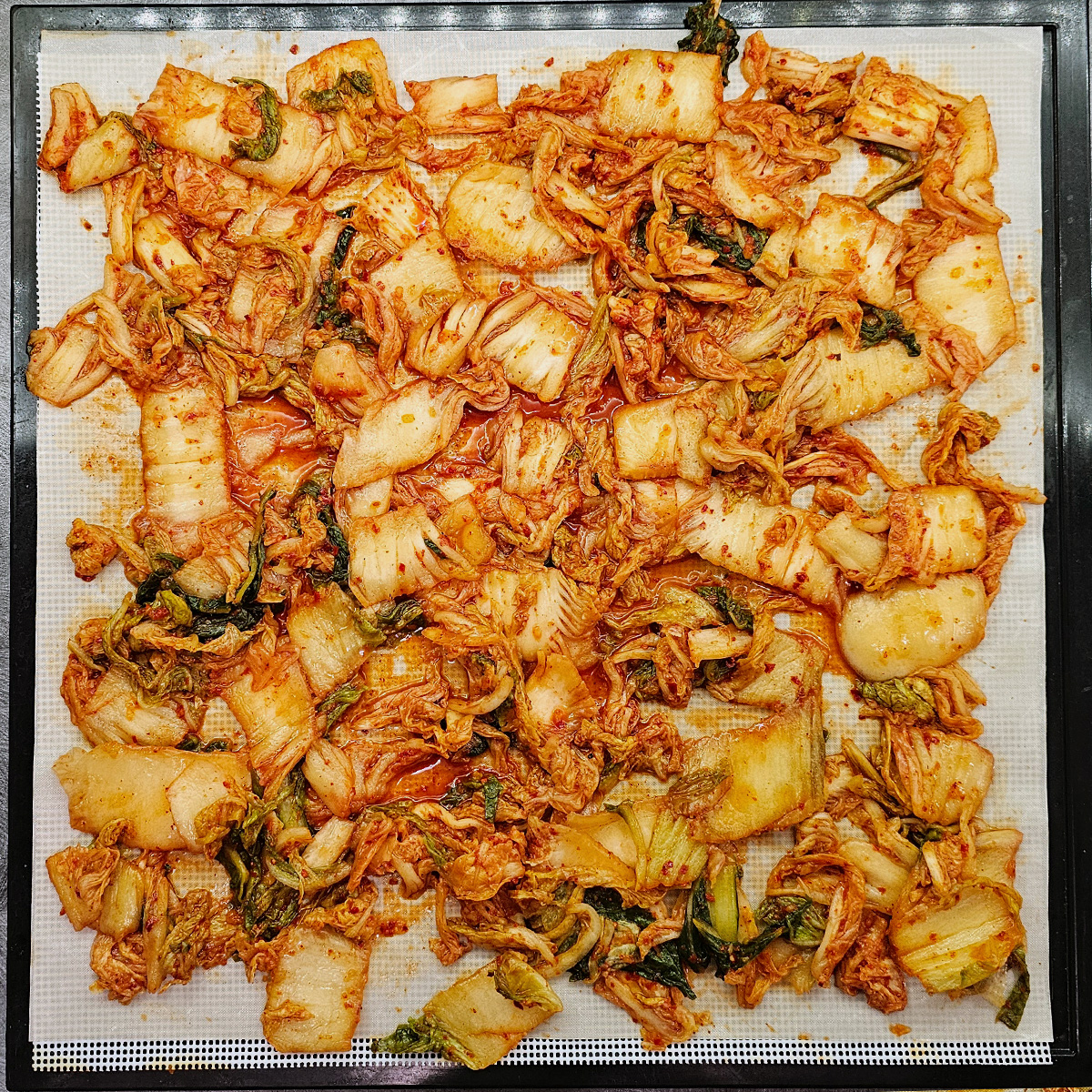
Before beginning, it is essential to recognize that kimchi is a high-acid, high-pigment food. The carotenoids in the chili flakes (gochugaru) can easily stain plastic dehydrator trays. Experts recommend the use of parchment paper or high-quality silicone fruit leather sheets to protect equipment and prevent the wet cabbage from sticking.
Phase 2: Loading and Density Management
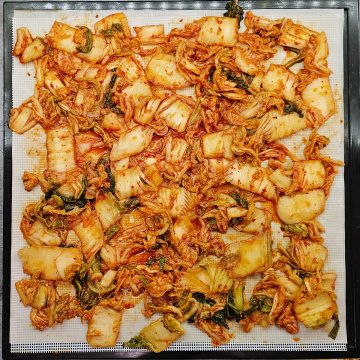
Unlike raw vegetables, kimchi carries a significant amount of brine. When spreading the product onto trays, it is not necessary to separate every individual leaf, but density must be monitored. Overcrowding the trays can lead to "case hardening," a condition where the outside of the food dries into a hard shell, trapping moisture inside and inviting mold growth during storage.
Phase 3: The Dehydration Cycle
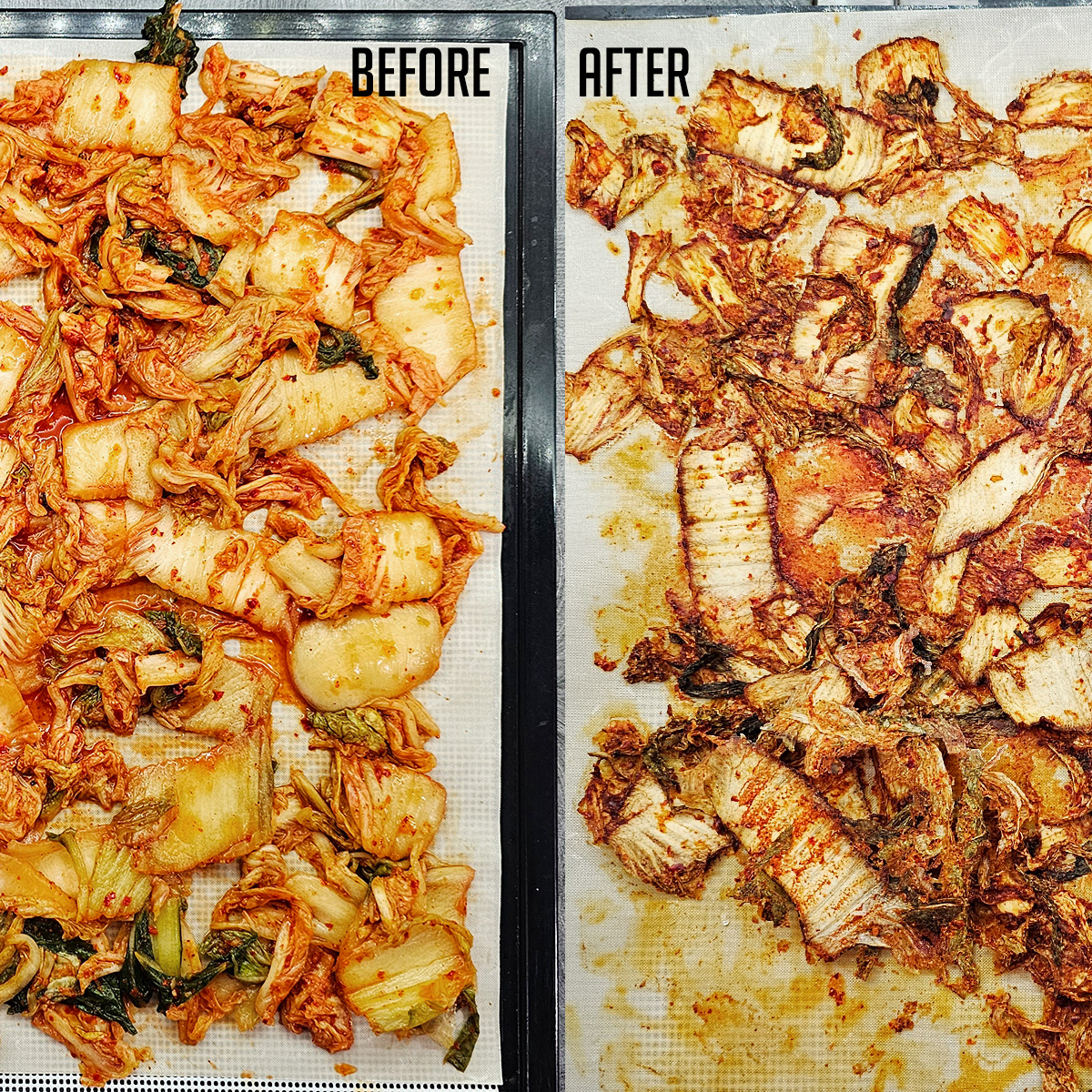
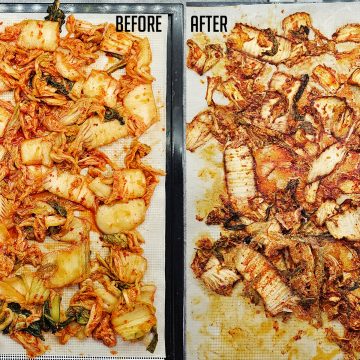
The duration of the drying cycle is influenced by the ambient humidity and the specific water content of the batch. At the recommended probiotic-safe temperature of 105°F, the process typically spans 18 to 24 hours. The goal is a product that is brittle and "snaps" when bent. Any remaining pliability in thick cabbage ribs suggests that residual moisture is present, necessitating further time in the dehydrator.
Phase 4: The Conditioning Protocol
One of the most overlooked steps in home food preservation is conditioning. After the kimchi is removed from the dehydrator, it should be placed in a sealed glass jar for five to seven days. During this period, the jar is shaken daily. This allows any remaining moisture to distribute evenly among the pieces. If condensation appears on the glass, the batch must be returned to the dehydrator. This step is a critical fail-safe against spoilage.
Phase 5: Long-Term Storage Standards
Once conditioned, dehydrated kimchi should be stored in an oxygen-free environment. For short-term use (up to six months), airtight glass jars are sufficient. For long-term preservation of up to two years, vacuum-sealing in Mylar bags with oxygen absorbers is the industry standard.
Nutritional Profile and Comparative Analysis
The nutritional density of dehydrated kimchi is significantly higher per gram than its fresh counterpart due to the removal of water. According to data provided by The Purposeful Pantry, a standard serving of dehydrated kimchi (approximately 1/4 the volume of fresh) contains roughly 17 calories, 3 grams of carbohydrates, and 1 gram of protein.
However, consumers must be mindful of sodium levels. Because salt does not evaporate, the sodium concentration becomes highly intense in dried form. A single serving can contain upwards of 570mg of sodium. For individuals on sodium-restricted diets, dehydrated kimchi should be viewed as a seasoning or garnish rather than a primary vegetable source. Conversely, it is an excellent source of potassium (174mg per serving) and dietary fiber, which aids in digestion.
Culinary Applications and the Rise of Kimchi Powder
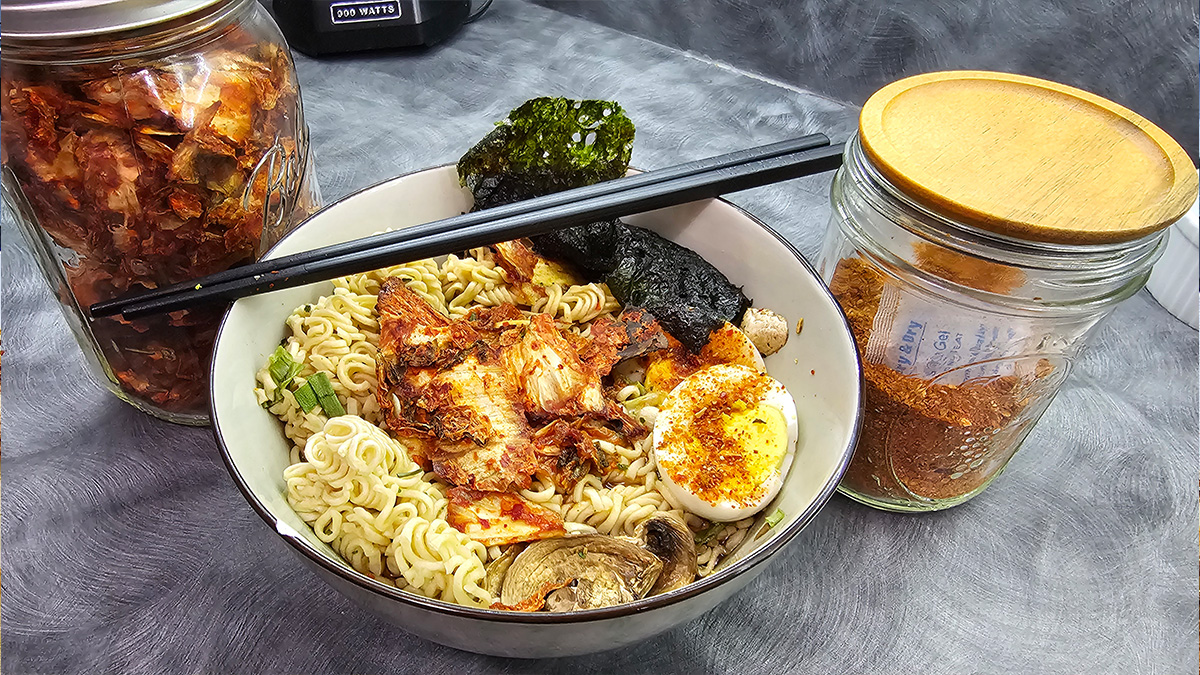
The utility of dried kimchi extends far beyond simple preservation. It has found a niche in the "backcountry gourmet" community, where hikers and campers use it to add flavor and nutrition to lightweight meals. When added to boiling water, the kimchi rehydrates in approximately five to ten minutes, making it a perfect companion for instant ramen or dehydrated rice dishes.
Perhaps the most significant culinary innovation resulting from this process is "Kimchi Powder." By grinding the fully dried pieces in a high-speed blender, cooks create a potent, shelf-stable seasoning. This powder is increasingly appearing in professional kitchens as a "dust" for popcorn, a component of dry rubs for meats, or a tangy topping for avocado toast. The concentrated acidity and spice provide a complex flavor profile that is difficult to achieve with traditional spices alone.
Broader Impact on Food Waste and Sustainability
The move toward dehydrating fermented foods reflects a broader shift in consumer behavior toward sustainability and food security. Global food waste is a multi-billion dollar issue, with domestic households contributing a significant portion through the disposal of expired condiments and fermented goods.
By adopting dehydration techniques, households can move toward a "zero-waste" kitchen model. This practice also aligns with the "prepper" or "purposeful pantry" movement, which emphasizes the importance of building a robust, nutrient-dense food supply that does not rely on refrigeration. In the event of a power failure, a pantry stocked with dehydrated fermented vegetables ensures continued access to essential vitamins and probiotics.
Market Trends and the Globalization of Korean Flavors
The rise of home dehydration mirrors the commercial success of Korean food products in the West. Market analysis shows that the global kimchi market is expected to grow at a compound annual growth rate (CAGR) of over 5% through 2030. This growth is driven by a heightened awareness of gut health and the "K-Wave" of cultural influence.
As consumers become more adventurous, the demand for convenient forms of these flavors has increased. Commercial "Kimchi Seasonings" have recently won prestigious food innovation awards, further validating the home-based practice of creating kimchi powder. The ability to transform a bulky, refrigerated jar into a small, portable container of intense flavor represents a significant evolution in how global cuisines are adapted for modern lifestyles.
In conclusion, the dehydration of kimchi is a sophisticated synthesis of ancient culinary wisdom and modern preservation science. It offers a practical solution to food waste, a creative outlet for culinary experimentation, and a reliable method for maintaining the health benefits of fermented foods. As more individuals seek to take control of their food supply and explore the depths of umami-rich flavors, the practice of drying kimchi is poised to move from a niche hobby to a mainstream kitchen standard. Through careful adherence to temperature controls and conditioning protocols, the vibrant spirit of this Korean staple can be preserved for the long term, ensuring that its spicy, tangy essence is always within reach.