The global food system is currently facing a dual crisis of plastic pollution and systemic food waste, with recent data indicating that packaging accounts for approximately 40% of all plastic waste generated worldwide. As the United States, Europe, and China remain the primary contributors to this environmental burden, the shift toward zero-waste grocery shopping has transitioned from a niche lifestyle choice to a critical economic and ecological necessity. According to the United States Department of Agriculture (USDA), food prices are projected to increase by 3.6% in 2026, further incentivizing consumers to eliminate waste to protect household budgets. This comprehensive analysis examines the structural challenges of the current retail environment and provides a strategic framework for adopting zero-waste methodologies.
The Environmental and Economic Landscape of Food Waste
The scale of waste within the global food supply chain is vast, occurring at both the retail and consumer levels. In the United States, an estimated 40% of all food produced is never consumed. This inefficiency is driven in part by rigorous "beauty standards" maintained by major grocery retailers. Produce that fails to meet specific aesthetic criteria—such as uniform size, shape, or lack of minor surface blemishes—is frequently discarded before it ever reaches the consumer.
Simultaneously, the proliferation of single-use plastics in grocery stores, ranging from polyethylene terephthalate (PET) clamshells for pre-cut fruits to low-density polyethylene (LDPE) wraps for individual vegetables, has created a waste stream that is increasingly difficult to manage. Most of these soft plastics are not accepted by municipal curbside recycling programs, leading to significant landfill accumulation and microplastic contamination in the environment.
A Chronology of the Zero-Waste Movement
The transition toward the modern zero-waste movement can be traced through several key phases of consumer history:
- Pre-1950s: The Era of Bulk and Reusables: Before the advent of mass-produced plastic packaging, grocery shopping was inherently low-waste. Goods were typically sold in bulk, and consumers utilized reusable tins, glass jars, and cloth bags.
- 1960s – 1990s: The Rise of Convenience and Plastic: The introduction of single-use plastic bags and the expansion of pre-packaged, processed foods revolutionized the retail industry. Convenience became the primary driver of consumer behavior, leading to the obsolescence of many traditional bulk-shopping practices.
- 2000s – 2015: Early Environmental Awareness: Growing concerns regarding the Great Pacific Garbage Patch and rising carbon emissions led to the first wave of plastic bag bans in various global municipalities.
- 2016 – Present: The Institutionalization of Zero Waste: The emergence of dedicated "refilleries" and bulk-only stores has formalized the zero-waste movement. Resources like the Refill Collective have mapped thousands of locations worldwide, allowing consumers to integrate plastic-free shopping into their daily routines.
Strategic Planning for Waste Reduction
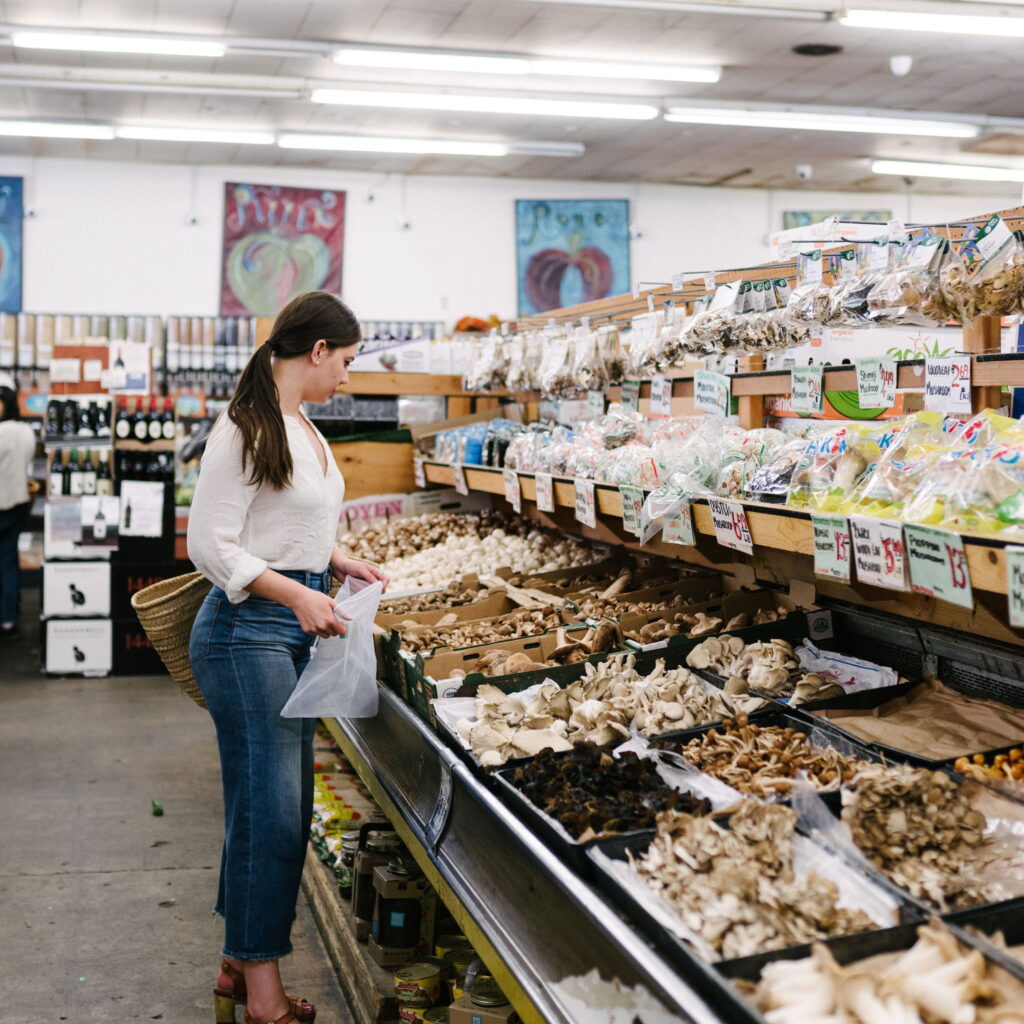
Transitioning to a zero-waste grocery model requires a systematic approach to procurement. Industry experts suggest that the most effective way to reduce waste is to conduct thorough research into local infrastructure. This includes identifying the proximity of farmers’ markets and specialized refill stores.
Budgetary Management in the Zero-Waste Model
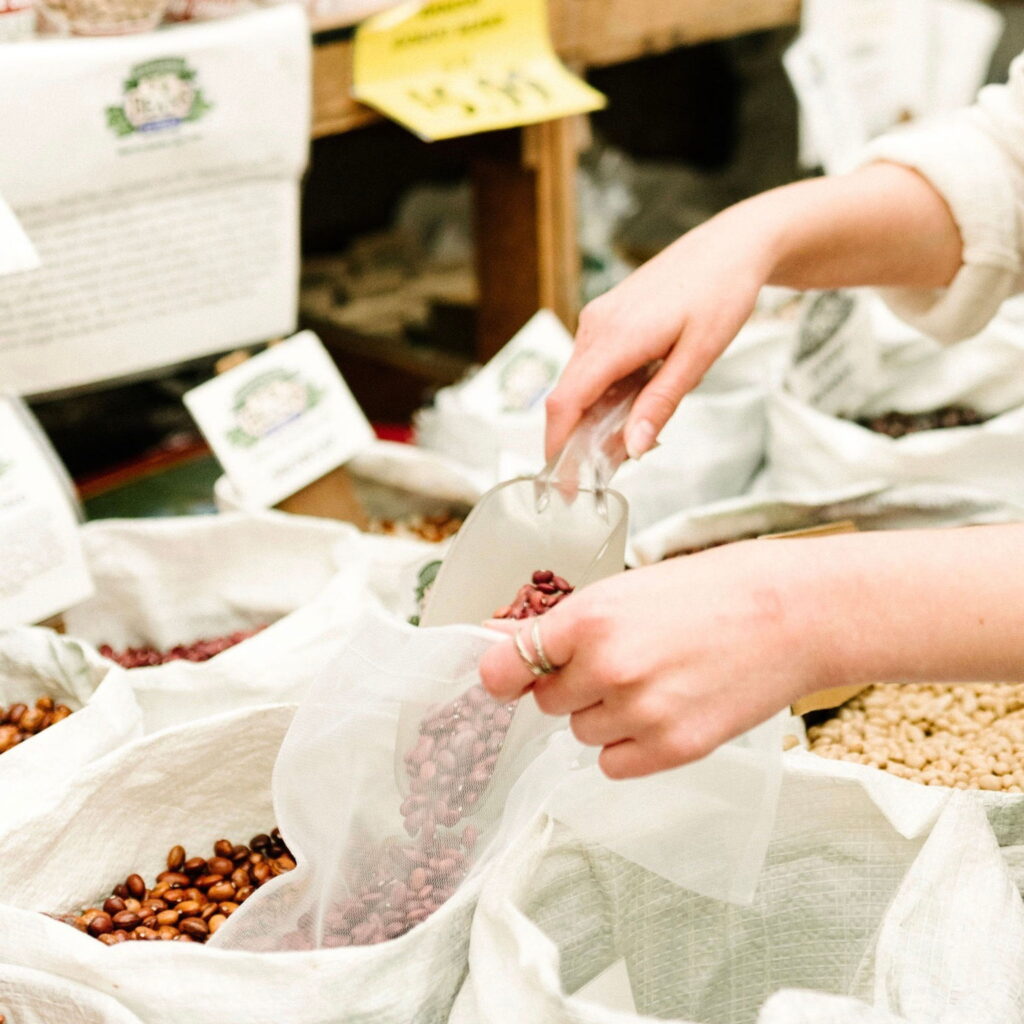
Contrary to the perception that sustainable shopping is more expensive, a disciplined zero-waste approach can significantly reduce monthly expenditures. Data from consumer advocacy groups suggest that buying in bulk can save between 15% and 30% compared to pre-packaged equivalents, as consumers are not paying for the branding and material costs of packaging.
To maintain fiscal discipline, analysts recommend the following:
- Utilizing Cash for Transactions: Using physical currency prevents the "invisible spending" associated with credit cards.
- Leveraging Digital Tools: Most major retailers now offer apps that provide real-time data on sales, coupons, and discounts for items nearing their expiration dates.
- Negotiating at Farmers’ Markets: Local producers are often willing to offer discounts on "seconds"—produce that is slightly bruised or aesthetically imperfect but nutritionally identical to premium stock.
Procurement Essentials
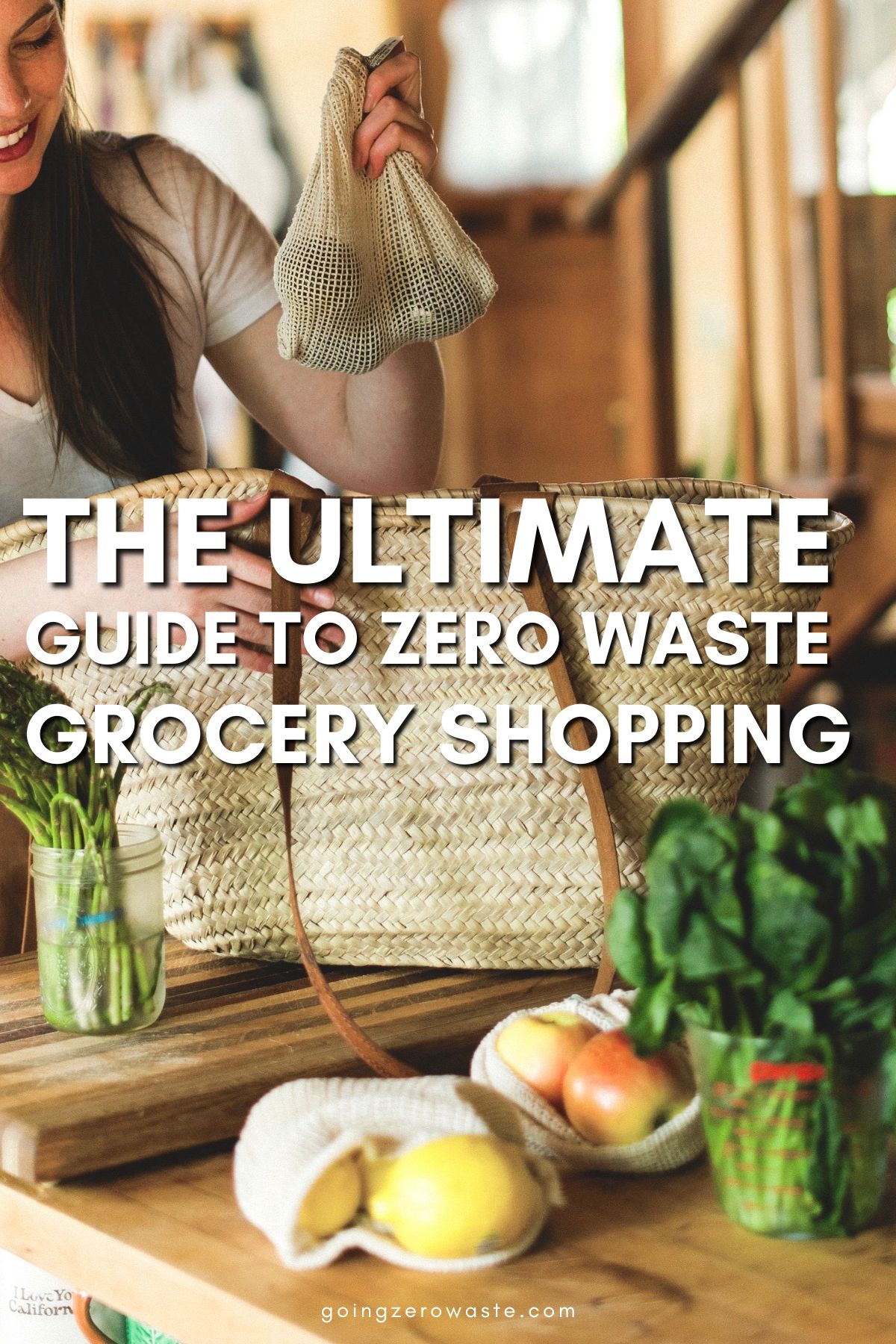
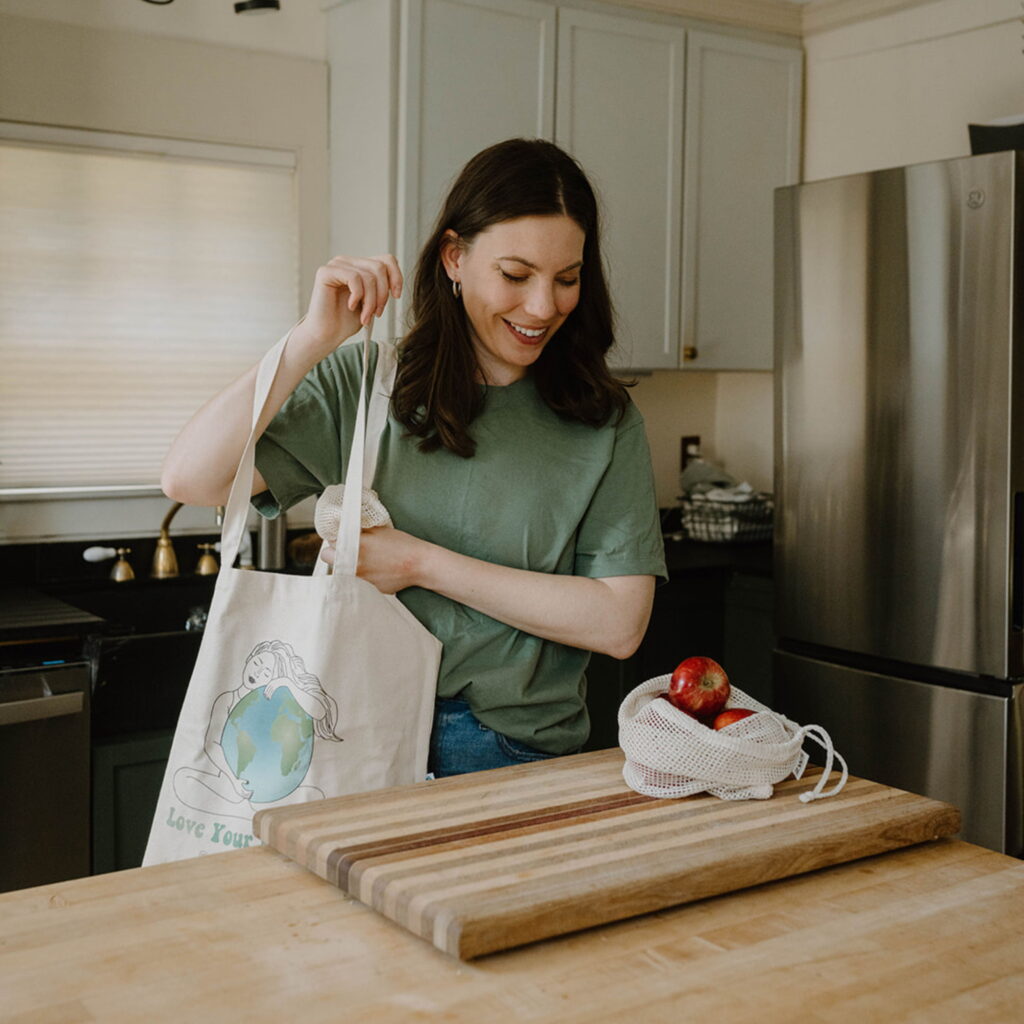
The logistical execution of zero-waste shopping relies on a kit of reusable containers. High-quality cotton mesh bags are recommended for leafy greens and produce, as they allow for airflow, while solid cloth bags are better suited for dry grains and legumes. For bulk liquids and spices, upcycled glass jars remain the industry standard. To prevent breakage during transit, specialized wine bags with internal dividers are frequently utilized to stabilize glass containers.
Food Storage Science and Longevity
The impact of zero-waste shopping is negated if the food spoils before consumption. Understanding the physiological requirements of different produce types is essential for extending shelf life.
Humidity and Ethylene Management
Modern refrigeration technology often includes crisper drawers designed to manage humidity. High-humidity drawers should be reserved for leafy greens (spinach, kale, herbs), while low-humidity drawers are intended for fruits that emit ethylene gas (apples, pears, stone fruits). Ethylene is a natural ripening agent that can cause nearby vegetables to rot prematurely.
Plastic-Free Preservation Techniques
- Hydration-Based Storage: Root vegetables like carrots and celery can remain crisp for several weeks if chopped and stored in glass containers filled with water.
- The Dry Method for Berries: Berries should never be washed until immediately before consumption, as moisture promotes mold growth. Storing them in airtight glass containers in the main body of the fridge—rather than the door—ensures they remain at a consistent, cool temperature.
- Alternative Materials: Metal tiffins, silicone bags, and glass snapware have become the preferred alternatives to traditional plastic storage containers, offering durability and chemical-free food contact.
The Role of "Scraptastic" Cooking in Waste Mitigation
A significant portion of household food waste consists of parts of the plant that are edible but culturally discarded. Journalistic investigations into culinary waste have highlighted that items such as carrot tops, beet greens, and strawberry tops are rich in vitamins and can be integrated into various recipes.
For instance, carrot tops possess a flavor profile similar to parsley and can be utilized in pestos or dressings. Vegetable peels, often viewed as refuse, can be dehydrated into chips or simmered to create a nutrient-dense vegetable stock. By adopting a "nose-to-tail" approach to produce, consumers can maximize the caloric value of their purchases while minimizing their environmental footprint.
Closing the Loop: Composting and Industrial Policy
For organic material that cannot be consumed, composting serves as the final stage of the zero-waste cycle. When food waste is sent to a landfill, it decomposes anaerobically (without oxygen), producing methane—a greenhouse gas with a global warming potential significantly higher than carbon dioxide.
Municipal and Backyard Solutions
Many urban centers have begun implementing curbside compost collection, mirroring the infrastructure of traditional trash and recycling services. These programs often utilize industrial-scale composting facilities capable of processing meat, dairy, and certified compostable plastics that backyard bins cannot handle. For individuals in rural or suburban areas, trench composting or the use of "Bokashi" fermentation systems allows for the onsite processing of food scraps into nutrient-rich soil amendments.
Corporate and Regulatory Responses
The shift in consumer demand toward zero-waste options has prompted responses from major retailers and international governing bodies. The United Nations is currently negotiating a Global Plastic Treaty, which aims to create a legally binding instrument to end plastic pollution.
In the retail sector, several European grocery chains have trialed "naked" produce aisles, removing all plastic packaging from the fruit and vegetable sections. In the United States, some stores have implemented soft-plastic take-back programs, though critics point out that the actual recycling rate for these materials remains low, emphasizing the need for reduction over recycling.
Broader Implications and Analysis
The move toward zero-waste grocery shopping represents a fundamental shift in the relationship between the consumer and the supply chain. While individual actions—such as bringing a tote bag or choosing a "lonely banana"—may seem small, they collectively exert market pressure on retailers to adopt more sustainable practices.

The economic implications are equally profound. As inflation continues to impact global food prices, the ability to procure only what is needed through bulk bins and to preserve that food through scientific storage methods provides a vital buffer for household finances. Furthermore, reducing the demand for virgin plastic production contributes to a decrease in fossil fuel consumption, as the vast majority of plastics are derived from petrochemical feedstocks.
In conclusion, zero-waste grocery shopping is a multifaceted strategy that addresses environmental degradation, economic volatility, and systemic waste. By integrating planning, specialized storage, and a commitment to circularity, consumers can navigate the modern grocery landscape in a way that is both sustainable and fiscally responsible. The transition requires a departure from the "convenience-at-all-costs" mentality of the late 20th century, returning instead to a model of intentional consumption that respects both the resource and the environment.