

The transition toward "clean beauty" is no longer a niche market trend but a fundamental change in consumer behavior. Modern shoppers are increasingly wary of ingredients they cannot pronounce, viewing them as indicators of potential toxicity. While complex chemical nomenclature does not inherently signify danger, the lack of transparency in the cosmetic industry has led to a demand for formulations based on recognizable, organic components such as aloe vera, jojoba oil, and cocoa butter. This shift is supported by the rise of independent watchdogs and certification bodies that provide the oversight often lacking in federal regulatory frameworks.
The Biological Significance of Dermal Absorption
To understand the necessity of non-toxic skincare, one must consider the biological function of the skin. Far from being an impermeable shield, the skin is a dynamic, porous membrane. Research into dermal absorption indicates that a significant percentage of topically applied chemicals can enter the bloodstream, bypassing the digestive system’s metabolic filters. This systemic entry is particularly concerning when products are applied daily over large surface areas, such as the limbs and torso.
The "cumulative load" theory suggests that while a single application of a conventional lotion might contain trace amounts of a specific chemical, the lifetime exposure—combined with other personal care products like shampoo, deodorant, and makeup—can lead to significant internal concentrations. This realization has prompted health experts to advocate for a "precautionary principle" in skincare: if an ingredient is suspected of being harmful and a safer alternative exists, the safer option should be prioritized.
A Chronology of Chemical Concern: Ingredients to Avoid
The history of cosmetic regulation in the United States has remained largely stagnant since the Federal Food, Drug, and Cosmetic Act of 1938. In contrast, the European Union has banned or restricted over 1,300 chemicals in personal care products. This regulatory gap has left American consumers to navigate a landscape filled with potential endocrine disruptors and allergens.
Parabens and Phthalates
Since the early 2000s, parabens (methylparaben, propylparaben, etc.) have been under intense scrutiny. Used as inexpensive preservatives to prevent mold and bacteria growth, parabens have been detected in human breast cancer tissue and are known to mimic estrogen, potentially disrupting the endocrine system. Similarly, phthalates, often used to increase the flexibility of plastics or as solvents in fragrances, have been linked to reproductive developmental issues and hormonal imbalances.
The "Fragrance" Loophole
One of the most significant challenges in the industry is the "fragrance" or "parfum" label. Under current trade secret laws, companies are not required to disclose the specific chemical components that make up a product’s scent. A single "fragrance" listing can represent a cocktail of dozens of undisclosed chemicals, many of which are known allergens or respiratory irritants.
Mineral Oil and Petroleum Derivatives
Mineral oil, a byproduct of petroleum refining, is a staple in conventional lotions due to its occlusive properties, which trap moisture in the skin. However, critics point out that mineral oil can clog pores and interfere with the skin’s natural ability to eliminate toxins. Furthermore, the sourcing and refining process of petroleum-based ingredients carries a heavy environmental footprint, contributing to carbon emissions and habitat degradation.
The Rise of Third-Party Verifications
In the absence of stringent federal oversight, third-party certifications have become the gold standard for non-toxic assurance. The Environmental Working Group (EWG) and its "Skin Deep" database have revolutionized consumer access to safety data. Products that are "EWG Verified" have undergone rigorous screening to ensure they are free from the organization’s "chemicals of concern" and meet strict transparency requirements.

Similarly, the "MADE SAFE" seal signifies that a product has been screened for over 6,500 prohibited ingredients, including behavioral toxins, carcinogens, developmental toxins, and high-risk pesticides. These certifications provide a layer of accountability, forcing brands to substantiate their "natural" or "clean" marketing claims with empirical data.
The Environmental Impact: Beyond the Bottle
The non-toxic movement is inextricably linked to the zero-waste movement. Plastic packaging, particularly single-use bottles, presents a dual threat. Environmentally, the cosmetic industry produces billions of units of plastic packaging annually, the vast majority of which ends up in landfills or the ocean. Chemically, plastic containers can leach Endocrine Disrupting Chemicals (EDCs) and microplastics into the lotions themselves.
Recent studies have identified microplastics in human blood, feces, and even placental tissue, raising alarms about the long-term health implications of plastic saturation. Consequently, the most advanced non-toxic brands are now prioritizing circular economy models, utilizing glass, aluminum, or compostable materials, and offering refill programs to minimize their plastic footprint.
Leading Innovations in Non-Toxic Formulations
The following eight brands represent the current vanguard of non-toxic skincare, balancing high-performance results with uncompromising safety standards and environmental ethics.
1. Osea
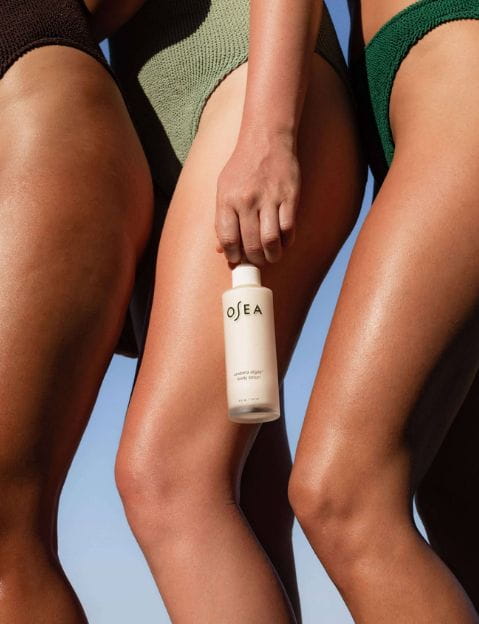
Based in California, Osea has built a reputation on the use of organic seaweed as a primary ingredient. Their formulations are vegan, gluten-free, and EWG Verified. By utilizing glass packaging, Osea addresses both the chemical safety of the product and the reduction of plastic waste. Their Undaria Algae Body Oil and lotions are celebrated for their bioavailable minerals and antioxidants.
2. Attitude
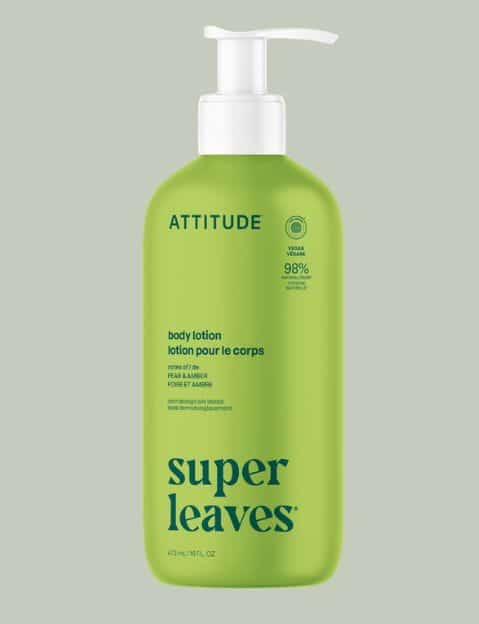
Attitude, a Canadian brand, has become a leader in accessible clean beauty. Their products are ECOLOGO certified and EWG Verified. Notably, Attitude has pioneered the use of "plastic-free" cardboard tubes for their solid body butters and lotions, significantly reducing the carbon footprint associated with shipping liquid products in heavy plastic bottles.
3. Ecoroots
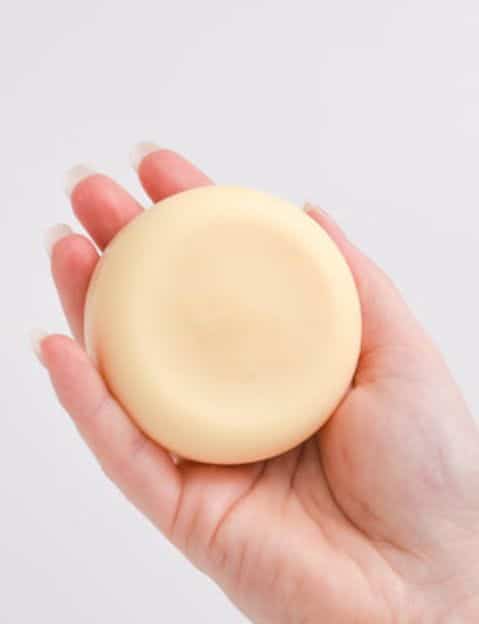
Ecoroots focuses on the intersection of simplicity and sustainability. Their body lotions are often formulated as solids or creams in glass jars, emphasizing organic oils and butters. The brand’s commitment to plastic-free shipping and minimalist ingredient lists appeals to consumers looking to simplify their skincare routines without sacrificing efficacy.
4. Public Goods
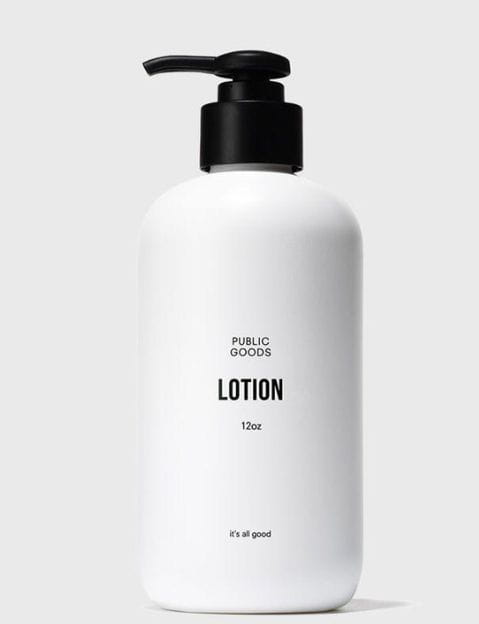
Public Goods operates on a membership model designed to provide high-quality, non-toxic essentials at a lower price point. Their lotions are free from parabens, synthetic fragrances, and dyes. While they use plastic bottles, they offer large-scale refills, encouraging consumers to reuse their original containers rather than purchasing new ones.
5. Plaine Products
Plaine Products is a pioneer in the refillable beauty space. They utilize a unique "closed-loop" system where consumers receive products in aluminum bottles and return the empties to be cleaned and refilled. Their lotions are vegan, non-GMO, and free from all major chemical concerns, making them a top choice for zero-waste advocates.
6. The Good Fill
A Nashville-based refill shop that has expanded nationally, The Good Fill offers a range of unscented and naturally scented lotions. Their focus is on high-quality, bulk ingredients that allow consumers to reduce packaging waste significantly. Their "unscented" options are particularly favored by those with extreme chemical sensitivities.
7. Meow Meow Tweet
Known for its whimsical branding and serious commitment to ethics, Meow Meow Tweet offers lotions in glass bottles with metal pumps. Their formulations are heavy on botanicals, such as aloe and rose, and they maintain a strictly vegan and cruelty-free production line. They also offer a bulk refill program for many of their core products.
8. Upcircle
Upcircle has gained international acclaim for its "circular" approach to beauty. They rescue high-quality ingredients that would otherwise go to waste—such as coffee grounds from London cafes or discarded fruit stones—and transform them into nutrient-rich skincare. Their body lotions are housed in glass and metal, emphasizing the brand’s dedication to a waste-free world.
Industry Implications and Market Analysis
The growth of the non-toxic lotion market is reflective of a broader shift in the $500 billion global beauty industry. Market analysts suggest that "clean beauty" is currently the fastest-growing segment of the personal care sector, with a projected compound annual growth rate (CAGR) of nearly 12% over the next decade. This growth is being driven by Millennials and Gen Z, demographics that prioritize brand ethics and ingredient transparency over traditional brand loyalty.
Major retailers are also responding to this shift. In recent years, giants like Sephora and Target have introduced "Clean" labeling programs to help consumers identify products free from specific harmful chemicals. While these programs have faced criticism for lack of standardization, they signal a mainstream acceptance of non-toxic principles.
The Future of Skincare Regulation
The regulatory landscape is finally beginning to show signs of movement. In December 2022, the U.S. Congress passed the Modernization of Cosmetics Regulation Act (MoCRA), the first significant update to cosmetic laws in over 80 years. MoCRA grants the FDA expanded authority to oversee product safety, mandate facility registrations, and require the disclosure of fragrance allergens.
While MoCRA is a step forward, advocates argue that it does not go far enough in banning specific high-risk chemicals that are already prohibited in other jurisdictions. As a result, the responsibility remains largely with the consumer to stay informed and with brands to maintain higher-than-required standards.
The move toward non-toxic lotion is more than a aesthetic choice; it is an act of health advocacy and environmental stewardship. By choosing products that respect the skin’s biological integrity and the planet’s ecological limits, consumers are driving a necessary revolution in how we define beauty and care. As transparency becomes the new industry standard, the era of "mystery chemicals" in skincare is rapidly coming to a close, replaced by a future of clean, effective, and sustainable formulations.


