
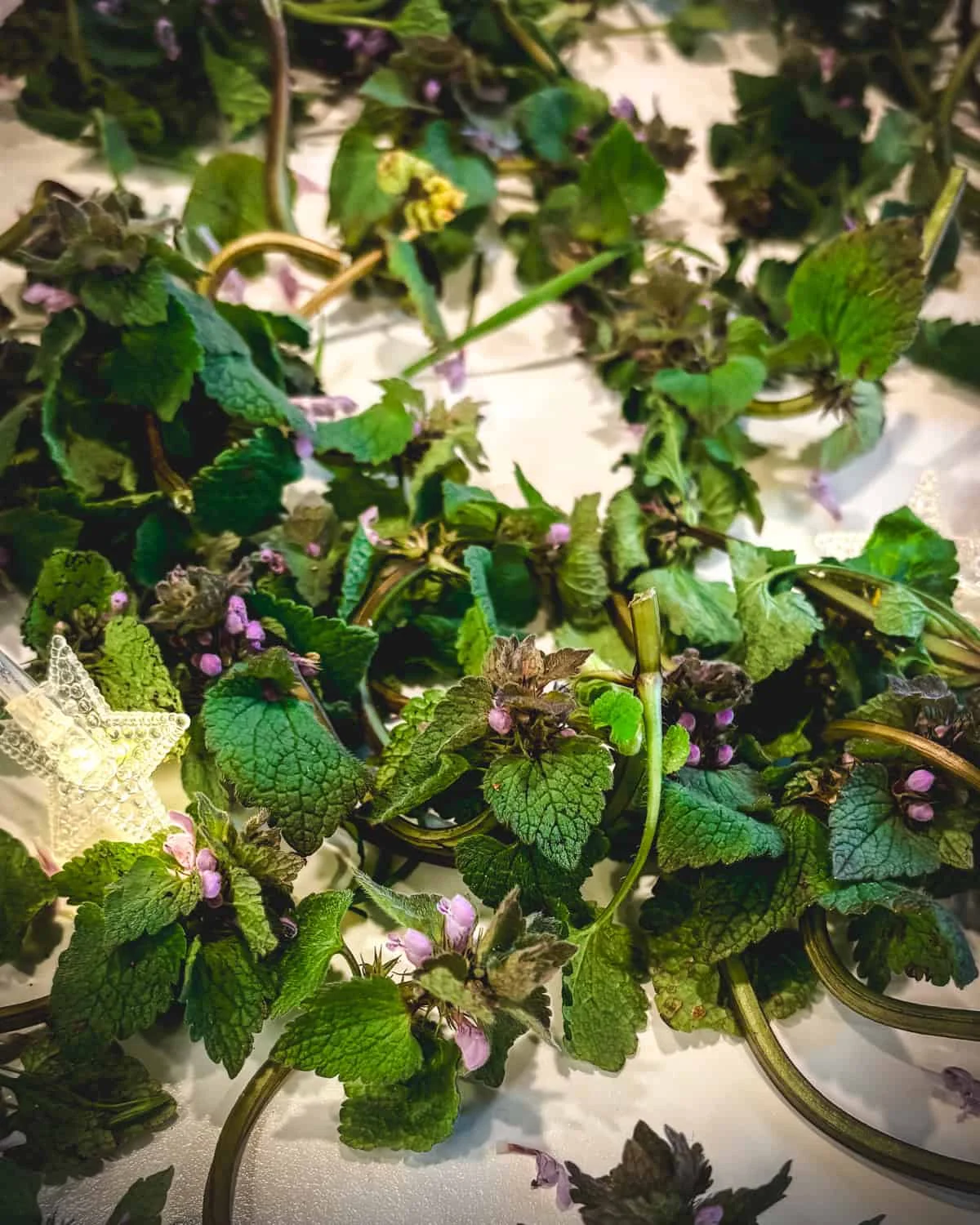
As the spring equinox approaches across the Northern Hemisphere, a pervasive yet frequently overlooked botanical begins to carpet suburban lawns and forest edges. Purple dead nettle, known scientifically as Lamium purpureum, is increasingly transitioning from its status as a common garden weed to a valued asset in the burgeoning field of domestic herbalism. This annual herbaceous plant, a member of the Lamiaceae or mint family, is garnering attention for its accessibility, safety profile, and significant topical benefits. For beginning herbalists and advocates of sustainable living, the production of purple dead nettle salve represents a practical entry point into the world of wild-foraged medicine, offering a gentle alternative to synthetic topical treatments.
Botanical Profile and Identification Characteristics
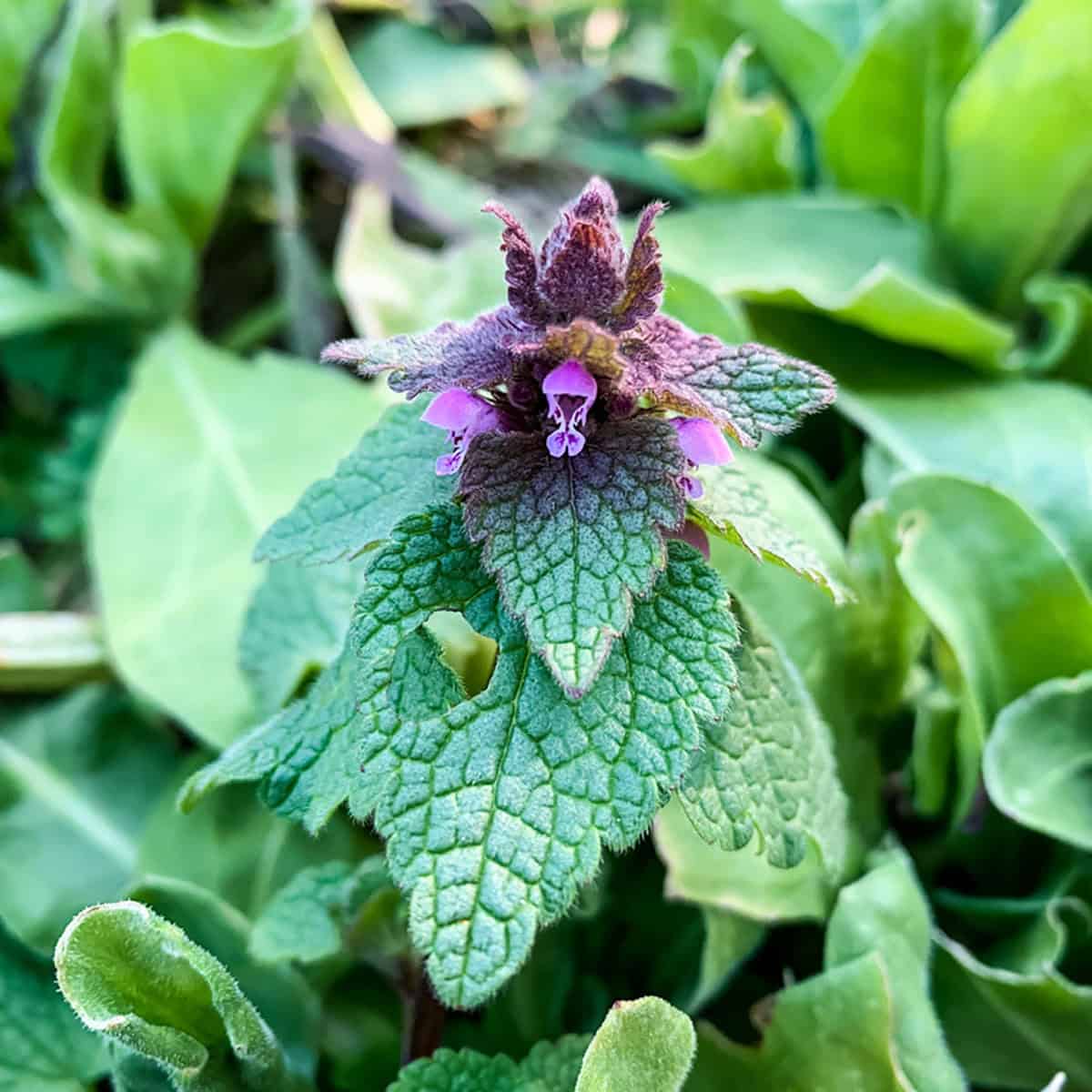
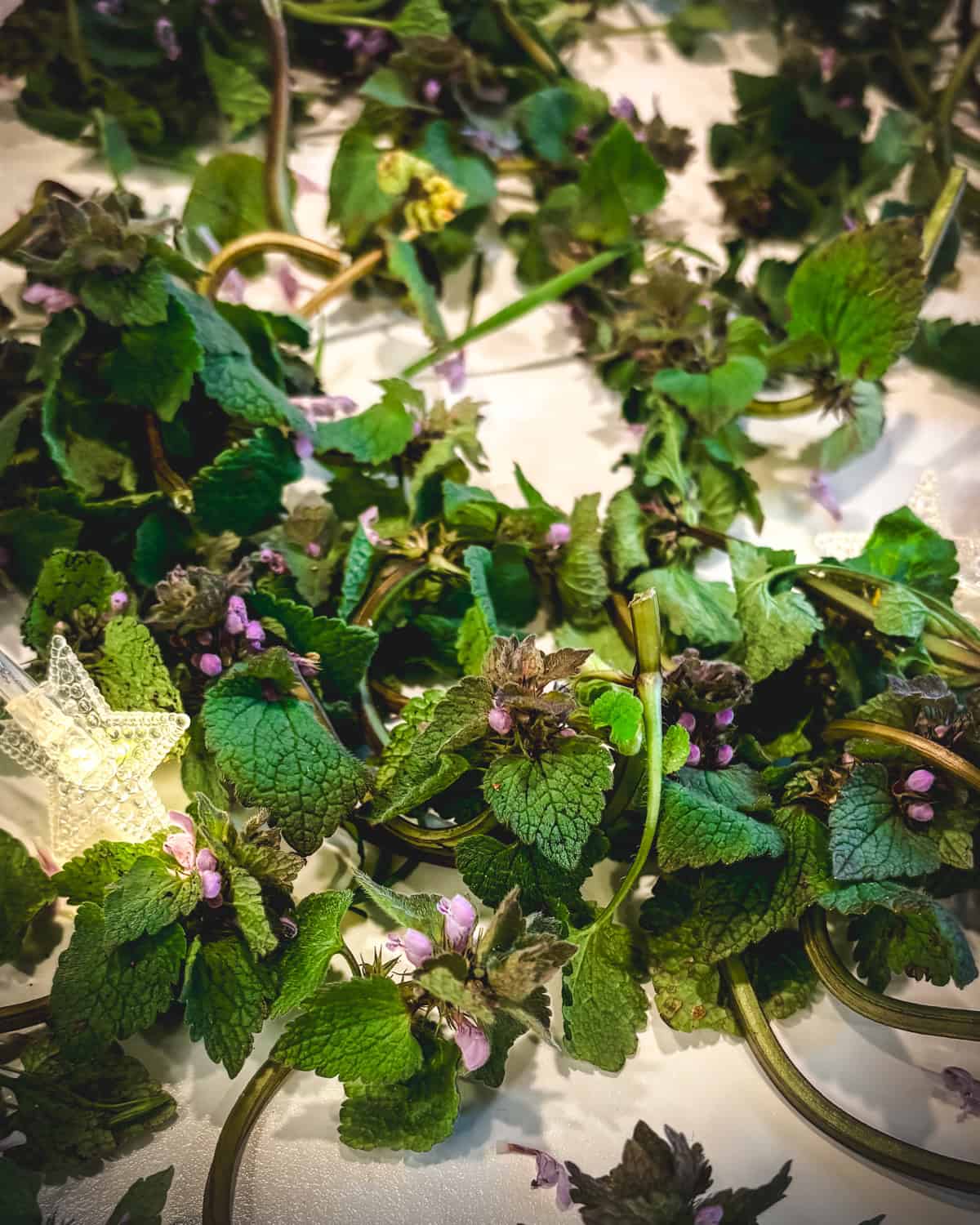
Understanding the botanical structure of Lamium purpureum is essential for safe foraging. Despite its name, the plant is not a true nettle; it lacks the stinging trichomes found in the Urtica genus. The term "dead" refers specifically to this lack of stinging capability. Identifying the plant requires observation of its distinct morphology: a square stem characteristic of the mint family, opposite heart-shaped leaves with serrated edges, and a vibrant transition of color where the upper leaves fade into shades of reddish-purple.
The plant typically reaches a height of 5 to 20 centimeters. Its flowers are light purple or pink, bilabiate in shape, and arranged in whorls known as verticillasters. One of the primary reasons Lamium purpureum is recommended for novice foragers is the absence of toxic look-alikes. While it is frequently confused with Henbit (Lamium amplexicaule), both species are edible and medicinal, significantly reducing the risk of accidental poisoning. Henbit is distinguished by its lack of petioles (stems) on the upper leaves, which appear to wrap directly around the main plant stalk.
Phytochemical Composition and Therapeutic Potential
The resurgence of interest in purple dead nettle is supported by an increasing body of phytochemical research. Traditional herbalism has long utilized the plant for its astringent, diaphoretic, and diuretic properties, but modern analysis focuses heavily on its topical applications. Studies suggest that Lamium purpureum contains high concentrations of flavonoids, phenolic acids, and iridoid glycosides.
A study published in the journal Molecules highlighted that the Lamium genus possesses bioactive compounds that exhibit significant anti-inflammatory and antimicrobial activity. The presence of germacrene and other essential oils contributes to its antibacterial and antifungal profile. When infused into a carrier oil and formulated into a salve, these compounds are delivered to the epidermis, where they can assist in the mitigation of minor skin irritations, including contact dermatitis, insect bites, and abrasions. Furthermore, the plant is noted for being a source of Vitamin C, iron, and fiber, though its nutritional value is primarily realized through ingestion rather than topical application.
The Chronology of Seasonal Foraging and Preparation
The lifecycle of purple dead nettle dictates a specific timeline for those wishing to harness its medicinal properties. As an early spring ephemeral, it is one of the first sources of nectar for bees emerging from winter dormancy. Ethical foraging practices suggest waiting until the plant is abundant before harvesting to ensure local pollinator populations are supported.
Phase I: Harvesting and Dehydration
Foragers typically begin collecting the aerial parts of the plant—the leaves and purple tops—in late March through May, depending on the hardiness zone. For optimal potency, harvesting should occur on a dry morning after the dew has evaporated but before the heat of the afternoon sun begins to dissipate the plant’s volatile oils.
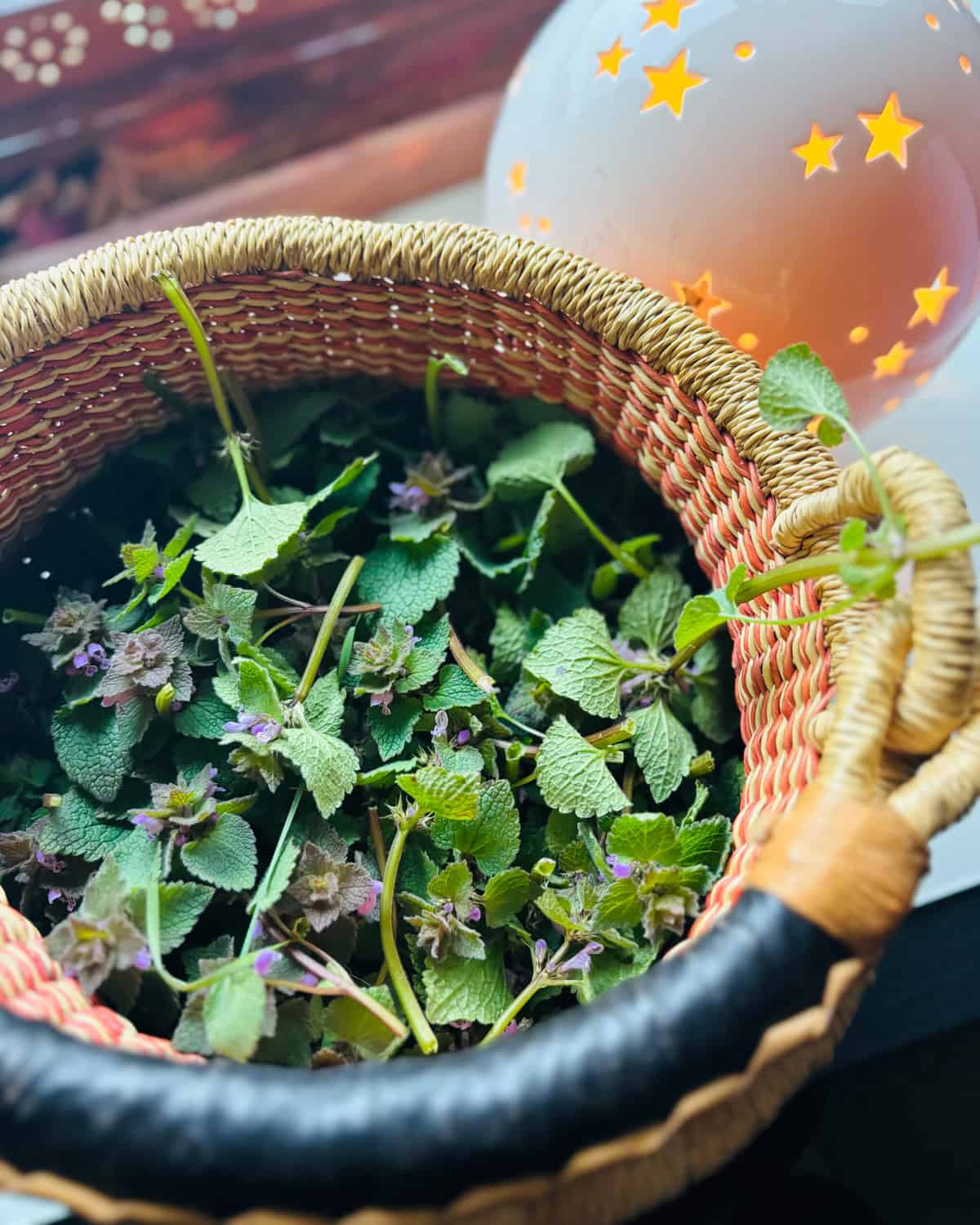
Once harvested, the plant material must undergo a dehydration process. Using fresh plants in oil infusions introduces water content, which significantly increases the risk of microbial growth and rancidity. The plant material should be laid in a single layer on drying racks or screens in a well-ventilated area away from direct sunlight. This process generally takes two to four days, depending on ambient humidity.
Phase II: The Infusion Process
There are two primary methodologies for extracting the fat-soluble compounds from the dried nettle: the solar infusion method and the accelerated heat method.
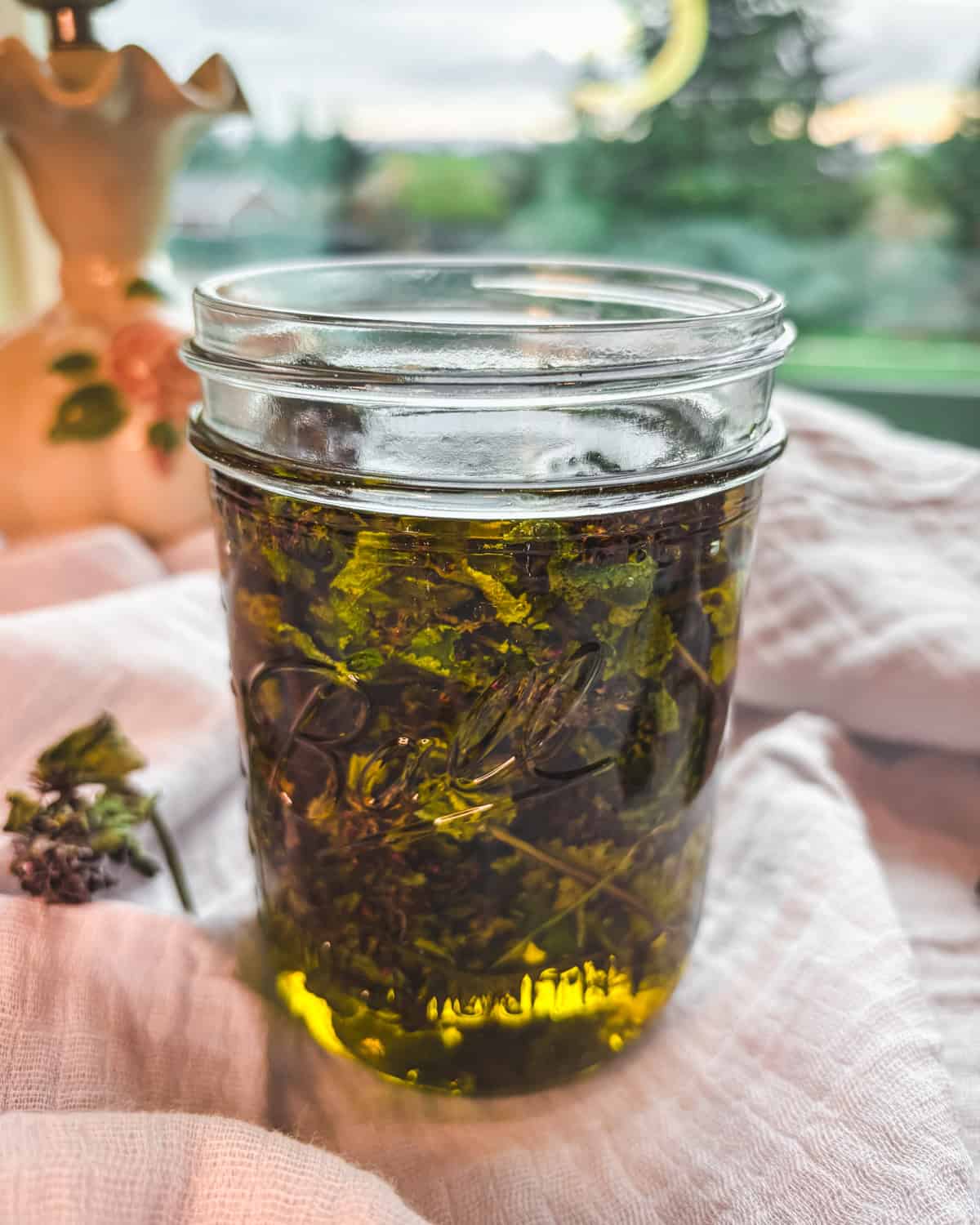
- Solar Infusion (Traditional): Dried nettle is placed in a sterilized glass jar and submerged in a carrier oil, such as extra virgin olive oil. The jar is sealed and placed in a cool, dark location (or occasionally a sunny windowsill for gentle warmth) for a period of four to six weeks. This slow extraction is favored by traditionalists for preserving the integrity of delicate heat-sensitive compounds.
- Accelerated Heat Method: For those requiring a faster turnaround, the plant material and oil are combined in a double boiler. The mixture is kept at a very low simmer—ideally not exceeding 110 degrees Fahrenheit—for four to eight hours. This method is particularly useful if the plant material was not entirely dehydrated, as the heat helps evaporate residual moisture.
Formulation and Technical Specifications of the Salve
The transition from an infused oil to a stable salve requires the introduction of a hardening agent, most commonly beeswax. This process creates an occlusive barrier on the skin, which not only delivers the herbal properties of the nettle but also protects the skin from environmental stressors and prevents trans-epidermal water loss.
Ingredient Ratios and Selection
The standard ratio for a functional salve is approximately one ounce of beeswax per cup of infused oil. However, this can be adjusted based on the desired consistency and the climate; warmer environments may require a slightly higher beeswax content to prevent melting.

- Carrier Oils: While olive oil is the industry standard due to its shelf stability and skin-penetrating qualities, many formulators utilize a blend. Coconut oil adds antimicrobial properties and a firmer texture at room temperature, while sweet almond oil offers a lighter feel and high Vitamin E content.
- Beeswax: The use of beeswax pastilles is recommended for precision in measurement and ease of melting.
- Aromatic Additives: Essential oils such as lavender (Lavandula angustifolia) or peppermint (Mentha piperita) are often added during the cooling phase. These provide more than just scent; lavender offers additional soothing properties, while peppermint provides a cooling sensation and acts as a mild analgesic.
The Manufacturing Procedure
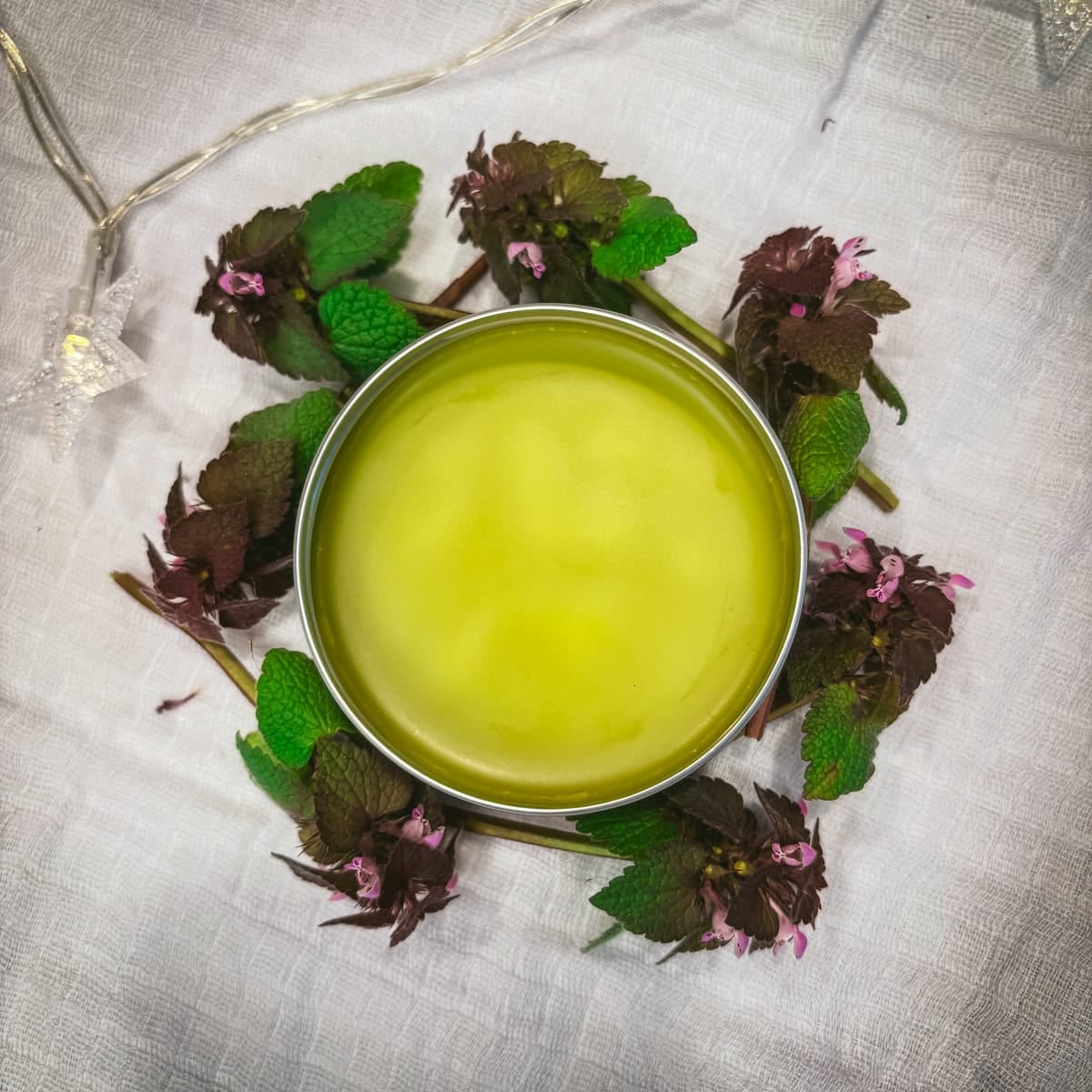
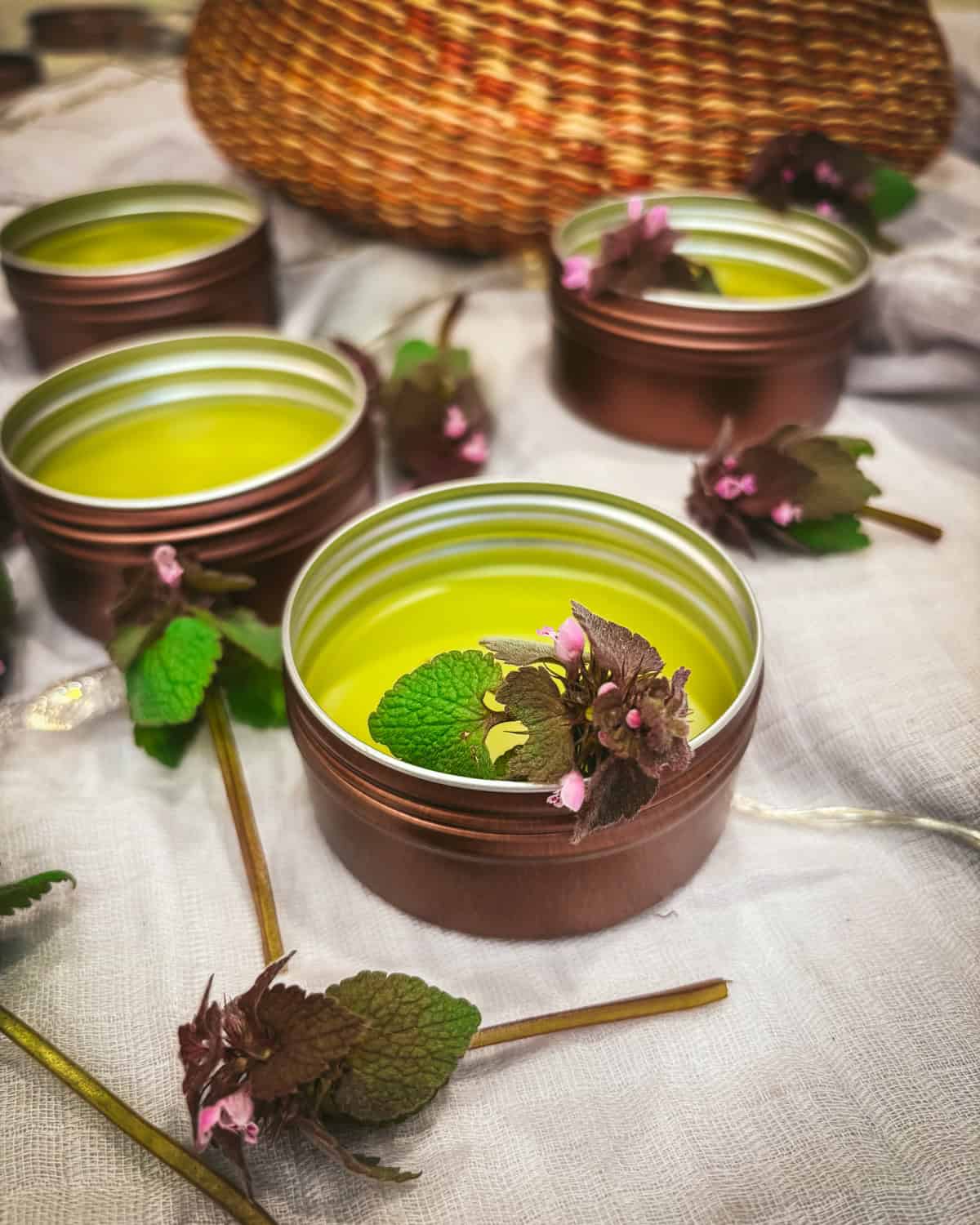
The infused oil is strained through a fine-mesh cloth or several layers of cheesecloth to remove all botanical debris. The measured oil is then combined with the beeswax in a double boiler. Once the wax has fully liquefied, the mixture is removed from the heat. Essential oils are stirred in quickly to prevent the evaporation of their volatile components. The liquid is then poured into sterilized tins or glass jars and left to cool undisturbed for several hours.
Broader Impact and Economic Implications
The rise of "backyard herbalism" and the DIY skincare movement reflects a broader societal shift toward self-sufficiency and transparency in personal care products. As consumers become increasingly wary of complex ingredient lists in commercial ointments—which often include petroleum derivatives, synthetic fragrances, and paraben preservatives—the purple dead nettle salve offers a transparent, biodegradable, and cost-effective alternative.

Sustainability and Ecosystem Services
From an environmental perspective, utilizing Lamium purpureum is an exercise in invasive species management and sustainable consumption. In many regions, the plant is considered an invasive or opportunistic weed that competes with garden crops. By harvesting it for medicinal use, gardeners can manage their land without the need for chemical herbicides. Furthermore, the "zero-mile" supply chain of a backyard salve significantly reduces the carbon footprint associated with the manufacturing and shipping of commercial pharmaceuticals.
Economic Accessibility
The cost-benefit analysis of home-produced salves is compelling. While a high-quality organic topical ointment can retail for significant sums, the primary ingredients for a dead nettle salve are often free (the plant) or inexpensive (bulk oil and wax). This makes high-quality skin care accessible to a wider demographic, particularly in rural or underserved areas where access to specialized botanical products may be limited.
Official Responses and Expert Perspectives
While the botanical community is largely supportive of the use of Lamium purpureum, the medical community maintains a stance of "cautious observation." Dermatologists generally note that while herbal salves can be effective for minor irritations, they should not replace professional medical advice for chronic conditions like psoriasis or severe allergic reactions.
Safety remains the paramount concern. Experts recommend a "patch test" for any new topical application. Users should apply a small amount of the salve to the inner forearm and wait 24 hours to ensure no hypersensitivity or allergic reaction occurs. Furthermore, because Lamium purpureum is a known accumulator of minerals, it is vital to forage from areas that have not been treated with pesticides, heavy metals, or chemical fertilizers.
Broader Implications for Modern Herbalism
The story of the purple dead nettle salve is emblematic of a larger movement toward reclaiming traditional knowledge through the lens of modern science. As research continues to validate the traditional uses of "common weeds," the boundary between professional pharmacology and domestic herbalism becomes more porous.
The simplicity of the purple dead nettle salve serves as an educational tool, demystifying the process of medicine-making and encouraging a deeper connection with the local environment. It reinforces the idea that the natural world provides a sophisticated "pharmacy" right at one’s doorstep, provided one has the knowledge to identify and the skill to formulate. In an era of global supply chain instabilities and rising healthcare costs, the ability to produce a soothing, effective, and safe skin treatment from the "weeds" of early spring is more than just a hobby—it is a step toward personal and community resilience.


