
The Nutritional Profile of Chicken Liver in Canine Diets
Chicken liver is frequently classified as a "superfood" in the context of canine nutrition due to its dense concentration of essential vitamins and minerals. Unlike muscle meat, which provides the primary protein source for dogs, organ meats like the liver offer a different spectrum of biological benefits. Chicken liver is an exceptional source of high-quality protein, but its primary value lies in its micronutrient content. It is rich in Vitamin A, which is vital for maintaining healthy vision, skin, and coat, as well as supporting the immune system. Additionally, it contains significant levels of B vitamins—specifically B12, riboflavin, and folate—which play crucial roles in energy metabolism and nervous system function.
From a mineral perspective, chicken liver provides a bioavailable source of iron, copper, and zinc. Iron is essential for the formation of hemoglobin and the transport of oxygen in the blood, while copper aids in iron absorption and the formation of connective tissue. However, nutritional science dictates that liver must be fed in moderation. Because it is so rich in Vitamin A, excessive consumption can lead to Vitamin A toxicity (hypervitaminosis A), a condition that can cause joint stiffness, digestive issues, and skin problems. Veterinary experts generally recommend that organ meats constitute no more than 5% to 10% of a dog’s total caloric intake.
The Economic Impact of DIY Pet Treats
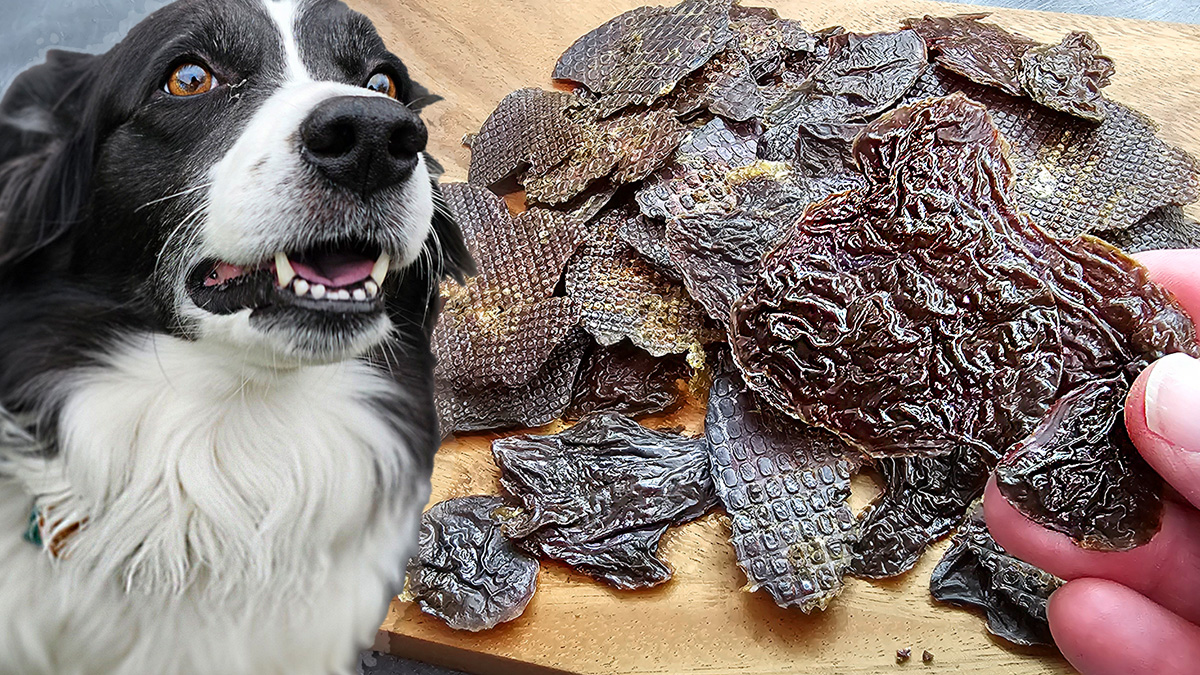
The pet treat industry has seen exponential growth over the last decade, with the global market valued at billions of dollars. Premium, single-ingredient treats, such as freeze-dried or dehydrated liver, often command high retail prices, sometimes exceeding $30 to $40 per pound when calculated by weight. In contrast, raw chicken liver is one of the most affordable animal proteins available in grocery stores and from local butchers, often priced between $1.50 and $3.00 per pound.
By processing these treats at home, pet owners can achieve a cost reduction of approximately 80% to 90% compared to purchasing brand-name equivalents. Furthermore, DIY production allows for the utilization of "offal" or "variety meats" that might otherwise go to waste in the human food supply chain, contributing to a more sustainable and circular food economy. The financial benefits extend beyond the initial purchase price; by controlling the ingredients, owners may also reduce long-term veterinary costs associated with obesity or allergies triggered by the additives found in lower-quality commercial snacks.
Chronology of the Dehydration Process
Creating dehydrated chicken liver treats requires a systematic approach to ensure both the nutritional integrity of the product and the safety of the pet. The process begins with the selection of high-quality raw materials. While conventional chicken livers found in tubs at local supermarkets are sufficient, some owners opt for organic or pasture-raised livers to minimize the animal’s exposure to antibiotics or synthetic hormones.
Step 1: Preparation and Cleaning
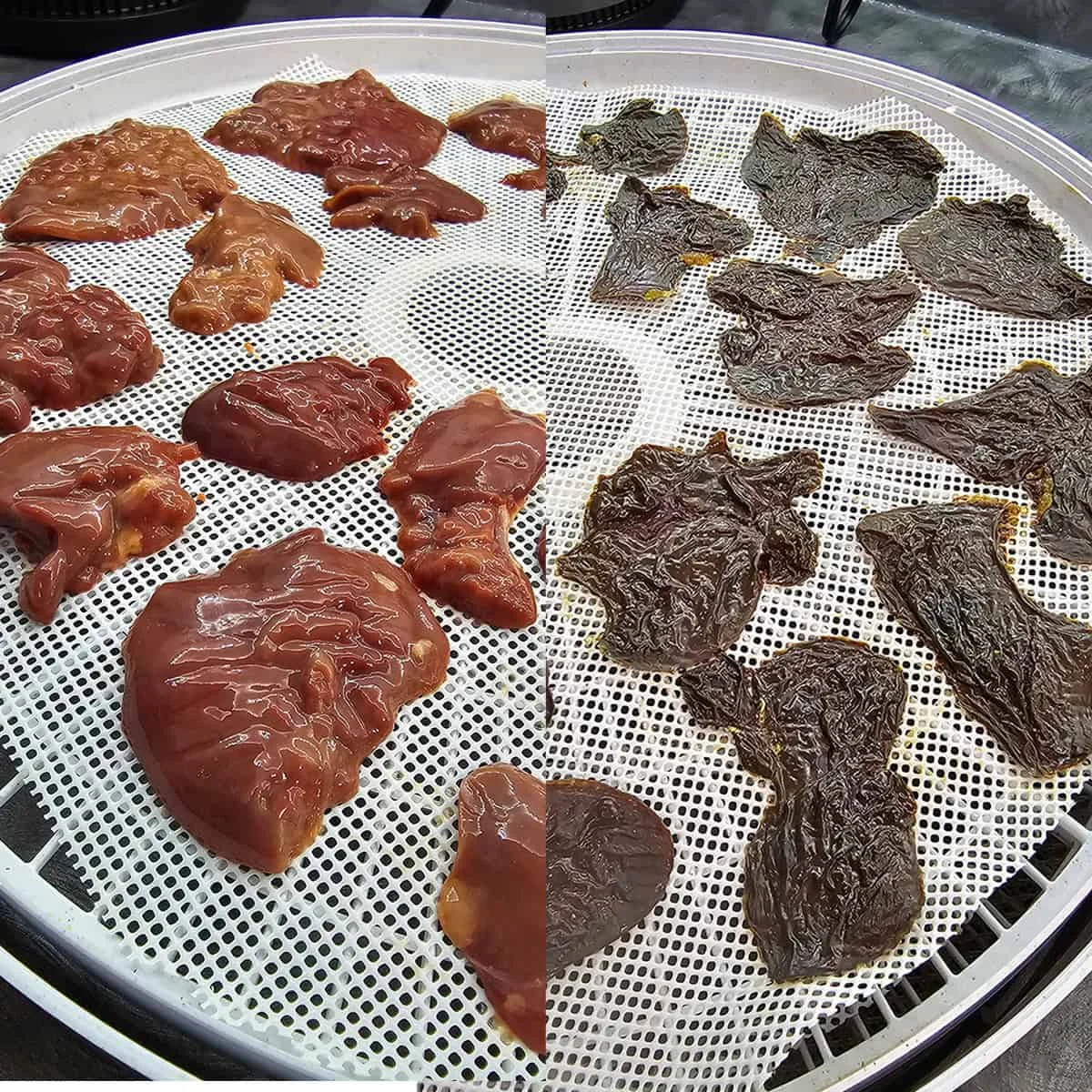
The raw livers must first be rinsed under cold water to remove excess blood and any remaining connective tissue. Because liver has a slippery, soft texture, it can be difficult to slice uniformly. A common industry-standard tip is to partially freeze the liver for 30 to 60 minutes before cutting. This firms the tissue, allowing for consistent slices. For training treats, slices should be approximately 1/4 inch thick. Uniformity is critical because it ensures that all pieces reach the same level of "water activity" (moisture content) at the same time, preventing some pieces from being under-dried while others become brittle.
Step 2: Tray Arrangement
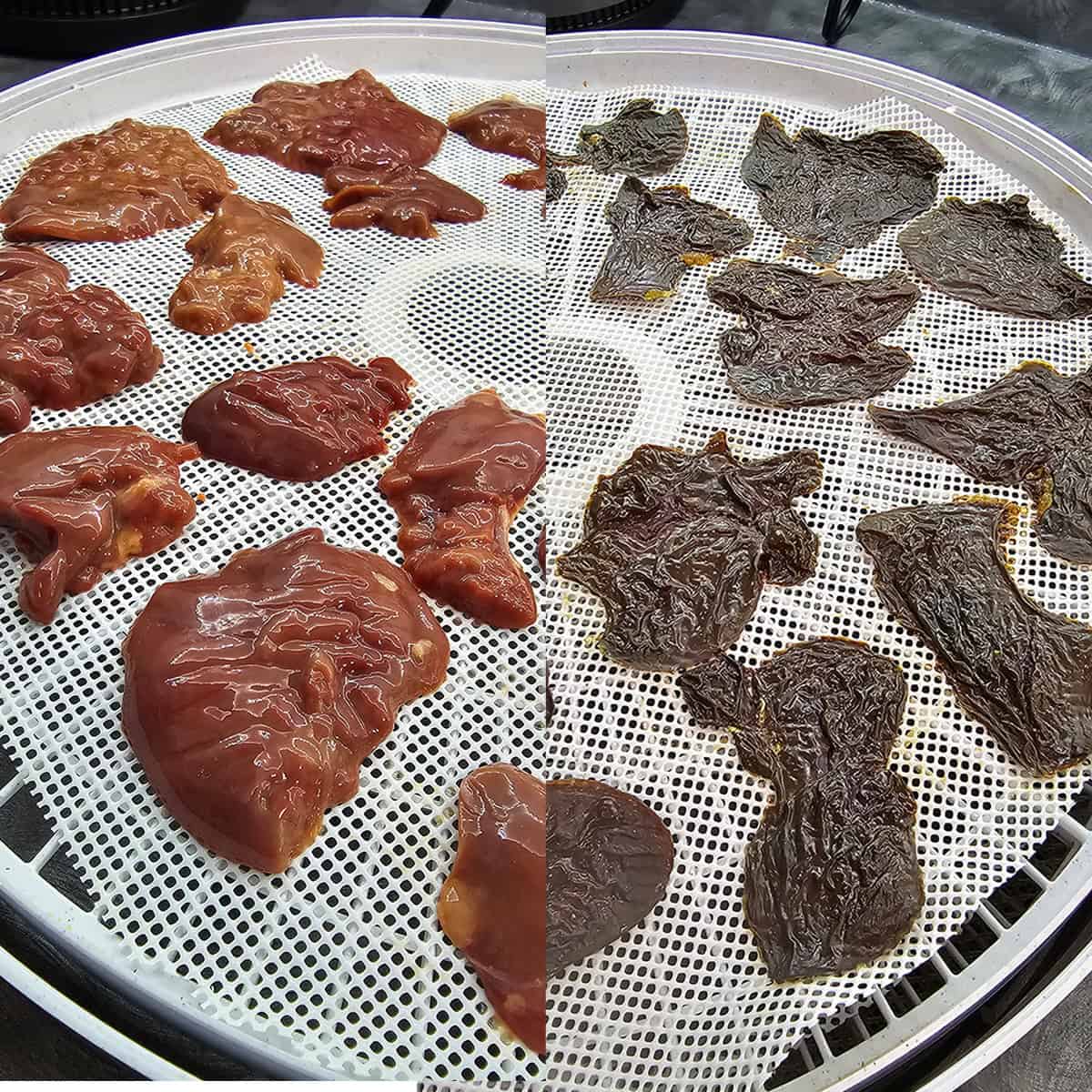
The sliced liver is then arranged on dehydrator trays. It is imperative to leave space between the pieces to allow for adequate airflow. Overcrowding the trays can lead to "case hardening," where the outside of the meat dries too quickly, trapping moisture inside and creating a breeding ground for bacteria. No seasonings, oils, or salts should be added, as these can be harmful to dogs or interfere with the dehydration process.
Step 3: Thermal Processing
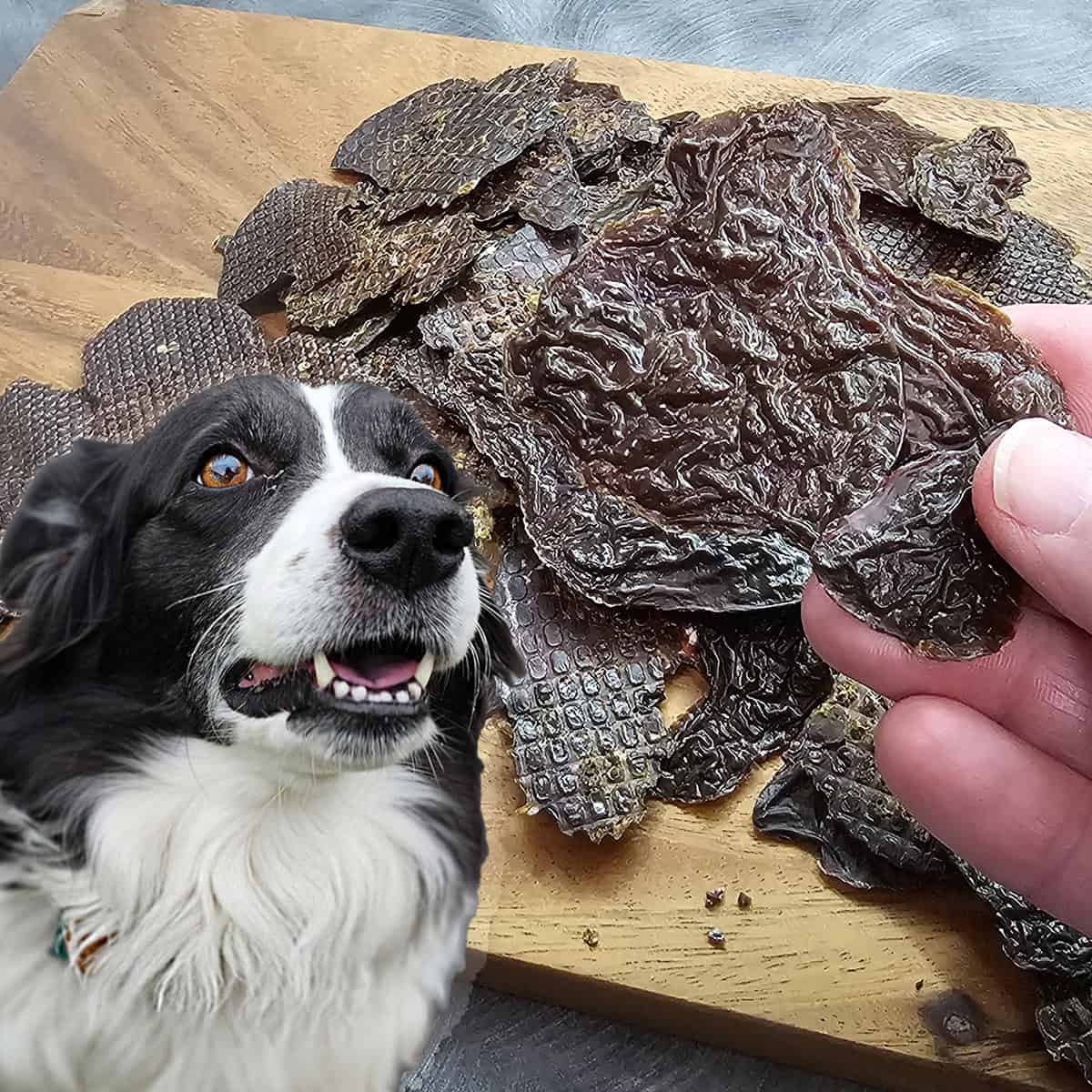
For poultry products, the United States Department of Agriculture (USDA) and food safety experts recommend a dehydration temperature of at least 160°F (71°C). This temperature is necessary to kill potential pathogens such as Salmonella and E. coli, which are common in raw poultry. The dehydration time typically ranges from 6 to 12 hours, depending on the humidity of the environment and the thickness of the slices. The goal is a "leathery" or "snappy" texture. When bent, the treat should crack or break rather than stretch.
Alternative Methodology: Oven Dehydration
For pet owners who do not own a dedicated dehydrator, the kitchen oven serves as a viable alternative, though it requires closer monitoring. Most modern ovens have a minimum temperature setting of 170°F or 200°F. To simulate a dehydrator, the oven should be set to its lowest possible temperature.
The prepared liver is placed on a wire cooling rack set atop a baking sheet. This elevation is crucial as it allows heat to circulate underneath the meat, mimicking the airflow of a dehydrator. If the oven temperature cannot be set low enough, the oven door can be propped open slightly with a heat-resistant utensil to allow moisture to escape and to keep the internal temperature from rising too high. Oven drying is generally faster than using a dehydrator, typically taking 3 to 5 hours, but it carries a higher risk of "cooking" the meat rather than drying it, which can slightly alter the nutrient profile.
Safety Protocols and Storage Science
The shelf life of dehydrated treats is determined by their water activity level. By removing the moisture, the environment becomes inhospitable for mold and bacterial growth. However, because home dehydration is not as precise as industrial freeze-drying, specific storage protocols must be followed to ensure safety.
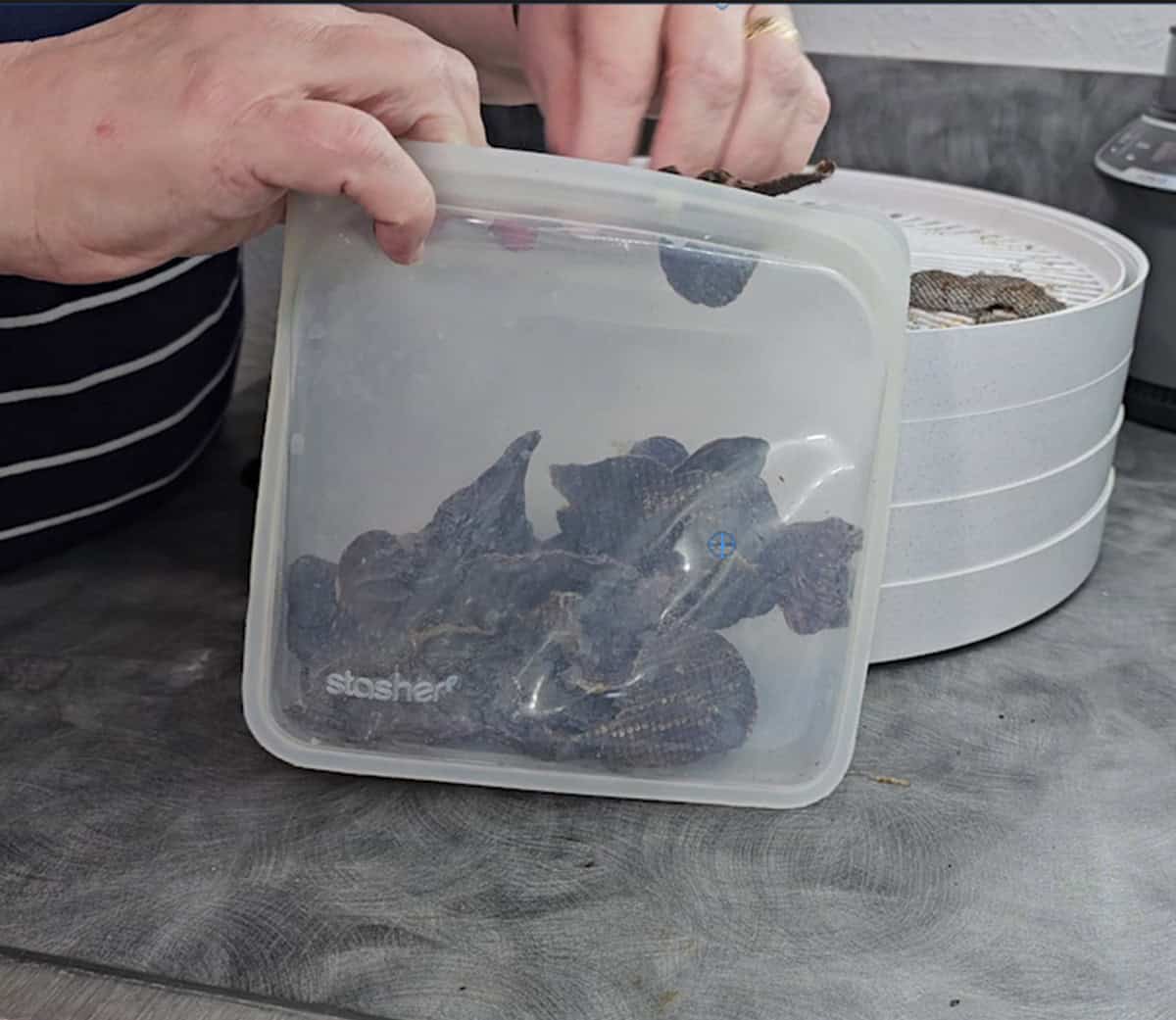
Once the dehydration cycle is complete, the treats must be allowed to cool completely at room temperature. Packaging warm treats in a sealed container will cause condensation, which introduces moisture back into the environment and leads to rapid spoilage. Once cooled, the treats should be stored in an airtight container.
For short-term use (up to two weeks), a cool, dry pantry is sufficient. For long-term storage, the treats should be kept in the refrigerator (up to four weeks) or the freezer (up to six months). Using moisture-absorbent silica gel packets (food-grade) can further extend the shelf life by capturing any residual humidity. Owners should always inspect the treats for any signs of mold or "off" odors before feeding them to their pets.
Analysis of Broader Implications for Pet Health
The transition to DIY treats represents a significant shift in the relationship between pet owners and the global food supply chain. In 2007 and again in subsequent years, the pet food industry was rocked by major recalls involving contaminated jerky treats imported from overseas, which were linked to Fanconi syndrome and other kidney-related illnesses in dogs. These events created a lasting distrust among consumers regarding the transparency of ingredient sourcing in the commercial pet treat market.
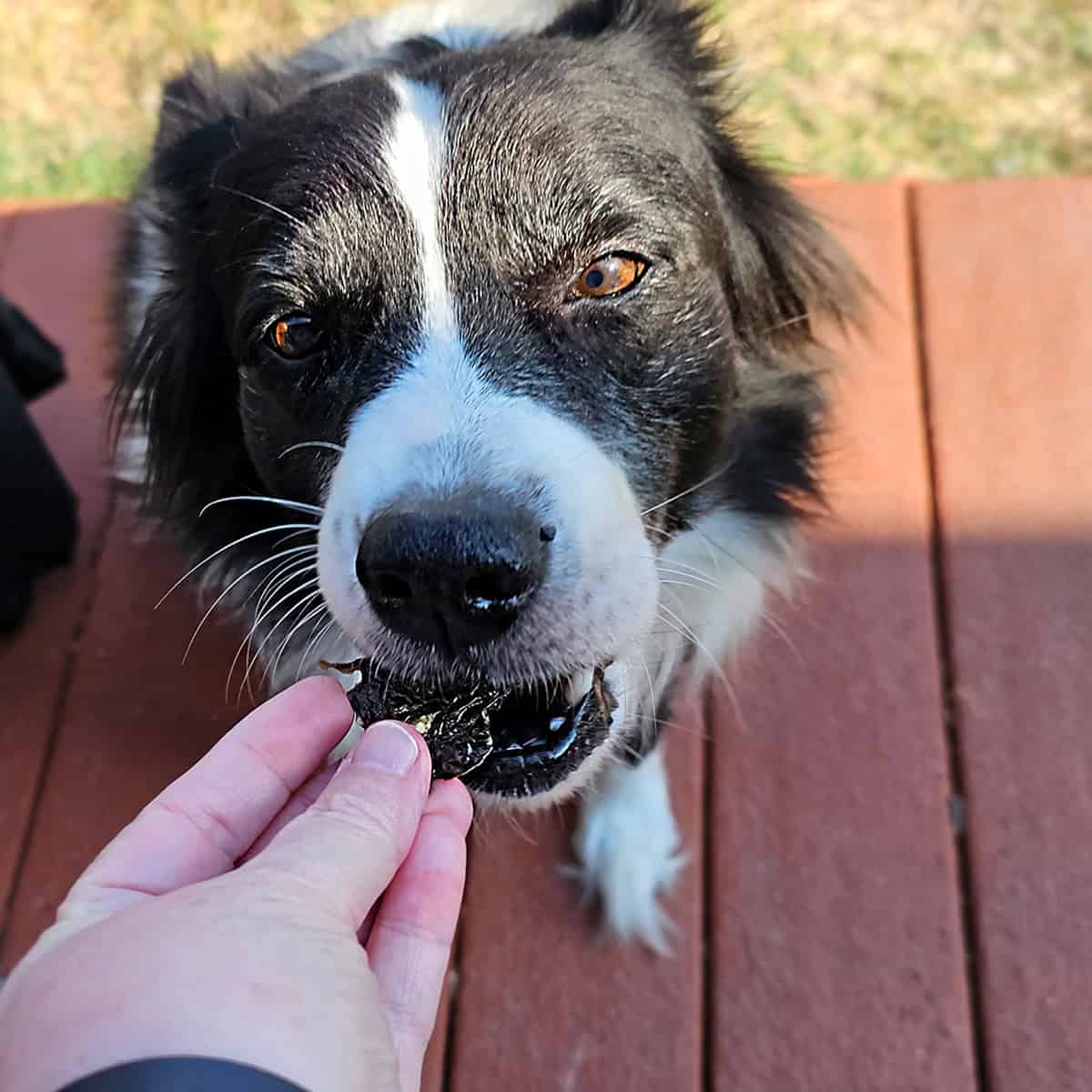
By producing treats at home, owners eliminate the "middleman" and the mystery of the manufacturing facility. This transparency is particularly beneficial for dogs with specific dietary sensitivities or chronic health conditions. Furthermore, the high palatability of chicken liver makes it an ideal tool for positive reinforcement training. Professional dog trainers often prioritize "high-value" treats—those with a strong scent and taste—to maintain a dog’s focus in distracting environments. Dehydrated liver provides this high-value motivation without the added sugars or glycerin often found in commercial "soft and chewy" treats.
Conclusion and Future Outlook
The practice of dehydrating chicken liver at home is more than a culinary hobby; it is a calculated approach to pet wellness and financial management. As more data emerges regarding the link between highly processed diets and chronic inflammation in companion animals, the demand for "whole food" alternatives is expected to rise.
While the process requires an investment of time and adherence to safety standards, the rewards—ranging from improved canine vitality to significant cost savings—align with the modern pet owner’s desire for quality and control. As the pet care industry continues to evolve, the empowerment of the owner to act as the primary "manufacturer" of their pet’s nutrition marks a pivotal moment in the history of animal husbandry. Through simple tools like the dehydrator, the gap between clinical nutrition and everyday care is being closed, one treat at a time.


