The landscape of Mother’s Day consumerism has undergone a significant transformation in recent years, shifting from traditional tokens of appreciation toward gifts that prioritize wellness, restorative sleep, and personalized experiences. As households increasingly view the home as a sanctuary for mental and physical health, industry leaders in the sleep technology and apparel sectors are capitalizing on a growing demand for "everyday luxuries." This trend is exemplified by the latest strategic collaborations between major bedding innovators and boutique lifestyle brands, reflecting a broader movement where the "gift of time" and "quality of rest" are becoming the primary currencies of the holiday.
The Rise of the Sleep Economy and Home-Centric Luxury
The global sleep economy, which encompasses everything from high-tech mattresses to luxury sleepwear, is currently valued at approximately $500 billion and is projected to continue its upward trajectory. Within this market, Mother’s Day has emerged as a critical sales window. Data from the National Retail Federation (NRF) indicates that annual spending for the holiday consistently exceeds $30 billion in the United States alone, with a noticeable uptick in the "home goods" and "special experience" categories.

The current market shift is driven by a demographic of mothers who prioritize functional wellness over ornamental gifts. Modern gifting strategies now frequently involve upgrading the home environment to facilitate better rest. Purple, a prominent player in the comfort technology sector, has positioned itself at the center of this trend. By focusing on proprietary materials—such as the hyper-elastic polymer used in their "Purple Grid"—the company has moved beyond basic utility to offer products that are marketed as essential components of a healthy lifestyle. This focus on "restful time at home" aligns with contemporary psychological insights suggesting that restorative environments are high-priority desires for parents managing the complexities of modern work-life balance.
Strategic Collaborations: The Intersection of Style and Comfort
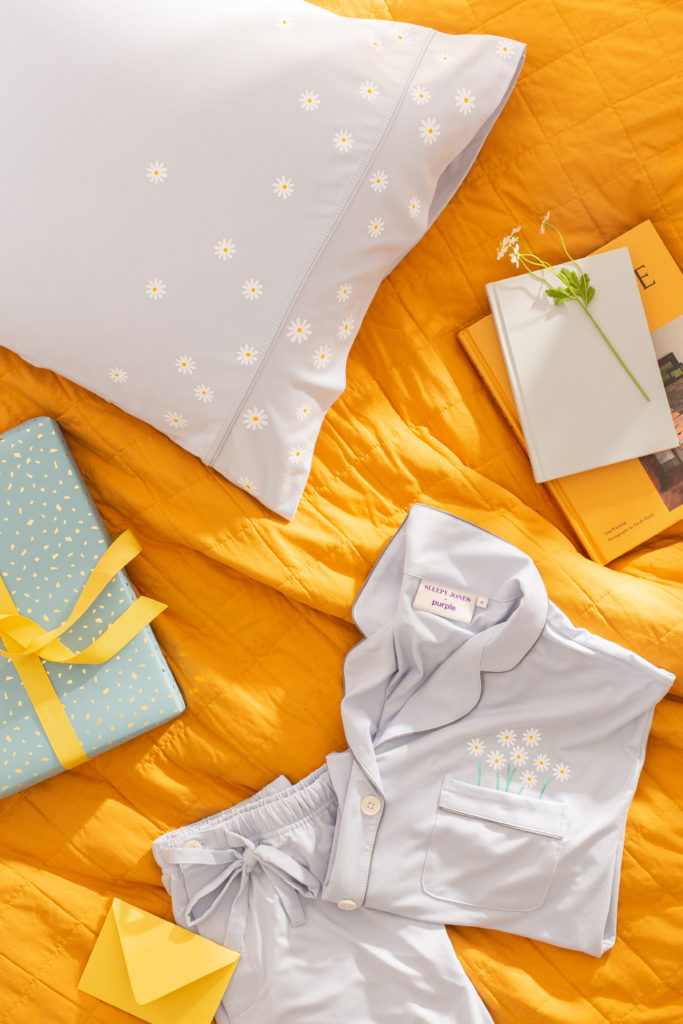
A key development in the 2021-2024 retail cycles has been the rise of cross-industry collaborations. A notable example is the partnership between Purple and Sleepy Jones, a brand known for its classic, artist-inspired loungewear. This collaboration represents a strategic attempt to bridge the gap between technical sleep hardware and aesthetic lifestyle software.
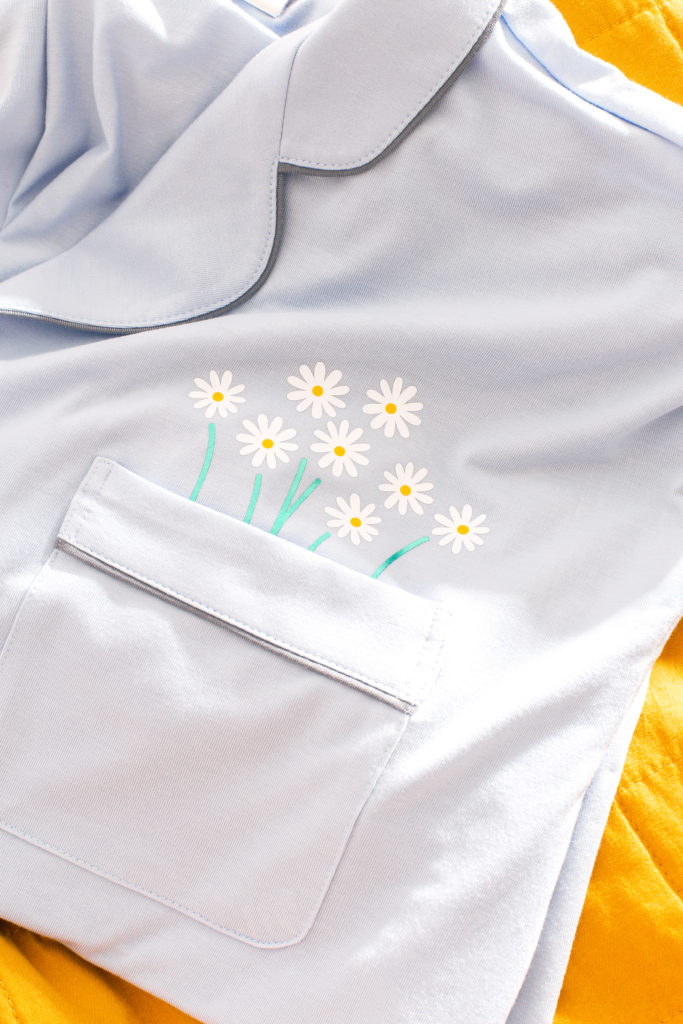
The introduction of pajama sets in spring-ready pastels and knit jersey materials mirrors the textile innovations found in high-end bedding. By using the same soft-stretch materials for both sleepwear and sheets, brands are creating a "seamless comfort ecosystem." For the consumer, this offers a curated gifting experience that simplifies the decision-making process while ensuring a high level of perceived value. Industry analysts note that these "bundle" offerings—combining pillows, sheets, and apparel—cater to the "one-stop-shop" preference of modern consumers while increasing the average order value for retailers.
Personalization and the Resurgence of the DIY Ethos
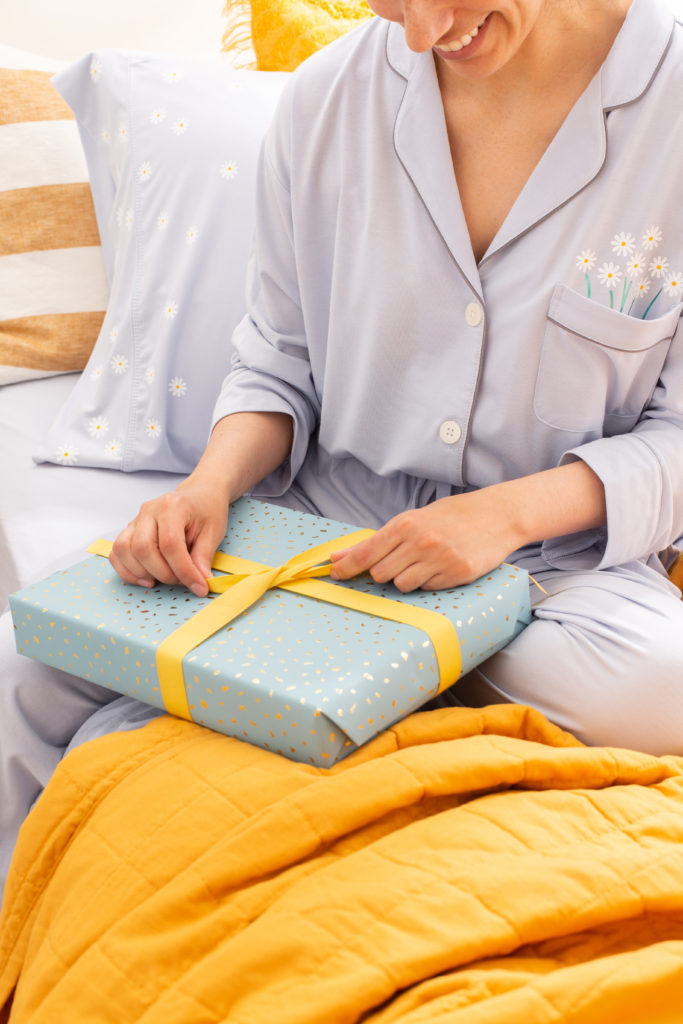
While high-tech gifts dominate the high-end market, there is a concurrent trend toward personalization and the "handmade" aesthetic. The resurgence of 1990s-inspired motifs, such as the daisy print, reflects a broader cultural nostalgia that resonates with both Millennials and Gen X. This aesthetic shift has encouraged a DIY (Do-It-Yourself) movement within the gifting space, where consumers use technology like craft cutters and iron-on vinyl to customize mass-market items.
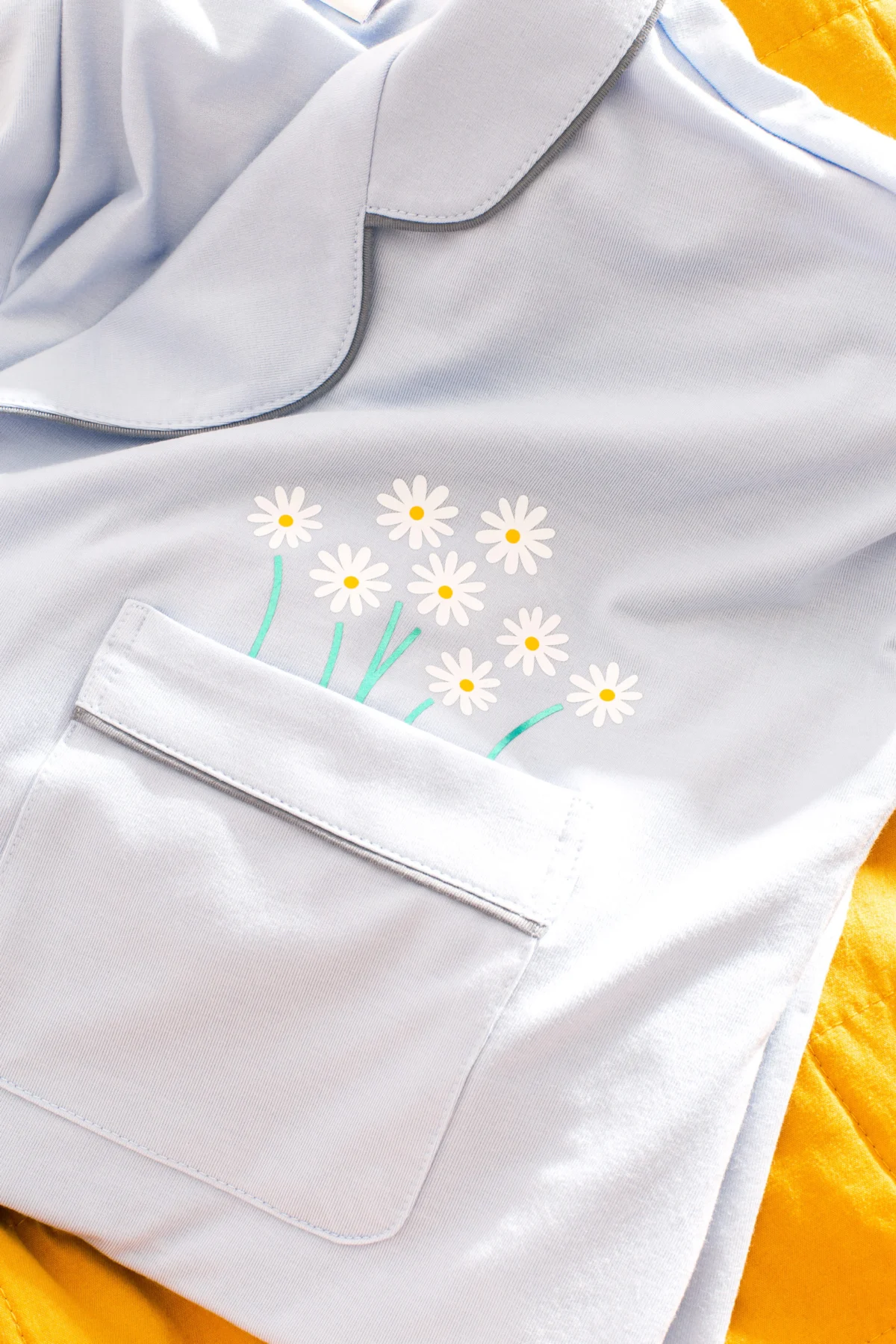
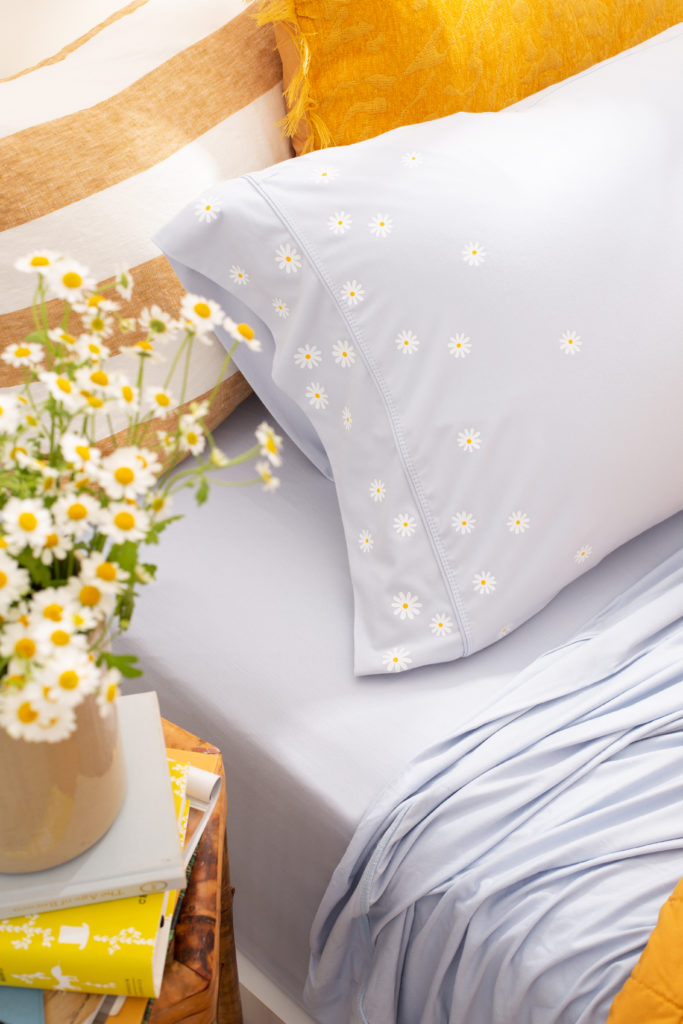
The "Daisy DIY" project—utilizing iron-on vinyl to add floral patterns to pajama pockets and pillowcases—serves as a case study in how consumers are personalizing their gifts. This behavior is supported by the "IKEA Effect," a psychological phenomenon where individuals place a higher value on products they have partially created or customized. From a retail perspective, providing templates and instructions for such projects allows brands to engage with their audience beyond the initial transaction, fostering community and brand loyalty.
Technical Implementation of the Customization Trend
For consumers engaging in these personalized projects, the process has become increasingly streamlined due to the accessibility of home crafting technology. The standard methodology involves:
- Precision Measurement: Aligning digital artwork with the physical dimensions of the garment.
- Material Layering: Using multi-colored iron-on vinyl to create depth and visual interest.
- Thermal Application: Utilizing controlled heat to ensure the longevity of the design on knit fabrics.
This intersection of technology and traditional "home-making" reflects a modern desire for gifts that are both professionally manufactured and personally touched.
The Botanical and Literary Markets: Classic Gifting Reimagined
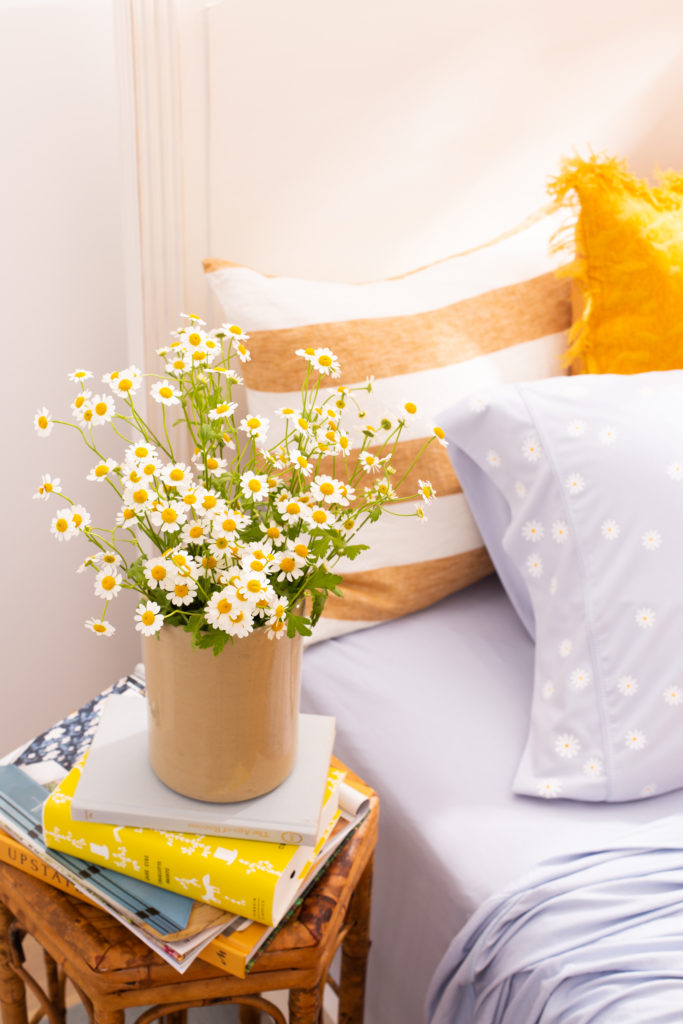
Despite the rise of technology and DIY, traditional categories like flowers and books remain pillars of the Mother’s Day economy. However, the way these gifts are presented has evolved. There is a growing emphasis on "Bedroom Blooms"—the practice of placing fresh-cut flowers in private, overlooked spaces like nightstands rather than just common areas. This shift highlights the move toward "private luxury," where the gift is intended solely for the recipient’s personal enjoyment during their quietest hours.
Similarly, the book market has seen a trend toward "curated bibliotherapy." Rather than generic bestsellers, consumers are increasingly seeking out beautiful, coffee-table-style books that align with specific interests, such as interior design, wellness, or slow living. This reflects a broader consumer trend where the physical book is viewed as both an intellectual resource and a decorative object that contributes to the "sanctuary" feel of the home.
Chronology of Mother’s Day: From Sentiment to Strategy
To understand the current gifting landscape, one must look at the evolution of the holiday itself.
- 1908: Anna Jarvis holds the first official Mother’s Day service in Grafton, West Virginia, intending it to be a day of personal sentiment and quiet reflection.
- 1914: President Woodrow Wilson signs the proclamation making Mother’s Day a national holiday.
- 1920s-1940s: The floral and greeting card industries begin to commercialize the day, much to the chagrin of Jarvis, who eventually protested the holiday’s commercialization.
- 1990s-2000s: The holiday becomes a major economic driver for the jewelry and restaurant industries.
- 2020-Present: The COVID-19 pandemic accelerates the "home-as-sanctuary" trend, leading to a surge in demand for loungewear, high-quality bedding, and wellness-focused gifts.
This timeline illustrates a shift from pure sentiment to a complex economic event that balances emotional connection with high-level retail strategy.
Consumer Spending Data and Economic Implications
According to 2023 retail reports, the average consumer planned to spend approximately $274 on Mother’s Day, the highest in the survey’s history. The breakdown of spending reveals significant investments in:
- Flowers: 74% of consumers.
- Greeting Cards: 74% of consumers.
- Special Outings (Brunch/Dinner): 60% of consumers.
- Electronics and Home Goods: Historically lower but seeing the fastest year-over-year growth.
The inclusion of promotional codes, such as the "OHD10" discount offered by Purple, is a standard industry tactic to convert "consideration" into "purchase" during high-traffic periods. These codes not only incentivize the buyer but also allow companies to track the efficacy of specific marketing channels and partnerships.
Health and Wellness: The "Gift of Rest" as a Necessity
The broader implication of the shift toward comfort-based gifting is the growing recognition of the "sleep deficit" among mothers. Clinical studies have long highlighted that mothers of all ages often experience lower sleep quality due to caregiving responsibilities and the "mental load" of household management. By marketing mattresses, pillows, and pajamas as Mother’s Day gifts, companies are tapping into a profound societal need for better health outcomes.
The "Harmony Pillow" and "Soft-Stretch Sheets" are not merely products; in the context of Mother’s Day, they are marketed as tools for physical recovery. This health-centric approach has proven to be a resilient marketing strategy, as consumers are generally more willing to spend on items that promise a tangible improvement in quality of life.
Future Outlook: The Continued Personalization of Comfort
As we move toward the mid-2020s, the trend of home-centric, personalized gifting shows no signs of waning. We can expect to see further integration of "smart home" technology into the comfort sector, alongside a continued appreciation for the handmade and the nostalgic. The successful brands will be those that can offer the reliability of a mass-market product with the emotional resonance of a personalized gift.
In conclusion, Mother’s Day has evolved into a sophisticated blend of high-tech wellness, strategic brand partnerships, and creative personalization. Whether through a high-performance pillow from Purple, a stylish set of Sleepy Jones pajamas, or a hand-customized floral pillowcase, the modern gift is defined by its ability to provide a "restful retreat" from the demands of daily life. As the definition of luxury continues to trend toward "time and tranquility," the home comfort sector remains poised for sustained growth and innovation.