
The resurgence of artisanal botanical practices has positioned the creation of infused herbal oils as a foundational skill for the modern natural skincare industry and home-based apothecaries alike. As consumers increasingly pivot away from synthetic preservatives and complex chemical formulations, the demand for transparent, plant-based alternatives has reached a historic peak. Herbal oil infusion, a process known scientifically as maceration, involves the transfer of lipid-soluble active compounds from plant material into a carrier oil. This technique serves as the essential precursor to a wide array of dermatological applications, including therapeutic salves, whipped body butters, and restorative facial creams.
While the process is often marketed as a beginner-friendly project, the underlying chemistry requires a precise balance of temperature, moisture control, and botanical selection to ensure product stability and efficacy. The global "clean beauty" market, valued at approximately $5.4 billion in 2020 and projected to grow at a compound annual growth rate (CAGR) of 12% through 2027, has sparked a renewed interest in these traditional methods. Industry analysts suggest that the democratization of herbal knowledge allows individuals to bypass the industrial supply chain, creating bespoke products that cater to specific skin sensitivities and ecological values.
The Historical and Modern Context of Maceration
The practice of infusing oils with aromatic and medicinal plants dates back millennia, with documented evidence found in the pharmacopoeias of Ancient Egypt, Greece, and Traditional Chinese Medicine. Historically, these oils were used not only for cosmetic enhancement but also for ritualistic anointing and the treatment of topical wounds. In the contemporary era, the shift toward "slow beauty" mirrors the farm-to-table movement in the culinary world.
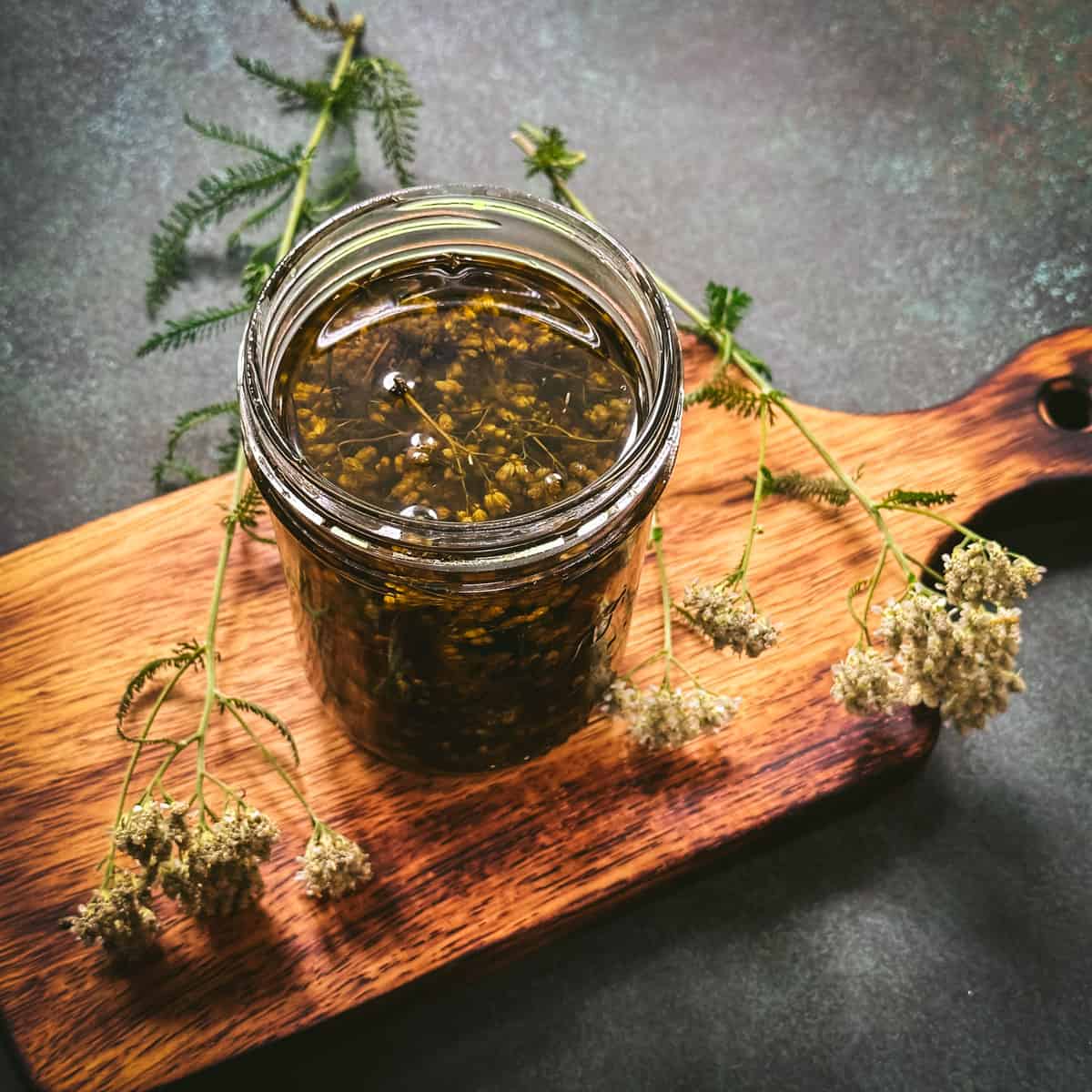
By utilizing whole-plant extracts rather than isolated synthetic compounds, practitioners argue that the "entourage effect"—the synergistic interaction of various phytochemicals—provides a more holistic benefit to the skin’s microbiome. Dermatologists specializing in integrative medicine note that while high-tech laboratory ingredients have their place, the fatty acids found in carrier oils like olive and jojoba, when combined with the anti-inflammatory properties of herbs like calendula or yarrow, offer a biocompatible approach to skin barrier repair.
The Botanical Chronology: A Seasonal Foraging Guide
Successful oil infusion begins with a deep understanding of the botanical lifecycle. For the serious herbalist, the process is a year-long endeavor that follows the rhythm of the seasons.
Spring and Summer: The Harvest Peak
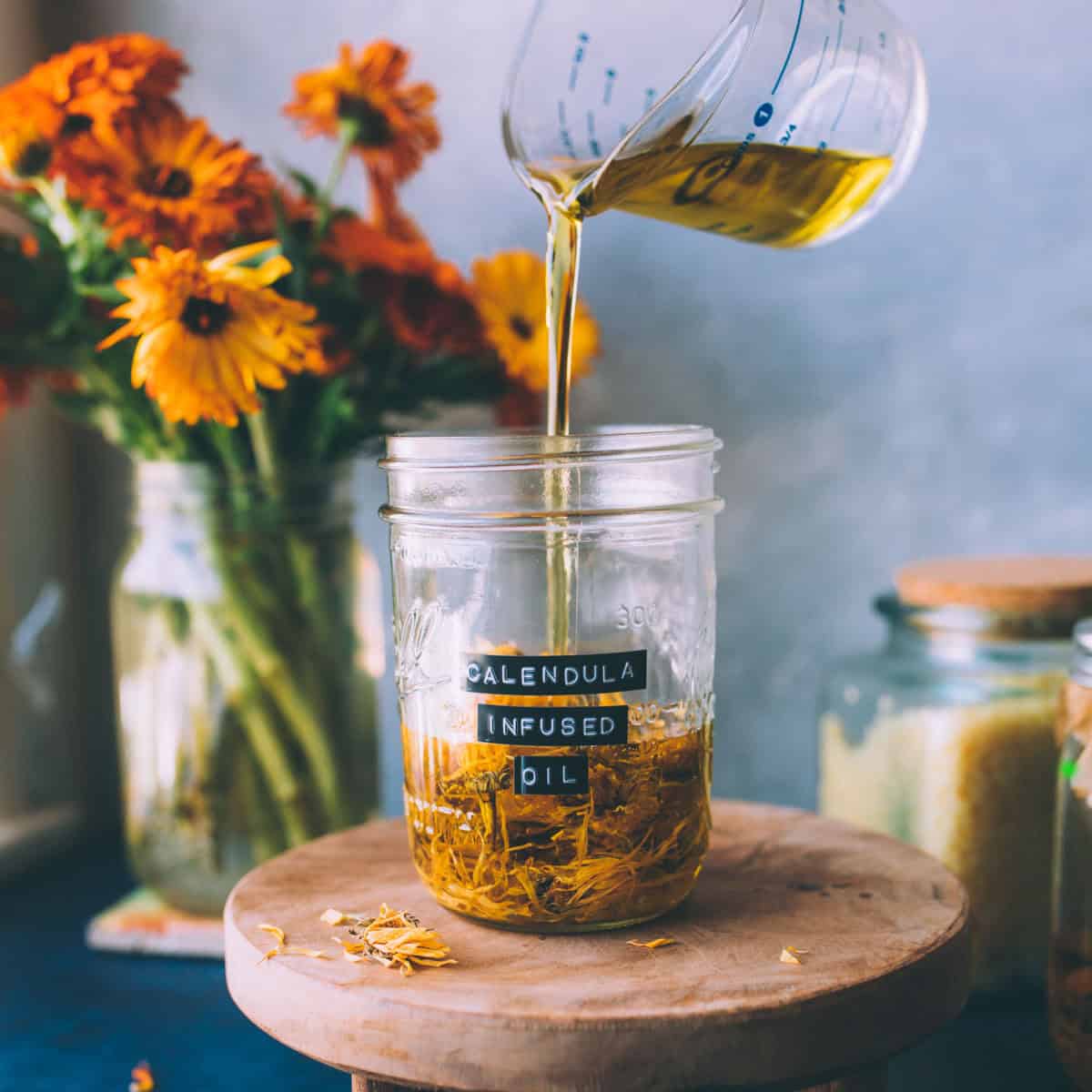
The vernal equinox marks the beginning of the foraging season. Early spring brings the emergence of chickweed (Stellaria media) and dandelion (Taraxacum officinale), both of which are prized for their ability to soothe itchy or inflamed skin. As the season progresses into summer, the focus shifts to resinous plants like calendula (Calendula officinalis) and St. John’s wort (Hypericum perforatum). Experts recommend harvesting these plants during the "golden hour" after the morning dew has evaporated but before the midday sun begins to degrade volatile oils.
Autumn and Winter: Roots and Resins
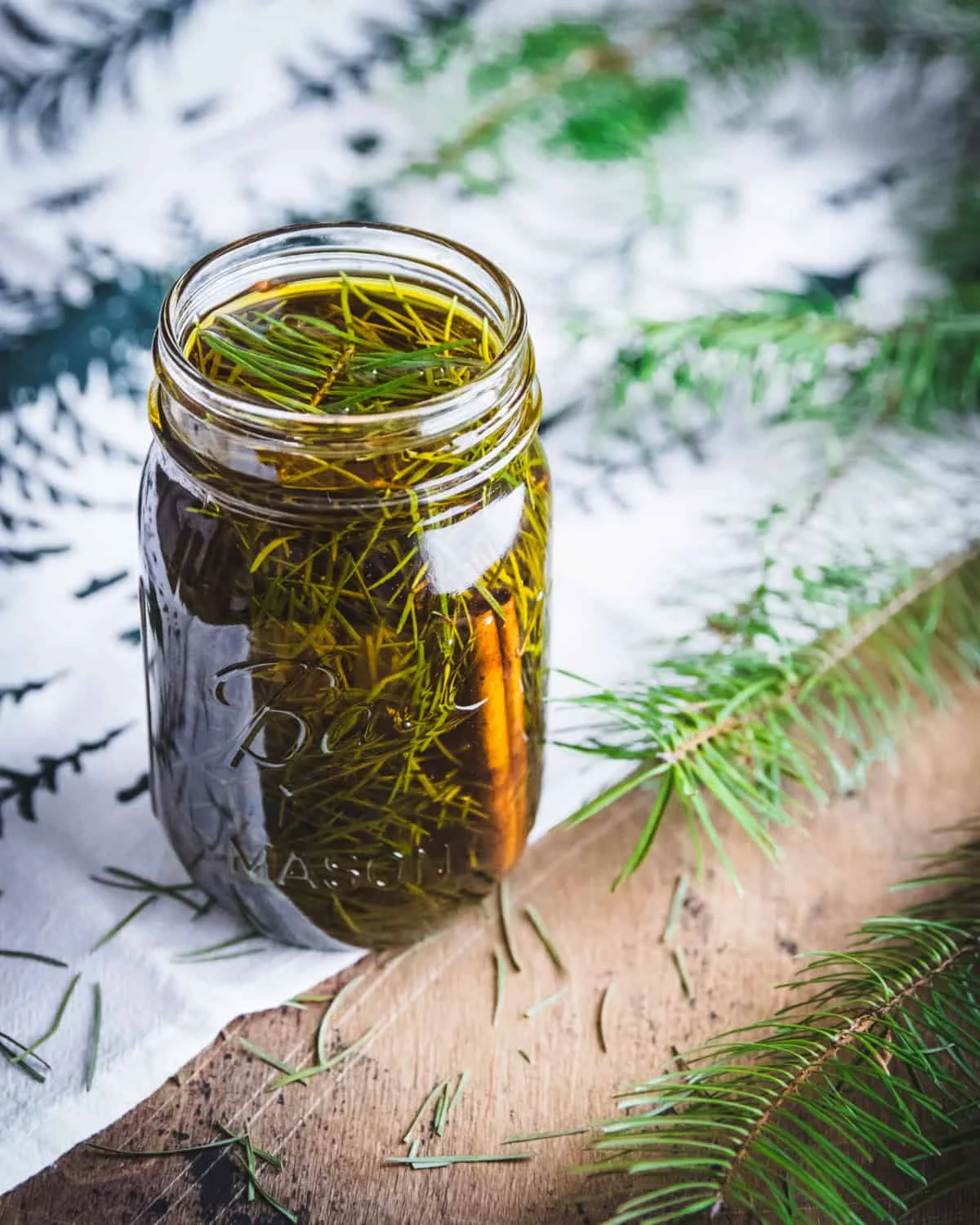
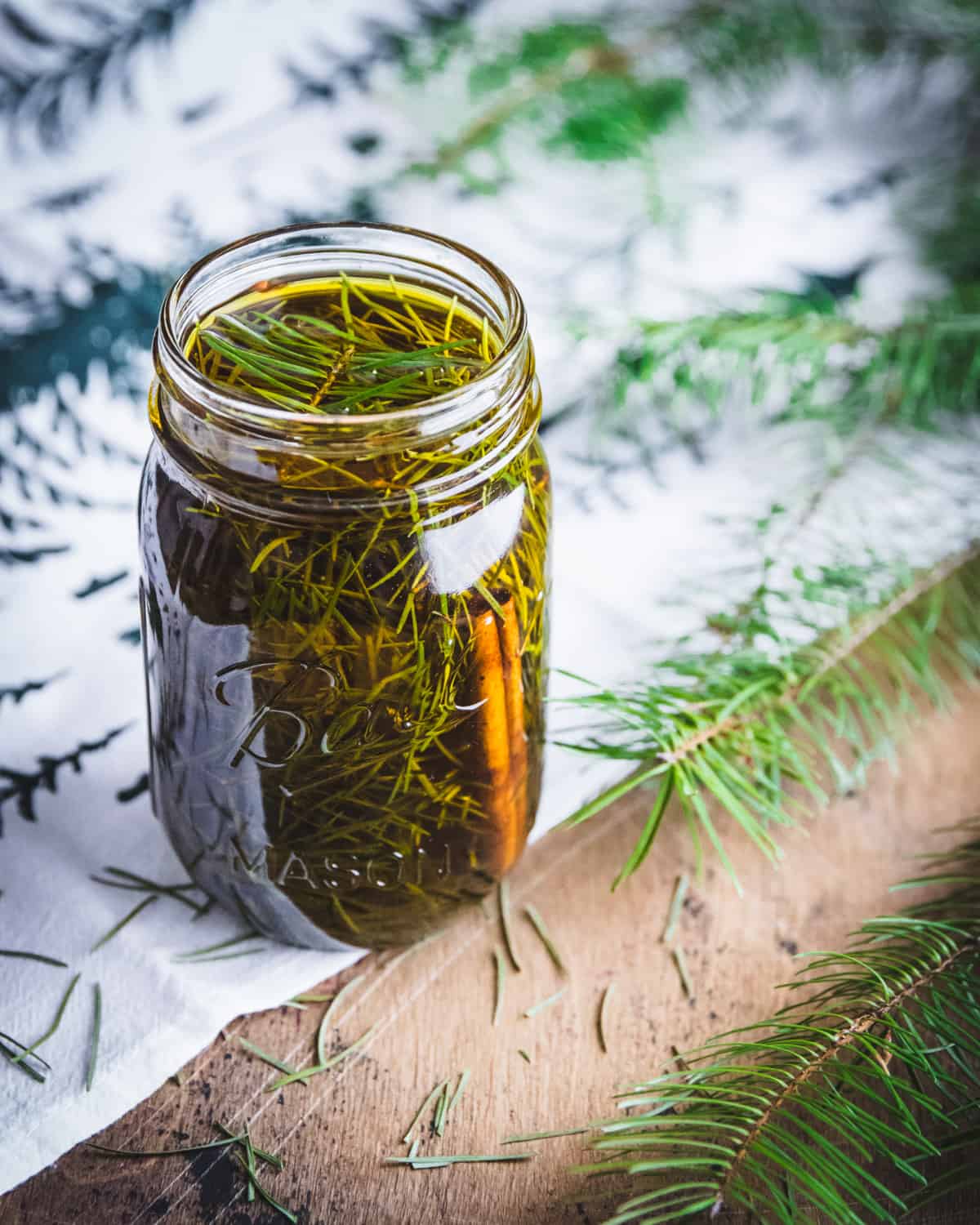
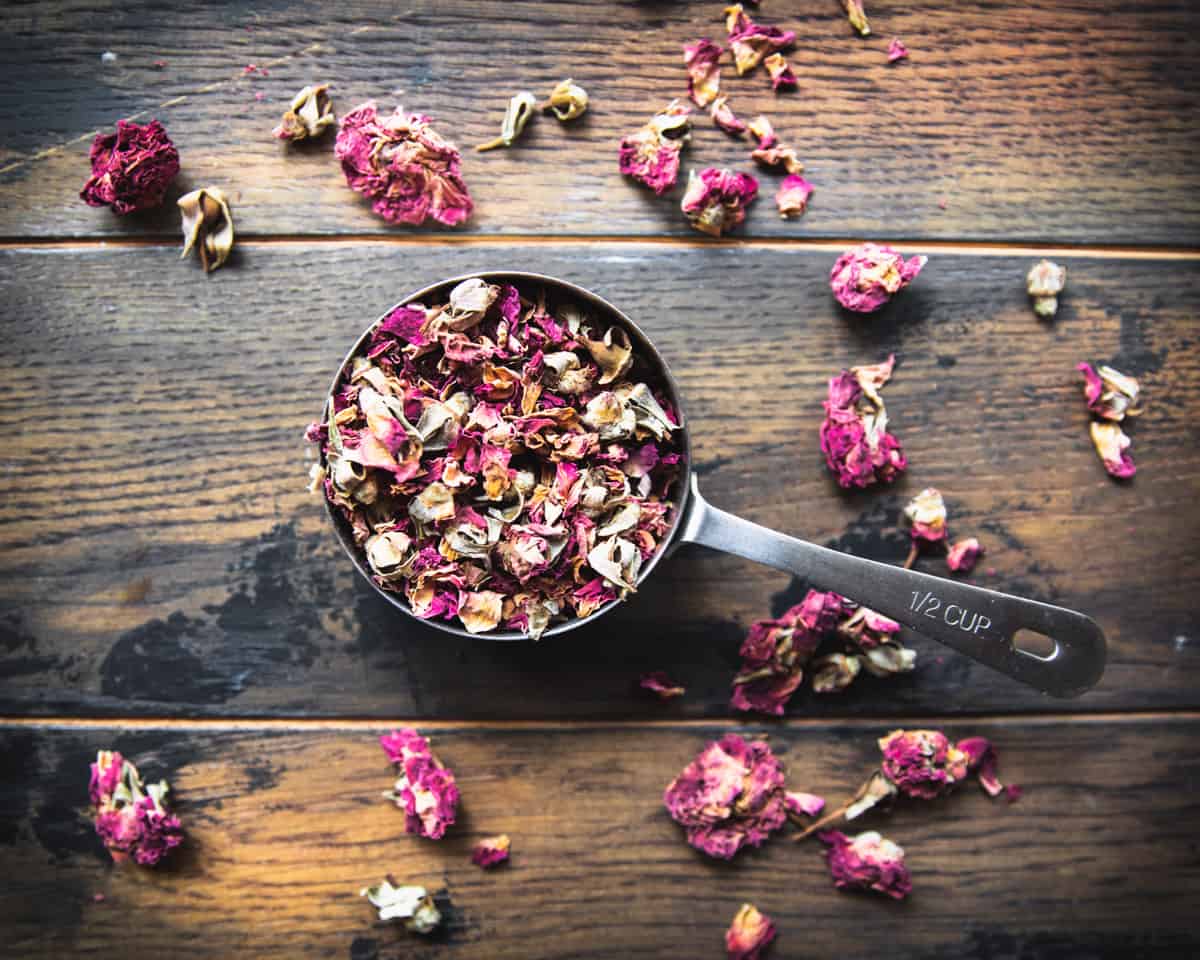
As the foliage dies back, the focus shifts to the harvest of hardy perennials and evergreens. Fall is the optimal time for gathering rose hips, which are exceptionally high in Vitamin C and trans-retinoic acid, making them ideal for anti-aging facial oils. Winter provides access to conifer needles—such as pine, fir, and spruce—which contain antimicrobial terpenes and provide a warming sensation when infused into oils for sore muscle liniments.
Technical Fundamentals: The Critical Role of Dehydration
The most significant risk factor in the production of herbal oils is the presence of water. Botanical materials naturally contain high levels of moisture; if introduced directly into oil, this water creates an environment ripe for the growth of mold and bacteria, including the potentially lethal Clostridium botulinum.
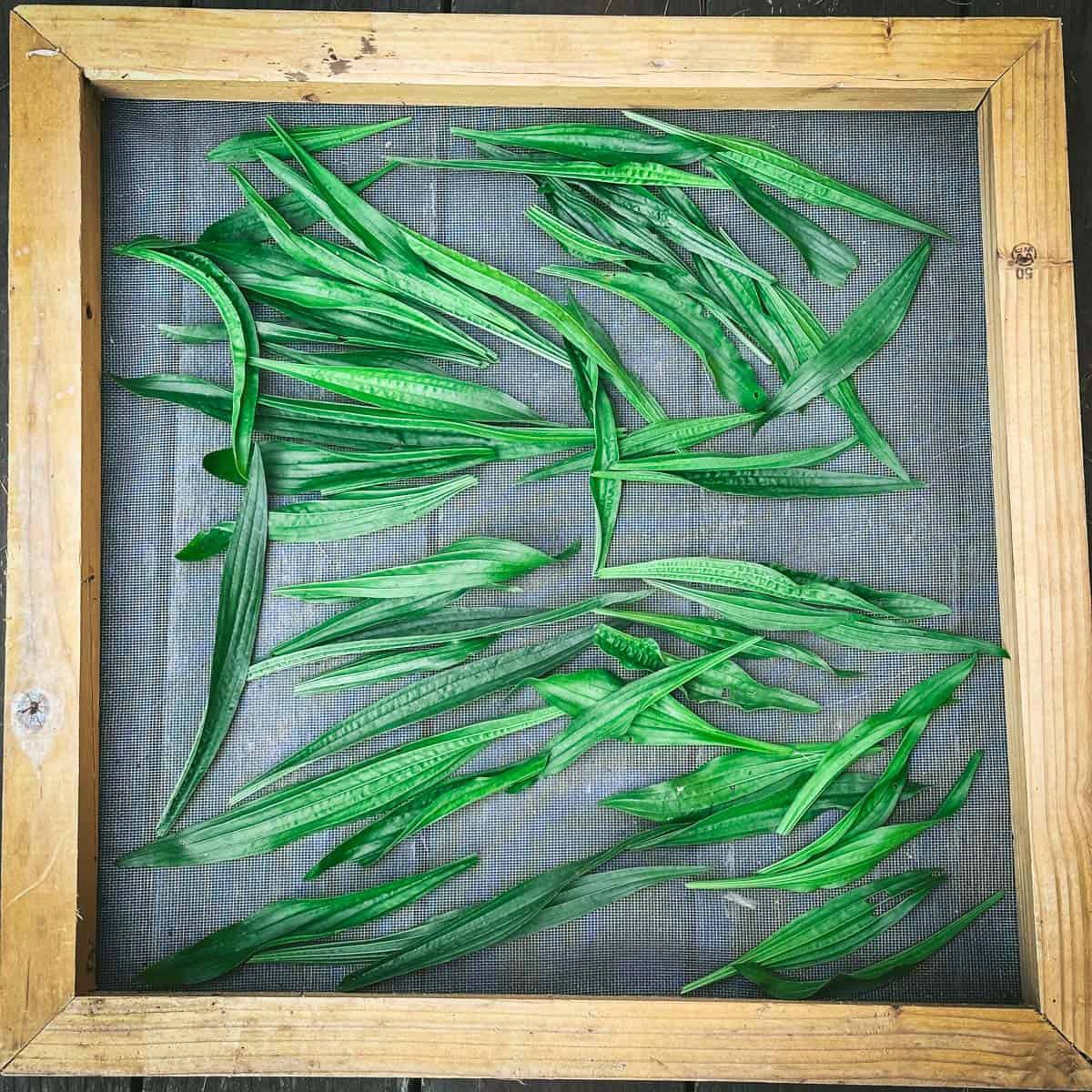
To mitigate this risk, the industry standard mandates the use of thoroughly dried herbs. Professional herbalists utilize drying screens or low-heat dehydrators to reduce the water activity of the plant material to below 0.60. For certain "succulent" herbs that lose their therapeutic value when fully dried—such as St. John’s wort or chickweed—a "wilting" period of 24 to 48 hours is employed. This allows a portion of the water to evaporate while maintaining the integrity of the fresh enzymes.
Scientific Analysis of Carrier Oils
The choice of carrier oil is as vital as the herb itself. Each oil possesses a unique fatty acid profile that determines its shelf life, absorption rate, and comedogenic rating (the likelihood of clogging pores).
- Olive Oil (Olea europaea): A staple in herbalism due to its high oleic acid content and natural antioxidants. It has a long shelf life and is highly stable, though its heavy texture makes it better suited for body salves than facial applications.
- Sweet Almond Oil (Prunus amygdalus dulcis): Known for its high Vitamin E content and medium absorption rate. It is a preferred choice for massage oils and general skincare.
- Jojoba Oil (Simmondsia chinensis): Technically a liquid wax, jojoba closely mimics human sebum. It is highly resistant to rancidity and is excellent for balancing oily or acne-prone skin.
- Coconut Oil (Cocos nucifera): Favored for its antimicrobial properties and solid-at-room-temperature consistency, making it ideal for salves. However, its high comedogenic rating requires caution for those with facial skin sensitivities.
Methodology: Comparison of Infusion Techniques
There are three primary methods for transferring botanical properties into carrier oils, each with distinct advantages and drawbacks.
The Cold Infusion (Maceration) Method
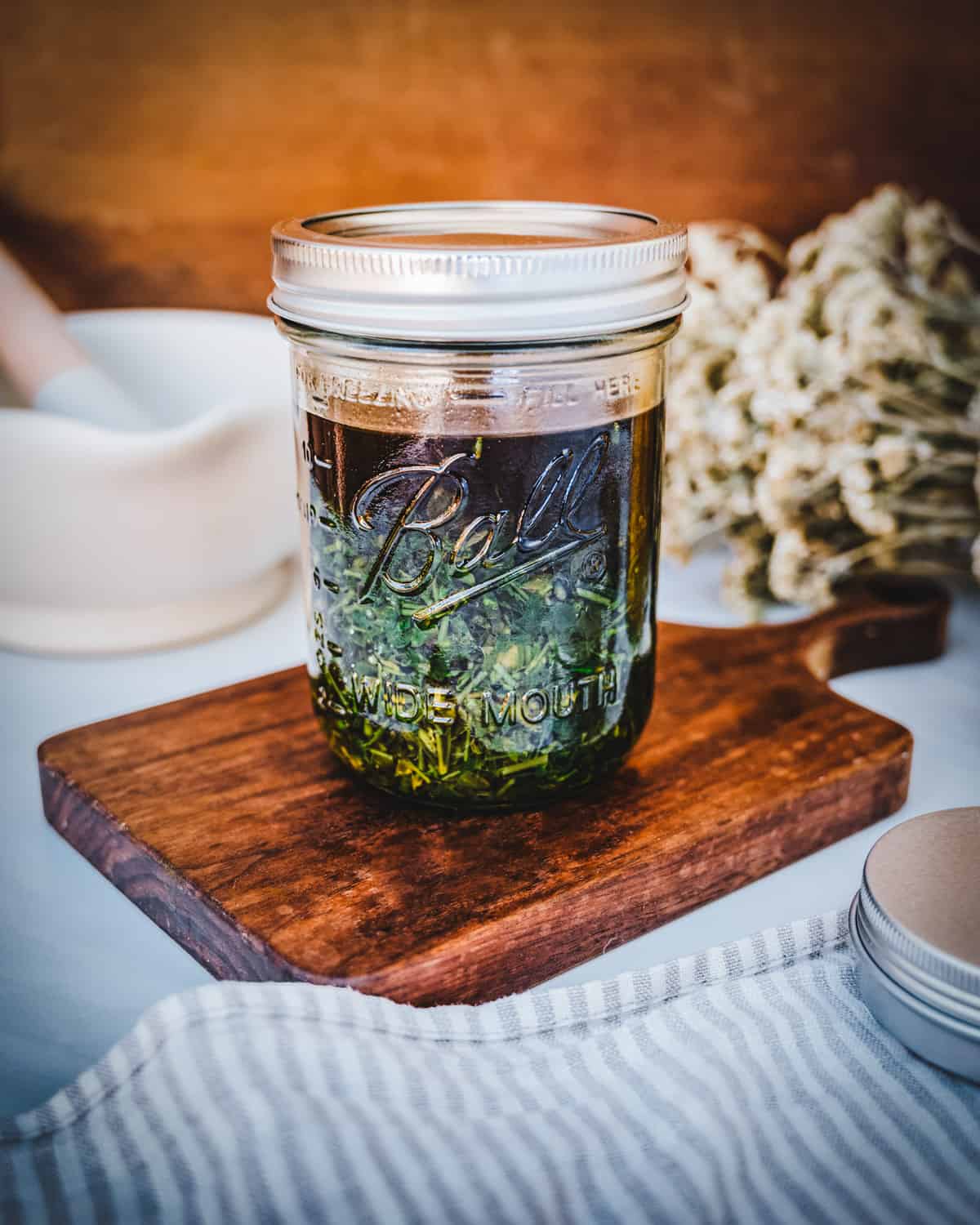
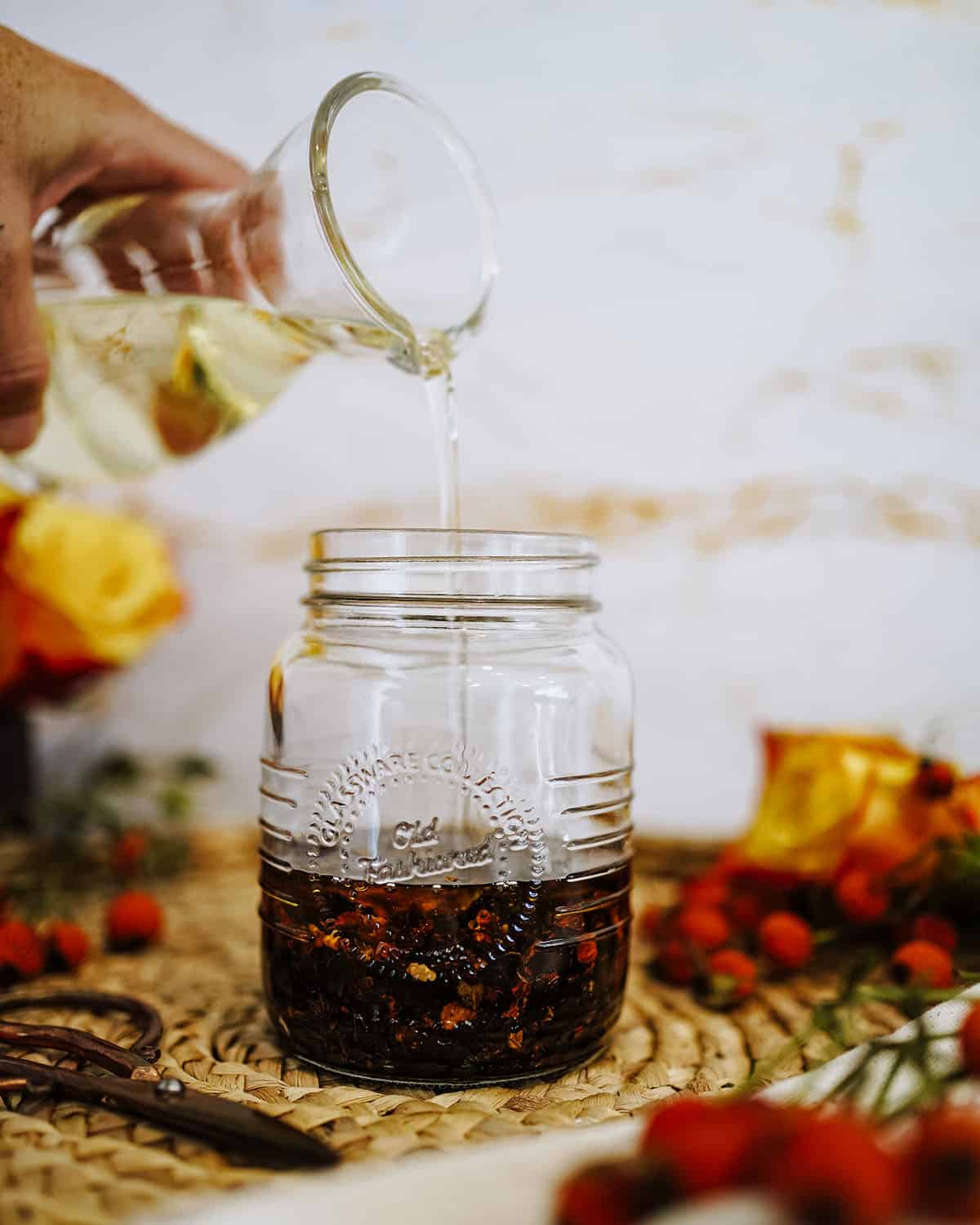
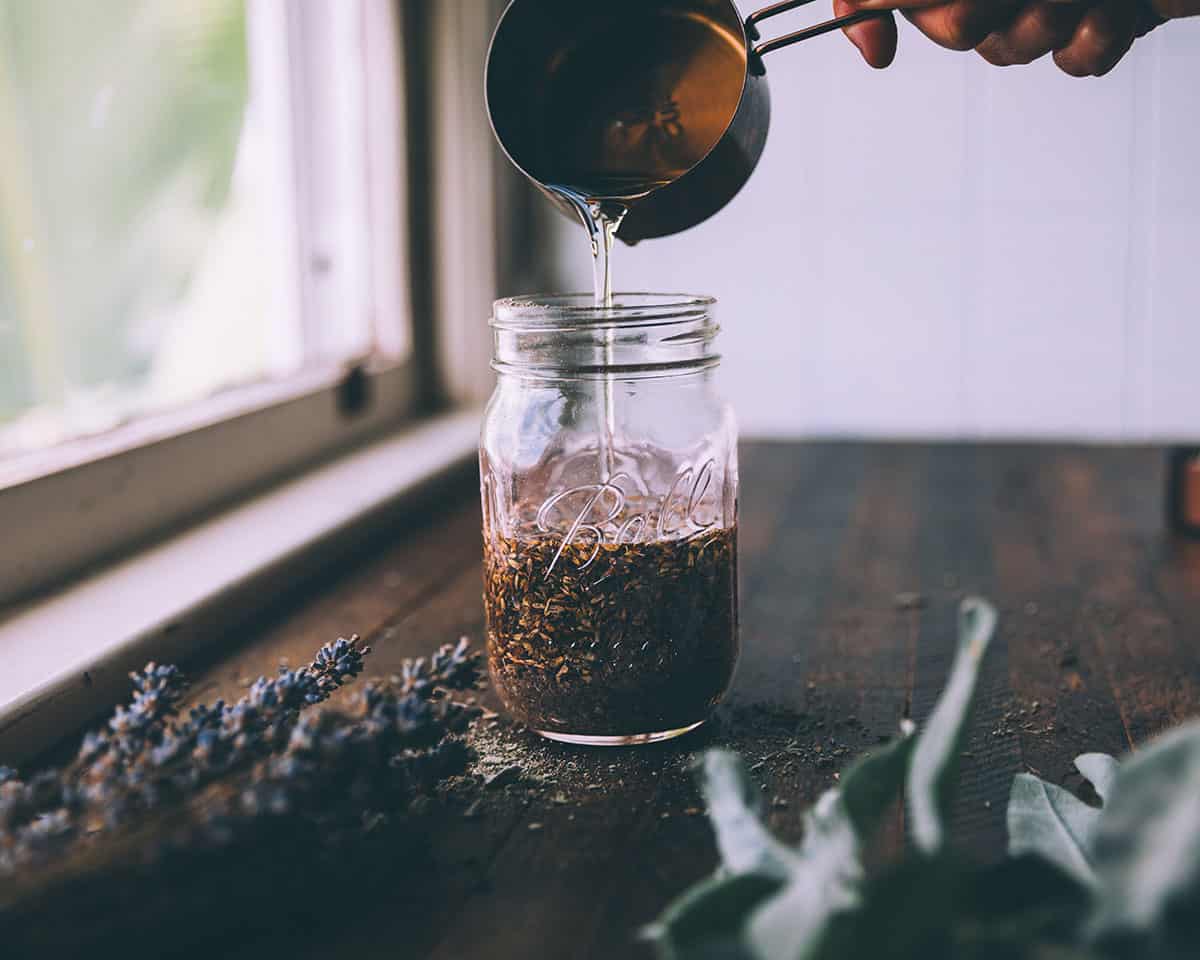
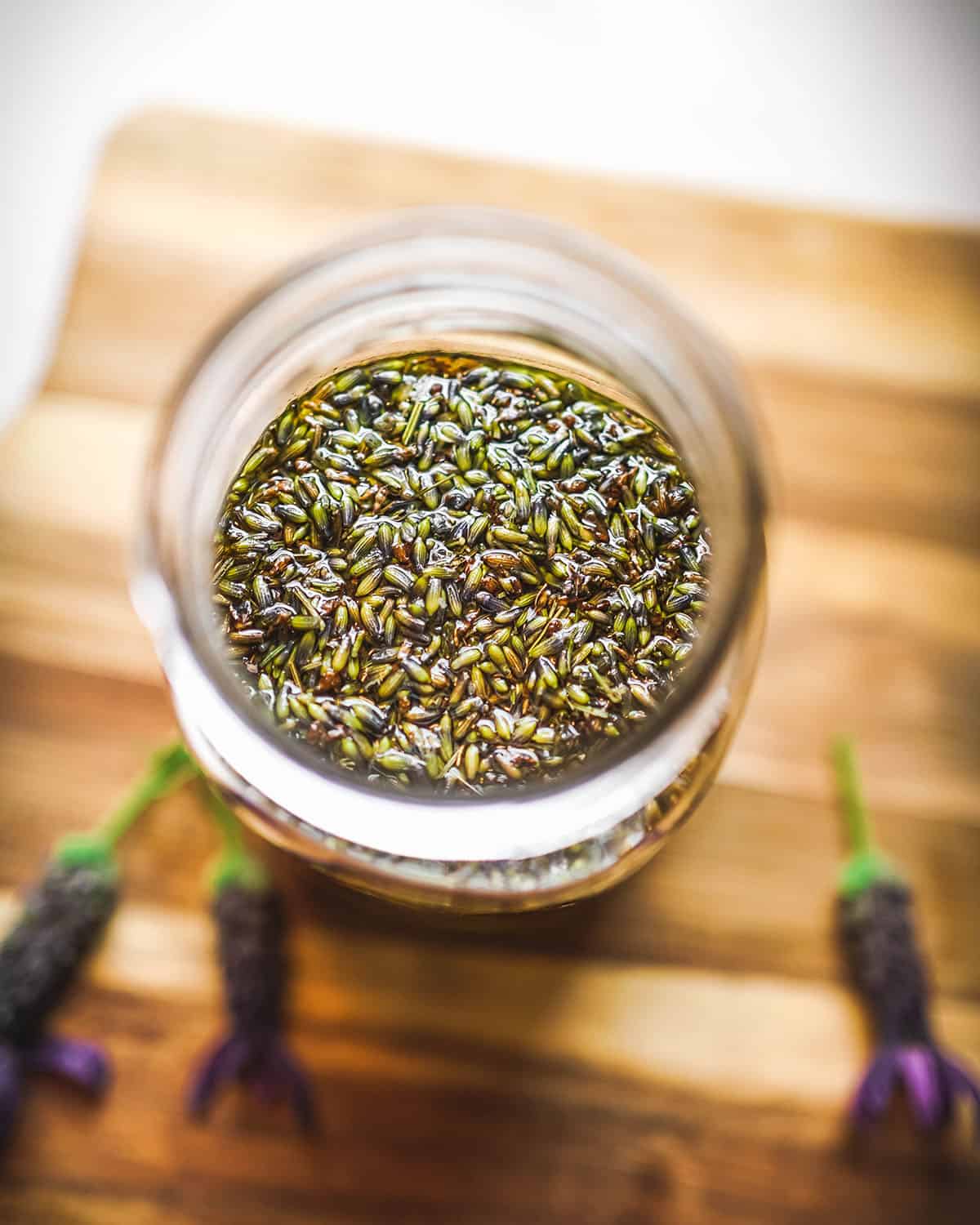
Often cited as the "gold standard" for delicate flowers, this method involves placing dried herbs in a glass jar, covering them completely with oil, and storing them in a cool, dark place for four to six weeks. This slow process ensures that heat-sensitive compounds are not degraded.
- Pro: Maximum preservation of volatile oils and delicate phytochemicals.
- Con: High time investment and risk of spoilage if the herbs were not perfectly dry.
The Quick-Heat Method
For those requiring a faster turnaround or working with wilted fresh herbs, the heat method utilizes a controlled temperature environment (between 100°F and 110°F). This is typically achieved using a double boiler, a slow cooker on the "warm" setting, or a professional-grade dehydrator.
- Pro: Ready in 12 to 24 hours; the heat helps drive out any remaining moisture in wilted herbs, reducing mold risk.
- Con: Excessive heat can cause the carrier oil to oxidize (go rancid) and may destroy certain vitamins.
The Solar Method
This traditional technique involves placing the infusion in a sunny windowsill to allow the sun’s infrared radiation to provide gentle warmth.
- Pro: Low energy consumption and culturally significant in many traditional practices.
- Con: Highly controversial among modern chemists. UV radiation is a primary catalyst for lipid oxidation. Many experts advise against this method as it significantly shortens the shelf life of the resulting oil.
Safety Standards and Quality Control
The transition from a hobbyist to a professional maker requires rigorous attention to safety. Analysts from the American Herbalists Guild emphasize that while infused oils are generally safe for topical use, they are not regulated by the FDA in the same manner as pharmaceuticals.
To ensure quality, makers should implement the following protocols:
- Sterilization: All glass jars and utensils must be sanitized to prevent cross-contamination.
- Labeling: Every batch must be labeled with the botanical name, the type of carrier oil used, the method of infusion, and the date of completion.
- Antioxidants: The addition of Vitamin E (Tocopherol) at a concentration of 0.1% to 0.5% can help slow the oxidation of the carrier oil, extending the shelf life by several months.
- Storage: Finished oils should be stored in amber or cobalt glass bottles to protect them from light degradation and kept in a temperature-controlled environment.
Economic and Environmental Implications
The rise of DIY and small-batch herbalism has broader implications for the global beauty economy. By sourcing herbs locally or growing them in home gardens, consumers are reducing the "beauty miles" associated with international shipping. Furthermore, the use of simple, biodegradable ingredients reduces the chemical load on municipal water systems, which often struggle to filter out the microplastics and synthetic fragrances found in commercial body washes and lotions.
Market research firms like Mintel have noted that "transparency" is the leading trend in skincare. Infused oils offer the ultimate transparency: a two-ingredient product where the source is often the user’s own backyard. This shift is forcing larger cosmetic conglomerates to rethink their formulations, leading to an increase in "botanical-heavy" product lines that attempt to mimic the artisanal aesthetic.
Expert Analysis and Future Outlook
Clinical herbalists suggest that the future of herbal oils lies in specialized applications. We are seeing a move away from "all-purpose" oils toward highly specific formulations, such as arnica-infused oils for athletic recovery or marshmallow root-infused oils for eczema-prone skin.
As the scientific community continues to study the topical benefits of various plants, the bridge between traditional herbalism and modern dermatology is strengthening. While an infused oil is indeed a "perfect first project for a beginner," its role as a sophisticated delivery system for plant medicine cannot be understated. Whether used as a standalone treatment or as the base for a complex cream, the infused herbal oil remains a testament to the enduring power of botanical synergy in human health and wellness.


